For a country that never experiences snowfall, the Philippines has carved its place in the Winter Olympics.
Ask someone to name countries that compete in the Winter Olympics off the top of their head, and the Philippines would probably fall very low on that list—if even mentioned at all. After all, it’s not as if anyone could snowboard or ski down the slopes of Baguio. As a tropical country, Filipinos grow up playing in sand, not snow. And yet, the Philippine flag has been waved at several editions of the Winter Games over the years; it’s a modest but persistent presence, marked by Filipinos who have punched well above their weight and defied odds. Let’s take a closer look at how the Philippines’ history at the Winter Olympics unfolded.
READ ALSO: The Philippines Is Hosting Its First-Ever WTA 125 Event, And It’s A Huge Deal
A Historic Breakthrough
The Philippines made its Winter Olympic debut in 1972 in Sapporo, Japan, with not one, but two alpine skiers: cousins Ben Nanasca and Juan Cipriano.
Born in the Philippines, their path to the Games was far from straightforward. After being adopted by a family from New Zealand, the pair moved from Spain to France to Switzerland, where they learned to conquer the slopes. Their talent for skiing must have stood out, as it wasn’t long before the Swiss government granted them the opportunity to train competitively. This ultimately paved their way to the Winter Olympics and earned them the green light to represent the Philippine flag for alpine skiing.
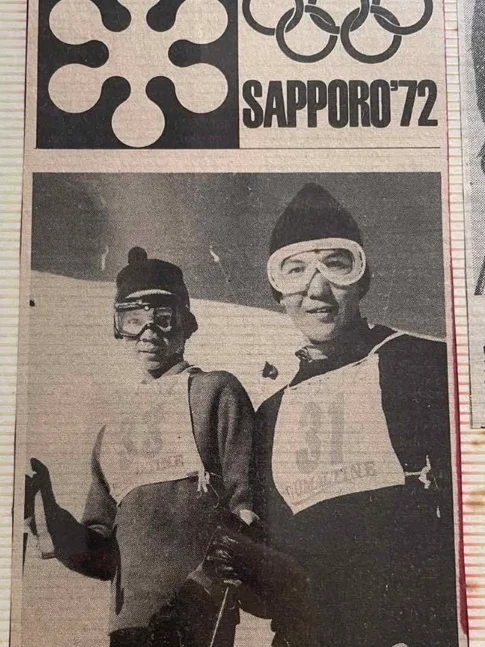
Their qualification to compete in Sapporo in 1972 was no small feat. Not only was this the Philippines’ first-ever appearance at the quadrennial event, but it also marked the first time in history for a tropical country to be represented in the Olympic Winter Games.
What made this even more remarkable was the fact that the Philippines was years ahead of other Southeast Asian nations. With tropical climates ruling the region, it took decades for neighboring countries to achieve the same feat; Thailand made its first appearance in 2002, while Malaysia and Singapore debuted in 2018.
Cipriano, unfortunately, did not finish in his two events in Japan, while Nanasca finished in 42nd place in the men’s giant slalom out of 73 competitors. They didn’t make it to the podium, but their participation alone was already a win by many standards. Against the odds, this pair carved out a place for Filipinos to compete at winter sports on the Olympic stage, making history.
Slow But Steady Progress
16 years after their debut, the Philippines returned to the Winter Olympics in Calgary in 1988, when Filipino-American luger Raymond Ocampo carried the flag.
Born in Lubao, Pampanga, to a Filipino mother, Ocampo benefited from his American father’s roots, which gave him access to the sport in the United States. He spent years honing his craft as a luger, and would later become the Philippines’ only representative at both the 1988 and 1992 Winter Games.
After Ocampo’s back-to-back appearances, the Philippine flag didn’t return to the Winter Games for 22 years. But the 2014 Sochi Olympics changed the game for Filipino winter athletes. Only one representative from the Philippines competed that year, and his name still elicits a sense of pride among Filipinos today: Michael Christian Martinez.
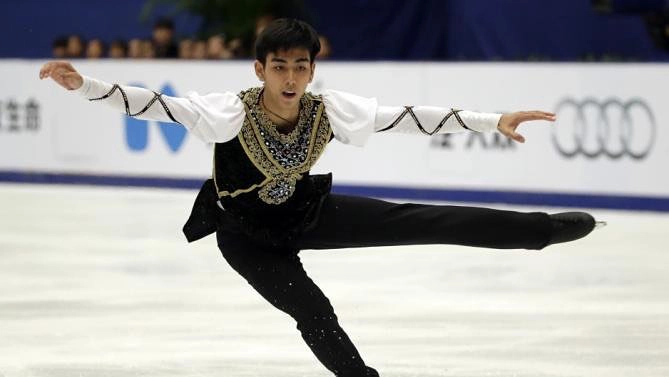
Martinez is widely considered one of the nation’s biggest athletes, not just in winter sports, but across the Philippines’ sporting history. He became the first figure skater from Southeast Asia to qualify for the Winter Olympics, and his memorable performance at Sochi is still etched into the memories of many. It’s worth noting that his participation also coincided with a major rise in social media, which amplified his historic achievement all the more. His name came to stand for success against the improbable—and we know how Filipinos love a good underdog story.
This proved to be a pivotal moment for the country. Since 2014, the Philippine flag has maintained a humble yet persistent presence at the Winter Games, all while support for Filipino athletes steadily grows. And with each successive edition, interest in both the athletes and the nation’s presence at winter sports expands.
A Snowball Effect
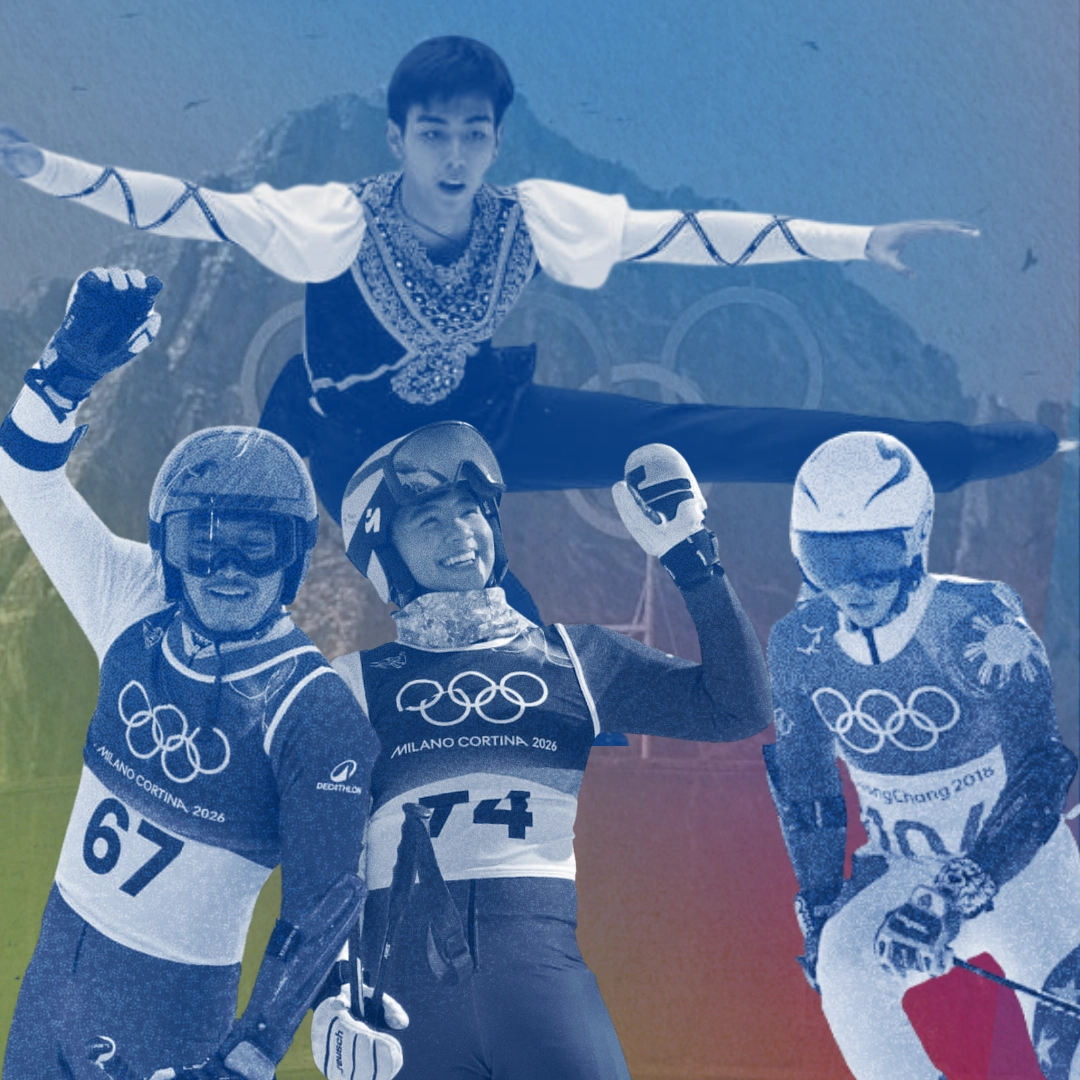
Michael Martinez returned to the Olympic stage in 2018, but this time, he wasn’t alone; he was joined by Filipino-American alpine skier Asa Miller, who grew up in the United States and began skiing competitively at the young age of six. He represented the Philippines again in 2022, making him the first Filipino skier to compete in back-to-back Olympic Games.
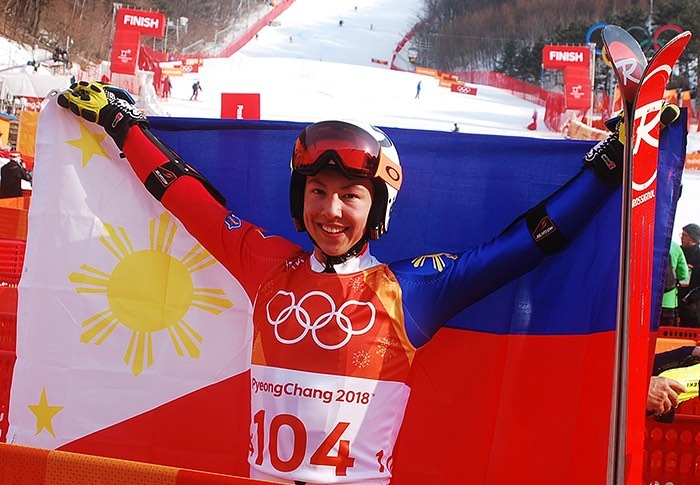
You may be noticing a trend: throughout the Philippines’ history in winter sports, alpine skiers have dominated the country’s participation at the Olympic level. Two Filipinos are carrying that tradition forward today. Representing the flag at the ongoing 2026 Winter Olympics in Italy are alpine skiers Francis Ceccarelli and Tallulah Proulx.
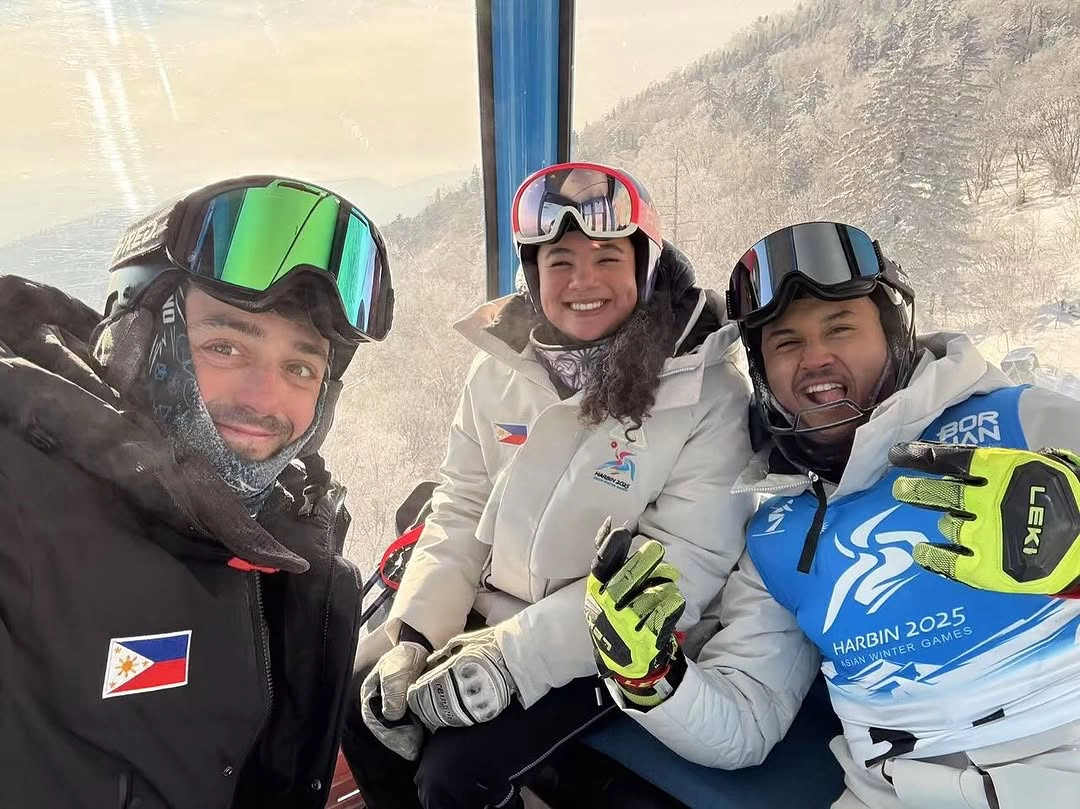
Both athletes have just made their Olympic debut. Quezon City native Ceccaralli finished 54th in the men’s giant slalom event; meanwhile, Tallulah Proulx, who was born in California, placed 52nd at the women’s giant slalom competition. These results may appear unassuming at first glance, but this year marked yet another historic run for the nation, as Proulx became the first Filipina and youngest Philippine representative to compete at the Winter Olympics at just 17 years old.
Of course, there’s another trend among Filipino athletes who compete in winter sports that cannot be denied: as a country that never experiences snowfall, training and competition must happen elsewhere. Even Michael Martinez, who was born and raised in the Philippines, spent time training abroad. Opportunities for Filipinos to experience, let alone succeed competitively in winter sports is, naturally, starkly limited.
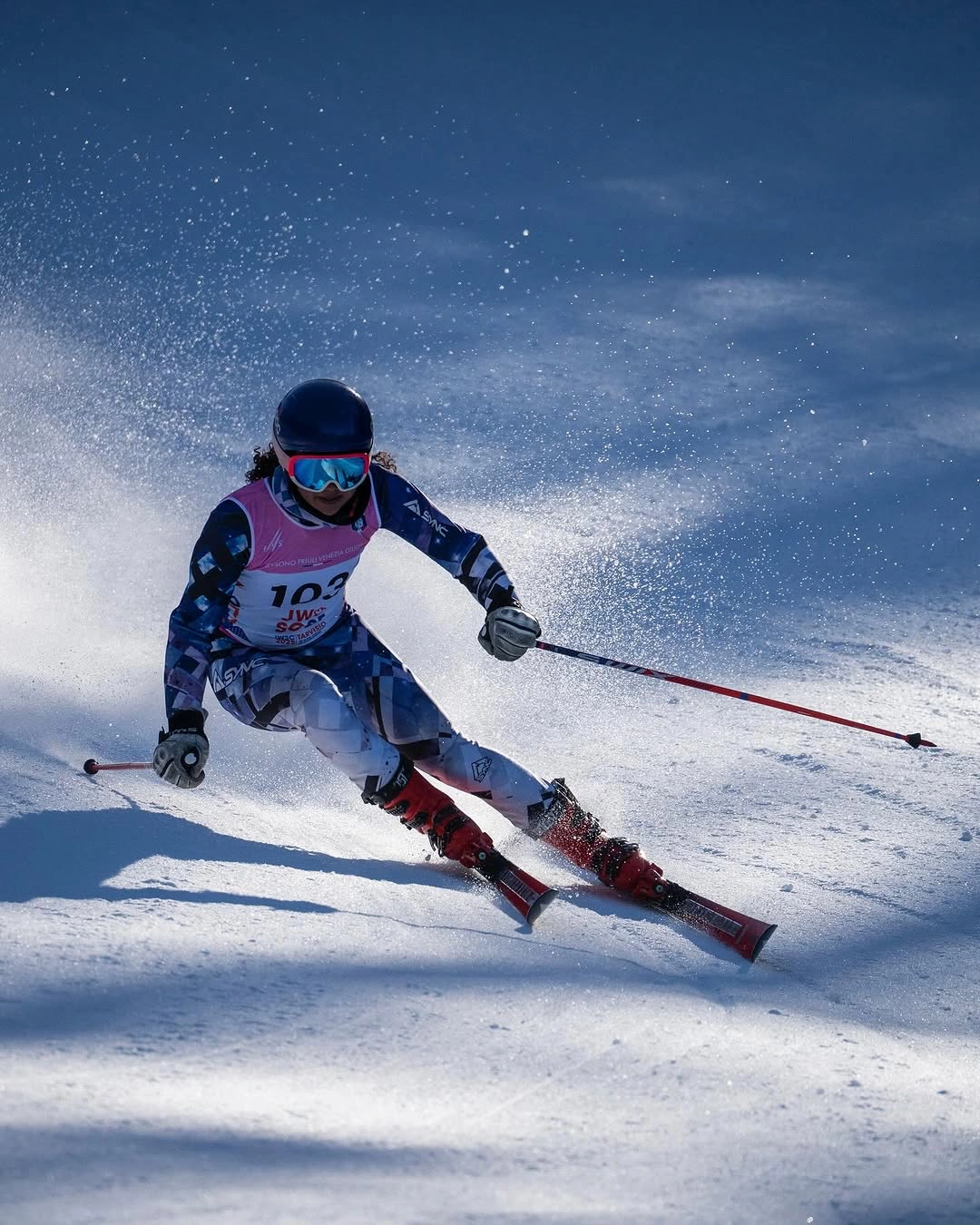
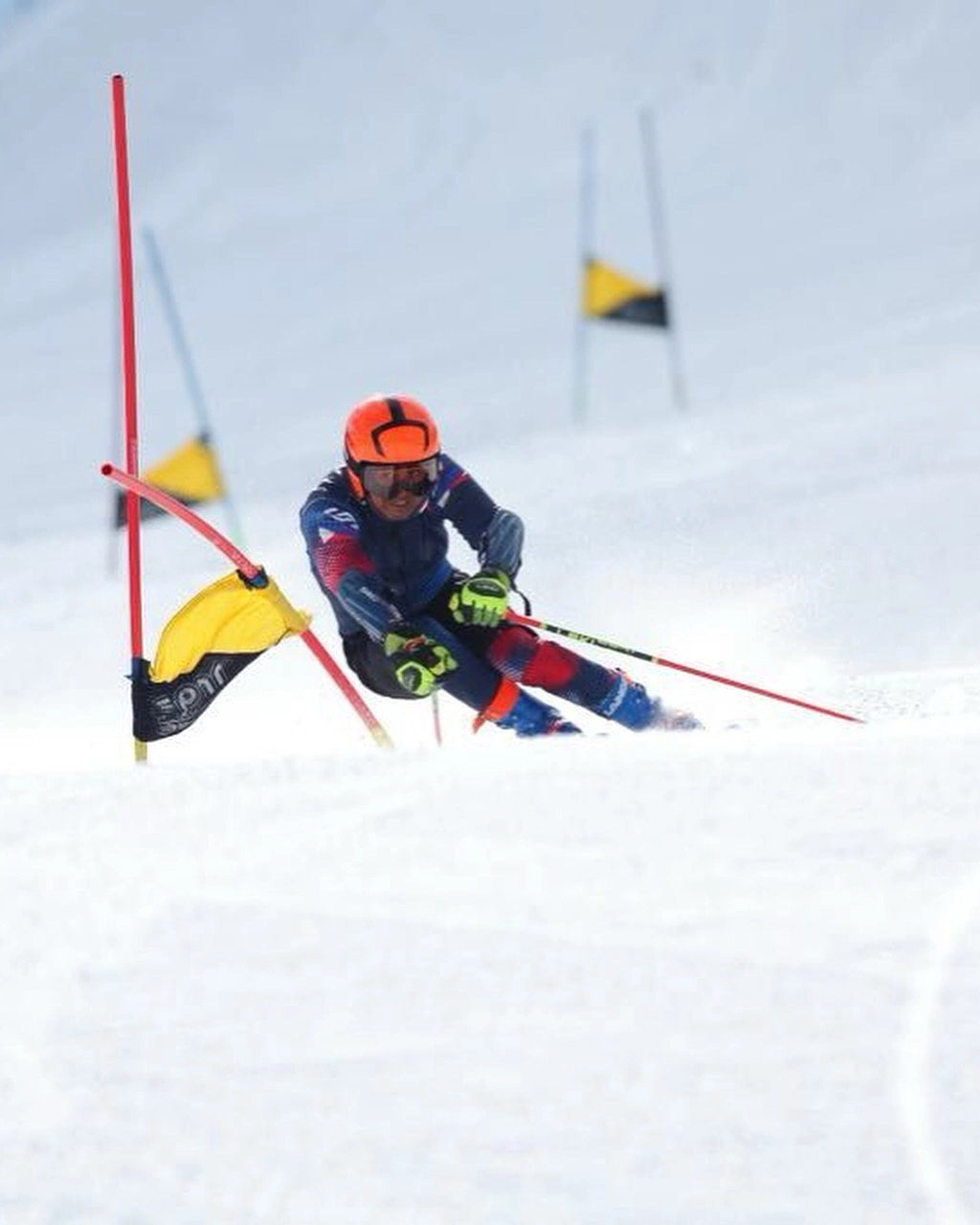
Yet, the Philippines has had 10 representatives throughout the history of the Winter Olympics. It’s a highly exclusive group, but they’re proof that although the barriers to entry may be steep, they can be overcome. We have yet to see a Filipino claim a medal at this prestigious event, but for now, mere participation at this level is enough to help our athletes gain traction and support; we may very well continue to see them succeed at this level. In the most recent Winter Youth Olympics held in 2024 in Gangwon, Korea, the Philippines was represented by three young athletes in cross-country skiing, freestyle skiing, and short track speed skating.
The numbers may be small, but they make quite the statement: Filipinos can never be counted out.