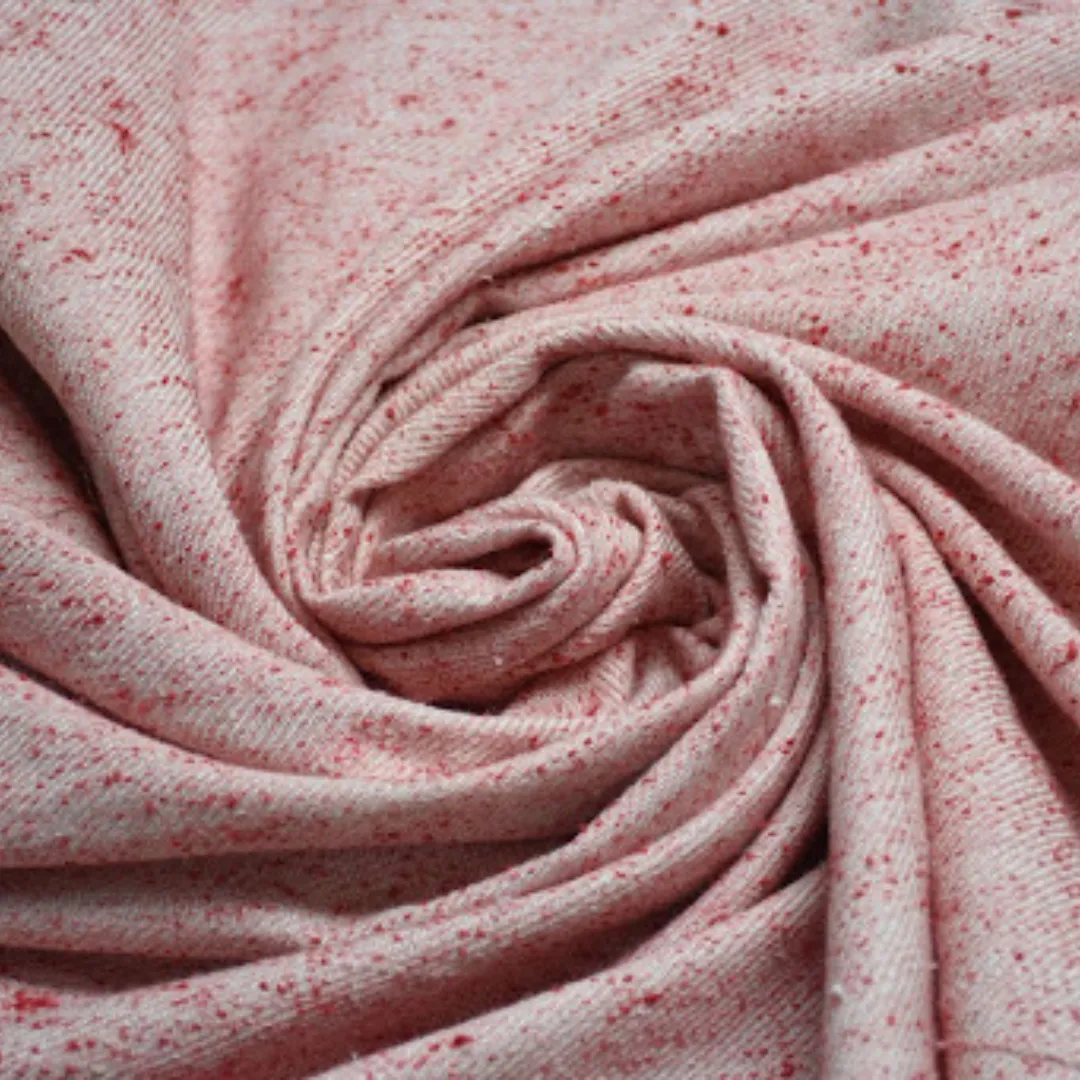
This home-grown brand partnered with the Philippine Textile Research Institute to bridge a gap in the local fashion industry.
Behind the glitz and glamour of the fashion industry lies a reality that is often ignored: the industry, including the textile sector, is one of the leading contributors to waste pollution and carbon emissions. In 2020, the textile industry was identified as the third-largest contributor to water degradation and land use. In addition, fast fashion’s carbon footprint was found to be 11 times higher than that of traditional fashion. That’s why the Department of Science and Technology-Philippine Textile Research Institute is collaborating with Bayo Manila to localize conscious and sustainable initiatives for the Filipino fashion industry through the Textile Revitalized (TexRev) Project.
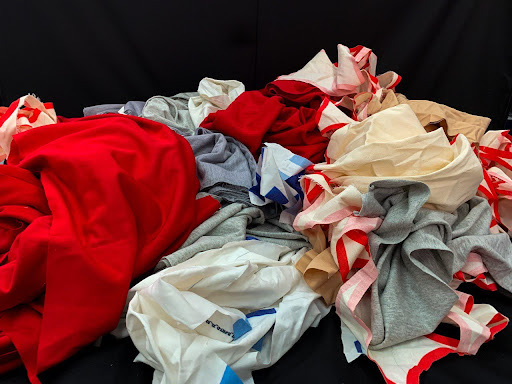
Fashion and pollution go hand in hand—from creation to consumption, each step generates waste that accumulates and harms the environment. Fashion houses and brands are beginning to take notice of the issue and are making efforts to become more sustainable. In the Philippines, household spending on clothing and footwear reached nearly ₱232 billion, indicating that Filipinos continue to contribute to textile and fashion waste. Additionally, a 2015 study identified the Philippines as the third-largest producer of mismanaged plastic waste, further compounding the issue.
READ ALSO: Happy Andrada and Tesoros Turn Traditional Fabrics Chic
Innovation For The Environment
Homegrown brand Bayo recognizes that it generates around 16 tons of textile waste annually. This reality has driven the brand to adopt more sustainable and environmentally friendly practices. Through TexRev, Bayo positions itself as a key player in the sustainable fashion movement, repurposing discarded fabrics into high-quality yarns—drastically reducing water and energy consumption.
“Through our commitment to the UN Global Compact and collaborations with PTRI, we are proving that a Filipino fashion brand can be a leader in circular fashion, making an impact both locally and globally. We believe that the future of fashion is truly circular,” Anna Losanta Marie A. Lagon, Co-CEO of Bayo Manila, Inc., said during the 2025 National Textile Convention (TELACon).
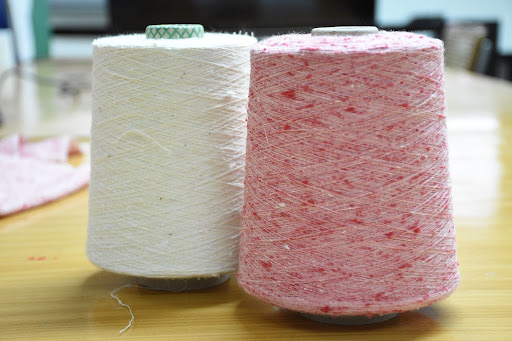
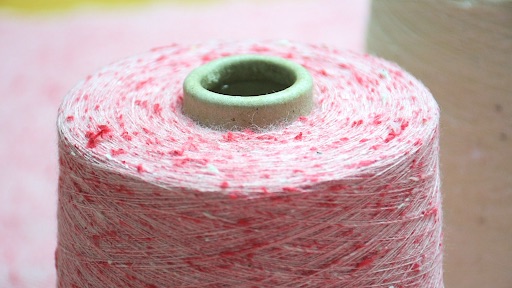
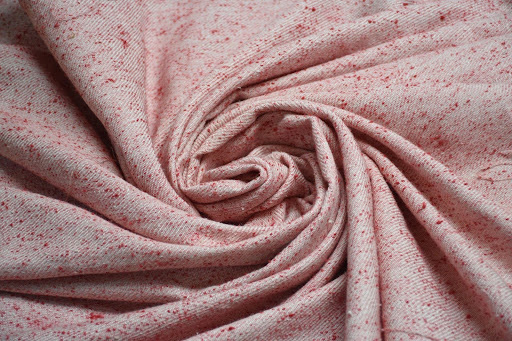
In the TexRev process, textile waste at Bayo is collected and sorted by color and material. The fabrics are then cut and shredded into fibers, which are tested for quality. Next, the fibers are carded to remove impurities before being spun into yarns. These yarns are blended with virgin materials for added strength and durability, then woven into fabrics. Finally, the fabrics undergo finishing treatments such as dyeing, water repellence, and antimicrobial coating, making them suitable for sustainable fashion and home textiles.
The project aims to catalyze a paradigm shift within the industry, going beyond mere waste reduction to achieve a holistic and sustainable transformation. This means its ambition extends beyond immediate waste mitigation, seeking to reshape industry norms, practices, and potentially regulatory frameworks.
Photos courtesy DOST.