
The global coffee inflation is making everyone’s favorite caffeinated drink a lot more expensive.
Coffee has become a ubiquitous and indispensable part of modern life. In fact, a 2024 report from the World Population Review states that coffee is the second most-exported commodity in the world after oil, with Brazil, Vietnam, and Colombia as the top producers. In the United States alone, roughly 26,982 60-pound bags of dry coffee beans were consumed in 2024, making it the top coffee-drinking country in the world. Yet, news outlets have pointed out that since the start of 2025, global coffee inflation has been rising—meaning your cup of joe is getting way pricier.
In a February 2024 video for Bloomberg Opinion, commodities columnist Javier Blas warned viewers to expect double-digit inflation for coffee in the next few months. After tracking coffee markets across the world, he pinpoints worsening weather conditions as the main cause.
READ ALSO: Cafe Landmarks: 5 Historical Coffee Shops Around The World
The Big Coffee Shortage, The Bigger Coffee Inflation
Brazil and Vietnam have been experiencing a steady wave of bad weather, which has severely affected their coffee yield. This isn’t anything new, since these less-than-ideal conditions have always been detrimental to coffee production, but climate change is speeding things up at alarming rates. Even back in April 2023, the International Coffee Organization released a report detailing how from 2021 to 2022, world coffee production dropped by 1.4% due to “the off biennial production and negative meteorological conditions in a number of key origins.”
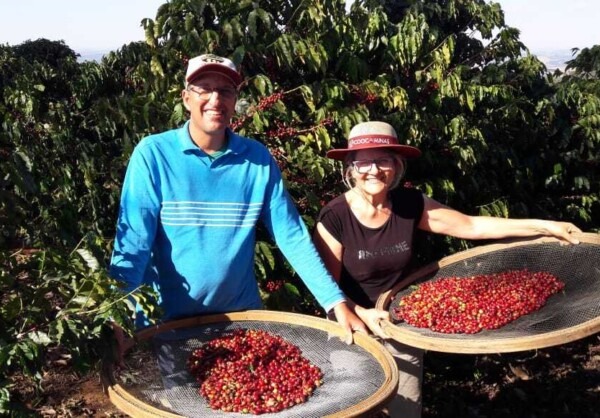
The organization adds that, while South America will likely remain the largest producer of coffee in the world, it has suffered the “largest drop in output in almost 20 years,” with a 7.6% drop from 2021 to 2022.
In his video, Blas explains that the intense heat inhibits coffee flowers from developing into their coveted berry forms. Should Brazil fail to bounce back within 2025, global stockpiles are expected to fall to their second-lowest level in 65 years. The columnist points out that this poses quite the problem, since over the past four consecutive years, we’ve been consuming coffee more than producing it.
Coffee In The Philippines
Coffee is also a fixture in the Philippines, especially with the popularity of cafés, which encompass large franchises and independent shops. A 2021 paper published by Laurico et al. in the “Journal of the Korean Society of International Agriculture” details that nine out of ten households in the Philippines have coffee in their pantries, with eight out of ten adults drinking roughly 2.5 cups of coffee every day.

Meanwhile, 2024 data from World Population Review ranks the country as the eighth largest coffee-consumer in the world, beating Vietnam (which is at ninth place) and South Korea (10th place) with an average consumption of 3,312, 60-pound bags of dry coffee beans in 2024.
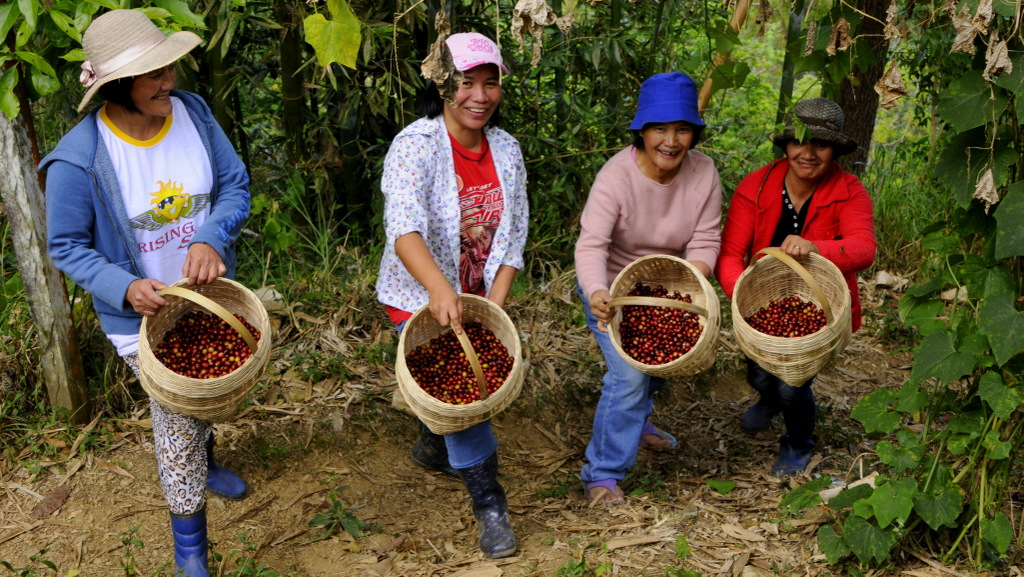
So is this global coffee inflation affecting the Philippines? The answer is a resounding yes, sadly. In a message to Inquirer, Pacita Juan, President and Co-Chair of the Philippine Coffee Board Inc. (PCB) states that retail coffee prices may increase by about 20 percent on average. As of February 2025, the Department of Trade and Industry updated its suggested retail price (SRP) bulletin for commodities—this includes all stock keeping units (SKU) under coffee, with increases reflecting the commodity’s inflation rate.
What’s The Next Step?
PCB stated that the global inflation might come to benefit local coffee farmers, provided they produce quality beans. For years, imported coffee has usually overshadowed local coffee due to its lower cost. Though the Philippines isn’t the largest producer in the world, it does have its specialty coffee, carefully selected and grown under optimal conditions. This differentiates them from commercial grade coffee, since beans don’t have to be over-roasted or processed to hide defects, according to Laurico et al.
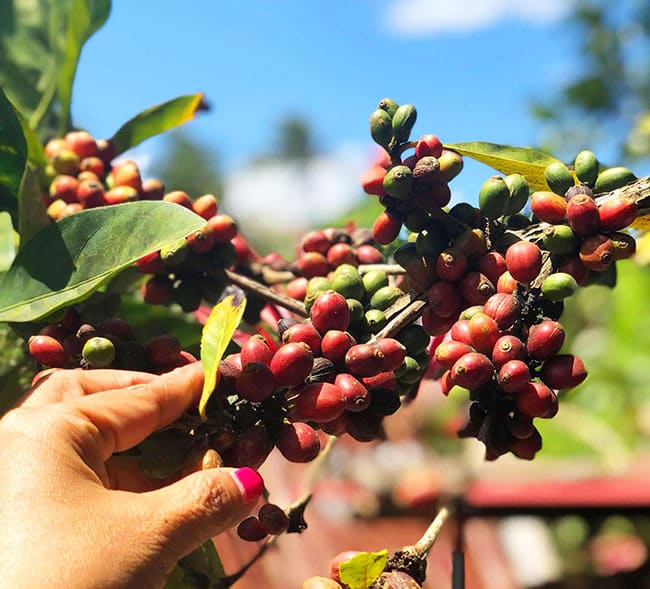
The researchers explain that specialty coffee is “sourced out from major coffee producers in the Philippines, with a coffee score of 80 or higher graded by Licensed Q Graders under the Coffee Quality Institute, and it has all the details of the farms, the bean varietal or varietals if it’s a blend, as well as the percentages, and the cupping or tasting notes.”
Their study found that most Filipino consumers today are in search of products that not only boast quality, but are also traceable, sustainable, and made through fair agricultural practices (meaning farmers are adequately compensated and supported for their labor). If coffee farmers, producers, and the local government can leverage this demand, it might result in a boom for the country’s specialty coffee businesses—both here and abroad.
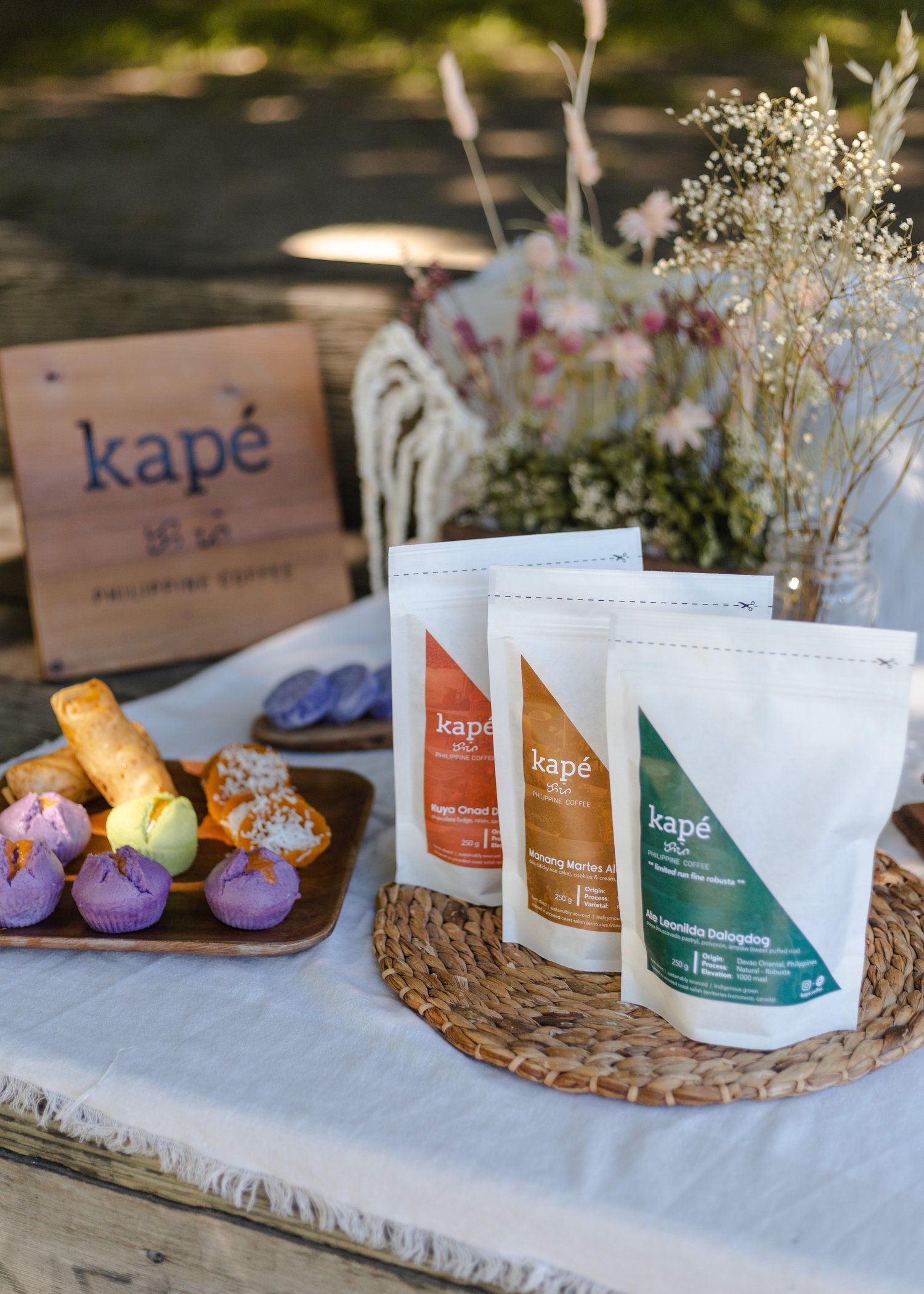
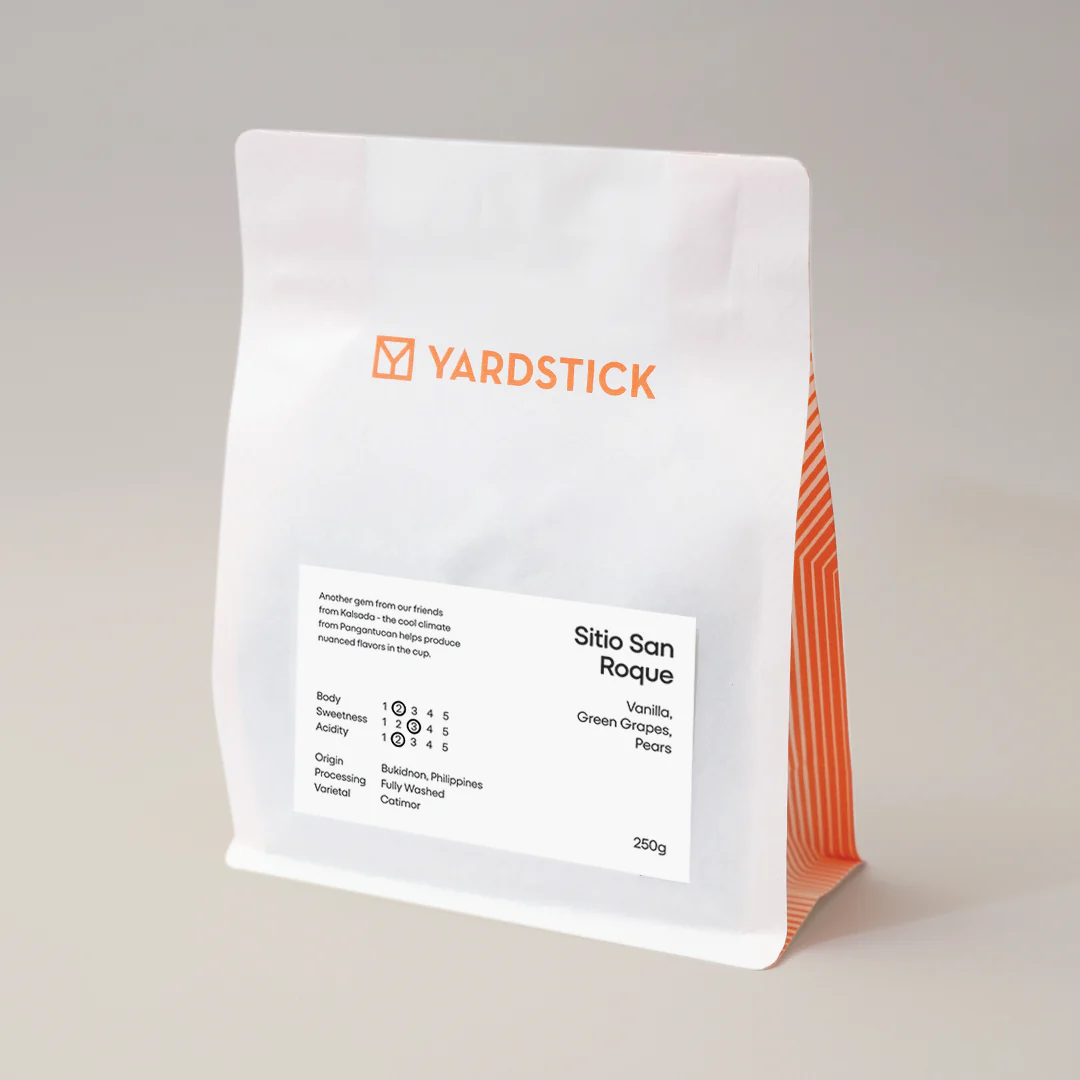
Prices of specialty coffee have also risen, as Juan tells the Inquirer, with farmgate price (what buyers pay directly to farmers) of robusta hiking from PHP 180 per kilogram to PHP 350 per kilogram (while commercial grade coffee is around PHP 320 per kilogram). This rise in pricing, according to the PCB, may better incentivize farmers to pick the ripest cherries.
“The best-tasting coffees will go into auctions where a farmer, instead of just getting PHP 500 to 800 per kilo, may get PHP 2,000… for maybe a microplot. It’s a good incentive,” Juan explains in a post from the PCB.
It’s Not Just Your Coffee—It’s A Far Bigger Problem
That said, the Philippines isn’t immune to the broader problem of climate change. It was recently announced that five areas in the country are facing a “dangerous” 42-degree heat index that will certainly affect agricultural practices. Extreme weather, as Ludwig Federigan details in an article for The Manila Times, may affect the lush coffee-growing regions of Mindanao—among the country’s top coffee producers, according to The Department of Agriculture—which include Sultan Kudarat, Bukidnon, Davao del Sur, Davao de Oro, Maguindanao, Sulu, and Basilan.
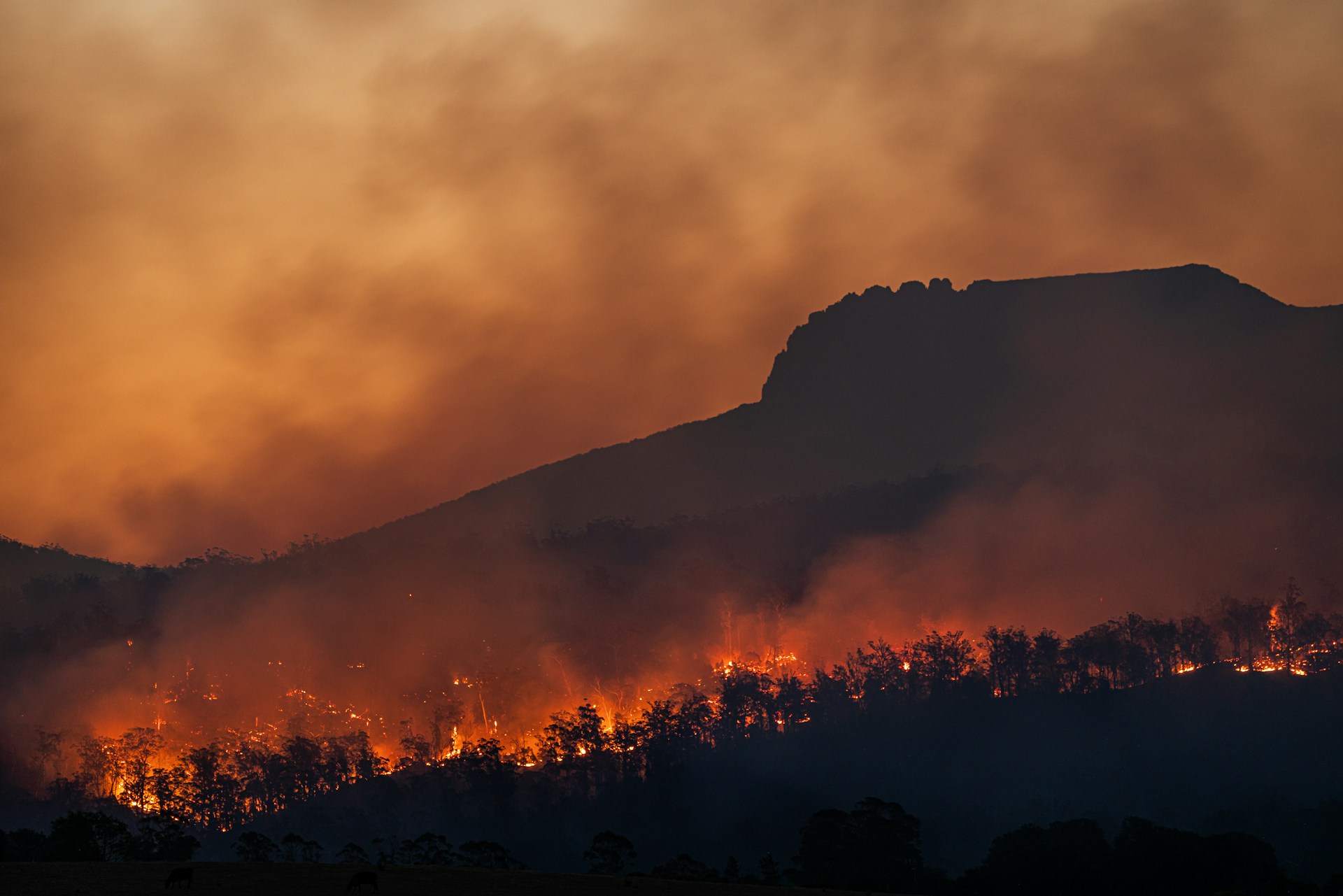
And so, as it is with many of today’s global disasters, climate change lies at the heart of this coffee decline. The increasing prices of everyone’s favorite caffeinated beverage isn’t just a worrying trend for coffee lovers—it’s an ominous warning that hints at all the other precious fixtures we could stand to lose if governments, their people, and other important stakeholders don’t act now.
Banner photo by Natanja Grün via Unsplash