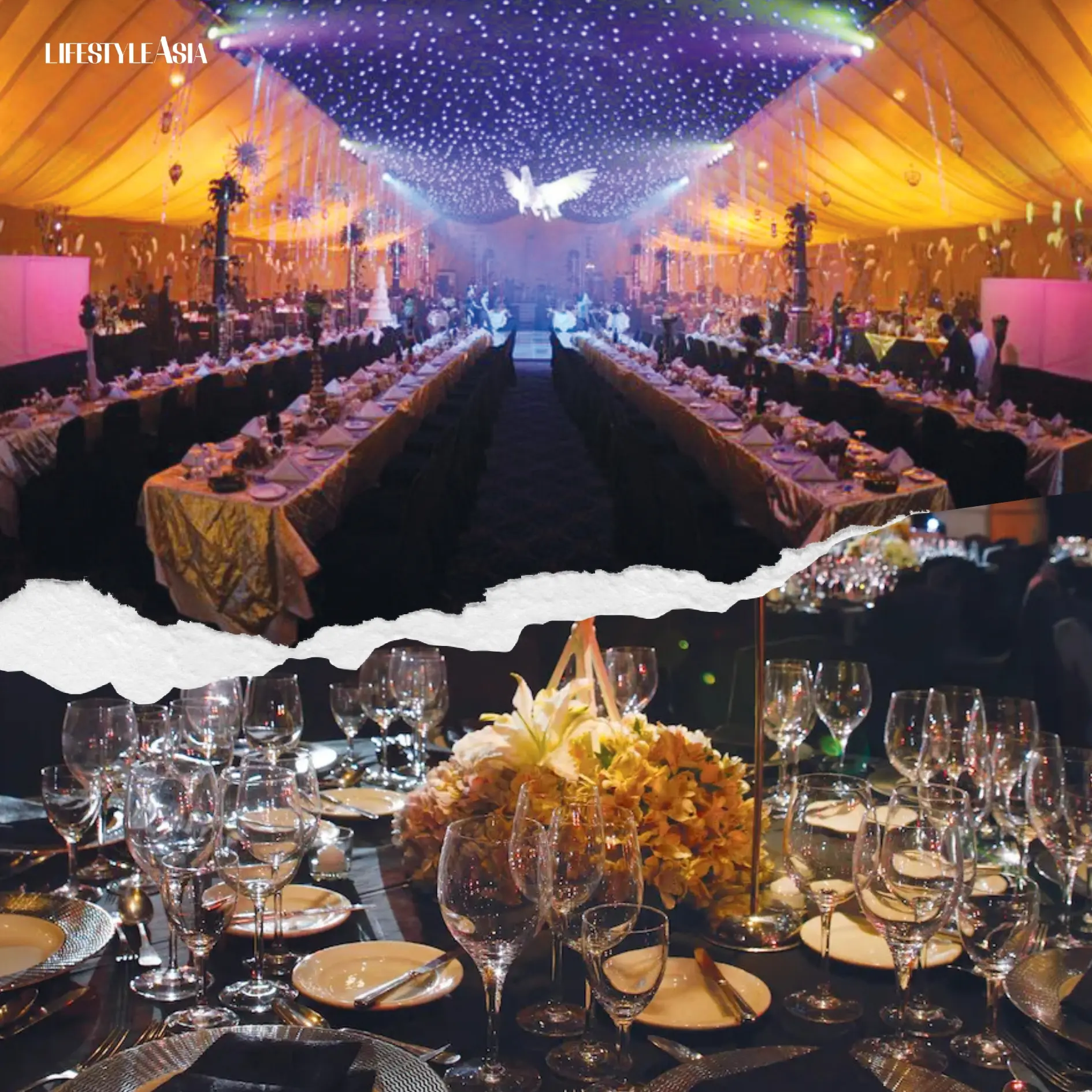
In our November 2012 issue, Lifestyle Asia explored what it means to have a ball.
A ball may or may not have a theme or a beneficiary, but there are a number of constant elements that separate it from a mere party or, as it was called in a bygone age, an evening soiree.
The main objective is to provide a venue for friends to relax and renew, as well as strengthen ties; hence, a ball is always held in the evening after the work day is done. It can be held either in a posh hotel or a spruced-up events venue. “Everyone looks forward to the end of the day, when guests can leave their worries behind and enjoy a carefree evening among friends at a more leisurely pace,” says Lesley Tan, Edsa Shangri-La Hotel’s director of communication.
The formal nature of these social gatherings makes it a black-tie event. Ladies should wear long gowns, while gentlemen should come either in their tuxedos or, if it’s a Filipiniana-themed event, barong Tagalog.
READ ALSO: Revisting Two of High Society’s Most Legendary Parties in the Past 60 Years
Dressing For the Occasion
“Ball is long gown, period,” says Philippine Daily Inquirer lifestyle columnist Tessa Prieto-Valdes, who is known to dress up in the most fabulous and larger-than-life costumes and designer gowns. “Wearing a gown, even if it’s simple or no frills, is the only way to go as far as dressing is concerned.”
She laments that there are so many parties these days claiming to be balls when, in fact, they are not. In her estimation, fellow socialite and civil leader Mellie Ablaza throws the best themed balls. “She goes all out for invitations, to décor, to food, to entertainment,” says Valdes. “People come in costumes, too.”
Invitees can choose to wear more formal versions of their national dress to balls organized by the diplomatic community. For themed balls, guests are expected to conform to the theme.
The Invitation
“If the ball has a theme, and there’s a requested attire, it’s best to come as requested,” says Ablaza, who, together with husband Louie, has organized December thanksgiving balls for friends and relatives. The choice of venue, she adds, should depend on the number of invited guests. Hosts could make minor adjustments later based on the number of those who confirmed attendance. That is why it is important to respond early.
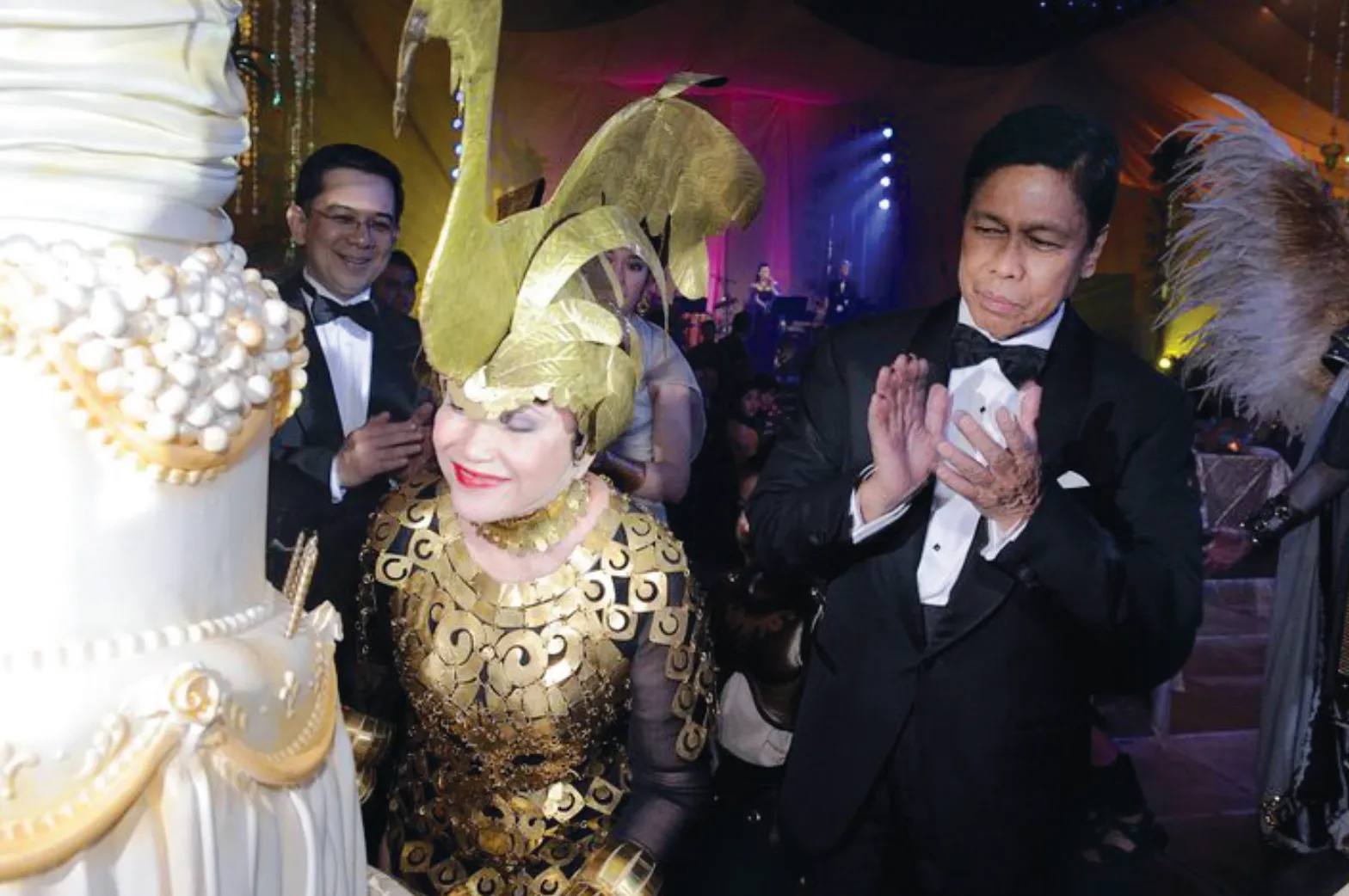
Ablaza, a veteran at hosting such events, makes sure that she and her staff send out their invitations months before the affair. With the advent of text messaging and email, she informs friends first about the affair before sending out actual invitations. “In case they don’t respond, then I assume that they’ll be busy on that day,” she says. “If they do respond and say yes, then that’s the only time I give them an invitation and include them in my confirmed guest list.”
Not a few balls have a social component to them by including a beneficiary or two. Organizers either sell tickets or tables to guests to generate funds. In some cases, artists donate works of art to be auctioned out among guests by organizers. Proceeds of such bids are added to funds meant for the evening’s beneficiaries.
Courtesies
Expecting Filipinos to “RSVP,” short for the French répondez s’il vous plait or please respond, is certainly a big challenge, says Kaye Tinga, wife of Rep. Freddie Tinga of Taguig, who is also active in the social and civic circles. She and Valdes organize the annual Red Cross Gala, a black-tie event and not a ball, for the benefit of the Philippine Red Cross and Assumption Batch ’81 Foundation.
“I think a lot of Filipinos find it difficult to say no,” she observes. “So, when we text or email to ask them to RSVP, some either don’t respond or say yes, and just don’t show up. In our case, since each table has a sponsor, he or she takes the lead in confirming the attendance of his or her guests.”
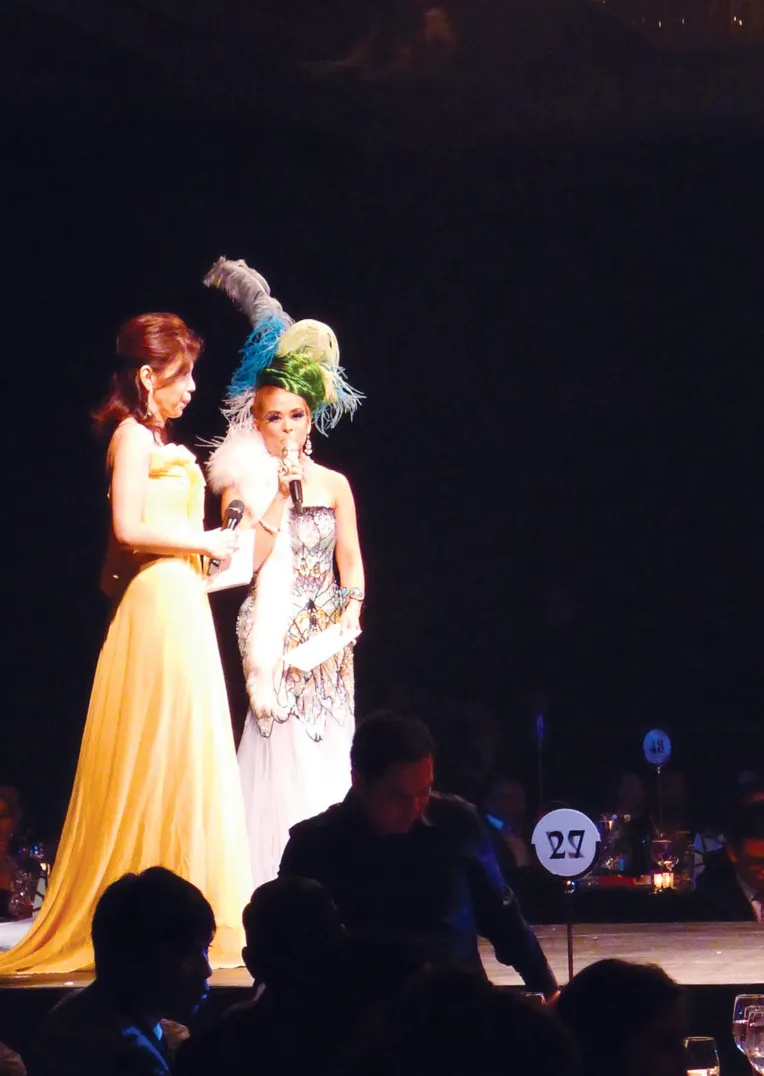
As an invitee, Tinga makes it a point to RSVP way in advance, especially if she will not be able to attend. It’s the least she could do to ease the organizers’ burden. “Sending a thank you card after the event is something I should start doing, but in this age of technology, I usually text the host my congratulations and thanks,” she says.
Ablaza shares the same sentiments. “An invitee is always expected to send his or her confirmation or regrets to the hosts. Although the invitee isn’t necessarily expected to send a thank you card to the host, it would be nice if he or she did.”
Dancing All Night
Another element that isn’t present in Valdes and Tinga’s annual gala, which is de rigueur in balls, is dancing. Both women think that this is what sets balls apart from regular formal events. Instead, the Red Cross Gala doubles as a dinner show featuring an accomplished Filipino designer. “It takes several months for us to organize each year’s Red Cross Gala,” says Tinga. “We never really thought of adding a dancing element to the event. The highlight has always been the fashion presentation, and we don’t want to really veer away from that.”
Ablaza thinks that dancing enlivens a ball. Although it’s a must, themes aren’t necessary. Everything depends on the hosts and organizers. Tan of Edsa Shangri-La agrees.
“By the very nature of the popular term, dancing is a must for a ball,” says Tan. “But this has evolved with the times. Unless it’s a, say, graduation ball, the courtly type of dance has become rare. Usually, guests dance to a live band as it performs upbeat pop tunes.”
Major Productions
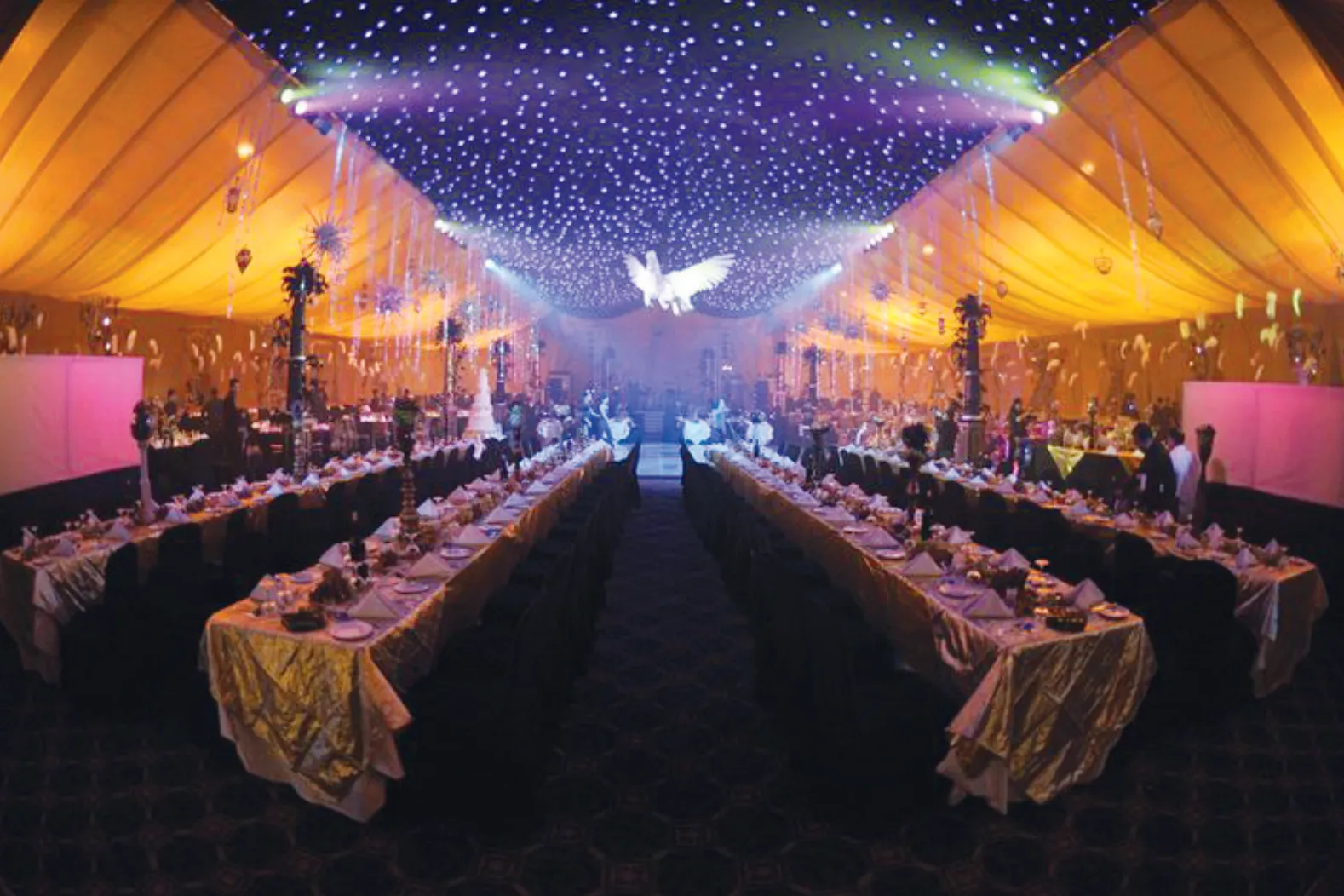
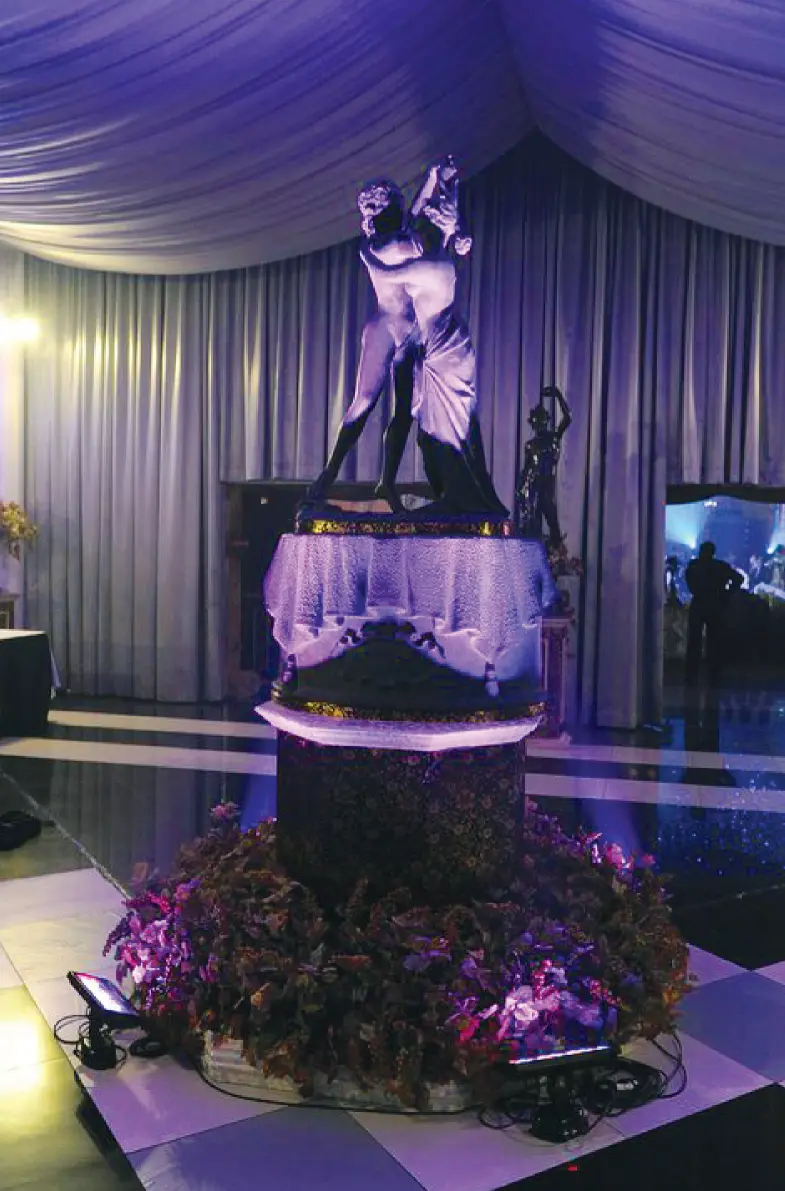
One of the most recent balls Edsa Shangri-La hosted was a “Palace of the Sun” theme inspired by the reign of French monarch Louis XVI and Marie Antoinette. “The number of guests invited to a ball depends on the organizer,” says Tan. “At the Edsa Shangri-La, we’re normally tapped as a venue for balls with 500 to 700 guests.” The French-themed party required setting up a 17th-century royal carriage at the hotel’s Isla ballroom foyer. As the event progressed, the carriage was moved inside the ballroom.
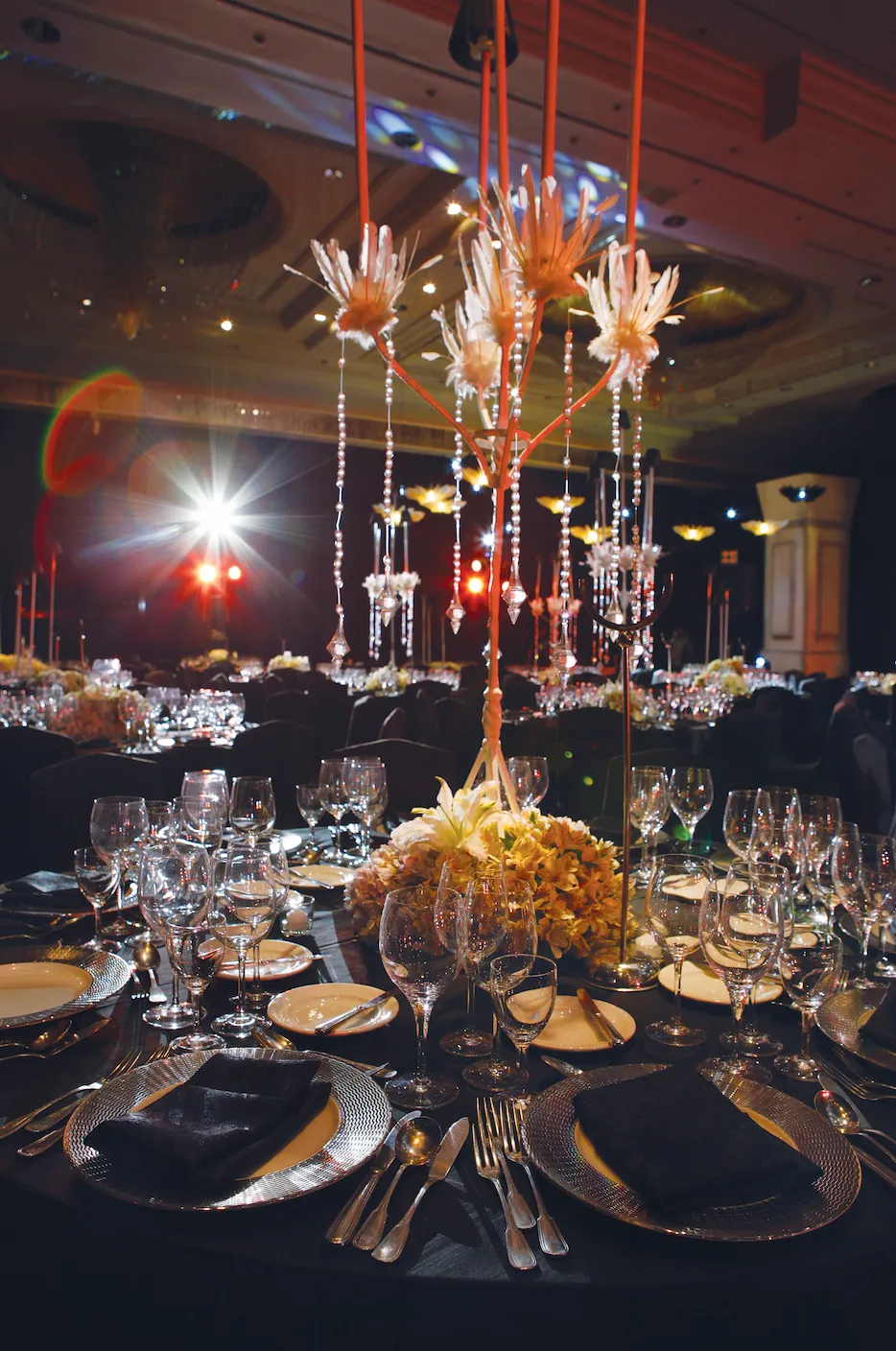
“The ballroom was swathed in drapes while candelabras and feather topiaries were placed on each table,” Tan recalls. “Paintings were suspended from the ceiling. The hotel’s events management team worked closely with clients, organizers, and suppliers to ensure that every detail was carried out smoothly.”
Apart from the food, the hotel had to help attend to such matters as table linen, decor, guest arrival and departure, and program proper. Even the invitation, for instance, which is normally handled by the client, must be printed on paper with the right thickness, copy, and typeface. “From the banquet side, the sequence of services should be rehearsed and perfected,” says Tan. “The right lighting, sound, room temperature, and decor are important. Managers must make sure that linens are well starched and waiters’ uniforms, neat and well pressed. Knowledge of food and wine pairings is also equally important.”
In lieu of serving buffet, hosts, in close coordination with the hotel, are expected to serve a four- or five-course dinner menu. The high level of preparation that goes into a ball requires a high level of formality. “A ball calls for seats and tables whereby each course is served individually to be relished by guests with pace and grace,” says Tan.
Seating Protocol
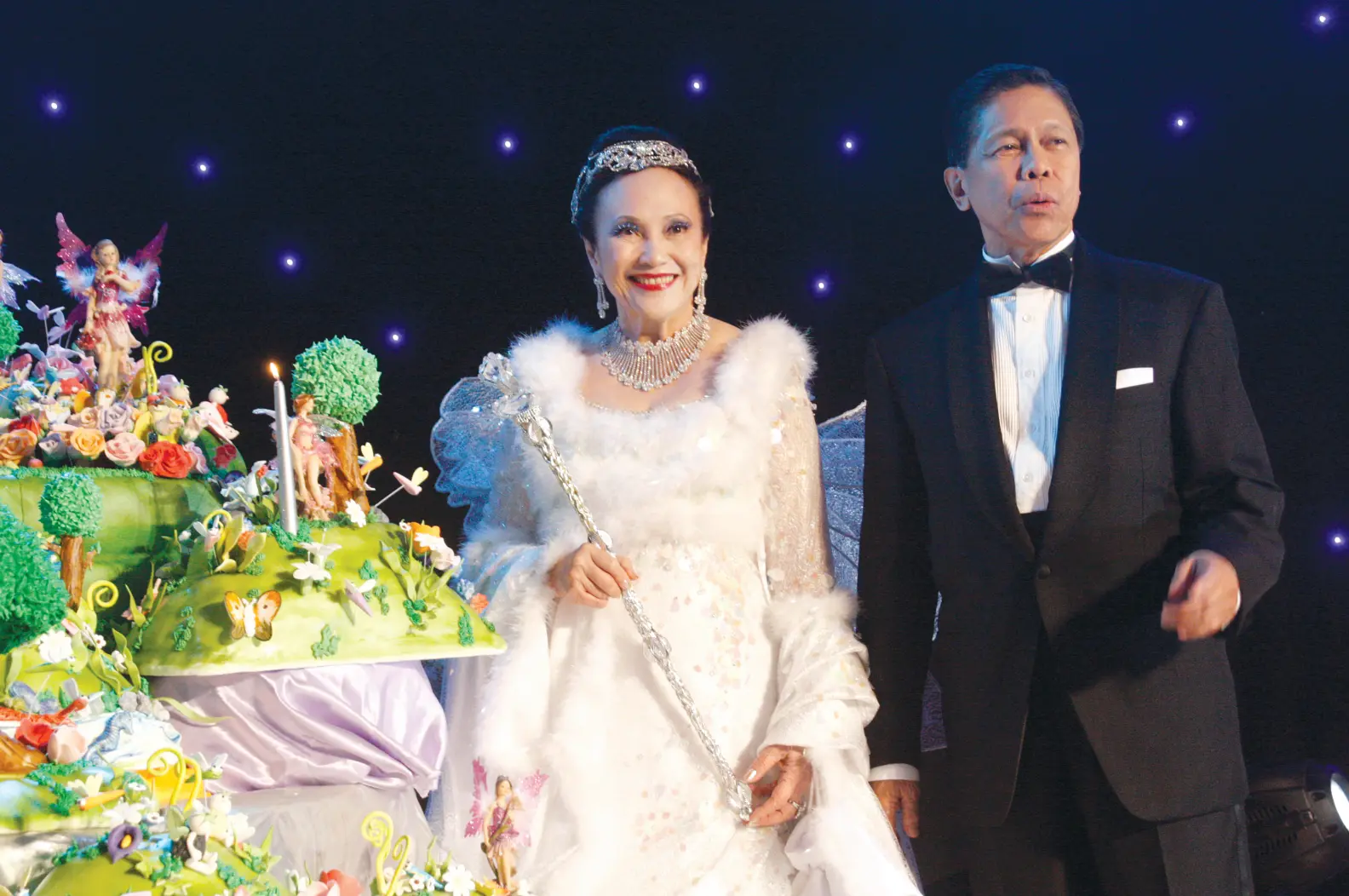
As a host, the Ablaza couple makes it a point to invite good friends from way back and have fun with. Associates from various organizations they belong to are also requested to grace the thanksgiving dinner. Friends from their school days are invited.
“As my children have also come of age, they, too, invite their own groups of friends whose company they enjoy and learn from,” says Ablaza. It’s different, of course, for balls organized by clubs or associations. If tickets are sold, whoever bought them could attend the ball. Although the nature of the event is for friends to relax and have a good, clean run, balls, in essence, are still formal events. “People are not expected to line up to get their food. There are usually enough waiters to serve everyone present and seated at each table,” she adds.
With regards to seating arrangements, it depends whether a ball is thrown by private individuals or civic groups where the sale of tickets is involved. As a rule, Ablaza and her staff try to figure out who will be most comfortable seated with one another. For balls organized by clubs and associations, seating arrangements depend on the price of the tickets they bought.
“With regards to protocol and if there is a presidential table, guests of honor should be seated there,” says Ablaza. “Having place cards on it would be ideal as well as practical.”
Benefits, Galas, and Balls
Despite hosting a less grand event like a gala, Tinga and Valdes also have to perform a delicate balancing act when it comes to seating their paying guests. Both women attend an average of four to six balls every year. “Since we sell tables, we don’t normally have to request guests to RSVP,” says Valdes. “Our major problem is how to position guests and make sure egos are satisfied.”
Ablaza, too, has her own advocacies and affiliations, which require her to attend balls organized by these groups. “I attend balls organized by the Friends for Cultural Concerns of the Philippines, where I was a president, the Catholic Women’s Club, where I’m a member, and the Consular Corps Ball because I was, once upon a time, dean of the consular corps,” she says. “I also attend the One Mega Group Balls [Lifestyle Asia anniversary gala and MEGA Pinoy Pride Ball] as well as the Tatler Ball, among others.”
In the past, she adds, clubs identified with regions or provinces were at the forefront of organizing balls. For instance, the Visayans had their club as well as their counterparts from such provinces as Nueva Ecija, Pampanga, Batangas, Laguna, Bulacan, and Quezon, among others. “Holding an annual ball has become a tradition—dancing, socializing, meeting people, and strengthening friendships.” Whether it’s held in a five-star hotel or an indoor multi-purpose hall spruced up and converted for the event, a ball will always have music where guests can dance to, she adds.
Balls will always be a part of the Filipino culture. It is an excuse to dress up, look good, eat, dance, sing, and exchange pleasantries. And for some people this is best done in a formal setting offered by a ball.
This article was originally published in our November 2012 issue under the title “Having a Ball,” written by Alex Y. Vergara.