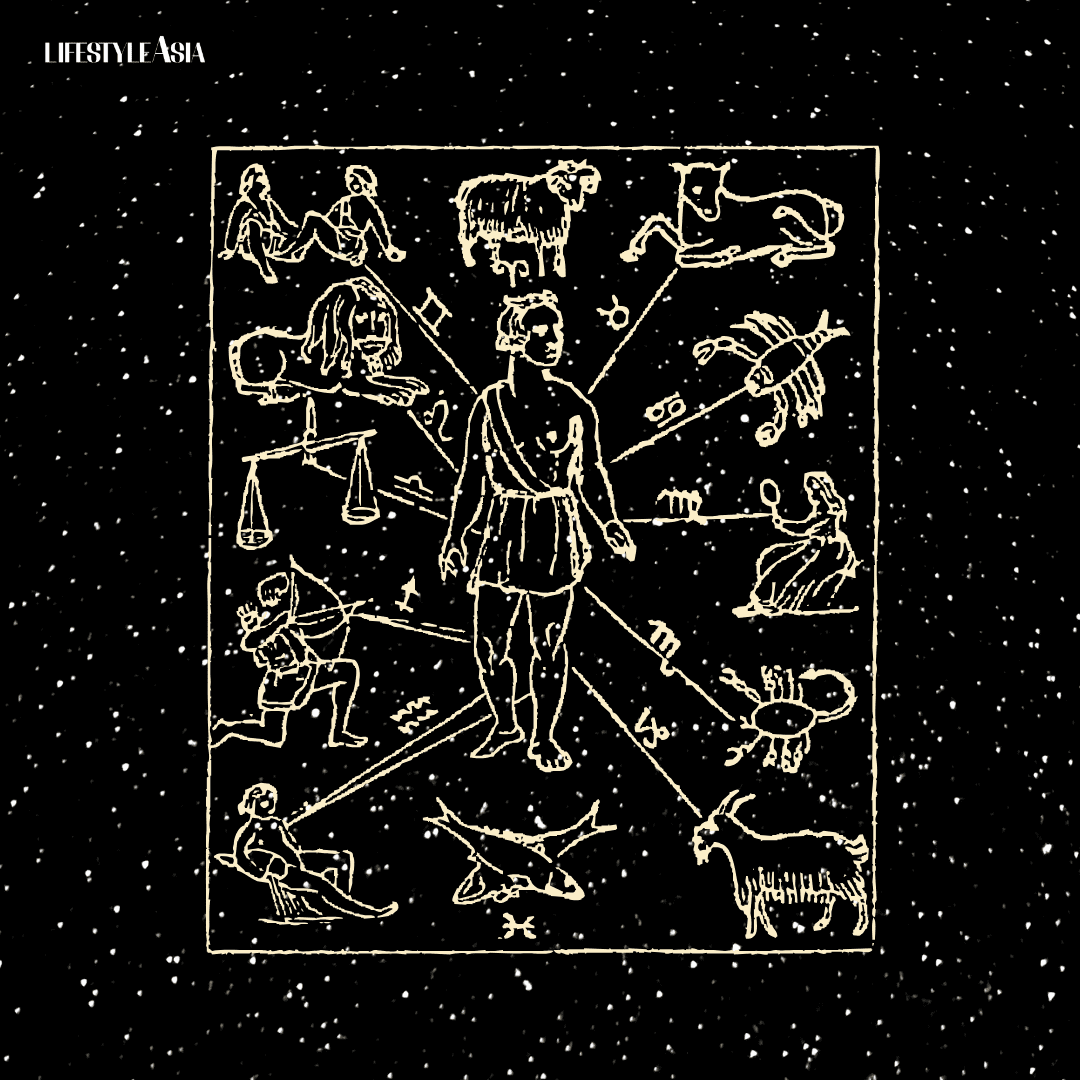
Astrology today isn’t about fate or mysticism: it’s about the comfort of giving human chaos a structure we can understand.
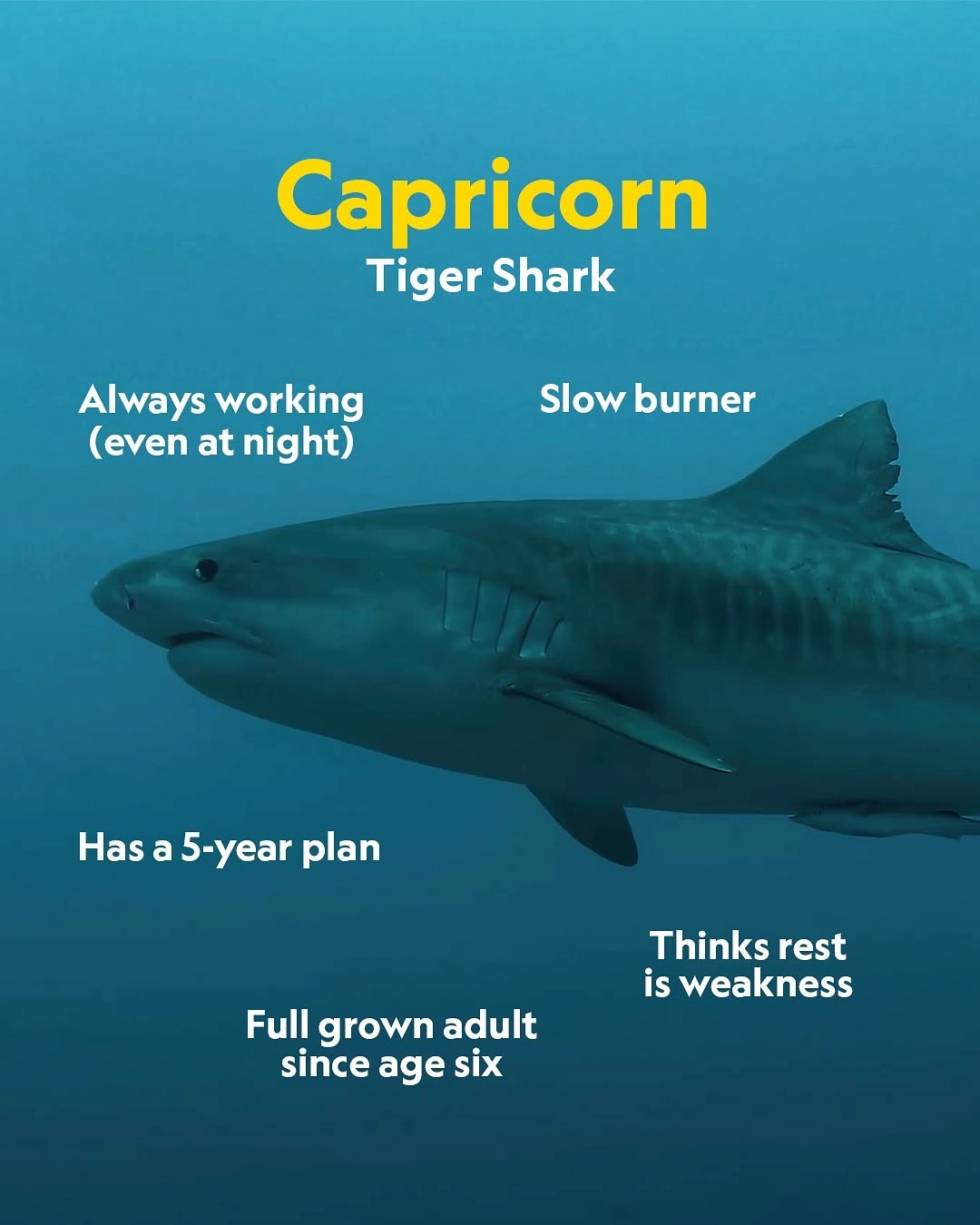
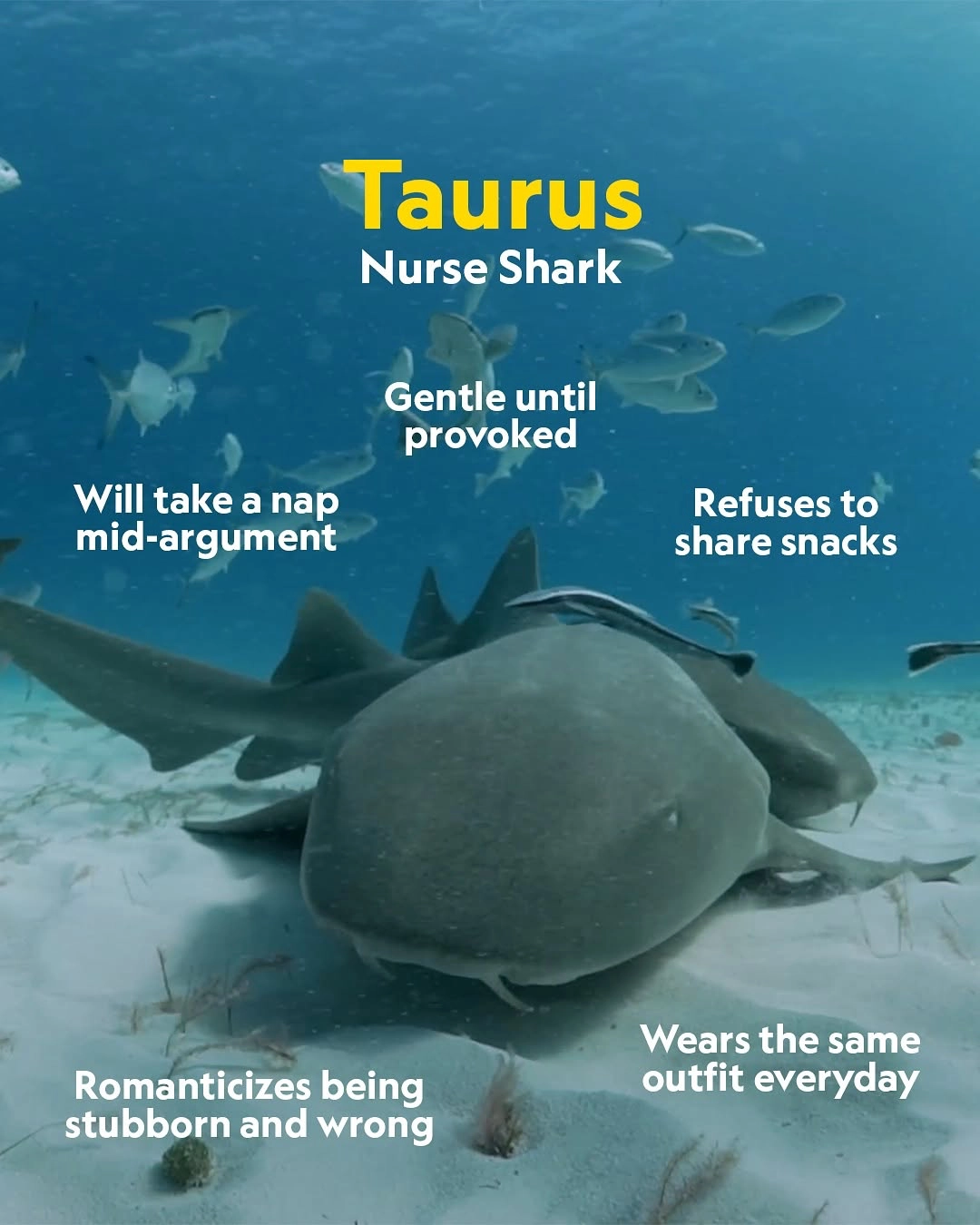
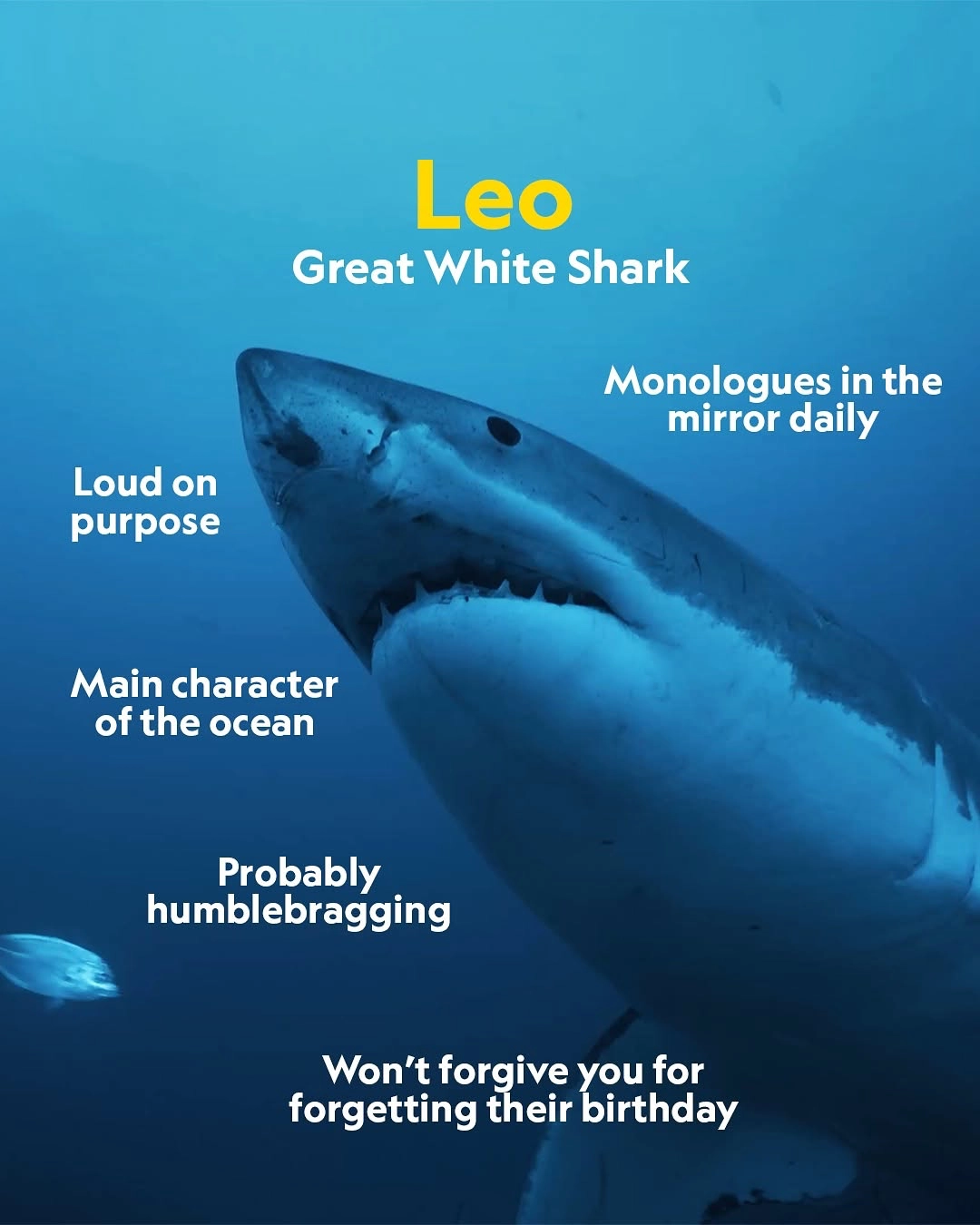
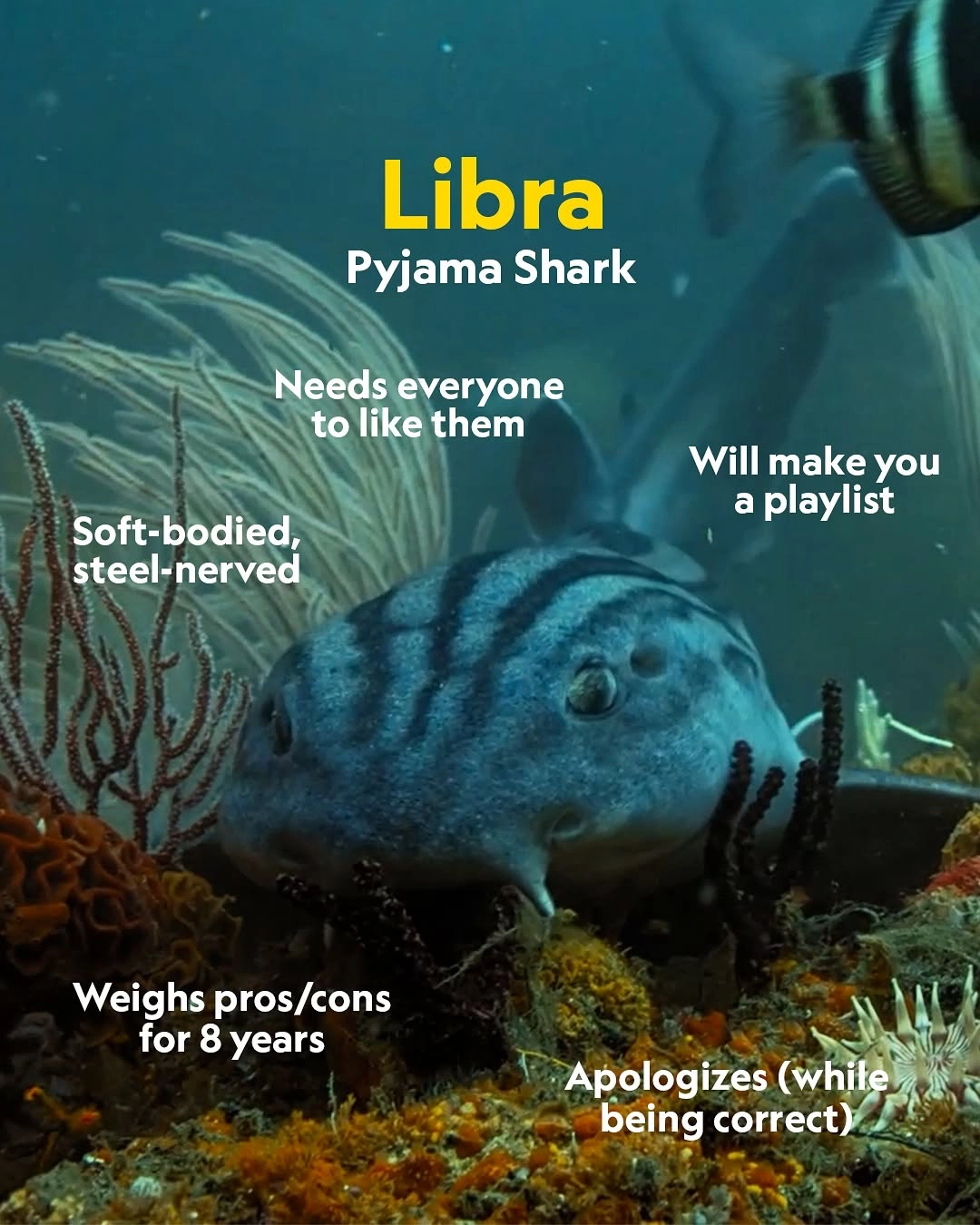
Thousands of years ago, civilizations looked to astrology to connect with the divine. Today, we use it to make Instagram memes about what kind of shark you are (thanks, Nat Geo), whether your crush likes you, or which zodiac signs are walking red flags. What was once a complex system for determining the fate of entire societies—before science even existed—has become something else entirely: a set of labels, a tool people use to make sense of themselves and the chaos around them.
Is it accurate? Is it real? That depends on who you ask. Skeptics will give a resounding no, arguing that most readings are made up of broad generalizations—statements vague enough to feel personal, but flexible enough to apply to almost anyone.
But whether or not you think the stars are just hot balls of gas, astrology today is so deeply woven into daily life that it’s taken on a kind of truth of its own.
READ ALSO: The Cult Of Self-improvement: Cultural Totalitarianism, Capitalism, And Social Performance
When Astrology Goes Mainstream
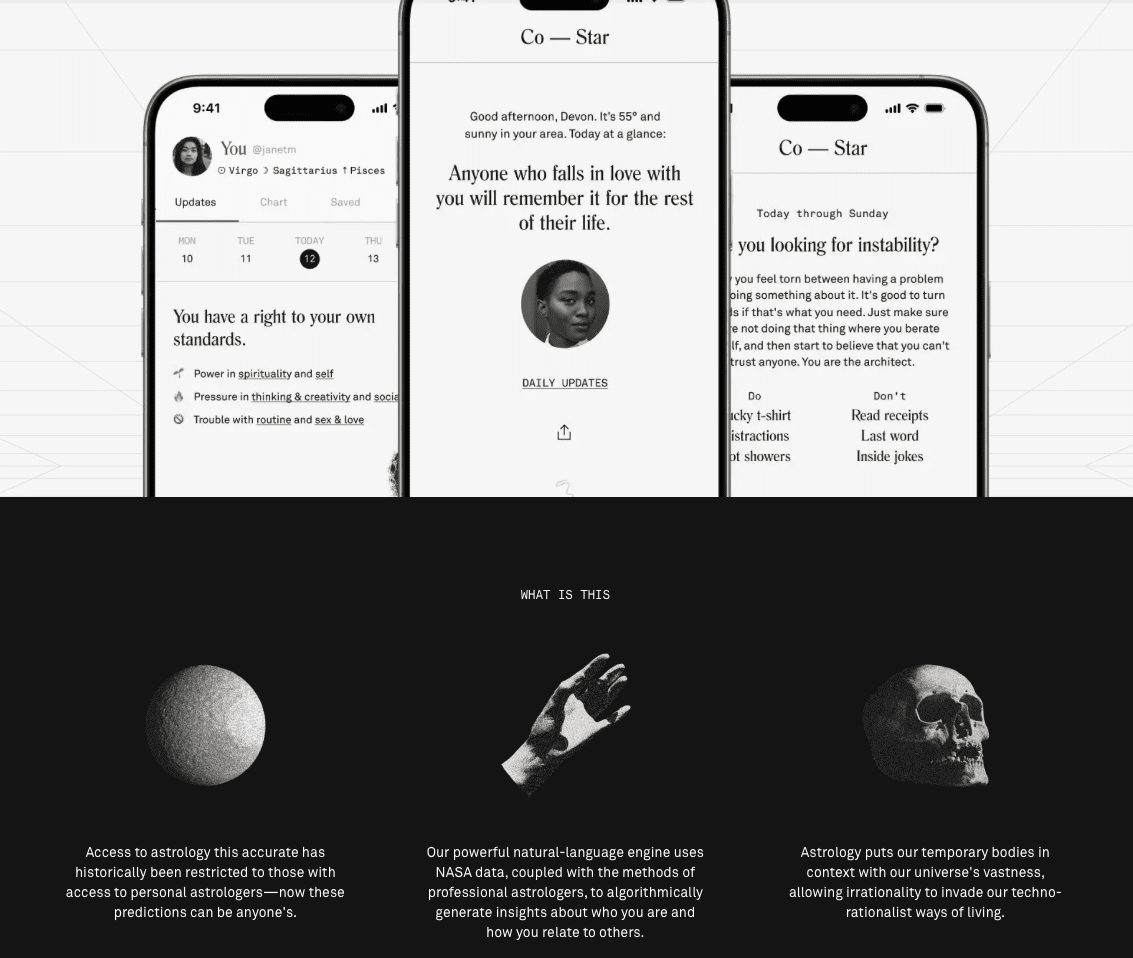
Today’s astrology exists in a strange liminal space—between the ancient and the absurd, the spiritual and the superficial. Phrases like “What’s your star sign?” or “You’re giving [insert zodiac sign] energy” have become normal parts of friendly introductions. People list their signs on social media as readily as they share their name, pronouns, or interests. Recognized publications around the world—including Vogue, Elle, and The Cut (New York Magazine)—release regular horoscope features as casually as they report the latest trends. Entire mobile apps are developed to give people their full birth chart readings and daily insights, including Co-Star and The Pattern.
And when you’re mourning a date who ghosted you, that one friend who’s really into astrology will reassure you the best way she knows how: “Don’t worry, sweetie. It’s not you. That’s a classic Gemini move.” And yes, you’re expected to know what that means—call it cultural education.
What is it that astrology gives us in times of emotional instability that reality can’t? With all the world’s advancements, why do people still turn to such an ineffable and enigmatic practice? There are a few key reasons, and they have less to do with mysticism than with the human desire for agency in a chaotic world.
Controlling The Chaos Of Life
In an in-depth piece for Smithsonian Magazine, writer Linda Rodriguez McRobbie presents some compelling findings when it comes to why certain people gravitate to astrology. According to her, psychologists like Dr. Chris French, a professor of psychology at London’s Goldsmith College, sort people on a scale defined by two extremes.
On one end, we have those who possess an “external locus of control,” where they feel like they’re “being acted upon by forces out of their influence,” and on the opposite end of the spectrum are those with an “internal locus of control,” who believe they’re the actors of their narrative. It’s not hard to guess which group is more likely to turn to a practice that hinges on the idea that the ineffable stars and planets have great influence on our lives. (Answer: It’s definitely not the second group.)
Astrology satisfies a deep need: the human desire to categorize and name ambiguity. Its labels for people and situations feel like a constant, a safe certainty, in an often unpredictable social climate. And because of this, anyone can get into astrology, even if they don’t necessarily believe in it: all it takes is a level of chaos that pushes you to seek answers when it feels like no one else can give them to you.
In her article “Astrology in the Age of Uncertainty” for The New Yorker, writer Christine Smallwood cited an anecdote from astrologer Rebecca Gordon, who recounted receiving calls from Wall Street bankers during the 2008 financial crisis. “All of those structures that people had relied upon, 401(k)s and everything, started to fall apart,” Gordon shares. “That’s how a lot of people get into it. They’re, like, ‘What’s going on in my life? Nothing makes sense.’”
I’ll allow myself a moment of vulnerability here: I’ve dabbled in astrology, and I still do. Do I believe in it? Not really. In principle, I know that life and people are too complicated to be sorted on a shelf of tropes and archetypes. And yet.
There’s always that and yet. In the wake of finding out an ex cheated on me, I turned to the stars because it was easier to have a narrative for something so jarring than to have no narrative at all. Even when I asked him why point-blank, he had no answers himself. Reality couldn’t give me an explanation, and as a writer, that’s a death sentence.
What inevitably gave me comfort, embarrassing as it is to admit, were astrological readings that told me my love life was somehow destined to fall apart—with the promise of something better. I turned to astrology apps, websites, and columns to get insights on where all of this was heading, because surely, it was part of a bigger cosmic picture I wasn’t seeing. Not my finest moment, but it is what it is.
Believing there were forces beyond me gave me language for what felt unspeakable. Astrology offered a kind of narrative control, even when the real story had none. But then again, pain can just be pain. Still, that’s hardly a satisfactory answer for most people, which brings us back to the matter at hand.
What It Means To Feel Seen
Astrology adds levity and accessibility to two things that are integral to the human experience: introspection and interaction. In other words, how we learn to understand ourselves and others. Are the astrology memes reductive? Yeah, sure, but they’re also funny and sometimes they get it right—when they do, there’s a moment of clarity.
Haha, that’s soooo me, you might think to yourself. Or, you’ll look for the specific memes with your friend’s star sign and send it to them. You? Haha, yes, me-core. It’s silly, lighthearted fun that still feels like connection.
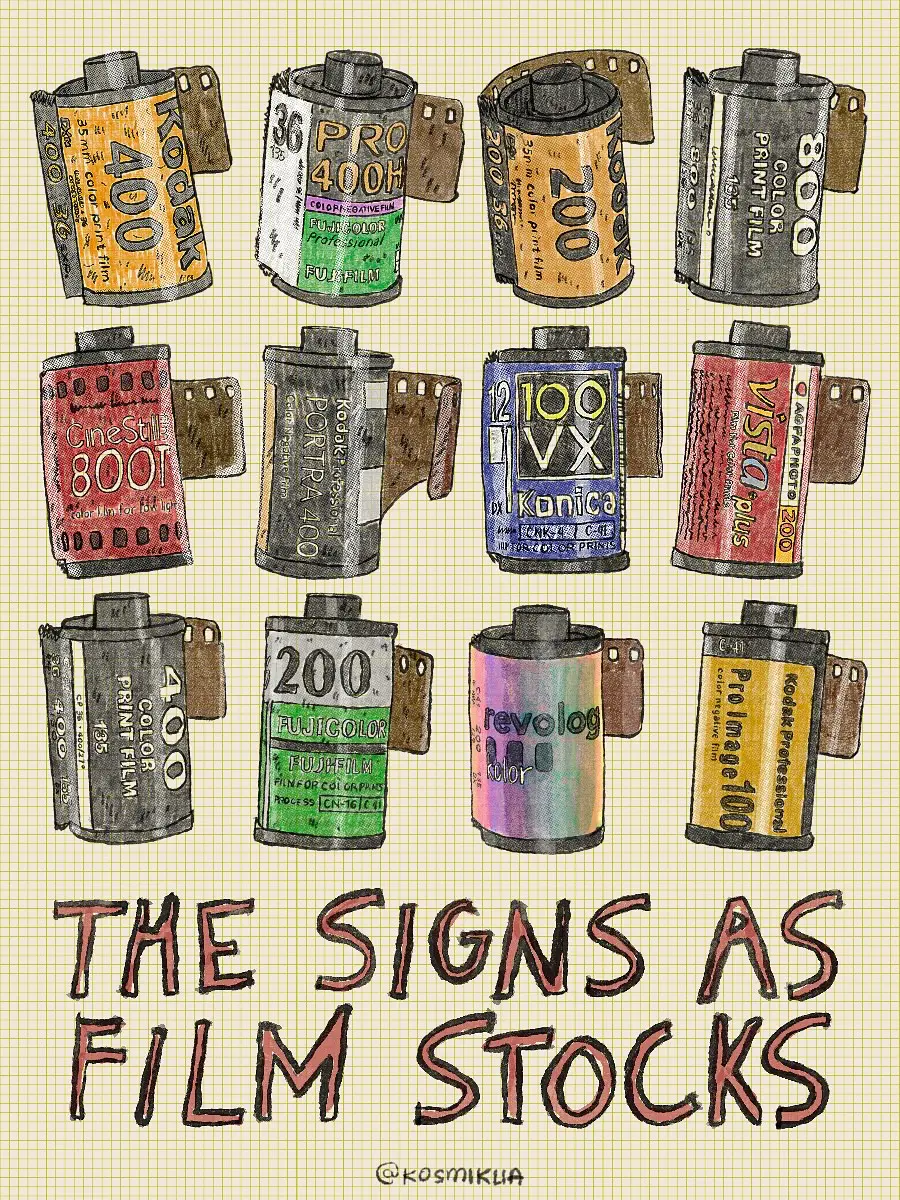
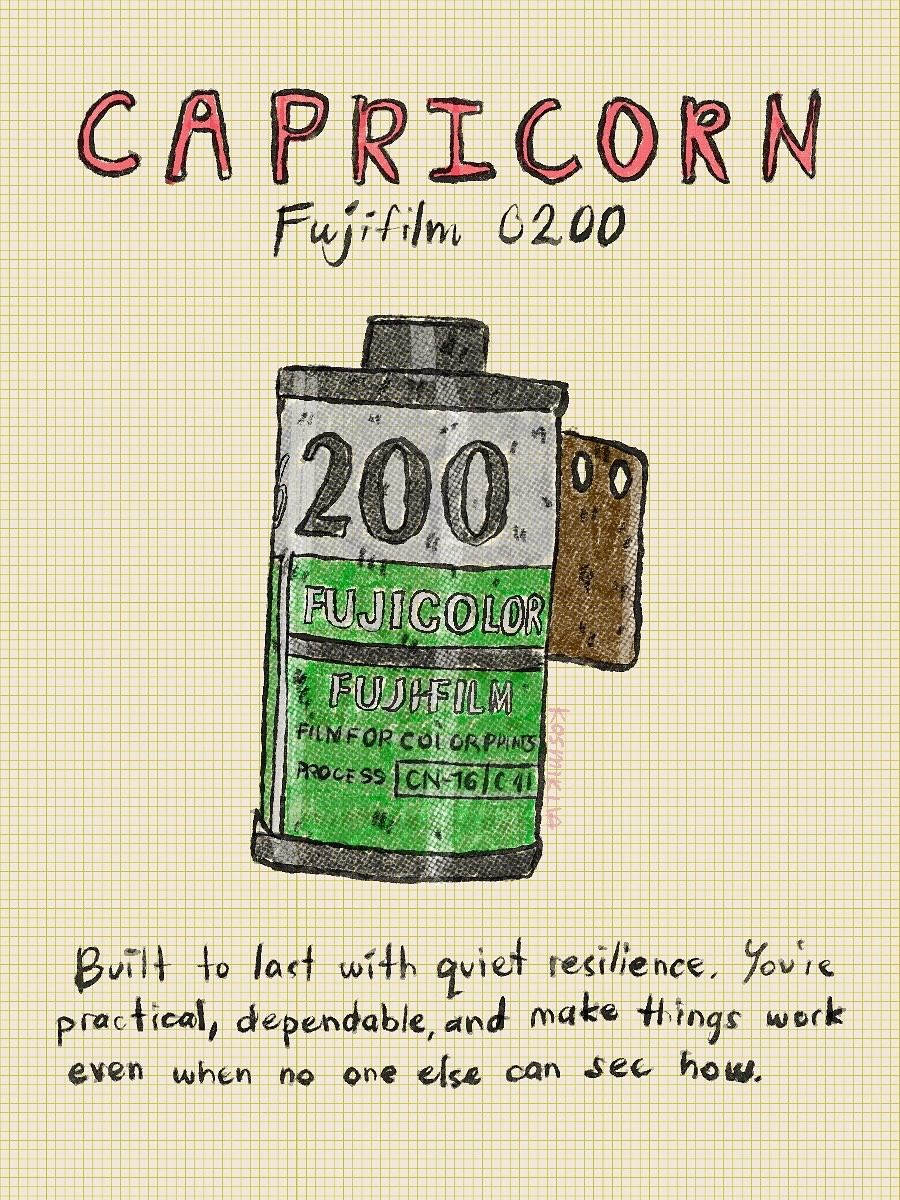
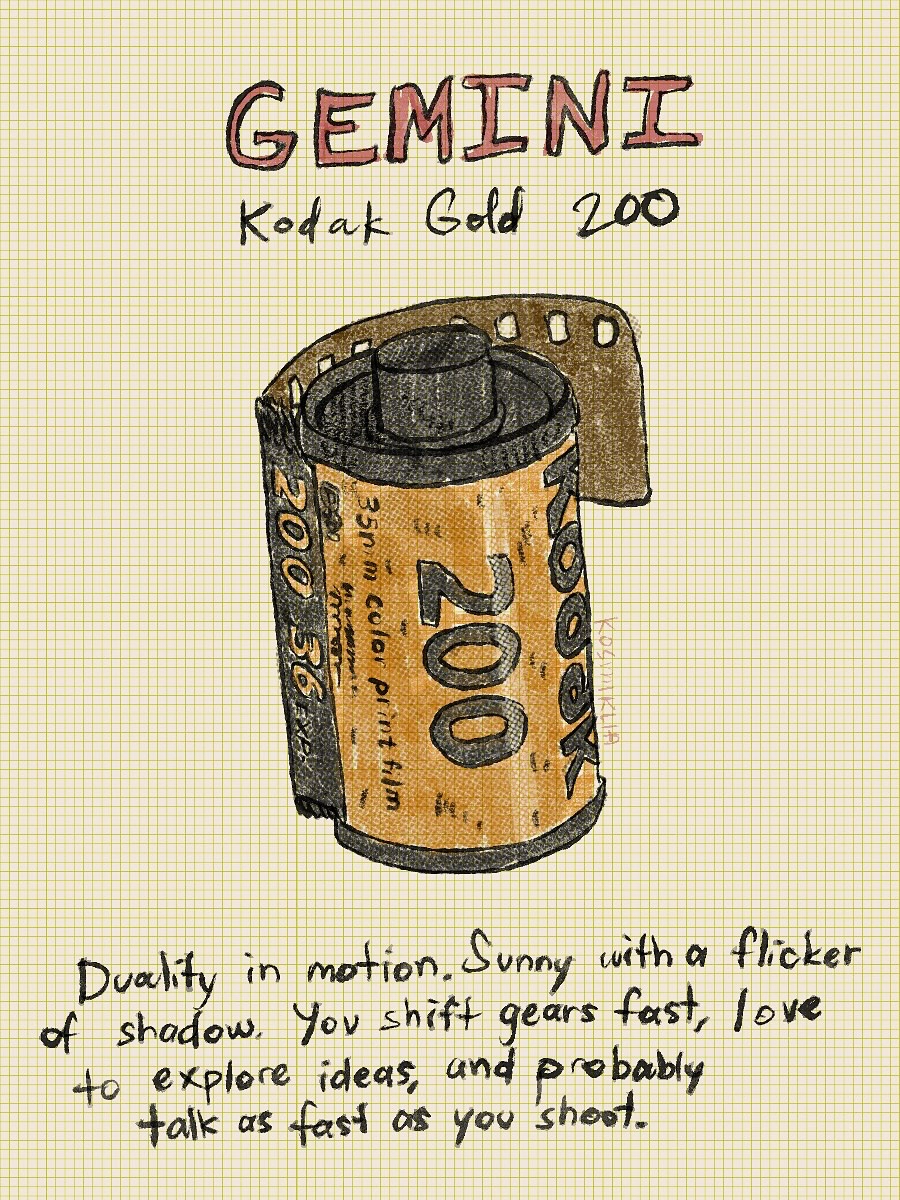
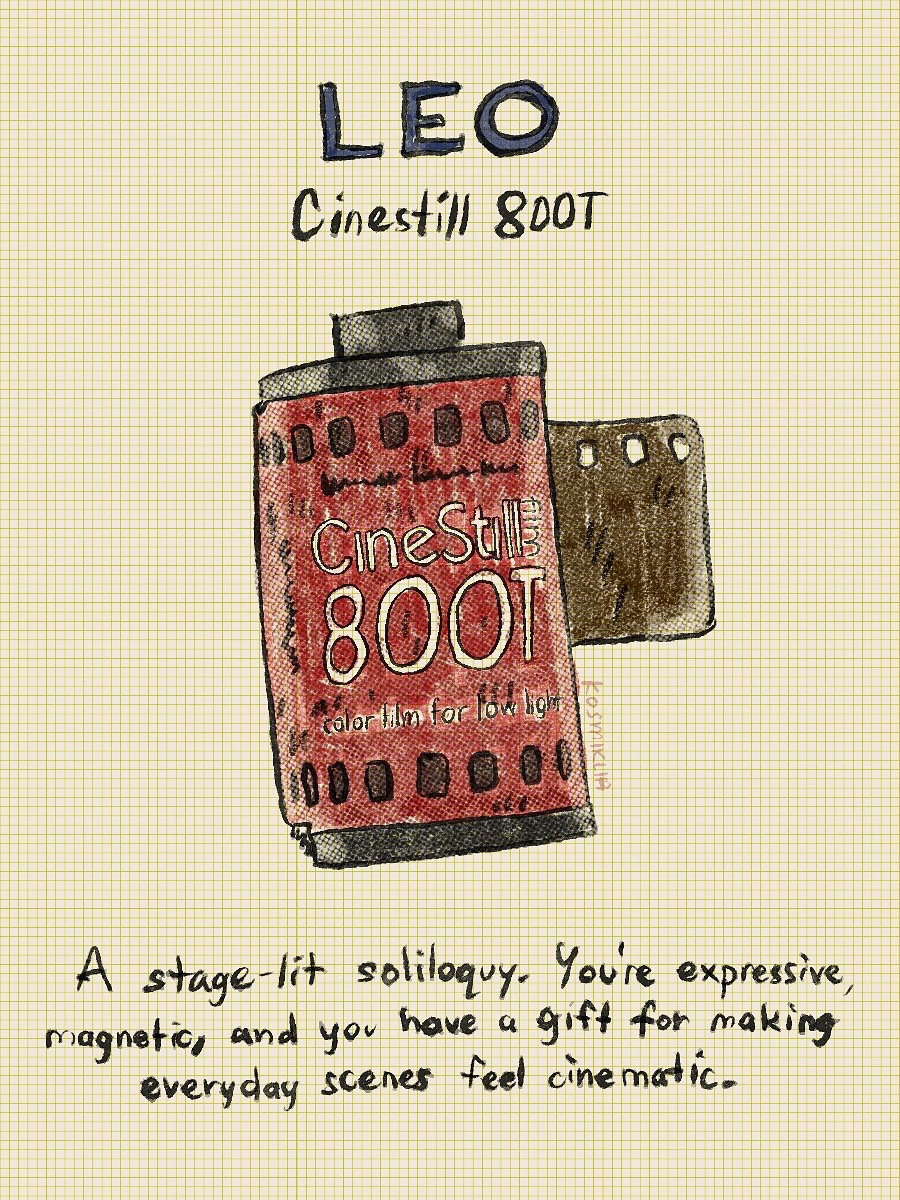
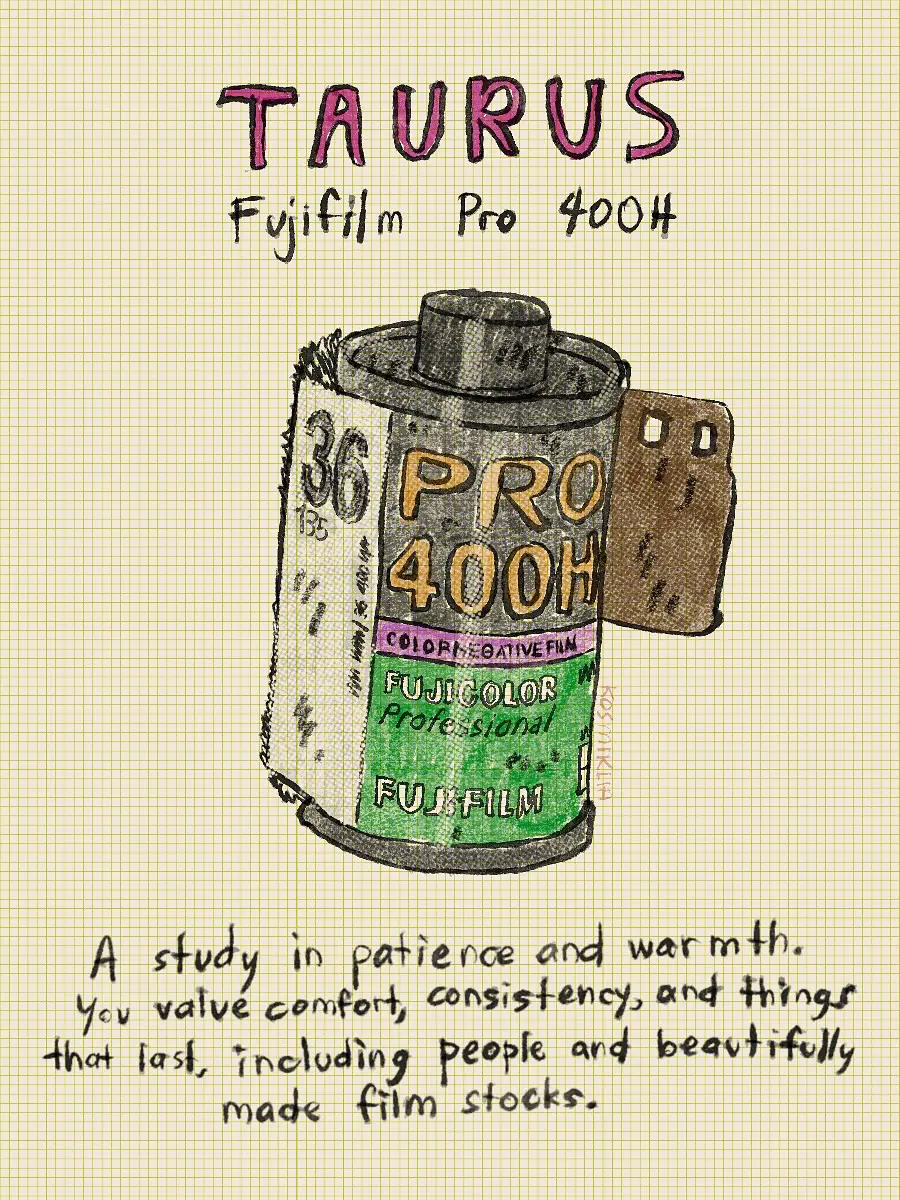
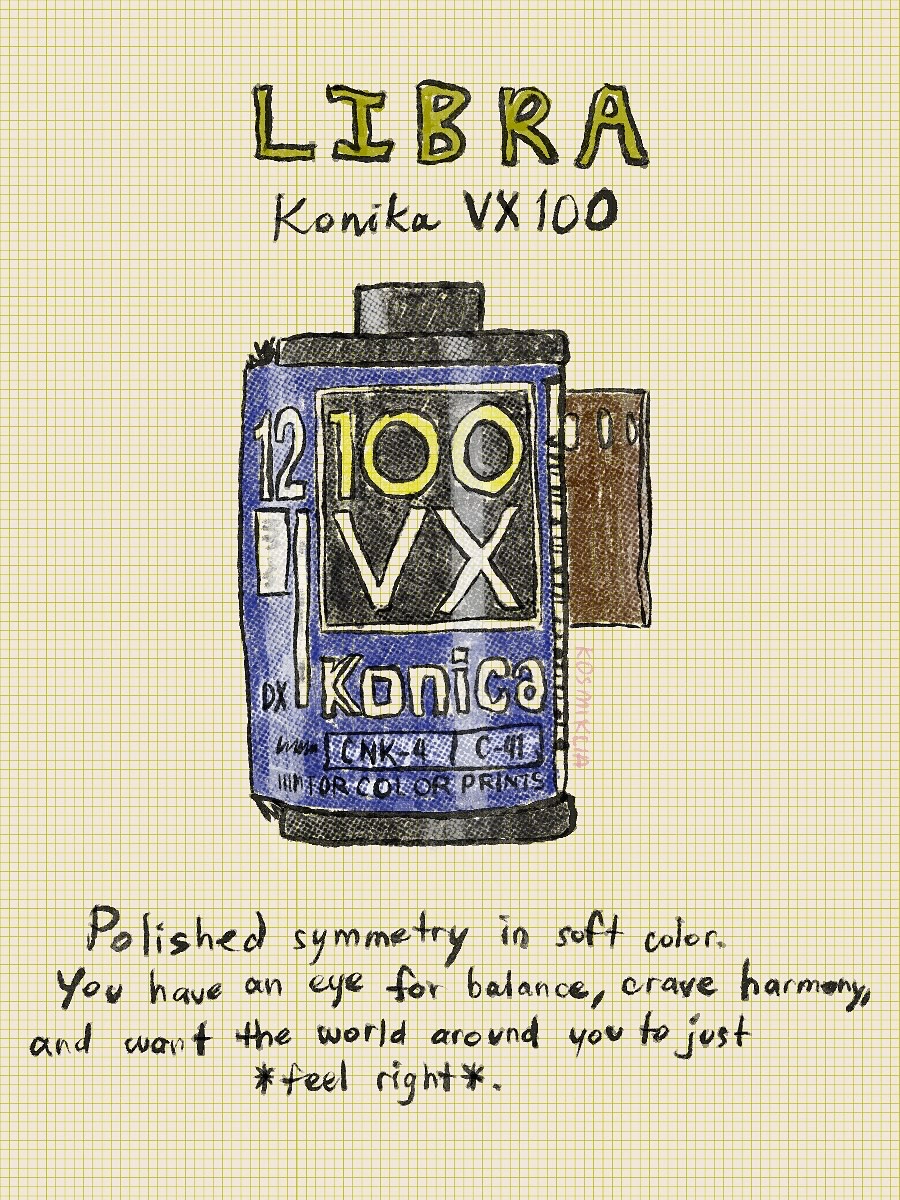
Astrology gives us an insight into who we are, not much different from how we use personality typing systems like MBTI or Enneagram. While ancient civilizations used it to predict the future, we use it to navigate the present. The Pattern astrology app, for instance, isn’t going to tell you whether tomorrow will suck or be the best day of your life—what it will tell you, based on your full birth chart, is the state of your existence at a particular moment, and what you can choose to do with that information.
Let me open my app to see what it’s telling me as I write this (I’m a Taurus sun and moon, a Scorpio rising, and a Cancer Venus, if that provides any context to the astrology people reading this): “Your giving, nurturing nature is being amplified right now.” Vague, right? Still, there’s some truth to it, a glimmer of who I am as a person—someone who likes being there for others. It’s food for thought, and a gentle reminder that I’m capable of making a positive difference in people’s lives, however small.
Maybe astrology isn’t scientifically real, but that doesn’t mean it’s useless. In a world where so much feels random, unexplainable, or beyond our control, it offers a kind of tether. Whether it comes in the form of silly Instagram memes, daily horoscope apps, or in-depth birth chart readings doesn’t really matter. What matters is the feeling it provides: of being understood, of finding patterns in the noise. It tells us the stories we need most when nothing adds up—which, when you think about it, is a surprisingly generous thing for the stars to offer, even if they are just balls of gas in a cold, indifferent sky.