With celebrities looking brand new on the red carpet, people are now more curious about how they’ve turned back the hands of time and look exceptionally camera-ready.
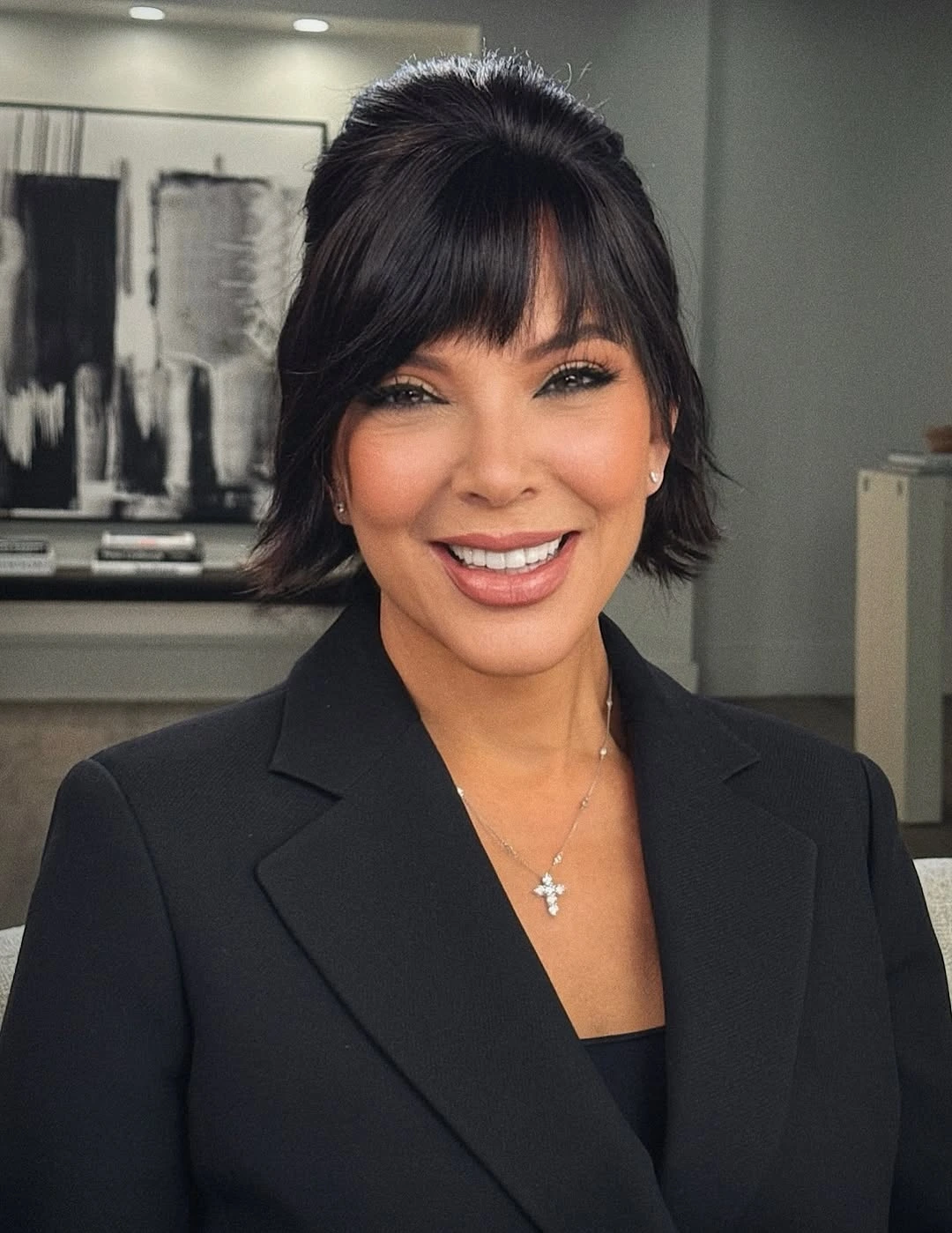
Kris Jenner, Lindsay Lohan, and Donatella Versace are three names that may seem unrelated but are currently trending together. These ladies have been photographed on red carpets with what appears to be a brand-new face. You read that right: a brand-new “lifted face.” Online conversations about plastic surgery have resurfaced, especially those surrounding facelifts.

TikTok has been flooded with videos of women in their 20s and 30s asking, “Should I get a facelift?” after seeing the instant effects of the cosmetic procedure. With all the recent online clamour, questions have emerged: When is the right time to have a facelift? What does a facelift feel like? What are the alternatives?
Furthermore, as weight-loss drugs gain popularity, studies show that the rapid reduction in fat also affects a person’s facial structure due to facial fat loss. As a result, more individuals are opting for surgery to address the effects of rapid weight loss.
To get a qualified and unbiased opinion, we scoured the internet for studies and articles that might answer your questions.
READ ALSO: Is The Perfect Tan Worth It? We Asked An Expert
When Is The Perfect Time To Get A Facelift?
According to the Cleveland Clinic, the best age to get a facelift is later in life—in your 40s, 50s, 60s, and beyond. However, the health organization also notes that there is no “perfect” age to get a facelift. The need for the cosmetic procedure depends on a person’s environment, genetics, and lifestyle—these factors impact a person’s skin health. In an article by the American Society of Plastic Surgeons, getting a facelift is an option when the skin loosens due to the loss of elasticity. It is more important to listen to your anatomy than to focus on age.

Facelifts are not permanent and typically lasts seven to ten years. Some people choose to have facelifts over time to “update” their appearance. However, repeated procedures can also increase the risk of complications.
How Does a Facelift Feel?
Videos of people documenting their plastic surgery experiences in South Korea or Turkey almost always go viral on TikTok. These clips often cover the pre-op, operation, and recovery stages, prompting viewers to wonder what a facelift actually feels like.
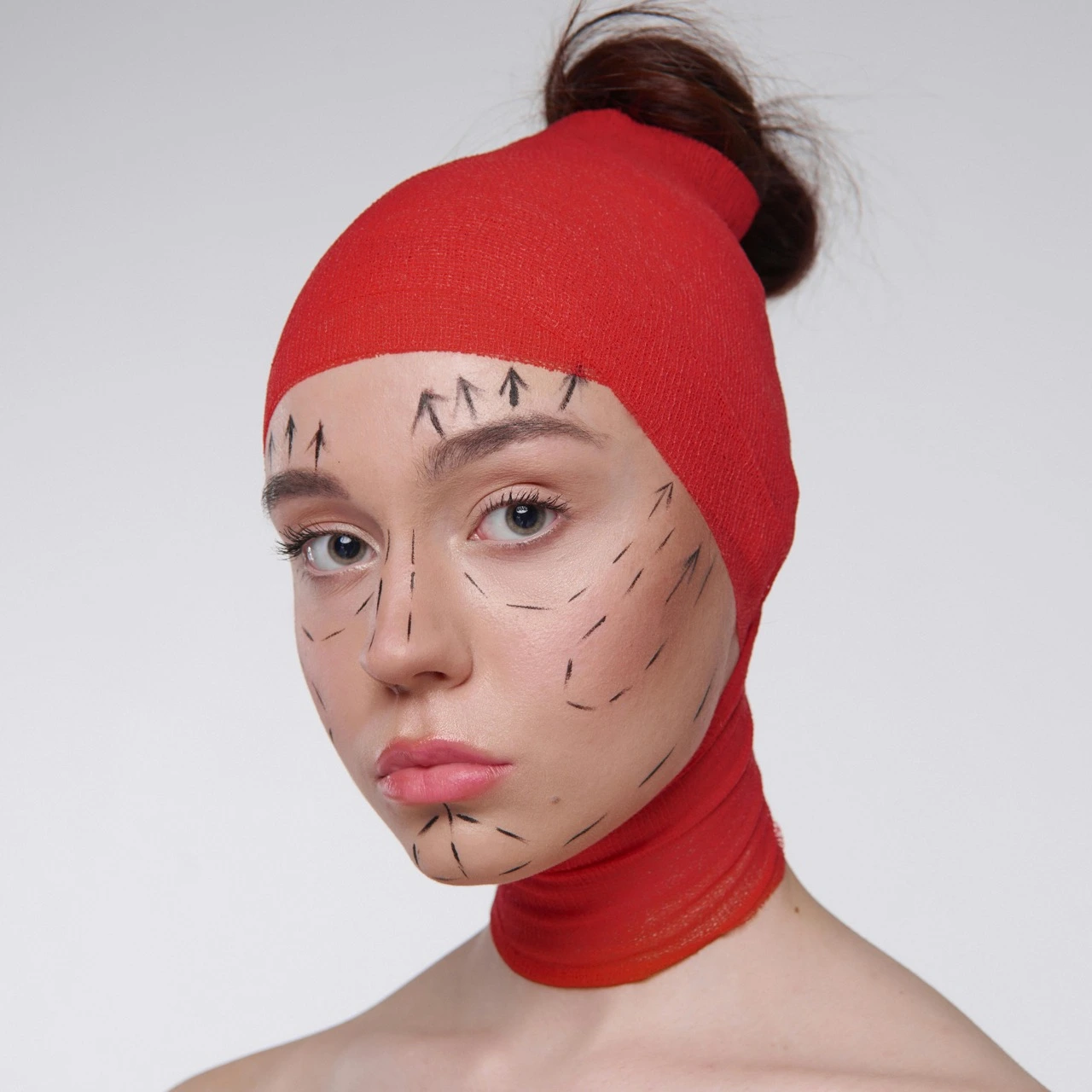
An article by the American Society of Plastic Surgery outlines what to expect during the first 30 days after getting a facelift. In the first week, careful care of the incision is vital. Day one requires strong pain relief and assistance. On day two, patients return to the surgeon for dressing changes. Day three is best spent resting, as swelling usually peaks. By days four to six, pain medication is often discontinued as swelling begins to subside. Weeks two to four bring steady improvement, and most return to work by week two. After one month, normal activities resume, although minor swelling or numbness may persist for up to a year. Adhering to the surgeon’s instructions is critical for a smooth recovery.
What Are Alternatives To A Facelift?
We all know how invasive facelifts can be. As much as possible, they should be avoided unless absolutely necessary needed. Before going under the knife, it’s best to consider less invasive alternatives. Here are a few options:
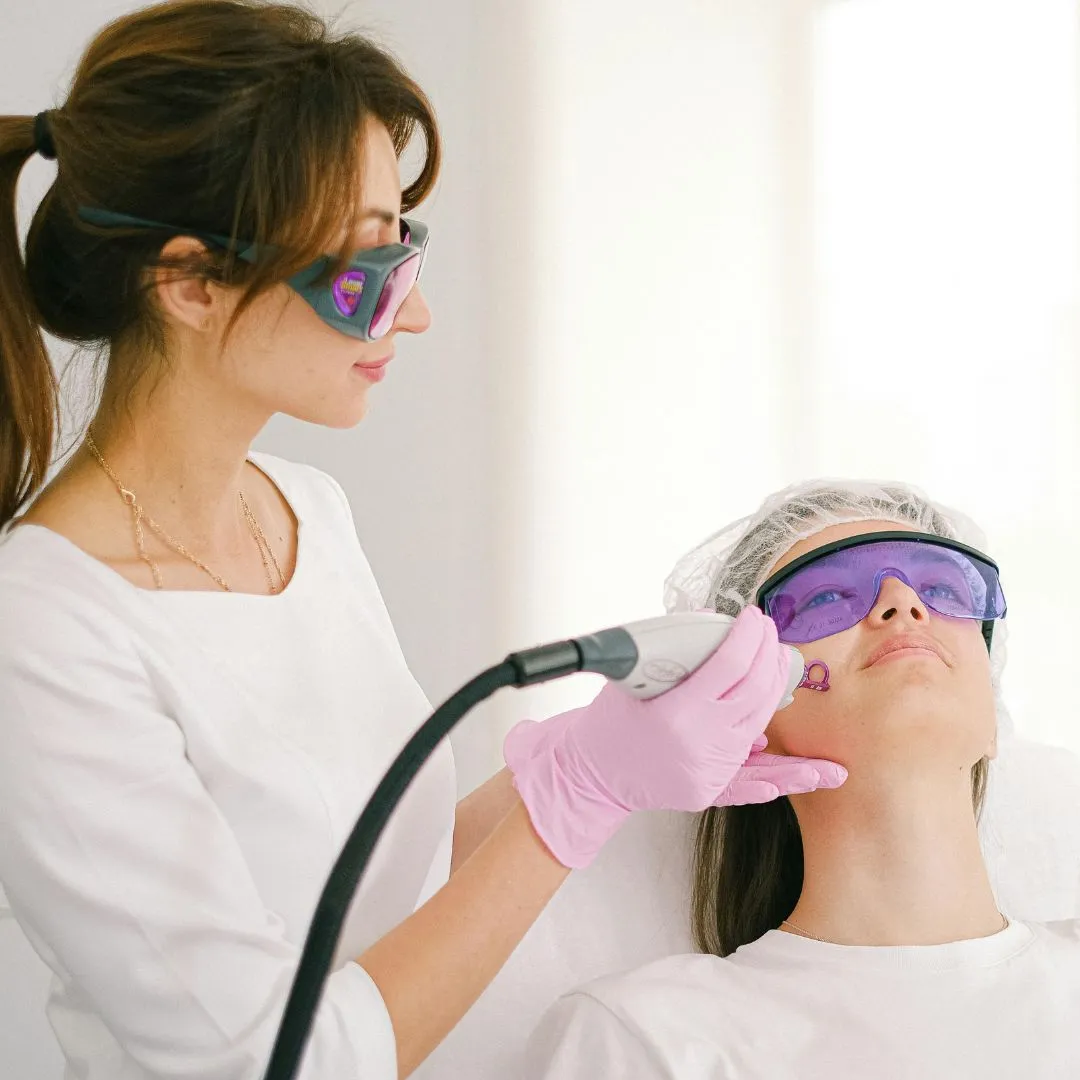
Wrinkle reduction and facial rejuvenation can be achieved through Botox or dermal fillers, eliminating the need for surgery. Laser treatments offer another less invasive option than traditional facelifts, effectively improving skin texture and tone. Ultherapy uses ultrasound technology to lift and tighten skin, serving as a non-invasive facelift alternative. Additionally, microneedling stimulates collagen production, resulting in firmer, more youth-looking skin—once again, without surgery.