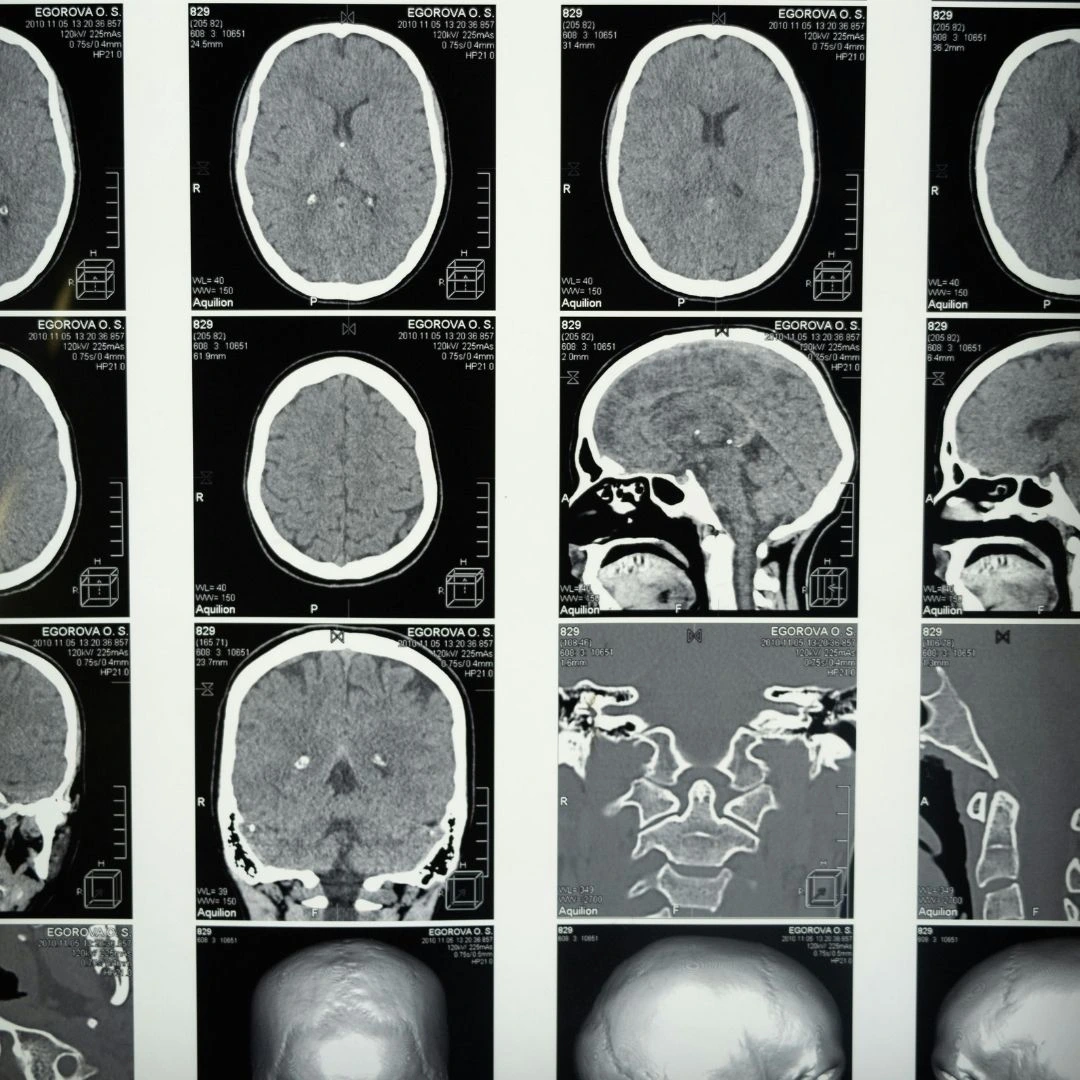
They say your frontal lobe fully develops by your mid twenties; one writer explores what that really means and if it’s even true.
I recently turned 25, which is arguably one of the most nebulous ages to be; too old for the classification of “early twenties,” yet not quite “late twenties.” A gateway age, if you will. By 25, they say your frontal lobe is fully developed, your brain fully matured. From here on out, we’re expected to step into the “best version” of ourselves, mentally and emotionally. But is that really true? New research suggests otherwise.
Before we dive in, a quick disclaimer: I’m not a medical professional. Everything I’ll be sharing in this article comes from scientific papers and personal reflection, not professional advice.
READ ALSO: Starting Fresh: A Case For Saying Yes To Dry January
Is My Frontal Lobe Fully Developed?
There’s a widespread notion that your frontal lobe fully develops the day you turn 25. I even saw a friend who, upon turning 25, wrote on her birthday cake: “frontal lobe fully developed.” The idea that our bodies change isn’t a fact that’s new to us—we all went through puberty, after all. But the notion that you suddenly become a different person at the midpoint of your twenties, both mentally and physically, feels a little strange.
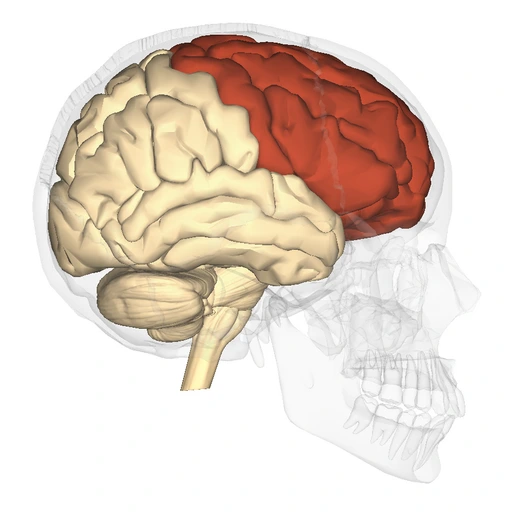
The idea that the brain drastically changes isn’t unfounded. According to Mariam Arain et al., the frontal lobe—the part of the brain responsible for a wide range of essential functions, including movement, cognition, and emotional regulation—doesn’t fully mature until around the age of 25. This late maturation is due to the brain’s “back-to-front” pattern of development, which means the prefrontal cortex is one of the last regions to fully develop.
What does that mean? Simply put, as the frontal lobe finishes developing, your brain’s “executive skills,” like judgment and decision-making, problem-solving, reasoning, impulse control, and planning, become more solid. The result? Fewer purely “gut-feel” choices, and more decisions guided by logic and reflection. A departure from the emotional volatility that most people experience in their teens and early 20s.
Personally, that idea feels heavy, especially when I know for a fact that my brain’s executive functions still feel under construction, even as I turn 25. Suddenly, the expectation of being a “proper,” fully mature and functioning human being looms too close for comfort when the reality doesn’t quite align with it.
New research by Alexa Mousley et al. from the journal Nature Communications, however, offers some relief: it was found that the brain, more specifically your frontal lobe, is still very much in development even after the age of 25. There are five distinct “epochs” of brain organization, and the second epoch—classified as adolescence—actually stretches from ages 9 to 32. That means that 32 is actually the age where the brain finally transitions from its developmental adolescent phase into the “prime” adult phase, reaching peak efficiency and function. Of course, nothing is ever set in stone as more discoveries are made in the coming years, but this breakthrough just proves there’s no finality in the ways we continue to grow.
The Fear Of Adulthood
As Lorde puts it in her song Ribs, “It feels so scary getting old.” Honestly, it’s not the idea of my frontal lobe being fully developed that unsettles me—it’s the reality of aging itself. Like so many people my age, I’m still figuring out where I am in life and where I want to go. I’m still making decisions driven by passion, gut-feel, and vibes, choices that feel as uncertain as ever. And maybe that’s the point: life isn’t meant to be a checklist of fully rational moves. It’s messy, impulsive, and sometimes downright reckless, yet somehow beautiful precisely because of those imperfections.
There’s a sense of wonder and a distinctly human allure to not having it all figured out. In the pauses between plans, in the nights spent wondering if you’re on the right path, in the moments where your heart pulls you somewhere your brain hasn’t yet mapped. Maybe the best part of growing older isn’t becoming fully “developed,” but learning to trust your decision-making when you find yourself caught between certainty and chaos. Even if all else fails, the learning process is still worthwhile.
Here’s to 25: to the unknown roads, the choices made in rhythm with our own hearts, and even the listlessness, because allowing life to surprise us, in all its fullness, might just be what growing up is all about.
Banner photos by Cotton Bro Studios via Pexels.