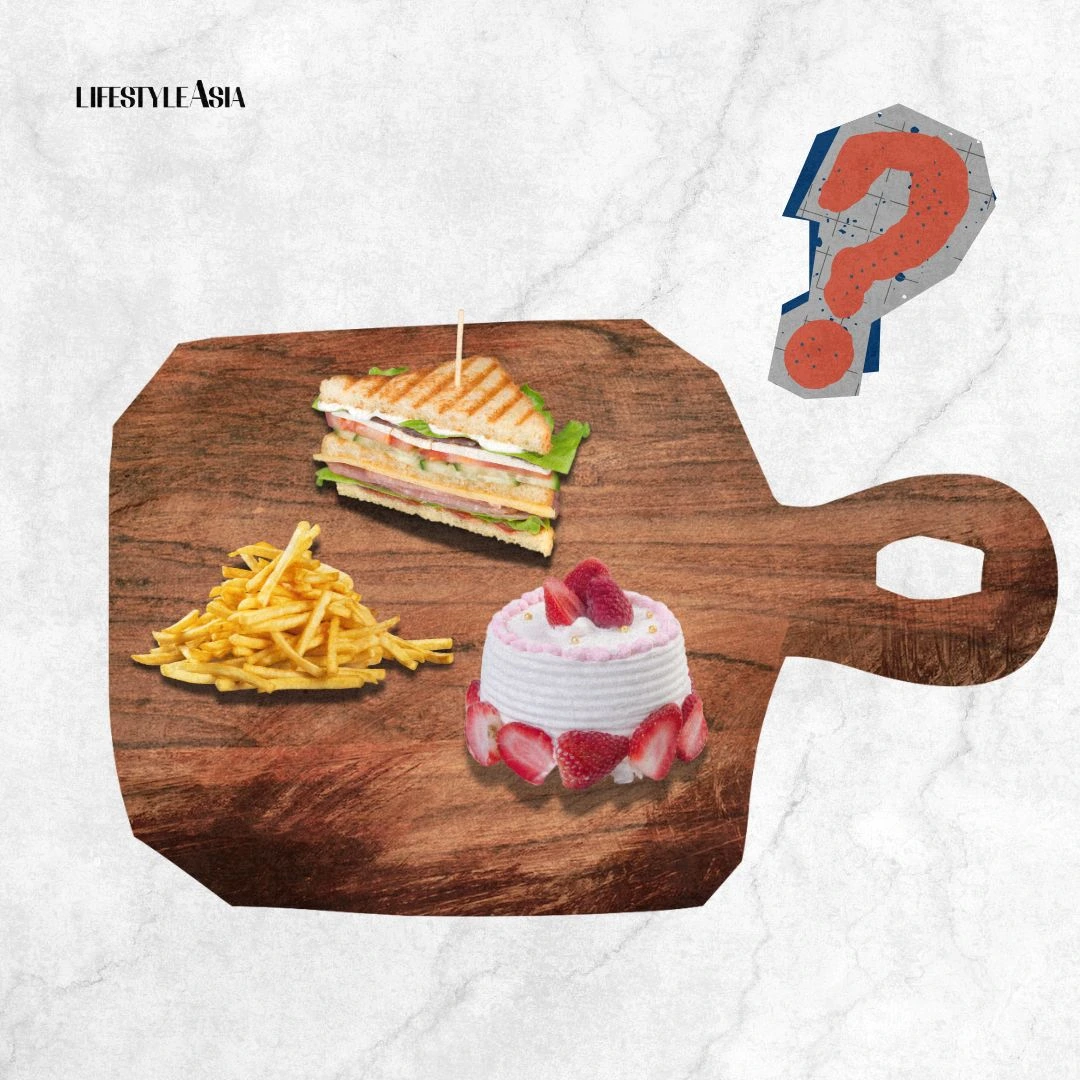
Nutritionist Jo Sebastian breaks down diet myths and offers practical, compassionate advice on enjoying food and eating without shame.
Growing up, food was always my biggest enemy. As the chubby kid, the snarky remarks about my weight and size at a young age led me to develop a very unhealthy relationship with eating. In pop culture terms, it was like Chuck and Blair’s relationship—toxic, on and off, and full of twists and turns. Yet the truth is, I really can’t live without it (both figuratively and literally).
From avoiding and resisting it in high school (which led to very unhealthy habits) to using it as a stress reliever and coping mechanism in college and law school, my view of food has shifted over the years. In all honesty, food is a difficult topic for me—and for many others. Still, opening up conversations about it can help destigmatize the role food plays in our lives. So, let’s talk about it.
In this iteration of LA Phones A Friend, we called Jo Sebastian, a Registered Nutritionist-Dietitian and content creator, to talk about food, eating habits, and how to enjoy what’s on your plate without guilt. With her signature mix of science-backed advice and relatable storytelling, Jo cuts through the noise around diets and wellness trends, turning it into guidance that’s not only doable but—more importantly—enjoyable.
READ ALSO: LA Phones A Friend: Taxes In Your 20s & 30s Explained
Ask The Expert
Jo Sebastian is one of the Philippines’ most trusted voices in nutrition and food freedom. With a background in clinical and community nutrition, she has worked with individuals and organizations to help people build healthier, more sustainable relationships with food—free from guilt and fear.


Beyond her formal practice, Jo has found a powerful platform online. Through her TikTok, Instagram, and YouTube channels, she breaks down complex nutrition concepts into relatable, digestible advice for her more than half a million followers. Her content, often centered on mindful eating, debunking diet myths, and promoting body acceptance, has made her a go-to resource for Gen Z and millennials navigating the noisy world of health trends.
If food could speak, what kind of conversation do you think most people are currently having with their meals?
Jo: I think a lot of it would be more around stress and confusion around food and their food choices. Perhaps a lot of people would be wondering why they are craving certain foods, why they are leaning toward certain foods, and why they can’t make “healthier” choices. But mainly, this would be fueled by online misinformation and fear that tends to go around food.
I would say most people may have a negative conversation with themselves about their food, hoping that it would taste better if it were a healthy meal, or maybe hoping that it would be healthier if it were one of their fun foods. And honestly, I think that’s just because of the current culture we have around health and food.
What’s one common healthy eating myth you wish people would stop believing?
Jo: I think it’s really around the whole idea that carbohydrates are evil, especially rice, especially for Filipinos. Most of the time, we villainize it so much to the point that we end up unsatisfied with our food. We end up cutting it out, and it leads to a cycle of restrictive dieting, yo-yo dieting, and binge eating.
A lot of people may not enjoy rice, and they don’t want to eat it—and that’s perfectly fine. But it is such a big part of our culture that when it is villainized so much, part of you as a Filipino also gets impacted, and a negative relationship with yourself tends to occur. And I wish that people would realize or be allowed to understand that, “hey, carbohydrates are not bad, rice is not bad,” but we do have to take a look at the overall diet that we have. It’s not just about one singular food, but it’s about long-term, sustainable choices.
How do you help someone move away from labeling food as good or bad?
Jo: First, we talk about how being mindful of the words you use around food is very important. Even terms like “clean” and “junk,” “healthy” and “unhealthy” tend to add emotion or feeling towards those food items.
We would start off by being mindful of the words you use around food and realizing that, hey, there is no such thing as good or bad food. No, this doesn’t mean that all food is nutritionally equal. It just means that food has no moral value. And when you start attaching moral value, you internalize this moral value. Instead of seeing food as good and bad, we can look at what it has to offer so that we start to understand when we might need it or want it.
For example, a bar of chocolate. For me, one of the biggest reasons why I tend to fear it is that the world has said that chocolate is bad. But when we move into “hey, chocolate still gives me happiness,” and also “chocolate can offer some magnesium when it comes to my period,” then we see what food has to offer, we start to take away the label of good and bad, and start to understand when it can fit into our day.
Social media is full of “what I eat in a day” content. How should people approach these videos with a healthy mindset?
Jo: I also post “what I eat in a day” videos, but I will say that in the past, I had been addicted to it because I would compare my food intake to those who also post it. There are also a lot of “what I eat in a day” videos that tend to start with clickbait, and I’ll be honest, I did that before, too. I would show my body, which relatively fits under the acceptable size. And when I post a video of me showing that to start my “what I eat in a day” videos, it kind of gives off the message that if you eat this way, you’ll look like me. A lot of people tend to do that as a way to gain more views for those videos. It kind of sends off the wrong message. I personally really enjoy “what I eat in a day” videos for myself because I love to see the different ways people eat to nourish themselves.
So a good mindset to have when watching these videos is realizing that they don’t actually eat like that every single day, and everybody is different. What we can do is take inspiration for meals, but not compare our food intake to theirs—or even compare our bodies to theirs as well. That’s very, very important to know. These videos are for inspiration for meal ideas, but not made to be the basis of what is good and bad or needed for us to do.
How can someone tell the difference between genuine hunger and eating out of habit or boredom?
Jo: So when I talk to my clients, I usually tell them about the different types of hunger, and there are four.
Physical hunger
Your physical need to eat. You can notice those signs: your head hurting, starting to feel lightheaded, starting to think of food, feeling the growling and emptiness in your stomach. You can also feel it in your energy levels—you start to feel more sluggish, and you can feel it as well in your mood. You’re starting to feel hangry and irritable. Of course, physical hunger is really the sign that tells you that, well, you need to eat.
Mouth-taste hunger
Basically, your cravings. Your mouth is looking for something salty, sweet, or spicy. This usually leads to us eating what we’re craving so that we can move on.
Practical hunger
Eating out of practicality or in response to hunger that we may not feel or get to satisfy. For example, if you’re having a very busy day, you might want to start with a bigger meal in case you get too hungry later.
Emotional hunger
When you eat out of emotions such as boredom, stress, anxiousness, and so on.
One of the first things that I always tell my clients is that there is a tendency for us to eat out of boredom or emotions because we’re physically hungry, and that’s not satisfied. A lot of my clients who are emotional eaters tend to eat at the end of the day when they’re super emotional because they haven’t been satisfying their physical hunger throughout the whole day. Notice if you’ve had a very busy day, you haven’t eaten a lot, then you get stuck in traffic, you come home, you’re super duper stressed and tired and hangry—because you also are physically hungry. Your physical hunger has intensified so much it starts to feel emotional. That tends to feel like emotional eating, but it’s actually physical hunger that has gotten way too intense.
I usually remind them to create a meal pattern that they can be consistent with so their body starts to regulate their cues, and then notice what tends to go out of those patterns. When do you usually reach for food? Is it when you’re feeling monotonous? When you’re feeling tired? What are those other times you tend to reach for food? When it is eating out of boredom, it’s important to notice when that happens and be able to find a habit to answer that.
What’s your professional take on cheat days? Helpful tool or unhelpful mindset?
Jo: For me, it’s definitely an unhelpful mindset, because when you say “cheat day,” again, you’re going into the mindset that something is wrong. I don’t think it’s wrong for you to have your fun foods. A tendency is that this becomes more of a binge day or a binge meal because you’re allowing yourself to eat all of the foods you’ve restricted, and you’re kind of giving yourself a timer of, okay, this is only for today, and I can’t eat this again—and it builds up that tension. For some people, it works, but for most people, it might just be building an unhealthy relationship with food and also creating more of a binge cycle.
Instead, I would say, rather than having a cheat day where you’re eating a dozen doughnuts in one day, what if we had one doughnut every day for the week? That would be 12 versus 7 doughnuts overall. But that could also lead to half a doughnut every day. We want to create a healthy relationship with food where we’re not seeing it as bad and good, and having a cheat day kind of creates that mindset for a lot of people.
If you could share one practical everyday nutrition tip everyone could follow, what would it be?
Jo: I would say start your day with a high-protein, high-fiber meal as much as possible because your first meal plays a very big role in the rest of your meals. If you start the day with enough protein and enough fiber, it helps. This doesn’t mean no carbs; it just means focusing on adding more fiber and protein where you can. For example, if you’re having oatmeal, try to add some milk or yogurt or an egg on the side, and some fruits to boost fiber and protein. If you’re having a silog meal, try to add some veggies to it and choose a leaner source of protein. When you start your day with a balanced meal, it’s easier to meet your nutritional needs, manage blood sugar levels, and maintain better energy throughout the day.
What’s your best advice for enjoying food without feeling guilty afterward?
Jo: It takes time, but I think what’s most important is really working on that self-talk. The way you speak to yourself plays a very, very important role. If I’m speaking to myself with anger or negativity, it bleeds into the food. You don’t have to say, “Oh, this is not good for me. I shouldn’t be eating this.” We can work toward, “wow, that was tasty. That made me feel satisfied. That gave me energy.”
Allow yourself to realize the “why” behind your food choices, and not just “eat this, don’t eat that.” Understand what role the food plays in your body, how it makes you feel, so you can make choices based on your own body—and not just because other people tell you to.