LED masks promise clearer skin, fewer wrinkles, and that effortless glow. But before you try it out, here’s what science, dermatologists, and real experience say about whether they’re worth the hype.
You’ve probably seen your favorite influencer wearing a Jabbawockeez-like mask, glowing red as they lie in bed. Once a quirky extra in skincare videos, the LED mask has slowly evolved into a highly recommended step in many nighttime routines.
But beyond the Instagram appeal, how effective are these masks really, and are they actually worth the investment? Before you hit “add to cart,” it’s worth unpacking the science, the benefits, and the potential drawbacks, so you can decide whether an LED mask is the right glow-up for your routine.
READ ALSO: We Are In Our De-Influencing Era: A Skincare Reality Check
Benefits Of Getting An LED Mask
One of the biggest draws of LED masks is their ability to target common skin concerns without invasive treatments. According to the Cleveland Clinic, LED light therapy can help treat acne and reduce the appearance of fine lines by penetrating different layers of the skin with specific wavelengths. Red light, in particular, has been shown to reach deeper into the skin to stimulate collagen production and calm inflammation—two key factors in achieving smoother, more youthful-looking skin.
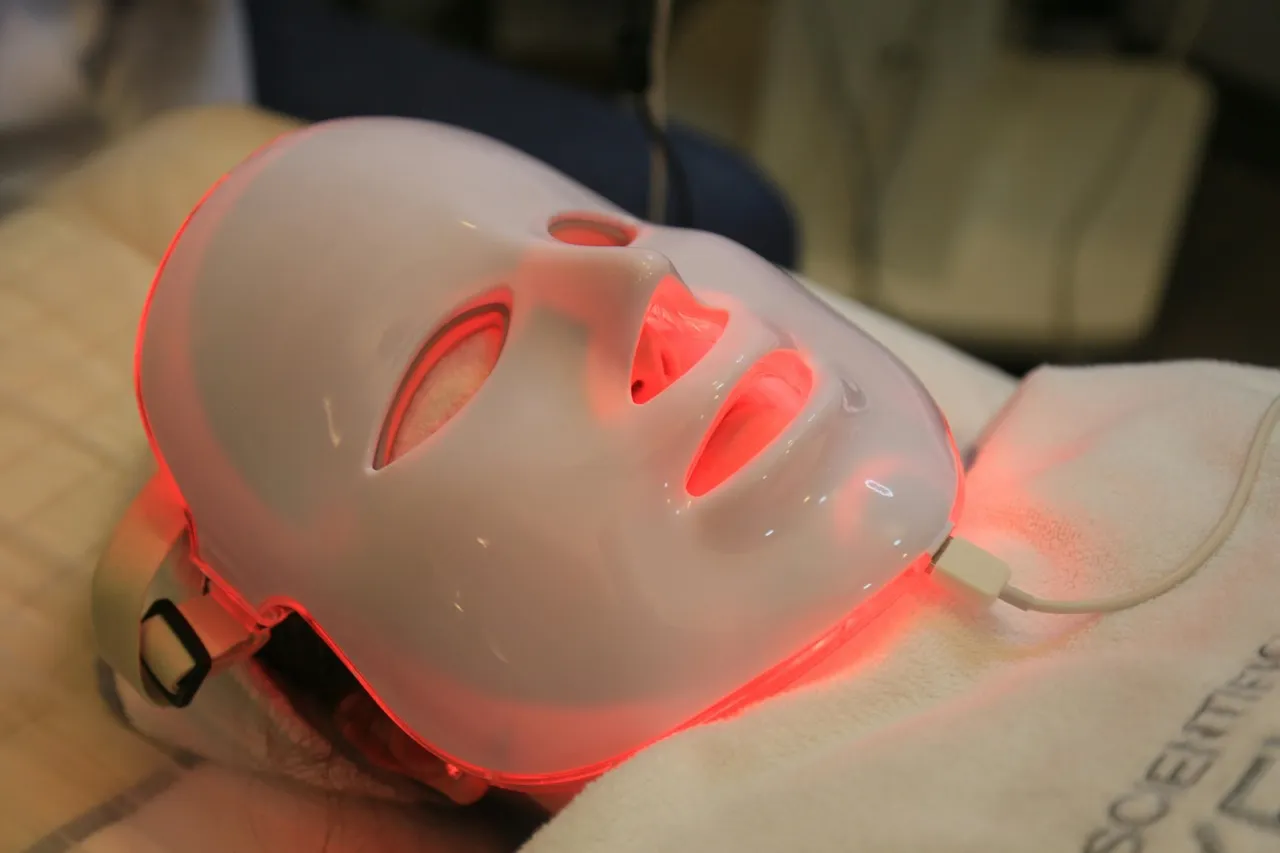
Beyond wrinkle reduction, LED masks also offer potential benefits for overall skin tone and texture. Red light therapy has been studied for its potential to improve visible signs of aging, including dark spots and discoloration, when used consistently. UCLA Health highlights that repeated red light treatments can enhance skin quality and even yield lasting improvements for up to a month after therapy ends.
Another perk is that these devices are non-invasive when used correctly. Since LED therapy doesn’t use UV light, it doesn’t carry the same risks associated with sun exposure or more aggressive procedures. You can integrate it into your routine with minimal downtime, and most skin types can use it—though it’s always best to check with a dermatologist first for safety.
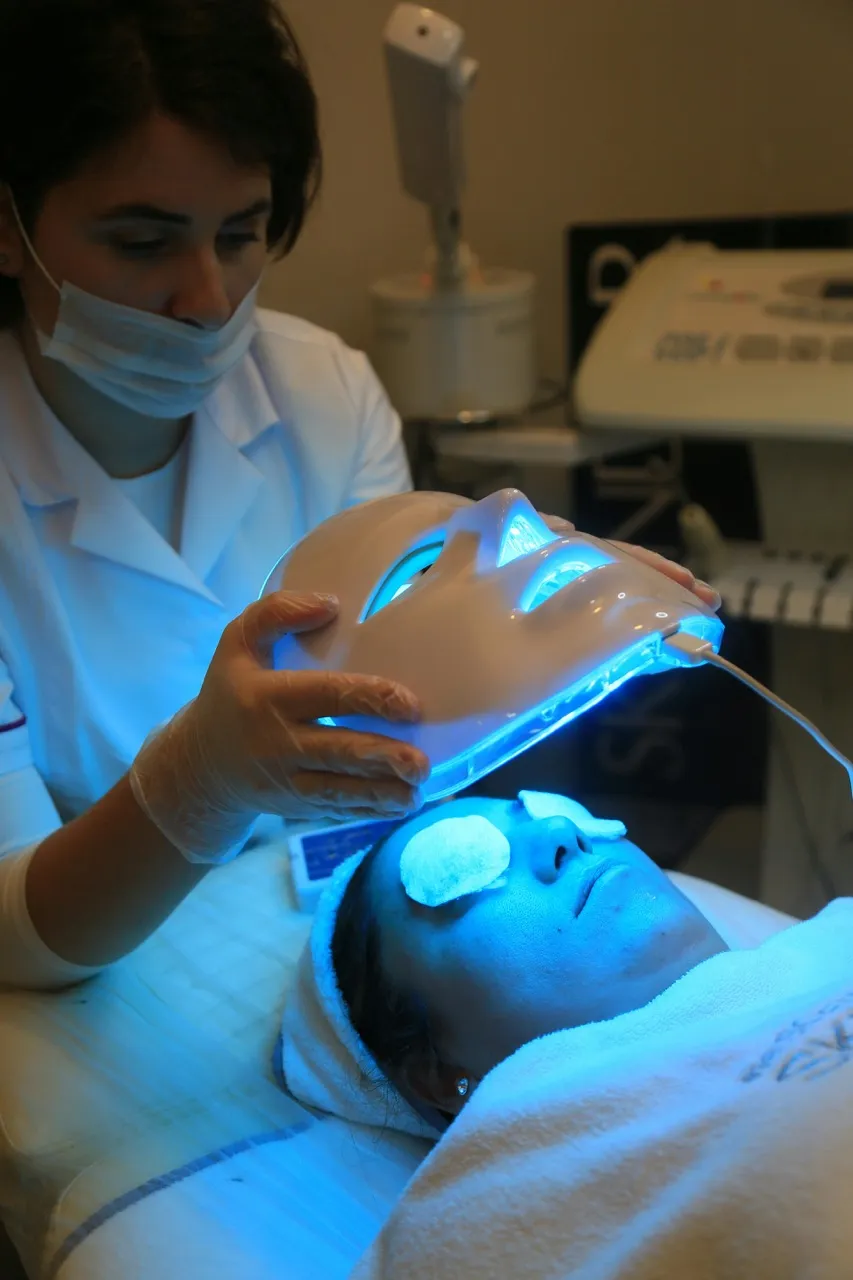
LED masks can also be tailored to exactly what your skin needs. When I was dealing with stubborn cystic acne, my dermatologist recommended combining blue light with other colors to calm breakouts and tame oiliness. Blue light zaps acne-causing bacteria at the surface, while red light reduces inflammation and boosts collagen. It felt almost sci-fi, but having one mask tackle multiple issues at once was a total game-changer for my skincare routine.
With all these benefits, it’s easy to see why LED masks have become so popular. But like any beauty tool, they’re not without limitations. Understanding the potential downsides can help you decide if they’re truly right for your routine.
The Possible Downside
LED masks and red light therapy feel futuristic, but they aren’t perfect for every skin concern. One limitation is the mixed strength of scientific evidence. A recent clinical trial found home-use LED masks effective and safe for reducing wrinkles, but it also noted a short follow-up period and the possibility that participants used other skincare products, making long-term safety less certain.
Safety is generally good, but side effects can happen. Temporary redness, blistering, or irritation can occur, especially if the mask is overused or set too high. Even at-home devices, which are less intense than clinical ones, may trigger sensitivity in some skin types.
Results also vary. Not all devices deliver the same wavelengths or intensity, and inconsistent use can make benefits unpredictable. Some claims, like fast acne clearance or dramatic wrinkle reversal, are based on small studies or subjective outcomes.
Finally, according to a short-term study, certain people should be cautious. Those with light-sensitive conditions, on photosensitizing medications, or with a history of pigmentation issues may experience irritation or uneven skin tone.
LED masks aren’t dangerous for most users, but they aren’t miracle devices either. Paying attention to your skin, following instructions carefully, and consulting a dermatologist can help you get the glow safely.