
In an era where injectable weight loss drugs are used for aesthetic purposes, some people use them for medical reasons—people like me.
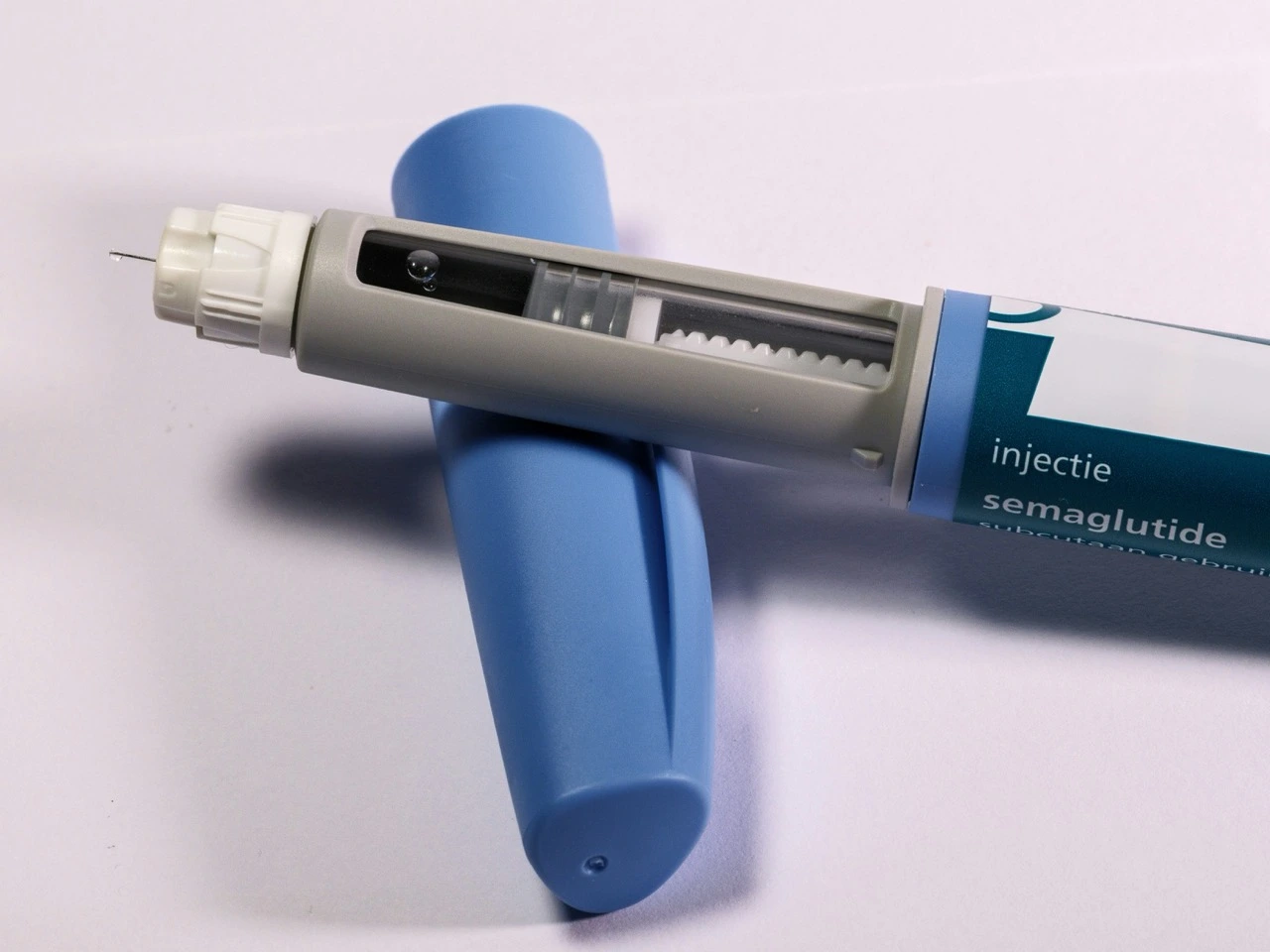
It’s been nine months since I received my first weight-loss drug injection. The shot was quick, but it felt like a huge ant had nibbled at my stomach. Back then, I was terrified—not because of the injection itself (I’m practically a pro at being on the other side of a needle, thanks to my dermatologist), but because of the potential side effects, both physical and social.
I still remember that day clearly. My mom was fed up with the skin around my neck being noticeably darker than the rest of my body. She was tired of my weight plateau, even with daily yoga and cardio sessions. “Let’s have you checked,” she declared, her voice stern but laced with concern, knowing full well I’d never take the initiative myself.
“You have insulin resistance and pre-diabetes,” our family doctor said. To be honest, I wasn’t shocked; I kind of expected it, given my obsession with frozen yogurt, iced lattes, and Jamba Juice. And like any internet-savvy person, I’d been secretly Googling my symptoms. “You’ll be on weight loss drugs,” our doctor continued. “One injection per week.” The first thought that flashed in my mind was: “I am now officially entering my skinny legend era.” I was oblivious to the wild ride I was about to embark on.
READ ALSO: Syncing With Your Cycle: Eating And Training Through Every Phase
How Weight Loss Drugs Affected My Body
After that first shot, I was internally celebrating. “This is my Kim K moment,” I thought to myself; yet just a few hours later, that dreamy fantasy was brutally replaced by an agonizing headache—one so excruciating, I had to pause everything I was doing. I was rendered immobile: all I could do was lie down and close my eyes, unable to even glance at my phone because I suddenly became a light-sensitive vampire.
Once I overcame that initial and awful side effect, I noticed something huge: I couldn’t feel hunger the next day. I woke up without needing breakfast; I actually had to be reminded to eat. After a few days, all my cravings were curbed. My portions became dramatically smaller, and I became full much faster. A few weeks in, the penny dropped: people on these drugs lose weight because they literally can’t feel hunger—it curbs the appetite, forcing you to eat less.
Sure, on a superficial level, I’ve lost more than 10 kilograms since January. But beyond the weight loss, the regimen has given me another shot at life. My blood sugar has stabilized, the dark areas on my body that signaled insulin resistance have lightened, and more importantly, I’m at my physical best.
Back in high school, I confessed to my best friend that my life goal was to be skinny enough for my collarbones to protrude without trying—super shallow, I know. Growing up as the “fat kid,” body image has always been an uphill battle for me. Though, as I said, it’s not all about the optics. For the first time in a long time, I feel genuinely confident in my skin—not just because I’m shrinking, but because I know my health is stabilizing.
Fear, Stigma, Conversations
When people started to notice the few inches trimmed off my face, the way my clothes fit me better, and how I was generally more active, admitting I was on a weight loss drug was a struggle. I was afraid to be judged for taking the “shortcut.” I was told that losing weight is all about having discipline: you just need the willpower to exercise every day and control your food intake. But trust me when I say this: I’ve tried. However, even with dedicated workouts and meticulous calorie counting, my body still refuses to cooperate.
Even though weight loss was a side effect of a necessary medical treatment, it was still scary to admit I was getting weekly injections. The shame associated with relying on medicine was one of the key reasons I initially denied the “allegations.” Yet, after talking to a colleague who casually said, “Oh, I took weight loss drugs because I wanted to fit my dress better,” I felt a surge of relief. If someone who’s doing it for purely aesthetic reasons isn’t ashamed to talk about it, why should I, a person who actually needs it for health, be afraid and ashamed?
Being A Skinny Legend Is A Mindset
But here’s the thing: being a “skinny legend” isn’t about shrinking down to fit a dress size or chasing collarbone goals anymore. It’s a mindset shift. It’s realizing that taking care of your health, whether through medication, lifestyle changes, or both, doesn’t make you weak or lazy—it makes you self-aware. It means you’re actively choosing to give yourself a chance at living longer, healthier, and more confidently, without letting other people’s noise drown out your reality.
Of course, there are still days when the old insecurities creep in, when I wonder if people only see the slightly slimmer version of me and not the healthier, stronger person I’ve worked to become. But then I remind myself that this journey isn’t centered on aesthetics or what other people perceive—it’s about survival, self-preservation, and ultimately finding peace with my body. At the end of the day, my version of a “skinny legend” isn’t about being the thinnest and most fit person in the room: it’s about being the healthiest and happiest version of myself, on my own terms.