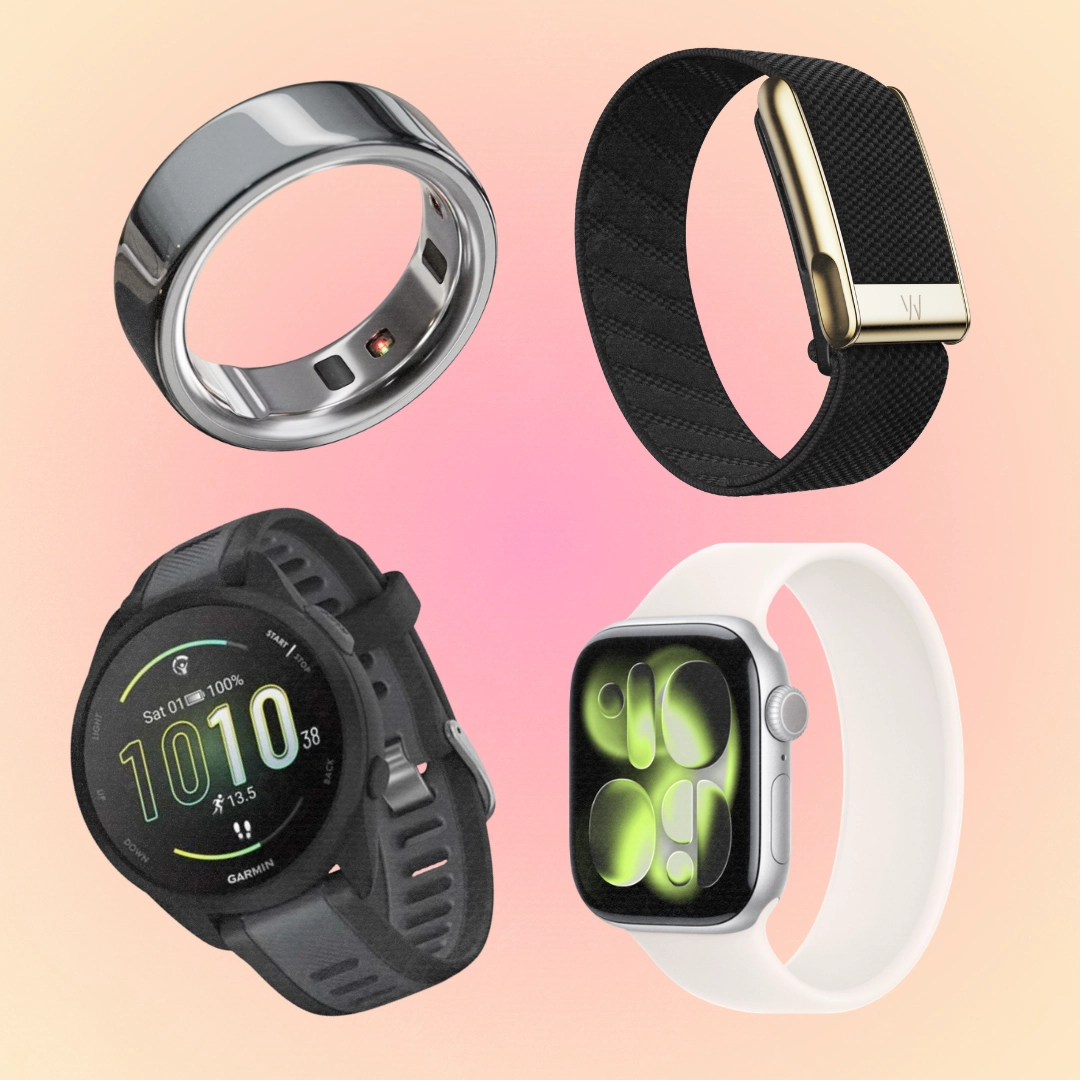
How are those fitness resolutions holding up? These wearable fitness trackers are here to keep your goals in check and your momentum going.
We’re already in the second month of the year, and it’s time to ask: have you been keeping up with your New Year’s fitness resolutions? Maybe it’s been tricky to keep pace, or you’ve been putting in the effort but still find yourself struggling to figure out what your body actually needs. For accountability, tracking, and overall health check-ins, wearable fitness trackers can make all the difference.
These days, fitness isn’t one-size-fits-all. The challenge? There are tons of options on the market. That’s where we come in. We’ve rounded up four fitness trackers worth your attention, breaking down what makes each one stand out so you can choose the one that fits your lifestyle best.
READ ALSO: Your Guide To Manila’s Yoga Scene And Matching Sets
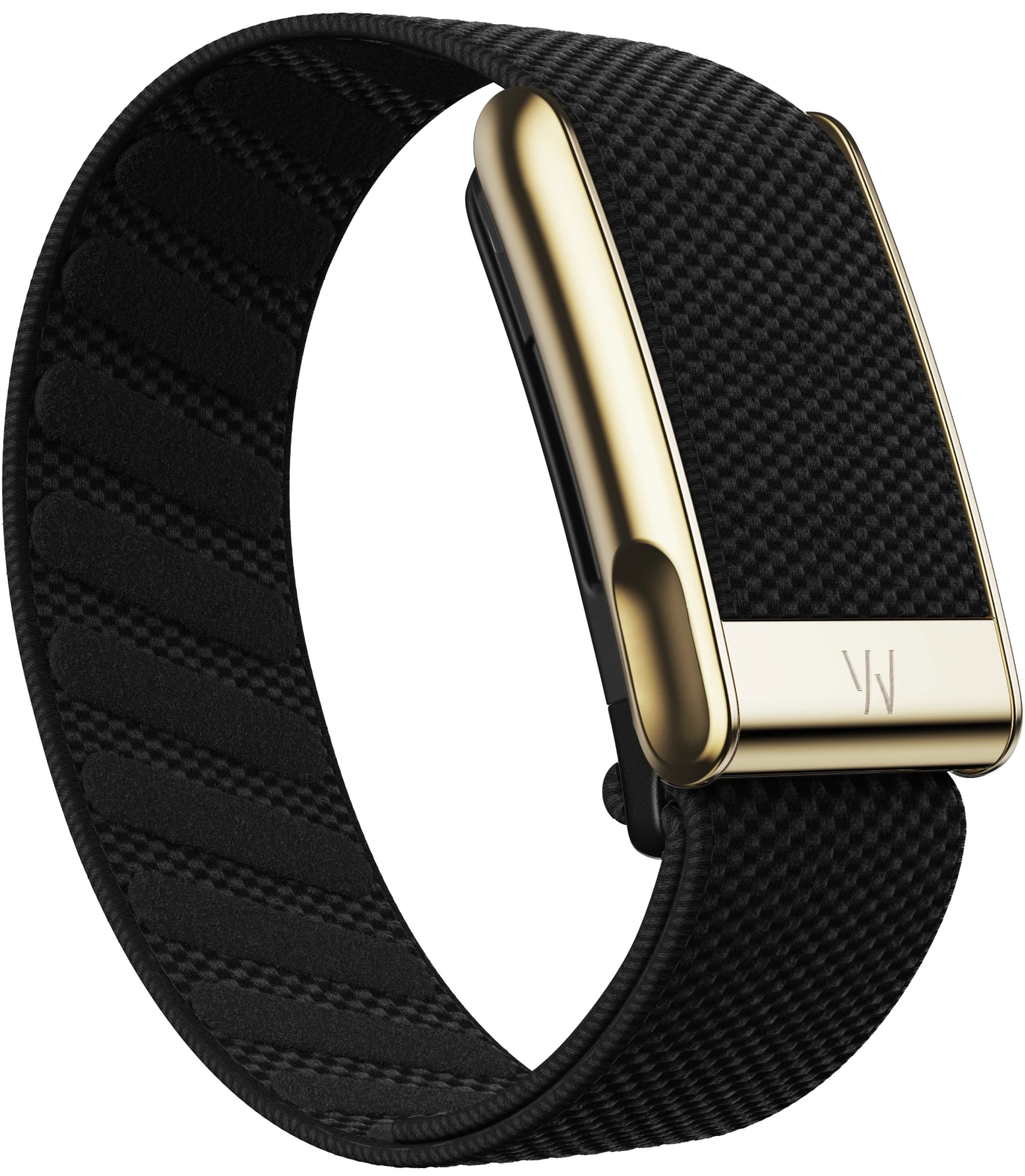
Whoop
You probably know someone who owns a Whoop, the no-screen tracker people often ask friends to pasabuy from trips to the United States. Unlike traditional wearables, Whoops skip the screen entirely and focus on deep recovery insights through an app. It offers 24/7 physiological monitoring, workout strain scoring, and detailed metrics like HRV, blood oxygen, and skin temperature. Keep in mind that it runs on a subscription starting at over US $30 a month, so it’s best suited for users who are fully committed to tracking their fitness long-term.
Oura Ring
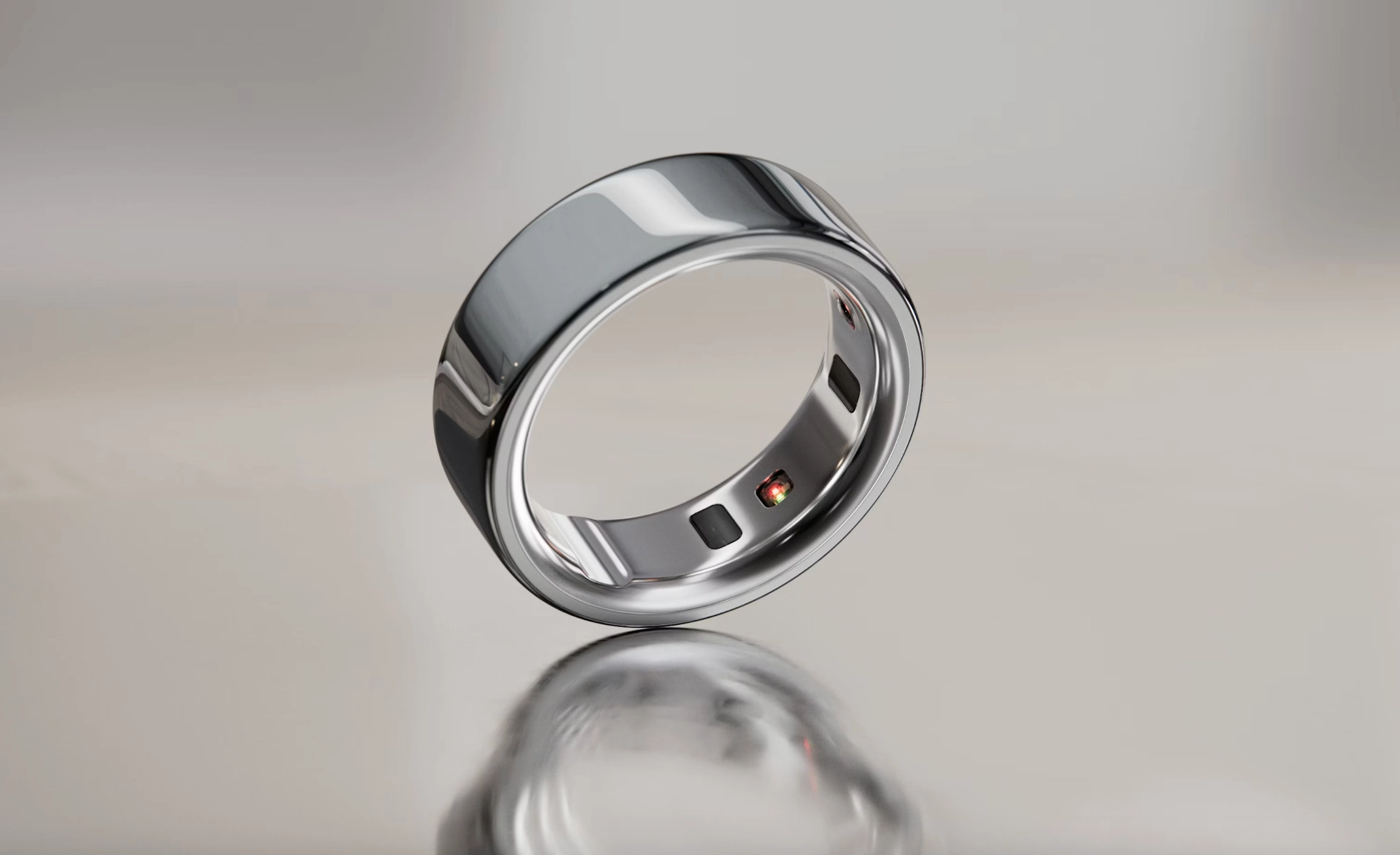
A certified favorite among the Pilates Princess crowd, the Oura Ring offers wellness intel in the sleekest way possible. Designed as a minimalist titanium band worn on your finger, it’s discreet enough for daily use but powerful under the surface, using 18 signal pathways for impressively precise data tracking.
It shines in sleep analysis and readiness scoring, with accurate breakdowns of sleep stages and recovery. It also tracks temperature trends, which can help with cycle insights and early signs of illness. Even better, it’s newly available in the Philippines, so no pasabuy required.
Apple Watch
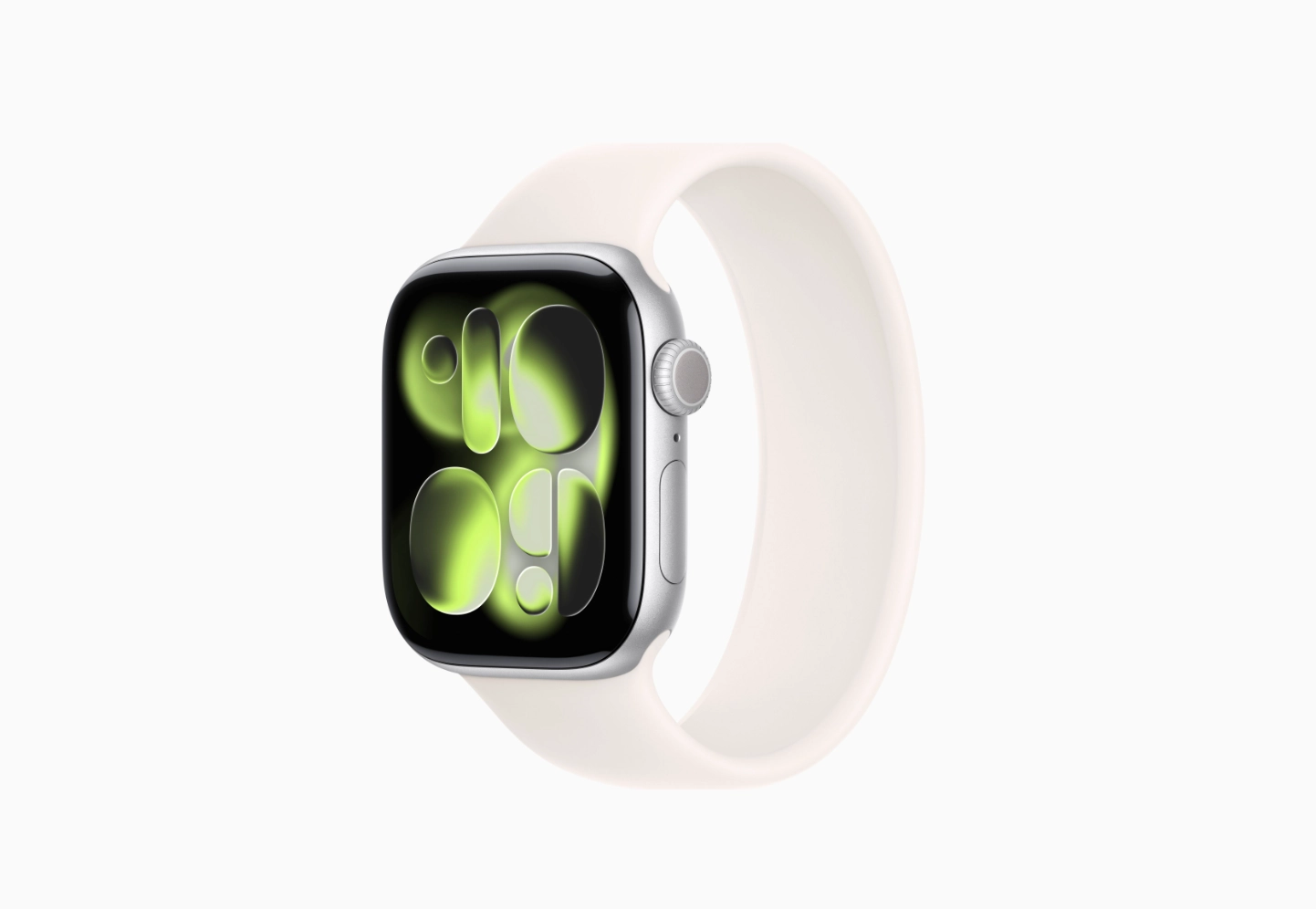
Ah, yes, the quintessential Apple Watch. It’s the gold standard for anyone already deep in the iOS ecosystem, offering seamless integration with your iPhone alongside a comprehensive suite of health features. It covers serious wellness ground, including ECG readings and body temperature tracking, while still letting you take calls, stream music, and close those motivating activity rings. The trade-off? Battery life sits at around 18 hours, so daily charging is part of the deal. And if you’re trying to unplug more often, constant notifications buzzing on your wrist might feel like a little too much connectivity.
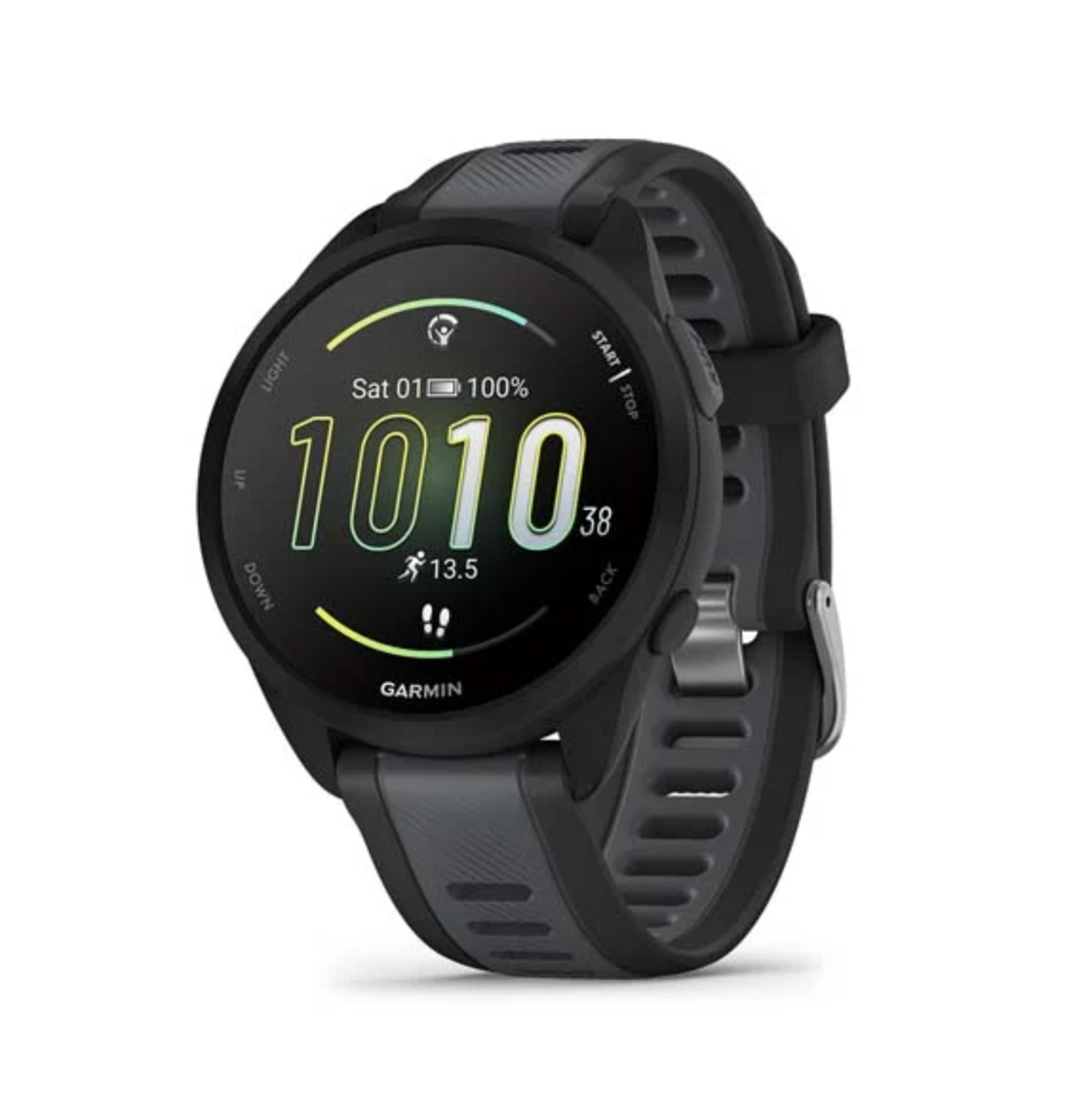
Garmin Forerunner 165
This wearable hits a sweet spot for runners who want reliable performance without diving straight into pro-level complexity. It’s built with marathon training and everyday fitness in mind, with accurate tracking, clear insights, and a straightforward experience that doesn’t feel overwhelming. It’s one of the strongest picks for anyone who wants dependable data, solid battery life, and a watch that grows with their running goals. The cons? You have to pay a little extra to listen to music. It also has a smaller screen compared to higher-end Garmin watches.