As these workouts take over social feeds and boutique studios, it’s time to clear up the confusion—and why knowing the difference actually matters for your body and goals.
It’s hard to scroll through social media these days without seeing photos and videos of Pilates classes or intense Lagree-style workouts popping up in Manila and beyond. Pilates and Lagree or Pilates-inspired fitness studios are popping up on nearly every block. While both workouts often feature sleek reformer-style machines and a focus on core strength, many people use the terms interchangeably—and I’m not going to lie, it’s becoming a bit of a pet peeve. So what’s the real difference, and why is it important to distinguish?
READ ALSO: How To Beat Jet Lag Like A Million-Miler
What Is Pilates?
Pilates was developed in the early 20th century by Joseph Pilates as a method to improve strength, flexibility, and body awareness. It emphasizes controlled movement, breath, posture, and alignment. Over time, the method has evolved into two main styles:
Classical Pilates stays true to Joseph Pilates’s original exercises, performed in a specific sequence on traditional equipment like the Reformer, Cadillac, and Wunda Chair. It’s precise, structured, and focuses heavily on core strength and spinal alignment. Another distinction of Classical Pilates is that it sticks to the original sequences by Joseph Pilates on traditional apparatus. In other words, it is for the Pilates purists. Some studios that practice Classical Pilates include Options Studio, Tone Up Pilates, and Studio Alinea.
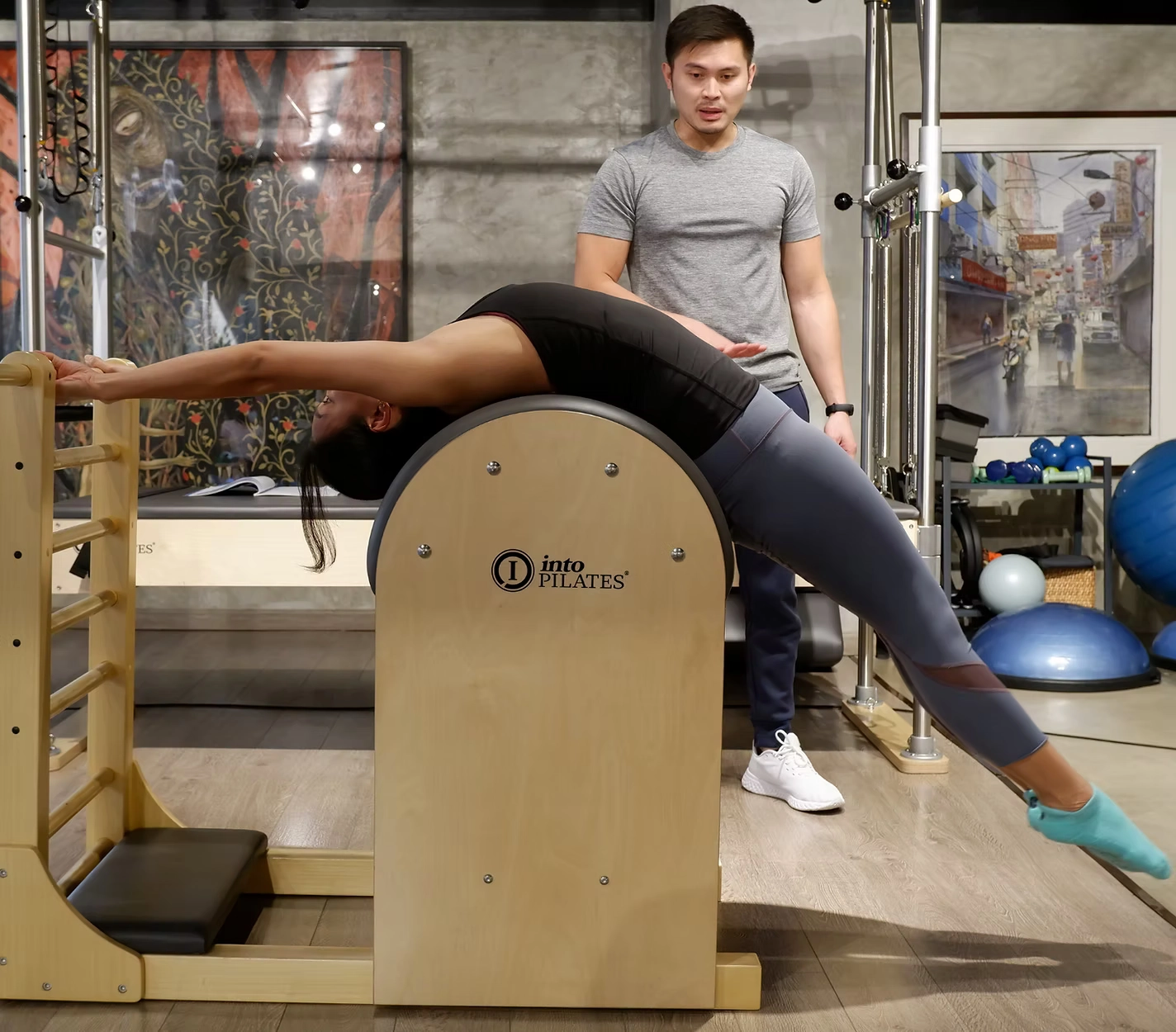
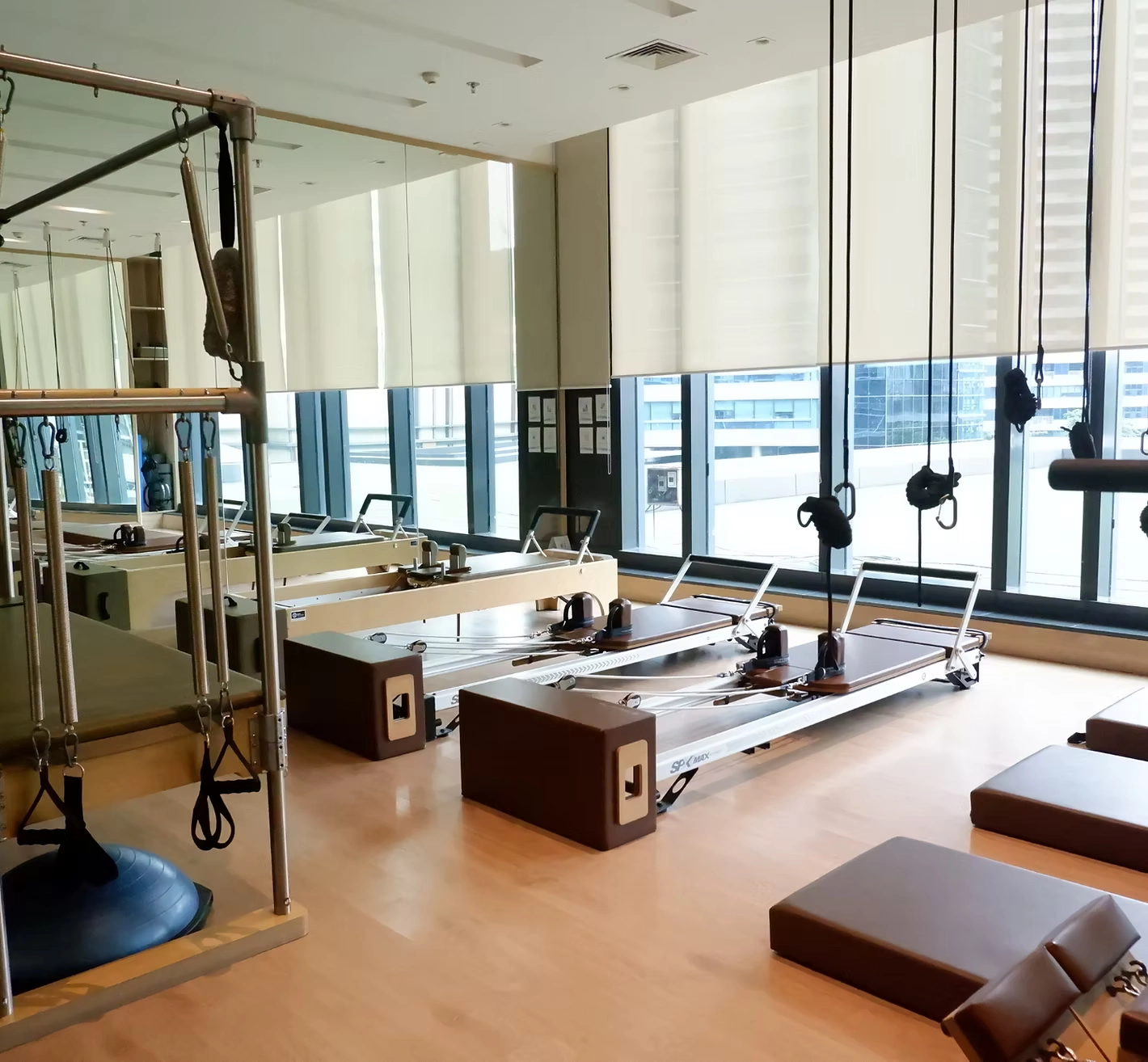
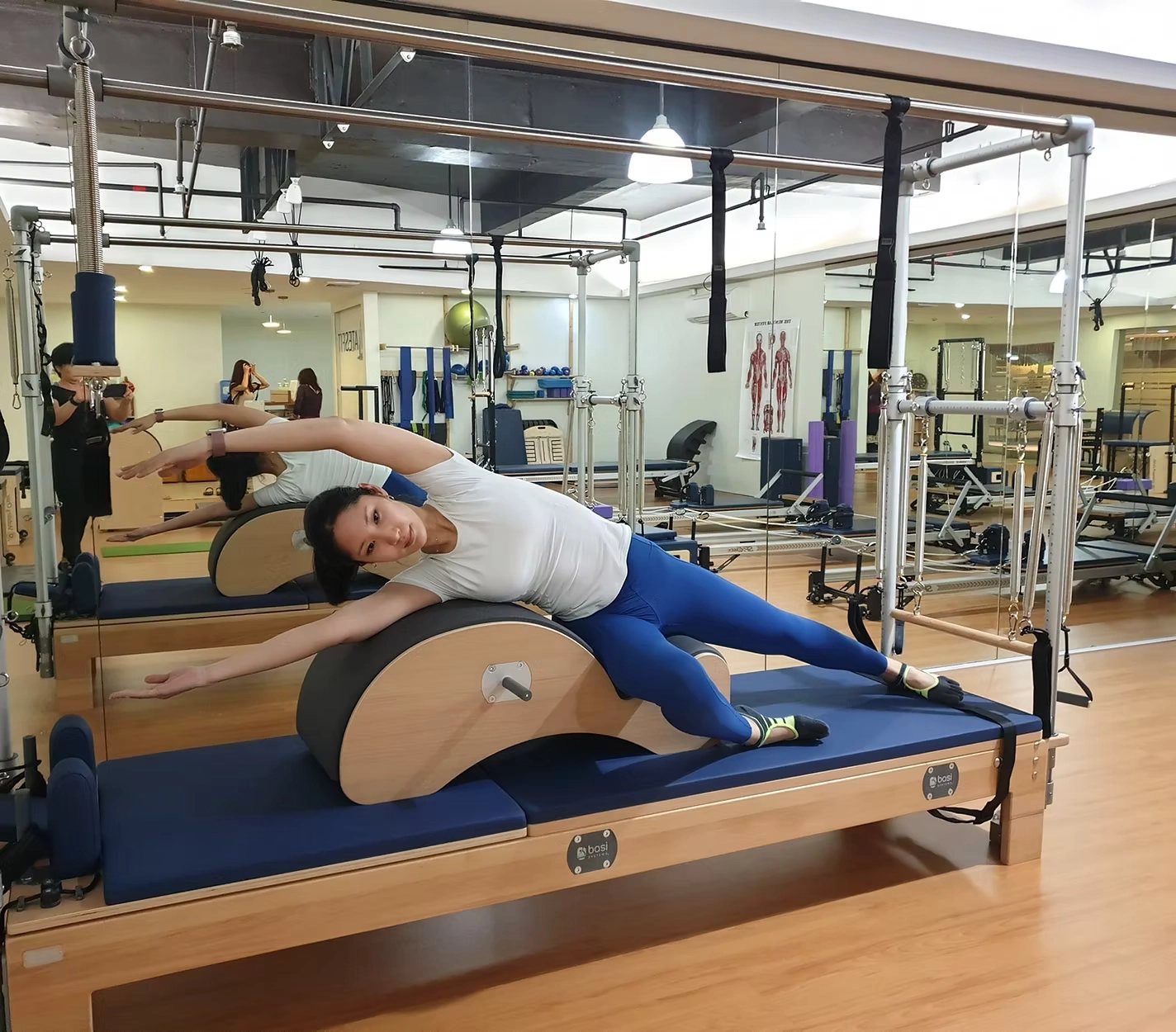
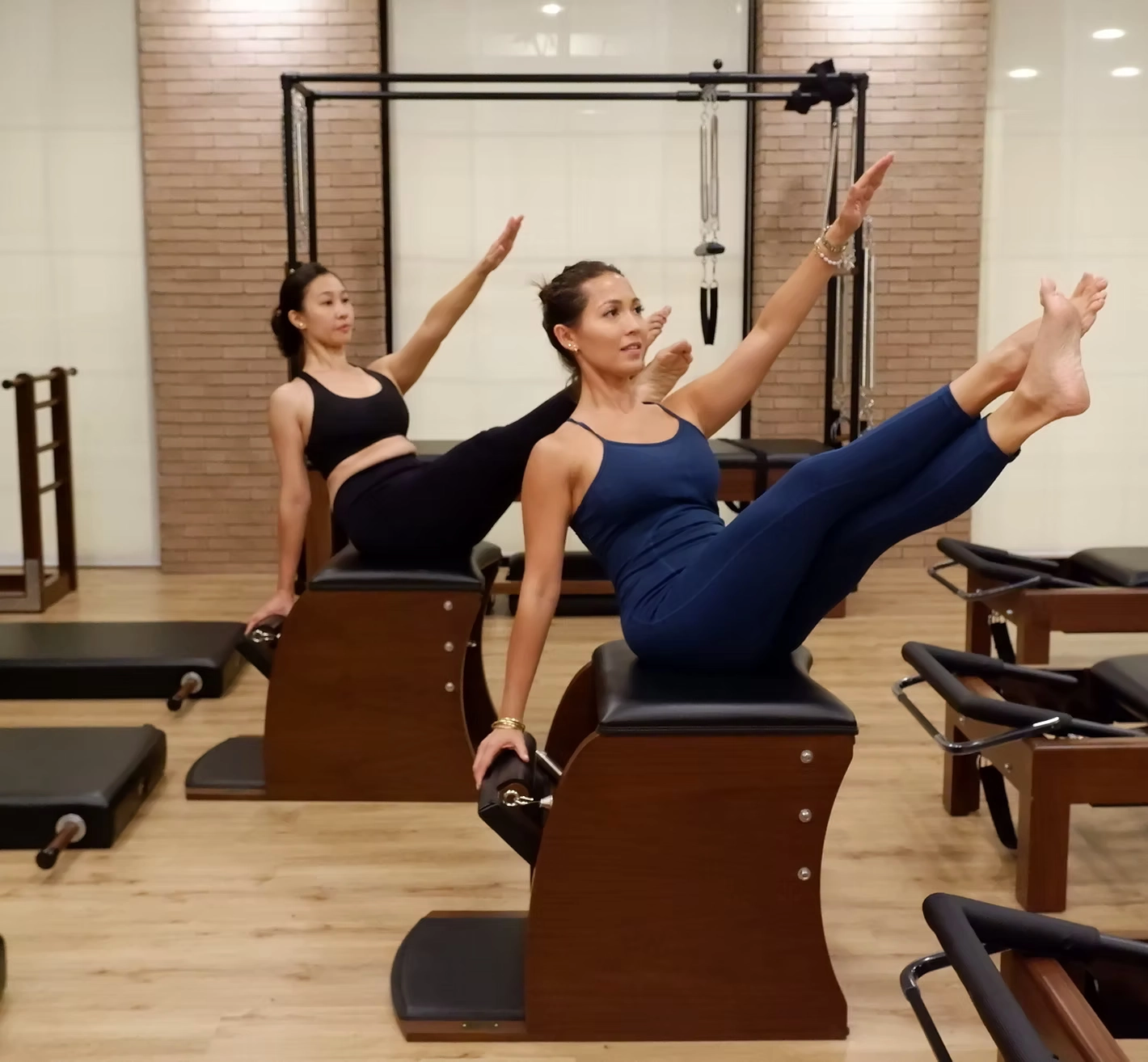
Contemporary Pilates adapts those principles with a more modern approach, often incorporating elements from physical therapy, fitness, and biomechanics. Within contemporary Pilates, you’ll find a variety of class formats. These can include contemporary methodology-based classes such as STOTT, Balanced Body, and BASI. Studios such as Speranza, Reformer Revolution, and Fit to Live practice these, respectively. There are more athletic-style Pilates, which mix Pilates principles with functional training, such as the classes at MNL Pilates. There are also mat Pilates that utilize props and even heated rooms—like offerings at Vida Yoga.
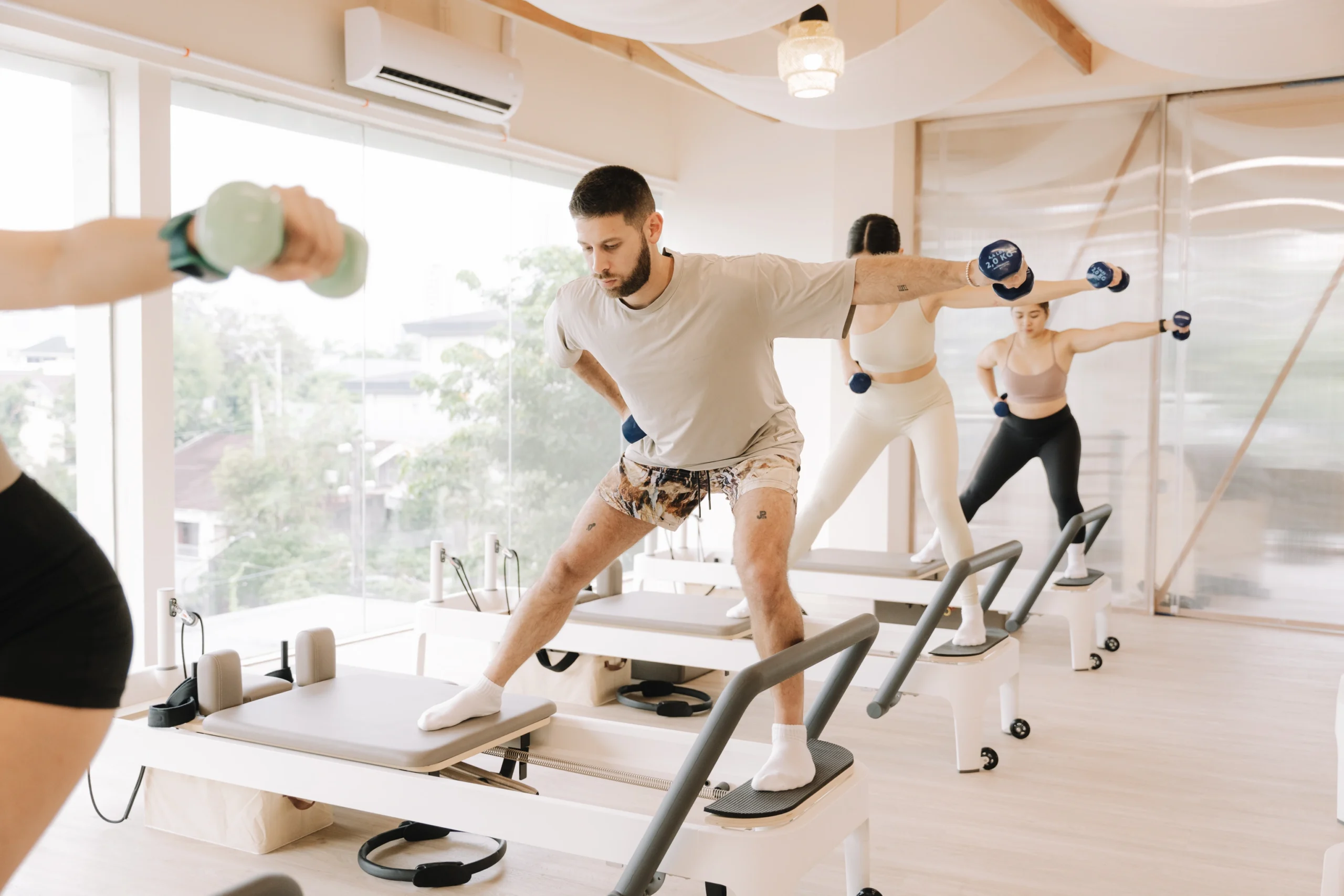
Both classical and contemporary Pilates offer unique benefits, depending on what you’re looking for. Classical Pilates stays true to Joseph Pilates’s original method, offering a structured sequence with precise movement, which can be great for those who value tradition, consistency, and disciplined practice. However, it may feel rigid or repetitive for some, especially beginners or those seeking variety.
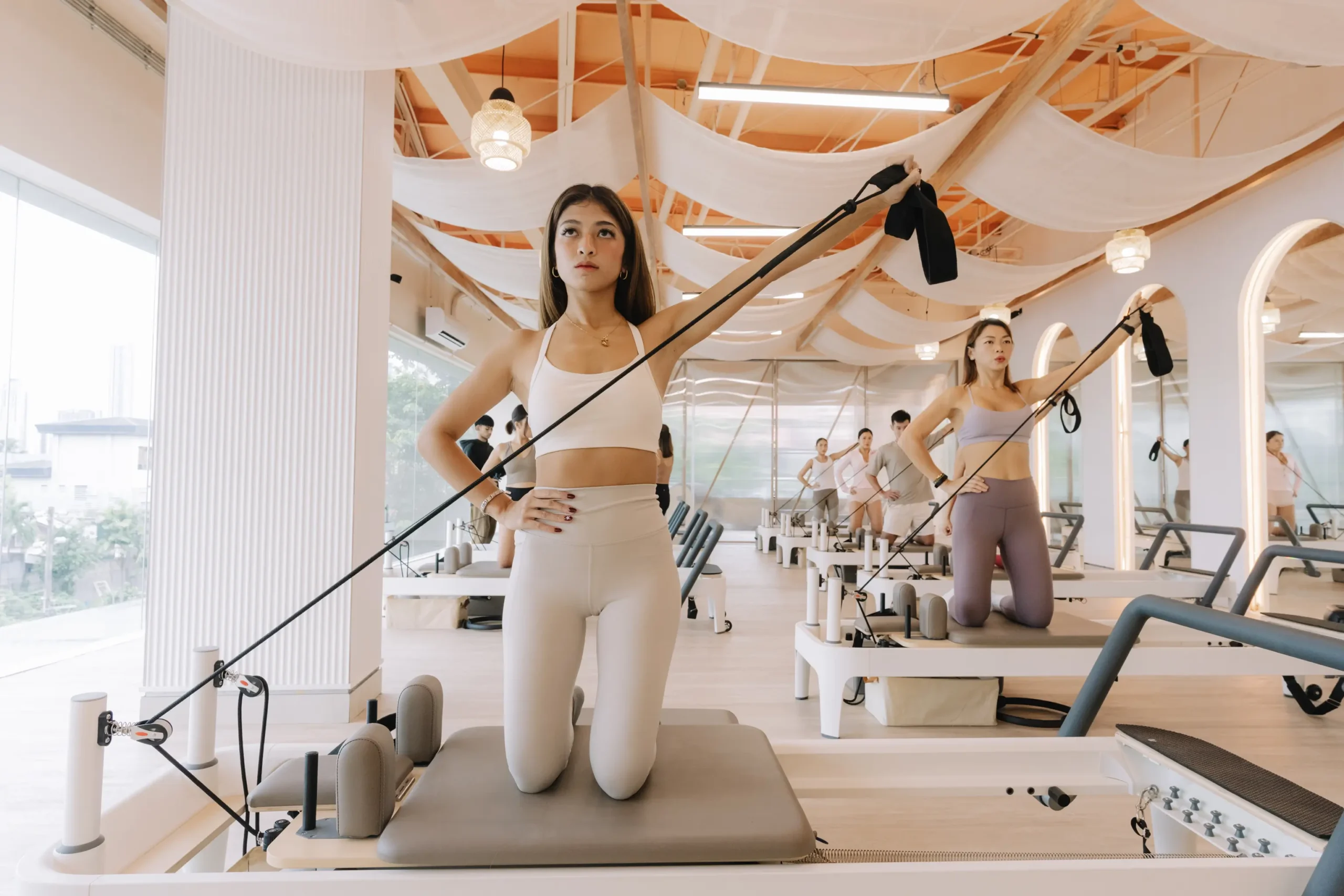
On the other hand, contemporary Pilates brings in modern techniques, evolving science, and hybrid styles. It’s often more dynamic, rehab-friendly, and adaptable to individual needs. The downside? Quality can vary more between instructors and studios due to its flexibility. In the end, it really depends on your goals—whether you’re after foundational control and flow, or a more tailored, innovative approach to movement.
What Is Lagree?
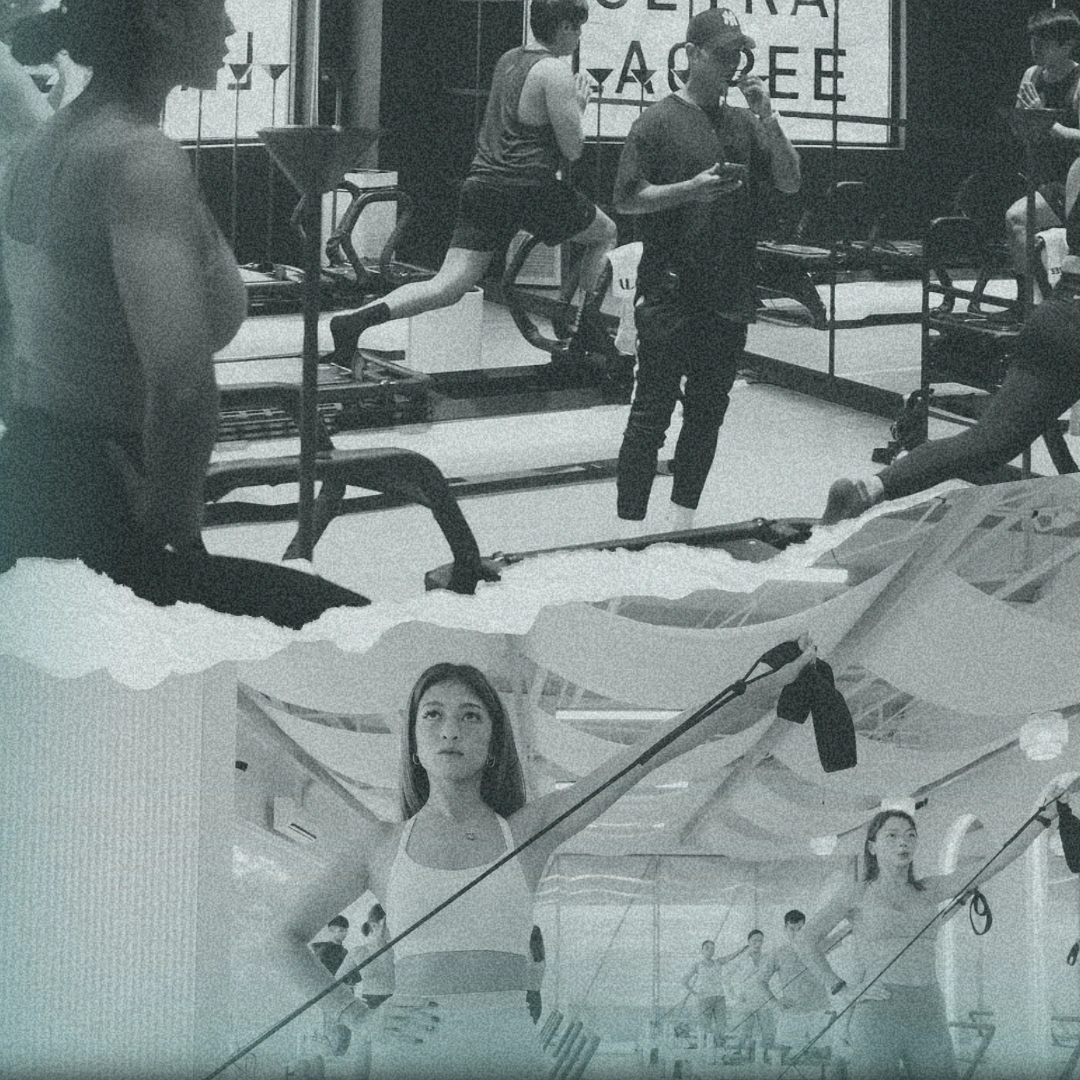
Lagree was created by Sebastien Lagree in the early 2000s as a high-intensity, low-impact workout that combines strength training, cardio, endurance, and balance. It’s performed on a patented machine called the Megaformer, which resembles a Pilates reformer but is larger and more dynamic. Lagree was first introduced to the Philippines almost a decade ago by elev8. Since then, the method has been gaining traction through studios like Ultra Lagree.
Lagree workouts follow core principles: slow tempo, constant tension, minimal rest, and muscle failure. In other words, it’s designed to burn out your muscles through time under tension, creating a serious full-body challenge in as little as 45 minutes. You’ll sweat, shake, and feel the burn fast.
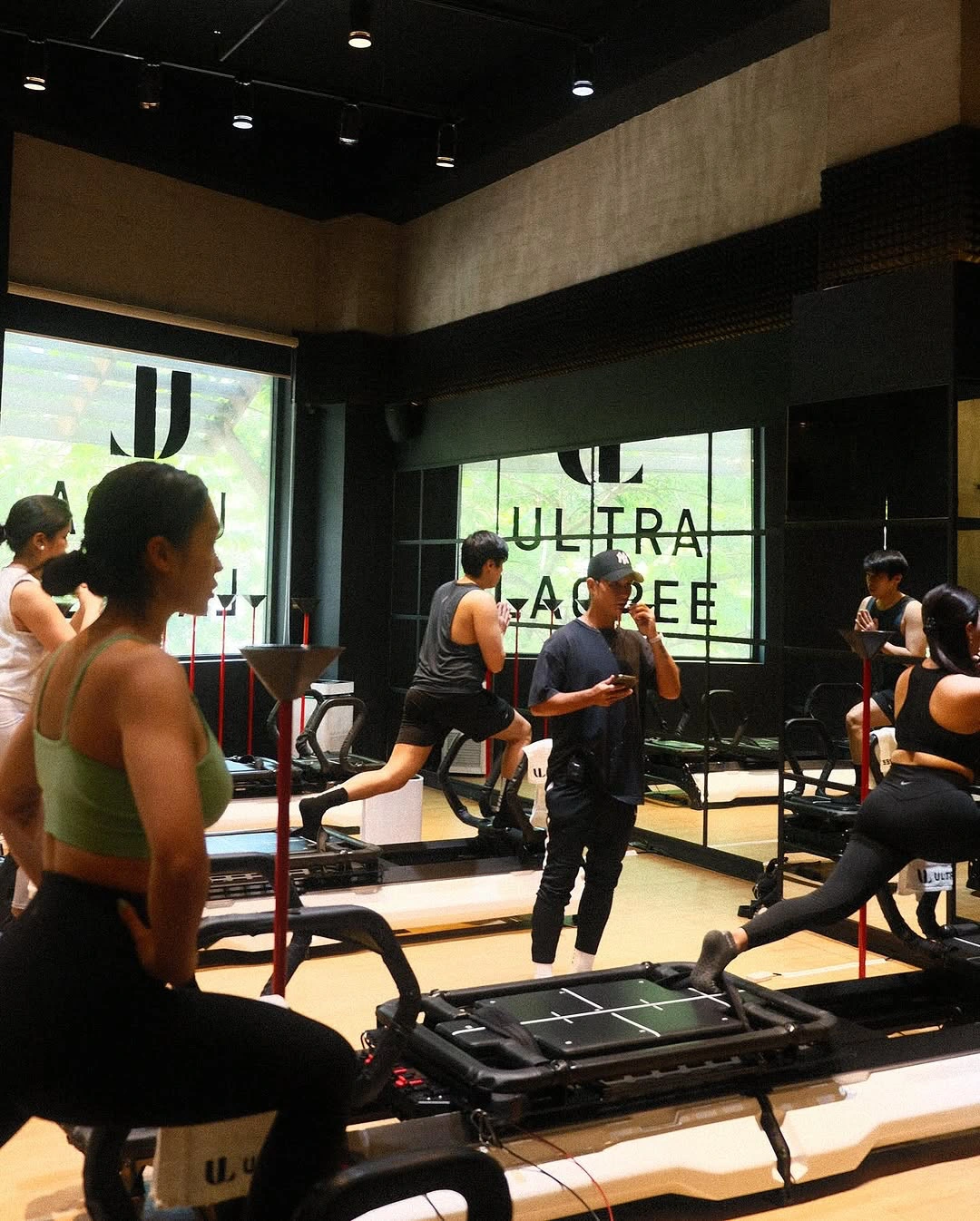
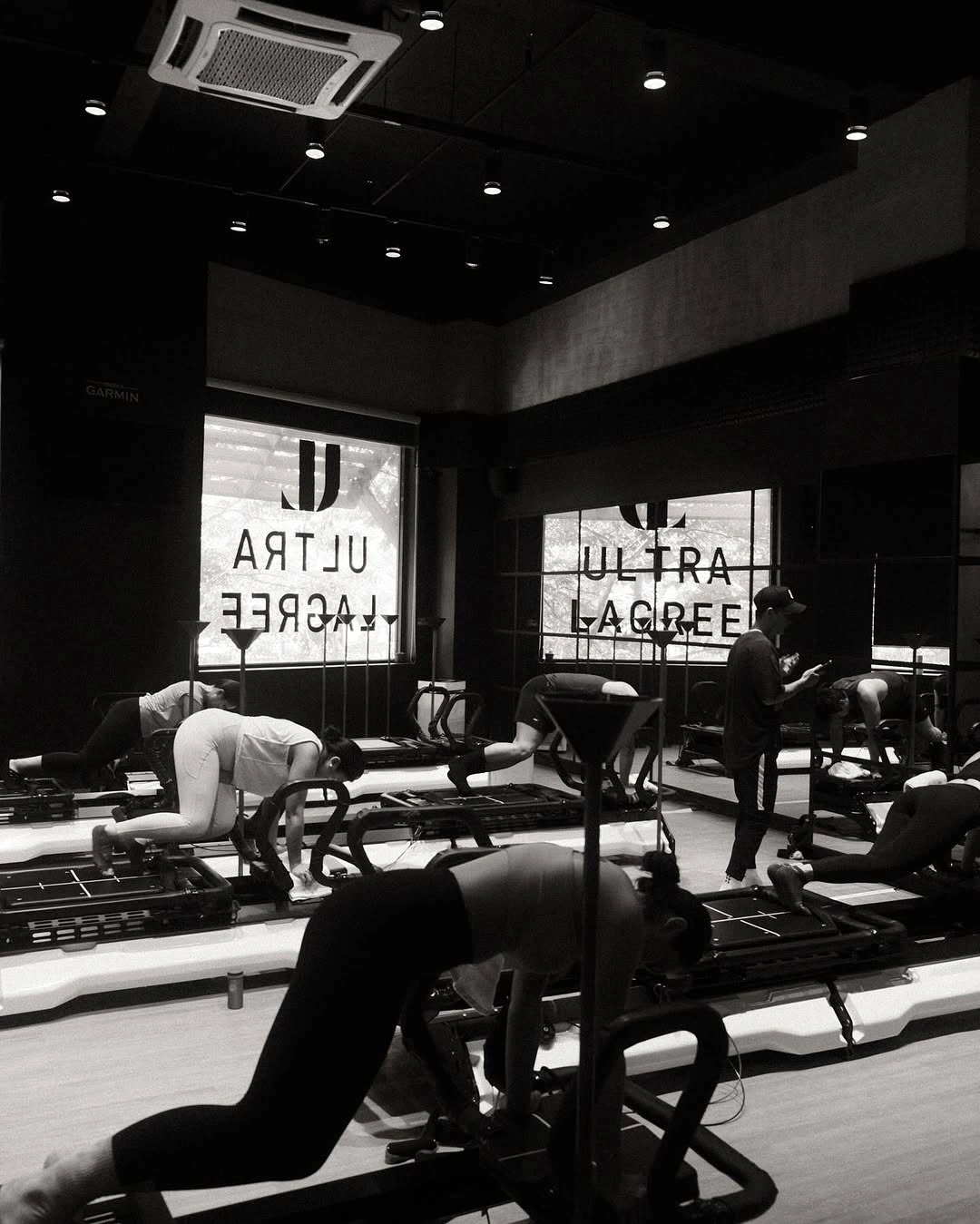
As Lagree grows in popularity, Lagree-inspired workouts are popping up, too. Studios like Electric Studio have launched Core Reformer classes, drawing from Lagree principles but blending them with their brand of rhythm, intensity, and group energy. These formats give fitness enthusiasts another way to experience the burn of Lagree-style movement, often with more flexibility in pace and pricing.
Lagree offers a time-efficient workout that is low-impact yet high-intensity, making it great for those who want serious muscle burn without the joint strain of traditional weight lifting or HIIT. The slow, controlled movements build endurance and promote lean muscle tone, and many people see results quickly in terms of strength and body composition. However, the intensity can be a drawback for some. It’s not ideal for beginners with no core awareness or those recovering from injury, since the pace and muscle fatigue can be overwhelming without proper form. It’s also more expensive than standard gym classes, and since it relies on a specific machine, you can only do it at specialized studios. In short, Lagree is effective and efficient, but it’s best for those who are already active and ready to push themselves.
So Pilates Or Lagree?
Both Pilates and Lagree are low-impact and core-focused, using similar-looking equipment. They prioritize form, control, and alignment, making them accessible to many fitness levels and gentle on the joints. You’ll also build strength, improve posture, and enhance flexibility in both.
If you’re deciding between Pilates and Lagree, the best choice really comes down to your body, lifestyle, and fitness goals. Pilates offers a gentler, more mindful approach, ideal for improving posture, core strength, flexibility, and injury prevention. It’s especially beneficial if you’re new to exercise, recovering from an injury, or looking for long-term functional strength. That said, not all Pilates is slow or restorative. Some contemporary and athletic Pilates classes can be surprisingly intense, offering dynamic flows, heavier springs, or cardio elements that challenge even seasoned movers.
Lagree, on the other hand, is built for consistent high intensity. It’s faster-paced, targets muscle fatigue, and delivers a full-body burn. If you’re injury-free, already active, and want a workout that pushes your limits, Lagree could be for you. Either way, what truly matters is choosing the workout you enjoy and the one that makes you feel good after, because consistency is key, and sticking with a routine is what brings real results.