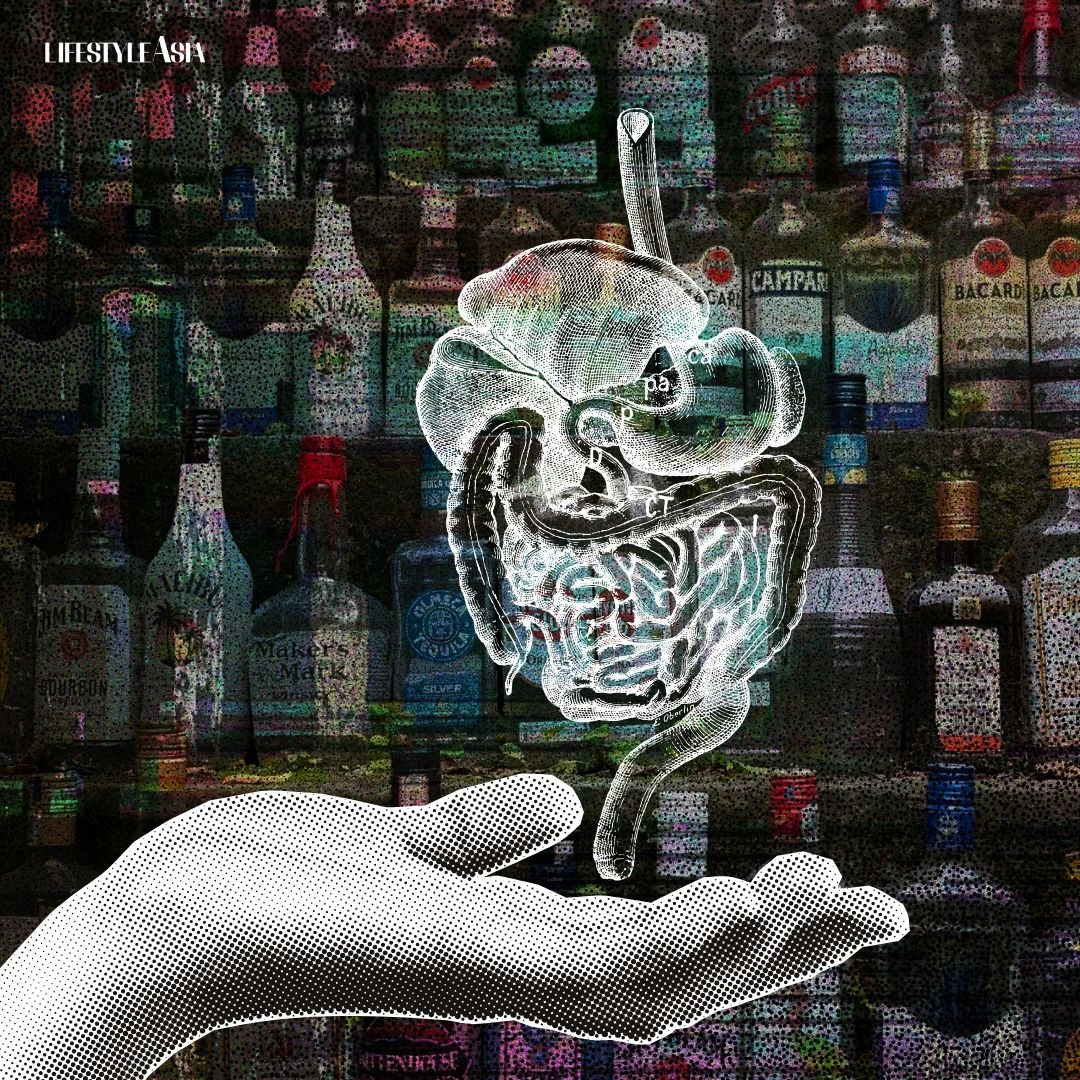
Discover the history behind the Dry January trend and learn why adopting it can ultimately lead to a healthier lifestyle.
January arrives as a collective exhale. After a month of holiday parties and year-end celebrations, our social batteries—and perhaps even our livers—are ready for a reset. With the excess behind us, the new year offers a chance to slow down, recalibrate, and give our bodies the break they’ve been asking for.
In recent years, more people have been embracing Dry January. What started as a simple challenge tied to marathon training has since become a popular way to kick off the year feeling clearer, more energized, and more mindful of our habits without completely giving up the pleasures of a social life.
READ ALSO: Sober Curious: The NoLo Movement Changing How We Drink
Behind Dry January
Dry January traces its origins back to 2011, when Emily Robinson signed up for a half-marathon scheduled for February. To make training more manageable, she decided to give up alcohol for the entire first month of the year. The results were immediate: she had more energy to run, slept better, and even lost weight after just four weeks of abstinence.

Encouraged by these changes, Robinson chose to do Dry January again the following year, this time with a bigger purpose. In 2012, she partnered with Alcohol Change UK, a British organization dedicated to reducing alcohol-related harm through education and community initiatives. With their support, she shared her experience with a wider audience, sparking interest in the idea of a collective pause from drinking.
By 2013, Dry January officially became a campaign, built on the idea that taking a month-long break from alcohol could lead to lasting, positive changes. Since then, it has evolved from a short-term challenge into a lifestyle choice that promotes a more mindful, health-forward approach to the start of the year.
Is It Worth The Try?
A total abstinence from alcohol for a month is not a bad idea. According to research, abstaining from drinking for a month can lead to improved sleep, increased energy, weight loss, and noticeable improvements in skin and hair health.
Moreover, researchers found that participating in Dry January could aid liver regeneration. Maher Karam-Hage, MD, a psychiatrist who specializes in addictions, said that it only takes 30 days for your liver to regenerate dead or damaged cells. Therefore, the movement is the perfect way to help your liver recover from the party-filled December you just had.

Not to mention, avoiding alcohol for a time can be a meaningful long-term health choice. U.S. Surgeon General Vivek Murthy has stated that alcohol is among the leading causes of cancer in the United States, and has called for greater awareness of its long-term risks and links to the disease. With that in mind, taking part in Dry January doesn’t seem like such a bad idea. Think of it as less of a restriction, and more of an intentional pause that allows the body to reset while offering a clearer perspective on our relationship with the substance.