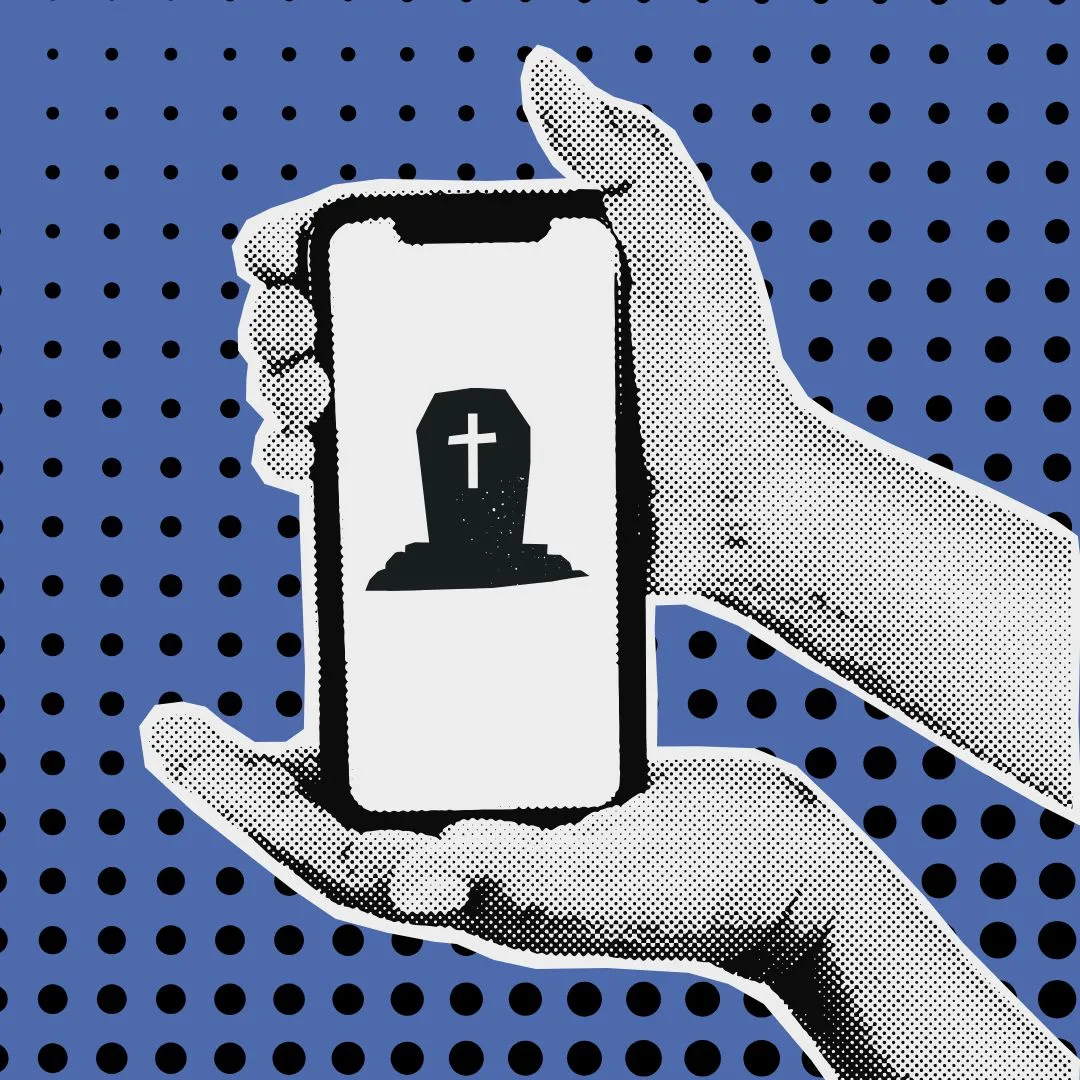
Algorithms made style easy to replicate; 2026 is making it impossible to categorize. This year, we’re developing taste that exists beyond the hashtag.
Have you noticed the shift? Social media is looking less like a uniform and more like a hodgepodge. Personal style has become a messy collision of internet “cores” and “eras,” layered into a single, frantic visual identity. It’s not necessarily a lack of direction on our part; it’s the algorithm at work.
For years, platforms like TikTok and Instagram have been dominated by neatly labeled aesthetics packaged for easy replication. From the “Messy Girl” and “Coastal Grandma” to the neon saturation of “Barbiecore,” these trends didn’t just emerge—they flooded our feeds, turning style into a performance of consumption rather than an expression of self.
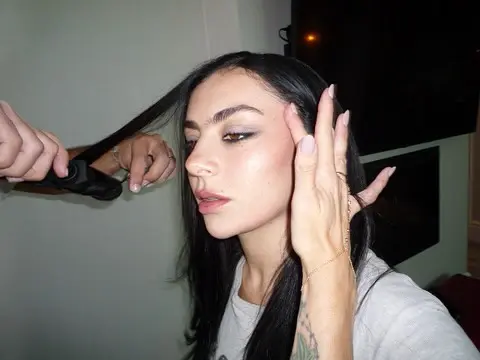
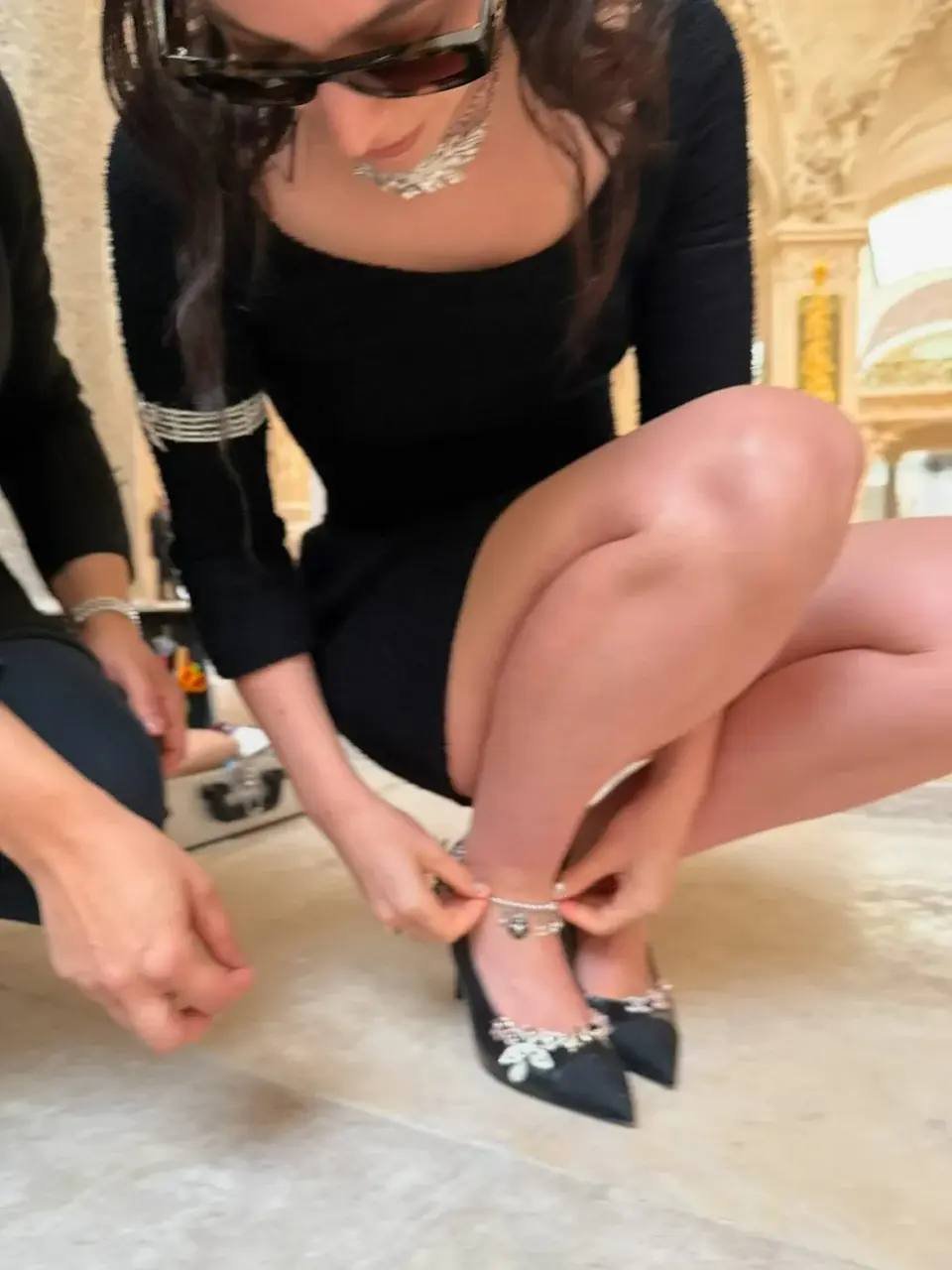
But 2026 marks a turning point: the death of the “core.” This is the year we stop following the digital script and start developing personal taste on our own accord.
READ ALSO: The Great Fashion Divide: Being Stylish vs. Fashionable
Taste As A Means For Social Stratification
To understand why “cores” are dying, we have to understand what they were actually doing. The sociologist Pierre Bourdieu argued that taste is never just about what we like; it is a social tool used to signal class, education, and access. What we wear is “cultural capital,” a quiet way of placing ourselves within a hierarchy of belonging.
In the age of the algorithm, this hierarchy has been disrupted. When a subculture hardens into a searchable “core,” it becomes too easy to copy. Take “Quiet Luxury”: once defined by discretion and insider knowledge, it was quickly reduced to a flat formula of beige tones and logo-free sweaters. What was once a coded language for the elite became an instructional manual for the masses.
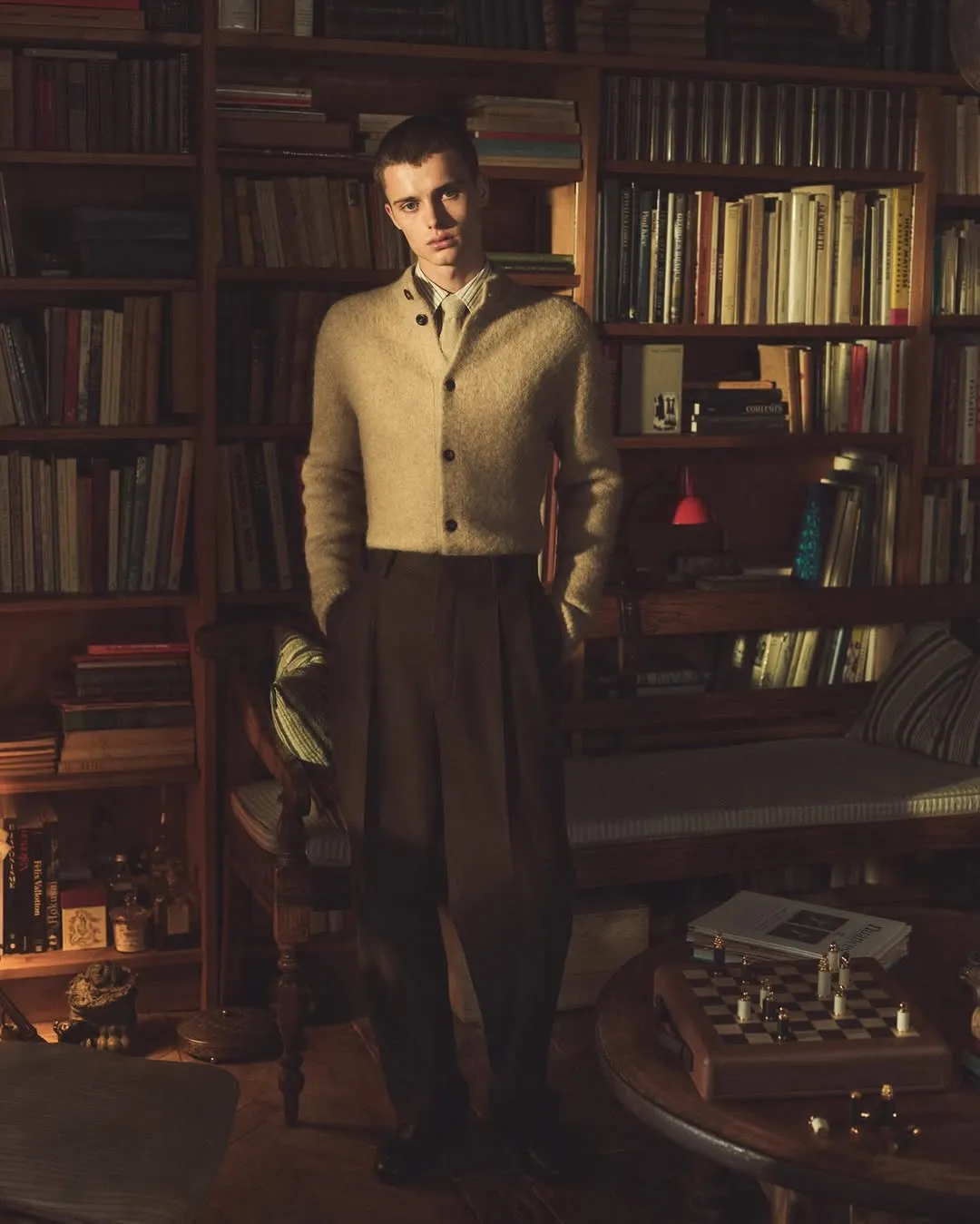
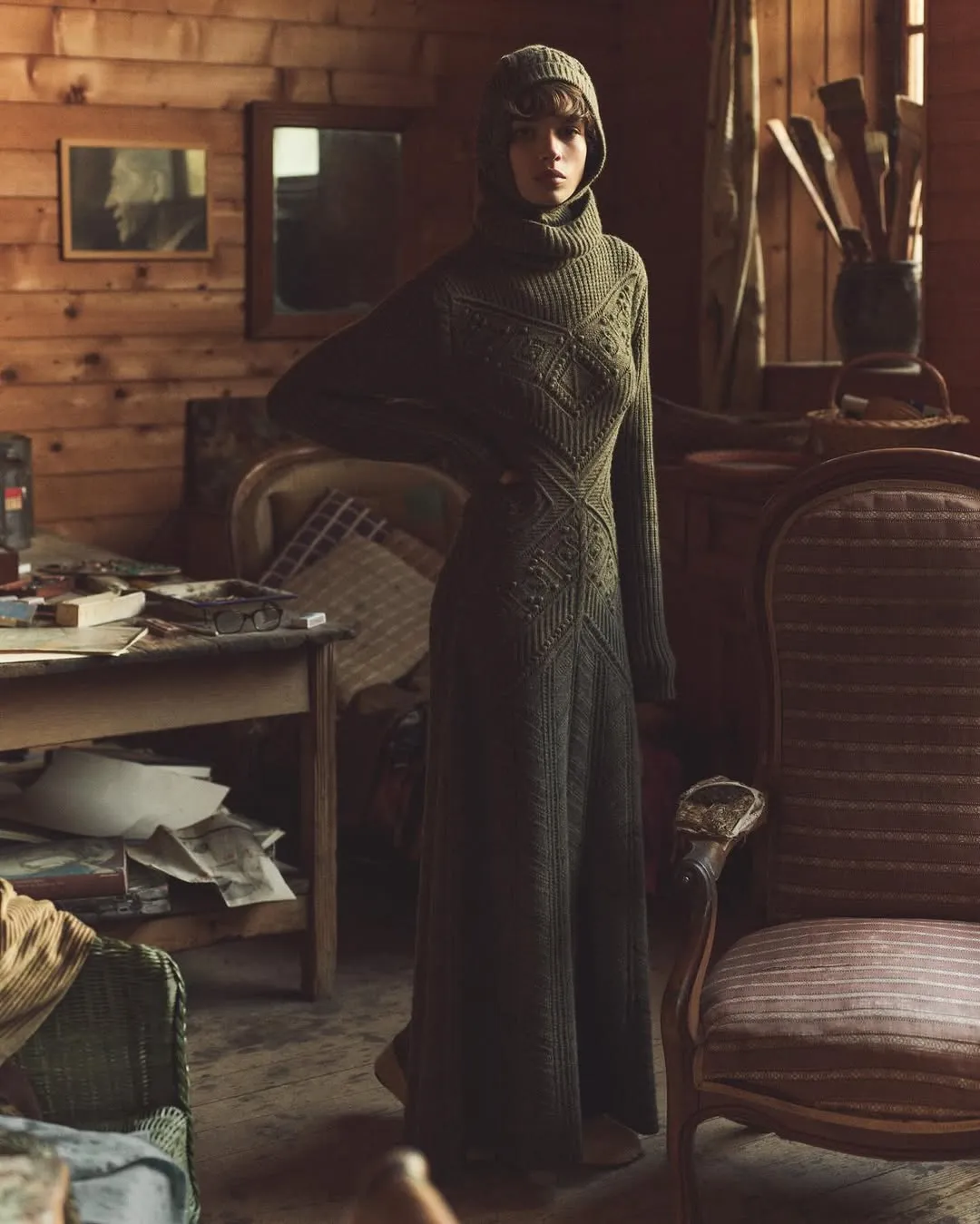
Bourdieu observed that once a style is widely adopted, its symbolic value collapses. Distinction requires distance—and the internet has eliminated that distance. Algorithms now extract, distribute, and exhaust aesthetic languages at record speed. When everyone can buy the “look,” the look no longer means anything.
Beyond The Checklist
By 2026, the exhaustion reached a breaking point. When taste is reduced to a digital checklist, it loses its power to signal true identity. As a result, the “upper strata” of fashion are moving away from named aesthetics altogether, leaning instead toward ambiguity and contradiction—styles that are intentionally difficult to categorize or search.
What replaces the “core” is fragmentation. Personal style is returning to its original, more complex function: a subtle negotiation of power and identity disguised as personal choice.
Taste is no longer anchored solely in what you wear, but in how you live. Knowledge and context now carry more weight than mere novelty. We are seeing the decline of the micro-influencer who simply translates trends, and the rise of the “specialist”—the person who understands a garment’s provenance, its construction, and its history. Depth has become the new marker of distinction.
The Return To Reality
This shift isn’t easy. For years, the “core” provided a safety net—a pre-packaged identity that guaranteed we wouldn’t get it “wrong.” To reject the categorized styles in 2026 is to embrace the risk of being misunderstood. It requires us to trade the instant gratification of a trending purchase for the slow, often frustrating process of curation. True taste is found in that friction; it’s the things that don’t look good in a square grid, but feel right on the skin. The move from a “core” identity to a curated one signals a rejection of easy categorization in favor of something lived-in, something more authentic.
But authenticity is an endurance sport. It demands a tolerance for the “cringe” of an outfit that hasn’t been pre-approved by a collective digital consensus. For the first time in a long time, we are forced to sit with the silence of our own preferences, away from the dopamine hit of the “Recommended for You” tab. Developing taste in 2026 means making mistakes: buying the piece that doesn’t align with a theme, wearing colors that don’t flatter a filter, realizing that a style that can’t be easily searched belongs entirely to you.
In choosing this path, we reclaim time as a luxury and reject the efficiency of the trend cycle. An algorithm can assemble a “look” in seconds; a personal history takes years. It shows up in the grain of a vintage leather jacket that’s actually weathered rain, in the way a hem of a button-down shirt frays from repeated wear, in the kind of layering that only makes sense to the person wearing it. True distinction doesn’t live in a hashtag. It exists in the tension between our digital selves and our messier, uncodified reality—where identity forms slowly, quietly, and without the need for a label.