The continuous rise of fast fashion collaborations with high-end brands blurs the line between luxury and the mainstream.
As fast fashion and high-end designers team up, the line between luxury and the mainstream is getting harder to see—and even harder to define.
There has always been a clear line in the fashion industry—one that separates luxury labels from mass-market brands. This distinction not only signals differences in price points and aesthetics but also reinforces which consumers belong to which world. For a long time, these lines remained sharply drawn: those who shopped at Chanel or Balenciaga rarely shared closet space with those buying from H&M or Uniqlo.
But fast fashion changed the game. With its rapid production cycles and budget-friendly prices, fast fashion brought runway trends to the masses. At the same time, the rise of “flex culture” on social media—where flaunting designer goods became synonymous with status—created a growing appetite for luxury style without the luxury price tag. This craving gave birth to a trend that continues to rise: the high-low collaboration.
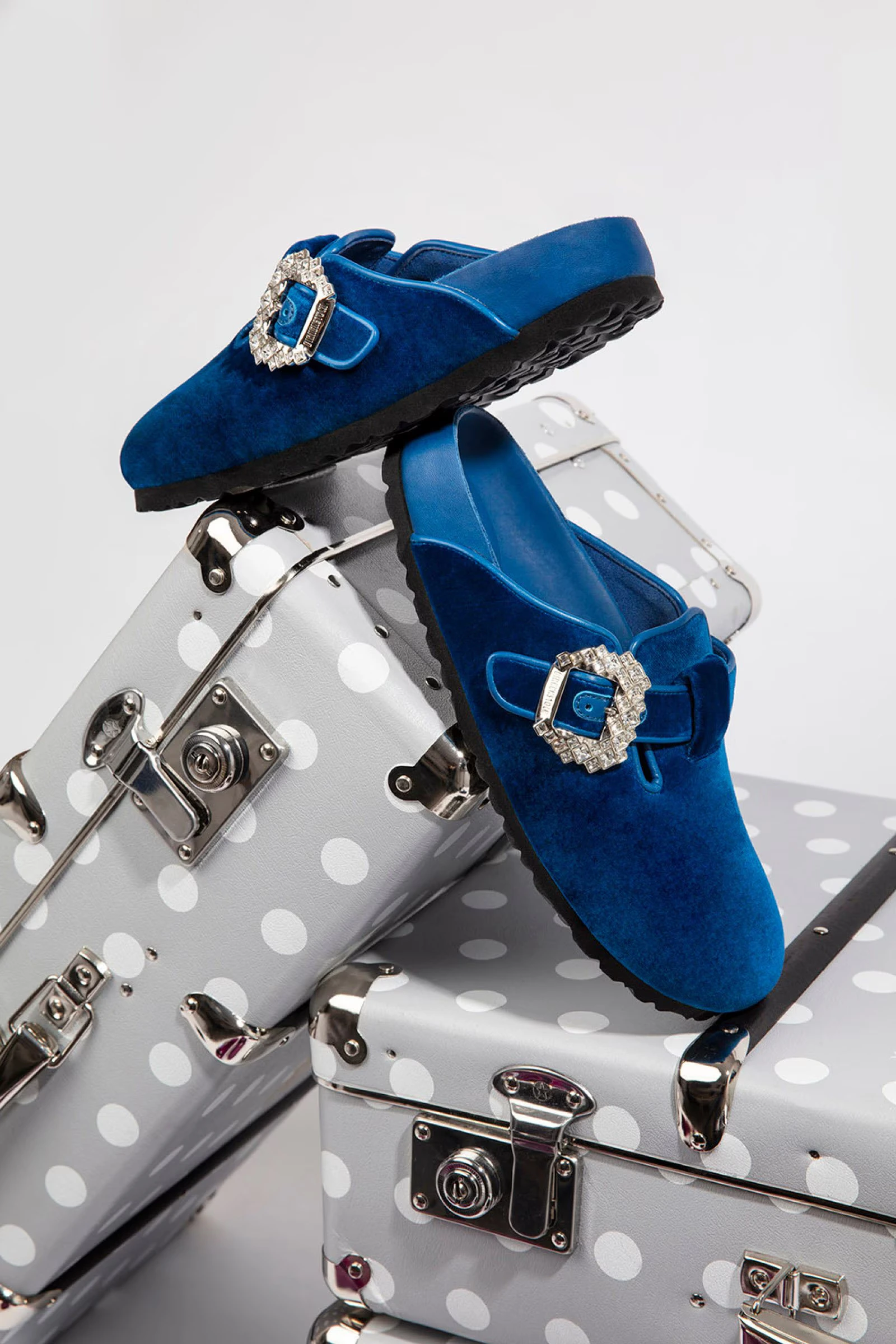
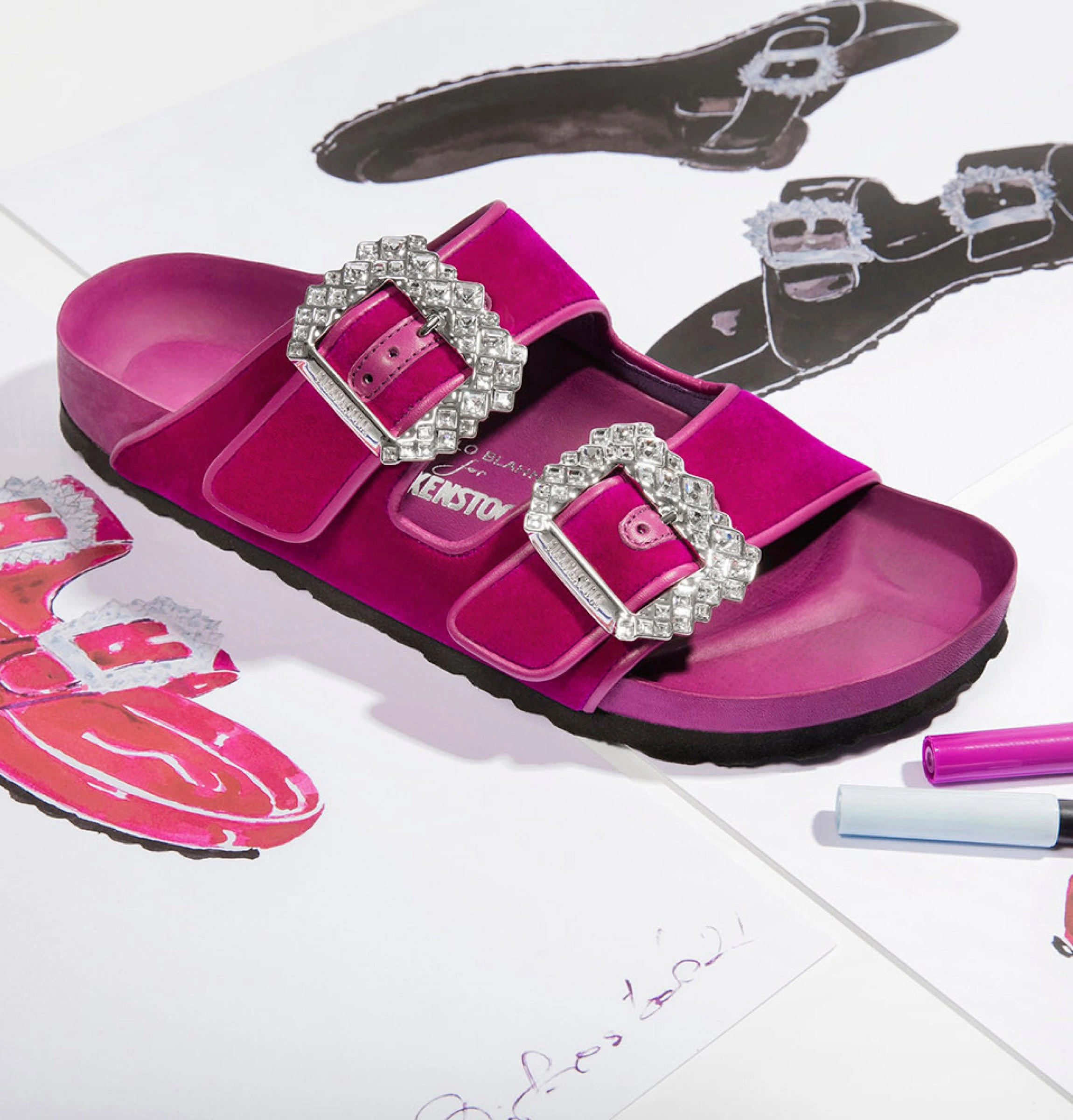
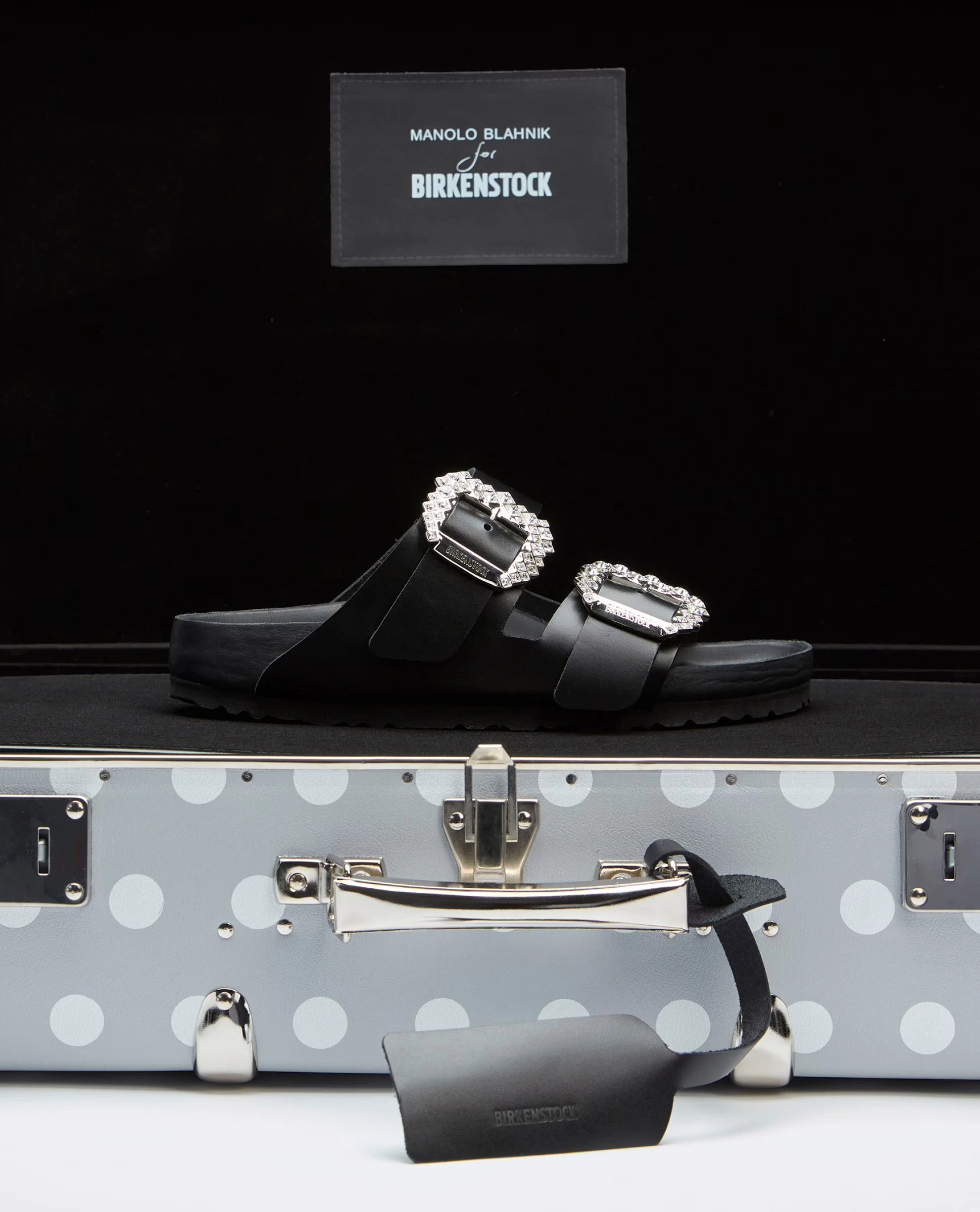
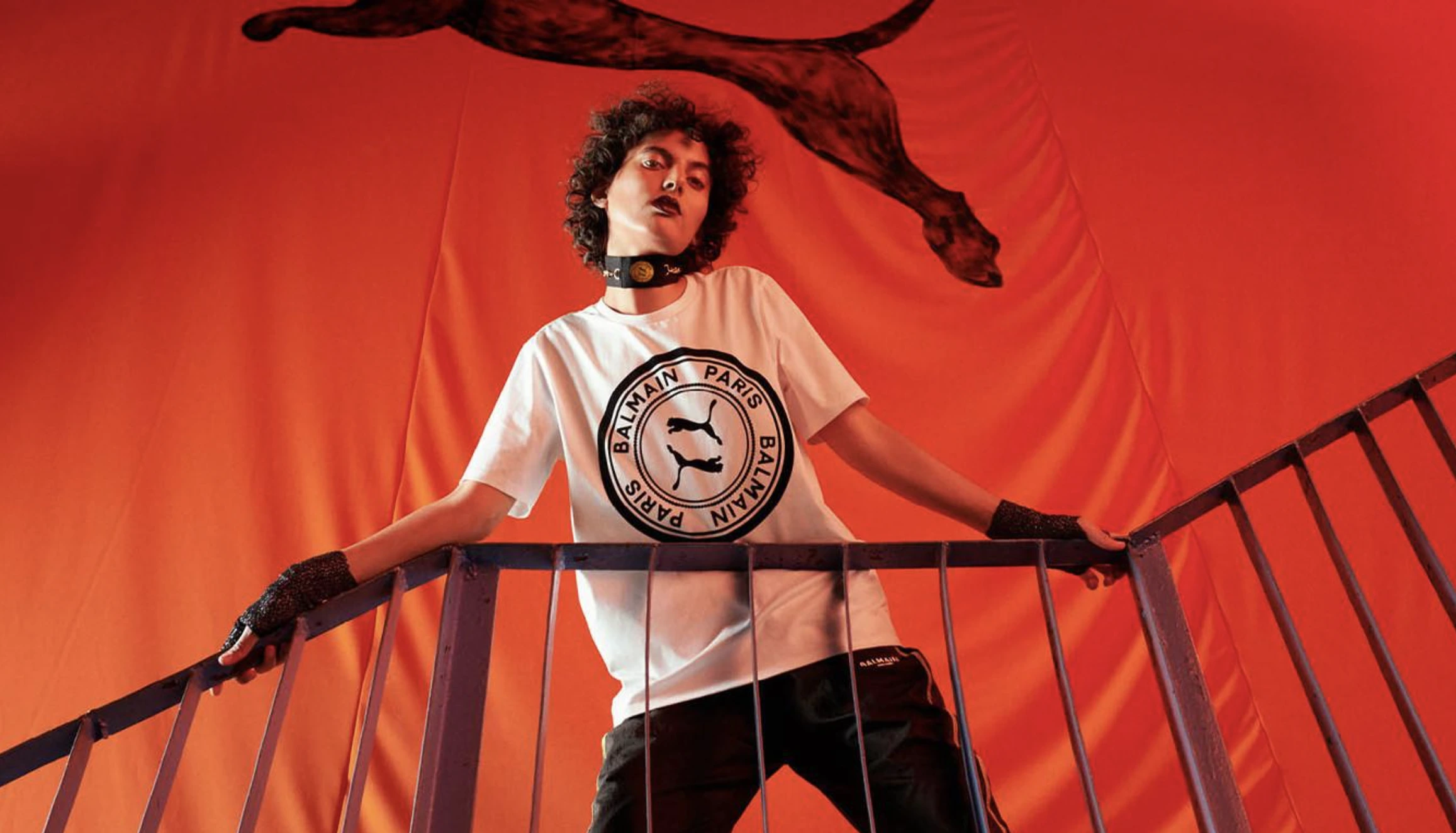
From Balmain x Puma to Birkenstock x Manolo Blahnik, SKIMS x Swarovski and Adidas x Gucci, these partnerships promise to merge the best of both worlds—designer credibility and mass-market accessibility. On paper, it’s a win-win. Luxury brands get access to a wider consumer base, while mainstream brands enjoy a bump in cultural cachet (and sales).
Whether it’s crystal-encrusted shapewear or couture-inspired rubber flip-flops, the message is clear: luxury no longer lives in an ivory tower—it’s stepping out in sneakers, slides, and Swarovski.
READ ALSO: For Backpack Skeptics: Six Fashion-Forward Backpacks
Pros and Cons
The results of these innovative collaborations seem quite effective, for the most part. They make designer styles accessible to fast fashion consumers. This helps luxury brands tap into a wider audience, which broadens their market. It’s also a lucrative endeavor for the fast fashion labels they partner with.
On the other hand, partnerships between the brands create expectations for the customers. Fast fashion consumers might think they’ll receive garments of the same quality as the designer brands.
But a TikTok post by a Singaporean influencer shows that the clothes she got from a high-low collaboration were quite poorly made. One body-fitting dress had no seams and only glued details. So, before deciding to join the trend and buy these collaborations, make sure the items are worth spending your money on.
Collaborations between high and low-fashion brands also boost sales of items that were made using environmentally hazardous processes. This has long been an issue in the fashion industry and is most prominent in fast fashion, where ethical and sustainable practices are often compromised to create larger quantities of goods within a short span of time.
How Luxury Brands Stand Out
In an article by Chastiny Walker, she discussed what makes luxury brands, well, luxurious. Three factors define a high-end fashion brand: time and effort spent on creating products, the cost of labor, and exclusivity (that is, only a limited number of items can be sold).
Time and effort in the world of luxury usually pertain to better craftsmanship and materials. Of course, a high price tag doesn’t always guarantee durability and quality, but it can still serve as a good indicator.
Part of the reason why luxury items can’t be churned out in high quantities is precisely because their production processes require a little bit more of everything—from hiring certified professionals to conducting thorough quality checks.
These factors are not often present in fast fashion brands, further cementing the timeless value of luxury goods in the world of fashion.
Banner photo courtesy of Birkenstock