At New York Fashion Week, the Filipino designer presented a solo debut years in the making.
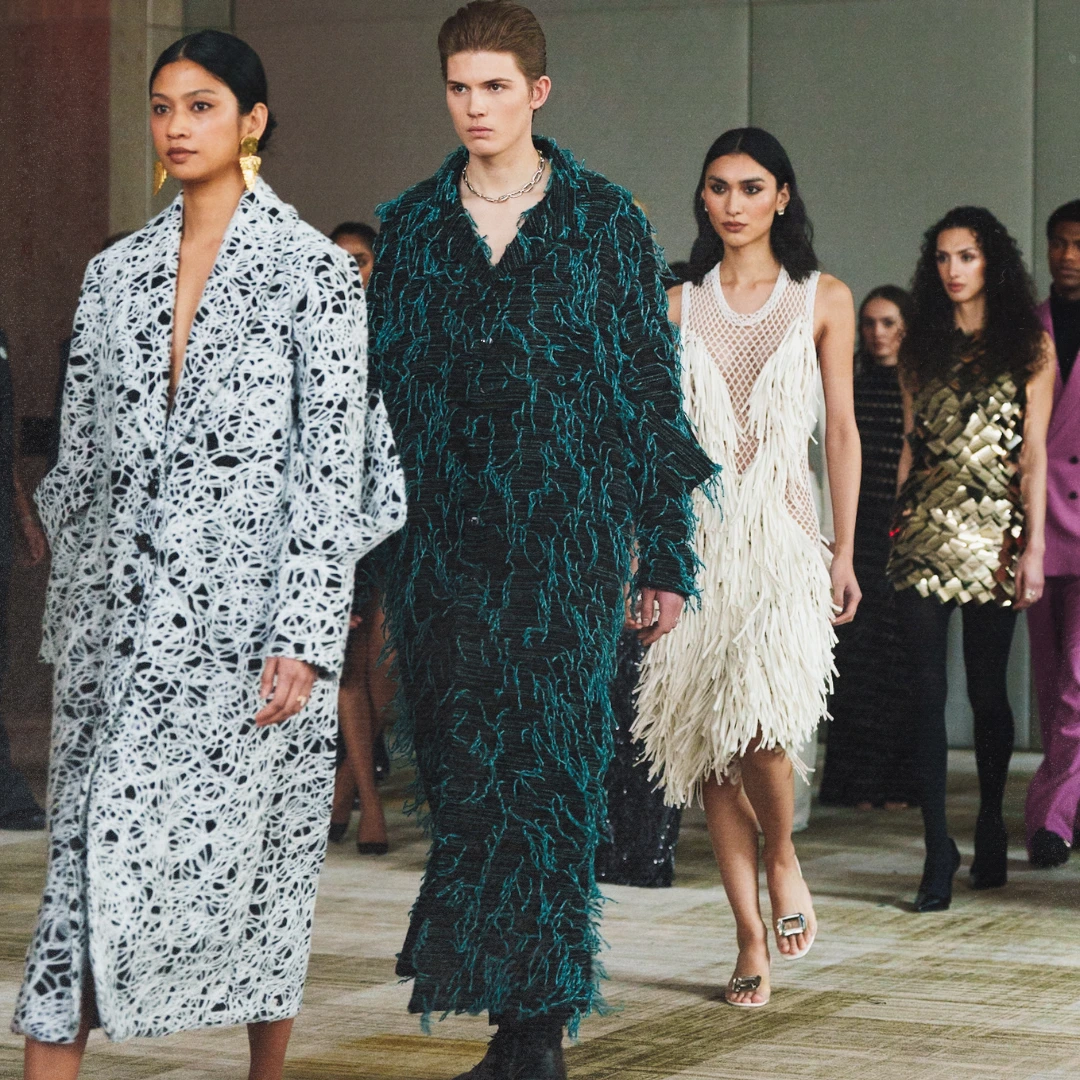
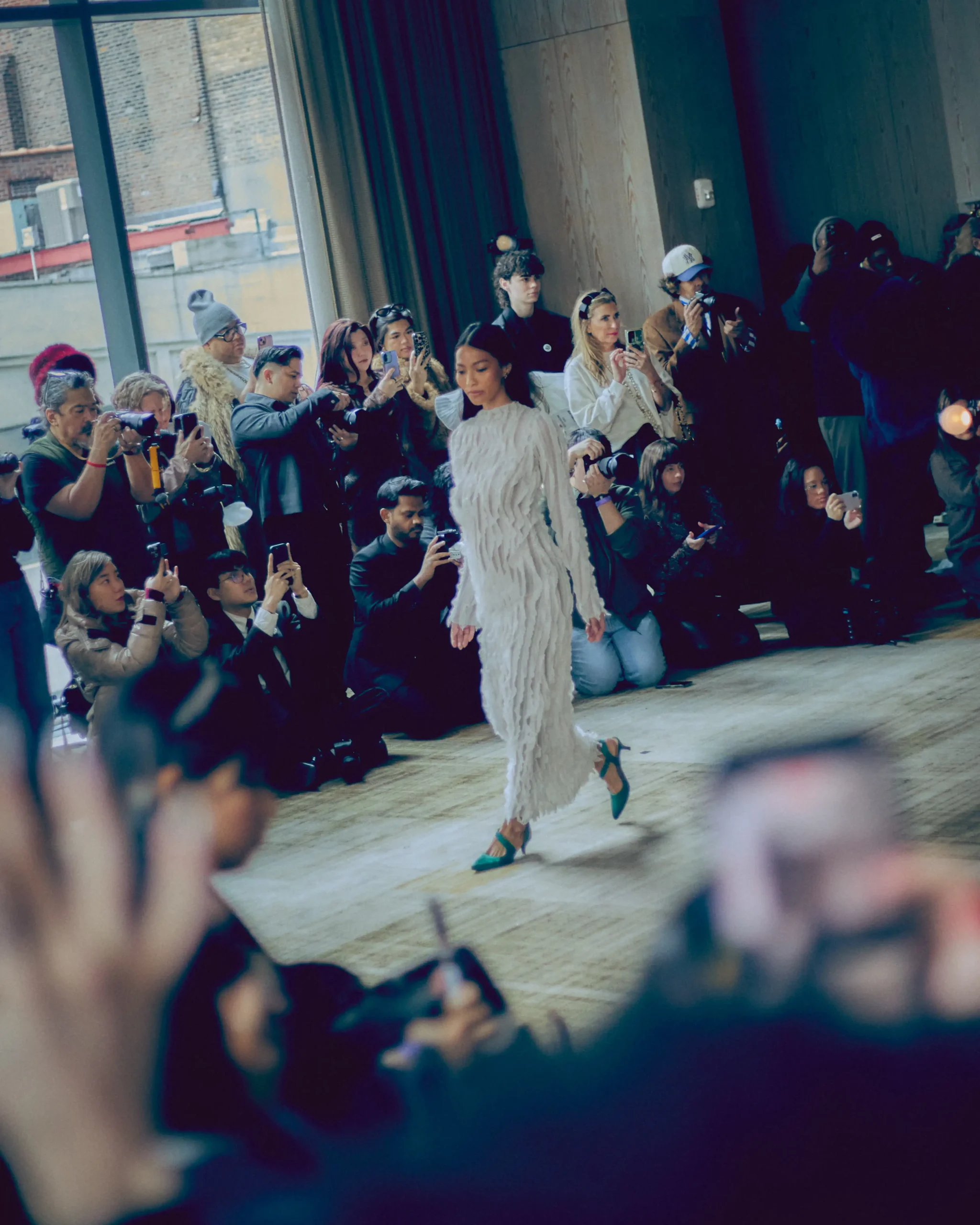
It had been a long time coming for Veejay Floresca. On February 16, 2026, she mounted her first solo show in New York City for New York Fashion Week (NYFW), presenting her Fall/Winter 2026 collection to a packed room that seemed to understand the stakes. Veejay, the first transgender and Filipina winner of Project Runway, arrived at this moment with both momentum and expectation.
A few days later, she sounded clear-eyed rather than sentimental. “I’m feeling incredibly thankful and appreciative of everyone who worked so hard to make it successful. I feel so loved—and I’m already back to work!”
READ ALSO: Veejay Floresca Wins Project Runway Season 21
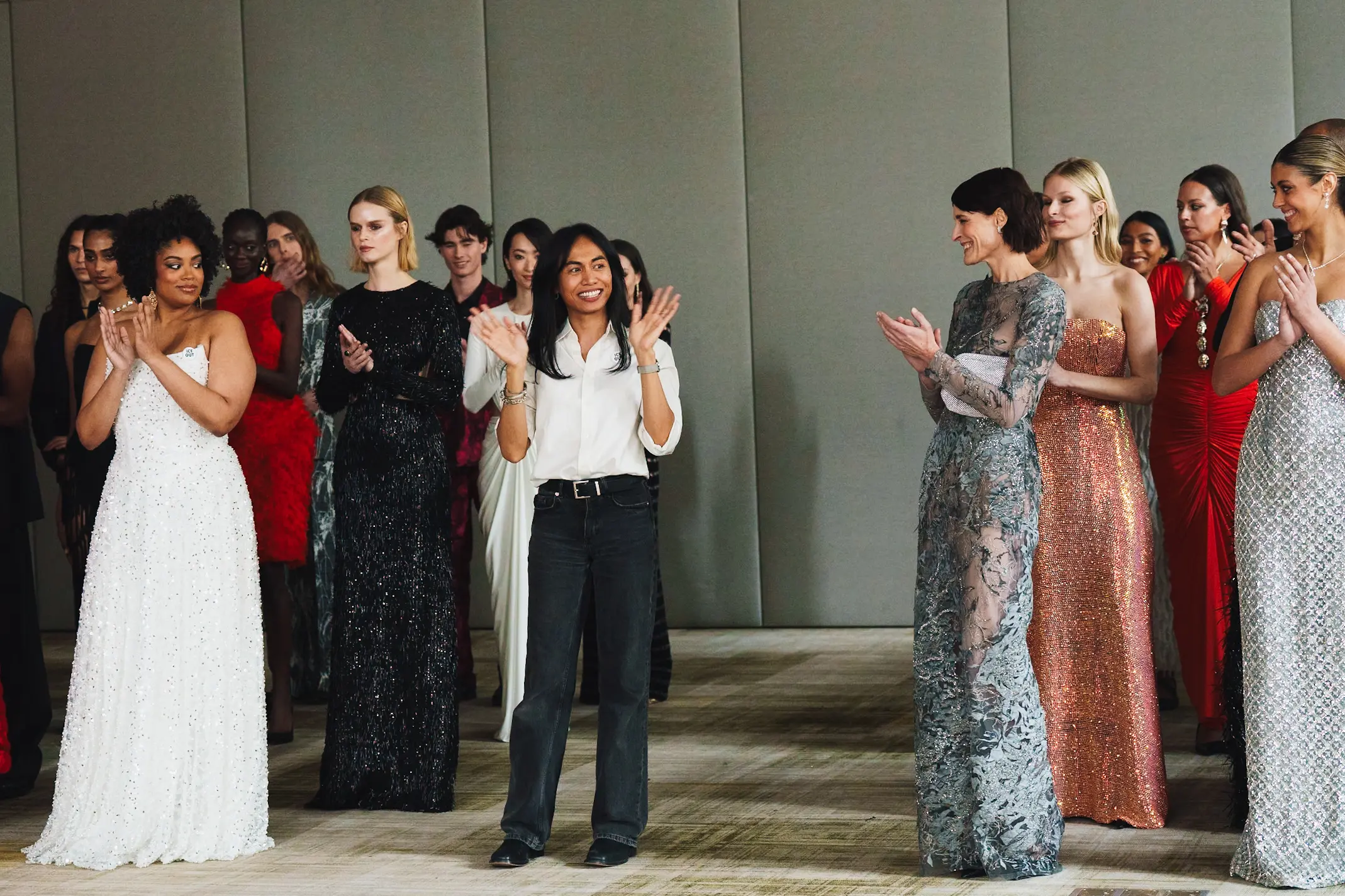
The show didn’t unfold without friction. “There are always moments you can’t control,” she said. “For example, we had a last-minute swap of two looks, and one model had difficulty walking because she didn’t get to practice in the new shoes. Things like that happen, but overall I’m very satisfied and happy with the outcome. I was overwhelmed—in the best way—by the number of people who came to support the show.” The subtext of any solo debut is that control is an illusion; what matters is the total effect. On that front, she appears content.
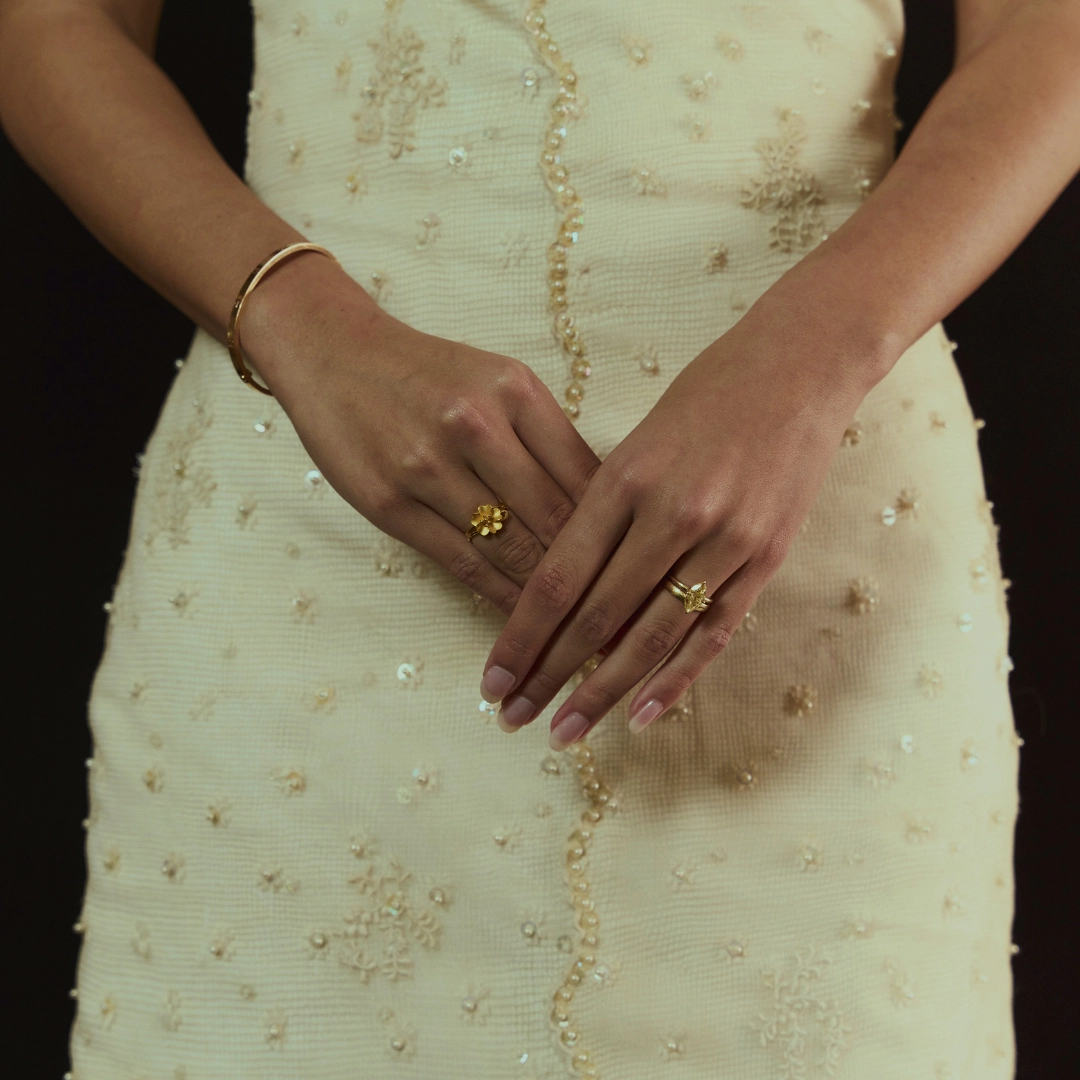
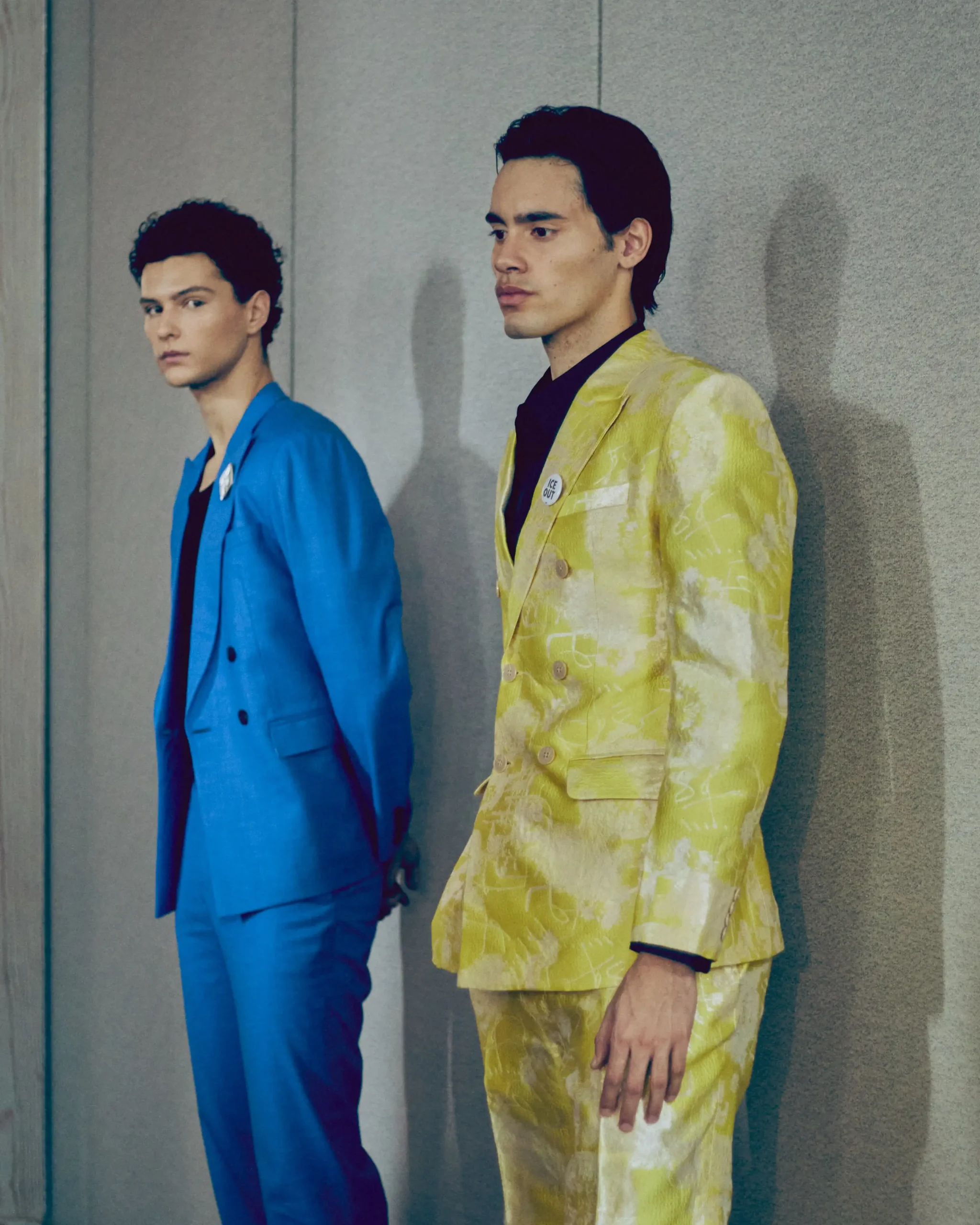
In designing the collection, Floresca took to the paintings of abstract expressionist Willem de Kooning as a starting point, citing their colors, texture, and individuality. That tension between restraint and expression defined the collection with pared-back shapes animated by surface and depth.
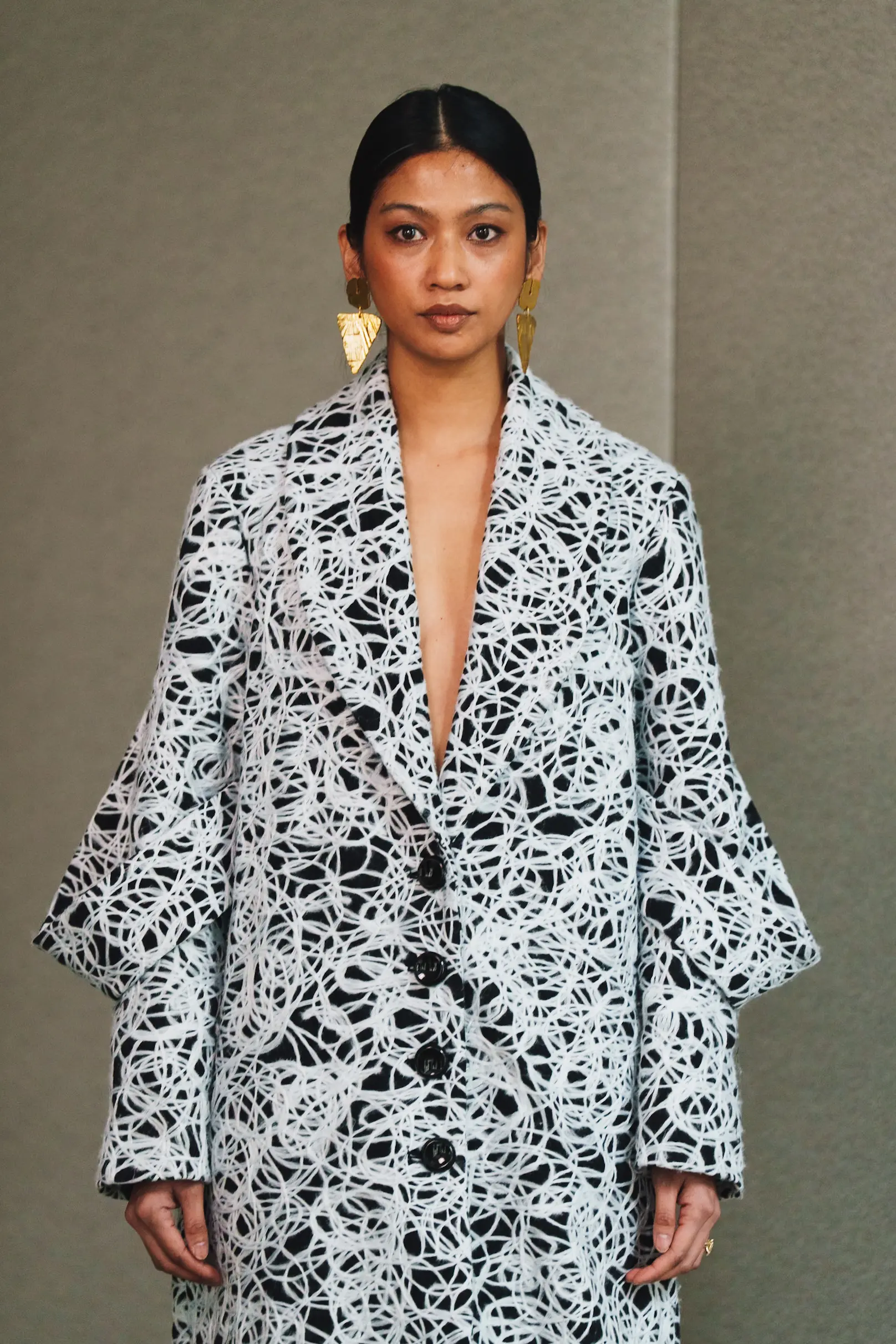
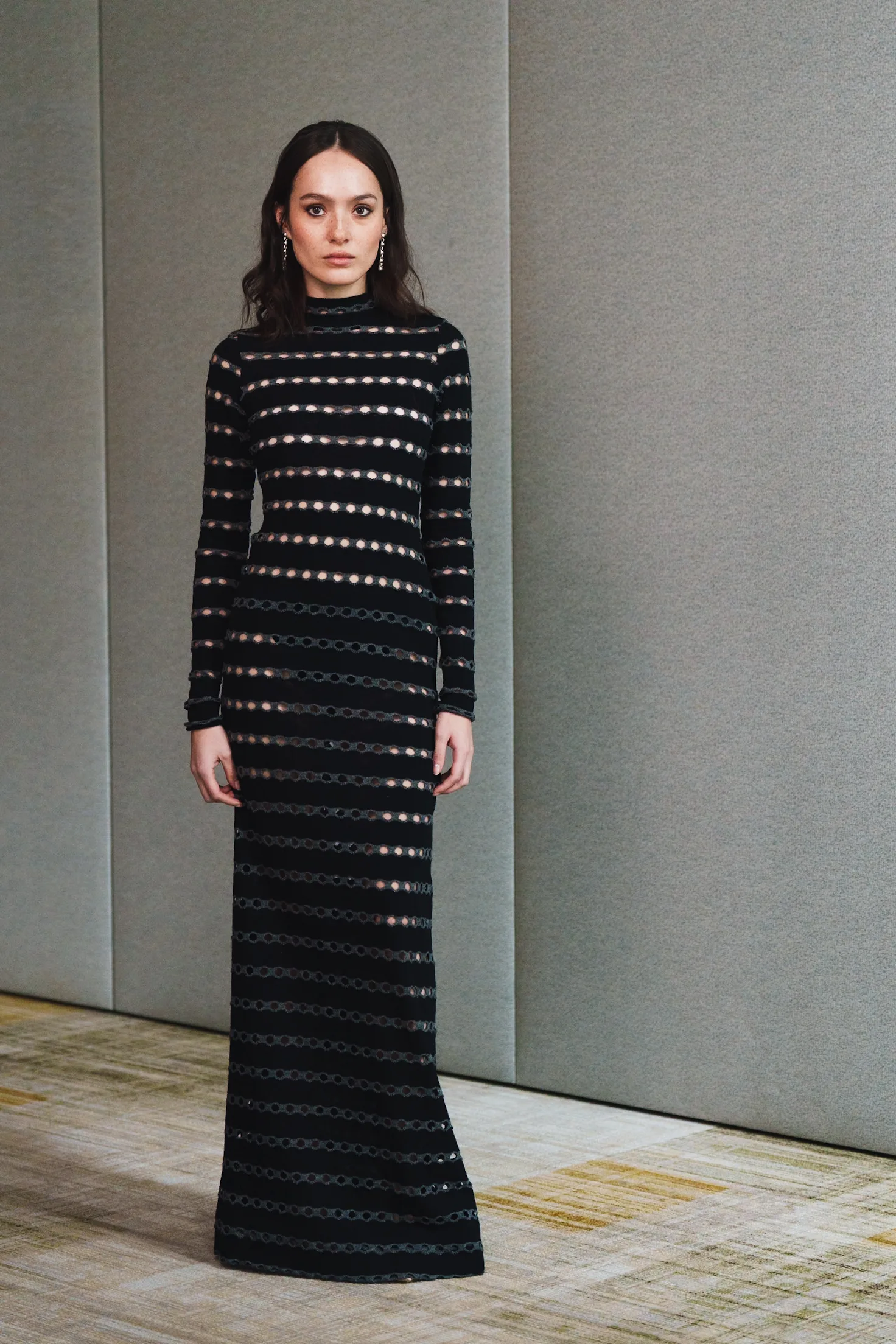
Winning Project Runway was historic, but Floresca frames it less as a personal milestone. “Winning made it even more important for me to speak about my community and help in any way I can. I want to be a good example and an inspiration. It gave me a platform, and I want to continue creating fashion that showcases and uplifts my community.”
Casting director Lorenz Namalata articulated a similar calculus behind the lineup. “I definitely felt like Veejay and I shared responsibility to highlight our community, and that is being members of the LGBT as well as being Filipinos ourselves. That said, I knew showing in NYFW was not for Filipino audiences alone, but for a much broader and larger market. It was important to have representation, but it was also crucial to not make it a very insular experience.”
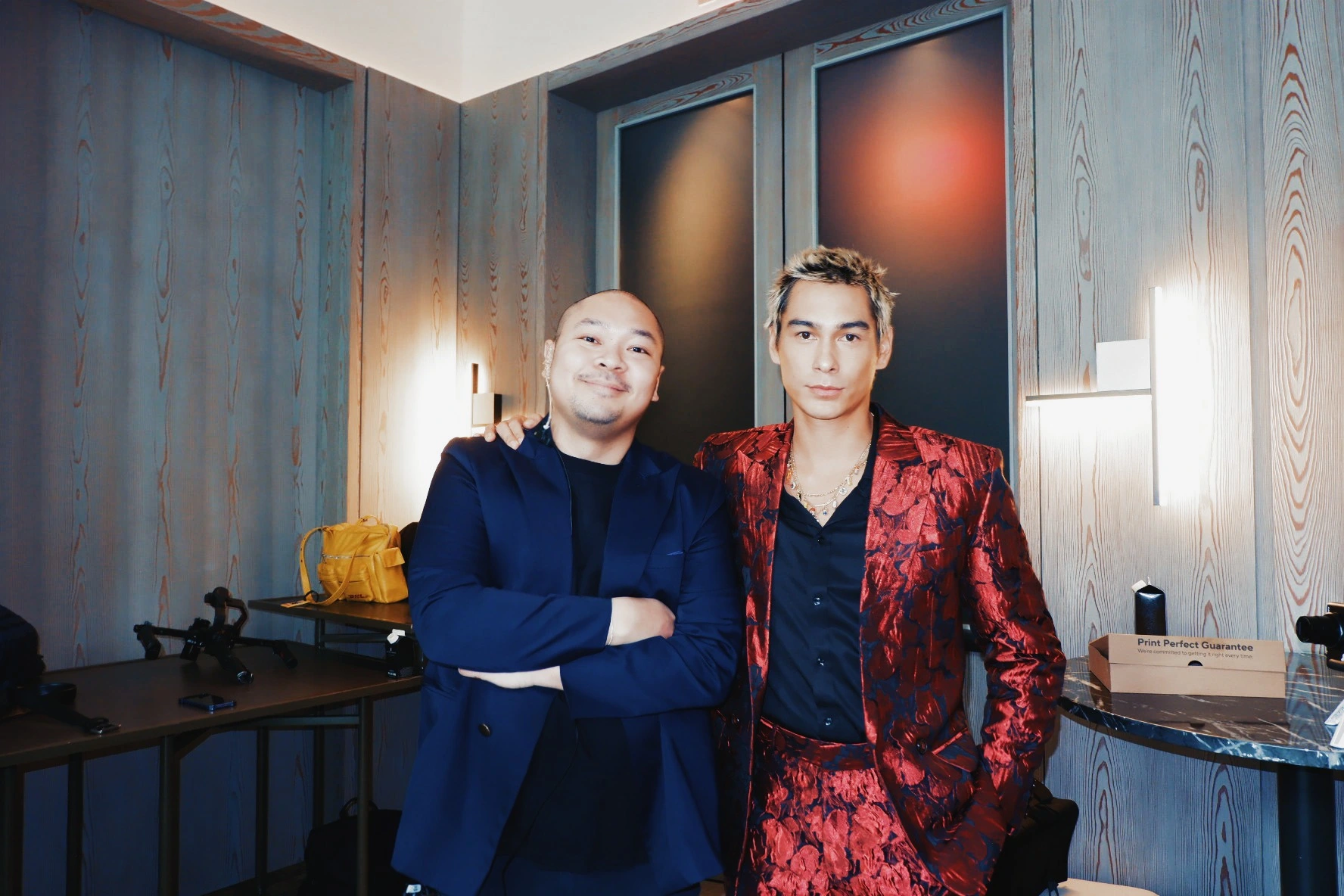
The runway reflected that balance with appearances from the likes of pioneering transgender icon Tracey “Africa” Norman and Filipino-American actor Evan Mock. The choice anchored the show in lived histories while addressing an industry audience that extends far beyond any single community.
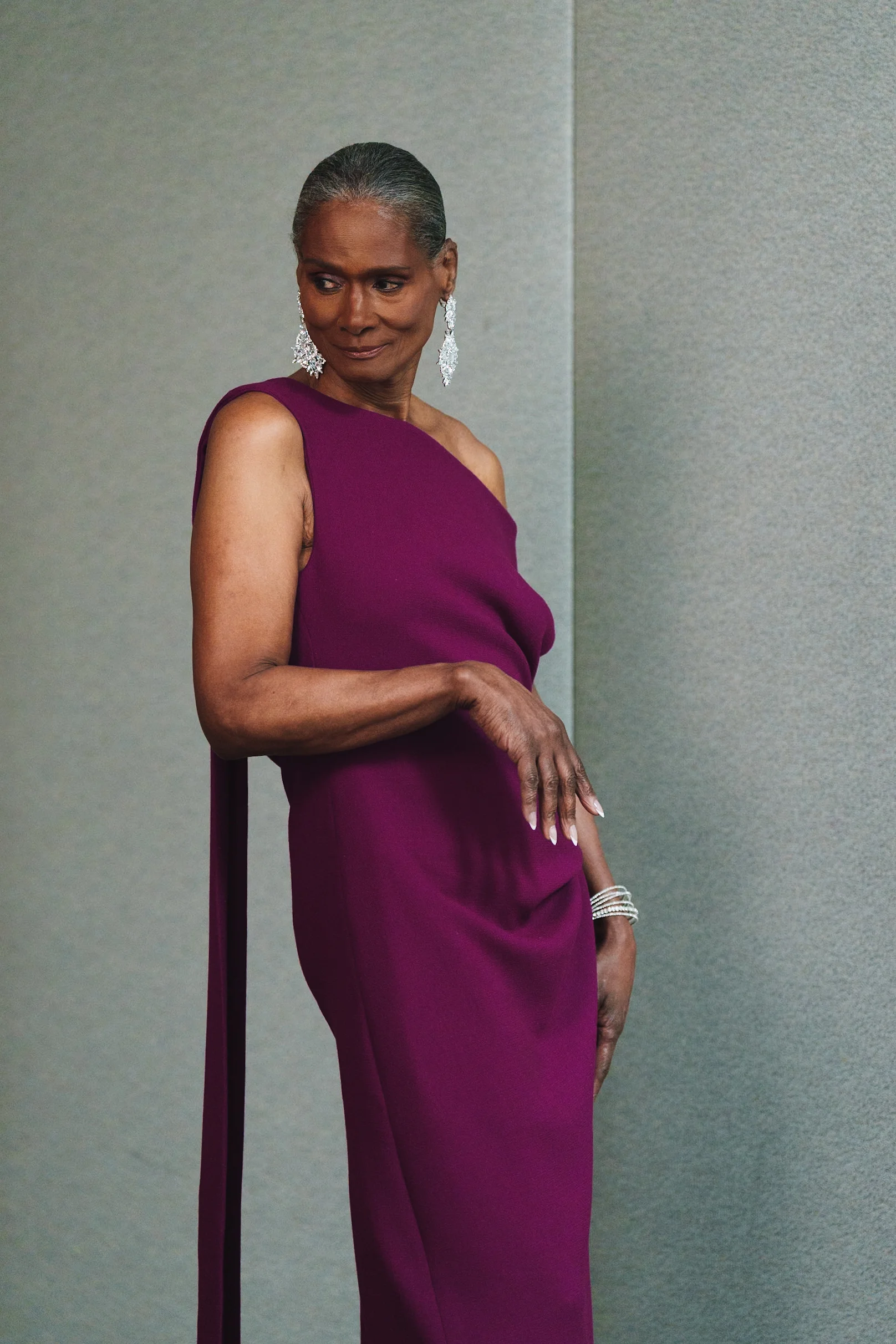
Mounting a solo show required a different level of coordination. Floresca had previously shown at New York Fashion Week in group presentations such as Filipinxt. Back then, focus could remain squarely on the collection. This time, logistics were hers as well.
When asked to identify key pieces, she resisted the hierarchy. “Each piece is different, but the overall goal is to make the wearer feel beautiful. I imagined all my models as if they were clients asking me to create a custom look just for them. I want them to look good, feel confident, and feel beautiful—that’s always my goal as a designer,” she explains. The emphasis is more about service than spectacle, a reminder that even runway drama eventually resolves into a client standing in front of a mirror.
The solo debut now sits in the past tense. Next, she’ll be presenting her bridal collection at New York Bridal Fashion Week, continuing custom orders, planning a show in Manila, and exploring the opening of another store in Los Angeles or Manila.
If there’s a thesis to the collection, it’s simple. “Be yourself and love yourself. Fashion is for everyone. There is no specific age, gender, or race—you can look fabulous and beautiful while expressing your authentic self.” For Floresca, that message is embedded in the insistence on individuality.
Photos courtesy of Veejay Floresca and credited parties