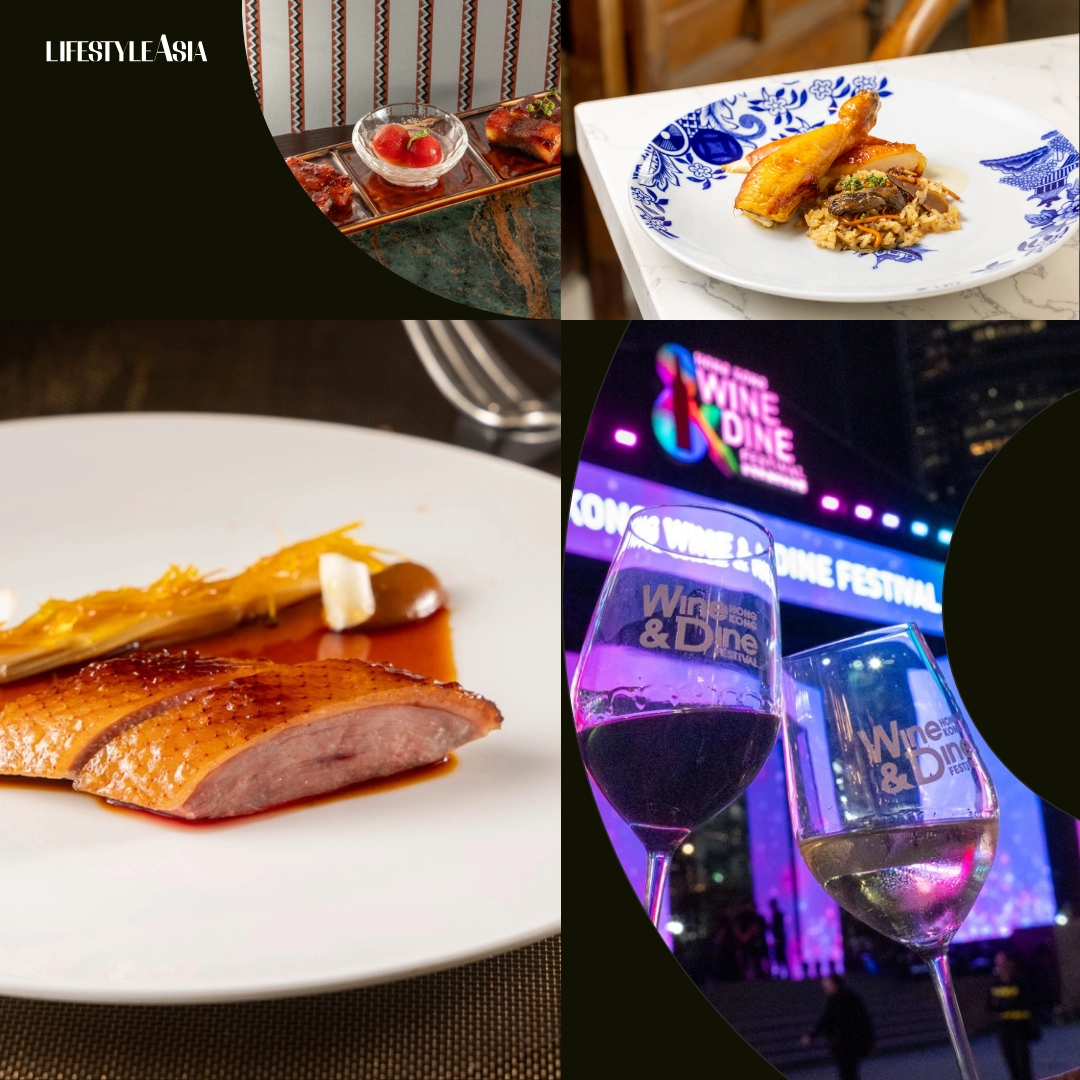
From the grandeur of the Hong Kong Wine & Dine Festival to the quiet grace of a traditional tea ceremony, we embark on a three-day journey through the seamless blend of Eastern and Western gastronomy that Fragrant Harbour is known for.
Roughly two hours from Manila and visa-free for visits of up to 14 days, Hong Kong remains a perennial favorite among Filipino travelers. In the time it might take you to get from one city to another during congested Metro Manila rush hours, you could be flying to an entirely different country and immersing yourself in a bustling, vibrant culinary culture colored by Chinese heritage and Western influences. With 76 Michelin-starred restaurants as of 2025, Hong Kong remains an accessible hotspot for great dining experiences.
Recently, the Hong Kong Tourism Board took Lifestyle Asia on a whirlwind tour of some of the city’s most notable culinary spots, with the annual Hong Kong Wine & Dine Festival as the grand highlight—this year’s edition drawing 163,000 attendees. It was an odyssey for the tastebuds, offering both indulgence and insight while serving as a reminder of what keeps a culinary culture alive: reverence for tradition and inventive leaps that blend the best of diverse influences. For those seeking itinerary inspiration for their next Hong Kong trip, here are some experiences worth checking out.
READ ALSO: Hong Kong Food Trip: 18 Restaurants In 4 Days
Skye Roofbar & Brasserie
After a quick, efficient trip from Manila to Hong Kong, we settled at The Parklane Hong Kong, Autograph Collection—a premier hotel conveniently located at the heart of Causeway Bay, which meant having a plethora of shops and dining options available within arm’s reach. Dinner was, of course, what many were looking forward to after the journey; luckily, the hotel’s Skye Roofbar & Brasserie delivered farm-to-table goodness in every dish.
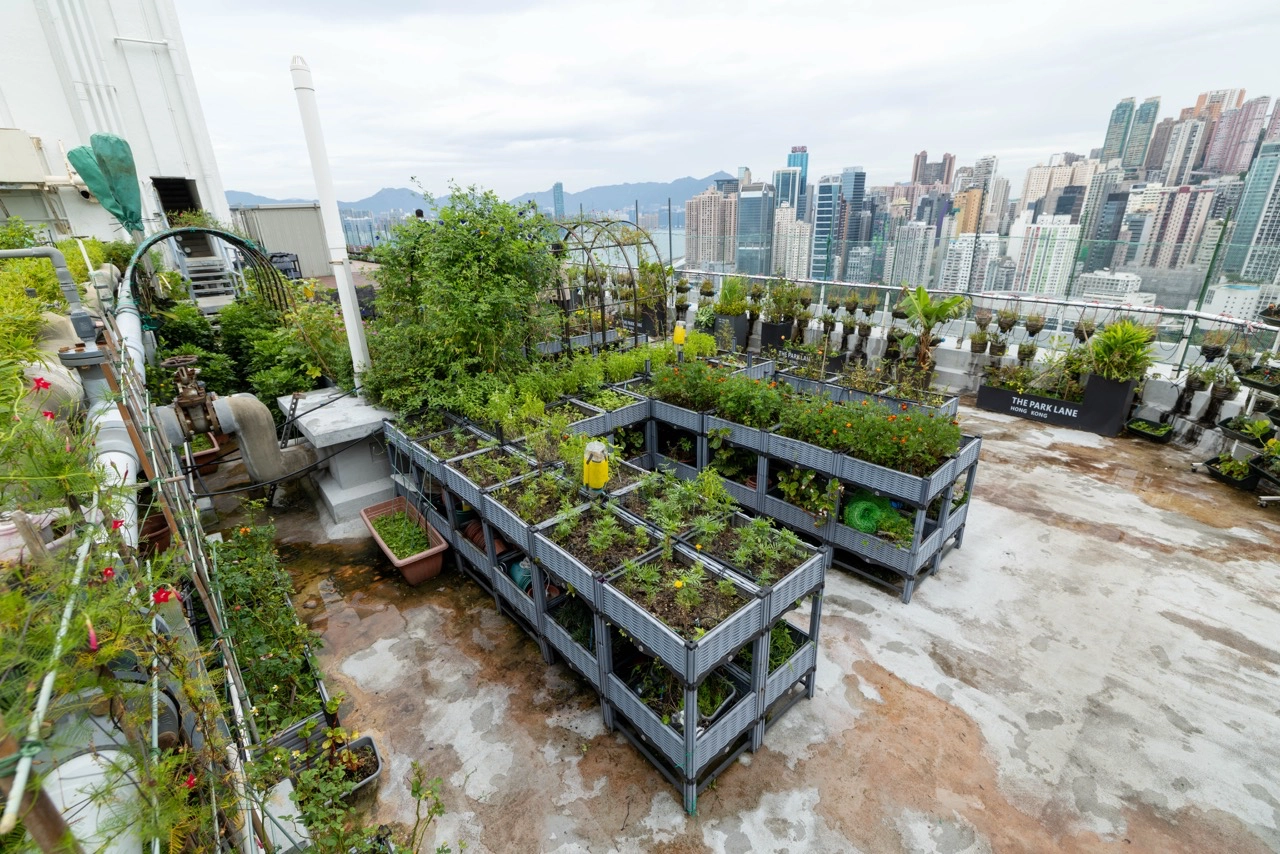
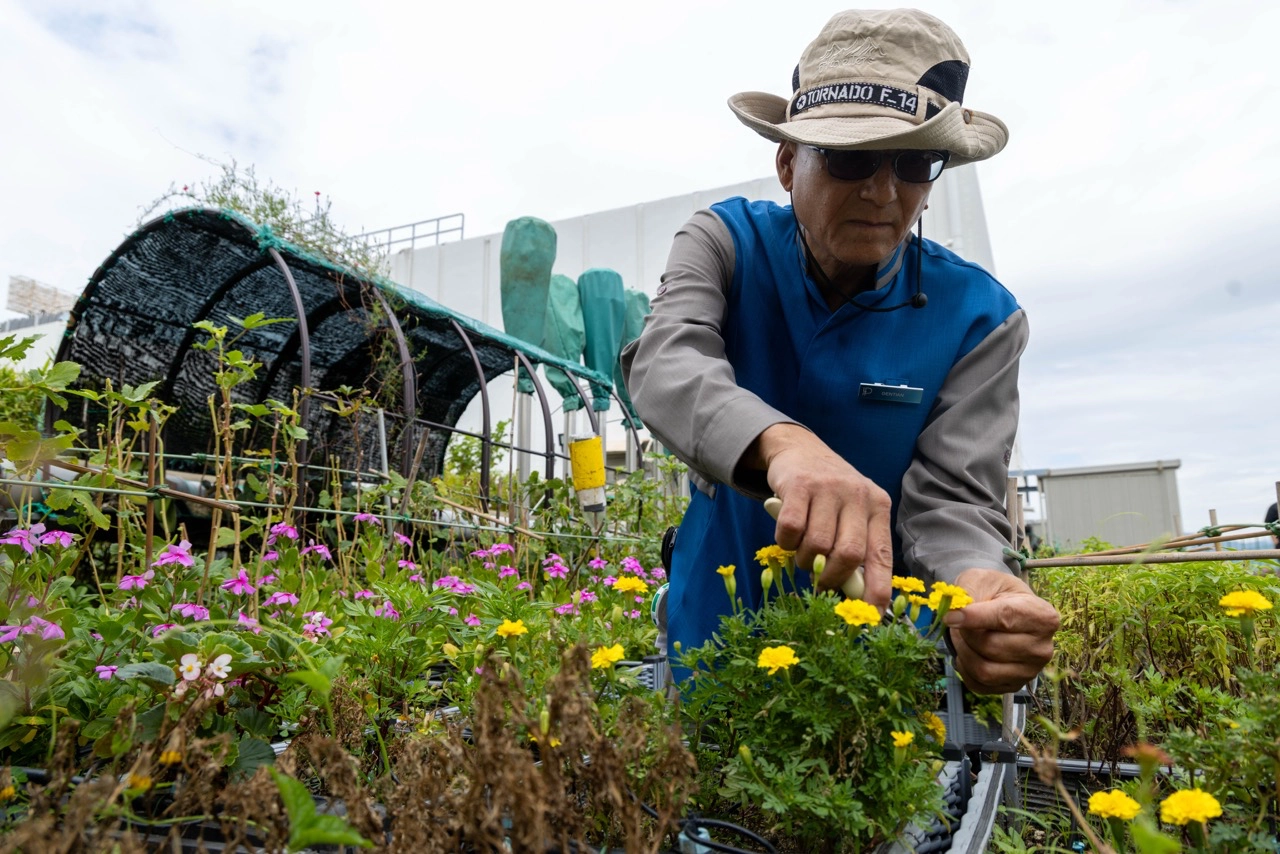
Much of the restaurant’s seasonal produce is grown in the hotel’s “secret garden” on the very top floor. Sustained by caretaker Gentian—with a self-sufficient watering system he designed himself—the garden has been around for almost as long as the hotel has (around a decade), and has grown considerably, now housing more than 50 varieties of fruits, vegetables, and herbs.
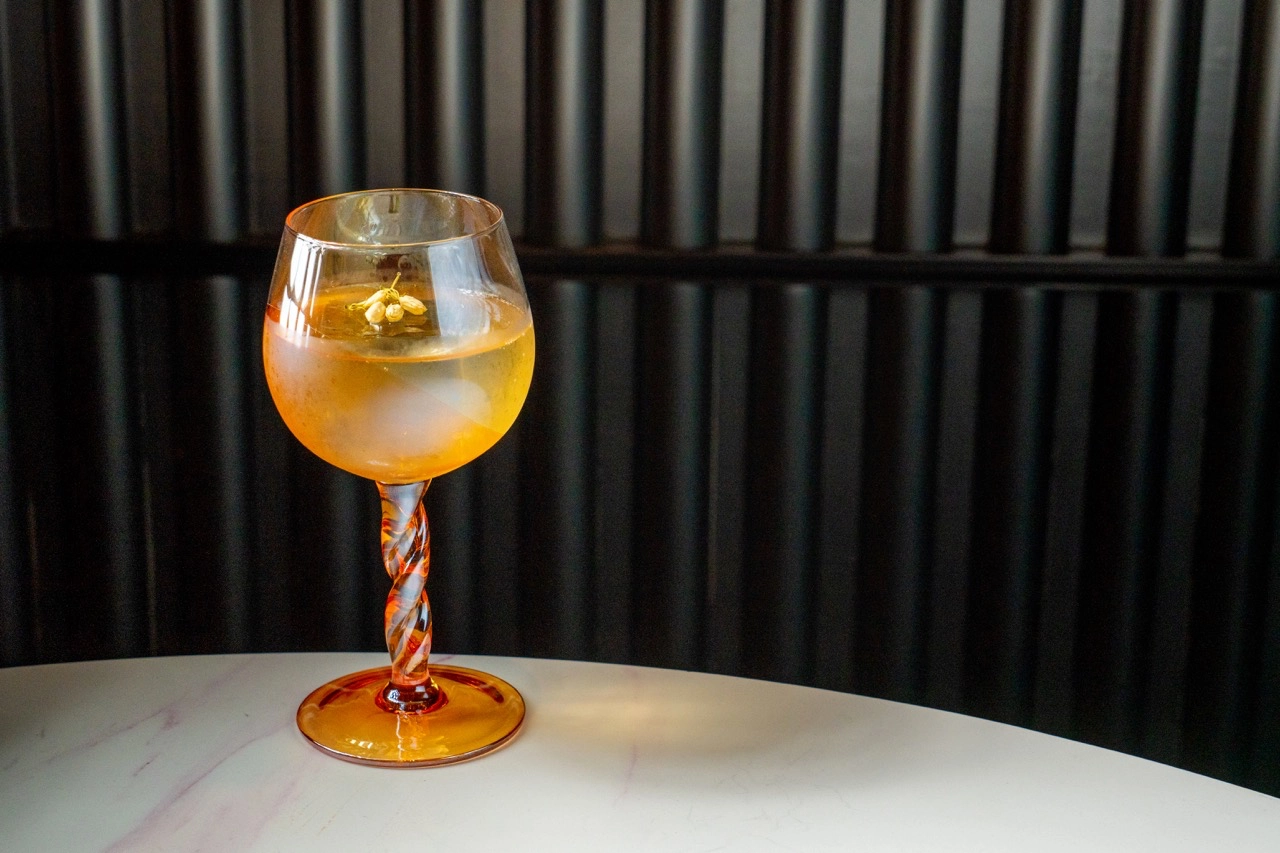
Starting the dinner was a light, refreshing, and floral Parklane Signature Cocktail, “Gloucester Road,” which was served in a custom-made, twisting glass vessel called “Connection” —a nod to the good conversation that tied the evening together.
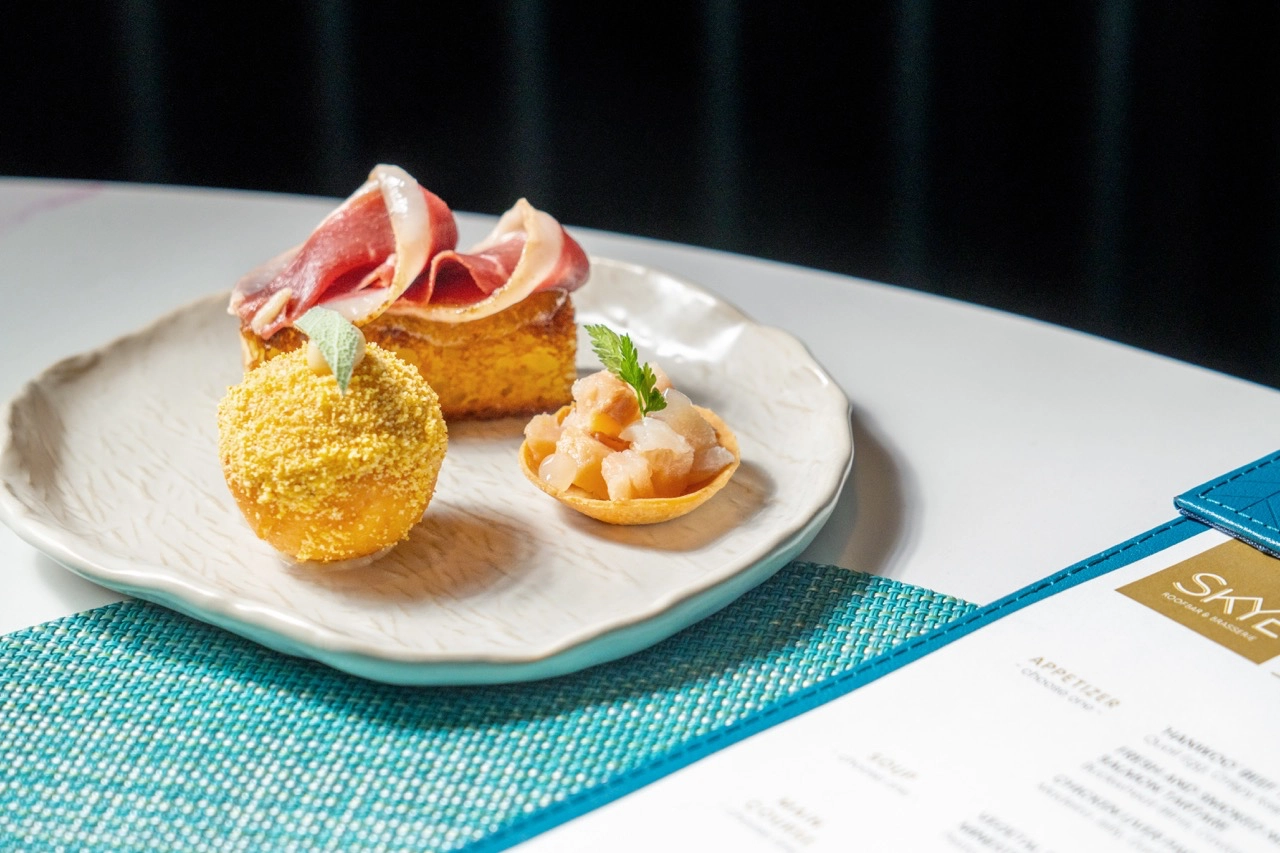
The amuse bouche consisted of a Donut Potato with creamy corn and fresh sage; a Buckwheat Tartelette filled with yuzu marinated hamachi and lemon gel; and the standout buttery Brioche Toast with a deep, salty sliver of smoked duck breast and orange cardamom jam that balanced out the decadence.
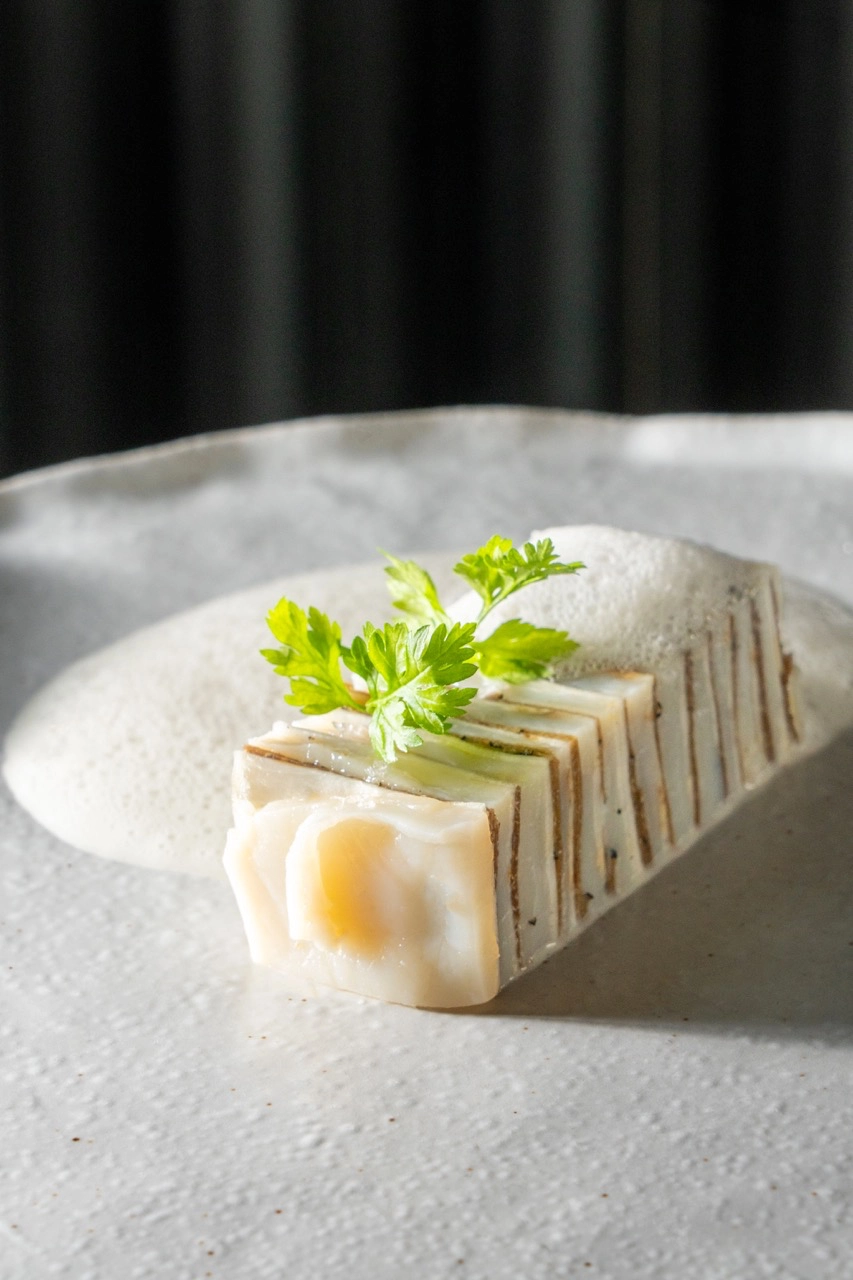
A thinly-layered Scallop and Truffle Terrine in emulsion beurre blanc provided a mild palate break with interesting textures; while a Pan-fried Duck Foie Gras laced with the slight sweetness of acacia honey, the cutting sourness and crunchiness of turnip sauerkraut, as well as the earthy tanginess of garlic stems brought back the mouth-watering richness of the meal.
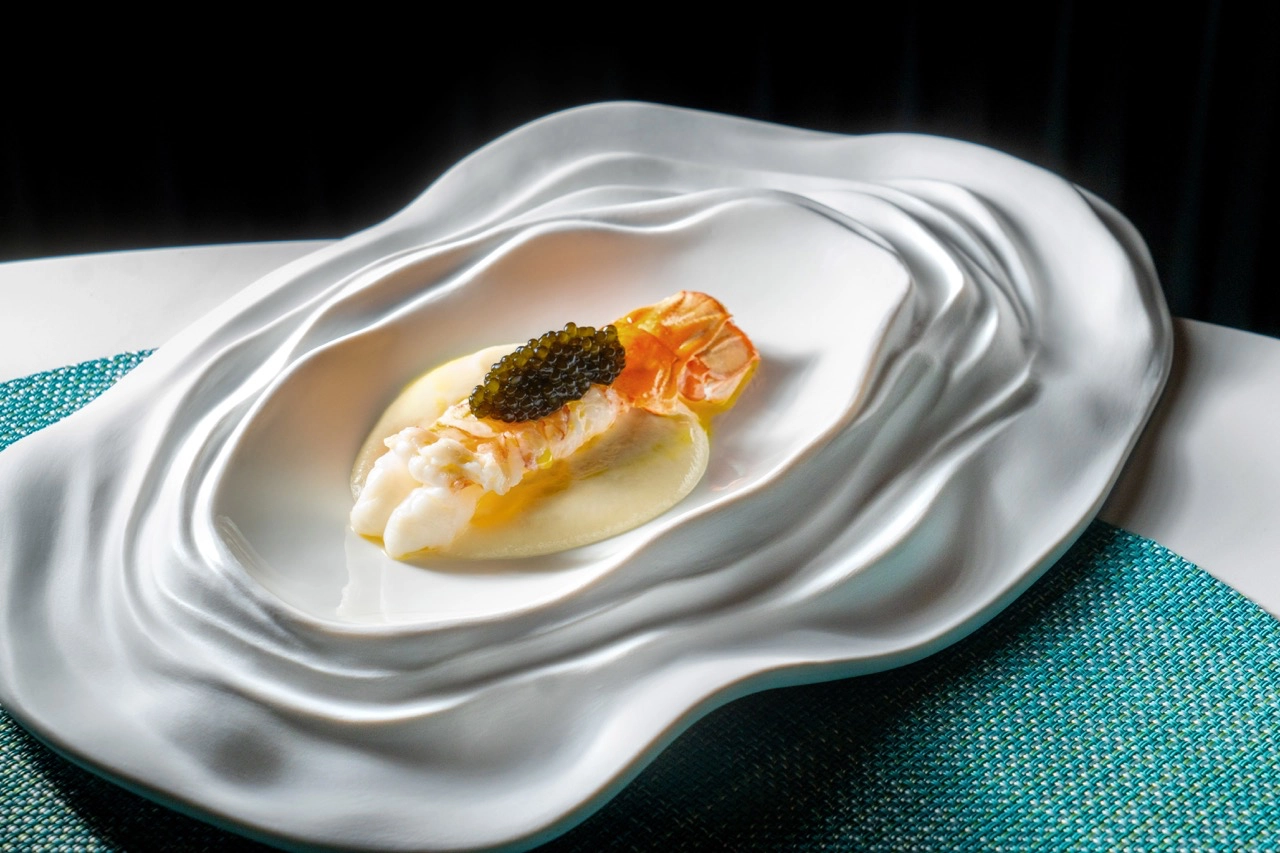
Grilled Langoustine was another star of the show, living up to its name with a distinctly smoky flavor locked into juicy crustacean meat, Jerusalem artichoke cream grounding the bold flavors, and a generous topping of Kristal caviar completing the seafood experience. The Wagyu Beef Tenderloin was tender as expected, but served with a nice twist thanks to a sweet-savory banana shallot confit and the fragrant kick of long pepper jus and rosemary oil.
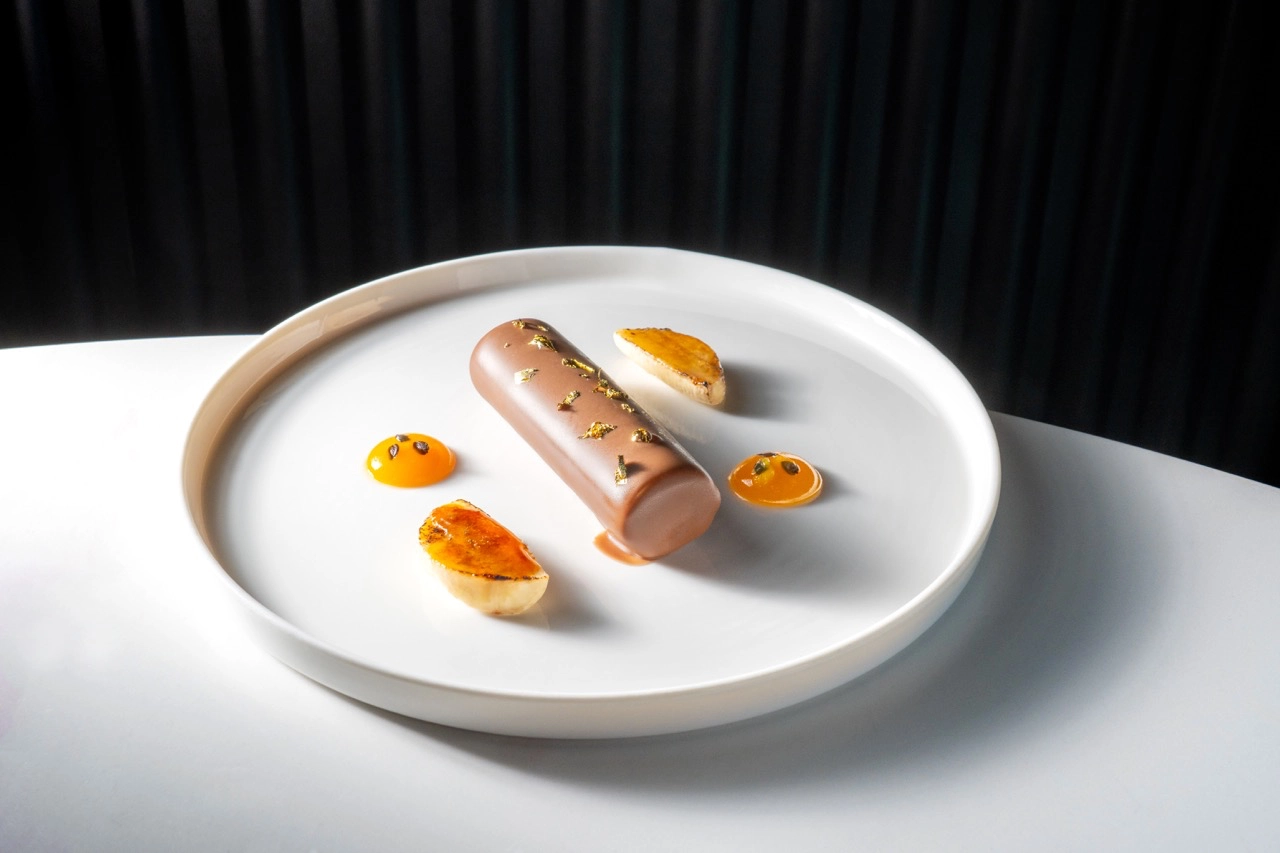
A dessert of Caramel Skye Snickers Bar—a creation reminiscent of our local turon in flavor—ended the meal, presented as a delicate chocolate shell filled with banana chocolate mouse, then served with dollops of tart passionfruit jam and cuts of caramelized banana. Certainly a satisfying way to cap off a day of traveling, the meal set the tone (or rather, taste) of what was to come.
Cafe Bau by Chef Alvin Leung
“I’m trying to give you something to write about,” Michelin-starred Chef Alvin Leung tells us in an interview. “I don’t like to be compared. I don’t want to be compared.” And indeed, his farm-to-table bistro concept, Cafe Bau, gives you more than a few things to discuss through dishes that not only showcase his global influences, but also stand uniquely on their own.
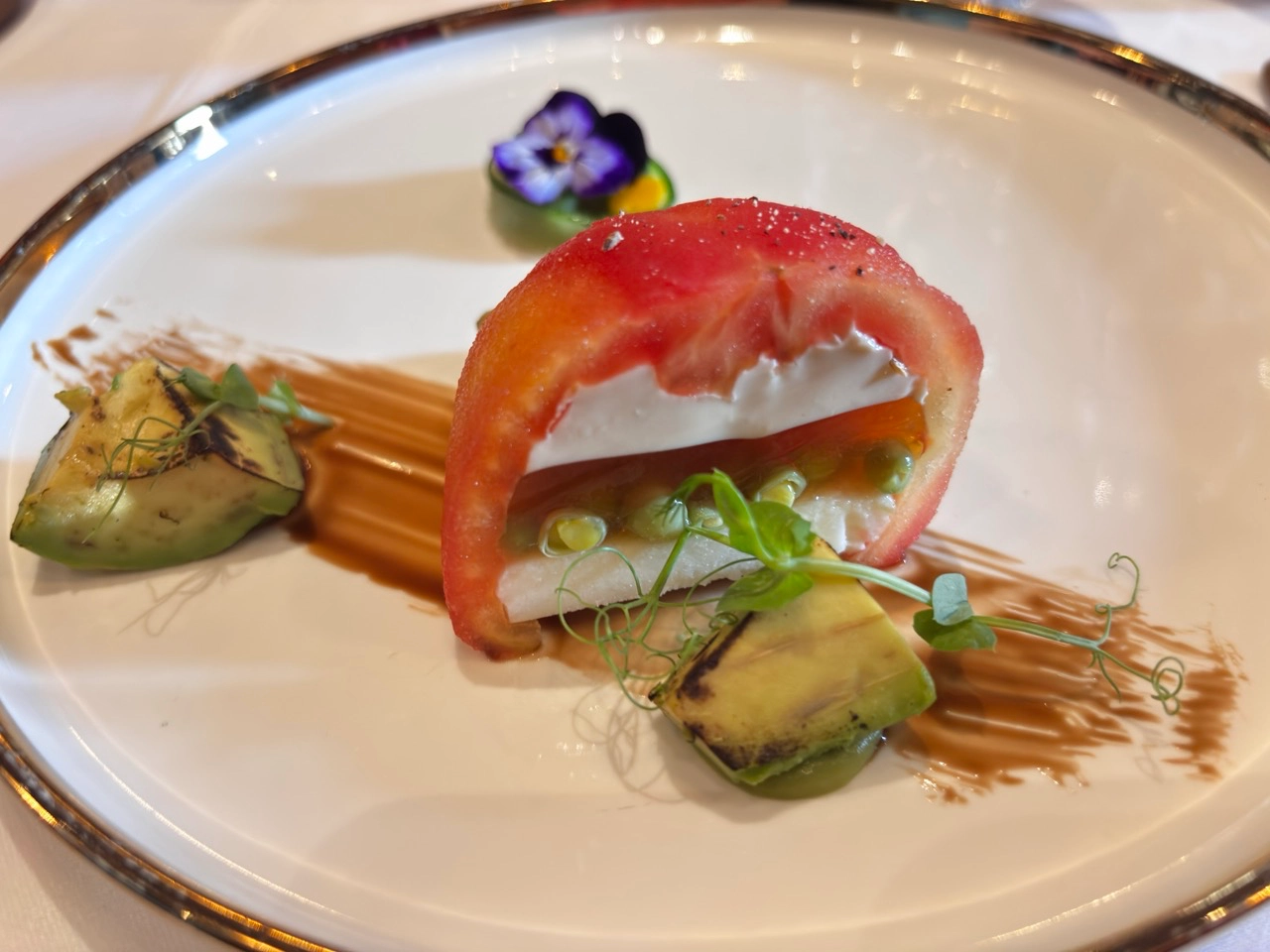
Take the restaurant’s starter, Tomato Mille-Feuille: half a tomato encasing layers of delightfully cold tomato jelly (think aspic) and burrata, then served with avocado guacamole and chunks of grilled avocado that make eating your fruits and vegetables a more enjoyable experience.
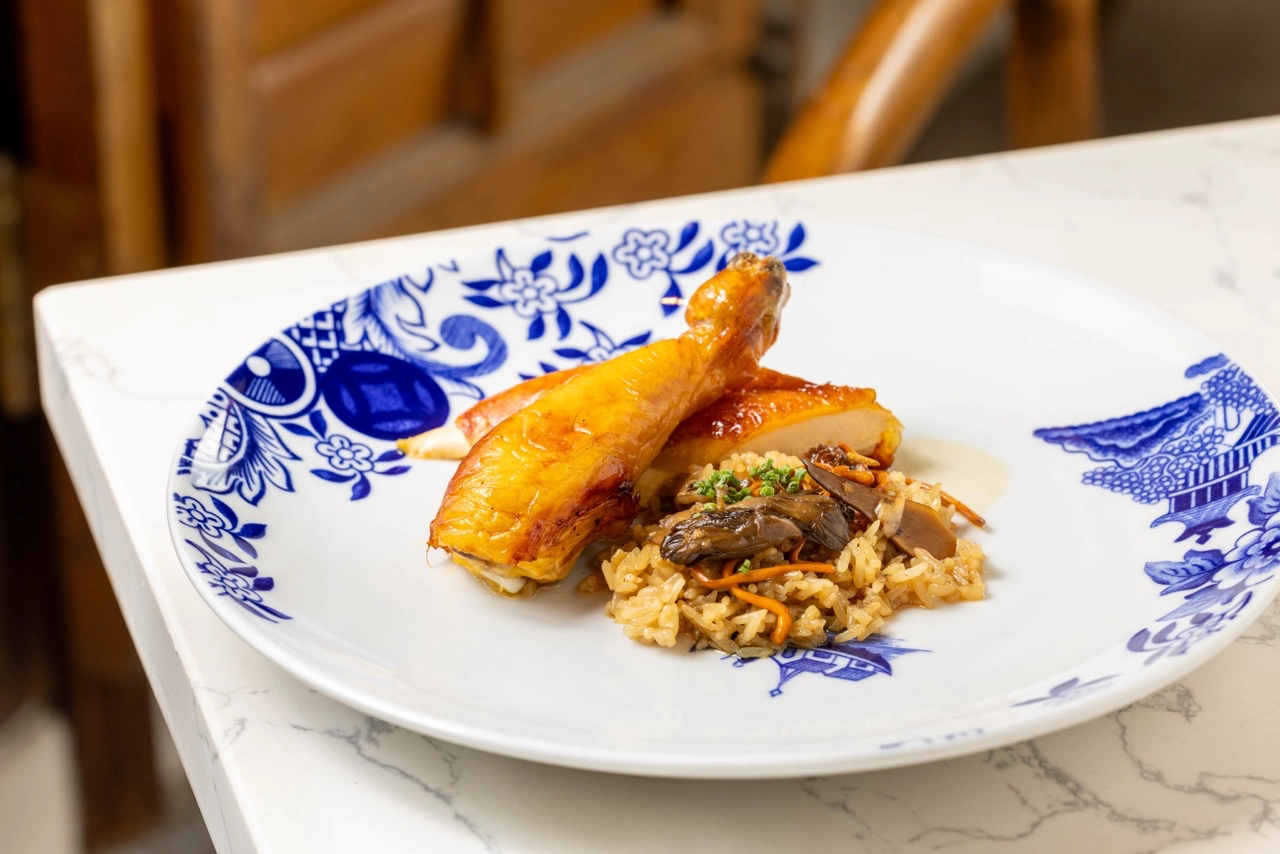
The most memorable part of the meal, however, came in the form of a main dish: the Hung Wan Farm Ping Yuen Chicken. It represents what Chef Alvin hopes to do with his dining concept, which showcases the kind of quality ingredients you can get within Hong Kong itself.
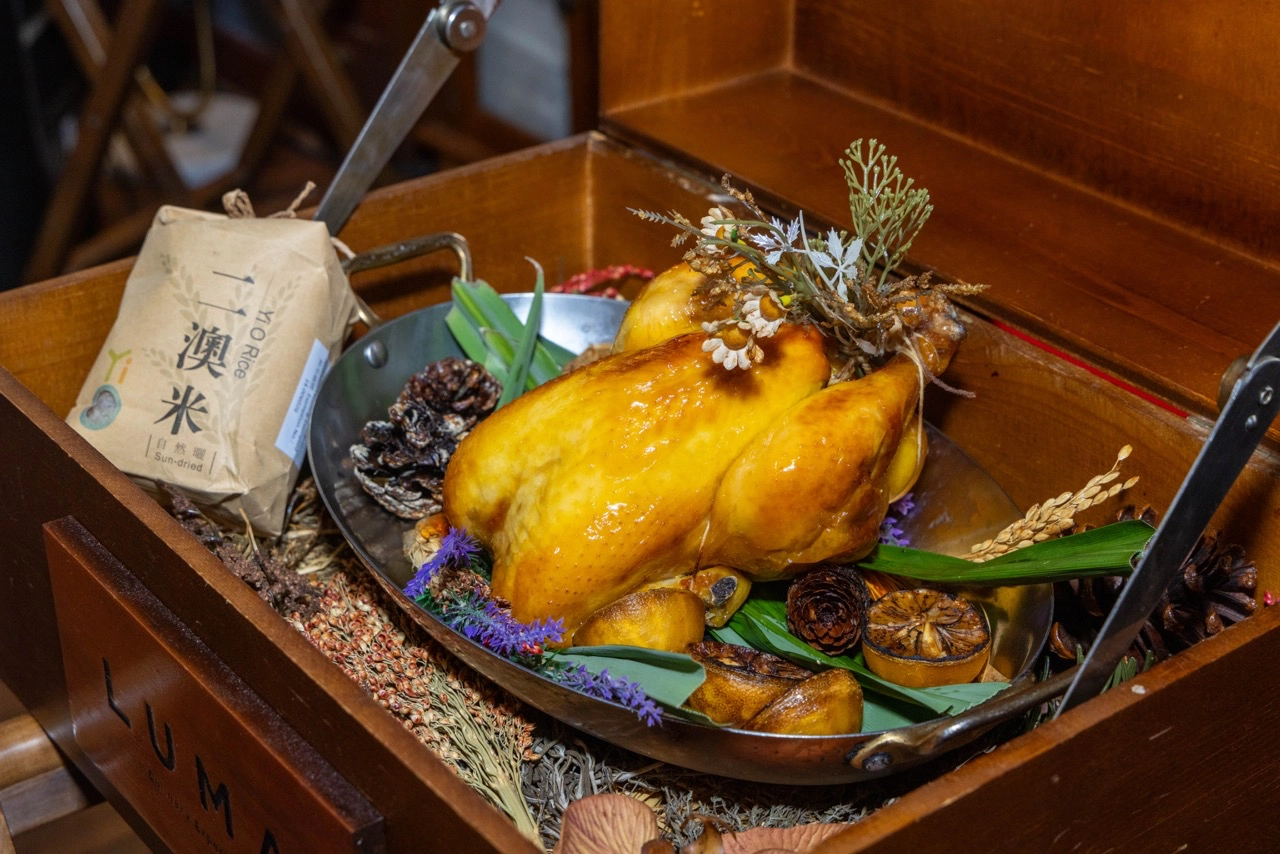
“Ping Yuen” is a reference to the river near the farm that raises these chickens, characterized by their incredibly flavorful, tender, and substantial meat—made better through Cafe Bau’s roasting technique, which creates a skin that’s as smoky as it is crisp. The chicken is then served with Yi-O rice, a grain grown in Hong Kong’s Lantau Island that produces aromatic, fluffy rice—the perfect canvas that’s cooked in a mixture of soy sauce, the poultry’s own juices, and umami-packed morel and black termite mushrooms.
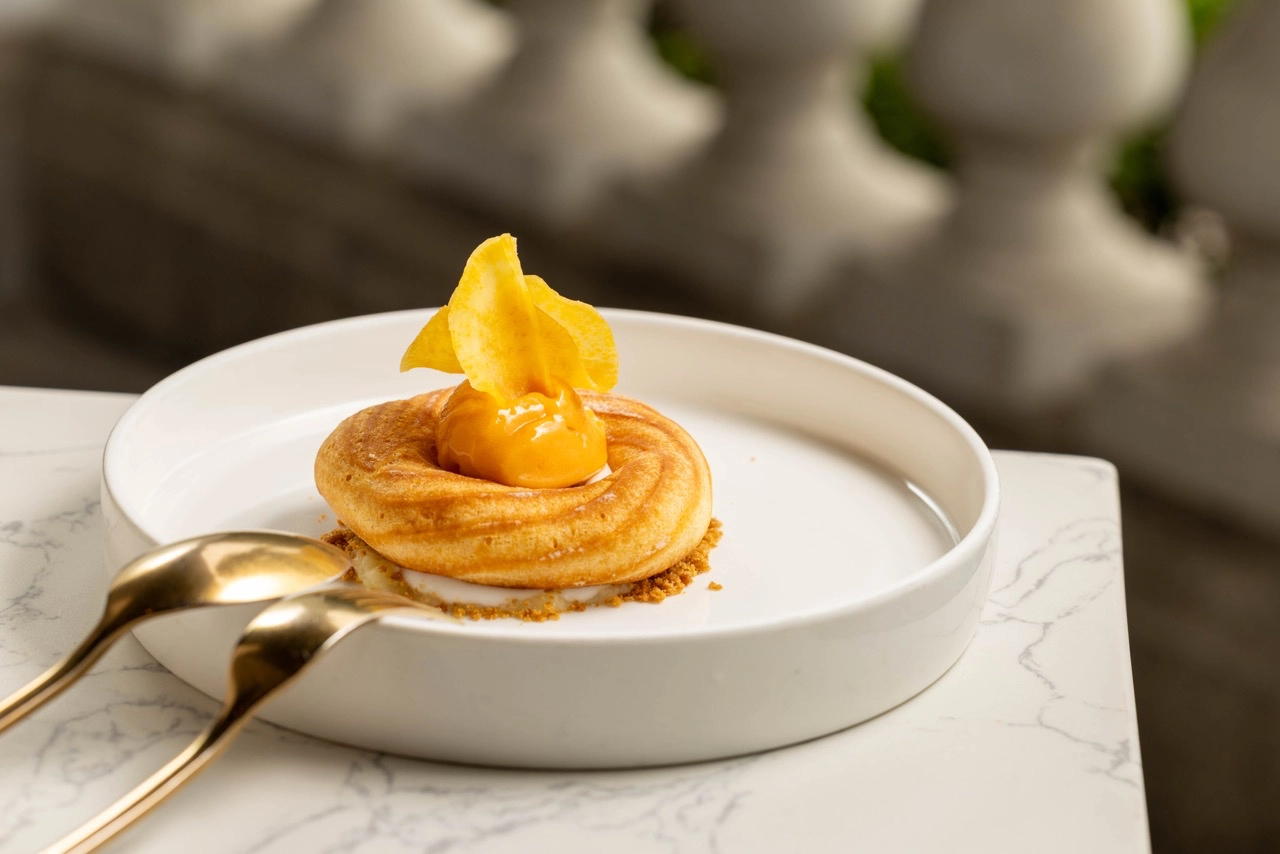
Dessert didn’t disappoint either, with a medley of textures and flavors that were comforting for the Southeast Asian palate. Consisting of a hollow, donut-like pastry with a balanced coconut filling, the Sweet Potato Puff Stem creation lay on a bed of apple puree, and was served with a sweet potato sorbet topped with sweet potato chips, then pleasantly contrasted with small, candied cubes of ginger.
Lock Cha Tea House
The next stop was Lock Cha Tea House, where guests were treated to an educational class with certified tea artist Amyli, who has spent decades mastering the art of brewing the perfect pot of tea. She began by walking us through the beverage’s long, storied history, the estimated earliest mention of it dating back to 2737 B.C. among the wealthy families of China.
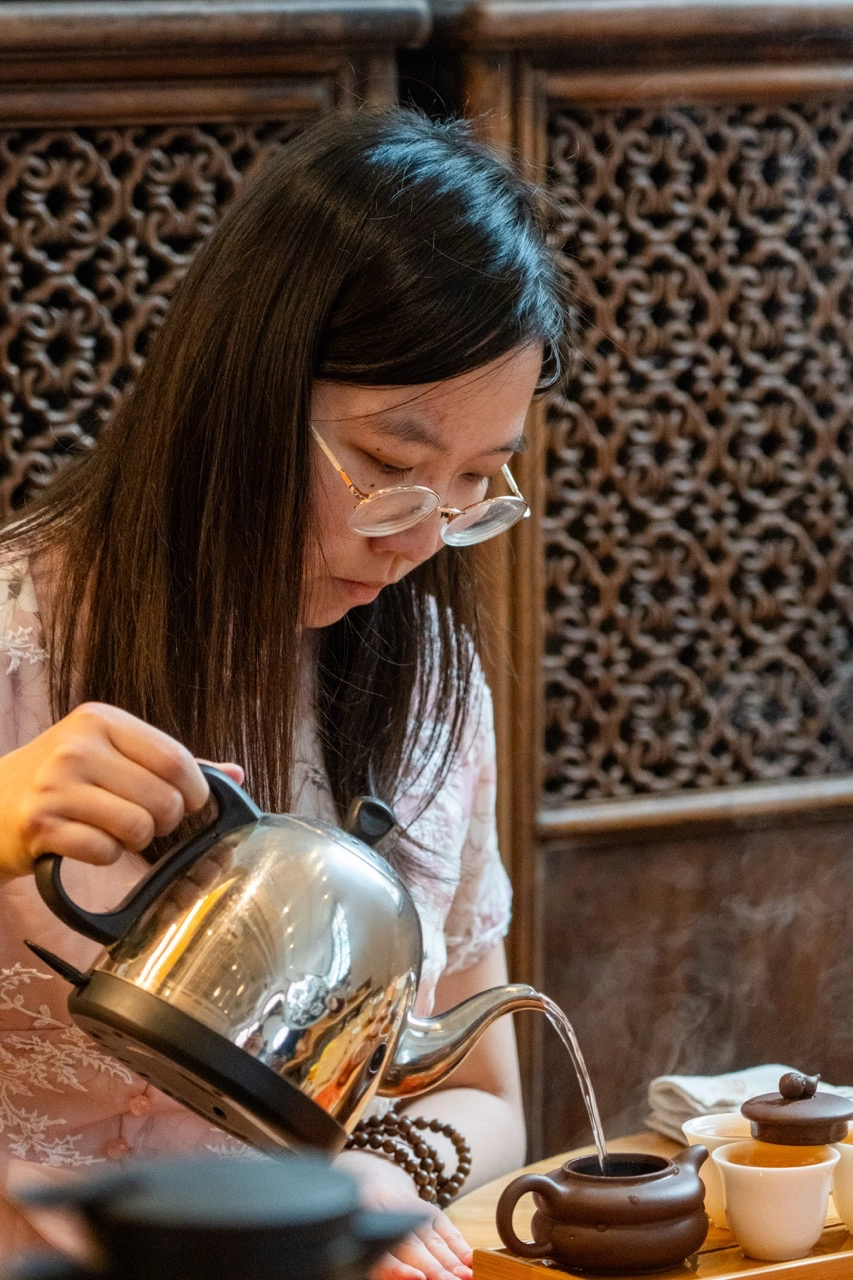
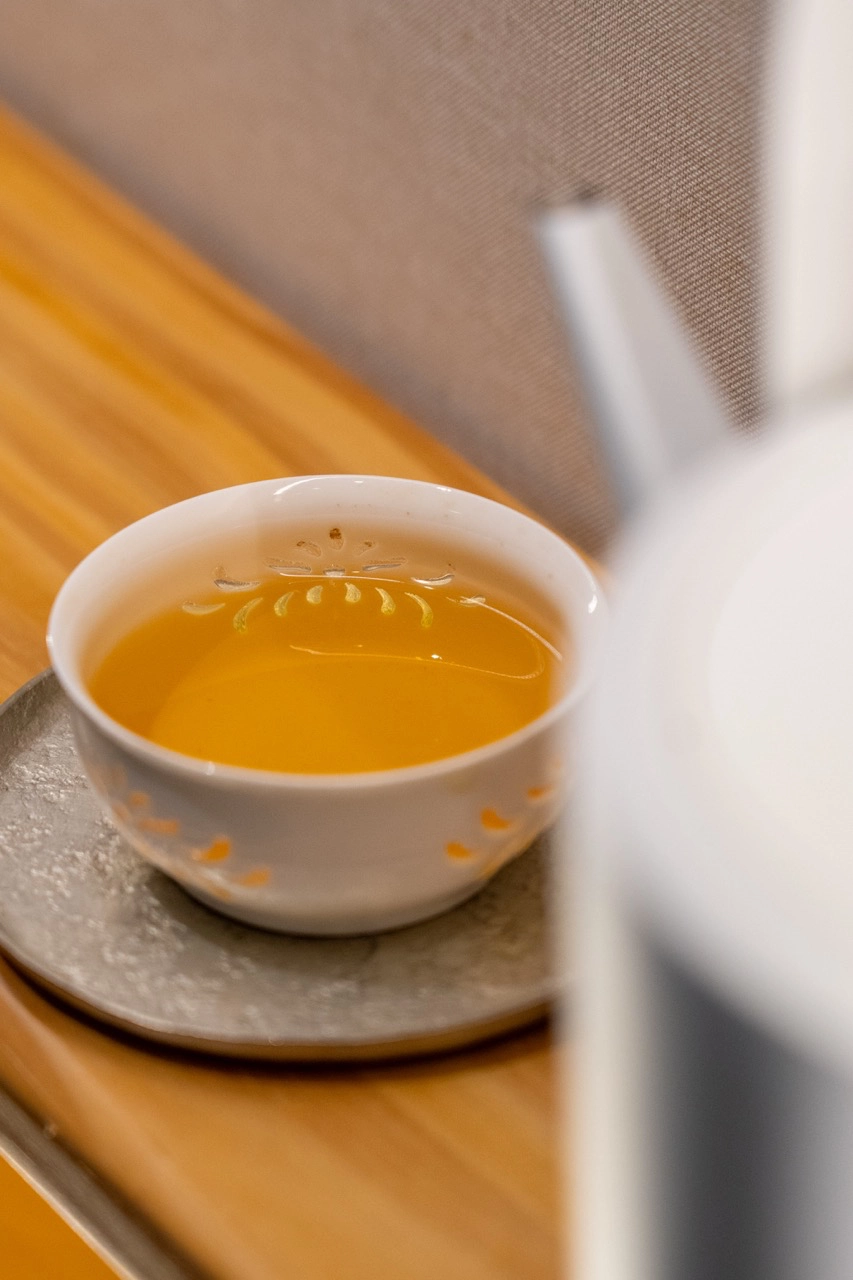
She then discussed the various factors to consider when brewing tea the right way, talking about how every little detail—from the temperature of the water to the type of vessels used—can change the way your tea tastes. Hand-picked and handmade tea, while more difficult to come by and less “consistent” compared to machine-made products, is always worth its weight in gold, providing a varied tasting experience that Amyli finds to be an exciting part of the art, no two cups ever the same.
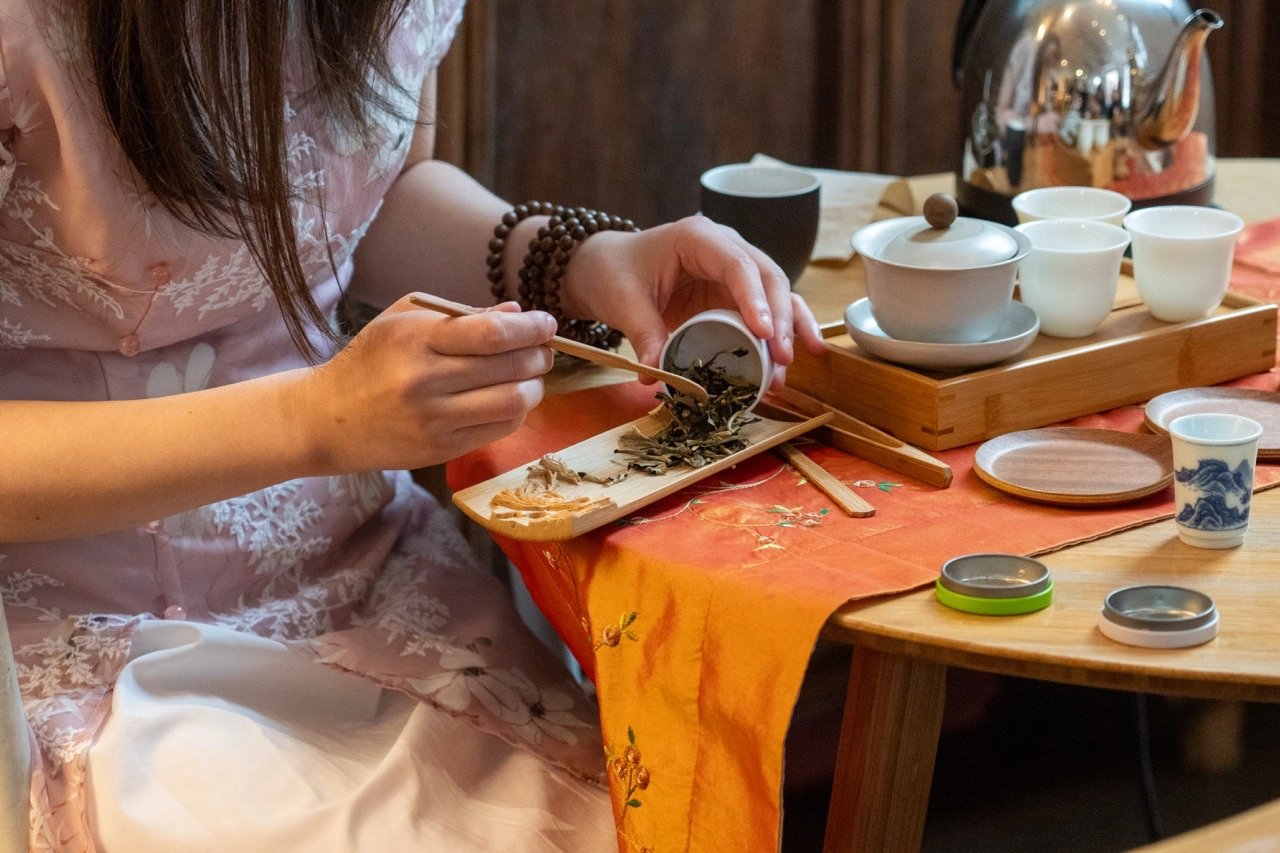
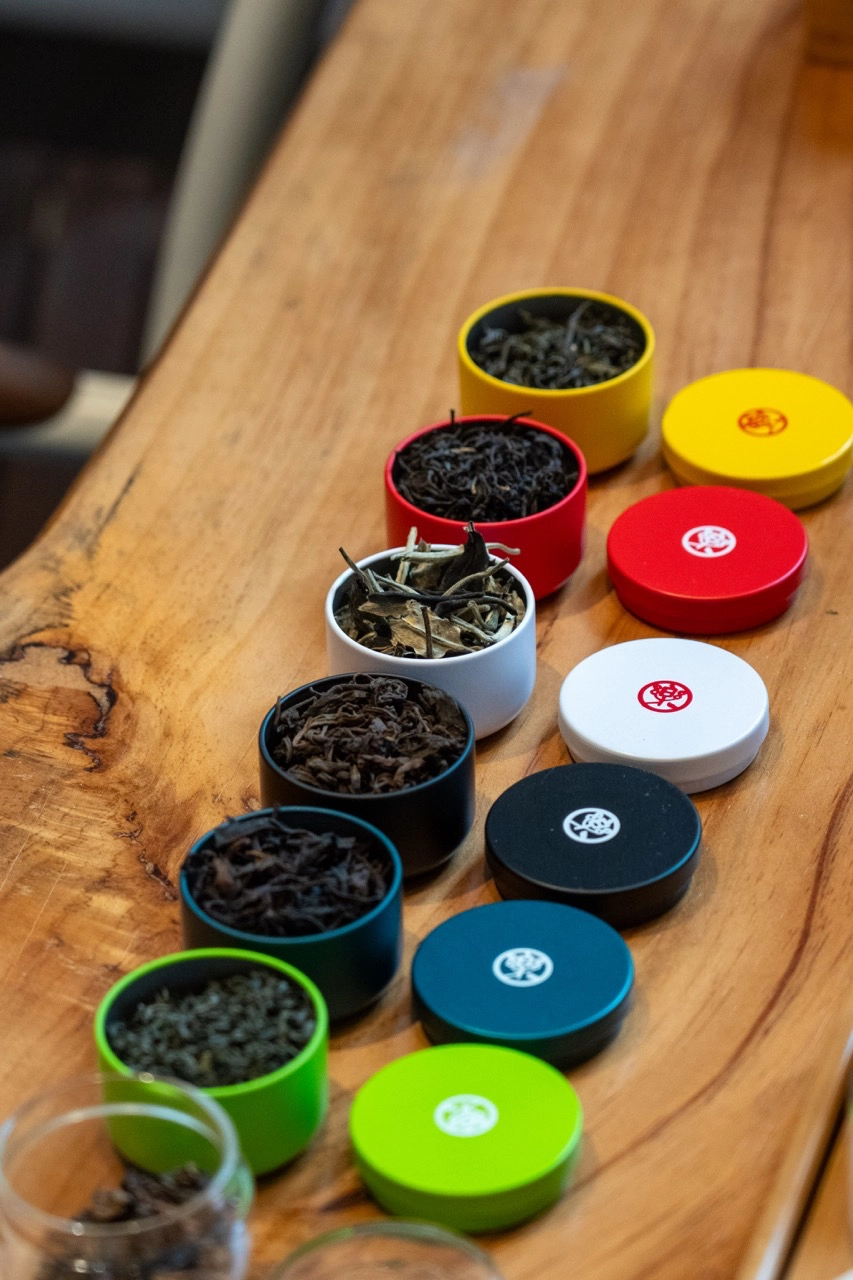
The tea artist also talked about the different types of tea, letting us smell and sample them while discussing their production processes, flavor profiles, and health benefits. An engaging demonstration ended the class, Amyli showing us how to brew and serve white tea and jasmine tea before letting us try it ourselves. The entire experience made you appreciate the kind of mindful processes people might take for granted in an age of mechanical speed, ones that remain integral parts of a way of life that values quality earned through steady intention.
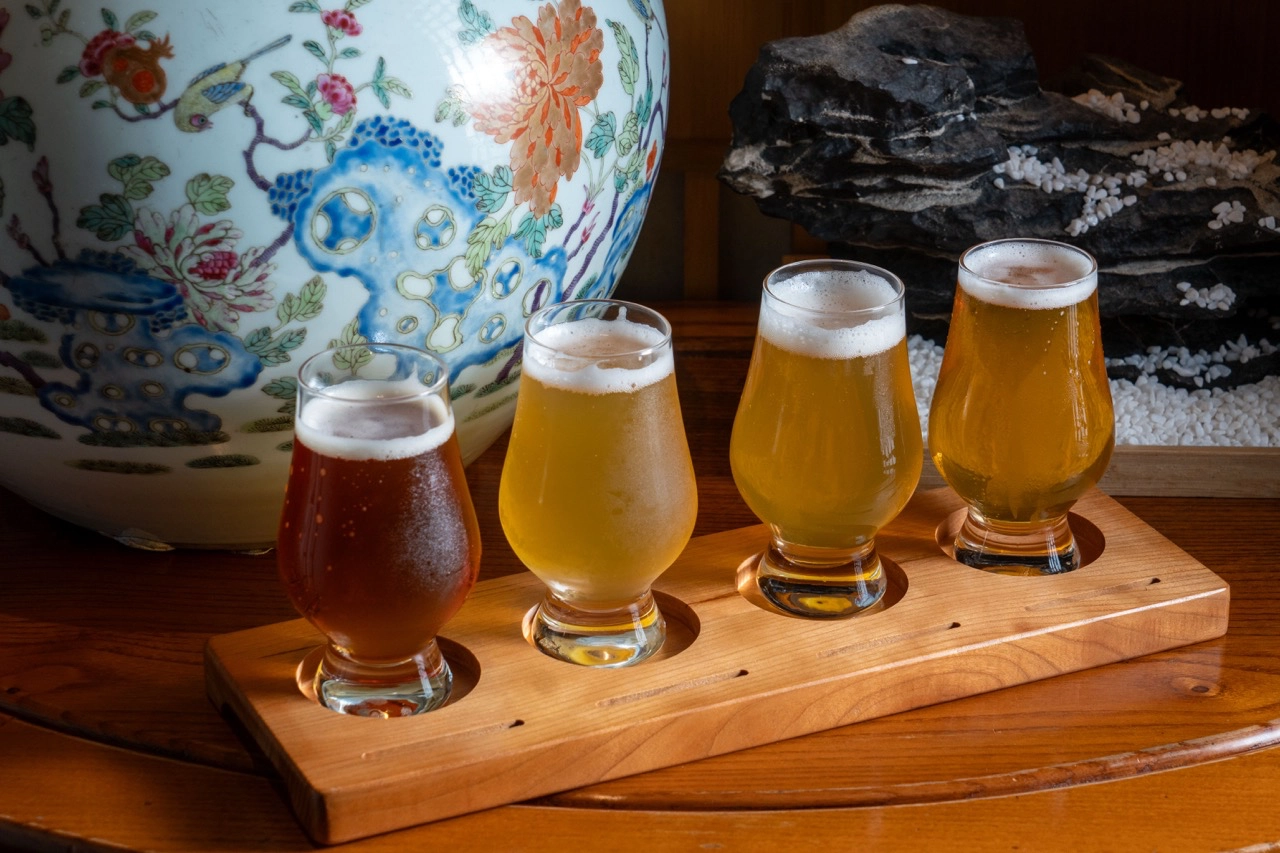
Lock Cha Tea House has more than a few tricks up its sleeve, showing us how innovation adds a new level of dynamism to tradition. Guests were served a sampling tray of the establishment’s tea beers, which ranged from lighter to darker brews, all of which were infused with the flavors of their signature blends. Some favorites were the honeyed Phoenix Oolong Pale Ale and the flowery Jasmine Green Tea Wheat Beer—both brews offering a light, crisp escape for the palate without losing the character of their tea base.
Hong Kong Wine & Dine Festival 2025
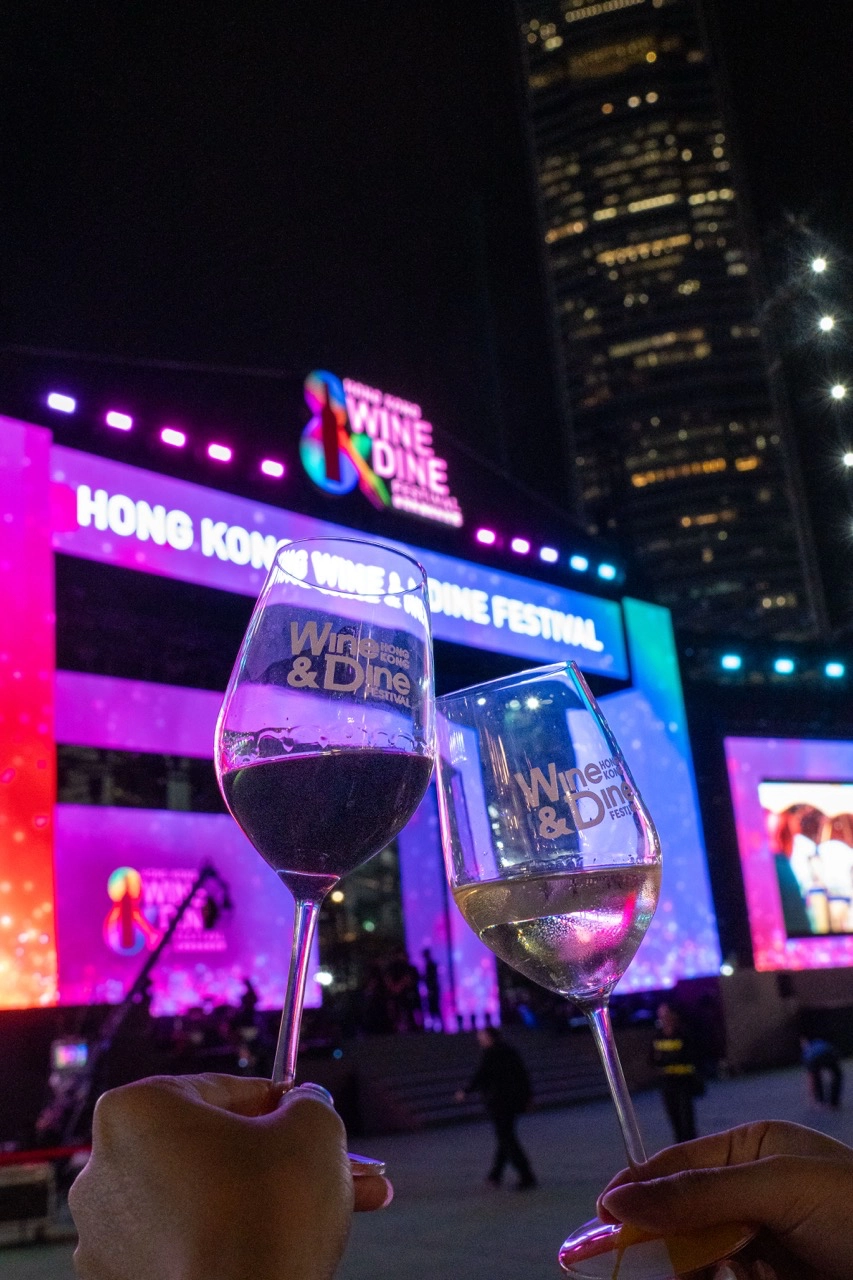
At the heart of the gastronomic journey was the annual Hong Kong Wine & Dine Festival, a sprawling four-day event organized by the Hong Kong Tourism Board and co-presented by the Bordeaux Wine Council. To say that it would take you more than a day to fully explore the entire festival is no understatement. More than 300 booths comprising over 30 countries and regions made for a jam-packed event that showcased the best of global wines, spirits, and cuisine.
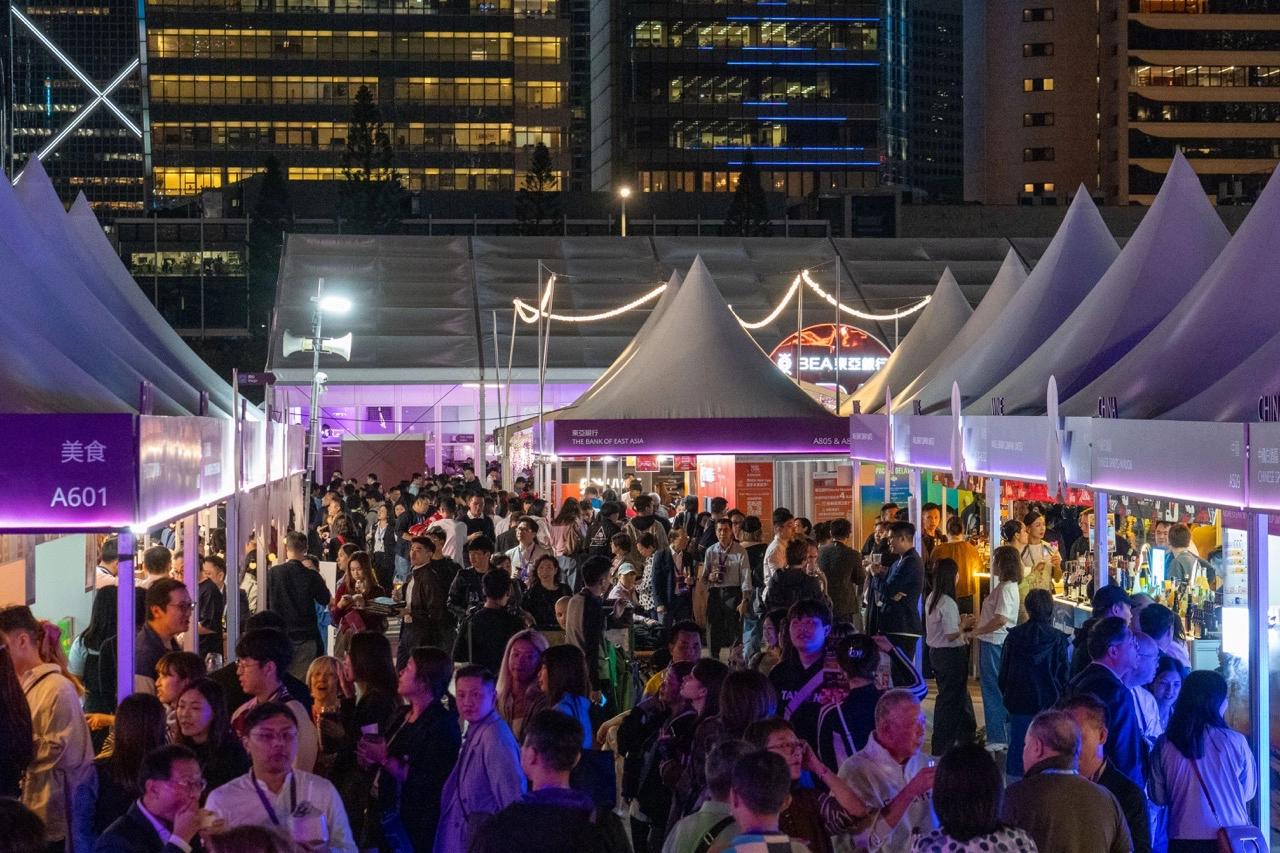
Gourmet Avenue, for instance, featured special creations from 12 restaurants, most of which were either Michelin-starred names or Black Pearl Restaurant guide awardees (China’s own prestigious awards system). We had a chance to try some amazing dishes from these booths.
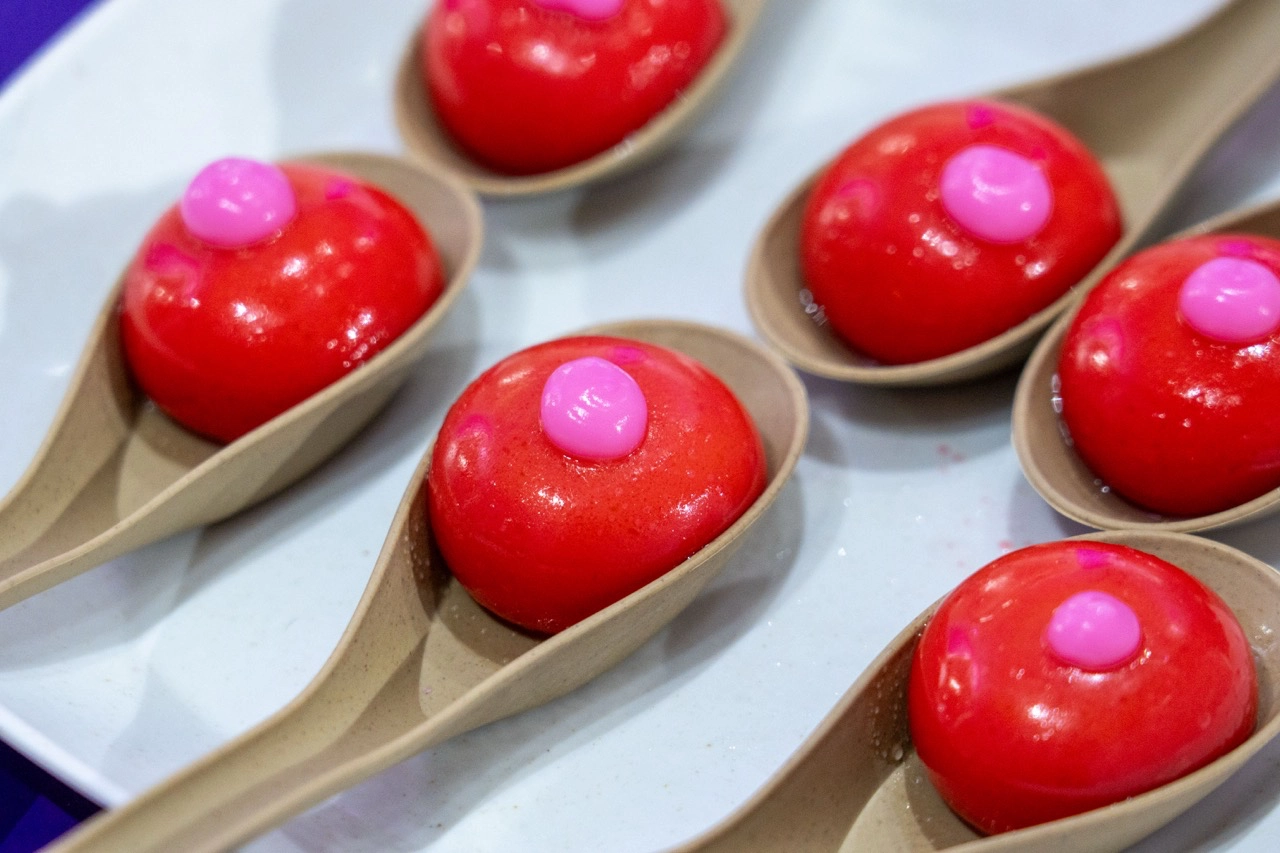
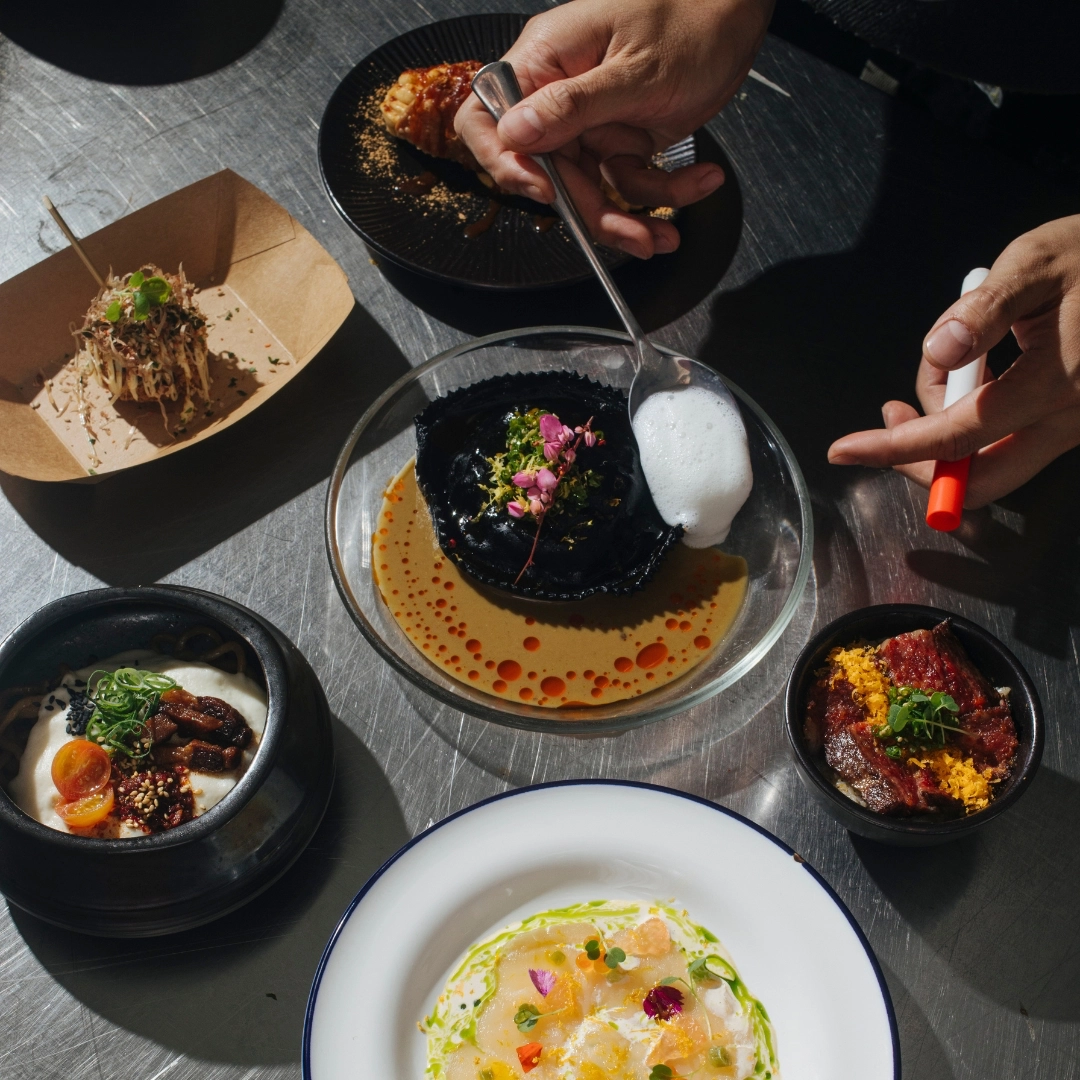
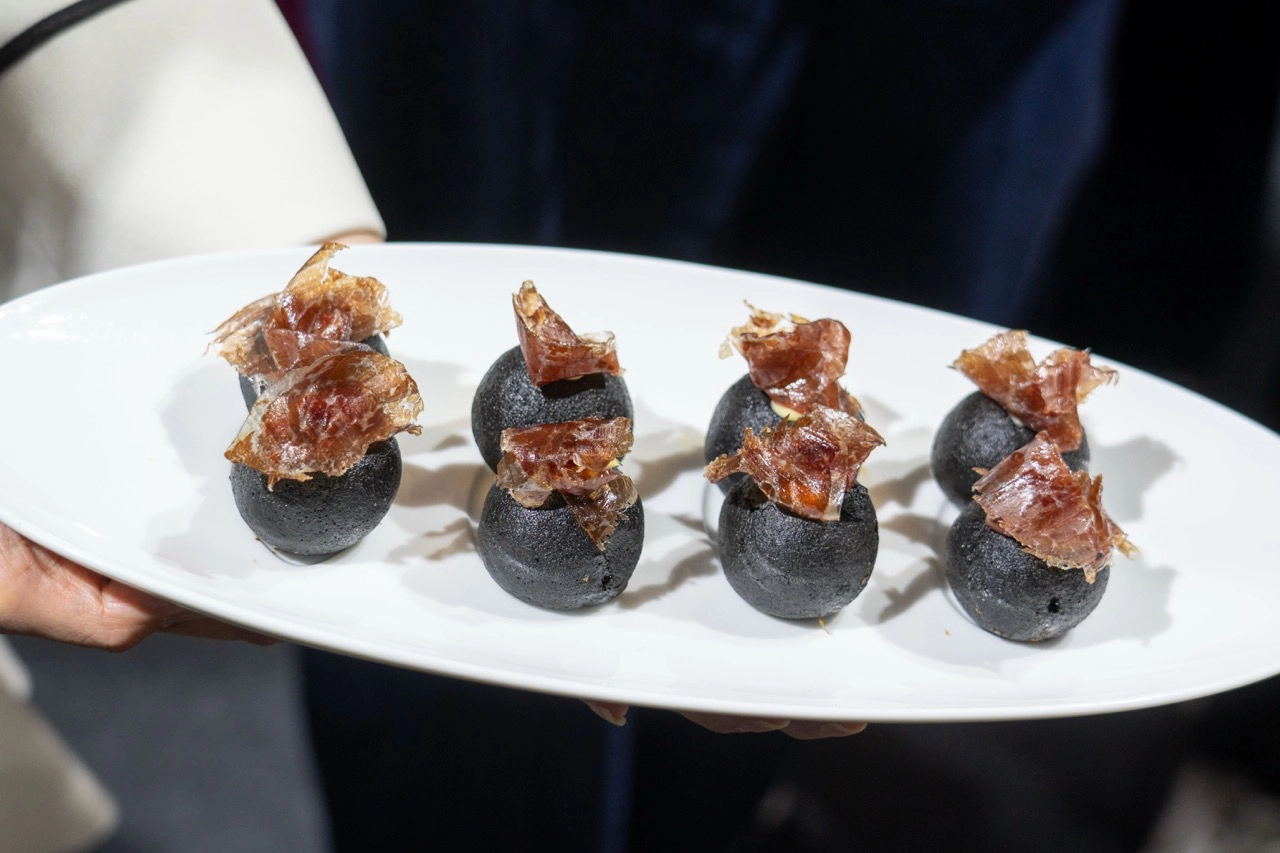
Standouts included a “Molecular X-treme Style” Xiao Long Bao from Chef Alvin Leung’s Bo Innovation, a gelatin-like creation that bursts with the concentrated flavors of the cherished dumpling; Épure’s crispy wagyu black pepper beef beignet, which featured charcoal and pepper mixed into the dough, a beef cheek filling, and a topping of wagyu beef; Joël Robuchon’s famous creamy mashed potatoes with large slivers of white truffle; and the Cristal Room by Anne-Sophie Pic’s signature Les Berlingots ⓒ ASP Pasta filled with 24-month aged comté cheese and Champignons de Paris (French button mushrooms), which is immersed in a heady consomme infused with coffee and sobacha.
We got to pair dishes with a number of choice wines, some of which were part of an interactive flavor pairing experience that encouraged guests to explore creative food and wine combinations through a simple color-coded system that matched five distinct taste profiles with five grape varieties. Some wines from the selection included the “Torello Raimonda 2015,” a peppery, sweet merlot from Torello Veticulturs, care of the Los Ibericos booth; and a more acidic, fruity Schweigen Chardonnay 2021, care of Wine Tycoon HK.
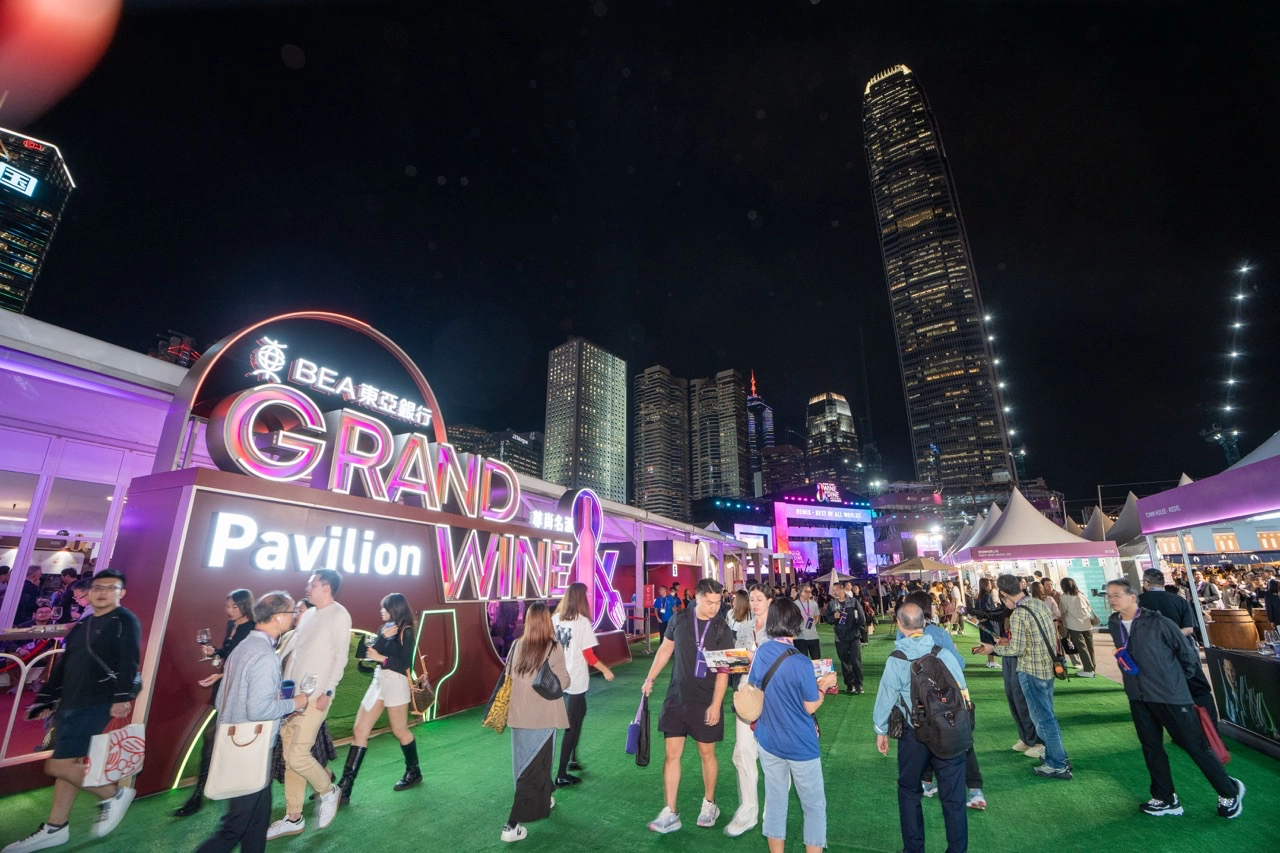
Another highlight was the BEA Grand Wine Pavilion, where oenophiles flocked for a premium tasting experience with its assortment of limited-edition vintages. The event attracted roughly 163,000 attendees from the Chinese Mainland, U.S., Canada, UK, Australia, Germany, Japan, South Korea, and countries across Southeast Asia, clearly solidifying Hong Kong’s status as a “City of Gastronomy.”
Épure
There’s a reason why French contemporary restaurant Épure, situated in the lavish shopping district of Harbour City, has been awarded one Michelin star for nine consecutive years. Well, there are more than a few reasons. The restaurant displays all the workings of a lauded establishment: efficient service, an elegant ambiance that evokes the spirit of its cuisine, and, of course, inspired menus that present unforgettable flavors.
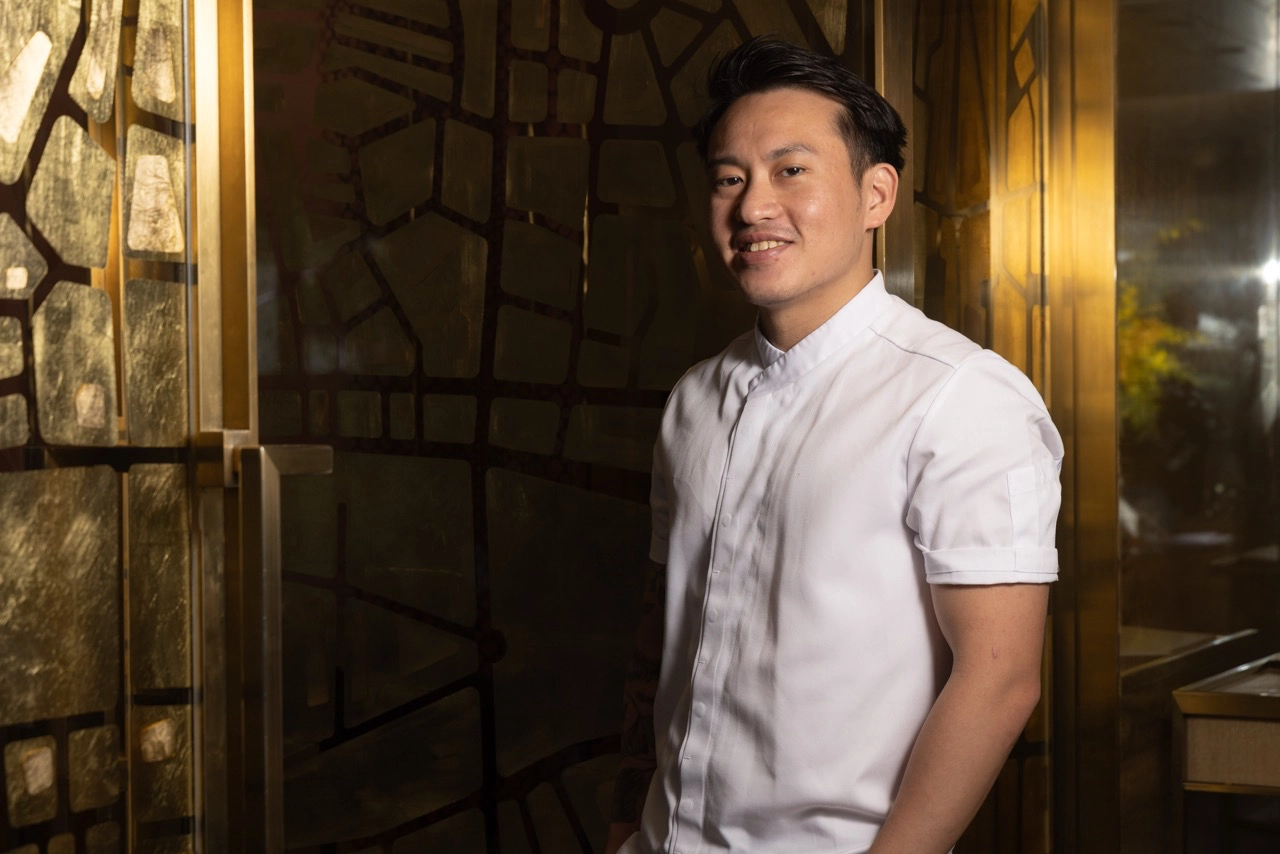
While Chef Aven Lau, who expertly helms the kitchen, utilizes traditional French cooking techniques, he remains mindful of his roots and finds ways to infuse his craft with Asian nuances that add layers of depth to what would otherwise be a familiar framework.
“One day I just thought to myself: why am I cooking French food? Why am I trying to make something that’s not from my own culture? So right now, the whole idea is to incorporate elements of my own culture into the food,” he tells us. “Every year I have a different mindset of how my food should be. I think the most important thing is constant evolution. It’s not about following trends, but more about evolving yourself. The whole point about a chef is about finding your own identity.”
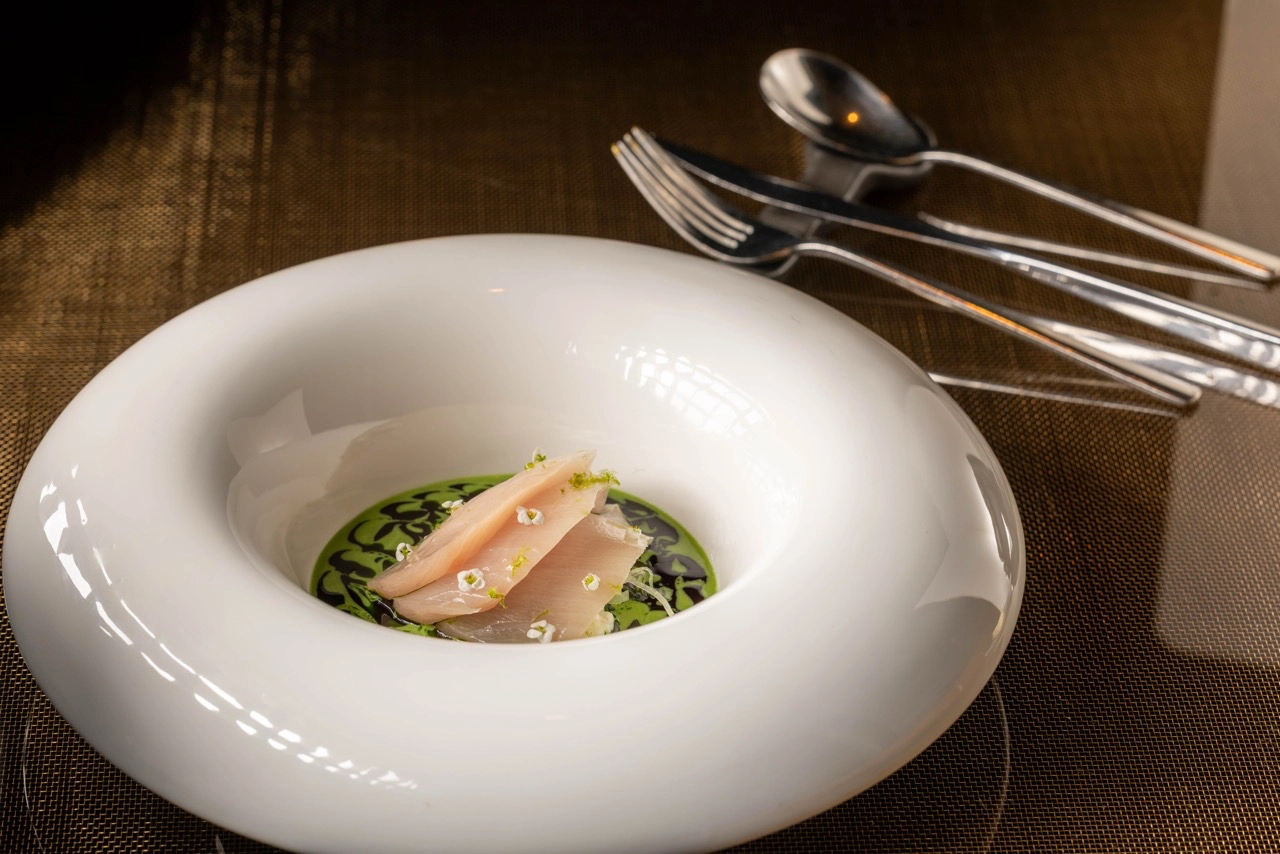
He does this with aplomb, his dynamism evident in his newest menu, which we sampled one tranquil afternoon. The first course of Sea Urchin with Jerusalem artichoke and nori kicked things off with a gelatinous uni flavor bomb packed into a thin, crisp base. This was followed by slices of fresh Hamachi, submerged in a jalapeño and shiso sauce with a bed of light cheese that provided a nice contrast to the bolder flavors.
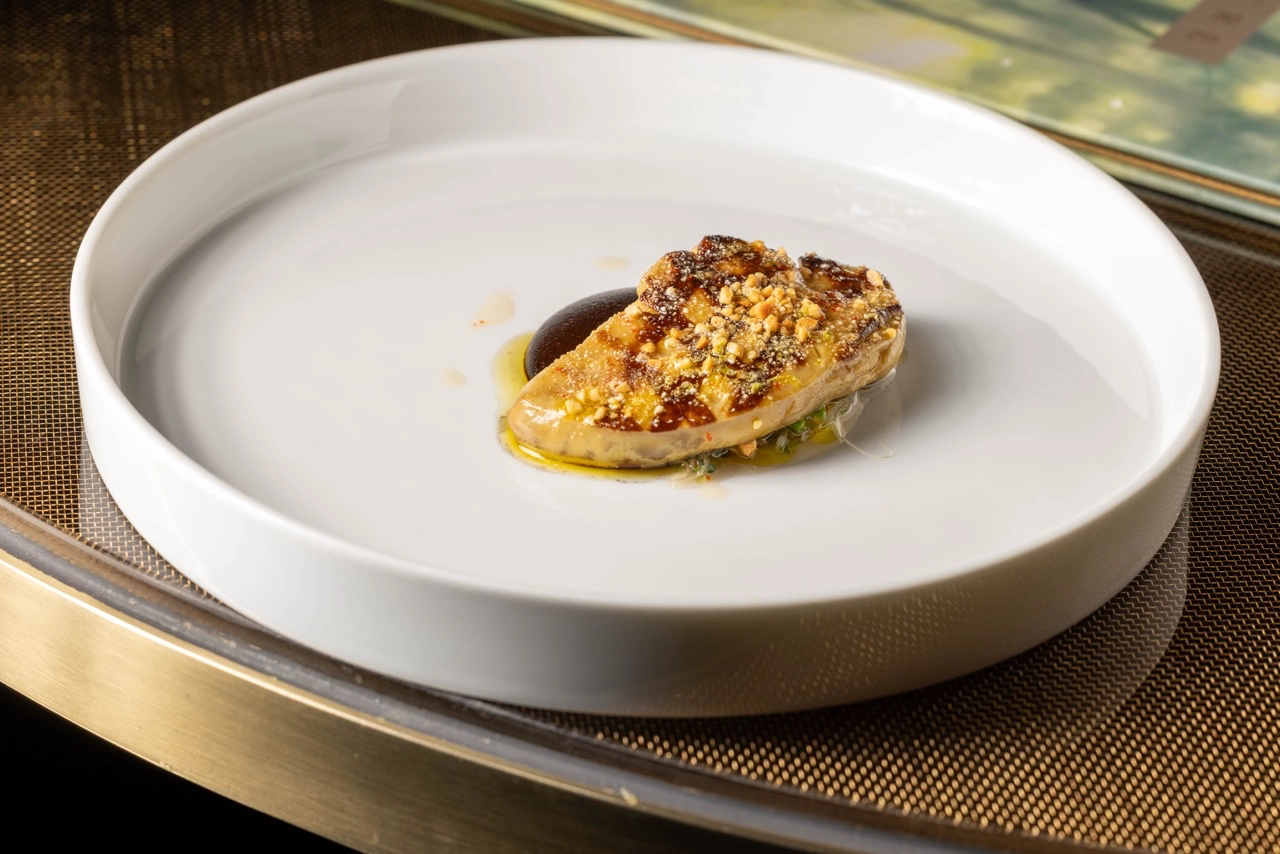
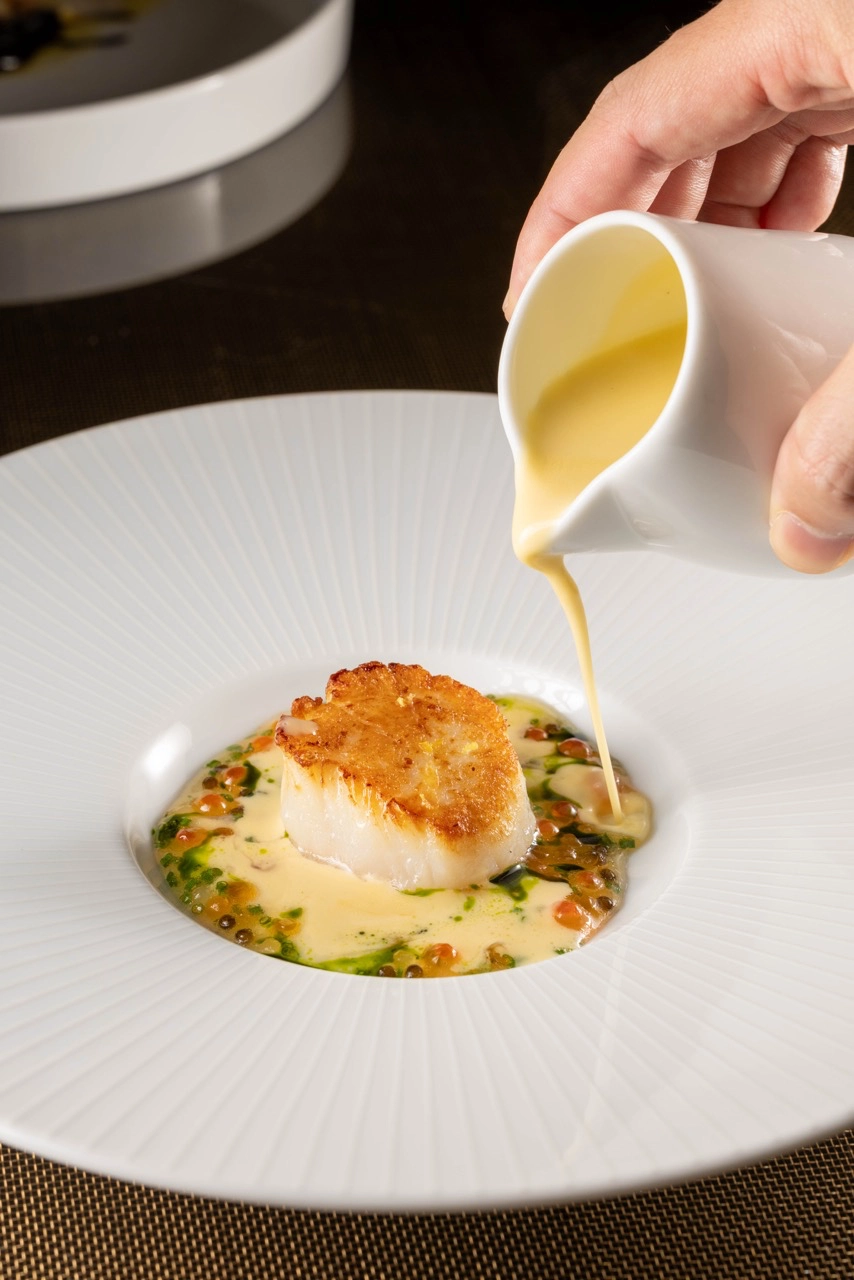
A thick cut of Grilled Foi Gras was pure indulgence on a plate, served with a sour-sweet tamarind sauce, pickled lemongrass, toasted rice, and a sprinkle of peanuts that added a bold yet never overbearing Asian profile to the French staple. Continuing the seafood theme was the lush Maine Scallop in an addictive and creamy sauce mariniere, its briny flavors accentuated with a topping of ikura and scoops of perles that burst with zesty vinaigrette.
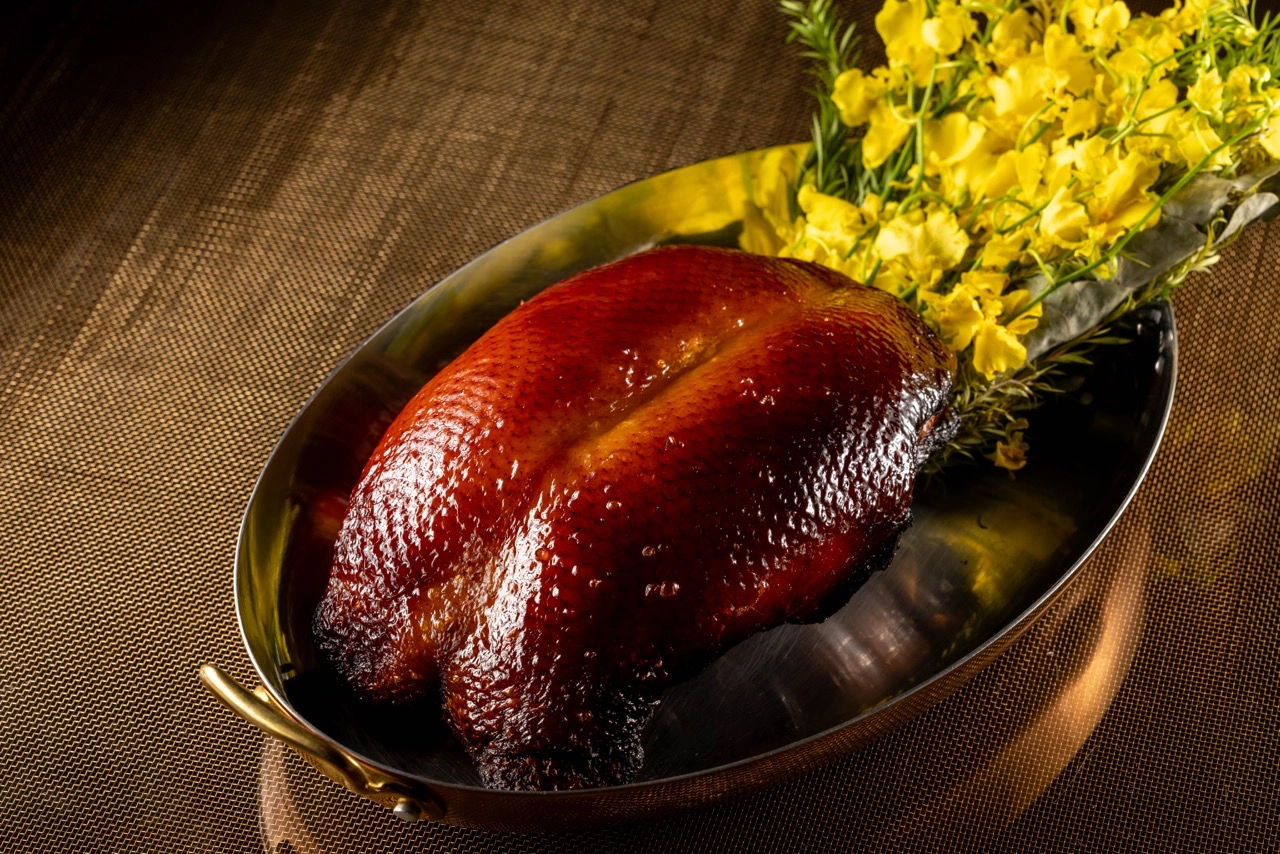
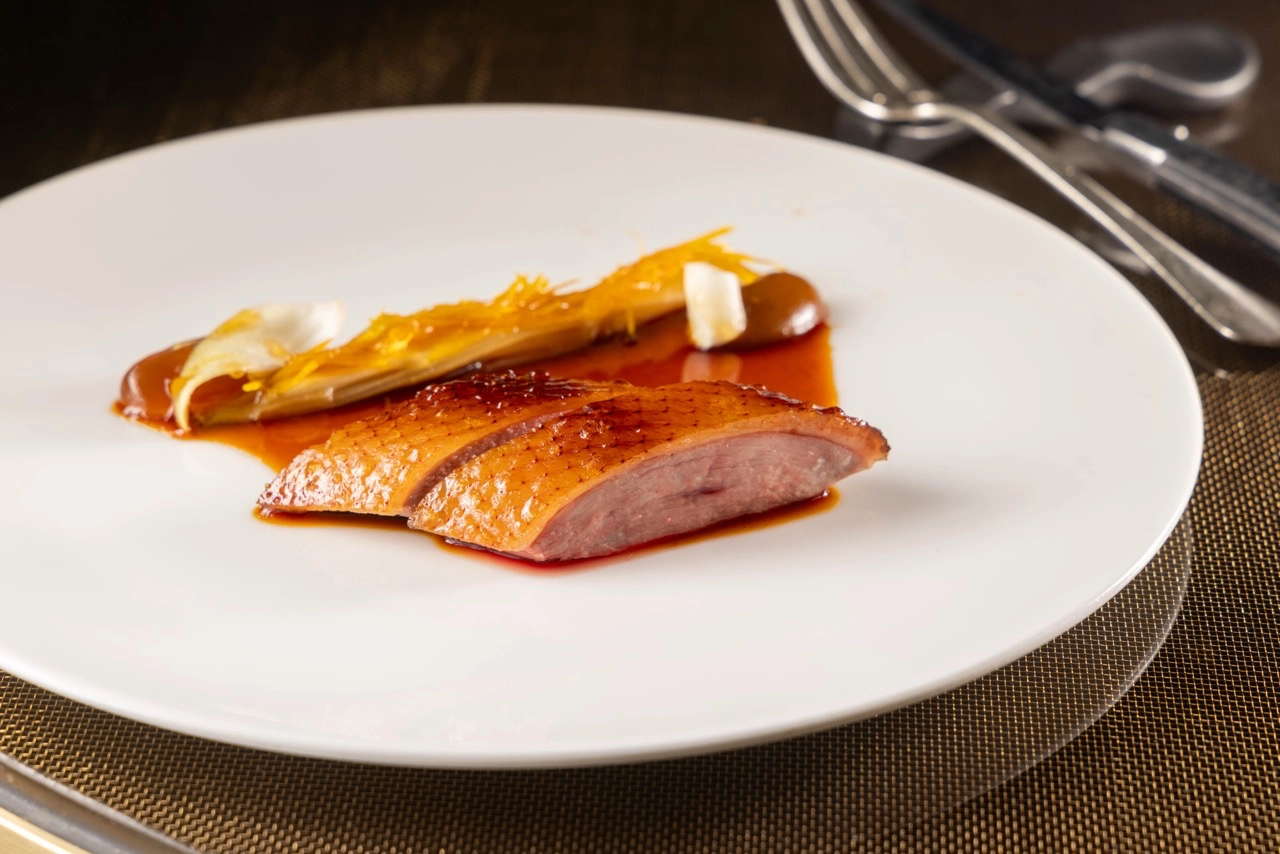
Yet the dish that will remain ingrained in memory is undoubtedly the Aged Rice Duck “à l’orange.” The roast duck is a French classic that Chef Aven took to new, crispy heights through a 21-day dry aging process and saltwater wash that slowly takes away water from the fowl, leaving only the intensity of its juices. The duck is then cooked in high temperatures to yield extra crispy skin unlike any other. Plump and flavorful, it’s balanced out with a timut pepper sauce, endives topped with orange zest, and aged tangerine puree.
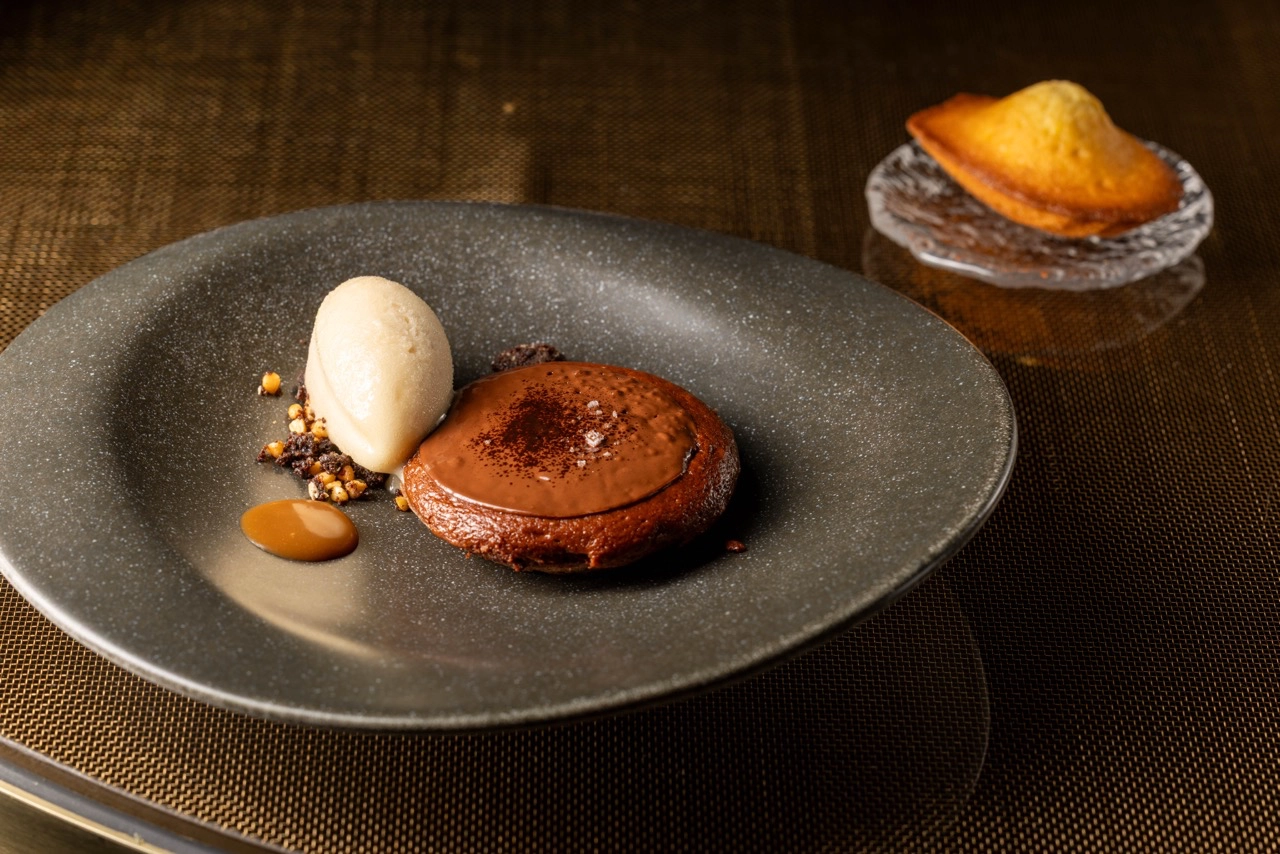
Dessert ended things on an equally high note with a fluffy yet sleek, melt-in-your mouth Chocolate Soufflé Tart, served with a refreshing cacao sorbet.
Buenos Aires Polo Club
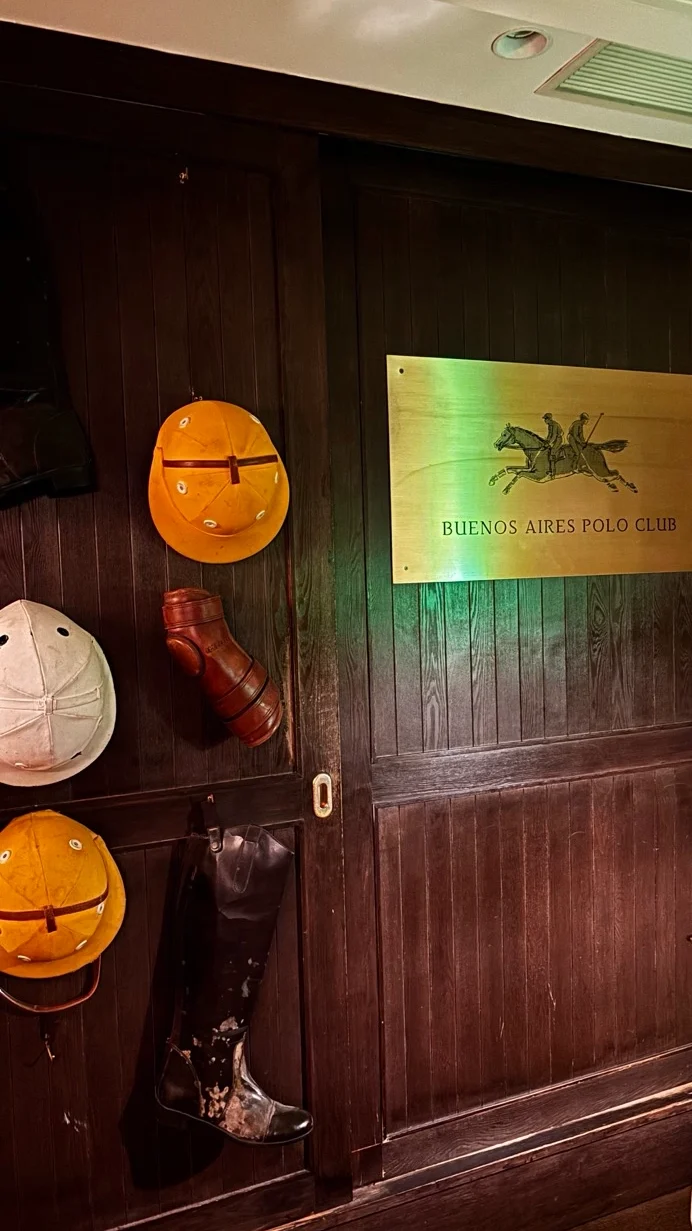
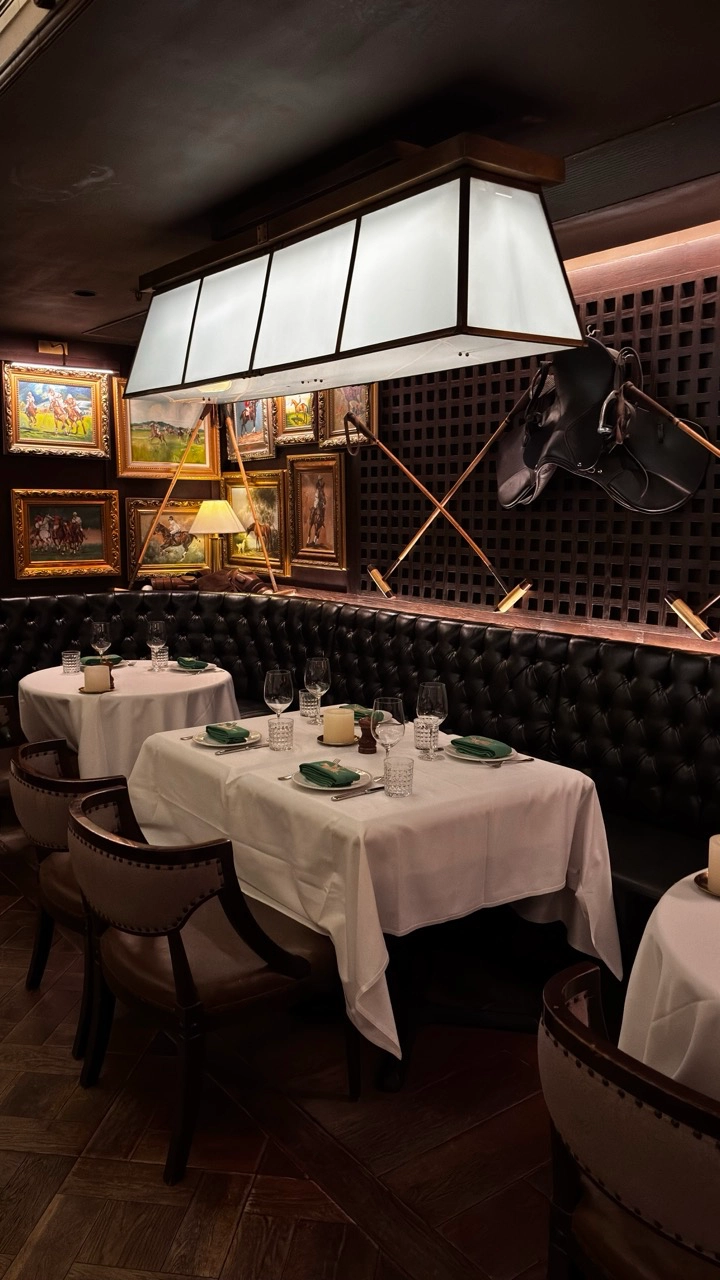
The Buenos Aires Polo Club was an ideal evening stop towards the end of our journey. Vintage, woody interiors and polo-inspired decor give it a rustic, Old World elegance that will color your Happy Hour.
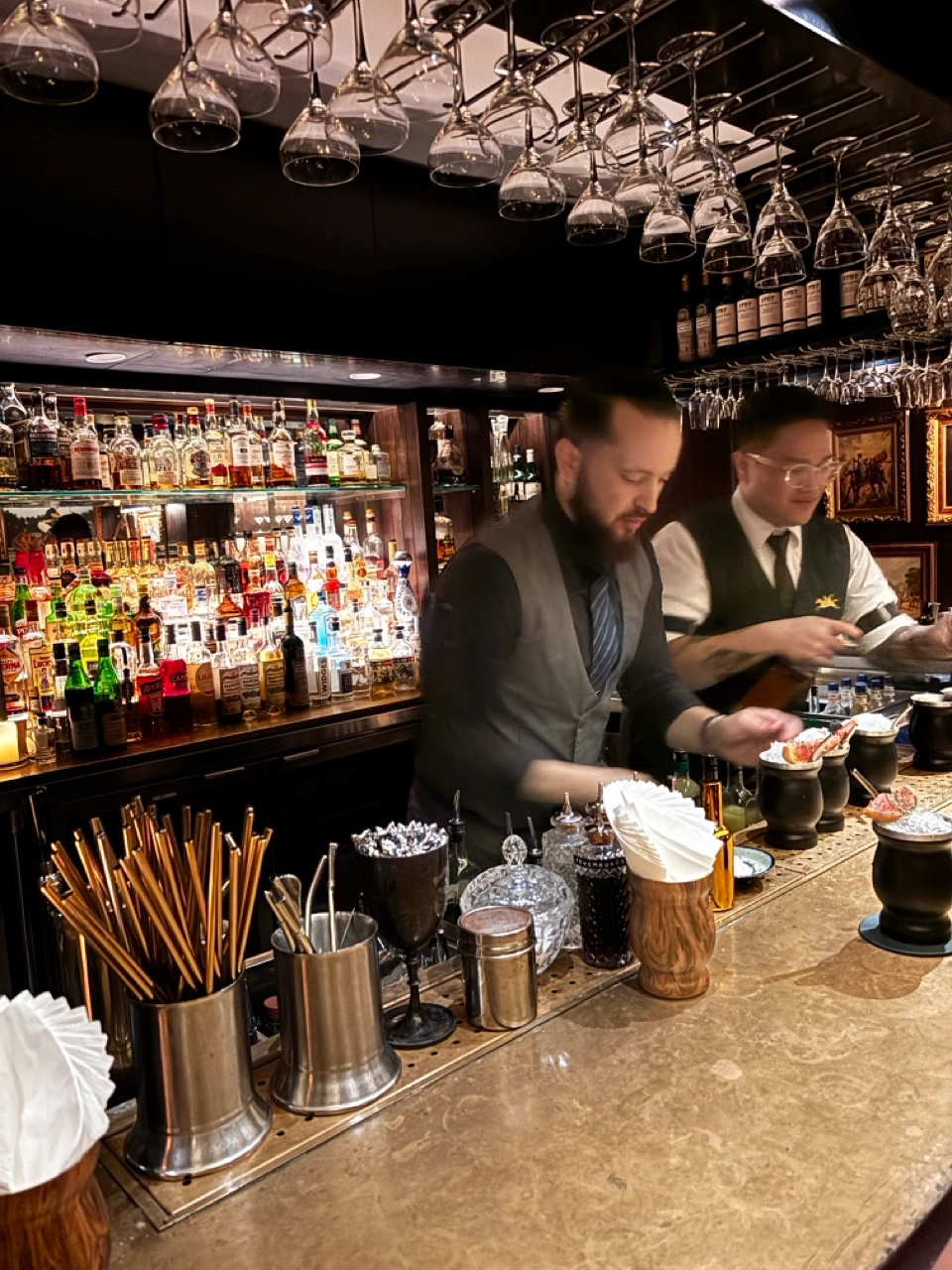
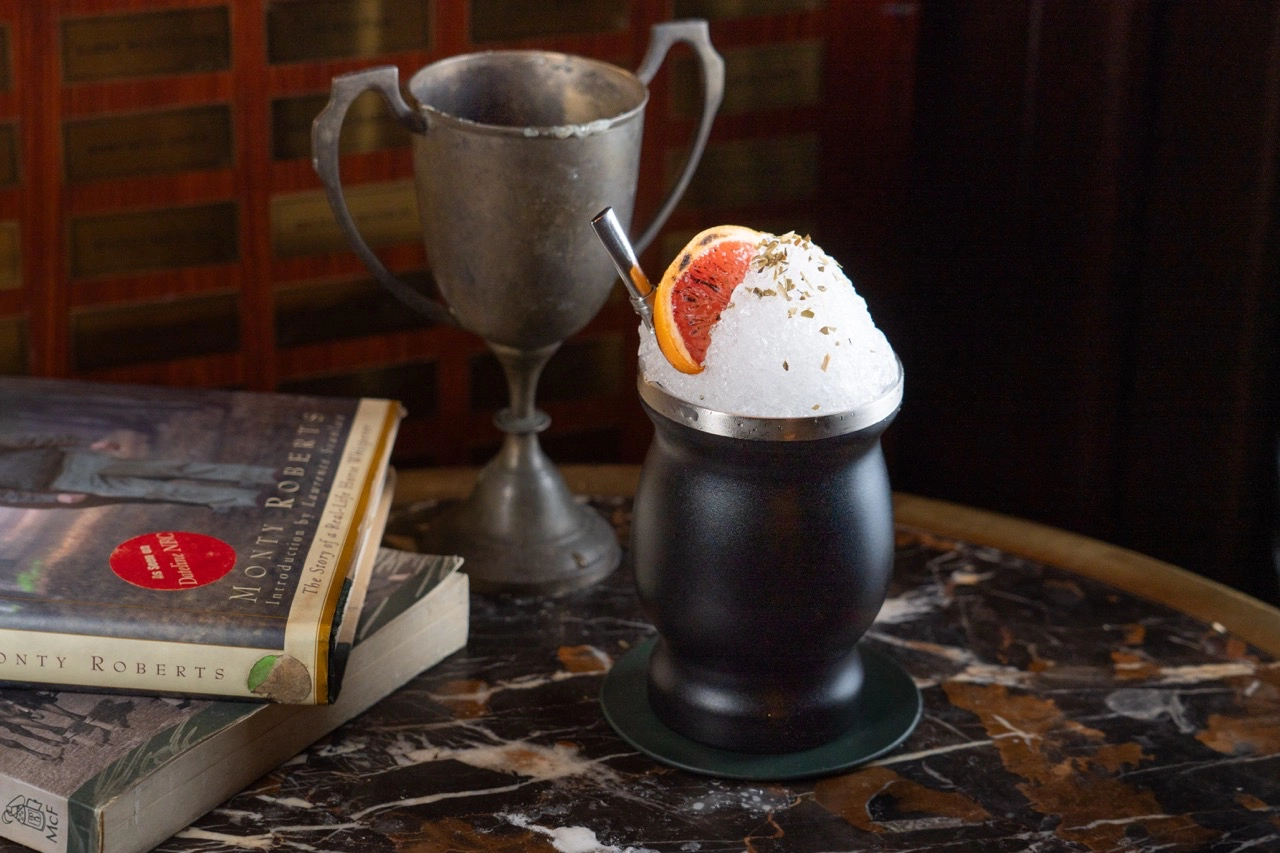
Guests were treated to a fun cocktail workshop under the guidance of Filipino bar manager Jay Vergara and Argentinian mixologist Matias Radici, both of whom were patient and spirited teachers. A cocktail menu inspired by the personalities of real-life racehorses provides a unique experience for guests, a must-try creation being a Yerba cocktail (with a base of authentic yerba mate) that echoes the establishment’s Buenos Aires spirit.
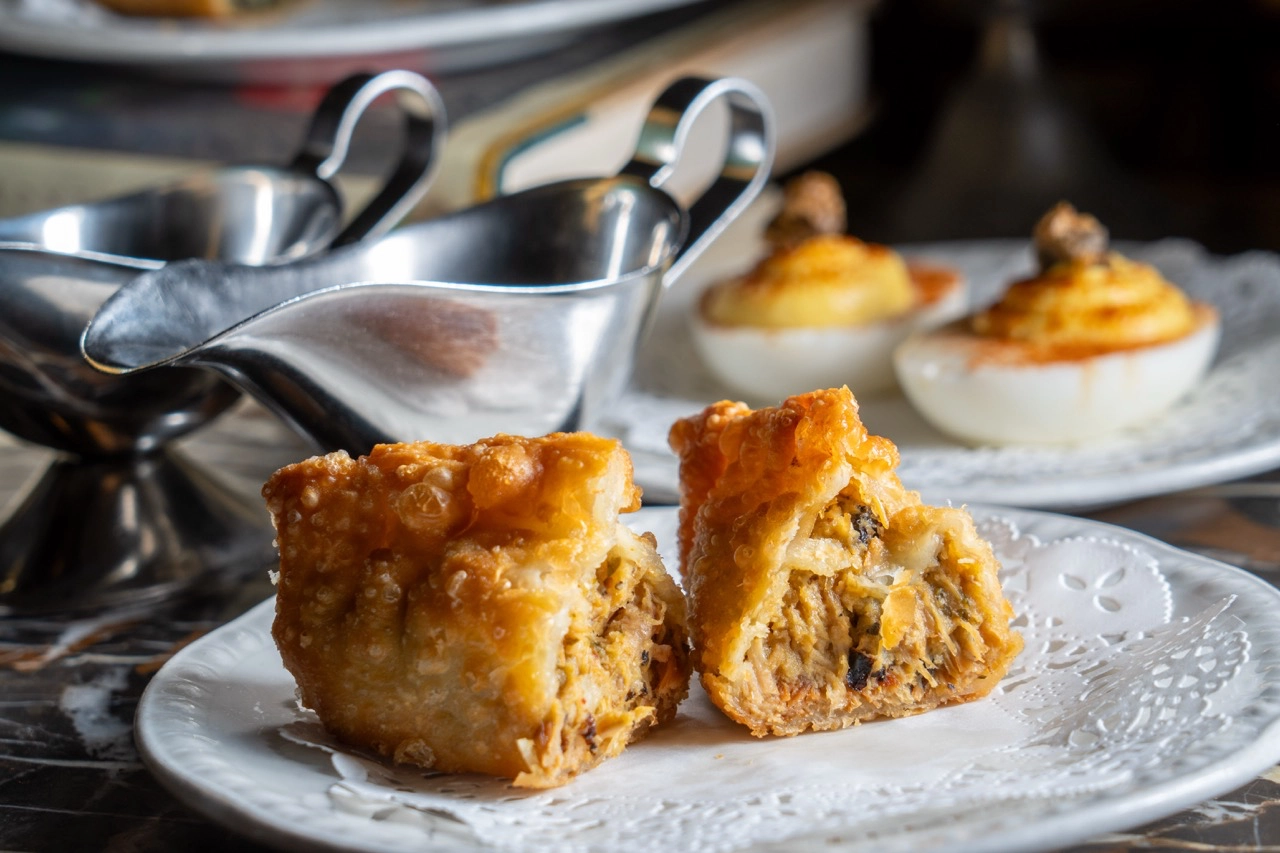
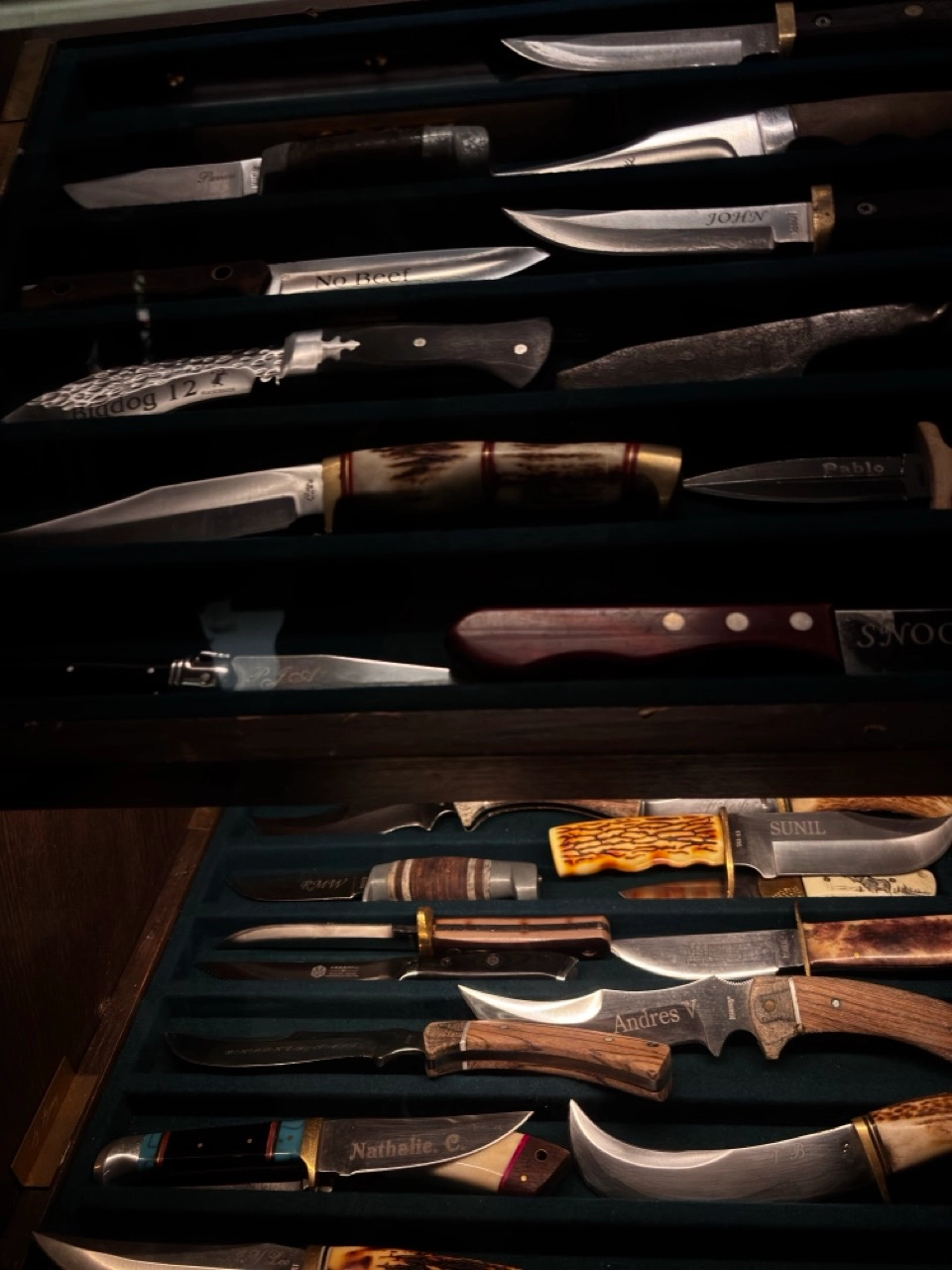
Cocktails were served with hearty sides, including Argentinian-style empanadas: flaky pastries stuffed with meat, or vegetables and cheese—either way, delicious. While we didn’t get to try its meats, it’s worth noting that the Buenos Aires Polo Club is also a steakhouse with a vast collection of knives guests can choose to cut their steaks with. Oh, and if you visit often enough (more than 60 times, to be exact), you get a chance to have your name engraved on a knife of your choice and a plaque by the entrance. It’s a neat little gesture, and a wall of many names showcases how the place is definitely a mainstay among quite a few diners.
Duddell’s
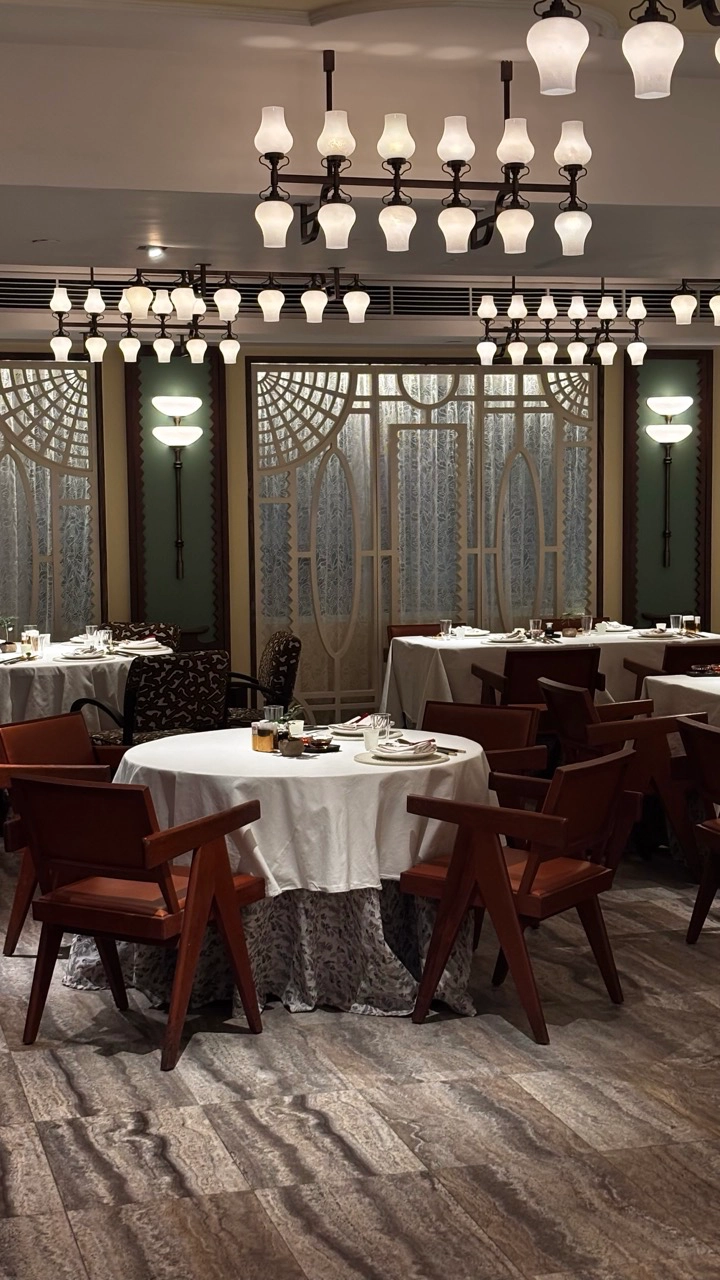
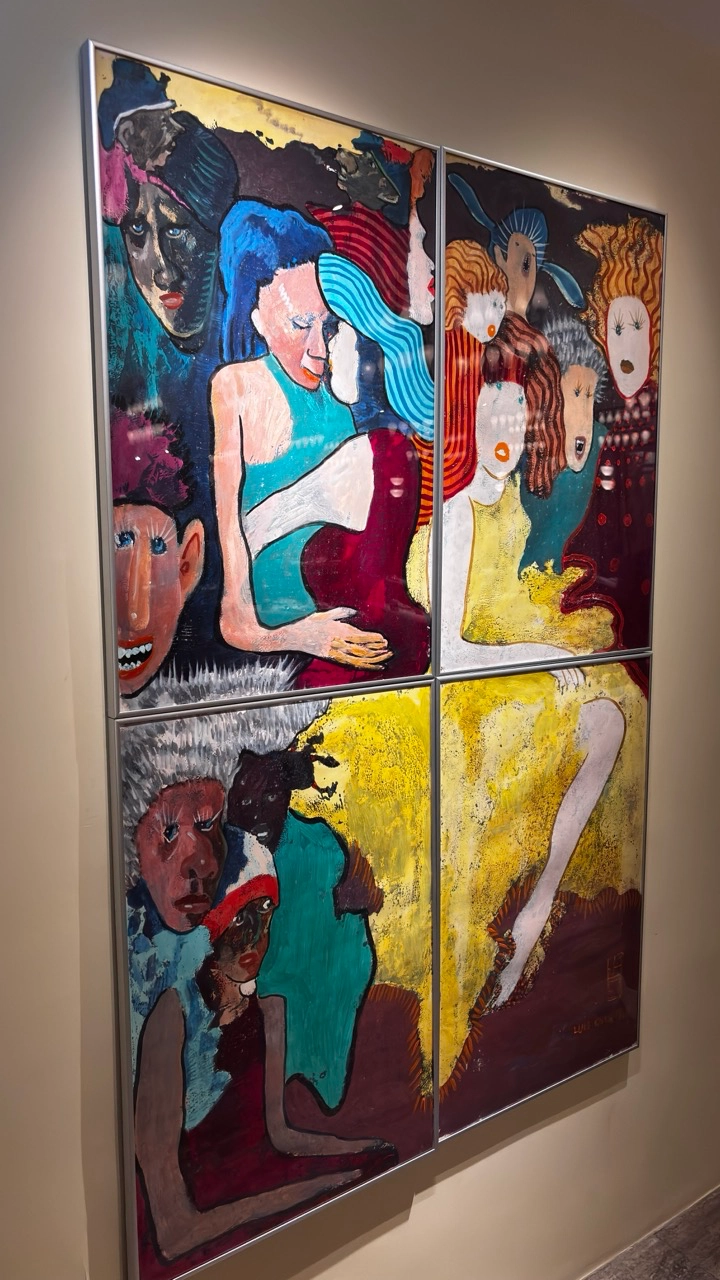
A dinner at the one Michelin-starred Duddell’s concluded our three-day adventure. Packed and buzzing even in the early evening, one can see why it attracts so many visitors: a newly-renovated space blends tasteful modern art with traditional Chinese decor, offering a two-floor space with intimate dining rooms and a stunning al fresco balcony area.
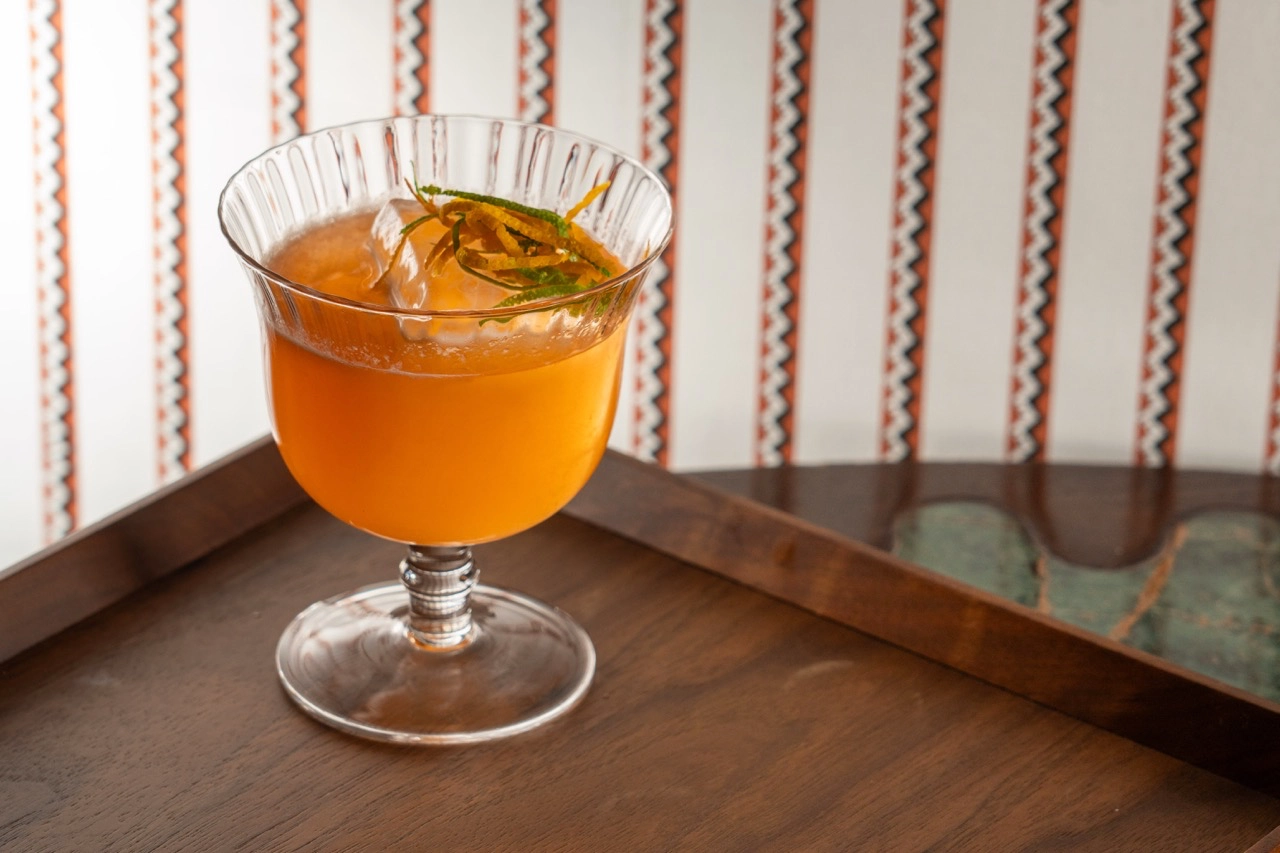
A cocktail menu inspired by feng shui concepts accompanied the menu. Guests got to try the fruity Lake cocktail (jasmine-infused Belvedere vodka, elderflower liqueur, peach, lemon, Peychaud’s Bitters, bergamot mist); as well as the bolder, citrusy Earth cocktail (baijiu, Aperol, pineapple, osmanthus honey, and lime).
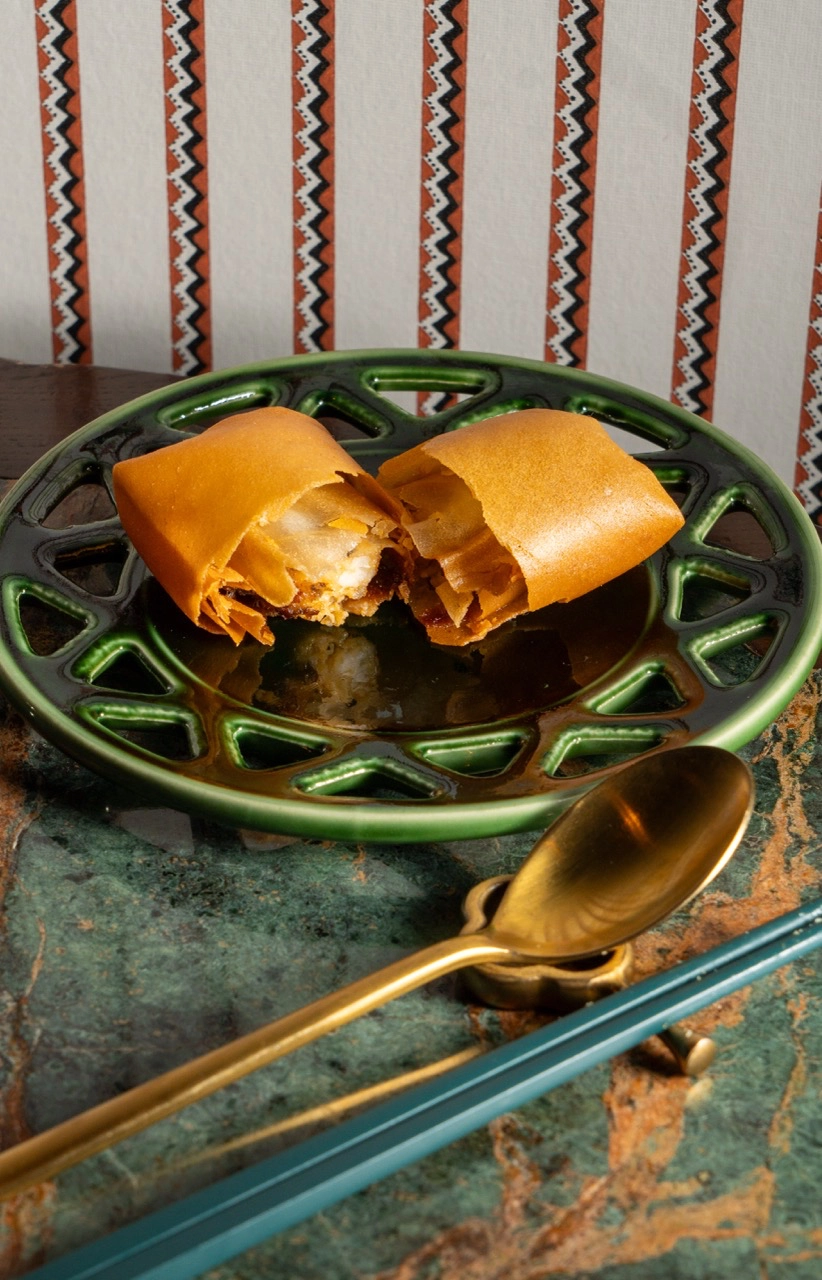
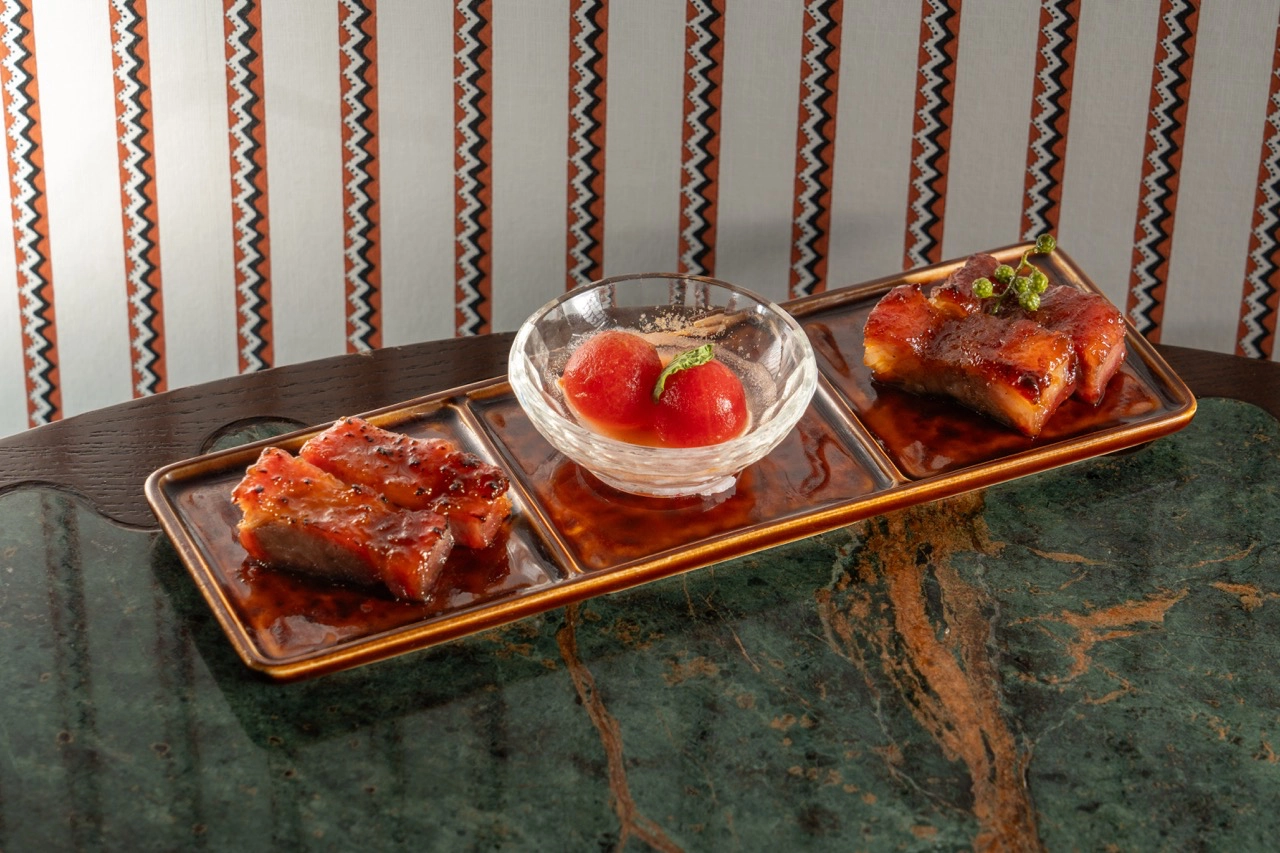
It was a plentiful multi-course menu with some notable standouts. These included the Deep-friend Spicy Mala Lobster Spring Roll, which is a must-try for fans of spice; and the Barbecued Pork Selection, composed of a honey-glazed pork cut and sichuan mala pork cut, paired with sweet yet tart tomatoes that evened out the full-bodied sauces.
While our trip lasted only three days, flavor-wise (and stomach-space-wise, if we’re being candid), it felt like an odyssey in its own right, one that revealed how gastronomy is a living dialogue: among cultures and traditions, diners and chefs, producers and creators, and the past and present—all of which you’ll find in a Fragrant Harbor just a stone’s throw away from our own colorful archipelago.
Photos courtesy of the Hong Kong Tourism Board (unless specified).