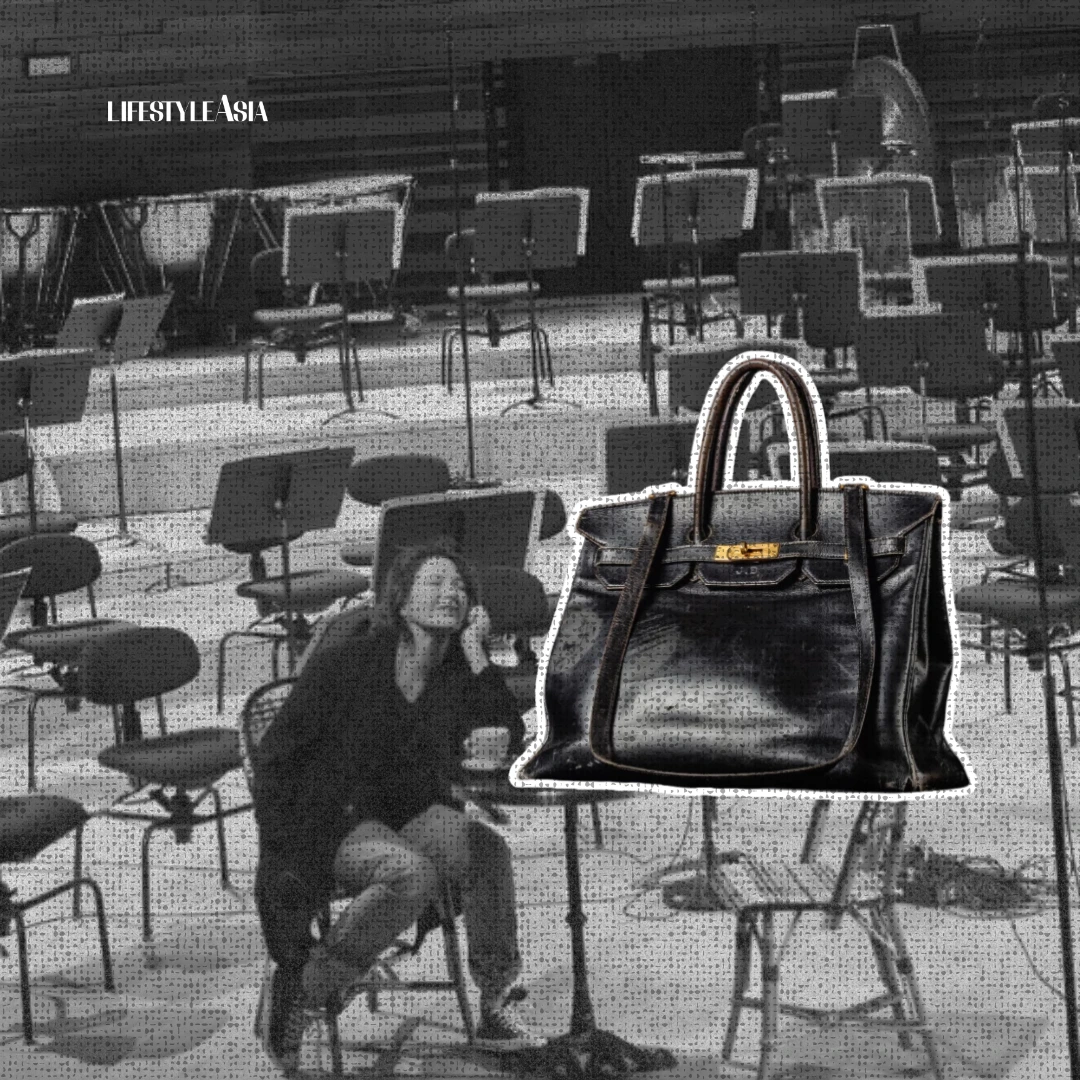
From personal initials to rare design elements, Jane Birkin’s original Hermès Birkin bag fetched $10.1M at auction.
Usually, scuffed, worn, and heavily scratched bags are sold at lower prices on the second-hand market. However, this isn’t the case if the bag once belonged to an icon like Jane Birkin. The original Birkin—yes, the prototype Hermès gave Jane Birkin in 1985—was officially sold at auction by Sotheby’s as part of its Fashion Icons sale in Paris.

Reports from Sotheby’s revealed that the bag was sold for €8.6 million (approximately $10.1 million or PhP 570,286,400). Even before the fierce bidding battle began, there was an advanced bid for €1 million—already breaking records from past Sotheby’s auctions. Before this sale, the record for the highest bid for a single handbag was a $513,040 bid for a Niloticus Crocodile Diamond Retourne Kelly 28.
According to Sotheby’s, the winning bidder is a private collector from Japan. Sellier Knightsbridge, a second-hand luxury bag retailer, had a representative at the auction and shared their account. In a video, they claimed to know who the private collector is, and they had received information indicating the buyer was willing to pay €10 million for the bag.
READ ALSO: Culture In Fashion: Tracing The Roots Of Trends
What Makes Jane Birkin’s Bag Special?
Aside from being owned by the very person the iconic bag was named after, Jane Birkin’s bag is the original prototype gifted to her by Hermès in 1985. The rich history behind the bag is one of the key reasons it broke world auction records. Furthermore, as the prototype, it features certain elements that cannot be found in any modern Birkin today.
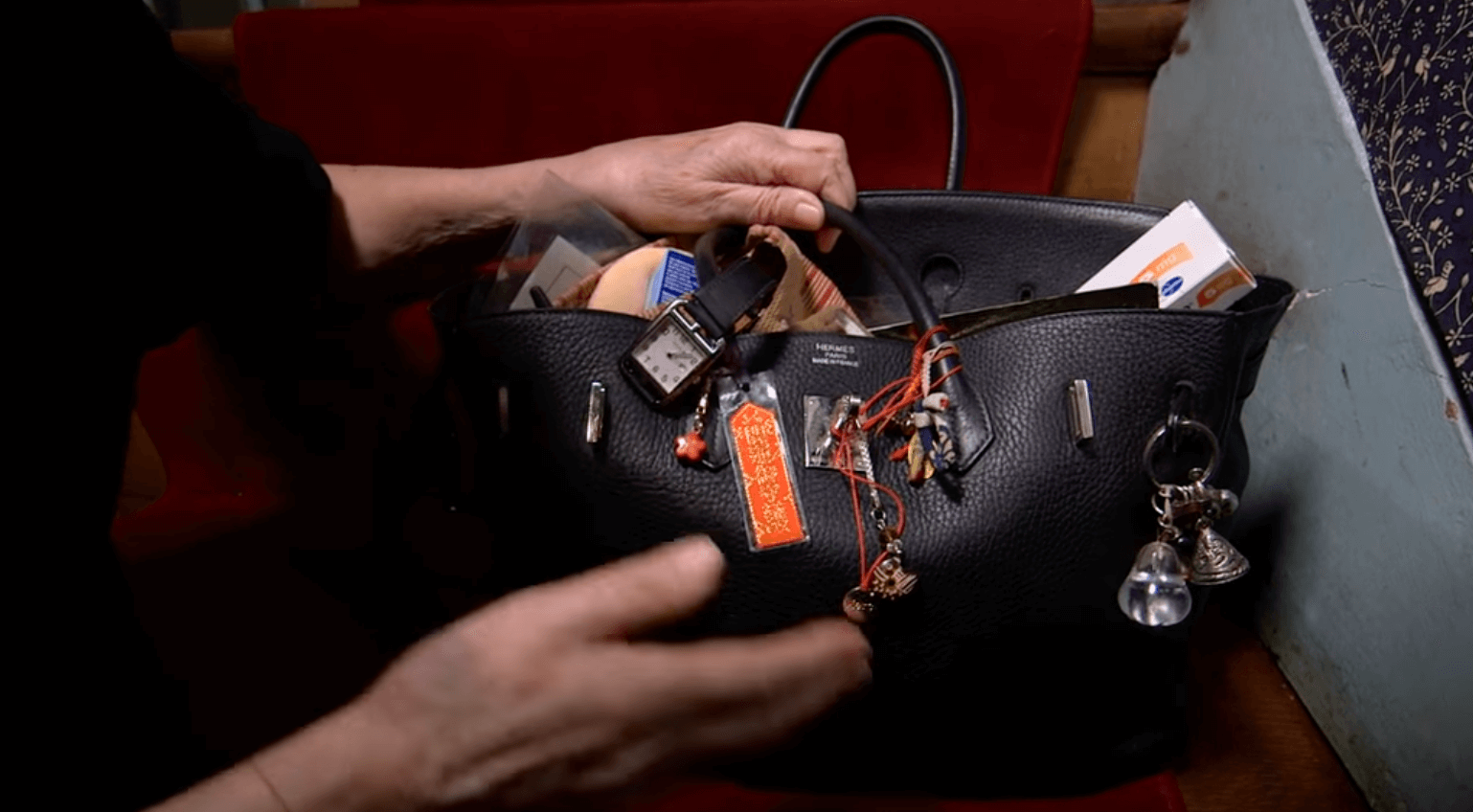
History Of The Birkin
The genesis of the iconic Birkin bag can be traced back to a serendipitous encounter between acclaimed actress Jane Birkin and Jean-Louis Dumas, then-chairman of Hermès, during an Air France flight. Birkin, who was traveling with her young daughter Charlotte, expressed her frustration to Dumas over the lack of a spacious, practical bag that could accommodate the demands of her daily life as a young mother. Inspired by her dilemma, Dumas resolved to design a custom bag just for her.
In 1985, Hermès presented Birkin with the newly crafted bag and, in a gesture of profound respect and recognition, asked her permission to name the model after her, thus solidifying its legendary status.
Special Elements
According to Sotheby’s, there are seven distinct features that the prototype Birkin has:
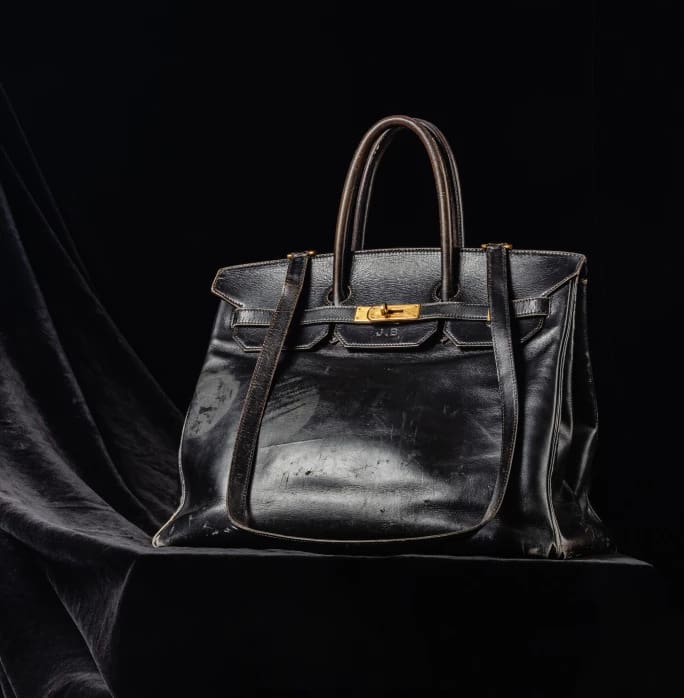
Dimensions: The initial Birkin bags crafted by Hermès were sized at 40, followed by 35. This particular bag, however, represents a blend of these dimensions, featuring the width and height of a Birkin 35, yet retaining the depth of a Birkin 40.
Metal Rings (Pontets): The metal rings on this prototype are closed, akin to those found on the HAC model. Subsequently, the rings on commercially sold models remained open at the bottom until the early 1990s, at which point they were replaced by the open-top rings still in use on current models.
Hardware: This bag also showcases the brand’s evolving material choices. It is equipped with gilded brass hardware, a feature that was superseded by gold-plated hardware (marked with a check) upon the Birkin’s initial launch. Hermès later broadened its offerings to include hardware in rose gold, palladium, or ruthenium.
Inner Zip: During the production of this prototype, Hermès sourced its zippers from the “éclair” company. In the 1990s, Hermès forged a partnership with the Riri company, which continues to manufacture all zippers for Birkin bags.
Bottom Studs: The bag’s feet, or bottom studs, are noticeably smaller on this prototype compared to those eventually adopted by Hermès for commercially produced Birkin bags.
Shoulder Strap: The Original Birkin is distinguished by a shoulder strap, a feature not carried over to the commercialized model. While a limited editionLimited EditionA product made in a restricted quantity, often numbered or released for a set period, making it scarce and highly collectible. Limited editions, from watches and handbags to spirits andGo to Limited Edition Glossary Birkin with a detachable shoulder strap was released in the 1990s, the Original Birkin remains unique in possessing a non-removable shoulder strap.
Stamped Initials: Adorned with her initials, “J.B.,” on its front flap, Jane’s original Birkin was a deeply personal emblem. It quickly became an inseparable companion, often cradled close and carried everywhere.