Jenny Humphrey–like runway looks, flannels, distressed denim: we break down the revival of grunge chic while giving tips on how to master the style today.
Earlier this year—or even just a month ago—everyone seemed convinced that 2026 would be the new 2016. But style predictions, as always, are proving more layered. With bebot and kikay makeup trends steadily taking over our FYPs, 2026 is becoming more a series of revivals encompassing early 2000s trends—2009 grunge chic included.
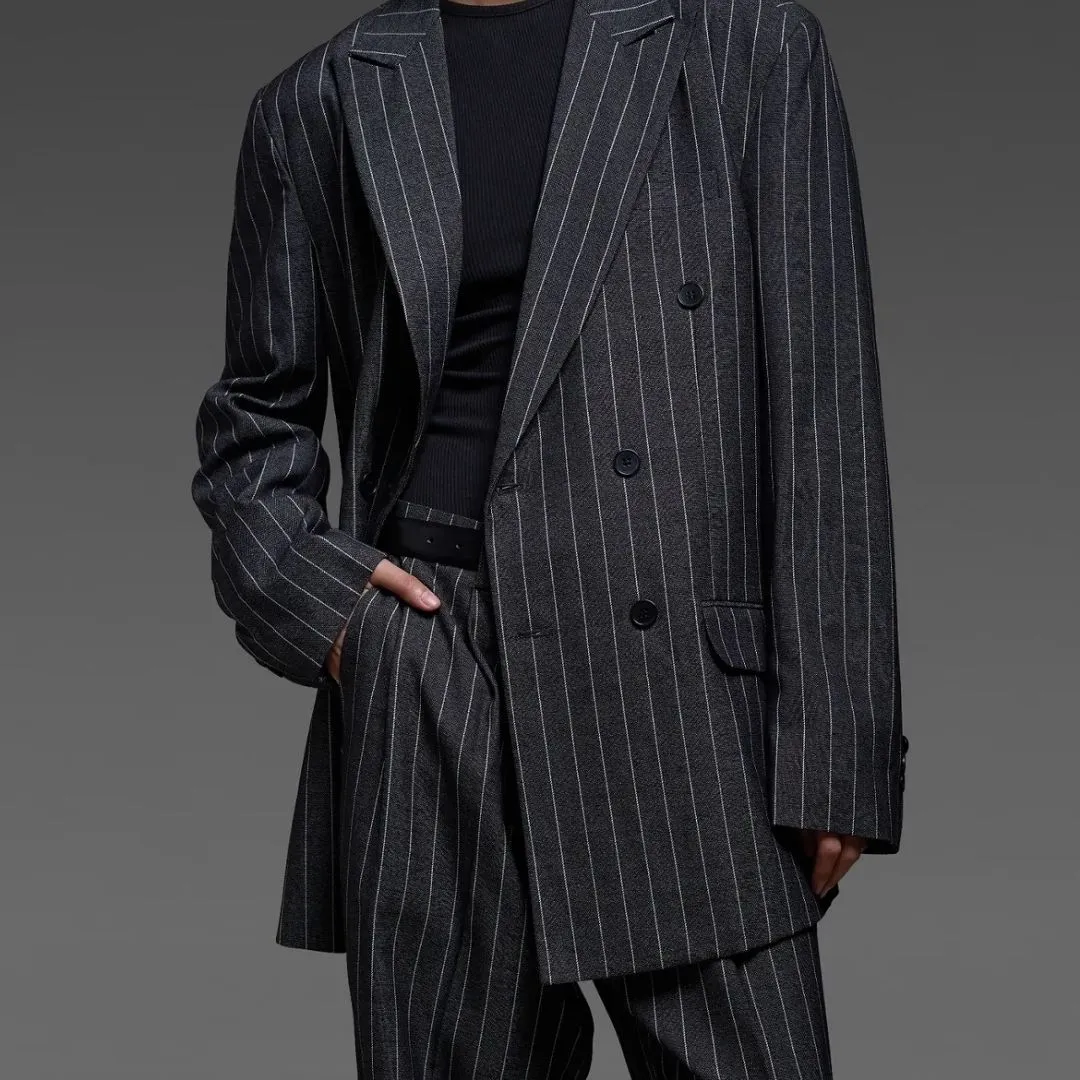
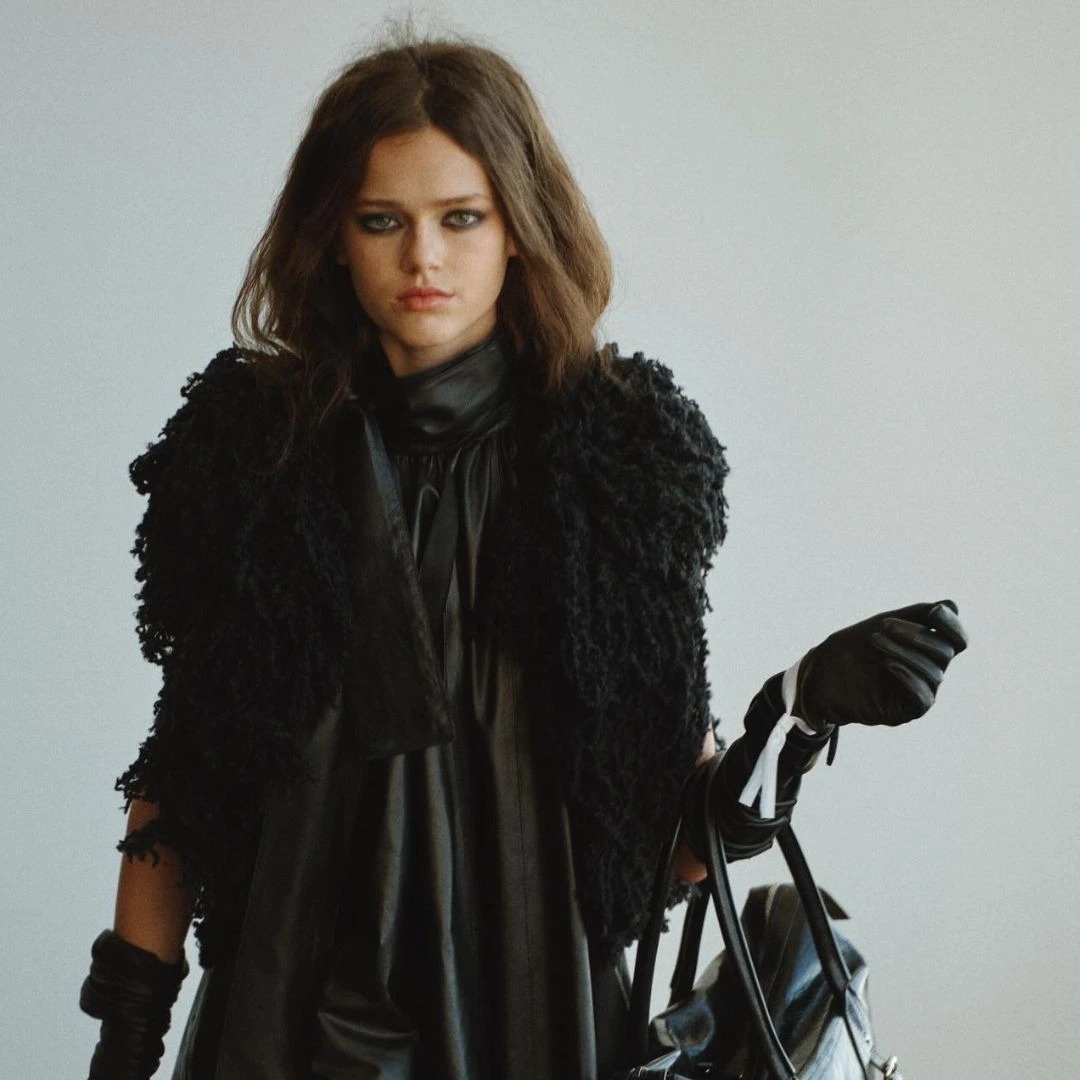
A week ago, Seven For All Mankind, the American designer brand, debuted its Fall 2026 Ready-to-Wear collection at New York Fashion Week. It quickly took the internet by storm, largely because it reminded viewers of a beloved Gossip Girl character: Jenny Humphrey. Across Instagram and TikTok, users described the pieces as clothes Jenny would’ve created if she had gone to fashion school, just as she always dreamed of doing.
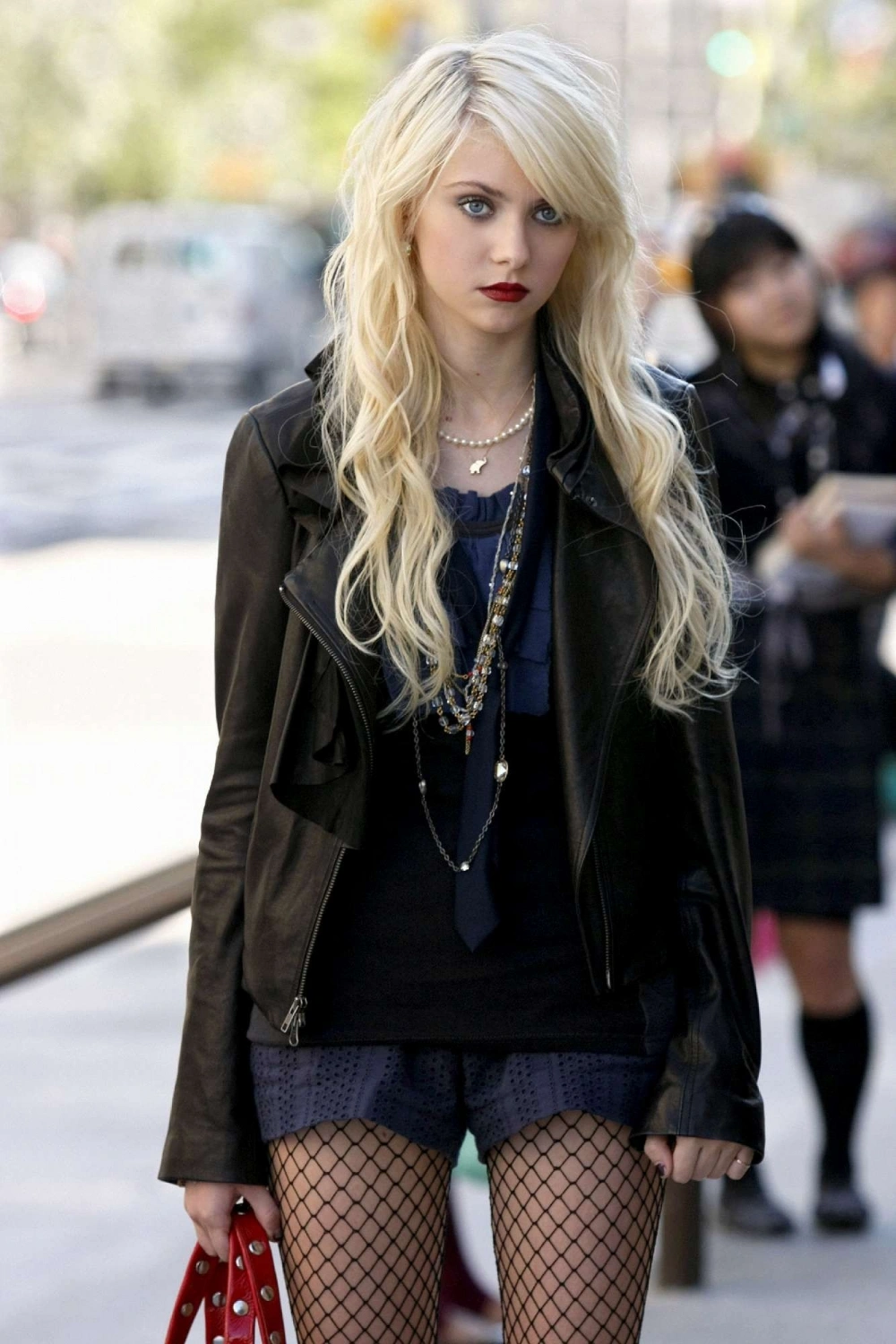
The collection also sparked conversations about the possible return of “grunge chic”—a style many loved and left behind in 2009. With its revival seemingly on the horizon, we revisit what it truly takes to emulate the stylish grungy girl of that era.
READ ALSO: Swipe For Happiness? The Real Deal On Retail Therapy
What Is Grunge Chic?
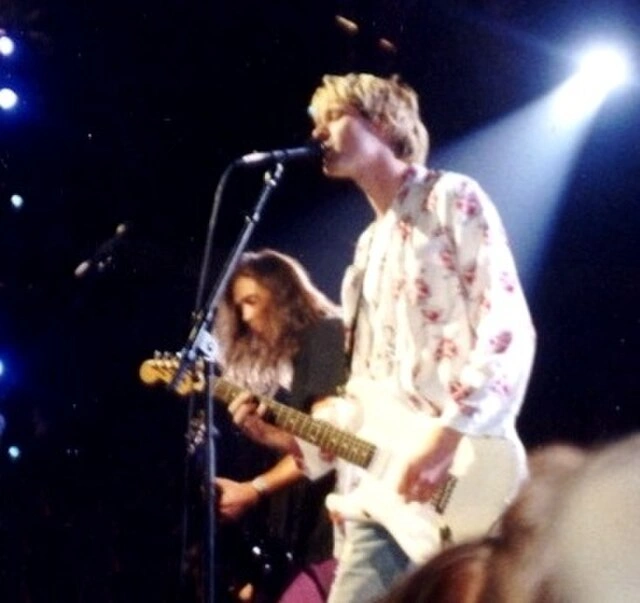
Grunge chic is the product of the original grunge aesthetic’s evolution, a fashion identity born out of the Pacific Northwest’s music scene in the late 1980s and early ’90s, which embraced authenticity, rebellion, and the anti‑fashion sentiment. Grunge rejected trends in favor of attitude, deliberately moving away from the glamor of polished silhouettes and toward something raw, real, and self-styled.
Originally, grunge emerged alongside alternative rock bands like Nirvana, Soundgarden, and Pearl Jam, where look and lifestyle were inseparable from the underground music cultureCultureshared traditions, beliefs, values, customs, arts, and social practices that define the identity and way of life of a community, society, or nation.Go to Culture Glossary. Instead of sleek, coordinated outfits, grunge fashion prized thrifted layers, worn‑in denim, oversized flannels, and combat boots—essentially clothes that looked like they’d been thrown on, resulting in a chaotic arrangement with an appealing edge.
Grunge chic takes that ethos and refines it for the fashion‑savvy. It’s not just messy for the sake of being messy: it’s a version that combines grunge’s signature rough‑around‑the‑edges pieces with more considered styling. It’s distressed denim matched with a tailored leather jacket, plaid shirts layered over minimalist basics, and chunky boots grounded with accessories that feel personal rather than trendy.
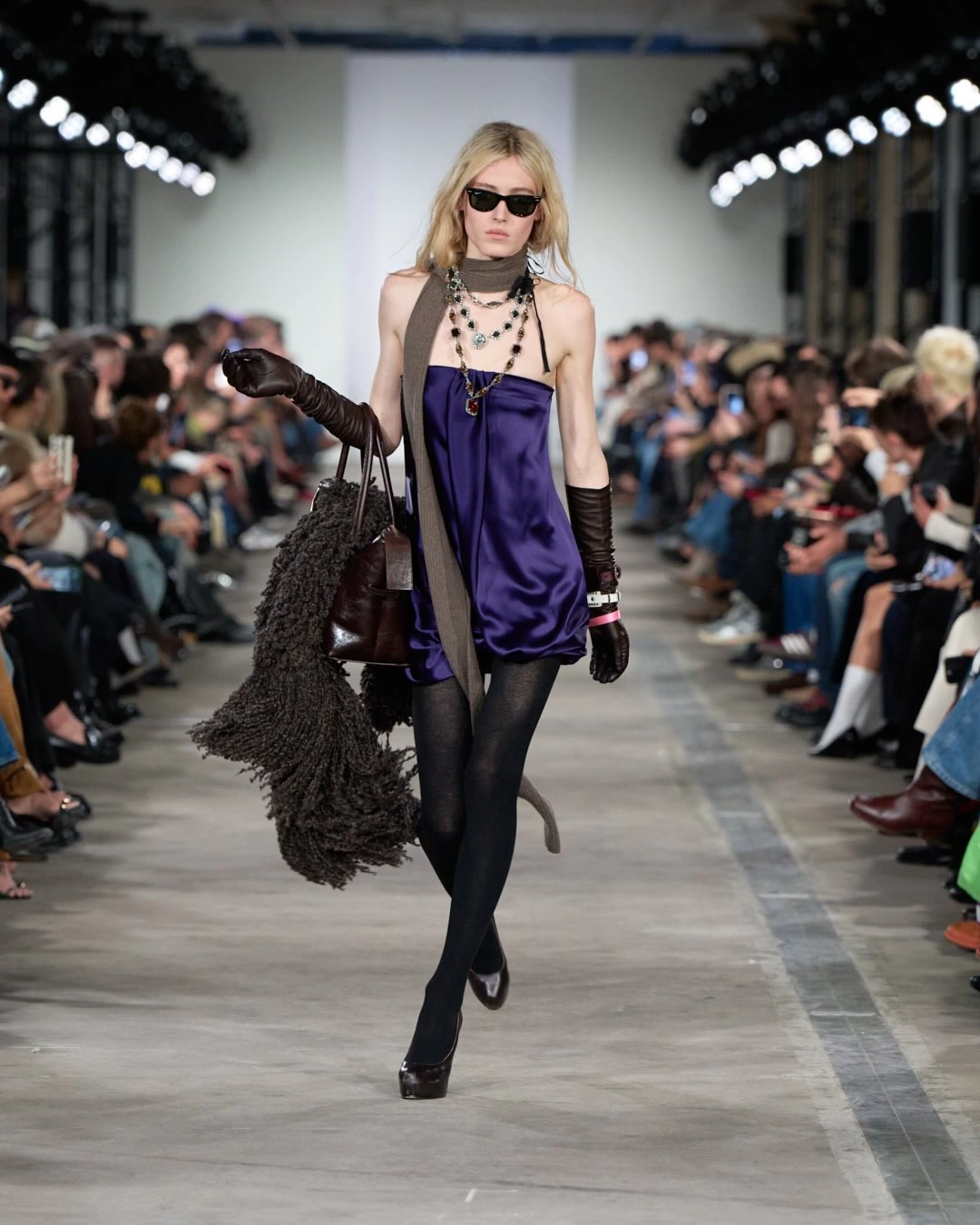
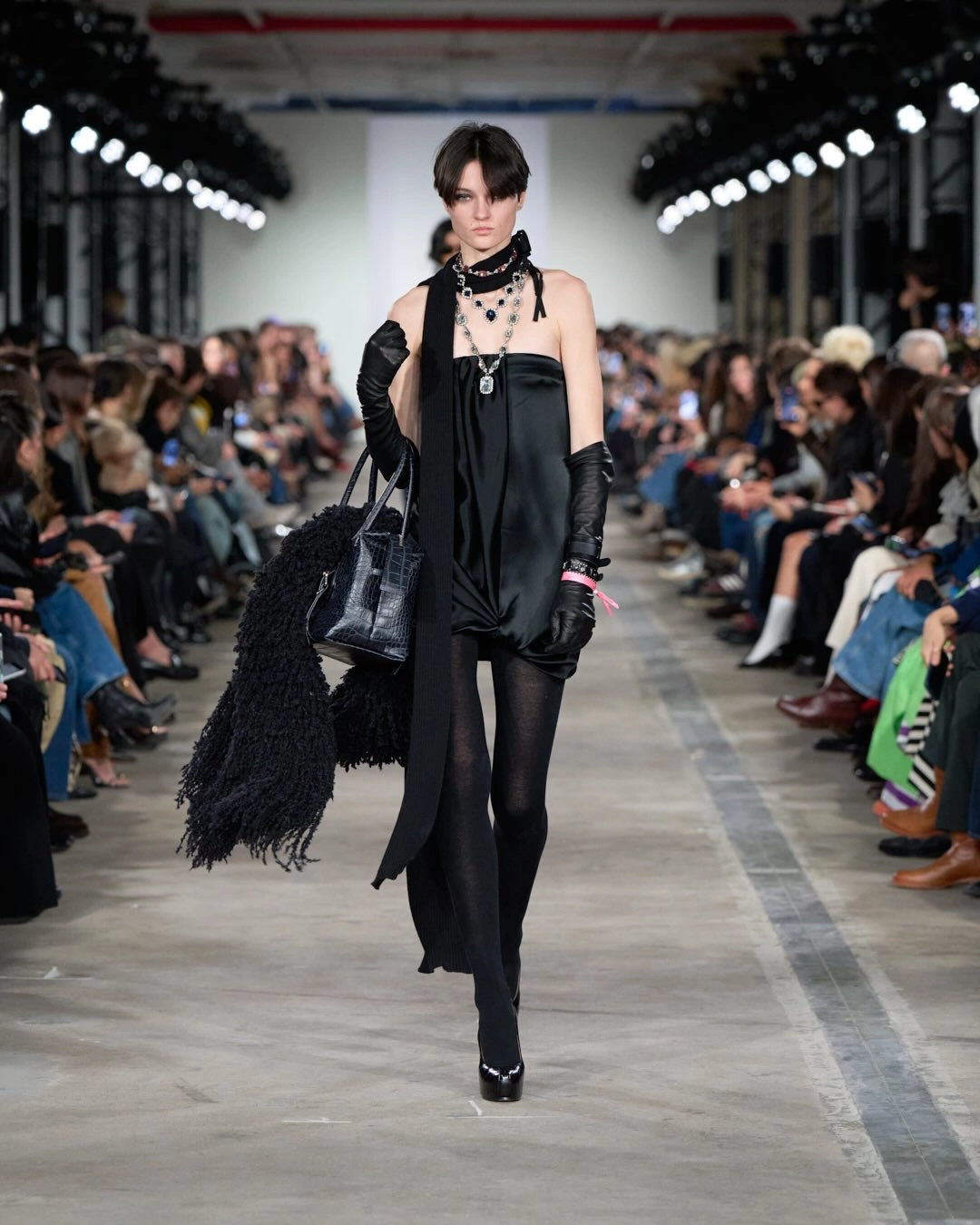
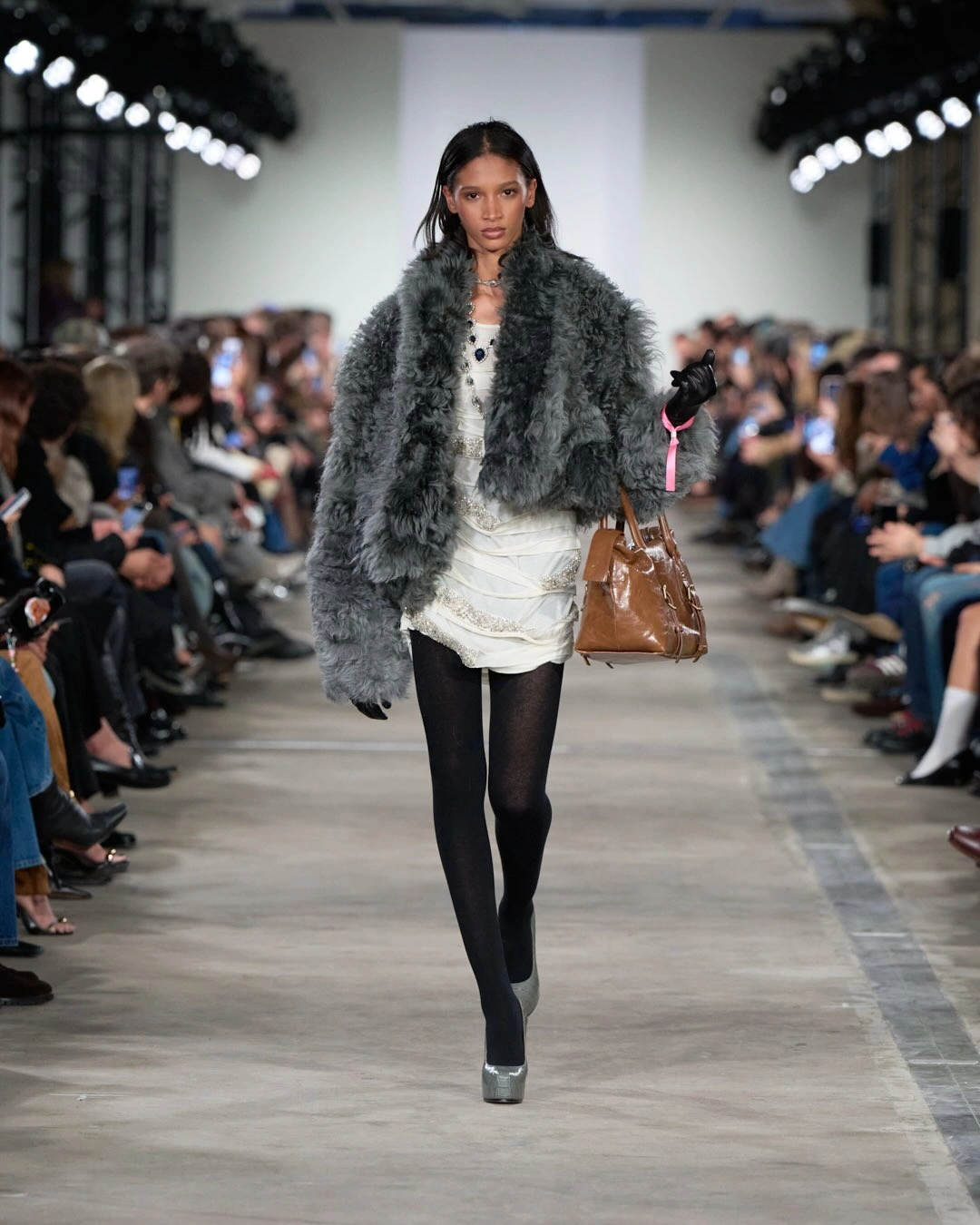
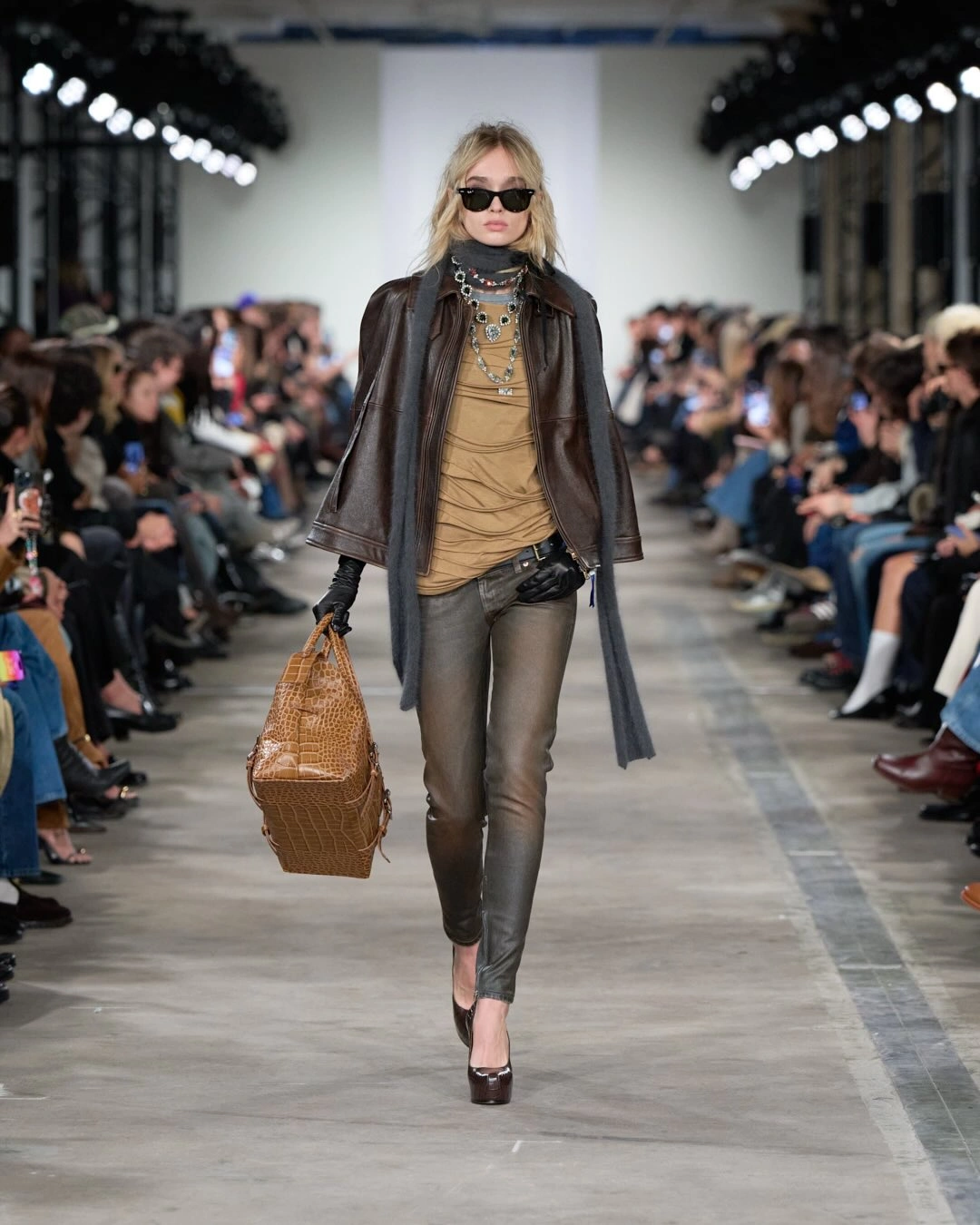
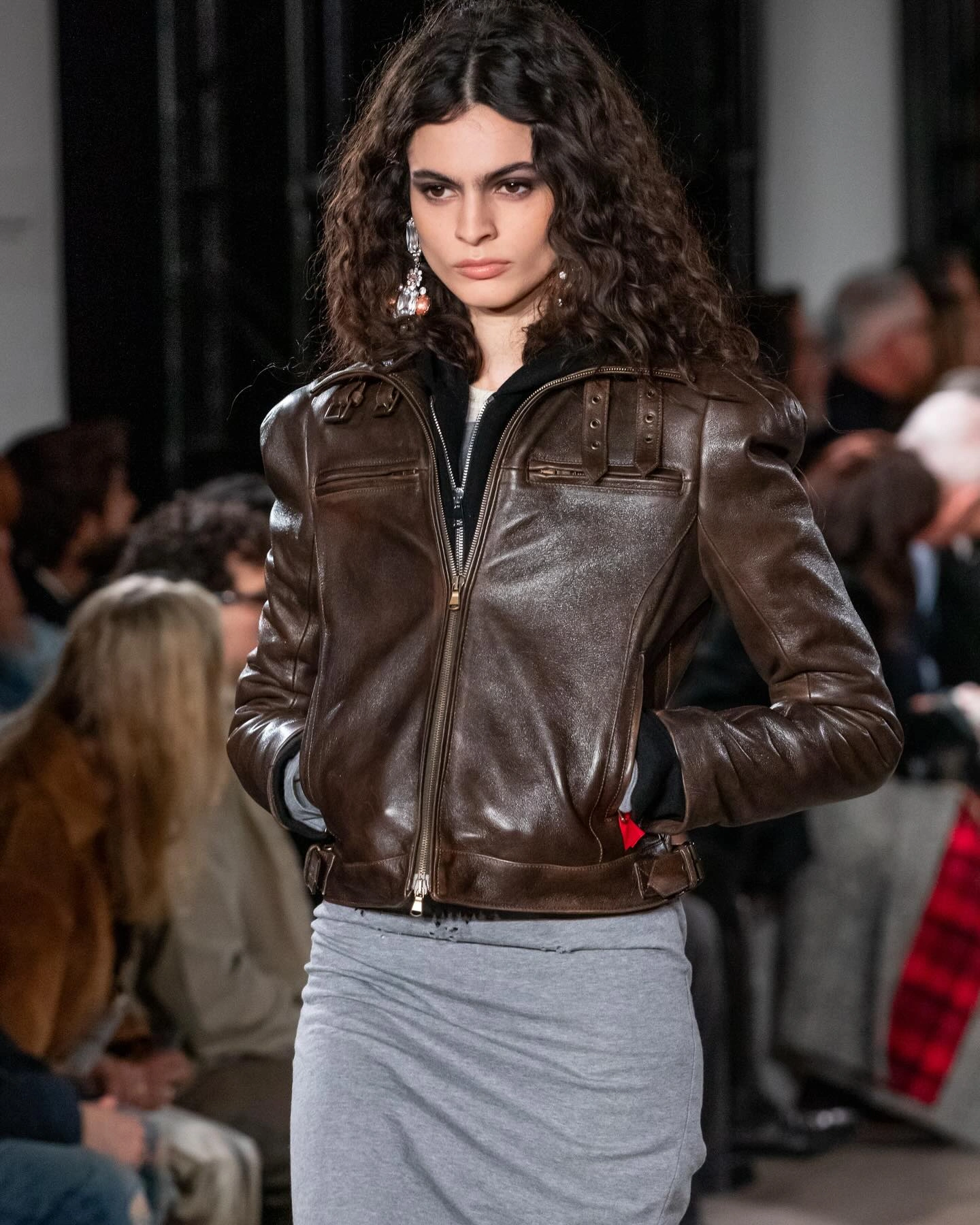
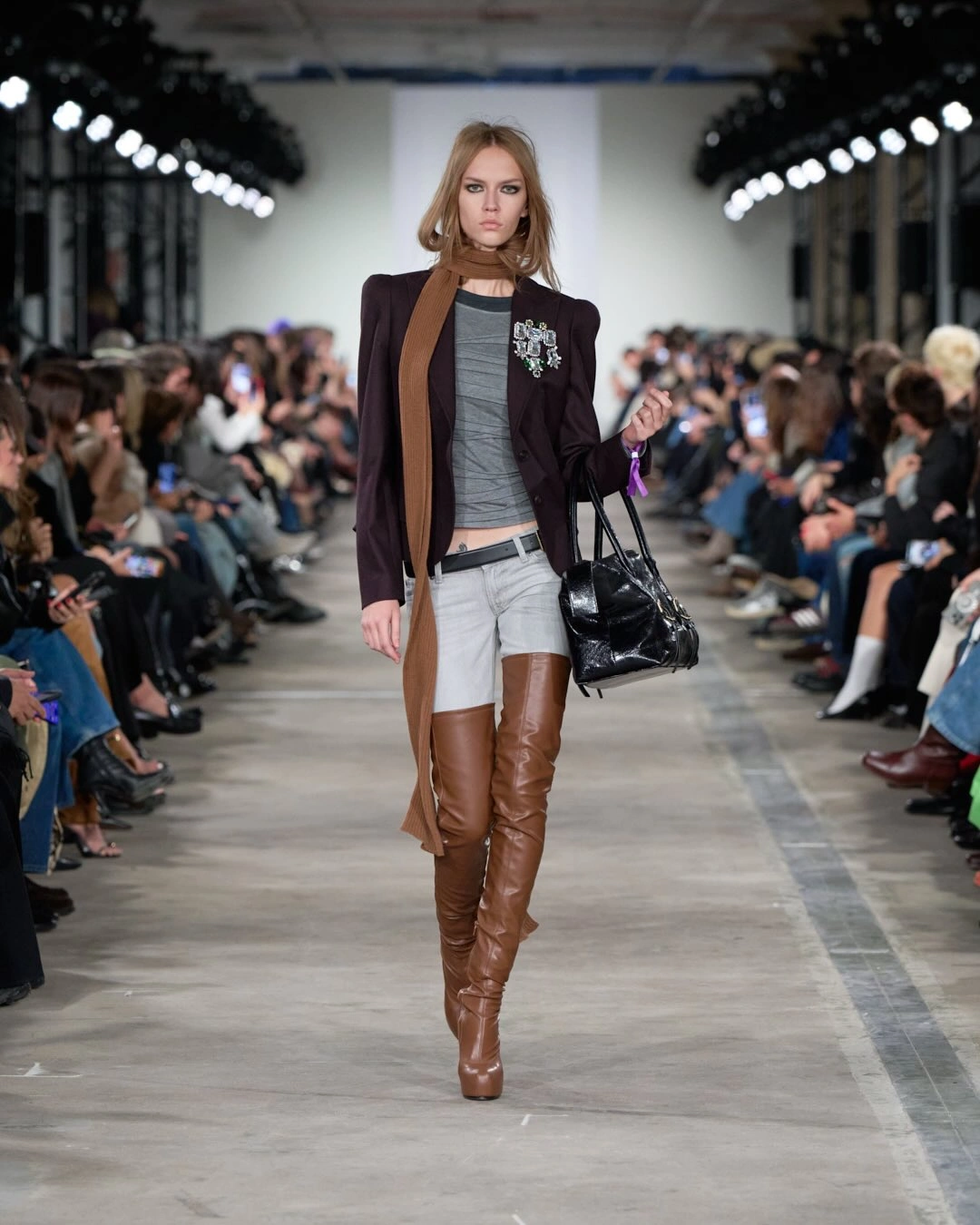
The grunge chic palette usually leans toward dark, muted tones: black, grey, burgundy, deep greens, while textures like distressed cotton, flannel, and leather contrast with softer knits and unexpected touches of tasteful tailoring. By balancing gritty elements with wearable sophistication, grunge chic captures counterculture nostalgia, enhancing it with the modern desire for individuality over conformity, then translating it into something for the runway. If the trend sounds like it’s contradicting its anti-fashion origins, that’s because it sort of is—but that in itself is a fascinating, viral-worthy paradox to witness.
Banner photo via Instagram @7forallmankind.
Frequently Asked Questions
The grunge chic revival is a high-fashion interpretation of early 1990s counterculture and 2009 television costuming. The aesthetic softens historical anti-fashion sentiments by pairing distressed denim, dark plaid textiles, and oversized silhouettes with meticulous tailoring and luxury materials.
Seven For All Mankind accelerated the trend during New York Fashion Week by debuting a Fall 2026 Ready-to-Wear collection heavily anchored in dark, muted layers and raw-edge materials. Fashion critics and digital spaces quickly likened the presentation to the signature style of Gossip Girl character Jenny Humphrey.
The original grunge aesthetic emerged from the Pacific Northwest music scene during the late 1980s and early 1990s, heavily popularized by alternative rock bands such as Nirvana, Soundgarden, and Pearl Jam. The subculture championed thrifted utility garments, combat boots, and flannels as a direct rejection of corporate glamour.
Unlike the original 1990s movement that focused purely on anti-establishment thrift culture, the 2026 iteration balances grit with luxury refinement. It juxtaposes traditionally unpolished elements, like frayed fabrics or heavy knits, against sharp leather silhouettes, minimalist wardrobe staples, and premium hardware.
The resurgence of grunge chic coincides with the popularity of regional digital beauty subcultures on platforms like TikTok, notably the Filipino bebot and kikay aesthetics. These trends blend early-2000s hyper-feminine, nostalgic styling with soft, smudged cosmetics, creating a visual paradox when juxtaposed with the heavy leathers, dark palettes, and structural grit of runway-inspired grunge.