
From dopamine highs to “consumption hangovers,” learn how retail therapy works and why lasting happiness comes from more than just shopping.
There are days when it feels like the world is conspiring against you. Sometimes it’s the minor inconveniences—your condo elevator taking too long when you’re already extremely late for a meeting. Other times, it’s the bigger, spirit-crushing moments, like a costly mistake at work or being trapped in traffic for three exhausting hours. We all cope differently: some hit the gym, others take a mental health walk. And then there are people like me, who manage stress by swiping a card through a terminal in exchange for a few, or perhaps not-so-few, paper bags filled with goodies. Yes, I’m talking about retail therapy.

For years, retail therapy has been “marketed” as a remedy for bad days. Generally speaking, buying something for yourself, whatever it may be, does feel good. It lifts your mood, delivers a brief rush of dopamine, and, for a moment, makes your worries seem to vanish.
While some people eat their feelings, others shop their way through low times. Which raises an interesting question: is retail therapy a legitimate form of stress relief, or simply a clever nudge to make us spend more?
READ ALSO: Cool And Breezy: The Local Linen Edit
Is Retail Therapy A Hoax?
Before we dive any deeper, let’s first define what retail therapy actually is. According to Oksana Mont, Professor of Sustainable Consumption Governance, retail therapy refers to the belief that buying something can serve as an “effective emotional remedy.” In other words, our spending habits become tools for regulating emotions, a way to cope with boredom, anxiety, or stress, while delivering that immediate sense of comfort.
Similarly, Sanghee Kim describes it as a “self-rewarding psychological behavior,” where consumers actively seek comfort and emotional stabilization through consumption, particularly during stressful or uncontrollable life events. Which, if we’re being honest, sounds less like an abstract academic concept and more like a very accurate description of real life—mine included.
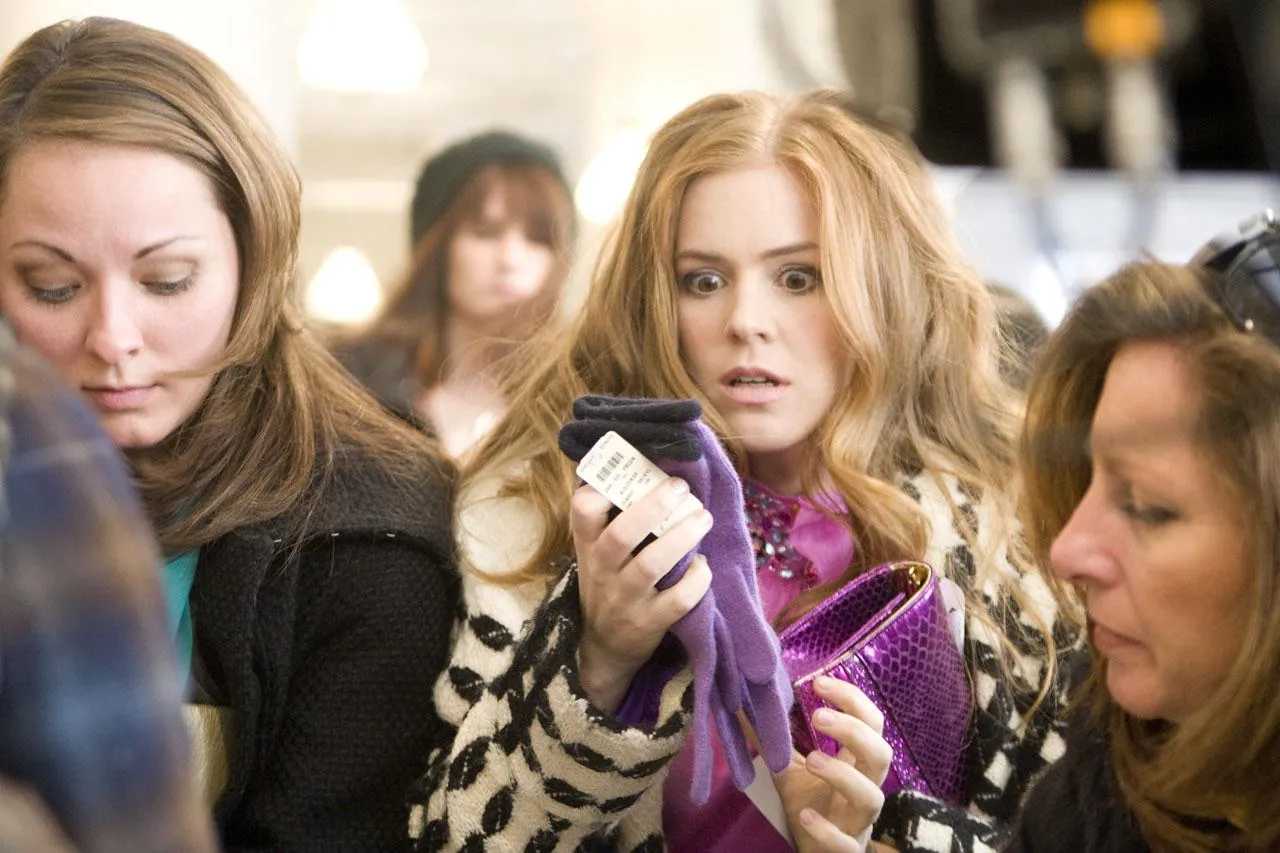
While retail therapy definitely sounds appealing, it’s worth exploring what it actually does—both for our minds and our wallets. Scott I. Rick’s study experimentally shows that shopping can be a surprisingly effective way to lift sadness. That said, it’s not a fix for every negative emotion. The research indicates that sadness often stems from feeling that life’s circumstances are beyond our control. Making decisions while shopping flips that script, giving us a sense of control over our environment and, in turn, easing some of that lingering sadness.
Building on that, research shows retail therapy isn’t just about spending—it can offer real “therapeutic utility” even without opening your wallet. It’s multifaceted: it helps regulate emotions and fill psychological gaps through buying, browsing, window shopping, and even social interaction. Simply wandering a store can distract from negative feelings, while scoring a bargain gives that satisfying sense of achievement we all crave.
So, to answer the question, yes, retail therapy is definitely not a hoax. But it would be equally foolish to ignore the real-life implications of our consumption habits.
Not A Long Term Fix
As much as retail therapy can lift your mood in the moment, it’s not exactly a sustainable solution. That rush you feel when buying something? It’s your brain’s reward system releasing dopamine—a quick hit that fades fast, often leaving you drained or emotionally flat. Psychologists call this “hedonic adaptation”: no matter how exciting the purchase, you inevitably return to your baseline mood, chasing another fleeting high.
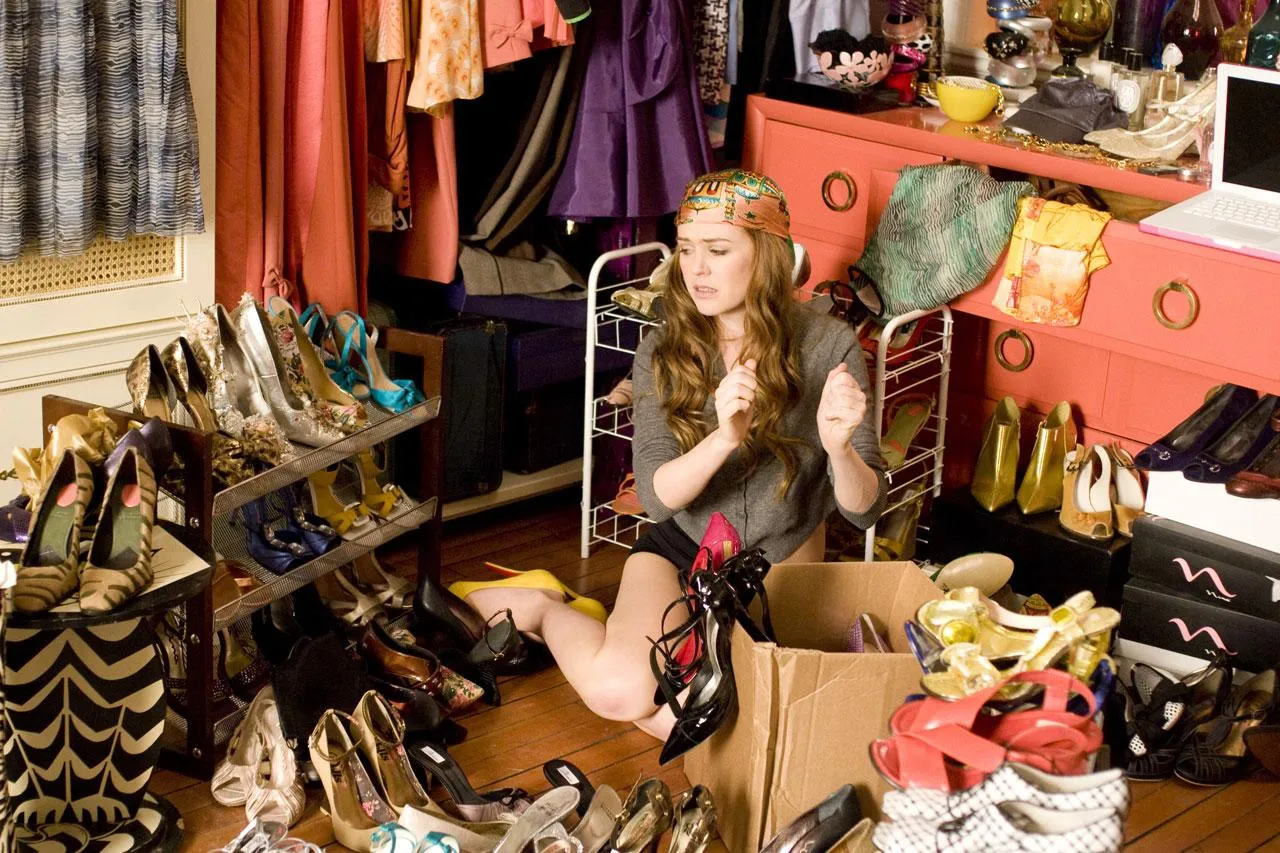
Shopping as an emotional fix also tends to mask deeper issues rather than resolve them. Stress, insecurity, or a lack of direction won’t disappear just because you snagged a new bag or gadget. Relying on retail to fill that gap can even weaken emotional resilience over time, leaving intrinsic needs, like connection, purpose, or personal growth.
And let’s be honest: the stuff you buy for comfort can quickly become its own headache. Organizing, maintaining, or eventually decluttering your purchases adds another layer of stress—a subtle “time tax” that eats away at the very relief you were seeking.
The takeaway? Retail therapy can give a temporary boost, but it’s not a cure. The real key to lasting happiness lies in non-material sources: mindfulness, meaningful activities, and strong social connections. Swipe that card if it makes you happy—but don’t forget to invest in yourself in ways money can’t buy.
All photos from Confessions Of A Shopaholic (2009) via Kinorium.
Frequently Asked Questions
Retail therapy refers to the use of shopping as an emotional remedy — a way to cope with stress, boredom, or anxiety through the act of buying or browsing. Research by Scott I. Rick shows it can genuinely lift sadness by restoring a sense of control, and studies indicate that even window shopping or social interaction in retail environments offers therapeutic benefit without requiring a purchase.
Shopping triggers the brain’s reward system to release dopamine, producing a brief mood boost. Psychologists refer to the subsequent return to baseline as hedonic adaptation — the process by which the excitement of a new purchase fades, leaving the buyer emotionally flat and potentially seeking another purchase to recreate the same effect.
Hedonic adaptation is the psychological tendency to return to a stable emotional baseline regardless of positive experiences, including purchases. In the context of retail therapy, it explains why the mood lift from buying something new is short-lived — the initial dopamine rush fades, and underlying emotional needs remain unaddressed.
Retail therapy can become counterproductive when used as a substitute for addressing deeper emotional issues such as stress, insecurity, or lack of direction. Over time, reliance on shopping for emotional regulation can reduce resilience, generate clutter and the stress of managing possessions, and create financial strain — compounding the problems it was meant to relieve.
Research suggests that lasting emotional well-being comes from non-material sources, including mindfulness practices, meaningful social connections, purposeful activities, and personal growth. While occasional retail therapy can provide a short-term boost, these approaches address the underlying emotional needs that shopping tends to mask rather than resolve.