From flagship temples on Omotesando to backroom workshops off Cat Street, Tokyo fashion operates within distinct codes.
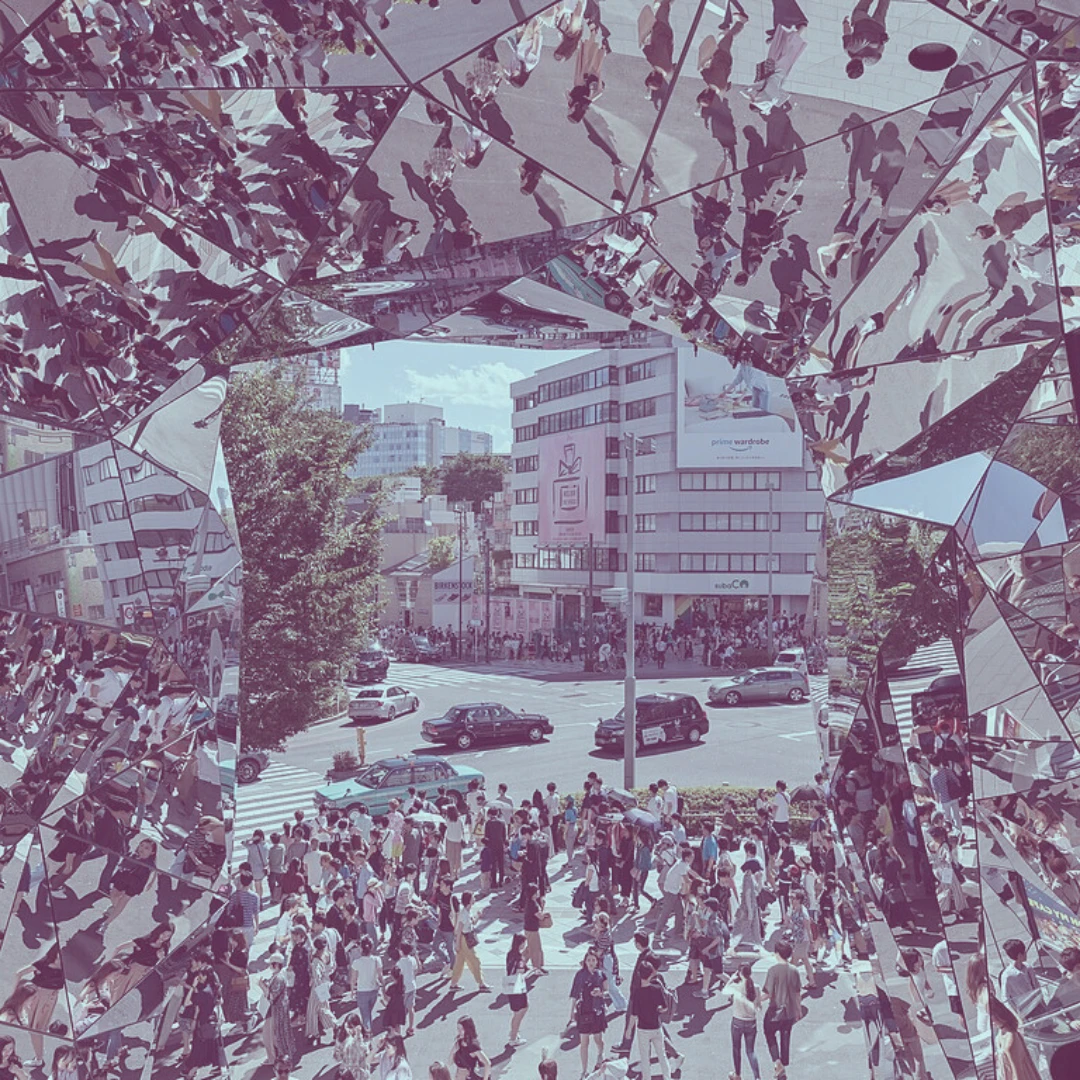
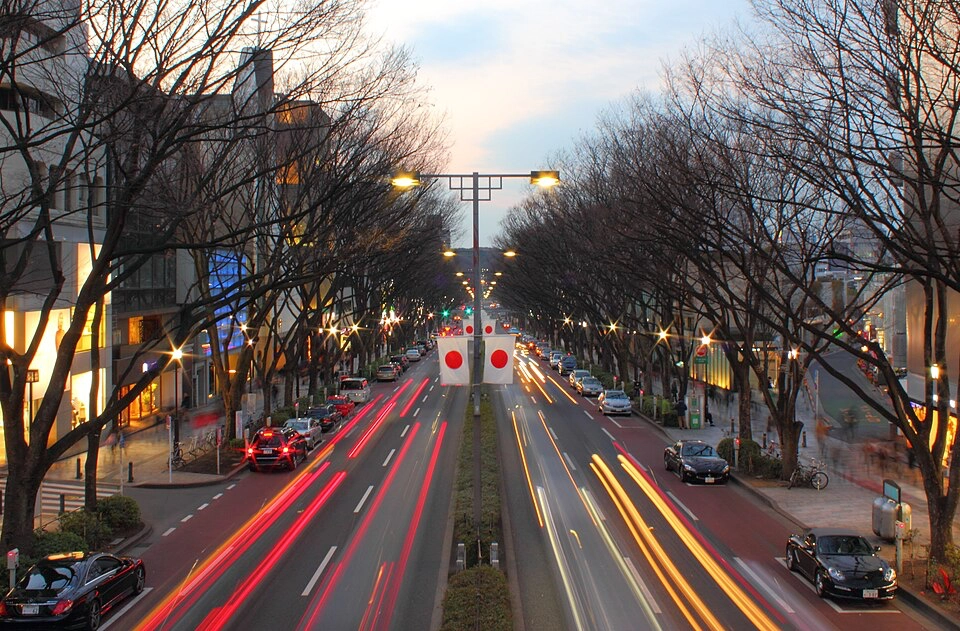
Concrete, glass, and good lighting at every turn. The fashion neighborhoods of Tokyo are best understood as a sequence of controlled environments, each with its own thesis on luxury, craft, and resale. Start in Harajuku, where Omotesando still functions as the city’s most polished runway. The tree-lined boulevard is flanked by flagship stores that double as architectural flexes; facades engineered to be photographed as much as shopped. The experience is less about immediate purchase and more about brand immersion.
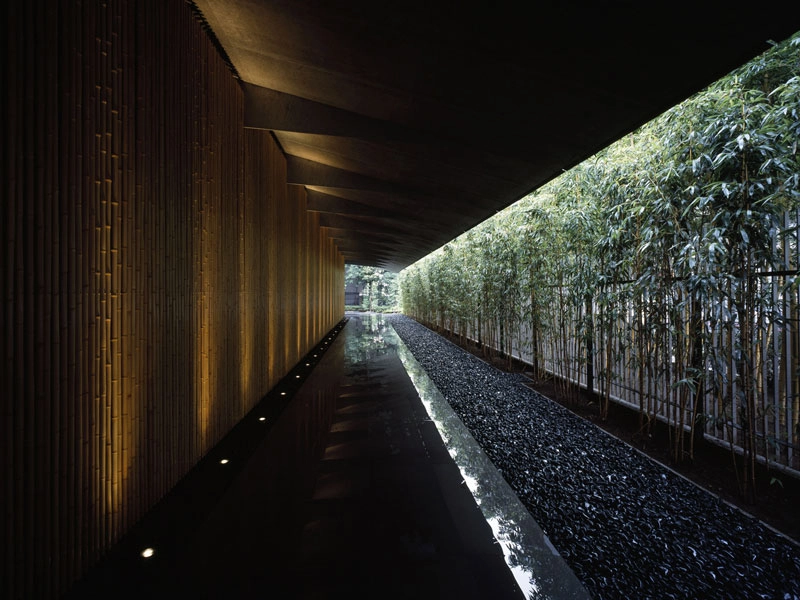
Just down the road, the Nezu Museum offers a useful counterpoint. Its restrained design and bamboo-lined approach are a reminder that Japanese aesthetics have long prioritized material integrity over spectacle. Its sensibility carries over into the best of Harajuku retail: even at its glossiest, there’s an underlying respect for process.
READ ALSO: The Great Fashion Divide: Being Stylish vs. Fashionable
A Few Turns Off Cat Street
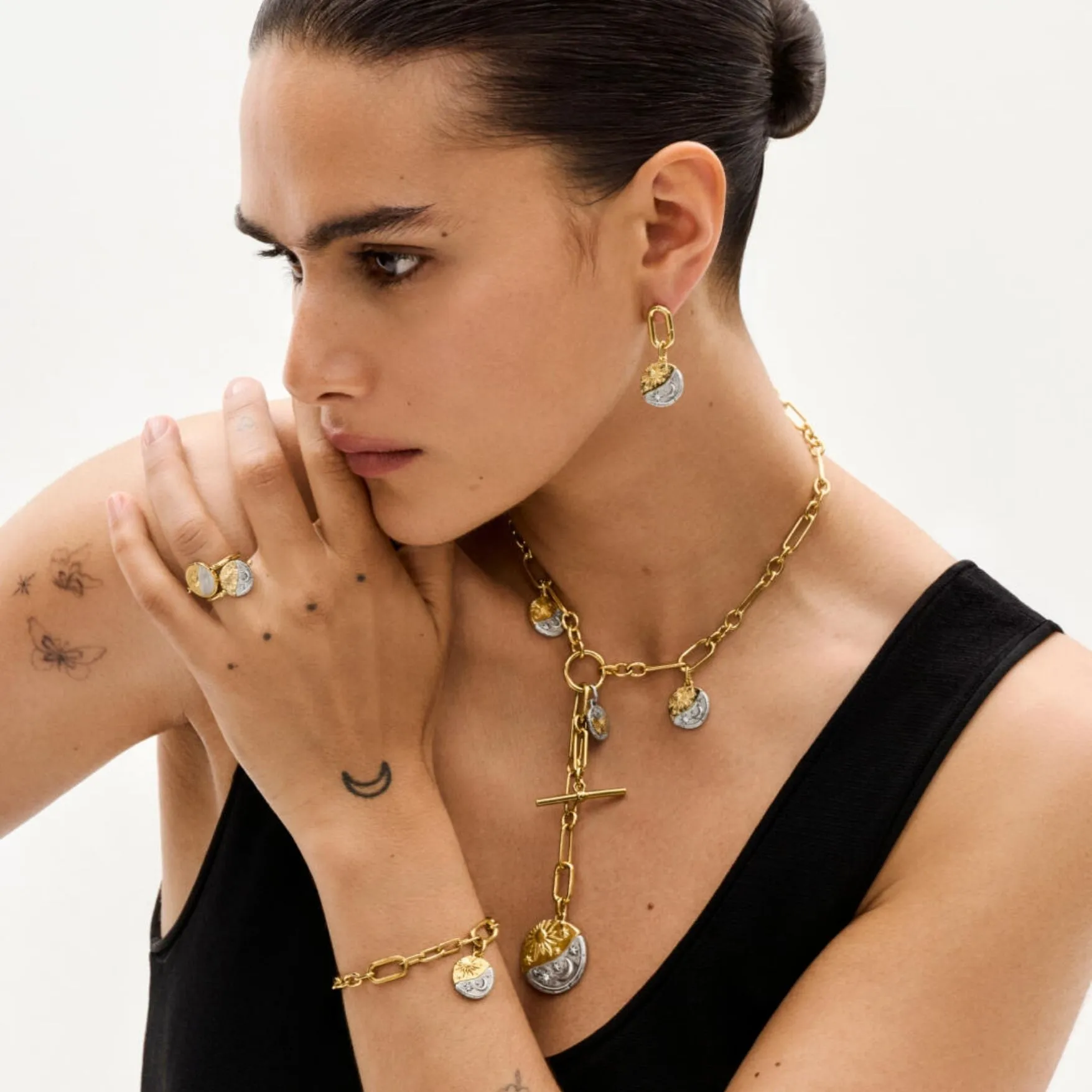
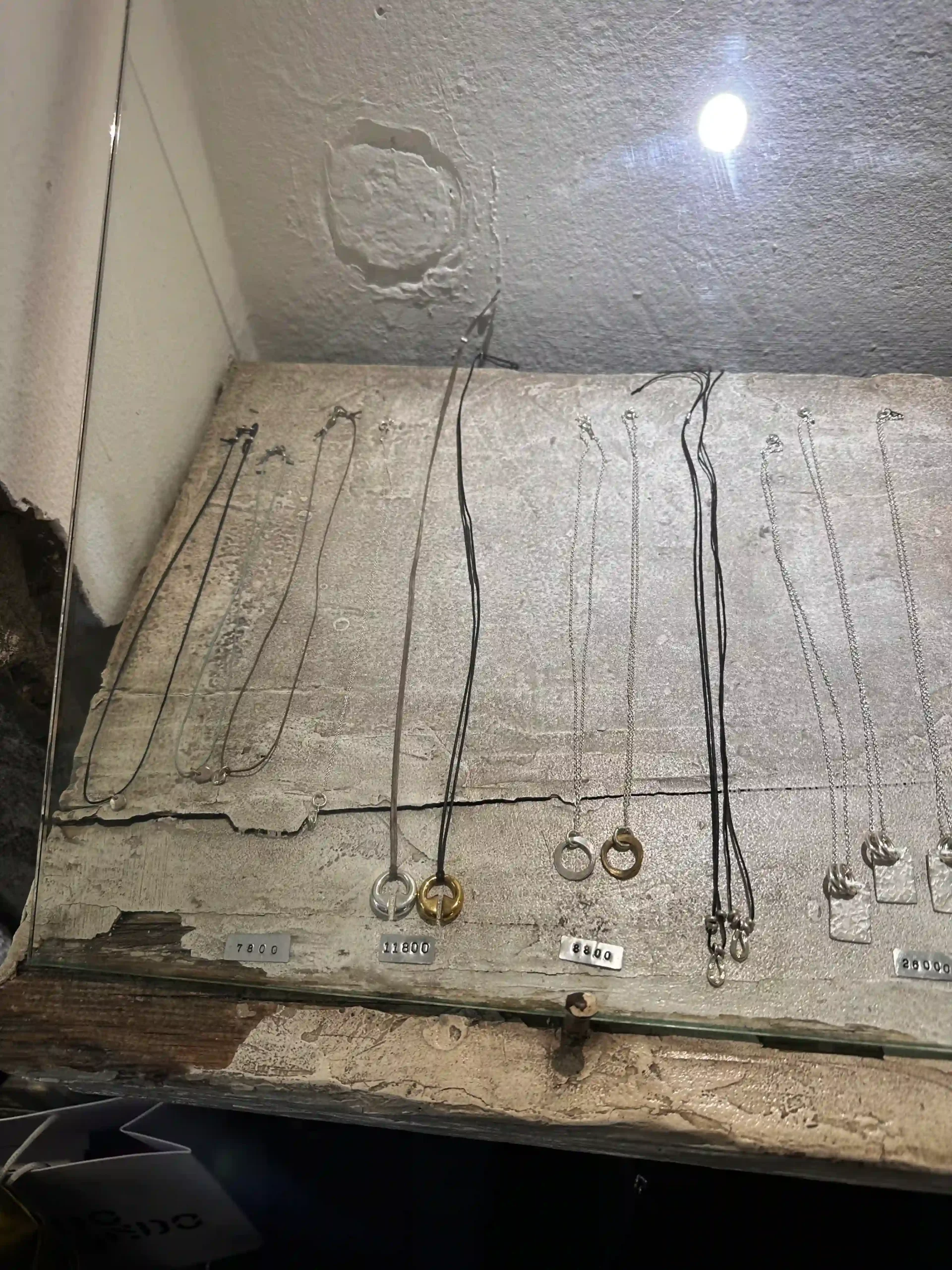
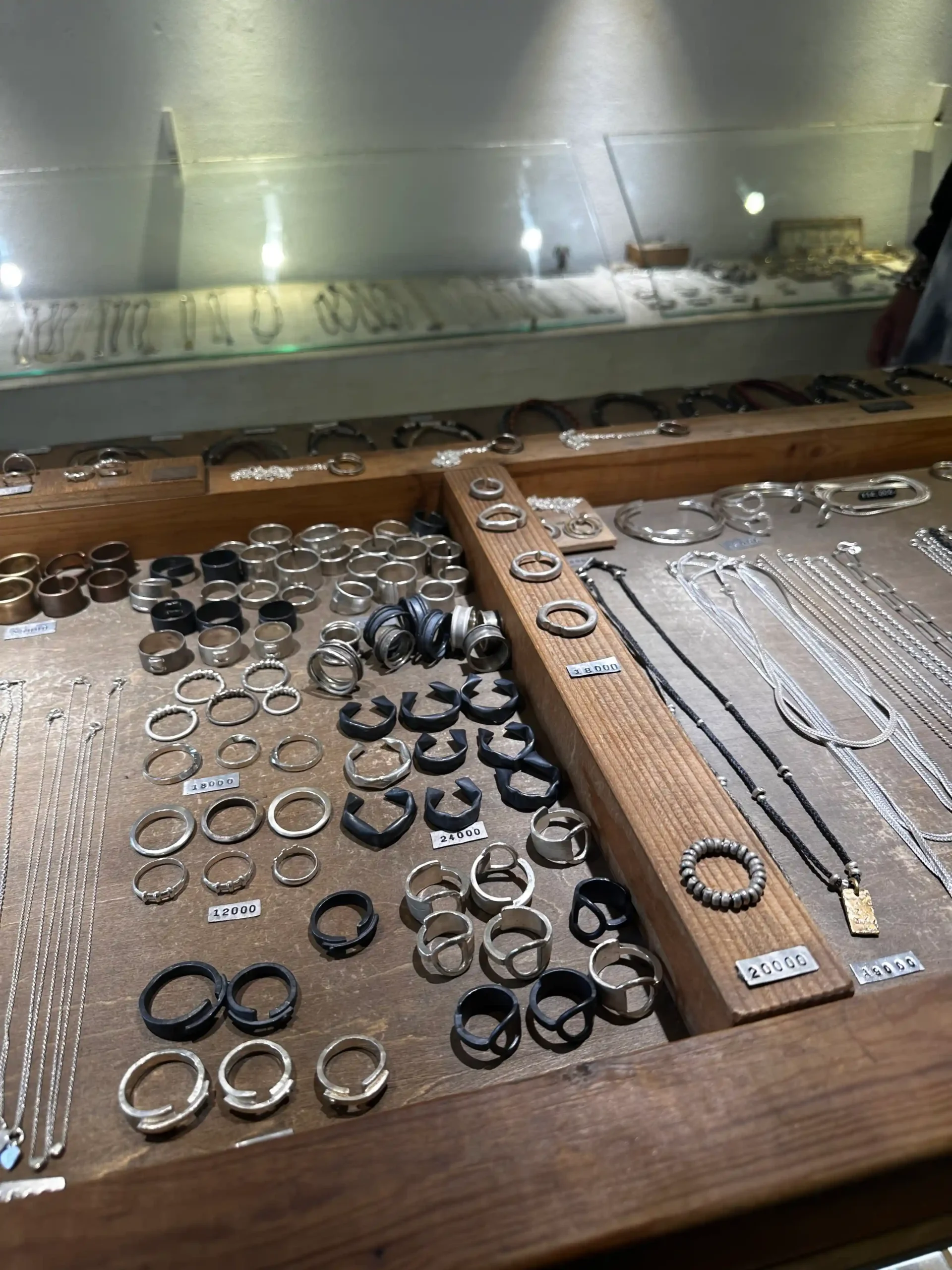
Kensscratch operates at the opposite end of the scale. The compact jewelry workshop is helmed by Kenji, a former street vendor with more than three decades of experience. The front of the shop is retail, where pieces are encased within glass), while the back is production. Apprentices work at benches within view, filing and soldering in real time. The pieces skew edgy in bright sterling silver and irregular contours.
Among the standouts is Kenji’s interpretation of the Lingling-o, the Ifugao symbol of female fertility, which he first encountered during time spent in Baguio and Sagada. It’s the kind of cross-cultural citation that feels researched rather than opportunistic. You leave with something that reads personal, not mass.
The surrounding streets are dense with Japanese denim specialists and leather ateliers. Selvage edges are discussed with near-academic rigor. Indigo is treated as a long-term commitment. Vegetable-tanned leather bags are built to look better in five years than they do on the day of purchase. Here in Harajuku, credibility still hinges on material and process.
In Ginza
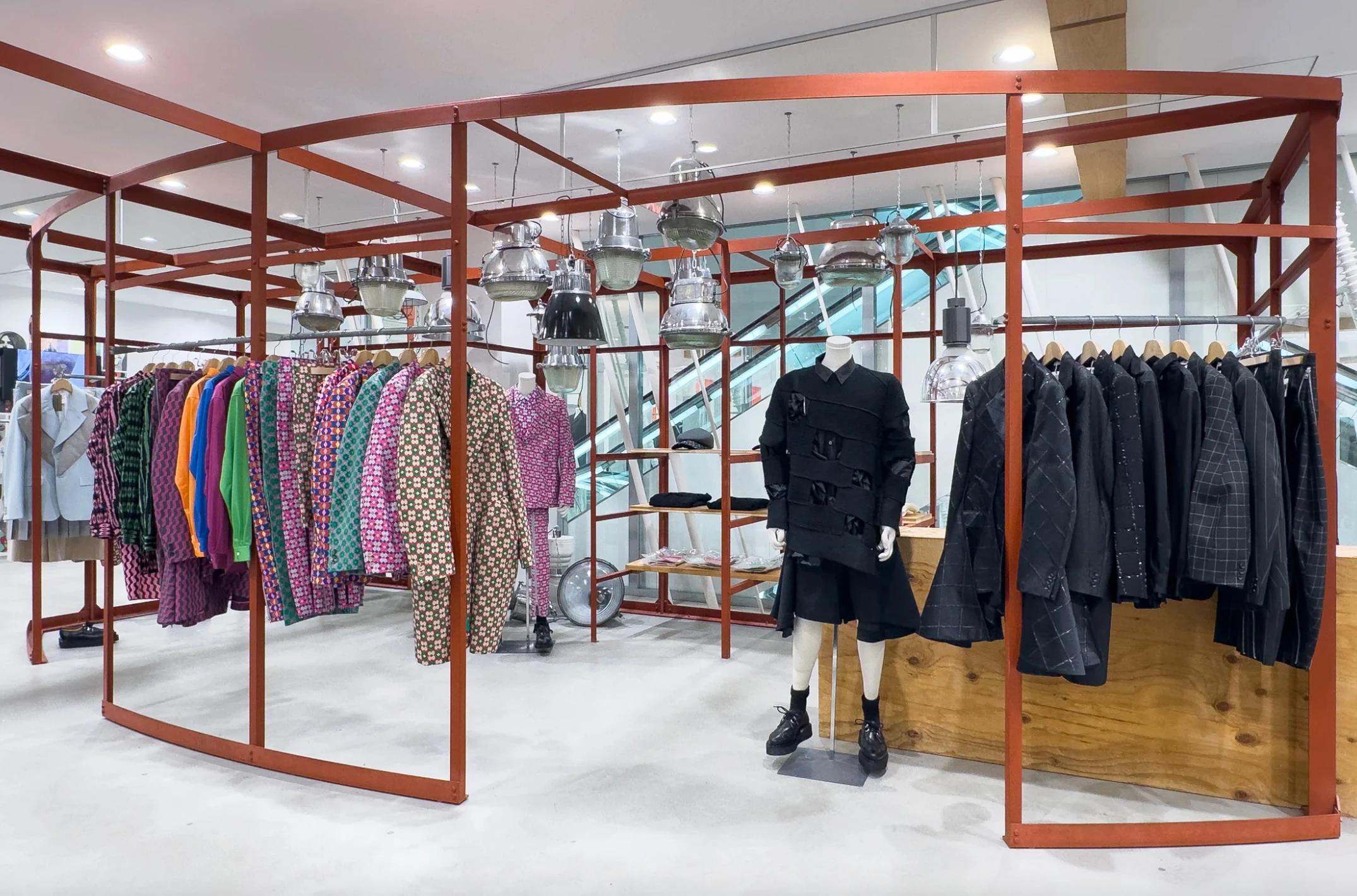
Here, the tone shifts to institutional luxury. The sidewalks are wider, the pacing quicker. Japanese mainstays like Onitsuka Tiger and Uniqlo anchor the area with streamlined storefronts and fast-paced merchandising. For Western brands that can be difficult to source elsewhere in the city, Ginza remains reliable.
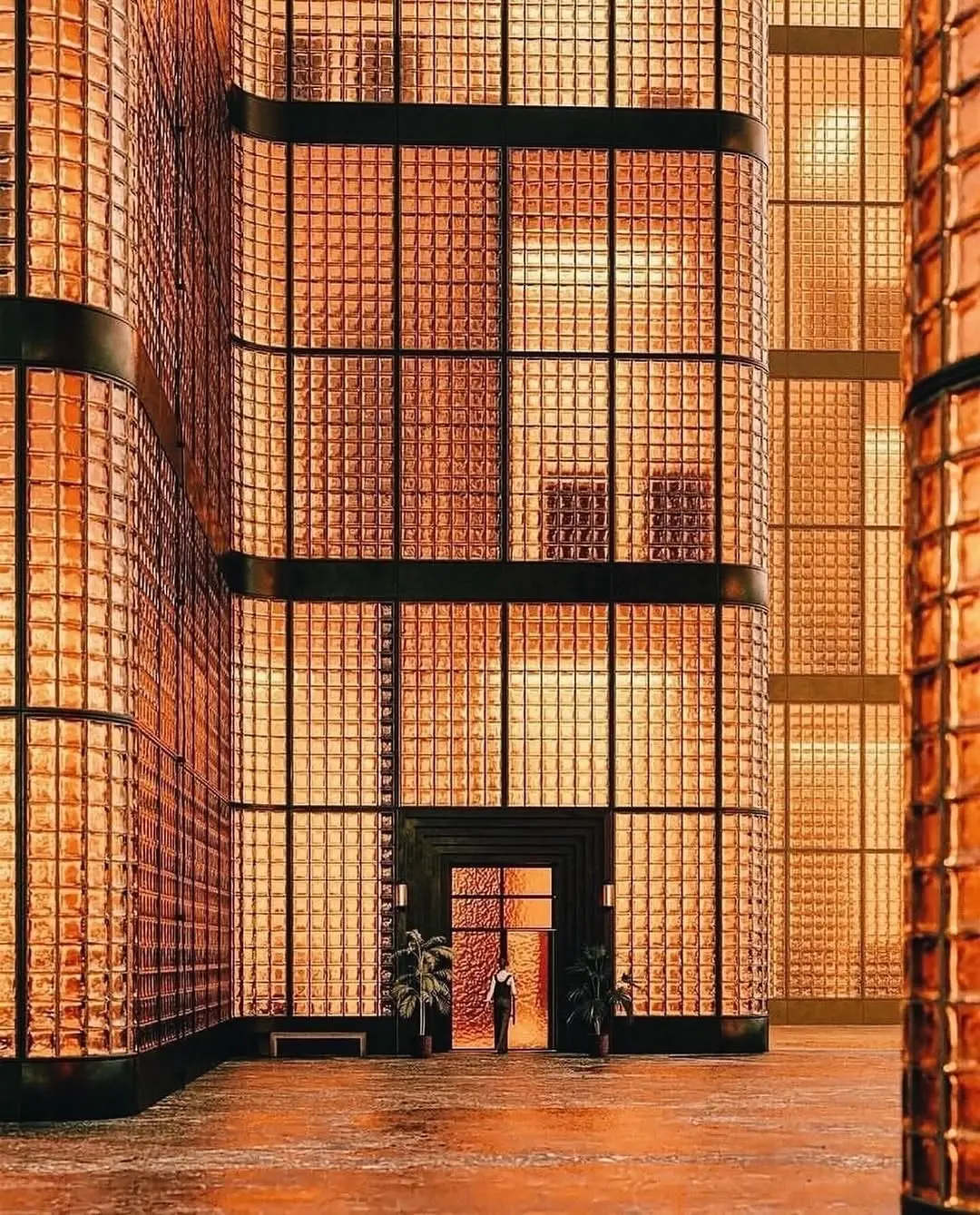
One of its most recognizable landmarks is Maison Hermès, the glass-brick building designed to glow from within. By day, it reflects the city in soft fragments; by night, it reads like a lit lantern. The structure has become shorthand for Ginza’s approach: technical mastery presented as ease. Luxury here is more about permanence than novelty.
Back In Shibuya
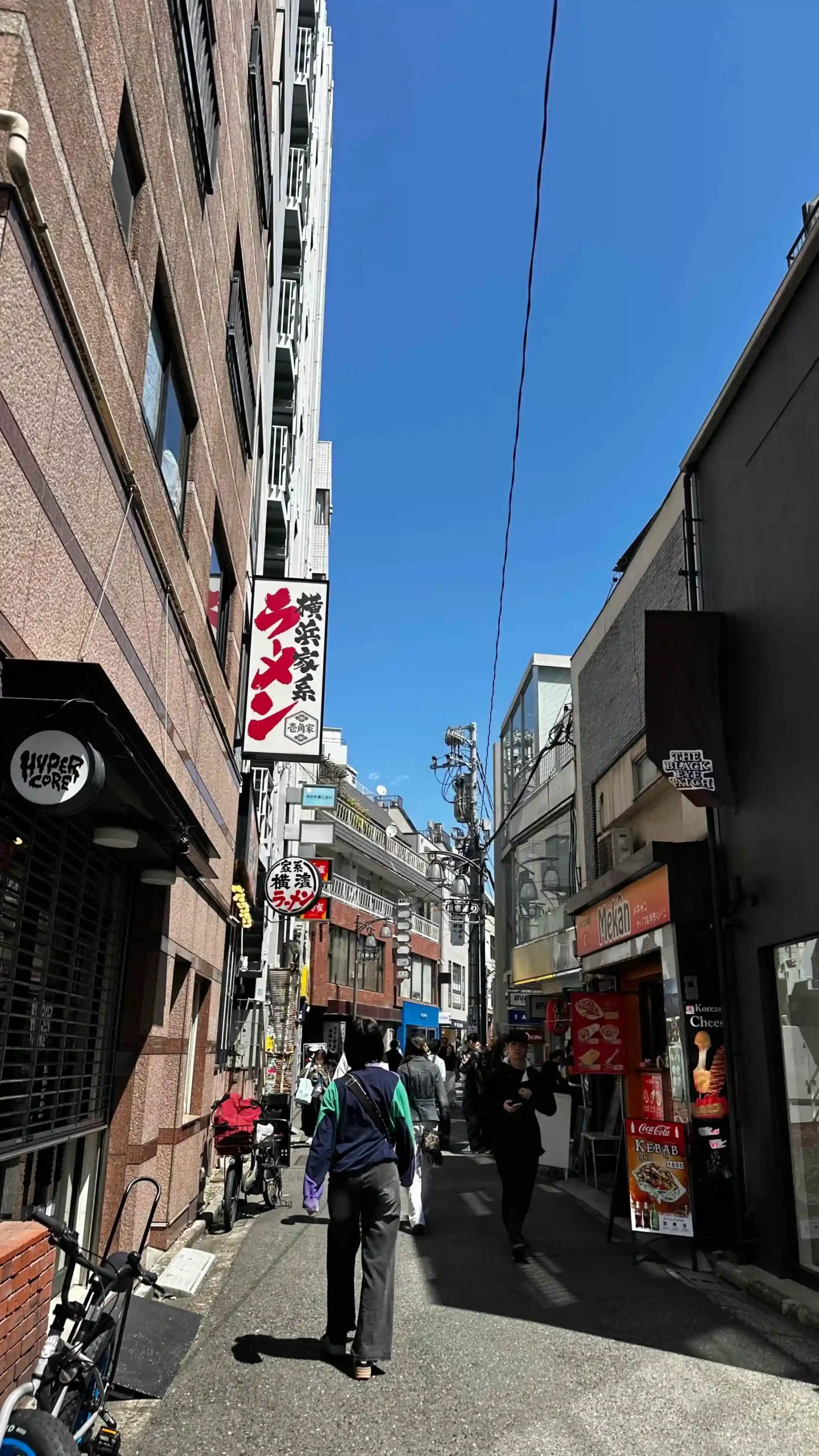
Here, the emphasis tilts toward resale and contemporary minimalism. A favorite, Graphpaper, delivers tightly edited collections in clean silhouettes, neutral palettes, fabric-forward construction. But the real draw is the density of secondhand stores. Brand Collect, Ragtag, Kindal, Trefac Style, and especially Second Street, form a circuit that rewards stamina.
At Second Street, racks are organized with archival discipline. Entire sections are devoted to Issey Miyake pleats and the split-toe tabis of Maison Margiela.
Other Field Notes
Tokyo’s fashion calendar has increasingly included large-scale brand activations. When Loewe staged its Crafted World exhibition in the city in 2025, it leaned heavily into process and the luxury brand’s penchant for whimsy (which also made its brief collaboration with Studio Ghibli all the more precious). This season, attention has shifted to Daikanyama, where Dior opened its Bamboo Pavilion on February 12.
Taken together, Ginza and Shibuya outline the current state of Tokyo style. There’s always room for experimentation, but it’s grounded in technique. There’s appetite for spectacle, but it’s most effective when backed by substance. And ‘round and ‘round it goes: logos circulate, trends spike, resale thrives.

Banner photo by Basile Morin via Wikimedia Commons
Frequently Asked Questions
Tokyo’s most distinct fashion districts are Harajuku, Ginza, and Shibuya. Harajuku’s Omotesando boulevard is home to flagship stores and independent craft ateliers; Ginza anchors institutional luxury with mainstay Japanese and Western brands; and Shibuya is the center of resale culture, with secondhand stores specializing in archival Japanese and European fashion.
Kensscratch is a compact jewelry workshop and retail space near Cat Street in Harajuku, helmed by Kenji, a former street vendor with over three decades of experience. The shop produces edgy sterling silver pieces with irregular contours, including an interpretation of the Lingling-o — the Ifugao symbol of female fertility — inspired by time Kenji spent in Baguio and Sagada in the Philippines.
Shibuya is the most concentrated area for resale fashion in Tokyo. Key stores include Second Street, Brand Collect, Ragtag, Kindal, and Trefac Style. Second Street in particular stocks archival pieces with disciplined organization, including dedicated sections for Issey Miyake pleats and Maison Margiela split-toe tabis.
Maison Hermès is a landmark glass-brick building in Ginza designed to refract and glow with ambient light — by day reflecting the city, by night reading as a lit lantern. It has become emblematic of Ginza’s approach to luxury: technical mastery presented with restraint, foregrounding permanence over novelty.
In 2025, Loewe staged its Crafted World exhibition in Tokyo, drawing on the brand’s craft heritage and its collaboration with Studio Ghibli. In early 2026, Dior opened its Bamboo Pavilion in Daikanyama on February 12, shifting seasonal attention to that neighborhood as an emerging destination within Tokyo’s broader fashion landscape.