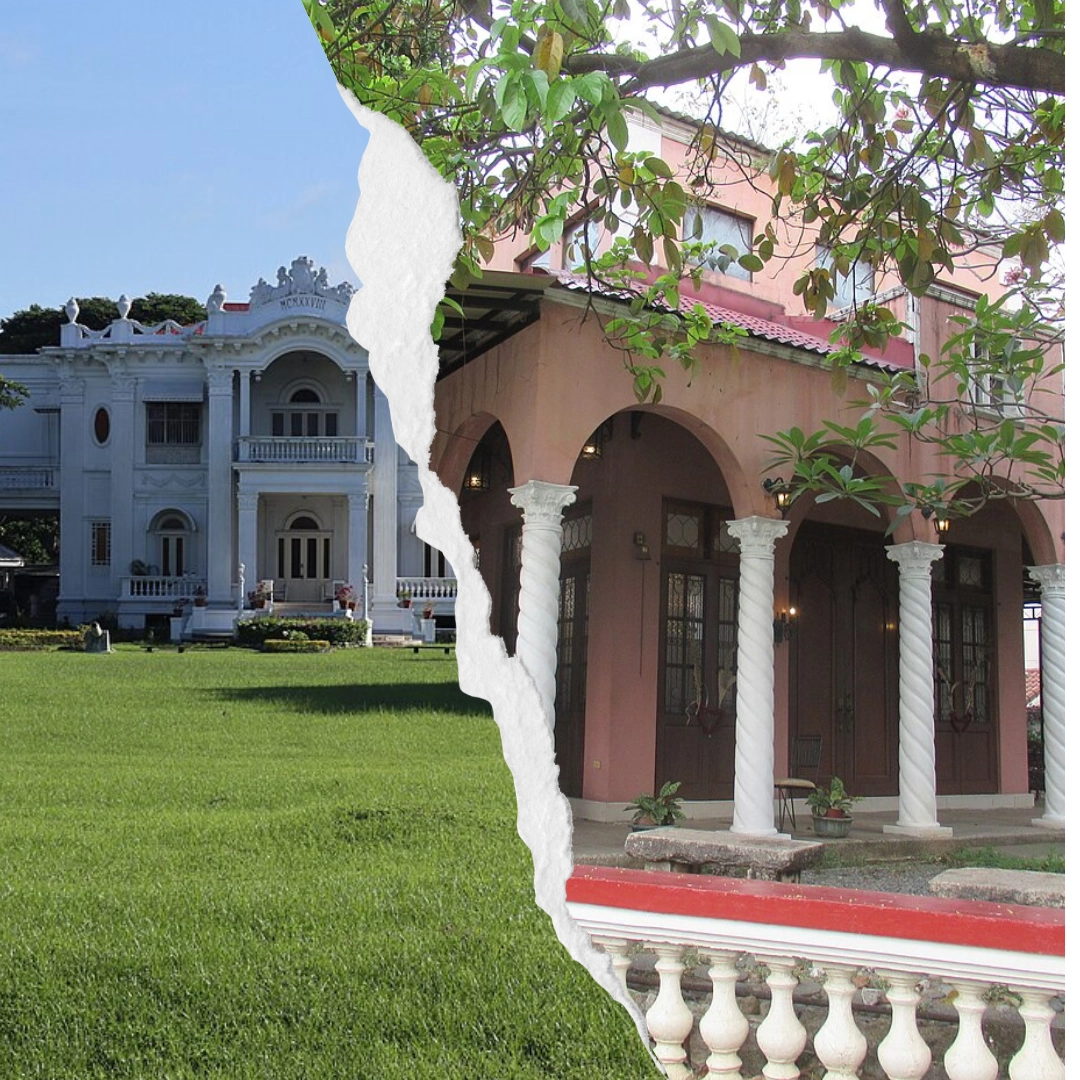
These structures carry a cultural and historical weight that no textbook can fully replicate; and many of them will let you in for the price of a museum ticket.
May is National Heritage Month, and there’s no better way to honor it than by looking at where our ancestors actually lived, ate, argued, fell in love, and built the lives that eventually led to ours. A Filipino heritage house is a family-owned home that has survived generations through sheer collective will, maintained as a living testament to Filipino reverence for the dead and deep respect for the elders who came before us.
Due to their cultural and historical significant, many of these structures have been officially recognized by the National Historical Commission of the Philippines with their protection enshrined. Some have since opened their doors to the public as museums, galleries, or community centers, while others remain in the hands of the families who built them, allowing visitors a rare and intimate glimpse into a past that still breathes.
READ ALSO: The Quiet Man, Finally Spoken For
Mira-Nila
Built in 1929 by the Benitez family in the heart of Quezon City, this Italianate mansion feels like a home that simply refused to forget itself. Commonwealth-era interiors remain largely intact, alongside the family’s art collection, silverware, private library, and chapel, all of which paint a portrait of a particular kind of Filipino upper-class life. Declared a heritage house in 2011, it’s now open to the public for guided tours.
Bahay Nakpil-Bautista
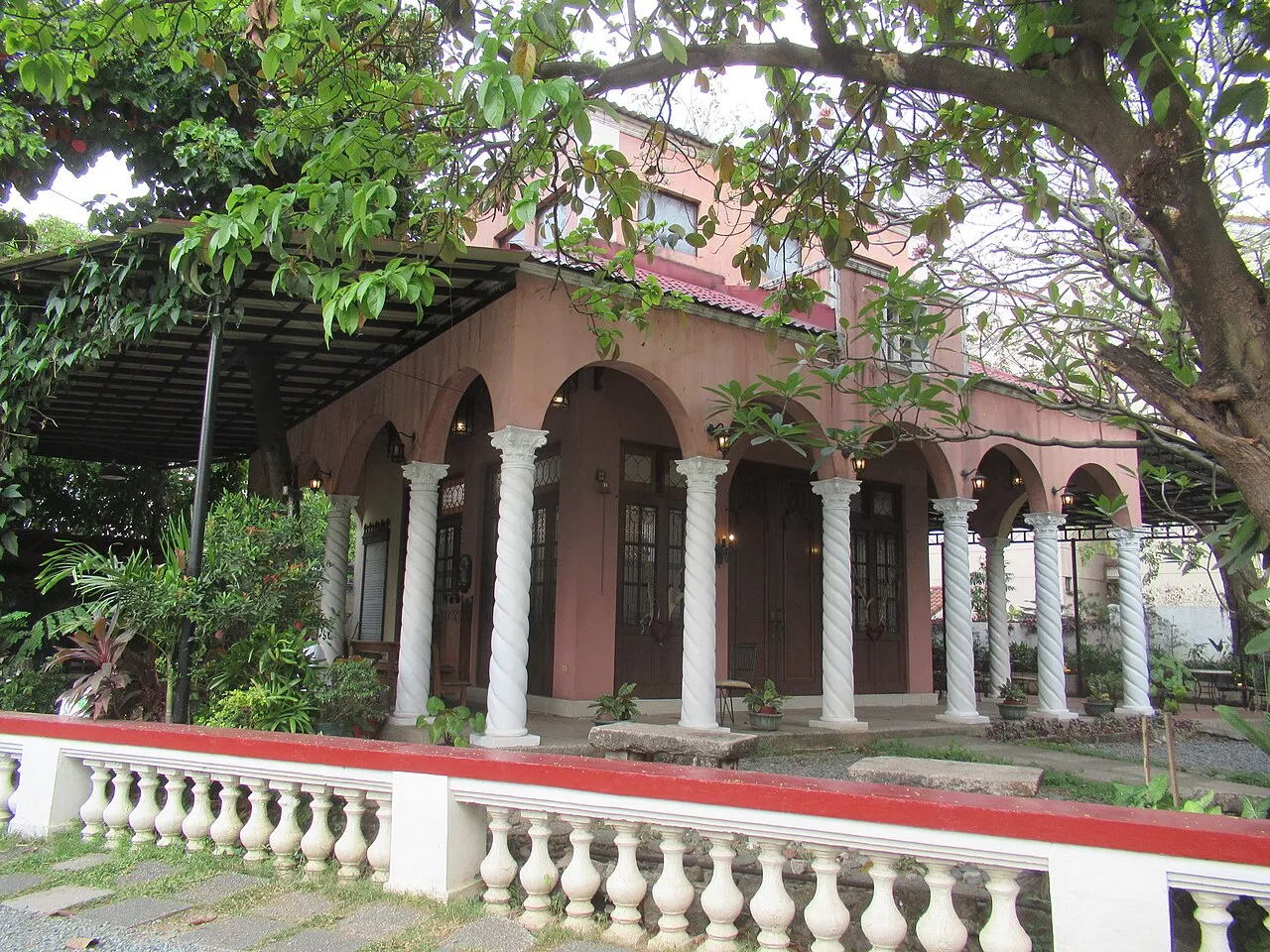
The 1914 Arcadio Arellano-designed home in Quiapo, Manila, carries a historical gravitas that makes you stand still in a doorway. It was built for composer Julio Nakpil and his wife Gregoria de Jesus, the revolutionary figure who carried the Katipunan’s founding documents on her body the night Andres Bonifacio was arrested. Revolution-era artifacts, family paintings, and personal belongings are displayed throughout.
Lopez Heritage House
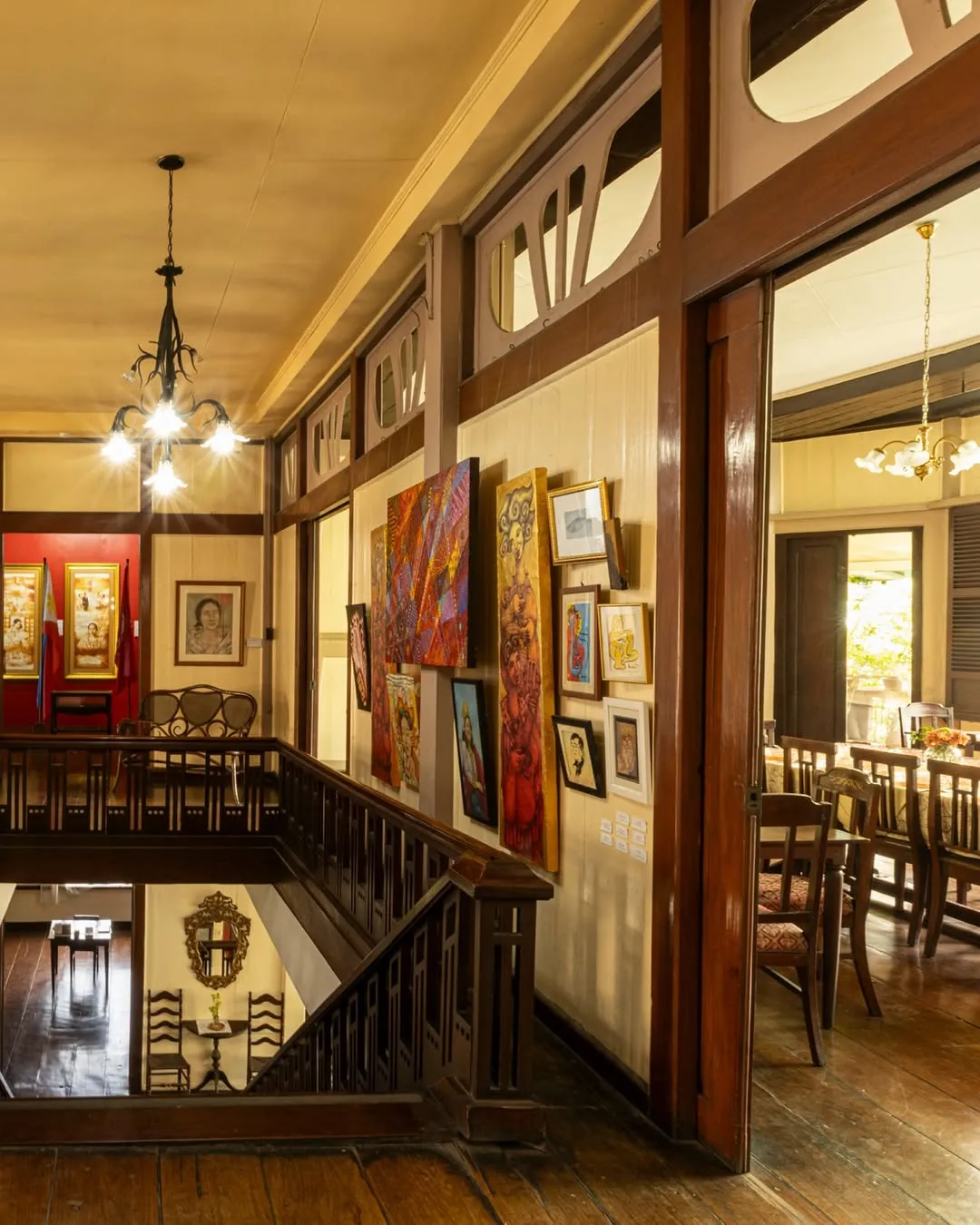
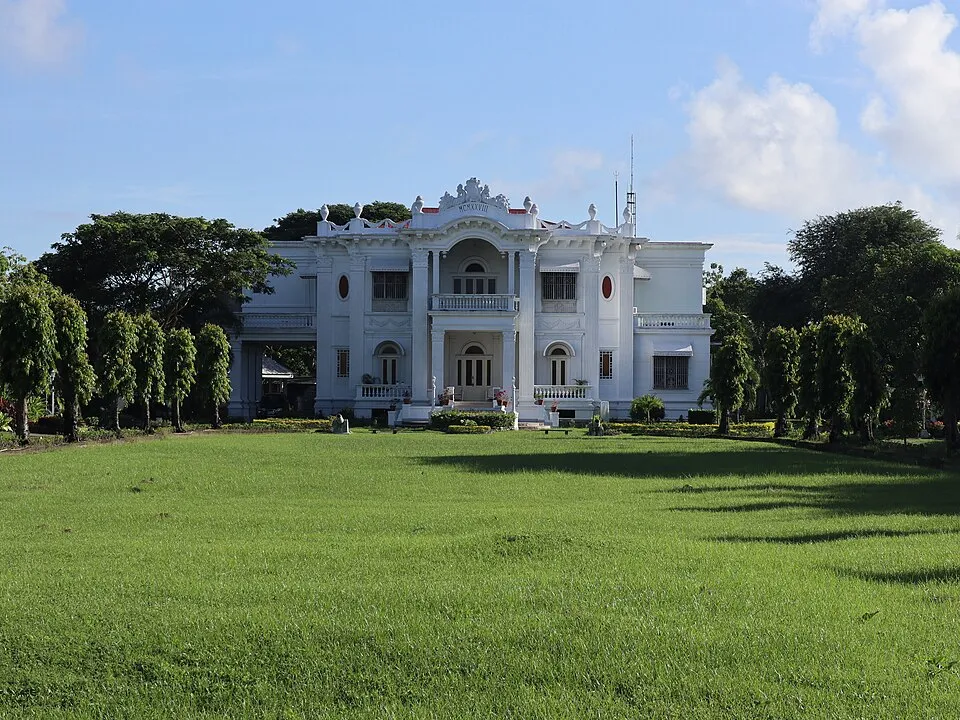
Erected in 1928 by Don Vicente Lopez and Doña Elena Hofileña in Jaro, Iloilo, this Beaux-Arts mansion once received important guests on a regular, American lawyer and former Governor-General of the Philippines Frank Murphy among those who passed through. Declared a National Heritage House in 2004, it sits surrounded by gardens that soften its grandeur enough to make it feel approachable.
Daku Balay
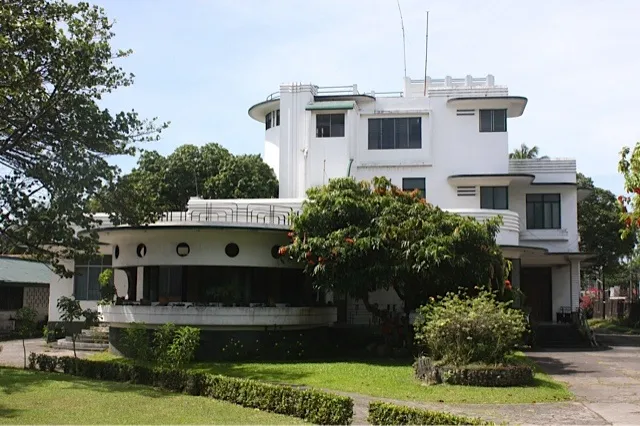
Built between 1933 and 1936 by sugar planter Generoso Villanueva in Bacolod, this Art Deco house is genuinely unlike anything else on this list. Designed to resemble a ship, it has curved balconies, porthole windows, and a working elevator, all spread across 5,000 square meters of space. Declared an Important Cultural Property, the ground floor now houses the family’s business offices, though the house occasionally opens for events.
Yap-Sandiego Ancestral House
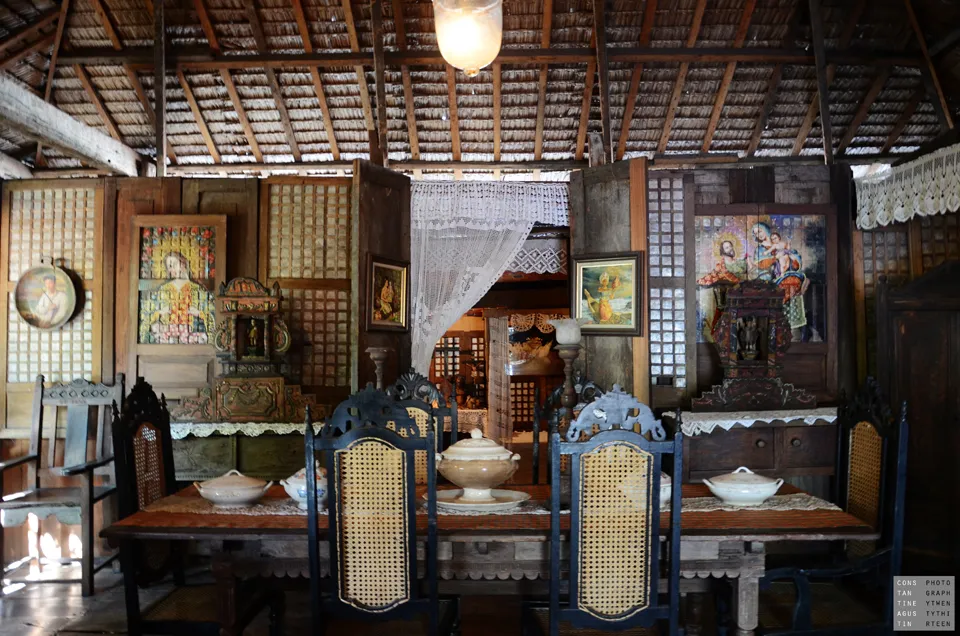
Somewhere between 1675 and 1700, a Chinese merchant named Don Juan Yap built a home in Cebu City’s Parian district using coral stone, and it’s still standing. The house blends Spanish and Chinese architectural details in a way that lets them function as archival records of who was living in the Philippines and building their lives at that particular point in time.
Religious icons and antiques fill its interiors, and the structure even holds a small courtyard. Protected by the NHCP and opened as a museum in 2008, it remains one of the oldest houses in the country that you can actually walk through.
Frequently Asked Questions
A Filipino heritage house is a family-owned home that has been preserved across multiple generations. Many have been officially recognized by the National Historical Commission of the Philippines for their cultural, historical, and architectural value. Some now function as public museums, event spaces, or community centers.
Filipino heritage houses are found across the archipelago. The ones on this list are located in Quezon City, Manila, Iloilo, Bacolod, and Cebu City, covering both Luzon and the Visayas.
The National Historical Commission of the Philippines is the government body that officially recognizes and protects heritage houses in the country. Some properties are also declared Important Cultural Properties, which affords them additional legal protection.
Mira-Nila in Quezon City, Bahay Nakpil-Bautista in Manila, Lopez Heritage House in Iloilo, and Yap-Sandiego Ancestral House in Cebu are all open for public visits. Daku Balay in Bacolod occasionally opens for events, though its ground floor currently houses family business offices.
The Yap-Sandiego Ancestral House in Cebu City, built sometime between 1675 and 1700, is one of the oldest houses in the country still open to the public. It was opened as a museum in 2008 and features coral stone construction blending Spanish and Chinese architectural details.