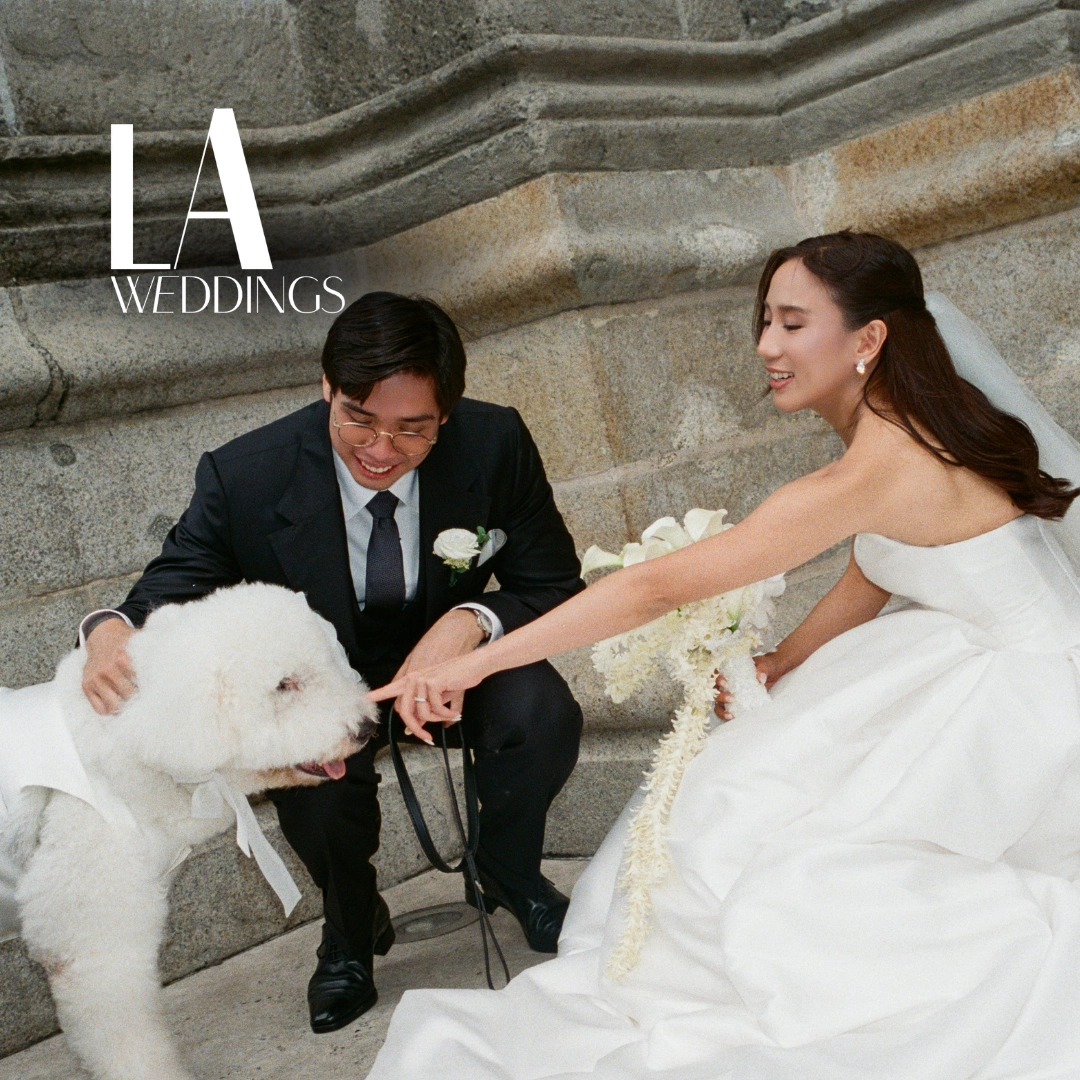
This wedding tradition is more than a century old, but there are ways to make its ideas feel entirely fresh.
The “something old” in the classic wedding rhyme was never meant to be an afterthought. Originating from Victorian England, the custom was a way of carrying continuity into a new chapter, connecting who you were to who you’re becoming—or honoring those timeless romances that came before you. Done with intention, and a bit of creativity, “something old” can be one of the most subtle yet powerful details of your wedding day. Guests may never fully notice these, but you’ll feel and carry them with you every minute of the day.
READ ALSO: How To Incorporate “Something Blue” In Your Wedding
Wear Vintage Or Inherited Jewelry
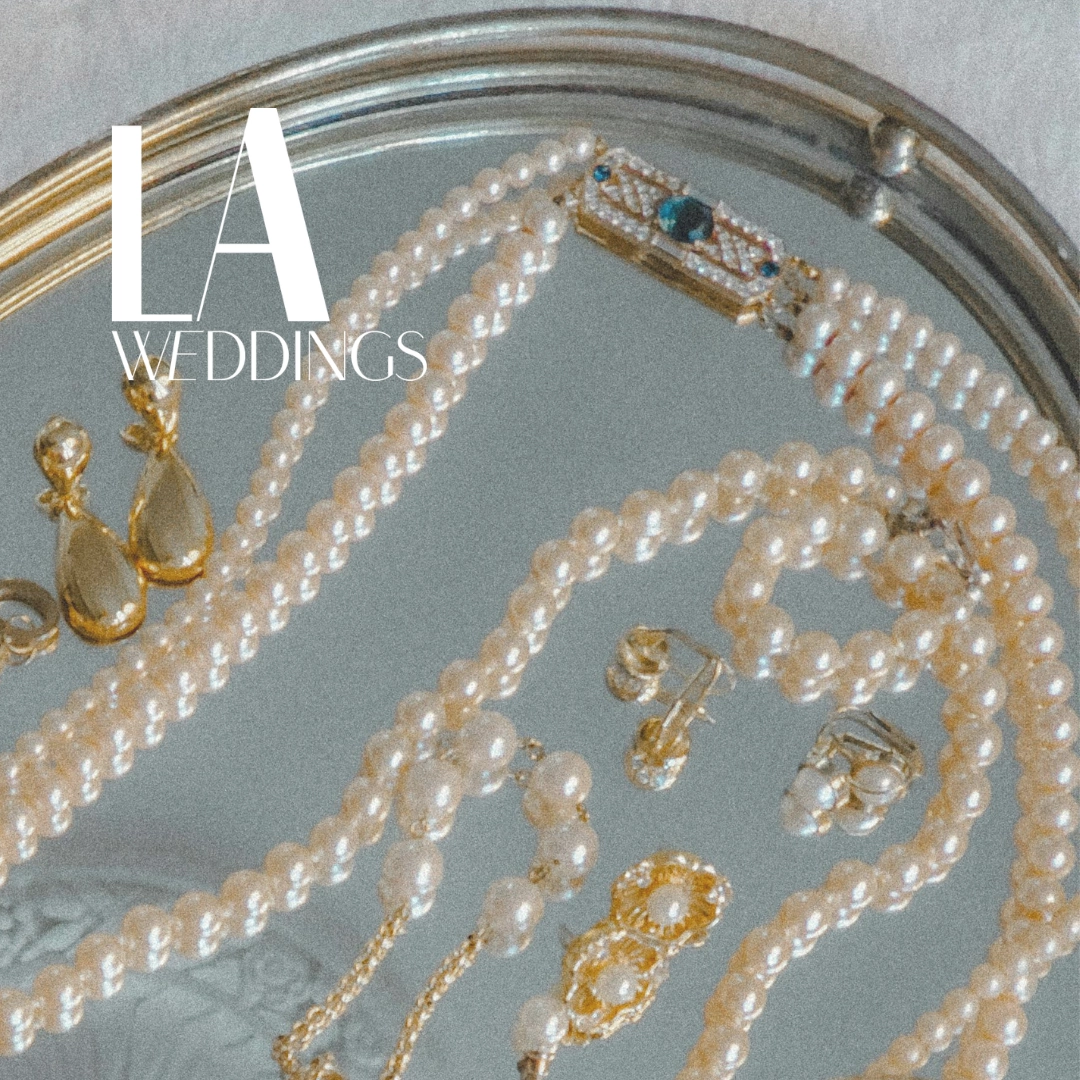
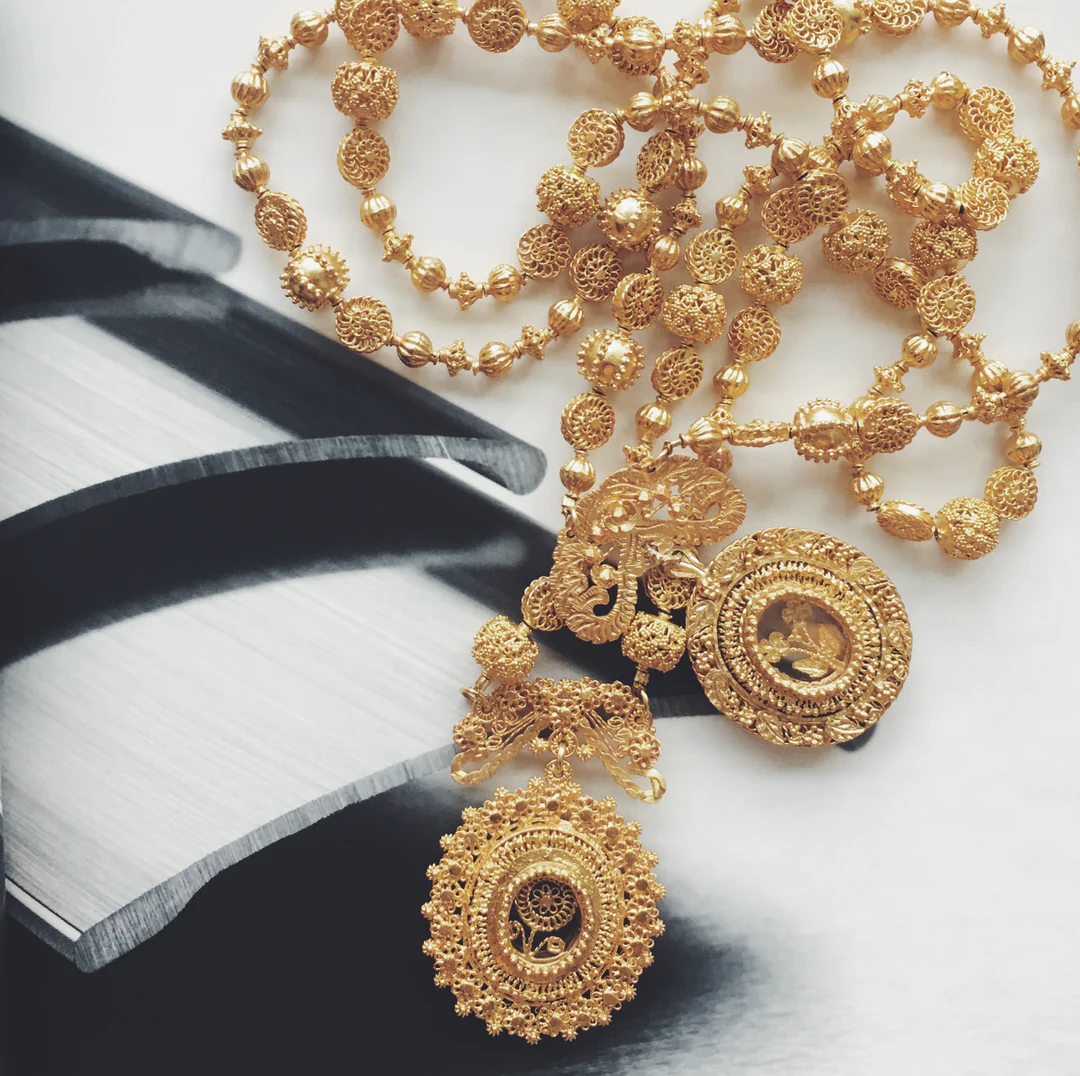
Your mother’s tennis bracelet, your grandmother’s tambourine necklace: these pieces carry a presence that no newly purchased jewel can replicate. If the piece doesn’t suit your aesthetic as-is, consider having it reset or reworked by a jeweler who respects its original craftsmanship.
Use A Family Engagement Or Wedding Ring
Whether it’s a grandmother’s engagement ring, a parent’s wedding band, or a stone pulled from an older setting and placed in a new one, a repurposed family ring carries a weight that goes well beyond the sentimental. It’s also, practically speaking, often of far superior quality to what you would find on the market today.
Repurpose A Family Wedding Dress Or Veil
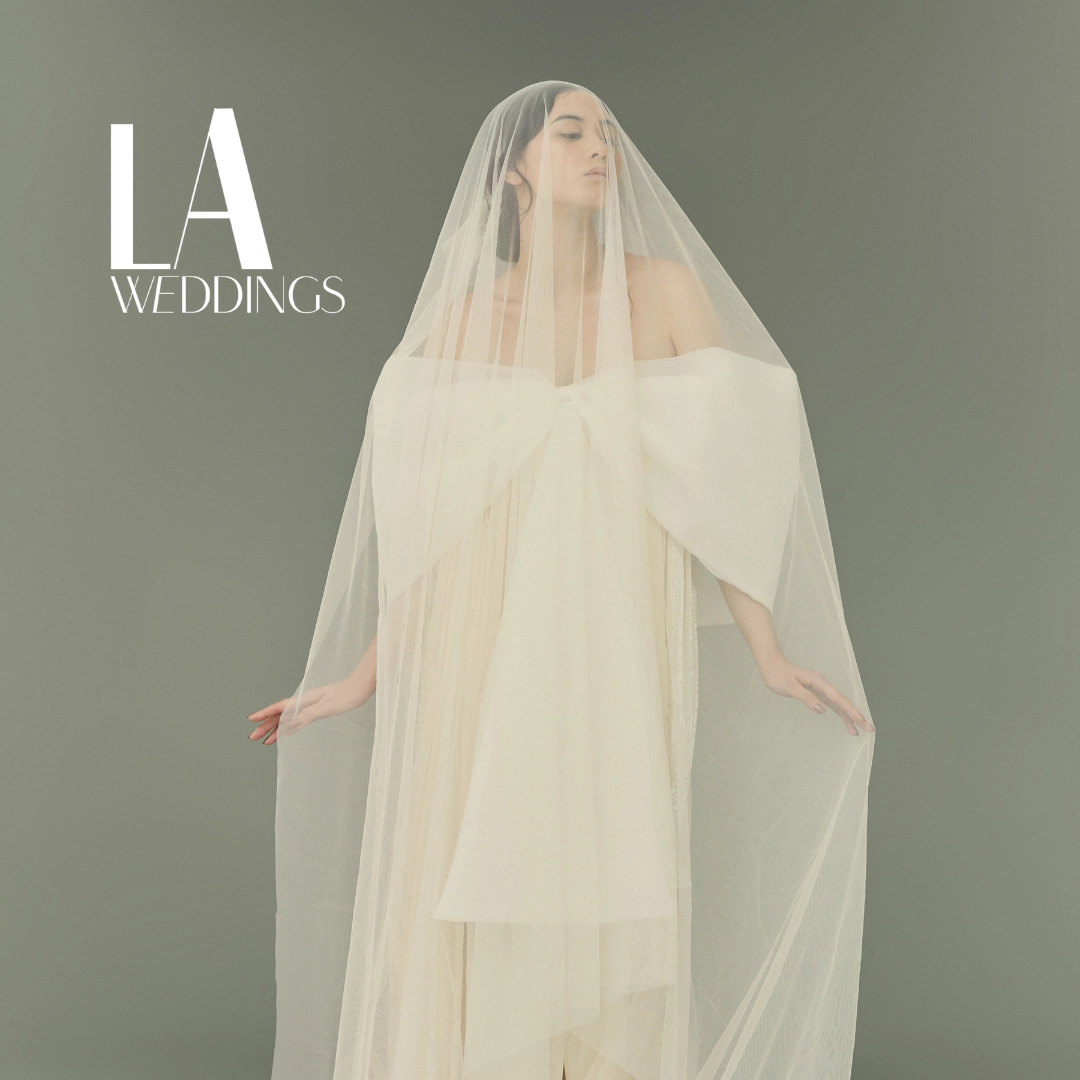
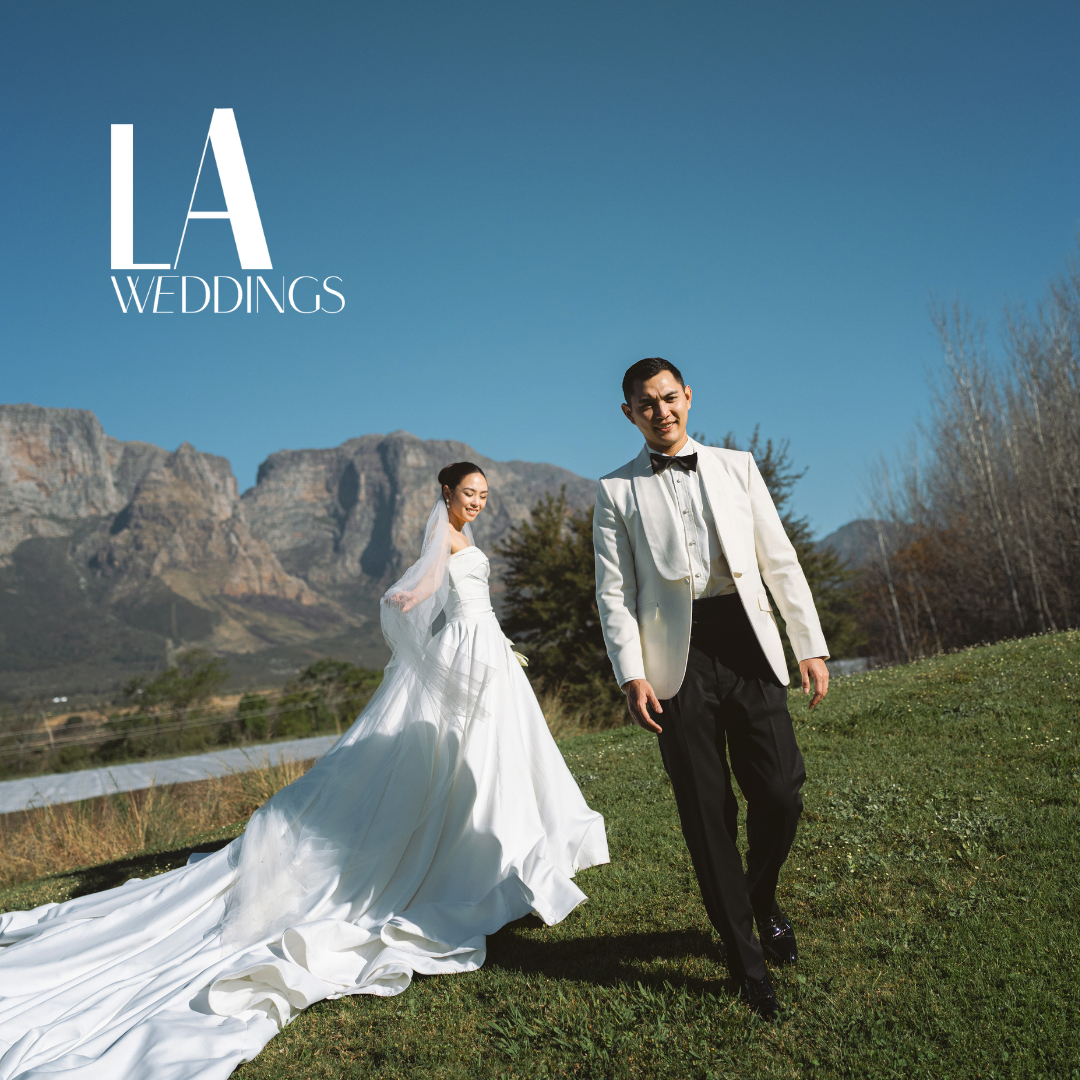
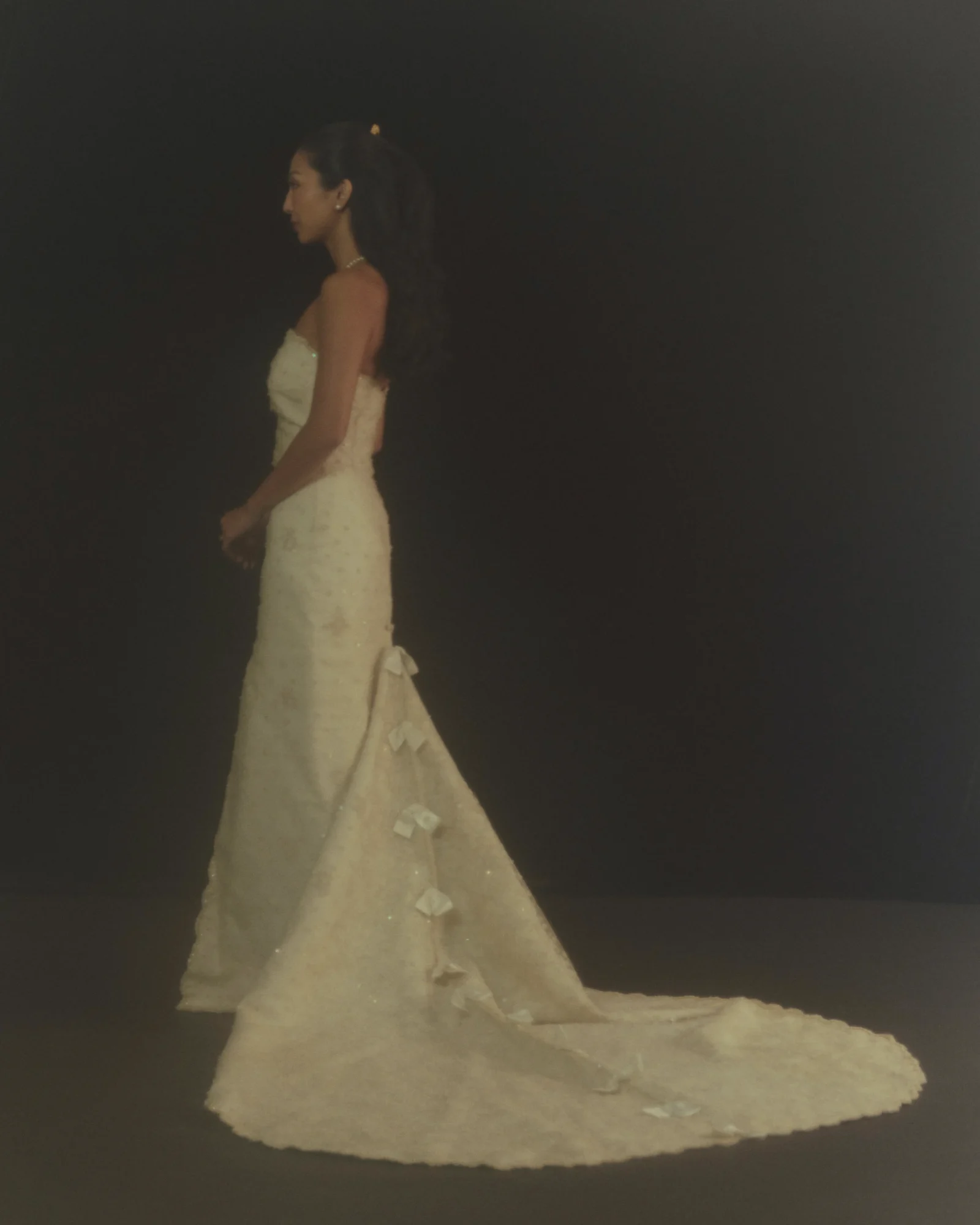
A mother’s or grandmother’s gown doesn’t have to be worn as-is to be meaningful. Take a page out of bride Bianca Wen’s book and work with a skilled designer to extract the most striking elements and have them worked into your own dress. The result is something entirely yours, with history sewn into the seams.
Incorporate A Small Vintage Memento
Small objects with personal or family history have a way of anchoring a wedding without overwhelming it, and they make for a kind of detail that photographs beautifully, and stories even better.
Arrive In A Vintage Car
Few gestures are as cinematic as a vintage car pulling up to the church. A restored 1960s Mercedes, a classic Jaguar, or even a well-maintained mid-century Filipino family car can make for some of the most striking photographs of the day.
Revisit Your Family’s Wedding Scripture Or Prayer
If your parents or grandparents had a particular passage read at their wedding, use it at yours. You don’t have to replicate their entire ceremony; simply incorporating the same reading, or asking the same prayer to be offered, creates a continuity across generations that feels very personal.
Choose A Venue With Genuine History
The Philippines has an extraordinary advantage here. Its monumental basilicas offer a setting that no purpose-built wedding venue can approximate. Getting married at the San Agustin Church in Intramuros, for example, or perhaps the Manila Cathedral, means standing in a space that has witnessed centuries of human ceremony.
Serve A Family Recipe At The Reception
Food is one of the most underused avenues for wedding storytelling. Work with your caterer to include a dish connected to your family history, like a traditional regional specialty or a dessert recipe that has been passed down for generations.
Use Vintage Dinnerware Or Tableware
For smaller, more intimate weddings especially, setting the table with inherited or antique china, silverware, or glassware transforms the reception into a genuinely curated celebration. Pieces don’t have to match. In fact, a considered mix of vintage patterns often looks more sophisticated than a uniform rental set.
Play Old Music
A song your parents danced to at their own wedding, a classic from the year your grandparents married, or simply a standard from a decade that holds meaning for your family: the right piece of music can stop time in a way even the most meticulously designed décor cannot.
Frequently Asked Questions
You can repurpose a family wedding dress or veil, wear inherited jewelry, use a family ring, carry a small vintage memento, arrive in an antique car, marry in a venue with history, use a family scripture or prayer, serve a family recipe at the reception, set the table with vintage dinnerware, or play music from a meaningful era in your family’s past.
The custom comes from Victorian England, where it was a way of carrying continuity into a new chapter of life.
Yes. A skilled designer can extract elements like lace, satin, or a veil and work them into your own gown.
A locket tucked into a bouquet or antique cufflinks for the groom can work beautifully.
Yes. Working a family recipe into the reception menu—a traditional dish or a passed-down dessert—is a meaningful and underused way to honor the tradition.