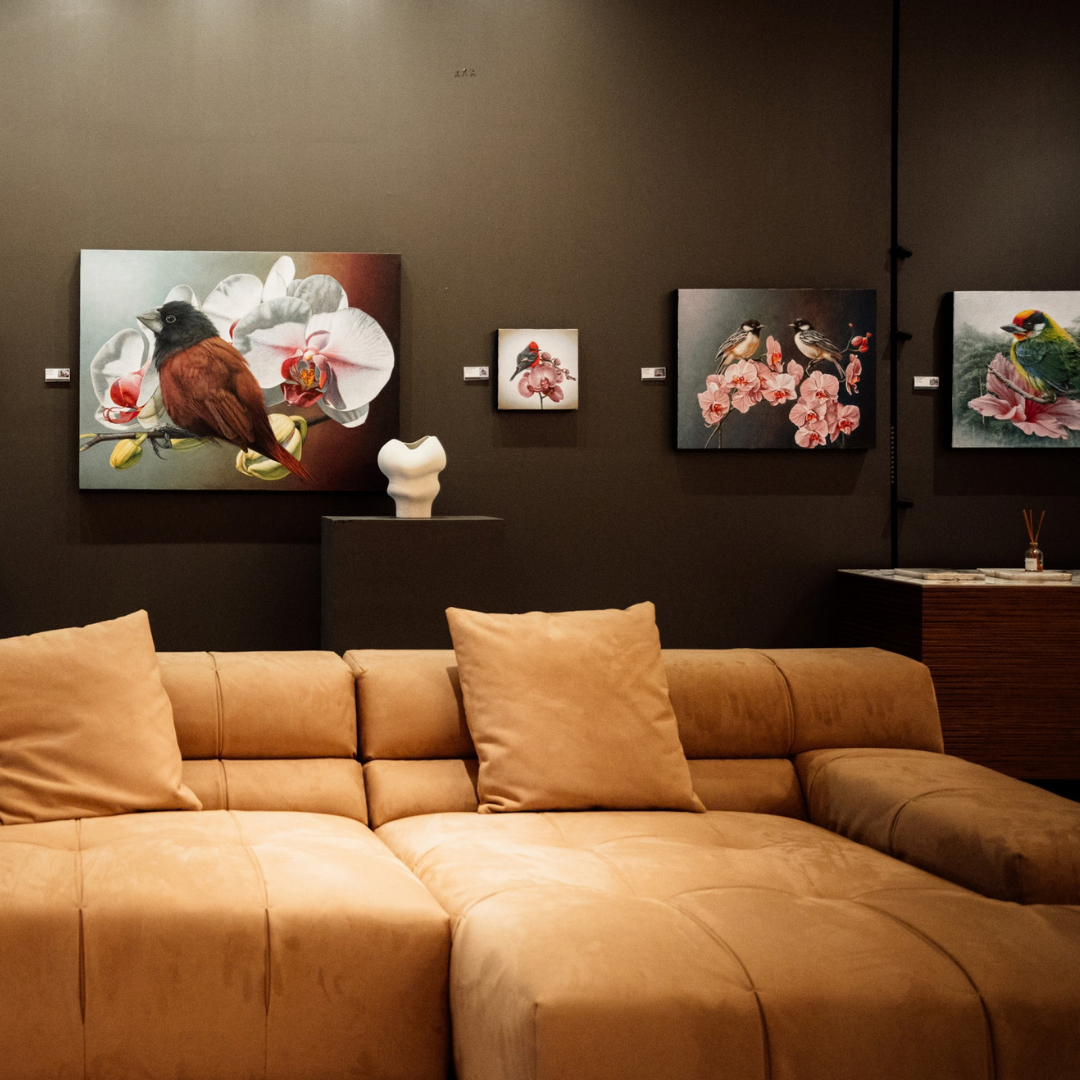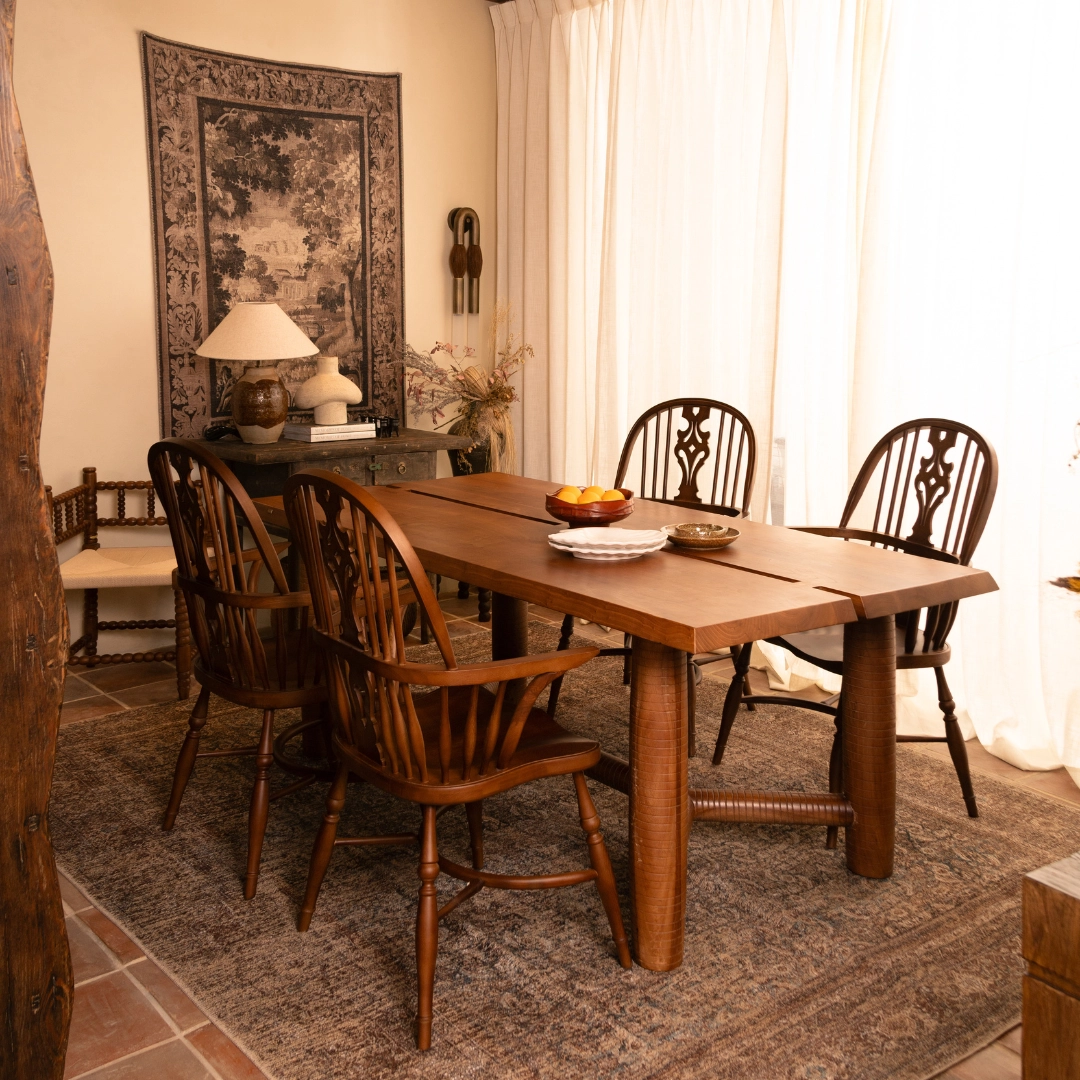
Lifestyle Asia phones C.A. Design House principals Alix de la Fuente and Carla Lim to share their tips for designing your first home.
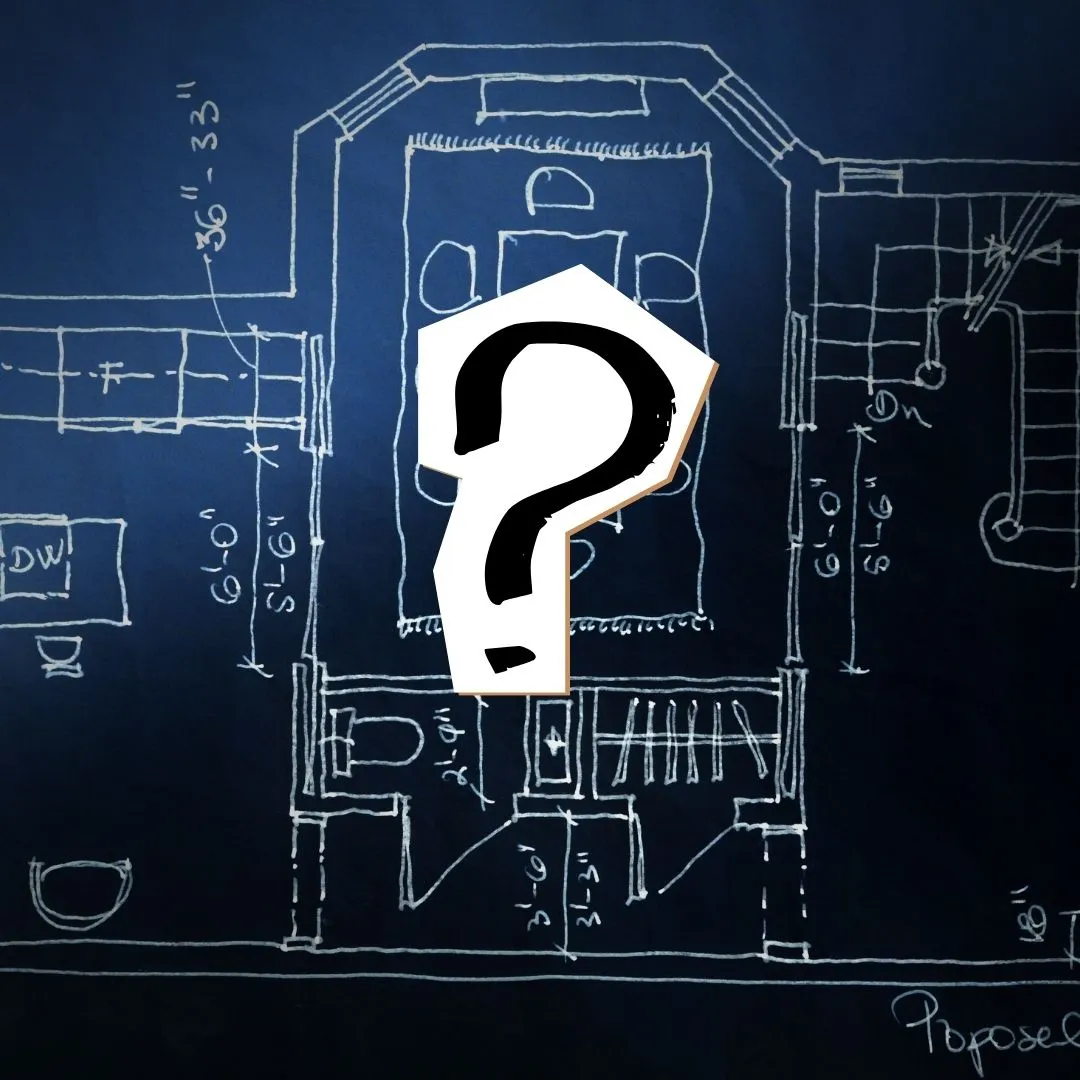
Once you settle the age-old “rent or own” debate and decide to buy your first house, the next big question is this: should you build it from the ground up or purchase one that’s already standing? If you’ve chosen the former, it’s time to familiarize yourself with everything that goes into building, from budgeting and permits to choosing the right team. Naturally, one of the biggest decisions you’ll make is how your future home will look like and function. But unless you’re an architect, reading blueprints and translating floor plans can feel like learning a new language. To help make the process a little less intimidating, Lifestyle Asia phoned in Alix de la Fuente and Carla Lim of C.A. Design House to break down the fundamentals of design and help turn your ideas into a home that works for you.
READ ALSO: Daikin Designer Awards 2026 Opens To The Philippines For The First Time
Ask The Expert: About C.A. Design House
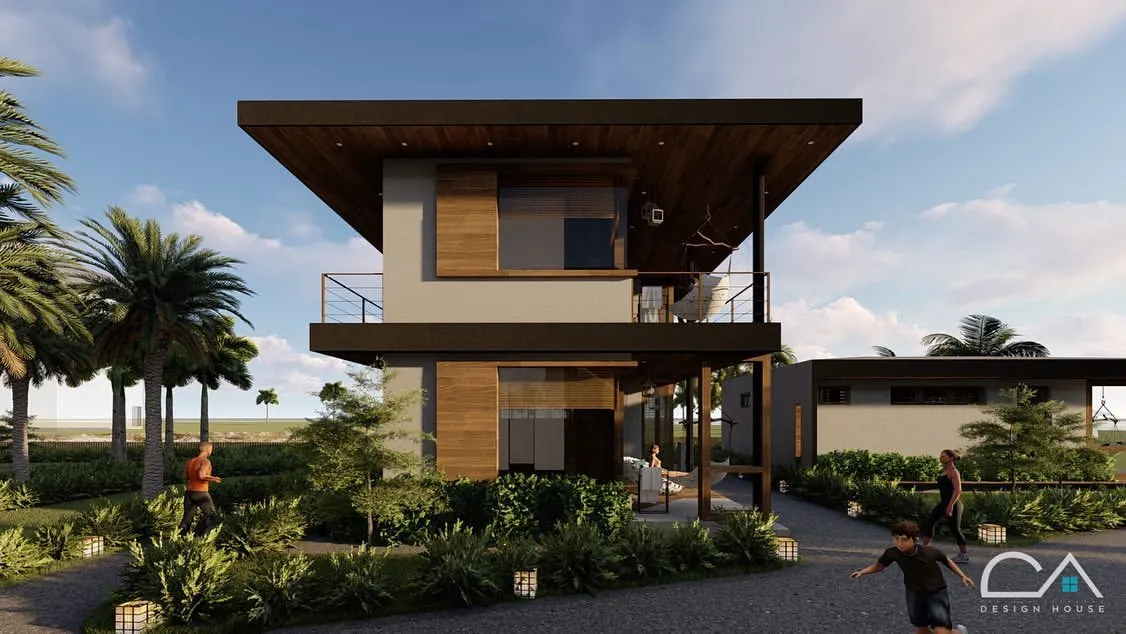
Alix de la Fuente and Carla Lim are the principals of C.A. Design House, a multidisciplinary design practice based in Metro Manila. Working across architecture, interior design, and engineering coordination, they approach every project as a cohesive whole, ensuring each element works seamlessly from concept to completion.
Grounded in the belief that good design begins with understanding how people live, their work prioritizes everyday routines, relationships, and the atmosphere a home creates. More recently, the studio has expanded into lighting design, further strengthening its holistic approach to crafting spaces that are functional, beautiful, and deeply felt.
Before we get into interiors, what’s one thing you wish everyone knew before building their first home?
Alix and Carla: That every decision is connected, and that’s where the magic is. Move a single wall, and it ripples through the lighting, the air-conditioning, the cabinetry, the electrical layout, the ceiling, even where your furniture eventually lands. A home isn’t built one room or one finish at a time. When the whole thing is thought through from the start, the result feels more seamless, more intentional, and usually more efficient down the line. This is also where trusting your designers matters. Tracing those connections is our job, so it doesn’t have to be yours.
If you could give first-time homeowners just one piece of advice before they break ground, what would it be?
Alix and Carla: Don’t rush into construction just because it finally feels like progress. Unless you’re a seasoned professional, that instinct can be one of the most expensive ones you act on. Build the foundation on paper first: a clear brief, an honest budget, complete drawings, and a design-and-construction team that’s genuinely coordinated. Decisions made late almost always cost more. It ends up costing more money, more stress, and fewer options. What feels like “saving time” at the start often turns into months of revisions and compromises on-site. A few extra weeks of careful planning aren’t the most exciting part, but it may be the smartest investment you make in the entire home.
Everyone starts with pegs and moodboards from social media, but where should they actually start?
Alix and Carla: Start with conversations, not images. Before you decide what the home should look like, understand how it needs to work. How do you start and end your day? Do you entertain? Where do the bags, shoes, appliances, and everyday clutter actually go? How much privacy does each person need? Which rooms will you truly live in?
Pegs still matter, especially once you get to aesthetics, since words like “minimalist” or “modern” mean wildly different things to different people, and references keep everyone aligned. But a good home is shaped by the life happening inside it, not by how closely it matches a saved image.
What’s the biggest misconception people have about what an interior designer actually does during a home build?
Alix and Carla: That designers only think about the look, or that it begins with furniture, colors, and finishes.
The real work happens far upstream of anything decorative. As architects working within interior architecture, we start with the invisible systems that shape how a space feels: circulation, proportion, ergonomics, light, storage, and the constant dialogue between design intent and engineering. Every decision is weighed not just for how it looks, but for how it will be built, coordinated, lived in, and how it holds up over time.
What you eventually see is only the surface of a much deeper process.
At what point in the process should someone hire an interior designer?
Alix and Carla: As early as possible. Well before turnover, and even while the building is still under construction, if the developer allows it. In a lot of condo projects, there are small windows where things can still be coordinated ahead of time: provisions for lighting, air-conditioning, plumbing points, sometimes even minor layout changes. Bringing in a designer at that stage means those elements are integrated from the start rather than retrofitted later. It also means spatial planning, ceilings, lighting, power, and built-ins can be resolved as one system. It’s far more precise, and far cheaper, to work these out on drawings than to renegotiate them once construction is underway.
How can homeowners make sure their home still feels current 10 or 20 years from now instead of looking dated?
Alix and Carla: Focus on the fundamentals: proportion that feels resolved, light that’s considered rather than incidental, circulation that reads as intuitive, detailing that rewards a second look, and materials that get better with age.
Homes look dated when they lean on a specific trend instead of these basics. We keep the architectural layer restrained and clear so it can hold its own for years. Personality comes from the things that are easy to change, like furniture, art, textiles, and the objects that reflect the life inside. Timelessness doesn’t mean characterless. It means a foundation strong enough to adapt as your life and taste shift, without the space ever feeling out of place.
How do you strike the balance between a home that feels current and one that won’t go out of style?
Alix and Carla: We separate being current from being trendy. A current home answers to how people live now. Examples of these would be better lighting, smarter technology, flexible rooms, energy-conscious systems, and more thoughtful ways to work, rest, and entertain at home. Those are meaningful upgrades.
Trends can be fun, especially when they genuinely reflect the homeowner. We just place them where they’re easy to change: paint, loose furniture, decorative lighting, accessories. For us, longevity and sustainability go hand in hand—a home built to last needs fewer replacements, which lets it age gracefully.
What’s an expensive mistake you see first-time homeowners make over and over again?
Alix and Carla: Starting construction with an incomplete design. When the drawings, specs, and engineering aren’t resolved, decisions get made reactively on-site, and that’s where you get repeated work, clashing installations, rushed material choices, and compromises you never needed to make. Beginning right away feels faster. But construction runs most smoothly when the big questions are already answered, and that’s why it’s important to be patient and allow for the process to take the time it needs.
What’s something people almost always forget to include in their plans?
Alix and Carla: The less visible systems that support daily life. Storage for cleaning equipment, luggage, deliveries, laundry, appliances, cables, and household supplies gets resolved too late, if at all. The same goes for maintenance access, enough electrical points, considered lighting controls, acoustics, and properly planned service areas. These rarely appear on a moodboard, yet they decide how a home actually performs. A well-designed home isn’t one where everyday life disappears. It’s one where everyday life has been given a place.
Frequently Asked Questions
Before designing your first house, establish a clear brief, realistic budget, and coordinated design and construction team. Planning thoroughly before breaking ground helps avoid costly changes later.
Hire an interior designer as early as possible—even before construction begins. Early involvement allows them to coordinate layouts, lighting, electrical plans, and built-ins more efficiently.
Start by thinking about how you live instead of collecting inspiration photos. Consider your daily routines, storage needs, entertaining habits, and lifestyle before choosing an aesthetic.
One of the most common mistakes is starting construction with incomplete plans. This often leads to expensive revisions, delayed timelines, and design compromises during the build.
Prioritize timeless design fundamentals like good proportions, natural light, functional layouts, and quality materials. Save trendier elements for furniture, décor, and accessories that can be updated over time.
Alix de la Fuente and Carla Lim are the principals of C.A. Design House, a multidisciplinary design practice based in Metro Manila. Working across architecture, interior design, and engineering coordination, they approach every project as a cohesive whole, ensuring each element works seamlessly from concept to completion.