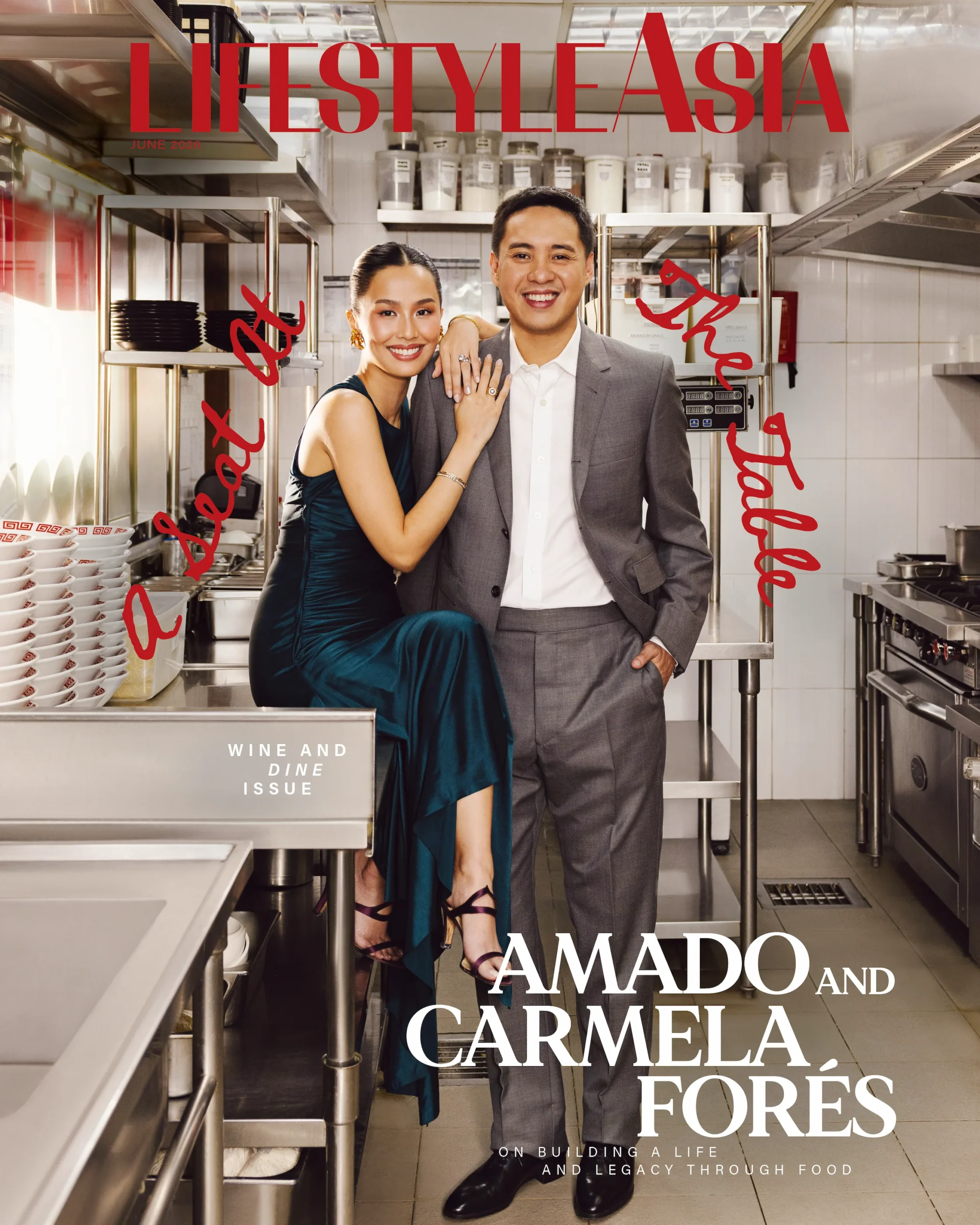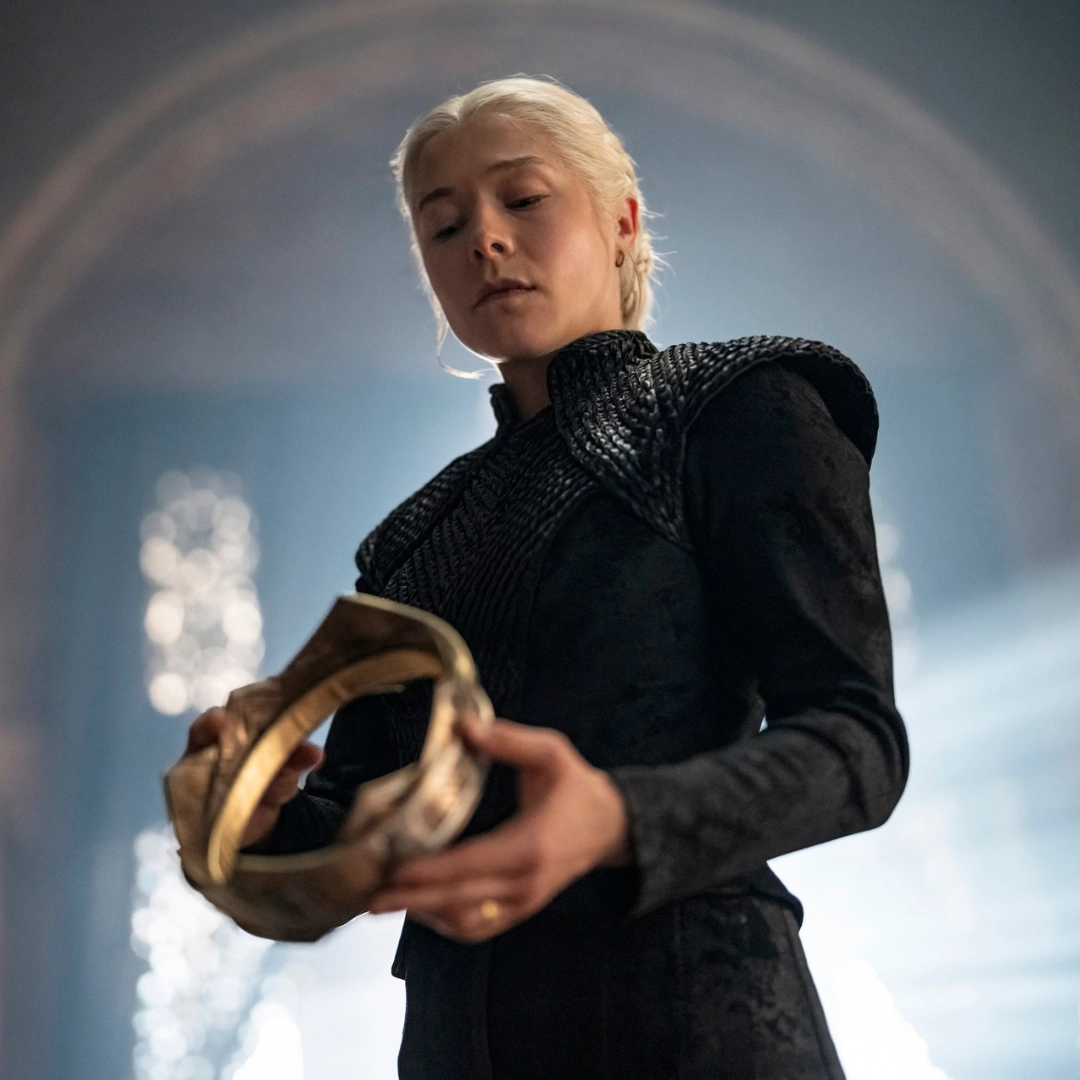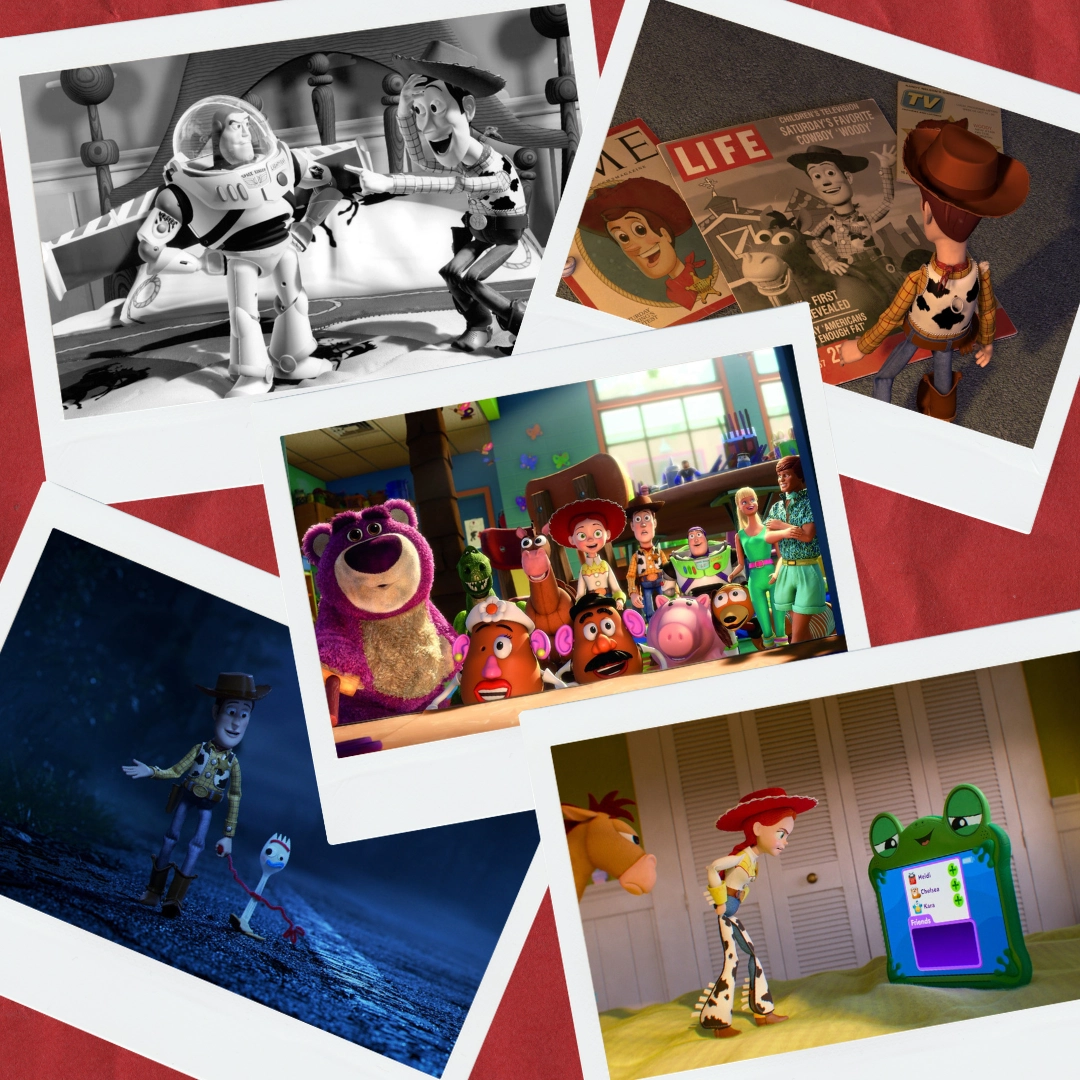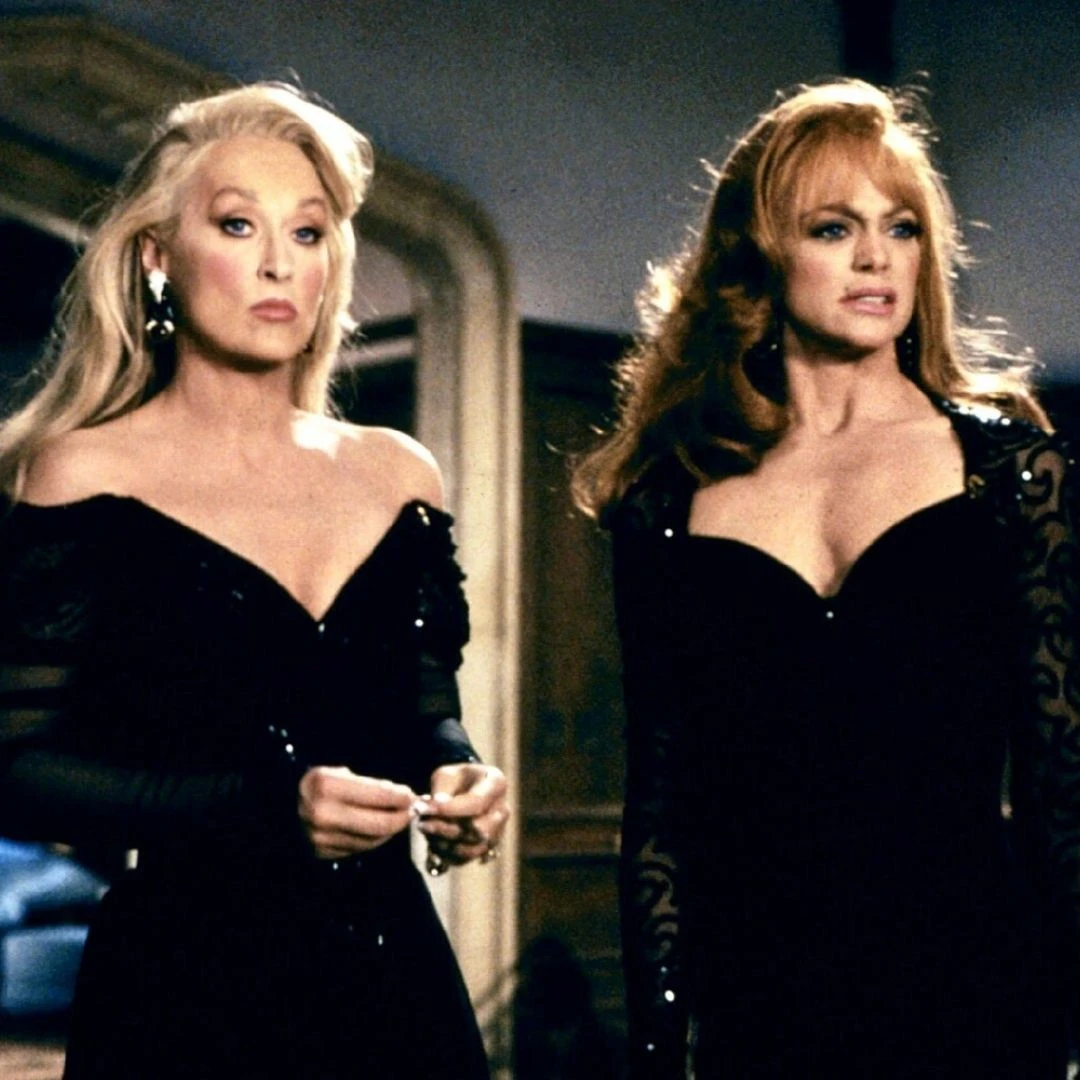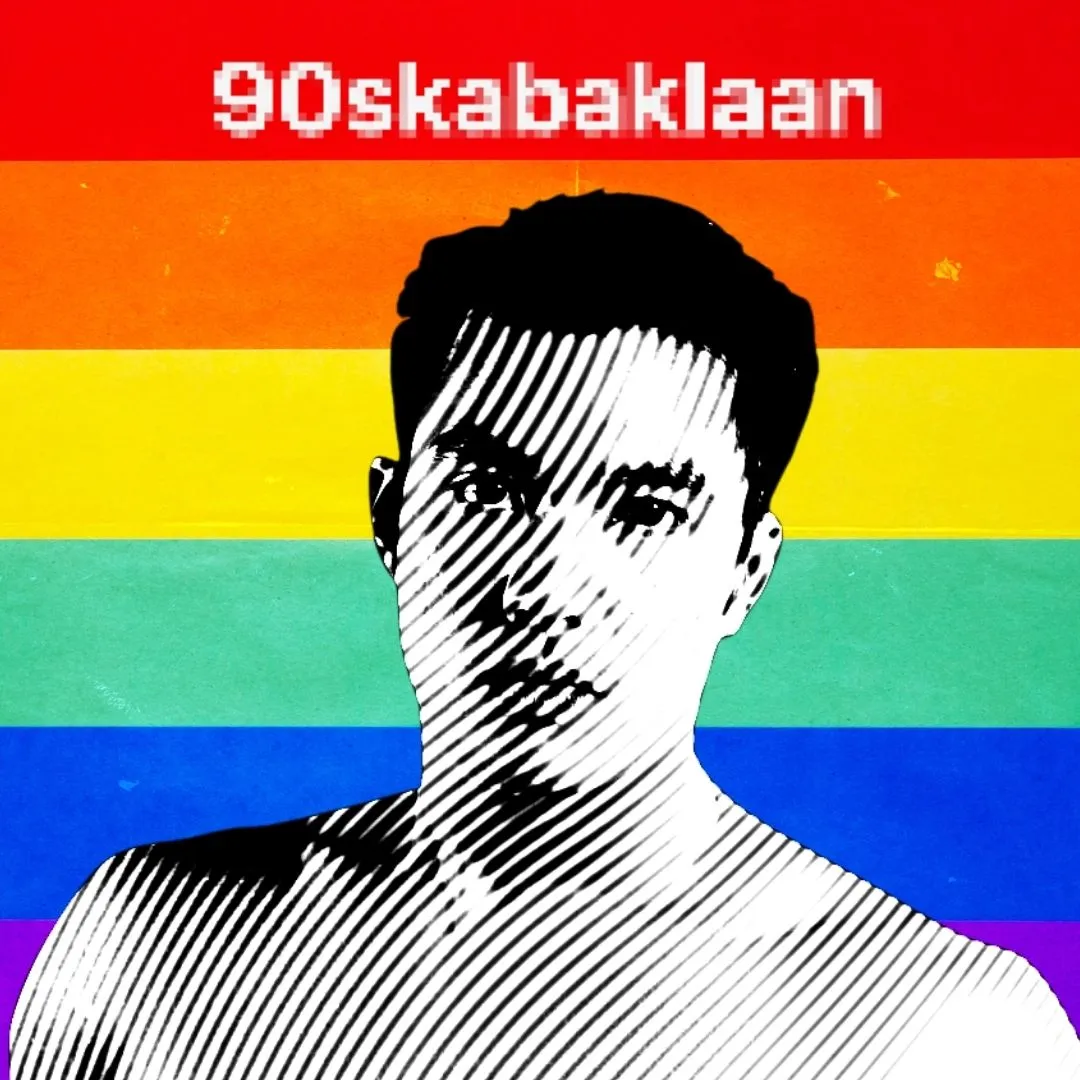
Popular Instagram account 90skabaklaan has been celebrating queer culture through the preservation of Filipino print media, documenting the evolution of LGBTQ+ representation in the Philippines. We got a chance to have a chat with the creator behind the handle.
A big chunk of Millennials and older Gen Z gays grew up during the heyday of print media. Magazines, newspapers, advertisements: print played a significant role in shaping the queer community we know today. On social media, print is often credited as the source of many queer youth’s sexual awakenings, a sentiment that Instagram account 90skabaklaan knows all too well.
You’ve probably seen a gay friend or someone from the creative community share an obscure scene from a Filipino film paired with a hilariously relatable caption. More often than not, that post came from one of the many brilliantly funny uploads by @90skabaklaan. At first glance, you might expect the account to be filled solely with memes and niche references to Filipino movies. Yet besides serving great humor, it also functions as a living archive of the glory days of print media. True to its name, 90skabaklaan is a Y2K print media haven.
In celebration of Pride Month, Lifestyle Asia sat down with @90skabaklaan for a kiki about print media and the role it played in shaping the worldviews of millennial queers.
READ ALSO: Digital Decay: Why You Need To Save The Things That Matter
The Genesis Of 90skabaklaan: How An Instagram Account Came To Be
Behind every viral social media account is one person running the show—someone who understands the zeitgeist and knows exactly how to translate it for their niche audience. More often than not, the people behind these accounts are part of the very communities they cater to. In true 90skabaklaan fashion, we turn to Anne Curtis’ iconic line as Kara Zalderiaga in No Other Woman: “I don’t need to know the market, because I am the market.”
“I’m Victor, just a regular gay millennial working in finance,” says the man behind 90skabaklaan. According to Victor, he started the account in July 2021, at the height of the pandemic, with one mission in mind: to preserve and immortalize the pages of his now-deteriorating magazines from the ’90s. “I decided to restore and digitize them, kasi sayang naman if masisira na lang [Because it would be a waste if the magazines deteriorate]. Most of them have rare photos that you wouldn’t see anywhere else.”
For Victor, launching the account during the pandemic proved to be perfect timing. At a moment when people were stressed, struggling to get by, and confined within the four corners of their homes, an account like 90skabaklaan offered a welcome distraction—an escape, even—from reality. “Everyone was at home during the lockdown and had time to pause, reflect, and look back,” he explains. “It also coincided with the resurgence of ’90s aesthetics, fashion, TV shows, and pop culture. So in my mind, I just went on with it,” he adds. The rest, as they say, is history.
90s Philippine Print Media And Its Queer Cultural Influence
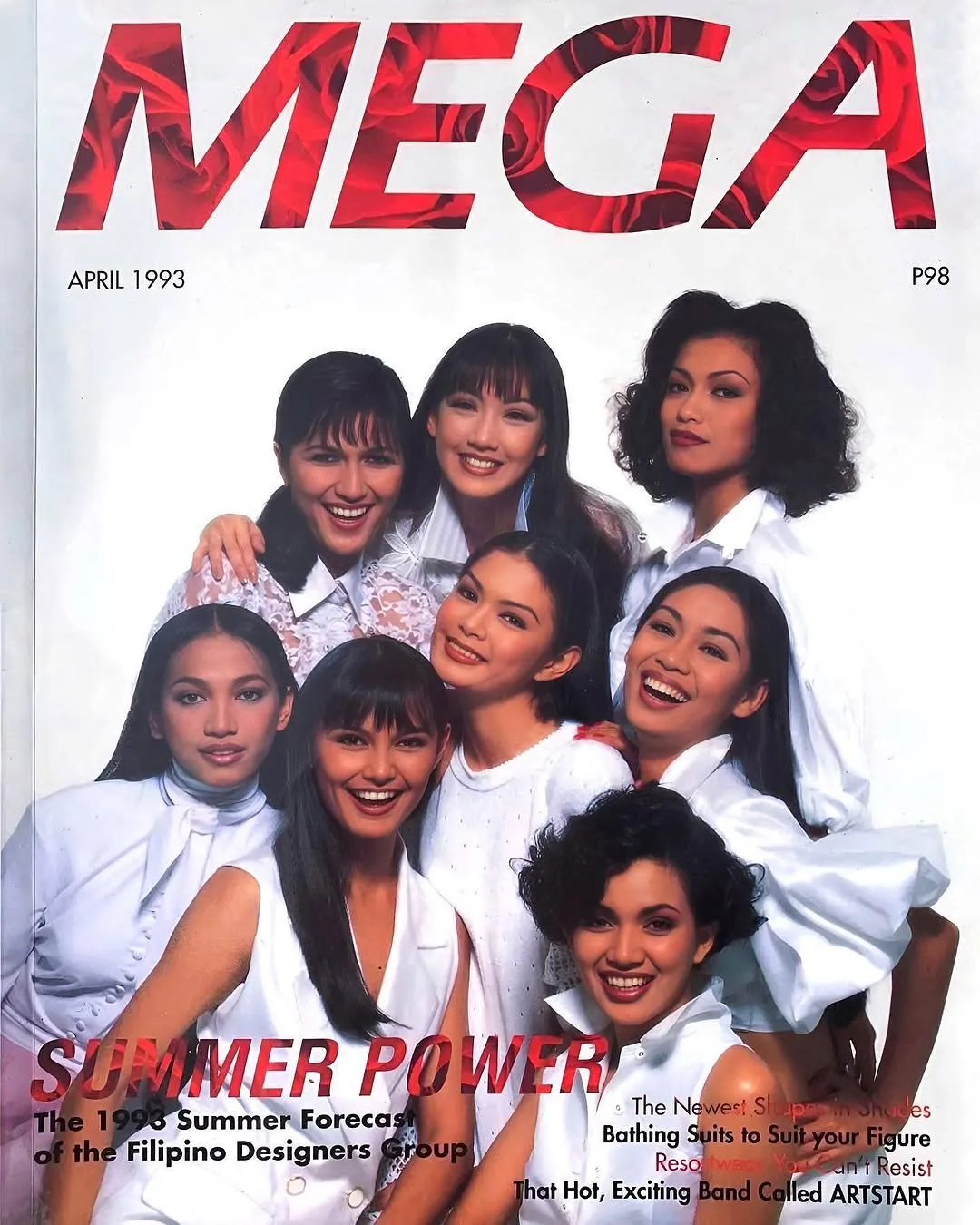
“Growing up gay in the ’90s was very different from how it is now. We didn’t have social media back then, and our primary source of escape was magazines, whether it was a hunky Richard Gomez in a ’90s Bench campaign or Gretchen Barretto on an avant-garde magazine cover,” Victor says. According to him, print publishing, particularly magazines, gave young gay kids a sense of fantasy.
Growing up, magazines fed the imagination, helped in the process of self-discovery, shaped aspirations, and cultivated taste. In Victor’s words, they were the original “lifestyle influencers.” Long before influencing became an actual career path, magazines were already curating the lifestyles, aesthetics, and visual worlds that many young queer people dreamed about.
Beyond the fantasies he found in print media, Victor credits some of his earliest pop culture influences to the people closest to him. “My sister and cousins really influenced me when it came to pop culture,” he says. Growing up, he and his siblings plastered their walls with GIMIK and Leonardo DiCaprio posters while listening to Jagged Little Pill, Shania Twain, and FM radio countdowns.
Of course, no gay childhood story is complete without television and movies. For Victor, that meant Marimar and Mula sa Puso—telenovelas that captivated an entire generation and kept viewers glued to their screens. “On weekends, we’d rent the latest Hollywood films,” he recalls. “It was that sort of family bonding that played a prominent role in my childhood.”
When asked where his love for magazines came from, Victor points to his aunt as one of his earliest influences. “Probably the chicest woman I’ve ever known; she worked in Manila and would always bring home local fashion magazines, along with airline magazines. That really made an impact on me.”
Navigating Queer Identity In 1990s Philippines
Today, annual Pride marches draw thousands of people together in celebration of queerness, but there was a time when many queer kids struggled to openly express their sexuality. Let’s be honest: coming out is never easy, regardless of how accepting a society may be. Victor experienced this firsthand while growing up in the ’90s, long before public figures like Vice Ganda helped normalize the image of a loud, proud, and unapologetically queer person.
“I wasn’t out to my family when I was a kid, so most of my kabaklaan [gayness] manifested through my closest friends. We’d discuss Sailor Moon, play with paper dolls, and dance to Britney Spears after class,” he reminisces. Expressing one’s queerness isn’t just about learning self-acceptance, but also finding a safe space where that expression can exist freely. It’s a recurring thread in many queer stories: the search for a community that feels safe enough to be fully yourself.
Victor acknowledges the lack of queer representation during that era. “Most millennial gays I know didn’t have older gays or mentors growing up. We didn’t have LGBTQ+ role models or accessible support groups,” he explains. The closest thing he had to a queer role model was his gay English teacher, a familiar figure to many queer people (so much so that’s it became a meme).
“I was the editor of our school paper, and he was a magazine collector himself. I looked up to the way he carried himself. Everyone at school—the students, faculty, and parents—deeply respected him,” Victor states. “He was smart, had a great sense of humor, and was always polished and well-dressed.”
Looking back, queerness in the ’90s tells a very different story from queerness today. It serves as a reminder to younger generations of just how much has changed, and how fortunate we are to live in a time when queerness is, steadily (and hopefully surely) on the road to being embraced.
The Evolution Of 90skabaklaan: From Hobbyist To Queer Curator
What started as a personal archiving project eventually became something much bigger than Victor anticipated. Today, 90skabaklaan is followed by everyday fans of Filipino pop culture, magazine editors, tastemakers, celebrities, and creatives who grew up consuming the very media featured on the account.
“I didn’t really begin taking the ‘responsibility’ of being a queer pop culture curator seriously until magazine editors, tastemakers, and celebrities started following the page,” Victor shares. “Don’t get me wrong, it still feels fun, and I still get the same adrenaline high when I post a very rare photo, but having those extra pairs of eyes watching does make me feel a little pressured.”
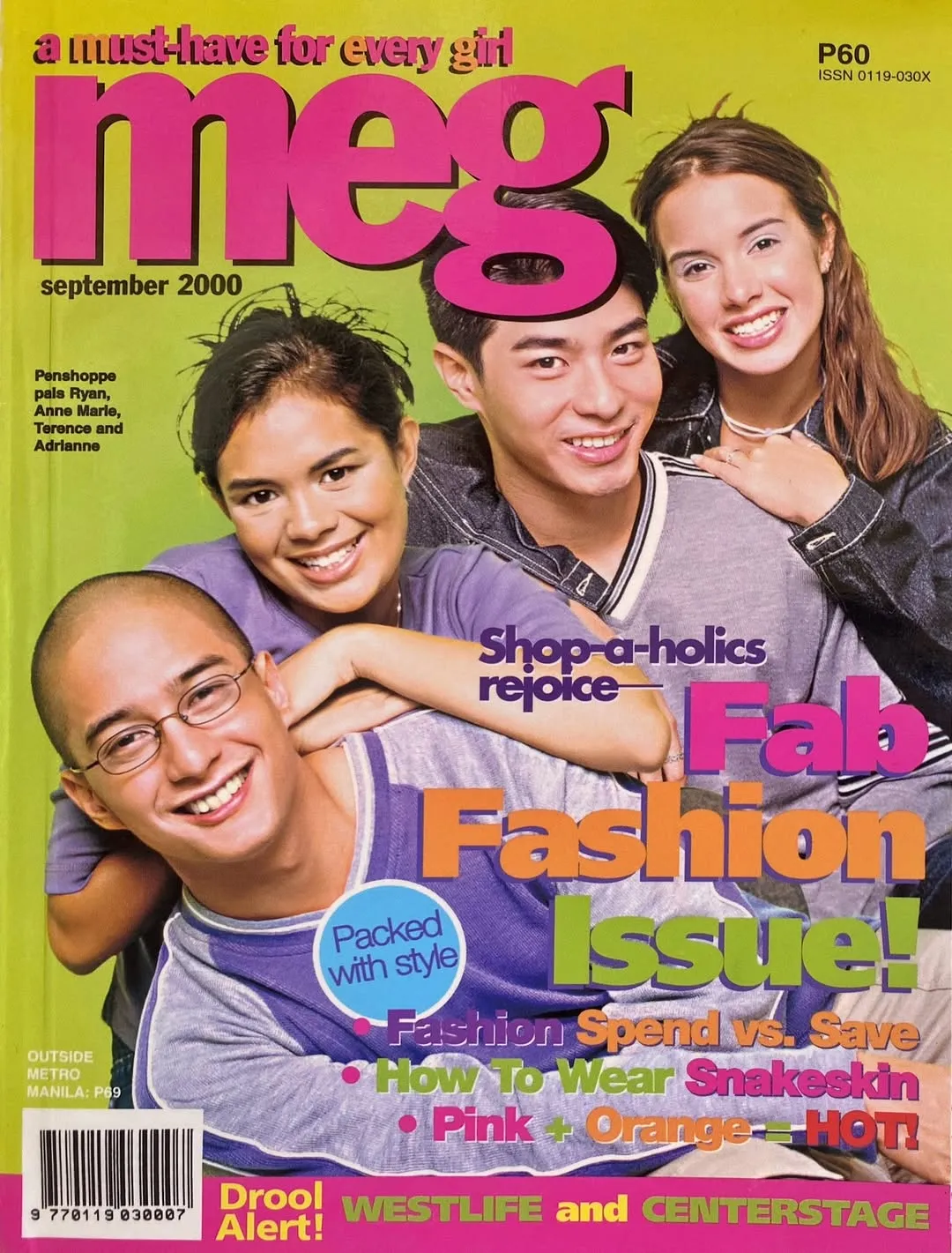
The pressure, however, comes with a sense of purpose. For Victor, every restored magazine scan and rediscovered editorial spread serves a greater function beyond nostalgia: it gives people an opportunity to revisit a version of themselves they may have forgotten. “For me, having these photos curated for free is like healing everyone’s childhood or reliving everyone’s best moments—be it 20 or 30-something years ago,” he elaborates.
The page also serves as an unexpected record of how Filipino society has evolved. Scroll long enough, and you’ll notice how beauty standards have shifted, how fashion trends came and went, and how queer representation transformed across different eras. “We see these in early ’90s mainstream films such as Petrang Kabayo and Bala at Lipstik, where queer characters were expected to be feminine and funny, but remained one-dimensional,” Victor explains. “By the late ’90s and early 2000s, we started seeing more progressive films such as Pusong Mamon and So Happy Together.”
The Philippines is a country where archiving and preservation are seldom prioritized, and usually managed by a brave few, which makes this sort of time capsule all the more necessary.
While representation has undoubtedly improved, Victor is quick to point out that visibility doesn’t always translate to progress. “‘Malayo na, pero malayo pa‘ [We’ve come far, but we still have a long way to go] is how I’d put it,” he says. “The Philippines still lags when it comes to laws protecting the rights of the LGBTQ+ community, not to mention the long-debated passage of the divorce and SOGIE bills. I hope that changes in the years to come.”
Kabaklaan: The Filipino Queer Lexicon Of Pop Culture
90skabaklaan isn’t merely documenting old magazine covers, forgotten advertisements, and celebrity editorials—it’s documenting kabaklaan itself. When asked why the word appears so prominently throughout the account, Victor offers an interesting perspective.
“If you ask me, there’s no real Filipino translation for pop culture, and the word that comes closest is kabaklaan,” he says. “Primarily because LGBTQ+ folks have been the most creative, and have had this ubiquitous presence in pop culture—music, films, fashion, media, advertising. Name it, they’ve done it.”
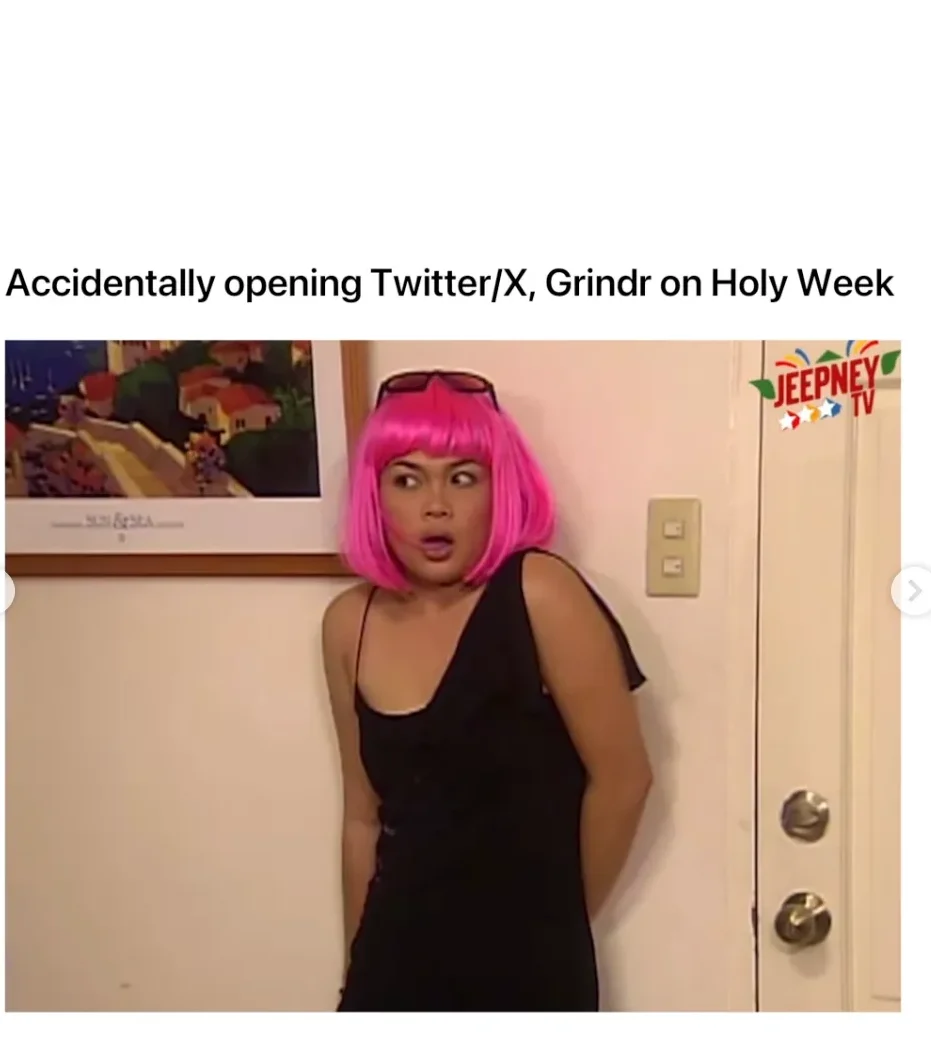
It’s a bold statement, but one that becomes difficult to dispute once you start tracing the fingerprints of queer creativity across Philippine media. From the magazines that shaped beauty and fashion standards to the films, television shows, advertisements, and celebrity culture that defined generations, queer people have long been part of the conversation, even when they were rarely given center stage. That, perhaps, is what makes 90skabaklaan resonate with so many people.
“As cliché as it sounds, it unites the queer community through their love for nostalgia and pop culture, with a bit of humor and NSFW,” Victor says. “These are core memories from their childhood, their gay awakenings, their Pride. And that’s worth celebrating every day when they scroll the page.”
90skabaklaan is a love letter to queerness and print media: a living, breathing archive of the magazines, films, celebrities, and cultural moments that shaped an entire generation of Filipinos. Every scanned page, every forgotten editorial, and every hilariously captioned post preserves a piece of collective memory. In a digital age where content disappears as quickly as it arrives, 90skabaklaan reminds us that even the most ridiculous, oddly specific, long-buried, and quotidian histories deserve to be remembered.
All photos via Instagram @90skabaklaan
Frequently Asked Questions
90skabaklaan is an Instagram account that archives and digitizes rare Filipino magazines, advertisements, celebrity editorials, and pop culture memorabilia from the ’90s and early 2000s. It has become a beloved space for queer nostalgia and cultural preservation.
The account was founded by Victor, a gay millennial working in finance who started the page in 2021 to preserve his collection of deteriorating magazines and share them with a wider audience.
Before social media existed, magazines, newspapers, and advertisements helped many queer Filipinos explore their identities, discover role models, develop their personal style, and imagine different possibilities for themselves.
According to Victor, early Filipino films often portrayed queer characters as comedic and one-dimensional. By the late ’90s and early 2000s, films such as Pusong Mamon and So Happy Together began presenting more nuanced and progressive portrayals of queer lives.
Victor believes the Tagalog word “kabaklaan” is the closest Filipino equivalent to pop culture because LGBTQ+ people have played a significant role in shaping Philippine entertainment, fashion, media, advertising, and celebrity culture for decades.