Your favorite international movies might have a Filipino counterpart; here’s what to watch when you’re craving great local films.
Lately, there’s been a lot of discussion on X about how moviegoers are choosing foreign films over Filipino ones, with some arguing that local cinema has become too repetitive or formulaic. As a Filipino film enthusiast, I see it differently. Filipino filmmakers have told all kinds of stories across romance, comedy, horror, and drama, and chances are, you’ve already seen a local film that shares a similar mood or vibe as some of your international favorites. In celebration of Philippine Film Industry Month, we’re making the case through a little movie-matching exercise. From familiar storylines to completely different takes, here are Filipino film counterparts to the international movies you already love.
READ ALSO: The Tarzeer Grant For Photography Gives Artists Space To Develop New Work
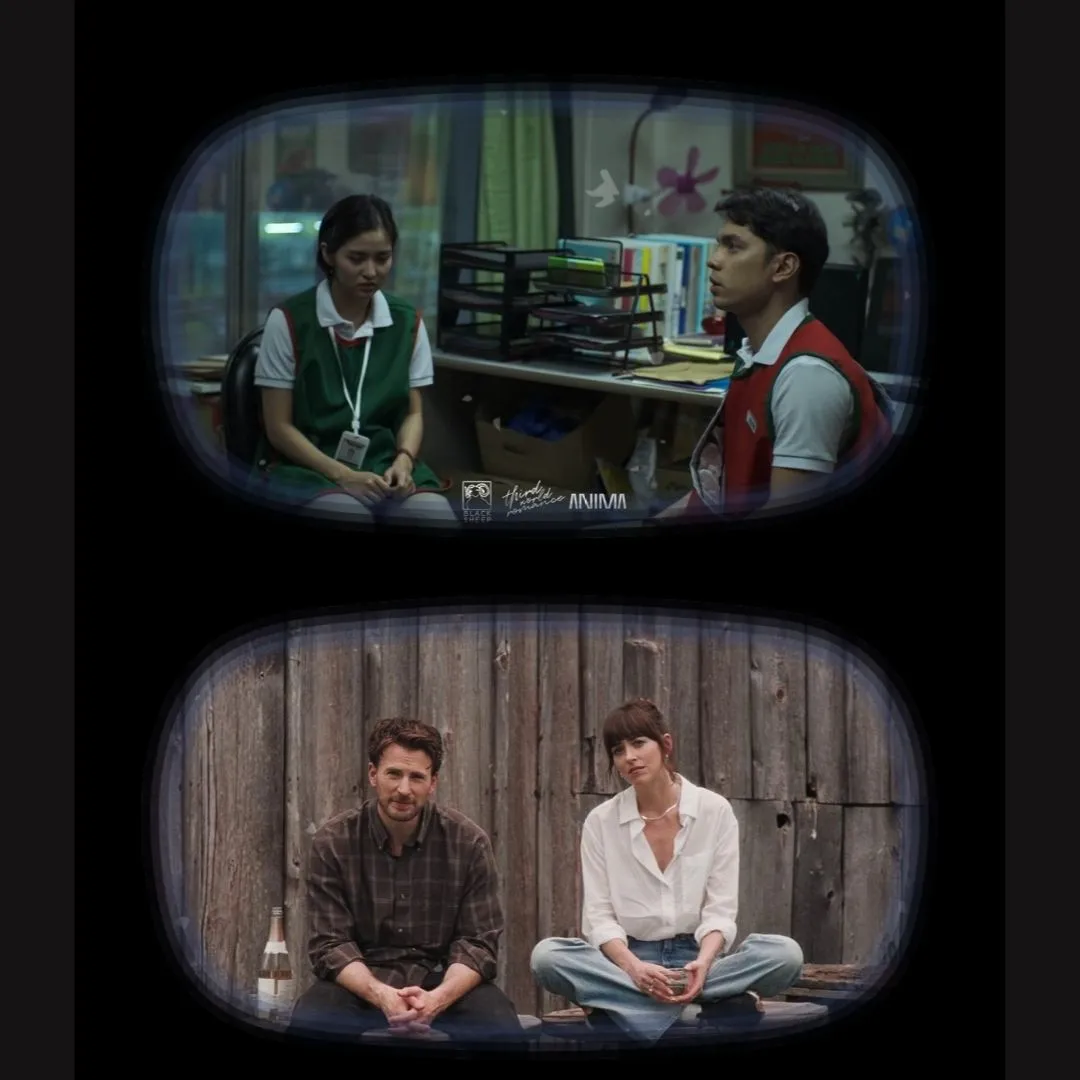
Materialists (2025) and Third World Romance (2023)
Celine Song’s Materialists puts modern dating under a very specific microscope. Lucy is a successful New York matchmaker who spends her days sizing people up based on their careers, incomes, looks, and long-term potential. She knows exactly what makes a “good match” on paper, but things get complicated when she finds herself caught between Harry, the wealthy, seemingly perfect bachelor; and John, her struggling ex-boyfriend.
If you liked Materialists for its slightly cynical look at love, money, and the realities of dating as an adult, Third World Romance makes for a fitting Filipino companion piece. The film follows Lisa and Leopoldo, two grocery store employees who start a relationship during the pandemic while dealing with the very practical problems that come with being broke. Their romance comes with bills, family responsibilities, job insecurity, and the constant question of whether love can actually survive when money is tight.
Where Materialists asks whether love can compete with wealth and status, Third World Romance asks what happens when love has to compete with the electric bill, grocery prices, and everyday survival. Both films are romances, but they also understand that falling in love is much easier when you aren’t worrying about how you’re going to make rent.


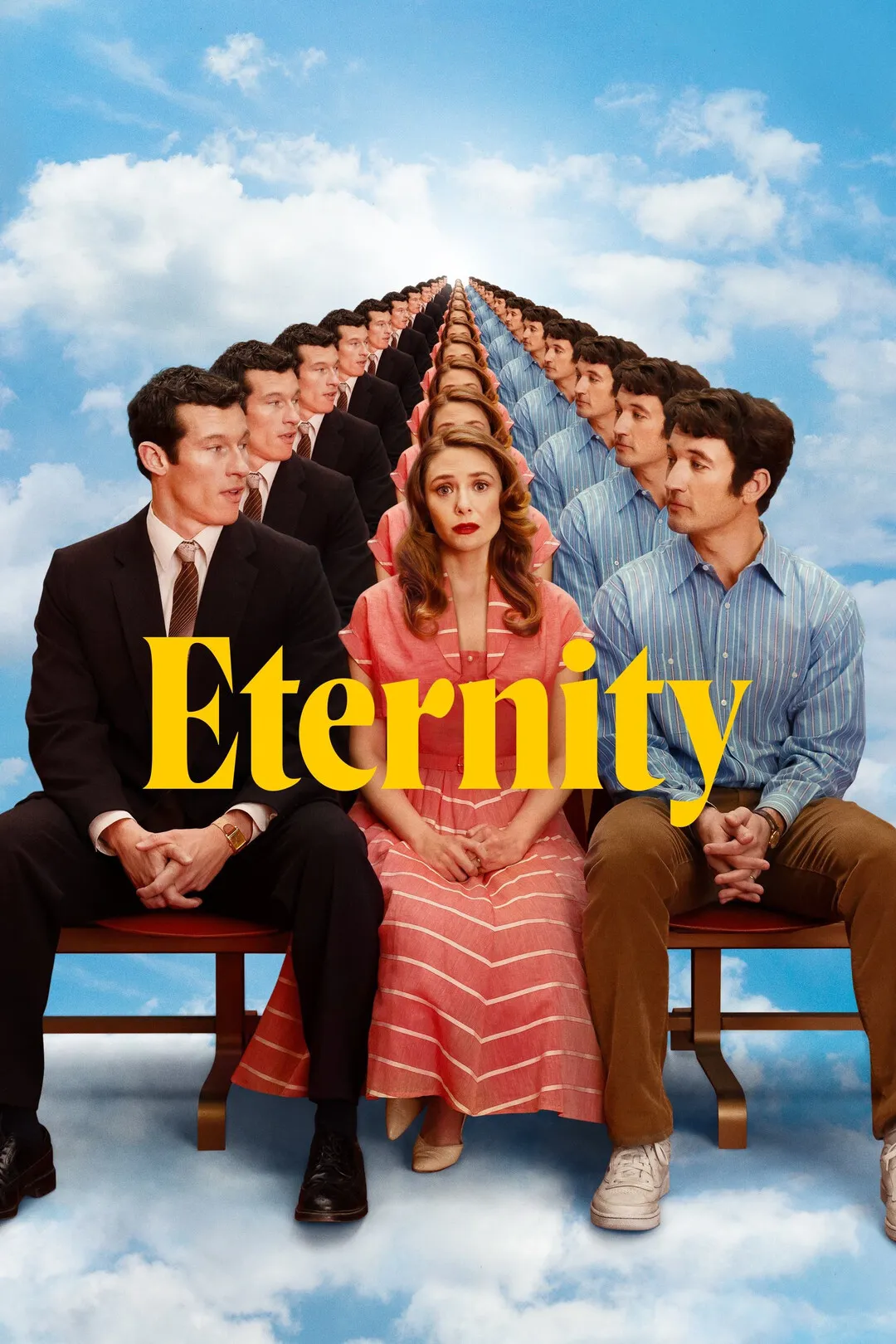
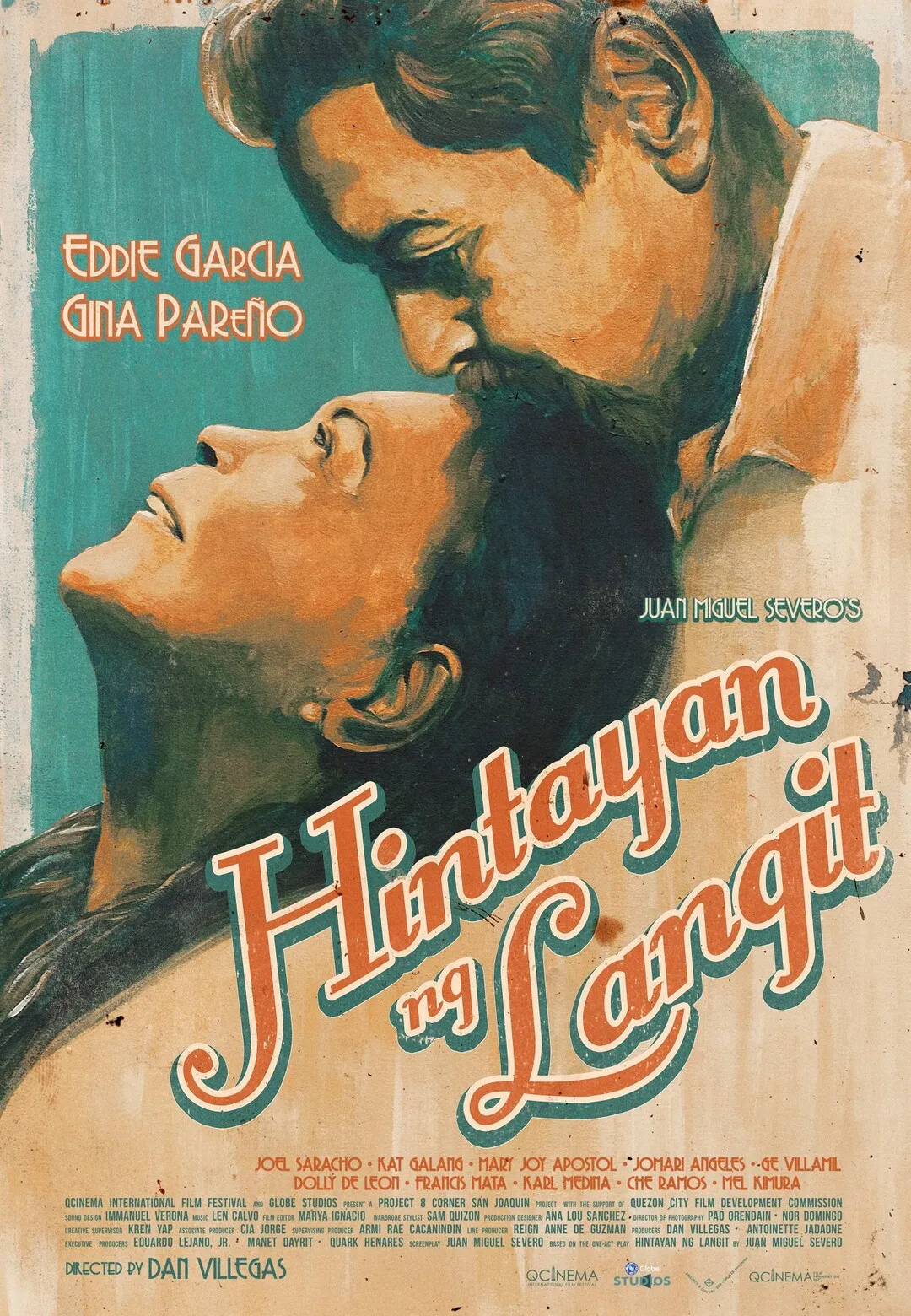
Eternity (2025) and Hintayan ng Langit (2018)
What if you died and got one last chance to decide where you wanted to spend eternity? That is the setup of Eternity, where Joan finds herself in the afterlife with one week to choose between the man she spent her life with and her first love, who died young and has spent decades waiting for her. Suddenly, the biggest question isn’t who she loves, but which version of her life she wants to take with her forever.
For a Filipino film with the same fascination with love, death, and unfinished business, watch Hintayan ng Langit. Lisang has been stuck in purgatory for two years when the new tenant in her little waiting-room apartment turns out to be Manolo, her former lover. Their reunion forces them to confront everything that went unsaid between them, including the hurt, resentment, and regrets they carried from their relationship.
Both films take a very big question—what happens to love after death?—and turn it into something surprisingly intimate. There are no grand fantasy quests here. Instead, it’s about two people finally getting the time to say the things they should have said while they were alive.
Glass Onion: A Knives Out Mystery (2022) and Ten Little Mistresses (2023)
Glass Onion gathers a group of wealthy, famous friends on a billionaire’s private Greek island for what’s supposed to be an elaborate murder-mystery weekend. Then someone actually dies, and Benoit Blanc has to figure out which of the guests has the motive to turn the game into a real murder. As the investigation is underway, the glamorous getaway starts looking a lot more suspicious.
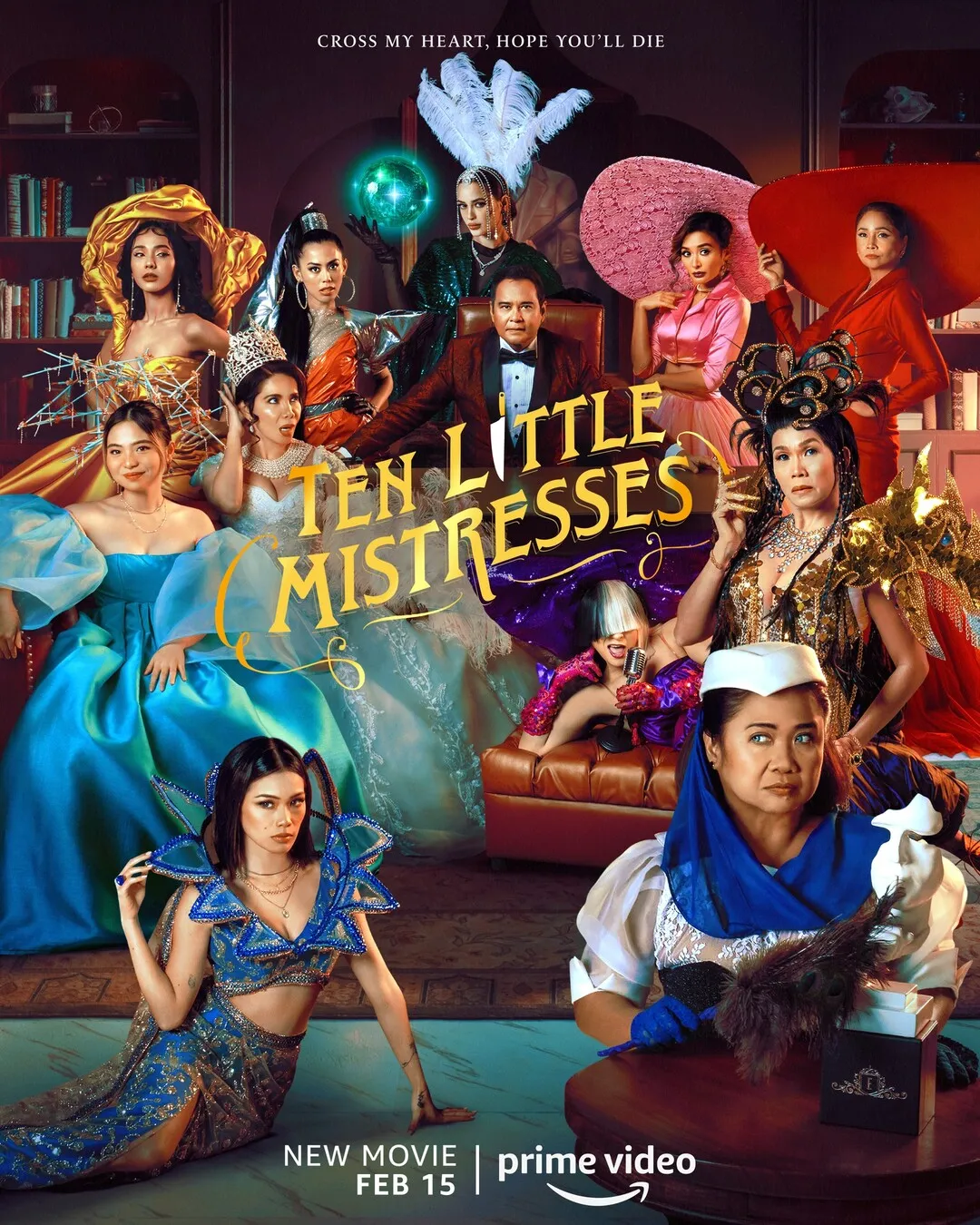
Now take that formula, bring it to the Philippines, add ten mistresses, and turn the camp level all the way up. Ten Little Mistresses follows billionaire Valentin Esposo, who gathers his ten mistresses at his mansion after his wife’s death. He claims he wants to make amends and start over, but before anyone can figure out what that means for them, Valentin turns up dead. Naturally, every mistress becomes a suspect.
If you enjoyed Glass Onion for the wealthy people behaving badly, suspicious friendships, ridiculous outfits, and a murder mystery where everyone has something to hide, Ten Little Mistresses is an easy next watch. It has the same delicious combination of privilege, betrayal, secrets, and people who absolutely shouldn’t be left alone in one house together.

Mulan (1998) and The Unkabogable Praybeyt Benjamin (2011)
Mulan follows a young woman who takes her father’s place in the Chinese Imperial Army after he is called to fight. Disguised as a man, she has to survive military training, prove herself to her fellow soldiers, and eventually help save China from the invading Huns. Along the way, the girl who was once told she didn’t fit the expectations placed on her becomes the very person everyone needs.
If your favorite part of Mulan is the whole “woman enters a male-dominated institution and absolutely kills it” setup, The Unkabogable Praybeyt Benjamin gives that formula a very Filipino comedy treatment. Benjie Santos is a gay dance instructor from a long line of soldiers who’s forced to enlist after terrorists threaten the country. He initially struggles with military training and discrimination, but eventually ends up leading his friends into enemy territory to rescue hostages and save the day.
The two films obviously operate on very different levels of seriousness. One gives you Disney ballads and an avalanche; the other gives you Vice Ganda, an “Utot-gun,” and a tiara that doubles as a rocket launcher. But both center on an unlikely soldier who proves that being different from everyone else can be exactly what makes them the right person for the job.


27 Dresses (2008) and Got 2 Believe (2002)
Jane Nichols has been a bridesmaid 27 times. She has spent years organizing other people’s weddings while quietly dreaming about her own, all while nursing a crush on her boss. Then her younger sister comes back into her life, falls for the same man Jane loves, and asks Jane to help plan their wedding. Somewhere along the way, Jane meets Kevin, a cynical reporter who’s far less sentimental about weddings than she is.
If 27 Dresses is your comfort movie, Got 2 Believe belongs in the same rom-com rotation. Toni is a 25-year-old wedding coordinator who has built her life around creating perfect weddings for other people. She is also convinced that she needs to meet her Mr. Right by a certain age because of a family curse. Enter Lorenz, a wedding photographer who has very little faith in happy endings. A bet brings them together, and what starts as a practical arrangement slowly becomes something much more complicated.
Both movies know exactly how much fun it is to surround a love story with weddings, dresses, hopeless romantics, cynical love interests, and one woman who spends so much time helping everyone else find their happy ending that she forgets she deserves one too.


Lady Bird (2017) and Anak (2000)
Lady Bird follows Christine “Lady Bird” McPherson through her final year of high school as she dreams of leaving Sacramento, going to college somewhere far away, falling in love, making friends, and becoming someone completely separate from the person her family knows. Much of the movie’s emotional weight comes from her complicated relationship with her mother, who loves her fiercely but has a very particular way of showing it.
For a Filipino counterpart, Anak goes deeper into that complicated mother-daughter relationship. The film follows Josie, an overseas Filipino worker who returns home after years abroad and immediately clashes with her children, Carla, Michael, and Daday. What starts as resentment over Josie’s choices gradually exposes the sacrifices, misunderstandings, and years of hurt sitting underneath their relationship.
If Lady Bird made you call your mom afterward, Anak might have you staring at the ceiling for a while. Both films understand that some of the hardest relationships are the ones where everyone loves each other and still manages to hurt each other.


Obsession (2025) and Cinco (2010)
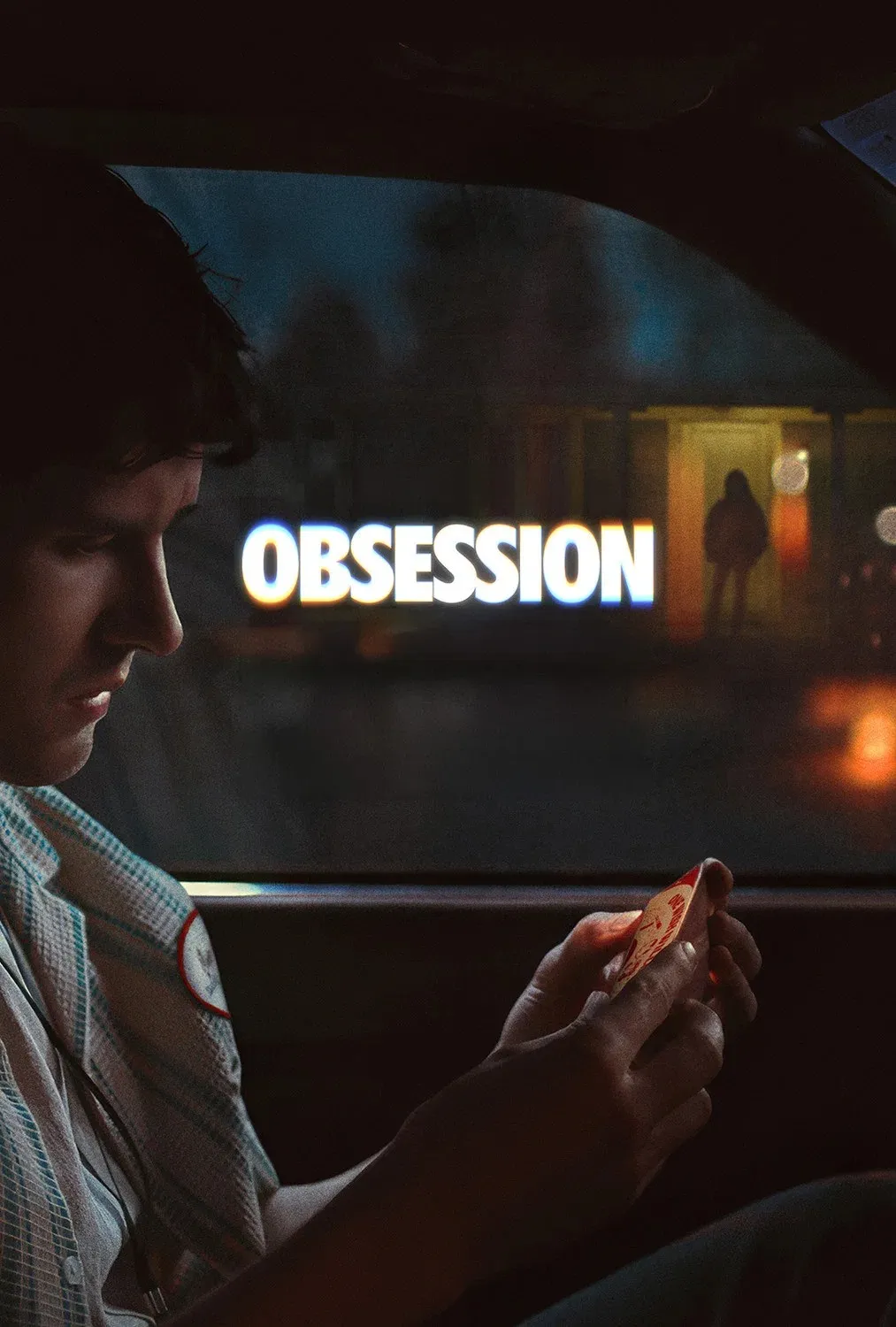
Obsession takes the classic unrequited-love fantasy and gives it a seriously disturbing twist. Bear, a music store employee, has feelings for his childhood friend and coworker Nikki but can’t bring himself to tell her. When he comes across a supernatural toy called the One Wish Willow, he makes one very specific wish: that Nikki will love him more than anyone in the world. She does—but her affection quickly turns obsessive, erratic, and terrifying, leaving Bear to deal with the consequences of getting exactly what he wanted.
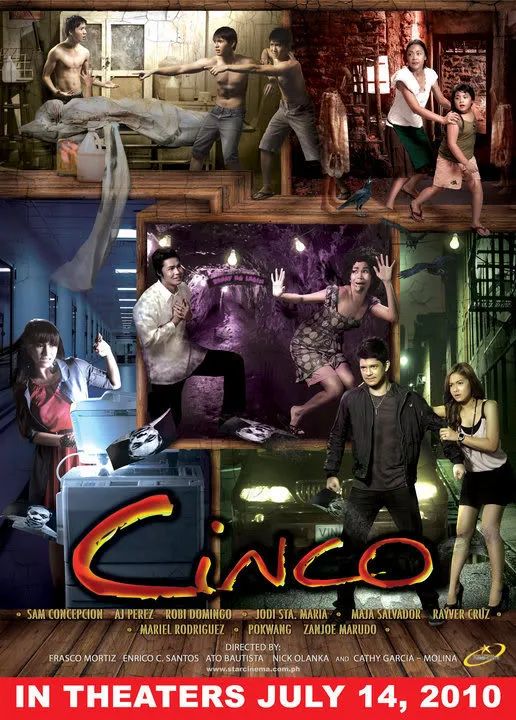
If you liked Obsession for its exploration of modern dating and human behavior through the lens of supernatural horror, Cinco is a Filipino film worth adding to your watchlist. The horror anthology is divided into five stories—Braso, Paa, Mata, Mukha, and Puso—all connected by a mysterious hand bearing an “R.I.P.” tattoo. While the two films tell very different stories, both turn ordinary human desires into something much darker.
Obsession asks what happens when you get the love you wanted in the worst possible way; Cinco takes familiar fears and relationships and pushes them into supernatural territory.
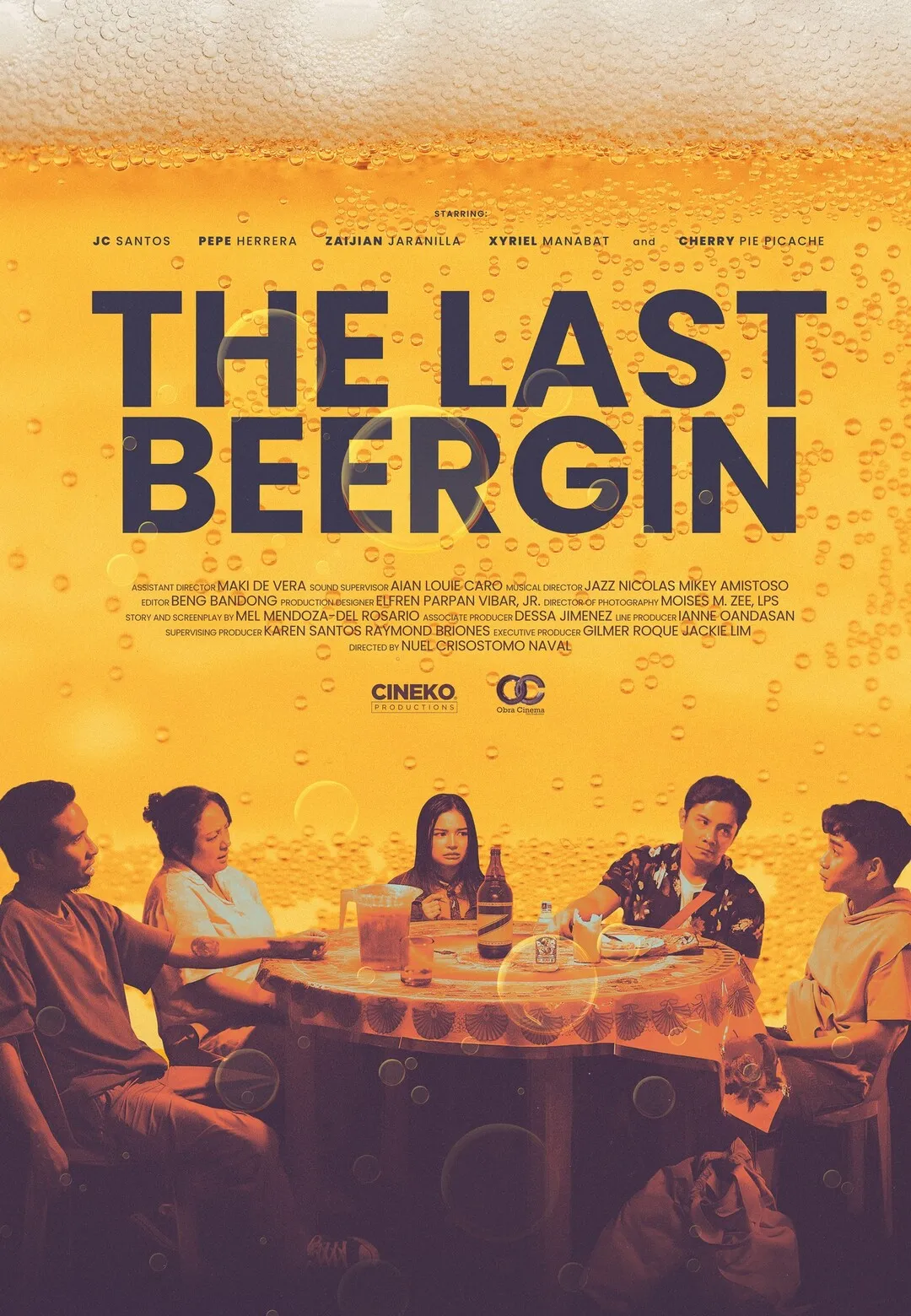
The Breakfast Club (1985) and The Last BeerGin (2024)
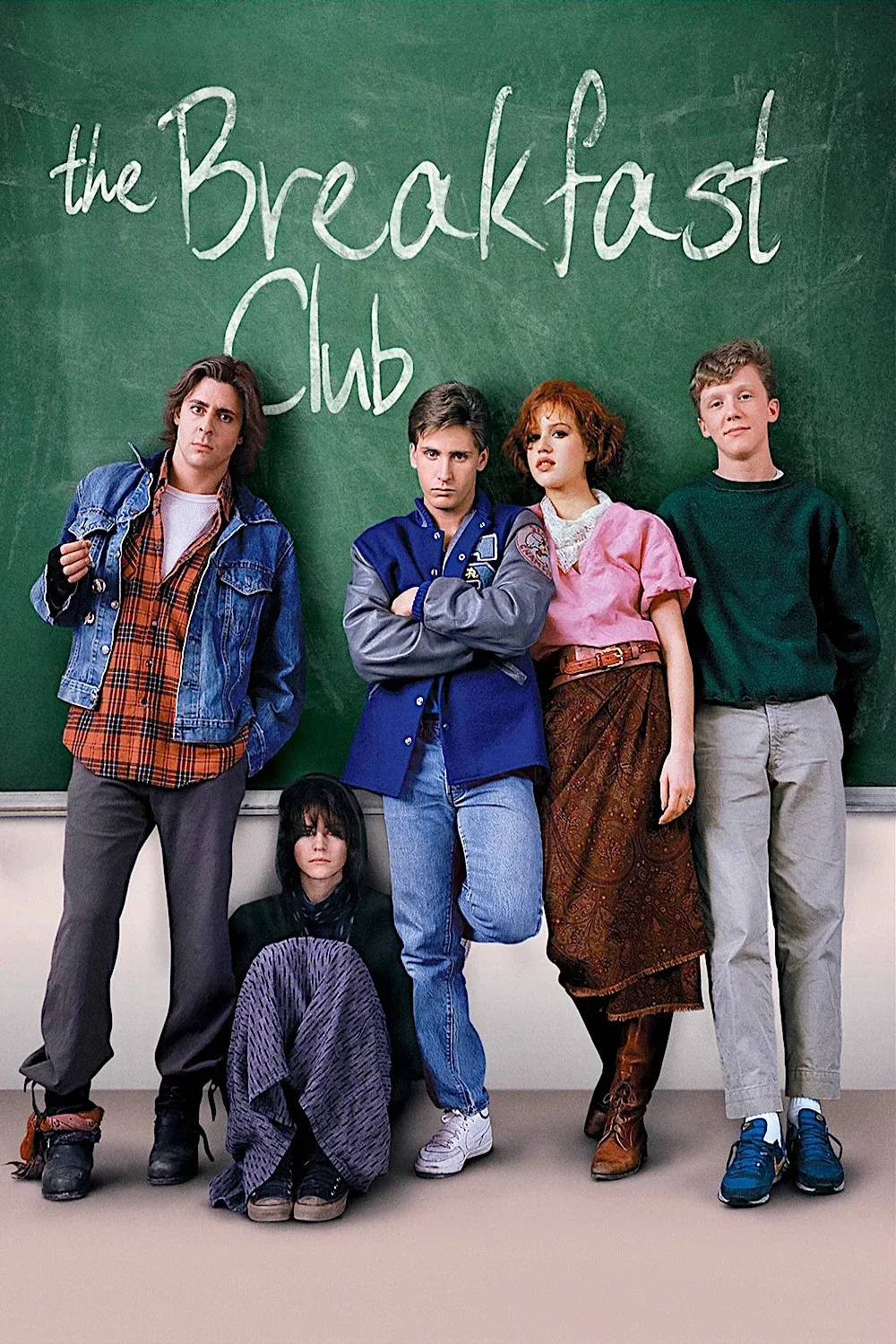
Five teenagers from completely different social circles end up spending a Saturday in detention together in The Breakfast Club. There is the popular girl, the athlete, the troublemaker, the brain, and the outsider. They start the day seeing each other through the stereotypes attached to their school identities, but hours of forced proximity slowly get them talking about their families, insecurities, and the pressures they’re carrying.
The Last Beergin takes that same basic idea of strangers being thrown together and giving each other a little more honesty than they expected. The Filipino comedy-drama brings a group of characters together over drinks, where a round of truths starts peeling back the stories they tell about themselves and the things they’d rather keep hidden.
If you loved The Breakfast Club for its conversations more than its teen-movie nostalgia, The Last Beergin is worth adding to your list. Both films are built around a simple setup: put a bunch of very different people in one place, give them enough time together, and eventually, the masks start coming off.
Wuthering Heights (2026) and Hihintayin Kita sa Langit (1991)
Few romances are as famously dramatic as Wuthering Heights. Catherine and Heathcliff grow up together and develop an intense bond that is complicated by class, pride, marriage, jealousy, and years of separation. Their love becomes the kind of all-consuming relationship that follows them long after they have made choices that pull them apart.
If you want that same grand, tragic Filipino romance energy, Hihintayin Kita sa Langit is an obvious place to start—and that’s partly because it was actually made as a loose Filipino adaptation of Wuthering Heights. Instead of the Yorkshire moors, Carlos Siguion-Reyna’s 1991 film moves the story to the Philippine setting, with Richard Gomez and Dawn Zulueta playing Gabriel and Carmina, the local counterparts to Heathcliff and Catherine. Their romance is complicated by class, family resentment, jealousy, and the wealthy man Carmina eventually marries.
So if you’re watching the latest Wuthering Heights and find yourself craving more doomed romance, then its loose Filipino adaptation Hihintayin Kita sa Langit is the exact answer for your watchlist. It takes the same foundational love story and gives it a distinctly local setting, complete with Batanes cliffs, dramatic longing, and enough emotional devastation to make you want to stare dramatically out a window afterward.


Before Sunrise (1995) and That Thing Called Tadhana (2014)
Before Sunrise is essentially a movie about two strangers deciding to spend one night together. Jesse and Céline meet on a train, get off in Vienna, and spend the evening walking around the city, talking about love, relationships, sex, family, mortality, and everything else that tends to come up when you meet someone you may never see again. The romance grows through conversation and small gestures rather than grand declarations.
That Thing Called Tadhana has a similarly spontaneous setup. Mace meets Anthony at an airport in Rome while she’s struggling with her excess baggage and an even heavier emotional load: an eight-year relationship that just ended. They eventually travel together through Manila, Baguio, and Sagada as Mace tries to figure out how to move on.
Both films are perfect for anyone who enjoys romance where the characters actually talk. There are no elaborate schemes required. Give two emotionally complicated strangers a long journey, a few beautiful places, and enough time to tell each other things they probably wouldn’t tell anyone else, and suddenly you’re invested.


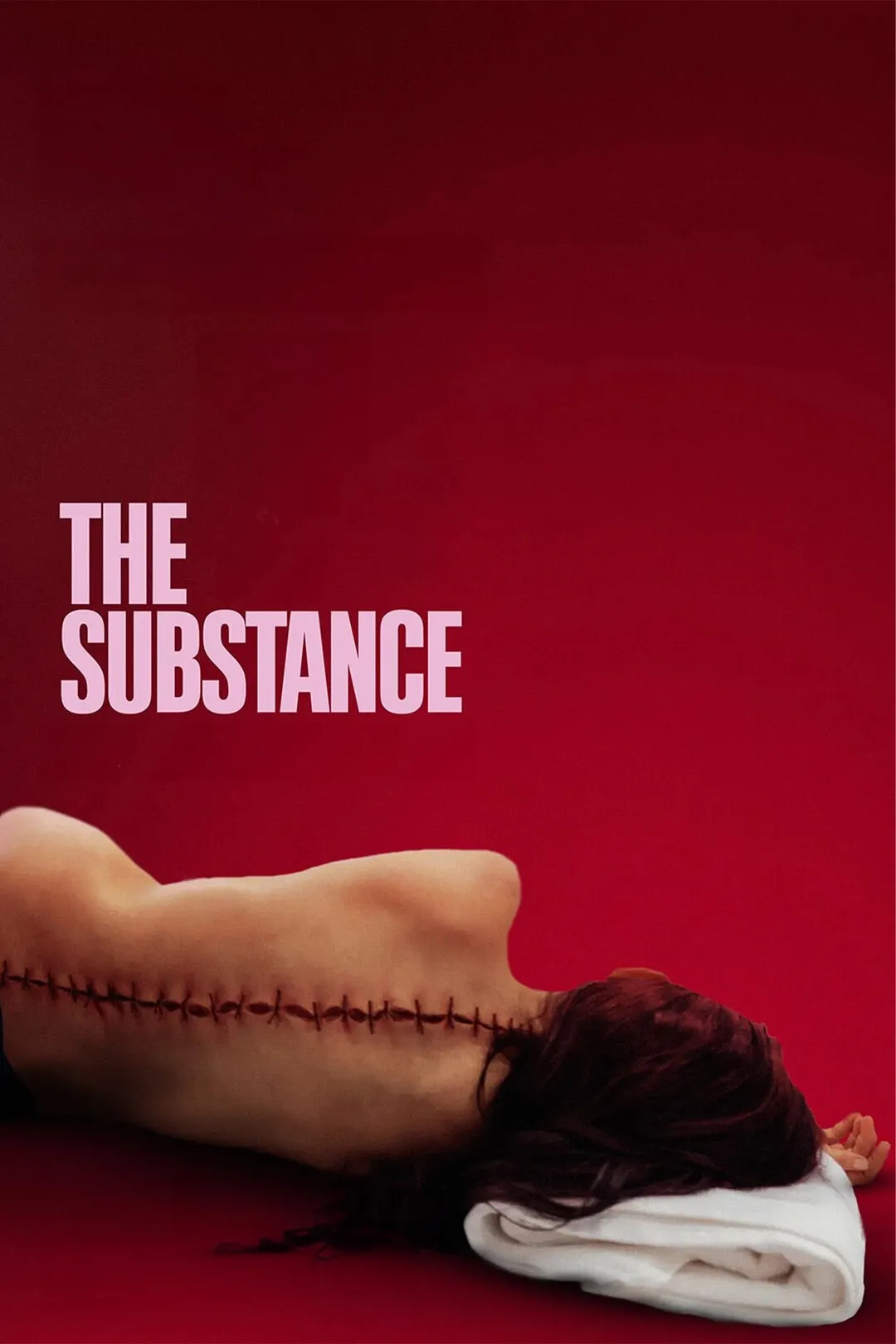
The Substance (2024) and The Healing (2012)
The Substance takes the pressure to stay young and turns it into body horror. Elisabeth Sparkle, a fading celebrity, is pushed out of her career because she is considered too old. Desperate to get her youth and relevance back, she uses a mysterious substance that creates a younger version of herself. The catch is that she has to share her life with this new body, and the consequences quickly become grotesque.
The Healing explores a very different kind of transformation. When Seth and a group of people turn to a mysterious faith healer to cure their seriously ill loved ones, the miracles seem almost too good to be true. They soon discover that every healing comes with a horrifying price, and the consequences begin following them home.
If you liked The Substance for the way it takes desperation and turns it into full-blown horror, The Healing hits a similar nerve. Both films start with a promise that sounds almost impossible to resist: get what you desperately want. The horror comes from discovering what you have to give up for it.

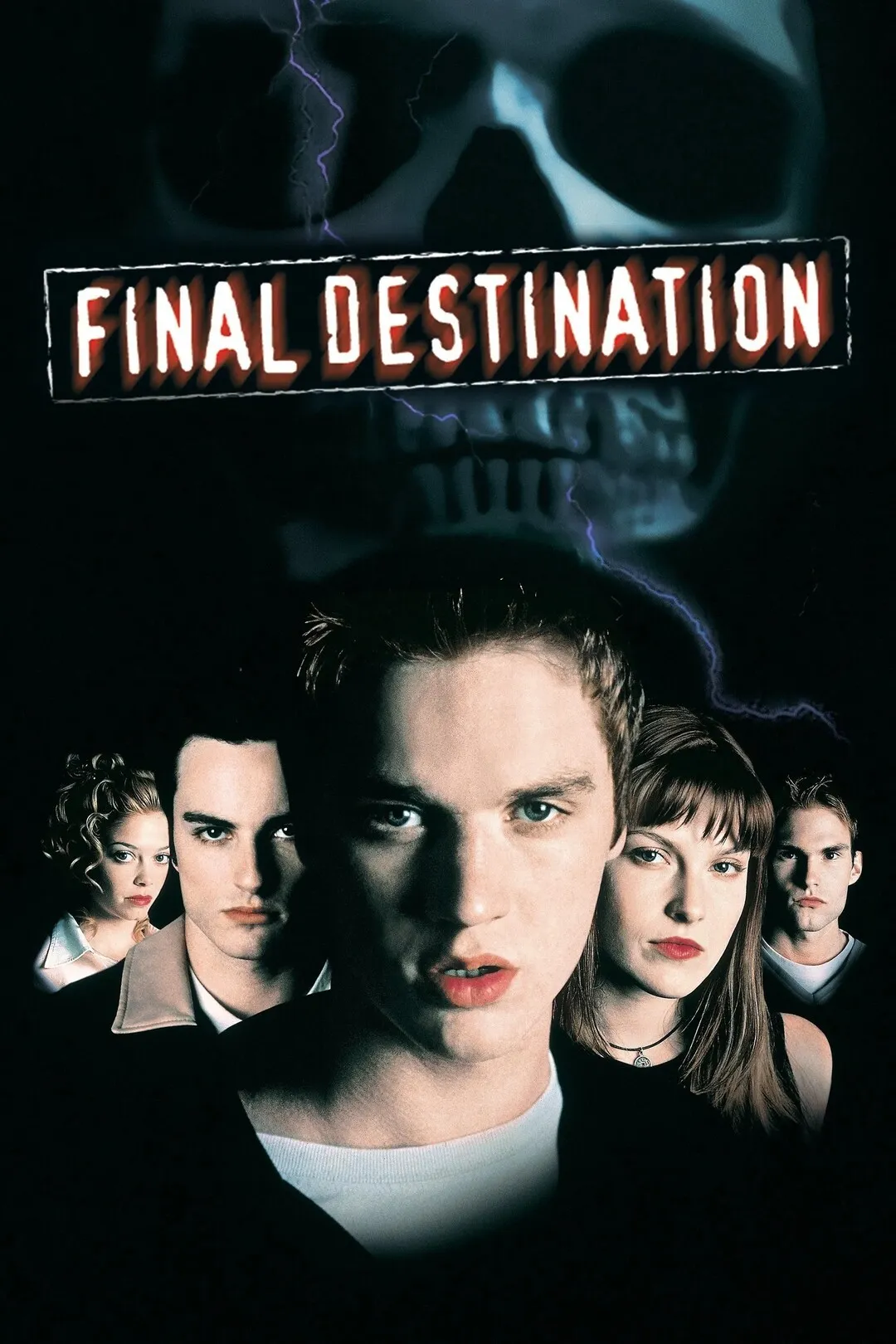
Final Destination (2000) and Feng Shui (2004)
Final Destination starts with a plane ride that never happens. Alex Browning has a premonition that his class trip to Paris will end in a catastrophic plane crash, so he and several classmates are thrown off the plane before it explodes. They survive, but Alex soon realizes that escaping the crash hasn’t exactly fooled Death. One by one, the survivors begin dying in increasingly elaborate accidents.
For the Filipino horror version of “you really should have left that thing alone,” there’s Feng Shui. Joy finds an abandoned Bagua mirror and takes it home, only to notice that her sudden streak of good luck comes with a horrifying catch. People around her begin dying, with each death connected to the victim’s Chinese zodiac sign.
The two films share that delicious horror-movie frustration of watching someone realize, far too late, that the seemingly random events around them are actually part of a pattern. In Final Destination, you start side-eyeing every airplane, escalator, and microwave. In Feng Shui, you might never look at a Bagua mirror the same way again.

Photos courtesy of Kinorium
Frequently Asked Questions
If you liked Before Sunrise, watch That Thing Called Tadhana. Both follow emotionally complicated people who meet during a journey and spend time talking through love, relationships, and moving on.
Ten Little Mistresses is a Filipino film pick for Glass Onion fans. Both center on wealthy characters, secrets, betrayal, and a murder mystery where everyone has something to hide.
If you liked Mulan, try The Unkabogable Praybeyt Benjamin. Both follow unlikely soldiers who enter a male-dominated military world and eventually prove themselves.
If you liked The Substance, watch The Healing. Both turn desperation and the desire to get what you want into horror, with characters discovering that their seemingly miraculous solutions come with frightening consequences.
If you liked Final Destination, try Feng Shui. Both involve characters who discover that seemingly random deaths are connected to a larger supernatural pattern.