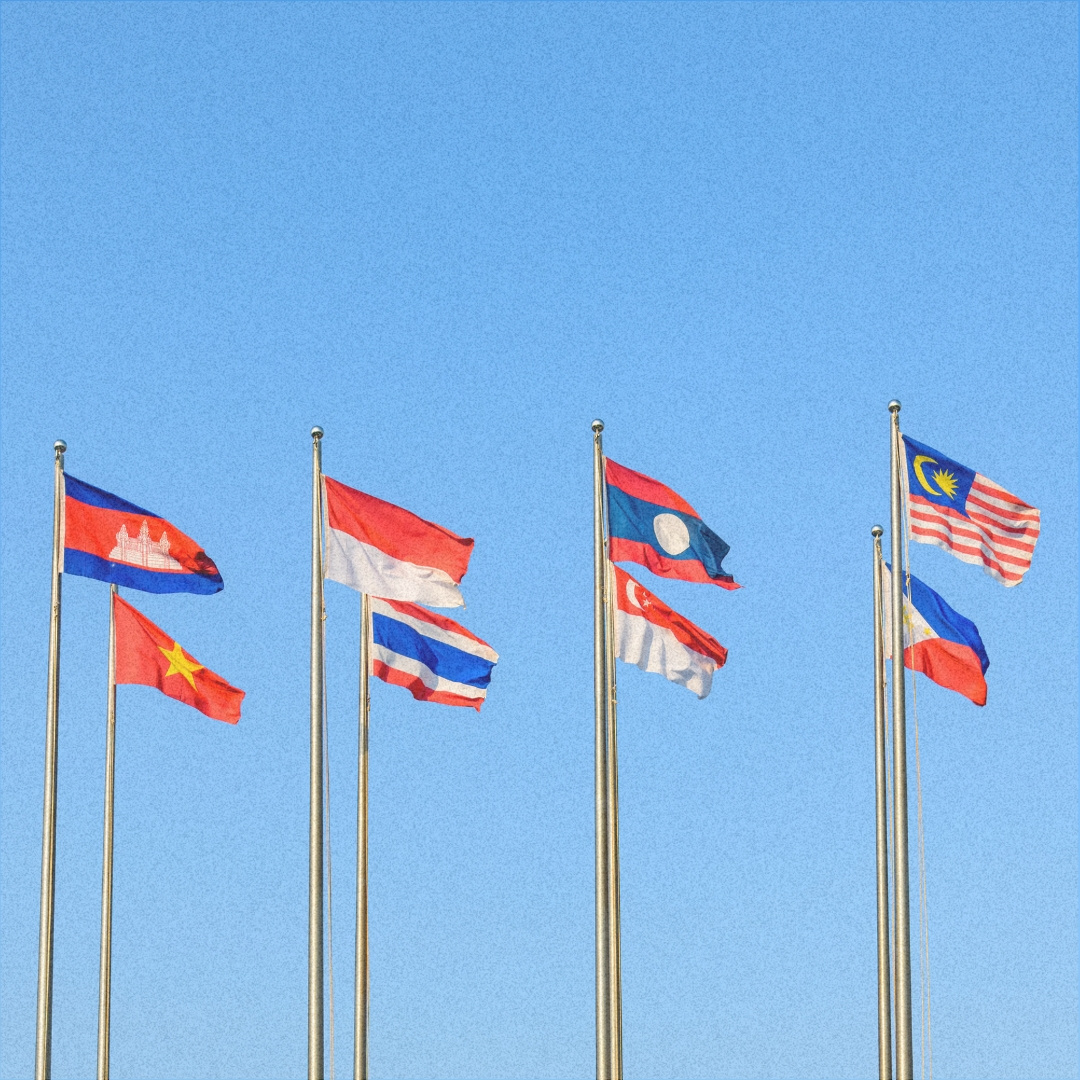
The 2026 ASEAN Inclusive Growth Summit invited leaders, artists, and changemakers to discuss the future of business, creativity, representation, and inclusive growth across Southeast Asia.
At Shangri-La The Fort, leaders, entrepreneurs, and changemakers from across Southeast Asia and beyond gathered for the 2026 ASEAN Inclusive Growth Summit. Presented by the Mastercard Center for Inclusive Growth, the Summit featured a diverse lineup of speakers, each offering a particular perspective on the region’s evolving economic and social landscape.
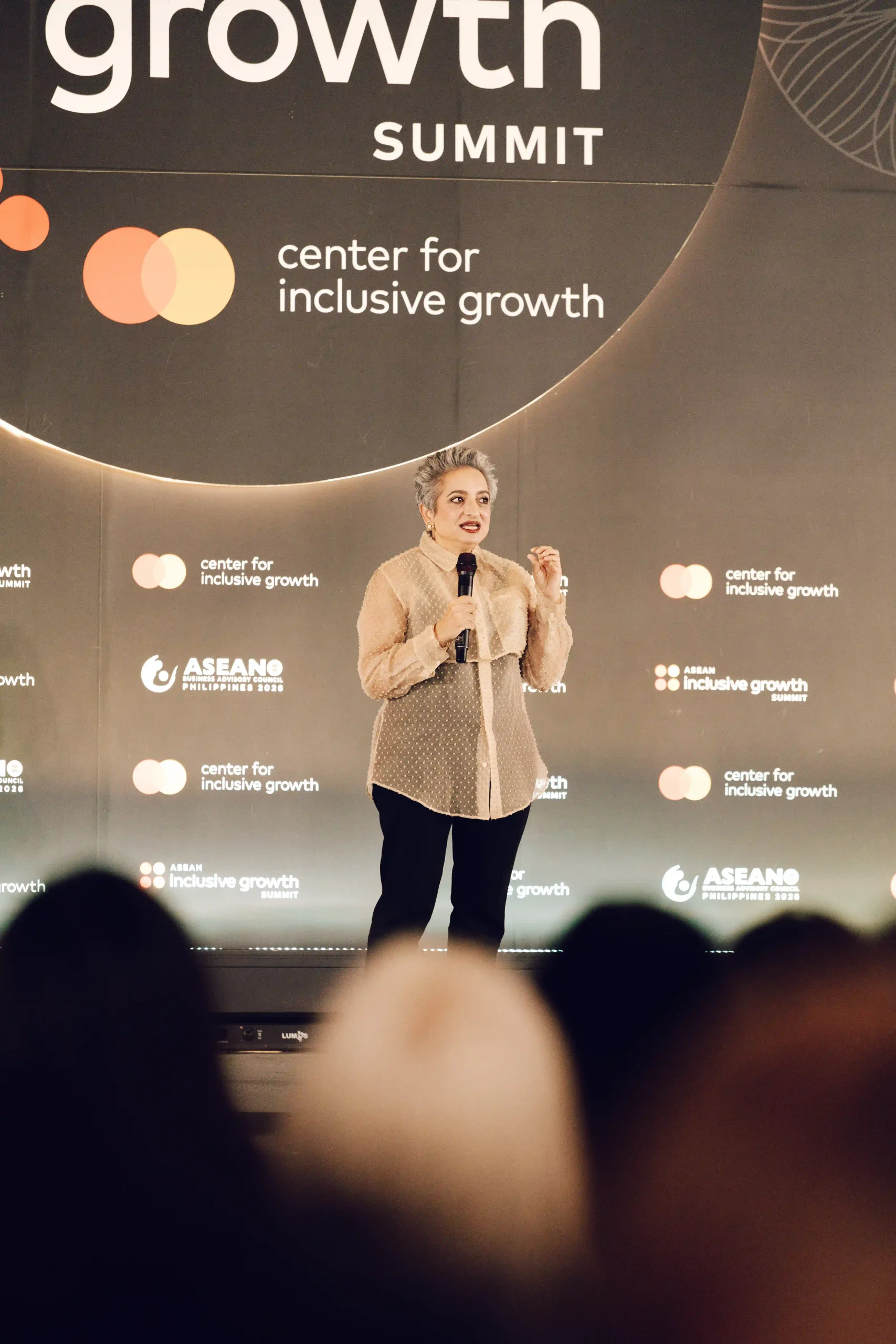
As Shamina Singh, founder and president of the Mastercard Center for Inclusive Growth, put it: “ASEAN is a region on the rise. It’s not waiting; we’re not waiting.” Her words set the tone for conversations exploring the many dimensions of Southeast Asia’s growth, spanning boardrooms and government ministries to startups, small businesses, philanthropic organizations, and digital platforms. While the discussions covered different industries and generations, a common thread ran through them: growth is ultimately about people. That entails creating opportunities, preserving what matters, making room for new ideas, and ensuring that progress is far-reaching, and not just something reserved for those who are already in a position to succeed.
Lifestyle Asia had the opportunity to sit in on several of these conversations. Here are some of the insights, stories, and perspectives that stayed with us.
READ ALSO: What You Need To Know About The 49th ASEAN Summit
Legacy Talks With The Zobel de Ayalas
What does it take to build something that outlives the people who started it? For the Zobel de Ayala family, the answer isn’t just about succession plans and business strategies. It comes down to creating an institution where people can find their footing, discover what they’re capable of, and eventually make their own mark.
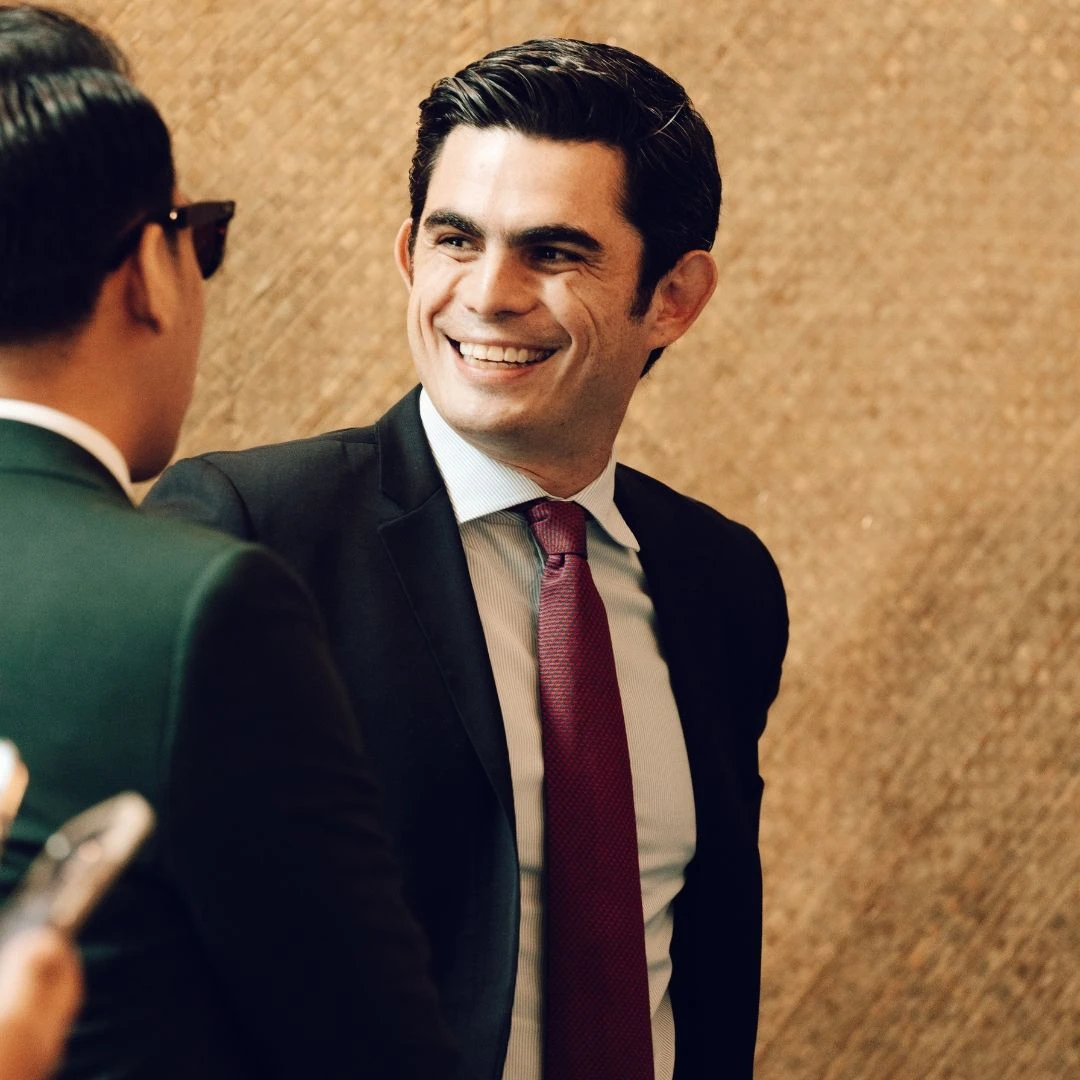
In a cross-generational conversation, Jaime Augusto Zobel de Ayala (JAZA) and Jaime Alfonso Zobel de Ayala reflected on the values that have sustained the Ayala Group and how these continue to evolve with each generation. Their discussion offered a glimpse into the personal side of carrying a family legacy, including the freedom to choose one’s own path.
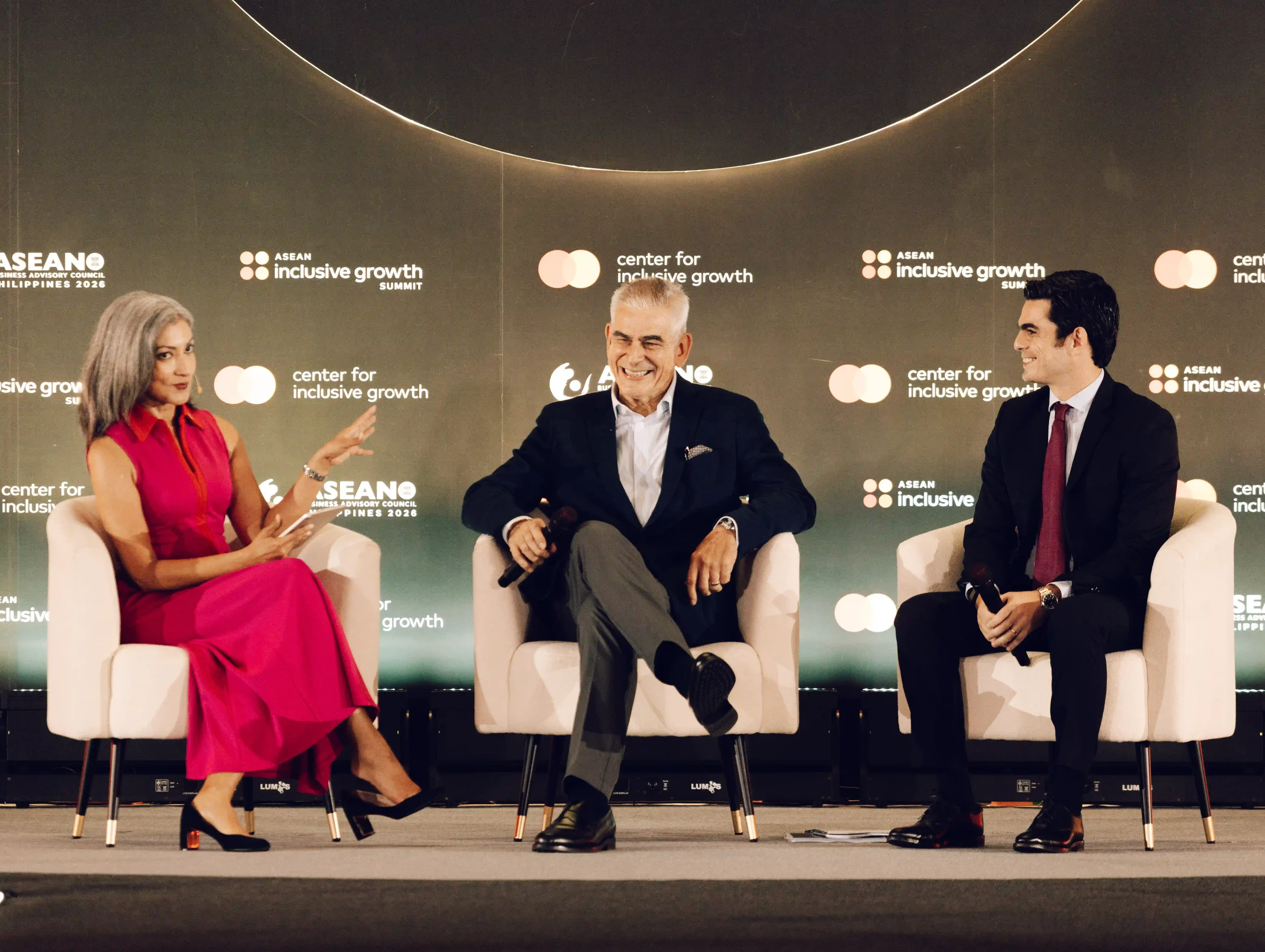
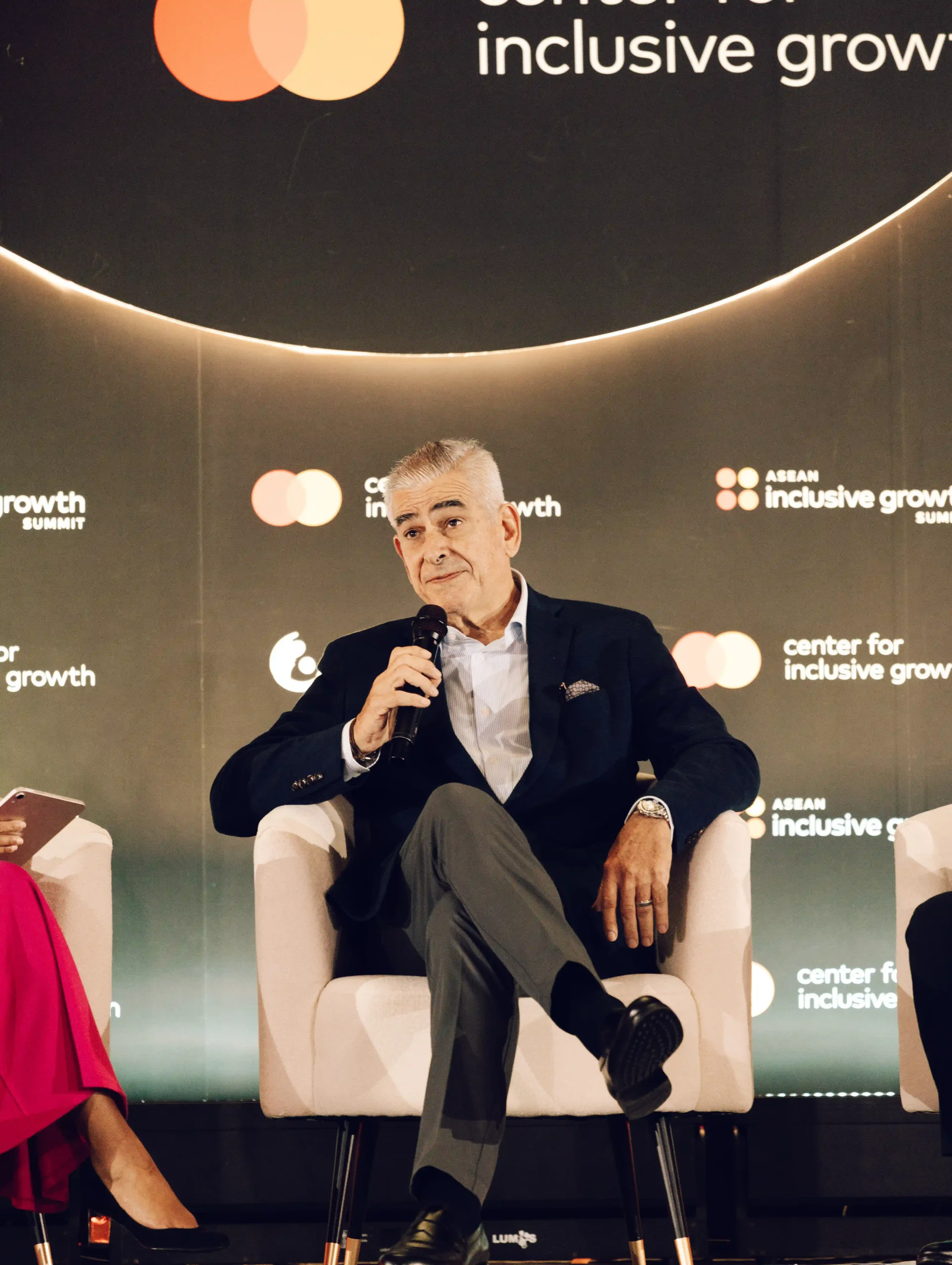
For JAZA, joining the family business was never an obligation. He recalled how there was no pressure to enter the institution, only a request from his father: “I’m only asking for something in return; can you come back for three years?” It was a commitment that eventually became a fulfilling journey, shaped by “the challenges the Philippines has to offer.”
That same openness to discovery is something the family encourages in younger generations. Rather than keeping them within familiar surroundings, they’re often urged to venture out, take risks, and learn from experiences of their own. JAZA illustrated this through an anecdote about his son, Jaime Alfonso, who spent a summer in the Australian desert. It was a simple but telling example of the family’s belief that some lessons are best learned outside the boardroom.
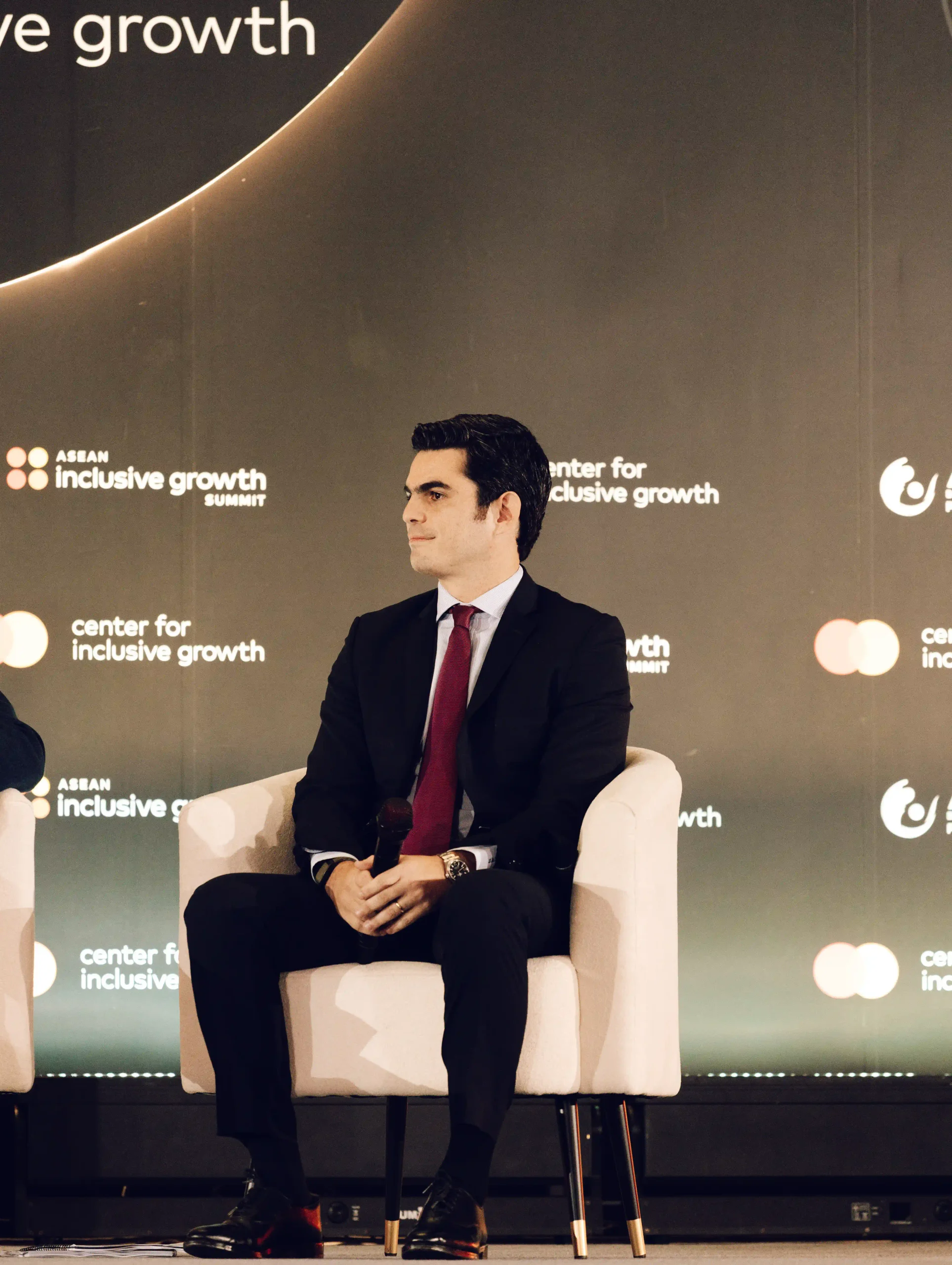
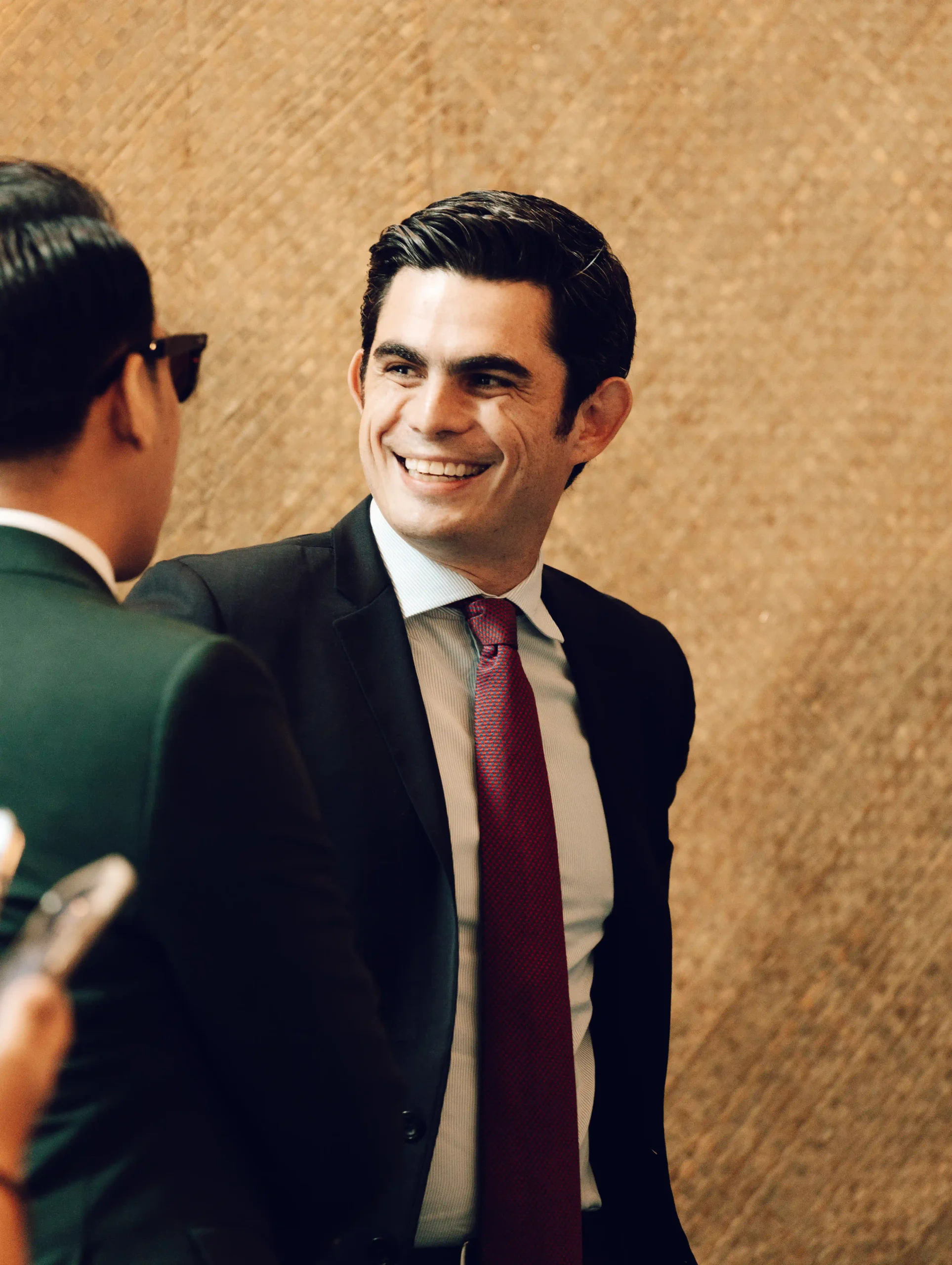
For Jaime Alfonso, taking that legacy forward also means understanding the distinction between governance and management, sometimes requiring one to be “coach and player at the same time.” Governance, he emphasized, provides clarity and a long-term perspective, allowing the institution to move forward without placing the burden of protecting the legacy on any one individual. “I don’t have to protect anything on my own,” he shared.
That’s what makes a legacy sustainable: knowing when to hold on to the values that built it and when to give the next generation enough room to make them their own. Both generations shared a belief that a lasting institution is one that continues to challenge its people while giving them the freedom to thrive.
Fireside Chat With Lea Salonga
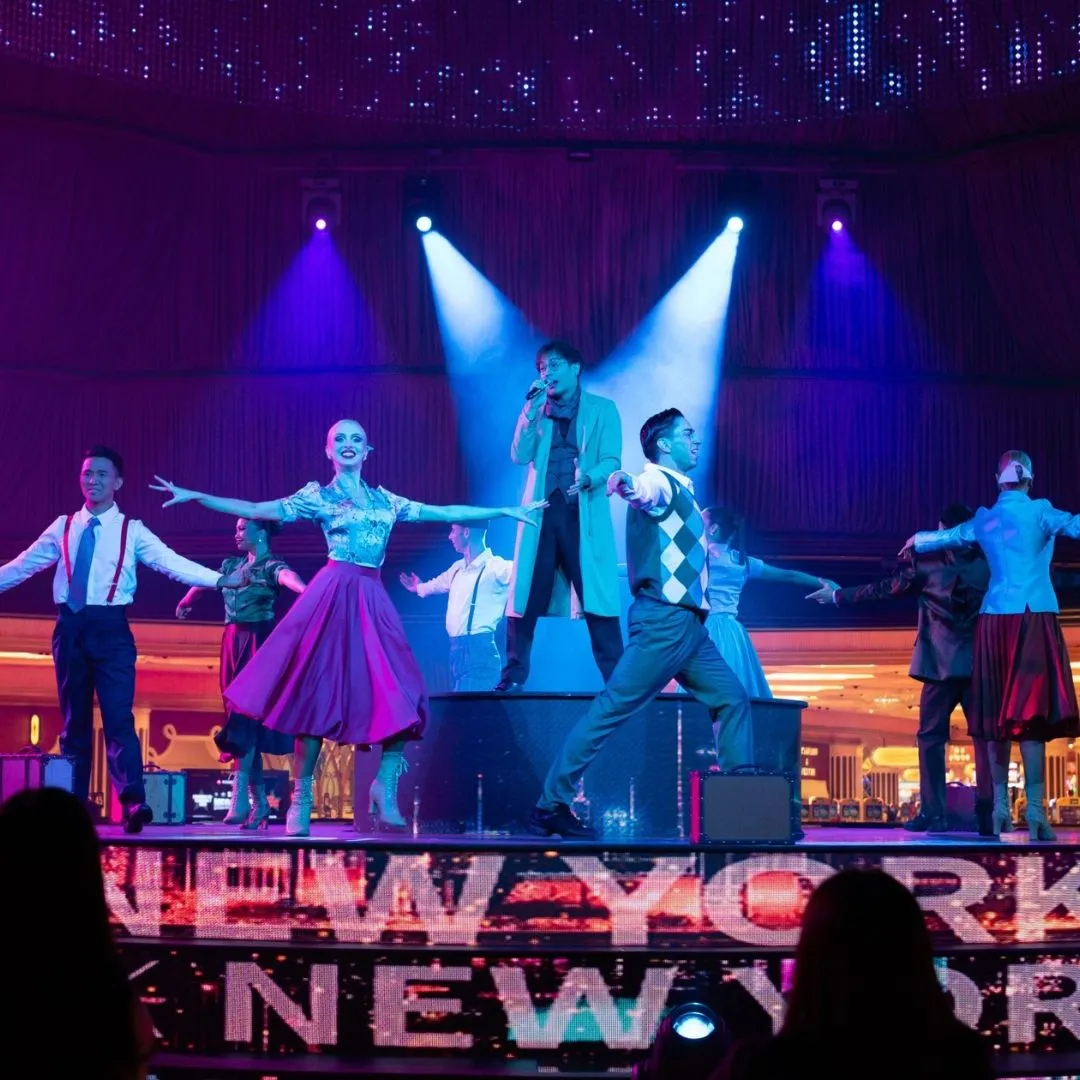
For an artist whose career has taken her from Manila to Broadway, Lea Salonga knows what it means to hold a piece of home wherever she goes. During In Unison: Amplifying Every Voice in ASEAN, the Tony Award-winning performer sat down with Rico Hizon to discuss her journey, the power of representation, and the opportunities that await Southeast Asian artists on the global stage.
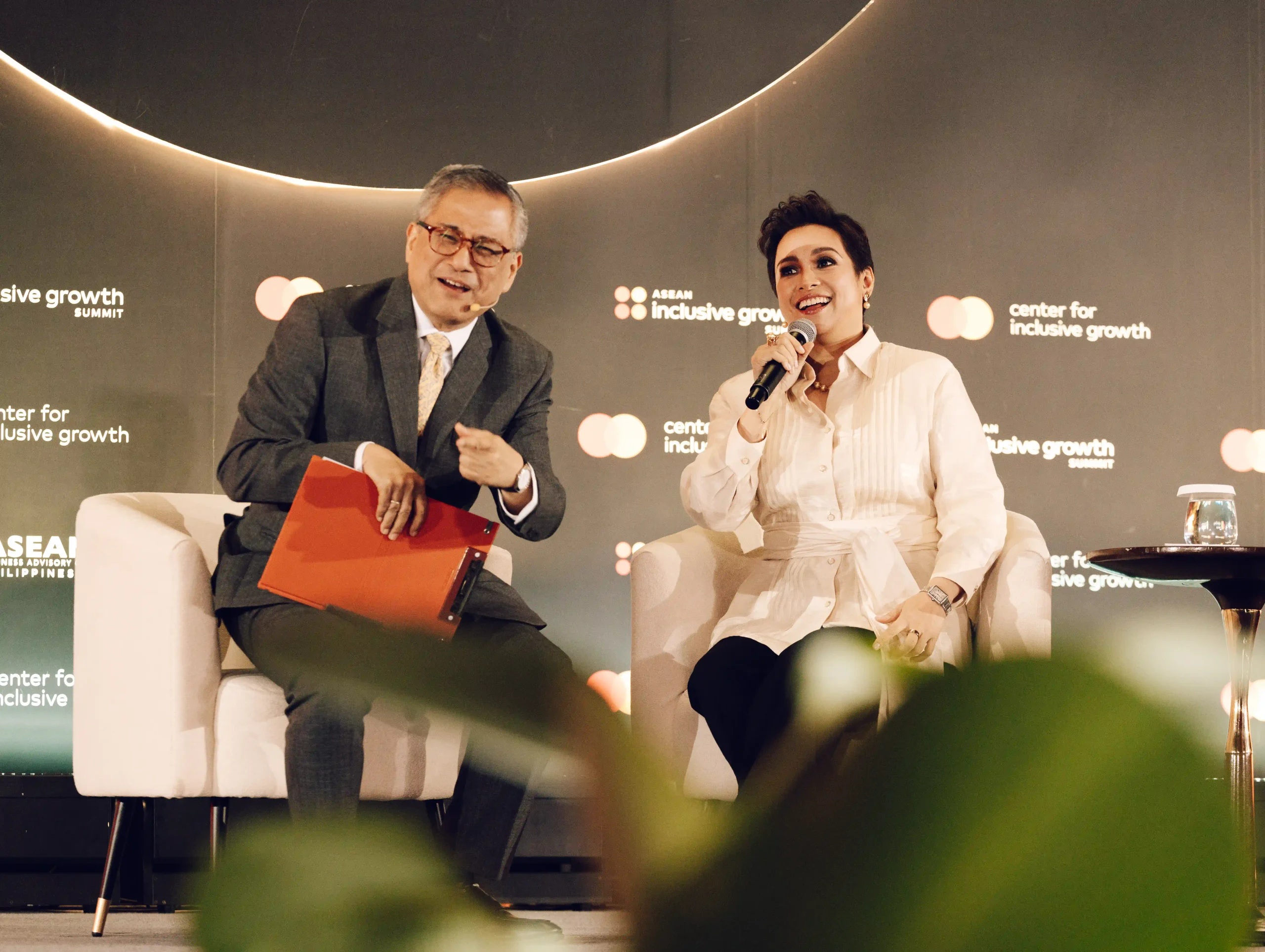
One of the more interesting parts of the conversation was her reflection on what makes a musical resonate with an audience. Theater, after all, can be unpredictable. “The thing about Broadway musicals, you never know what’s gonna hit with the audience,” she shared. She recalled watching an Asian musical production with her son, Lifestyle Asia January 2026 cover star Nic Chien, and how the mother-and-son duo found themselves moved to tears. Seeing genuine Asian representation on stage made the experience particularly meaningful. It was a reminder that audiences don’t always require grand spectacles or elaborate narratives to feel connected to a story. More often than not, seeing something familiar reflected in you is enough.
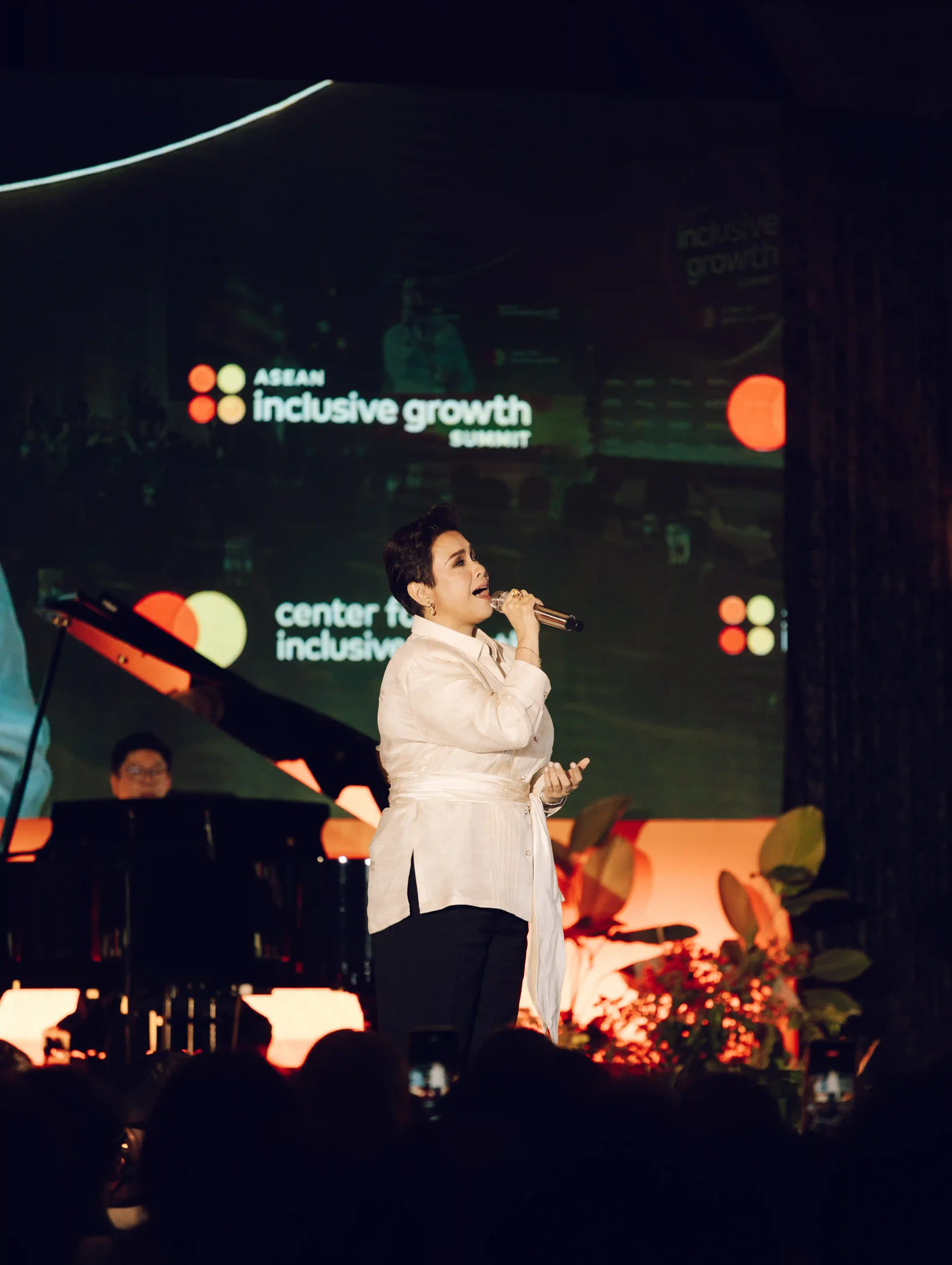
For Salonga, compelling storytelling ultimately is all about authenticity. “It has to be a story about real people, real emotions,” she said. When asked about the possibility of an ASEAN musical, she pointed to the region’s cultural diversity, recognizing both the challenge and opportunity of bringing together different identities and experiences through a shared narrative. With so many stories waiting to be told, the region has plenty of material to draw from.
Of course, the road to an international performing arts career is hardly a straightforward one. For aspiring artists hoping to follow a similar path, Salonga offered a candid reminder that passion must come with a realistic understanding of the industry. “You better make sure that this is what you want to do because being in the arts is hard,” she said. It can be “incredibly heartbreaking and back-breaking,” but if it’s what makes your “machine tick,” then go for it.
It was an honest reminder that representation creates possibilities, but it’s the talents behind the performances who put in the work to make those possibilities real.
Filipino Creativity Spotlight
Filipino creativity has never been short on talent. Whether it’s intricate craftsmanship or an instinct for making something stunning out of what’s available, the country’s creative community has always found new ways to express its perspectives, sensibilities, and traditions. The bigger question is how to make sure the people behind these creations benefit as their work finds a wider audience.
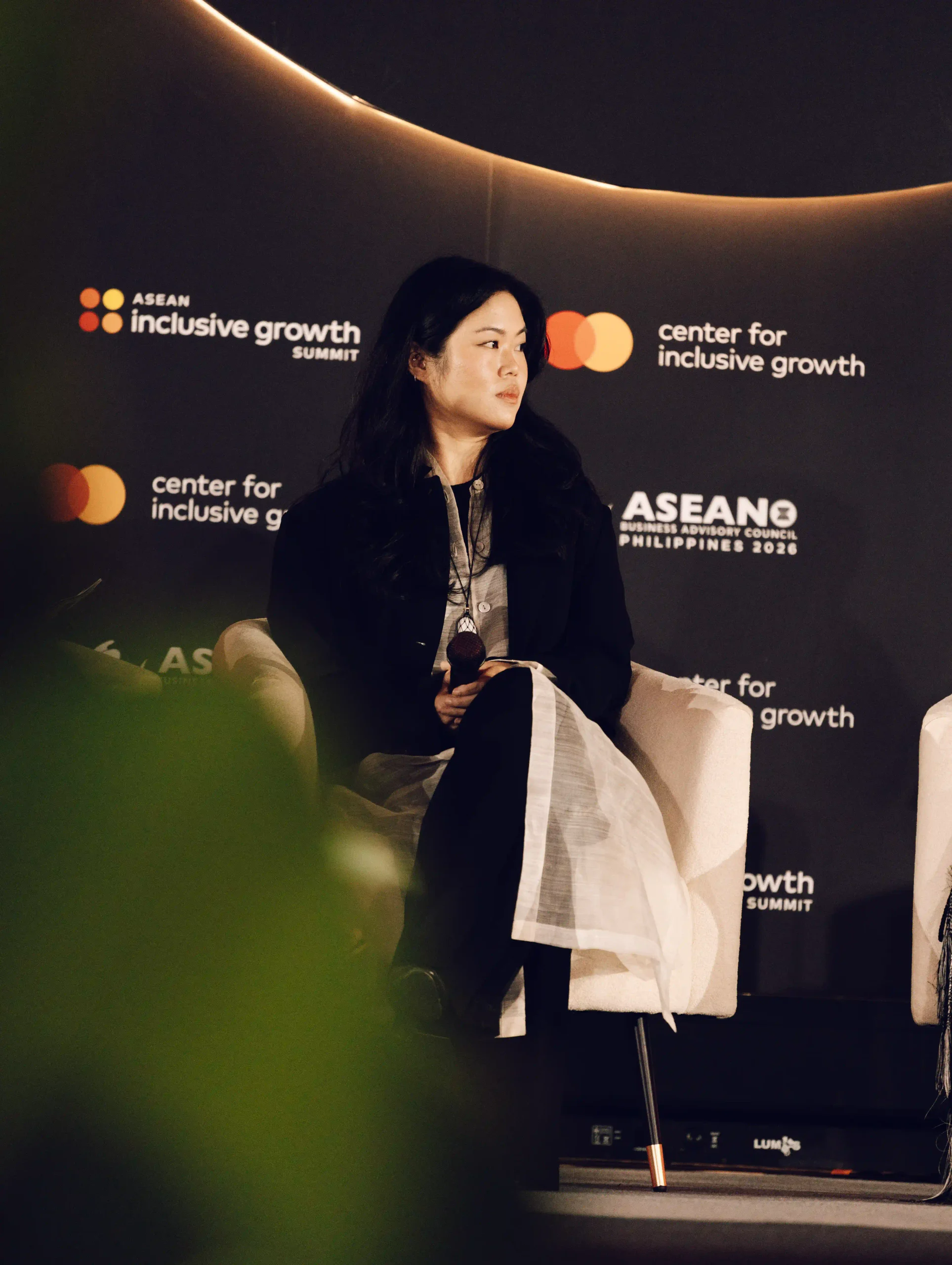
This was the focus of The Runway to Inclusive Growth, a panel featuring designers Rajo Laurel and Steffi Cua, as well as Vogue Philippines Editor-in-Chief Trickie Lopa. The discussion explored how Filipino design, craftsmanship, and heritage textiles can open doors that take you outside the country’s borders while ensuring that opportunities reach the designers, artisans, and communities who make them possible.
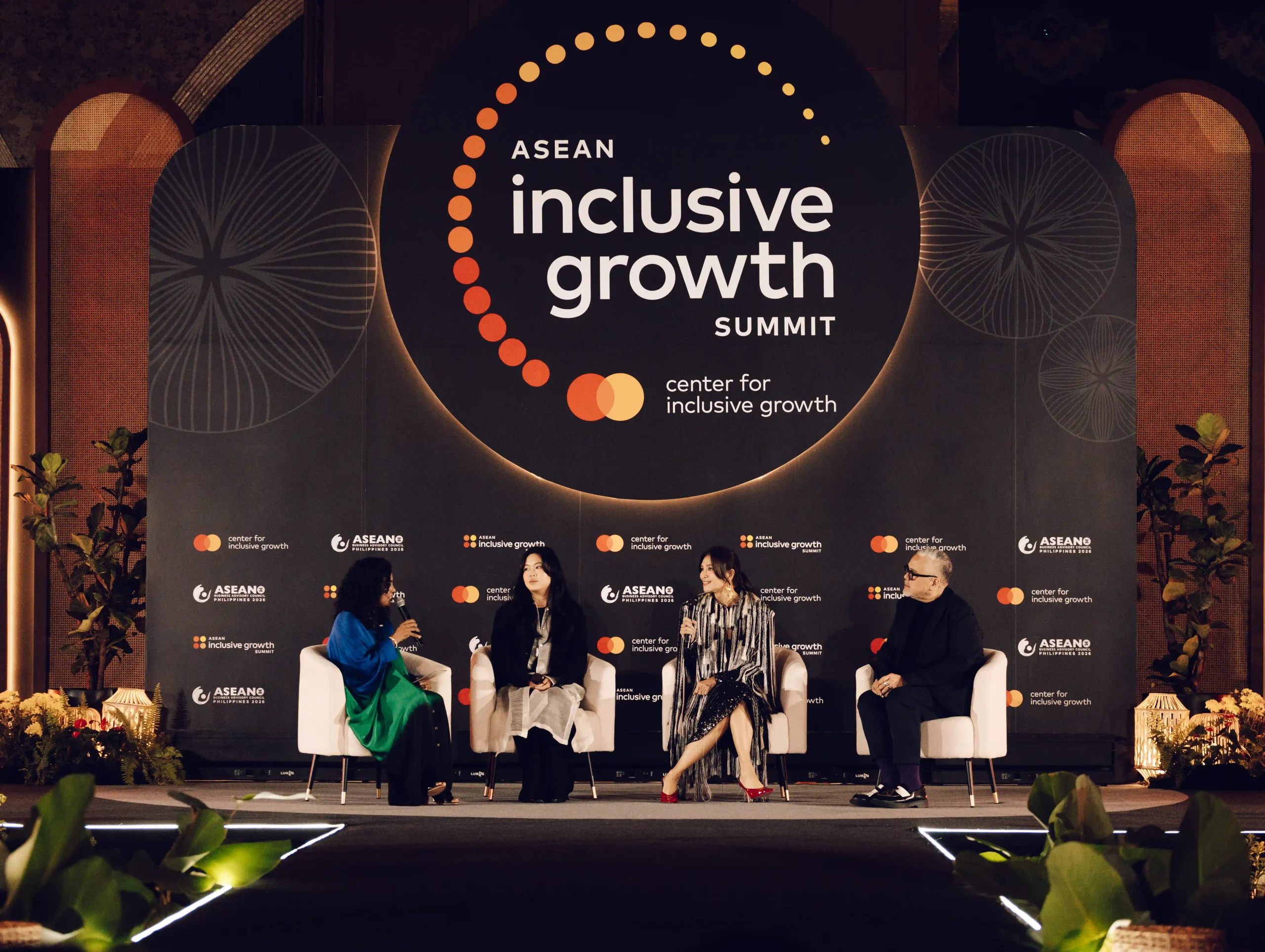
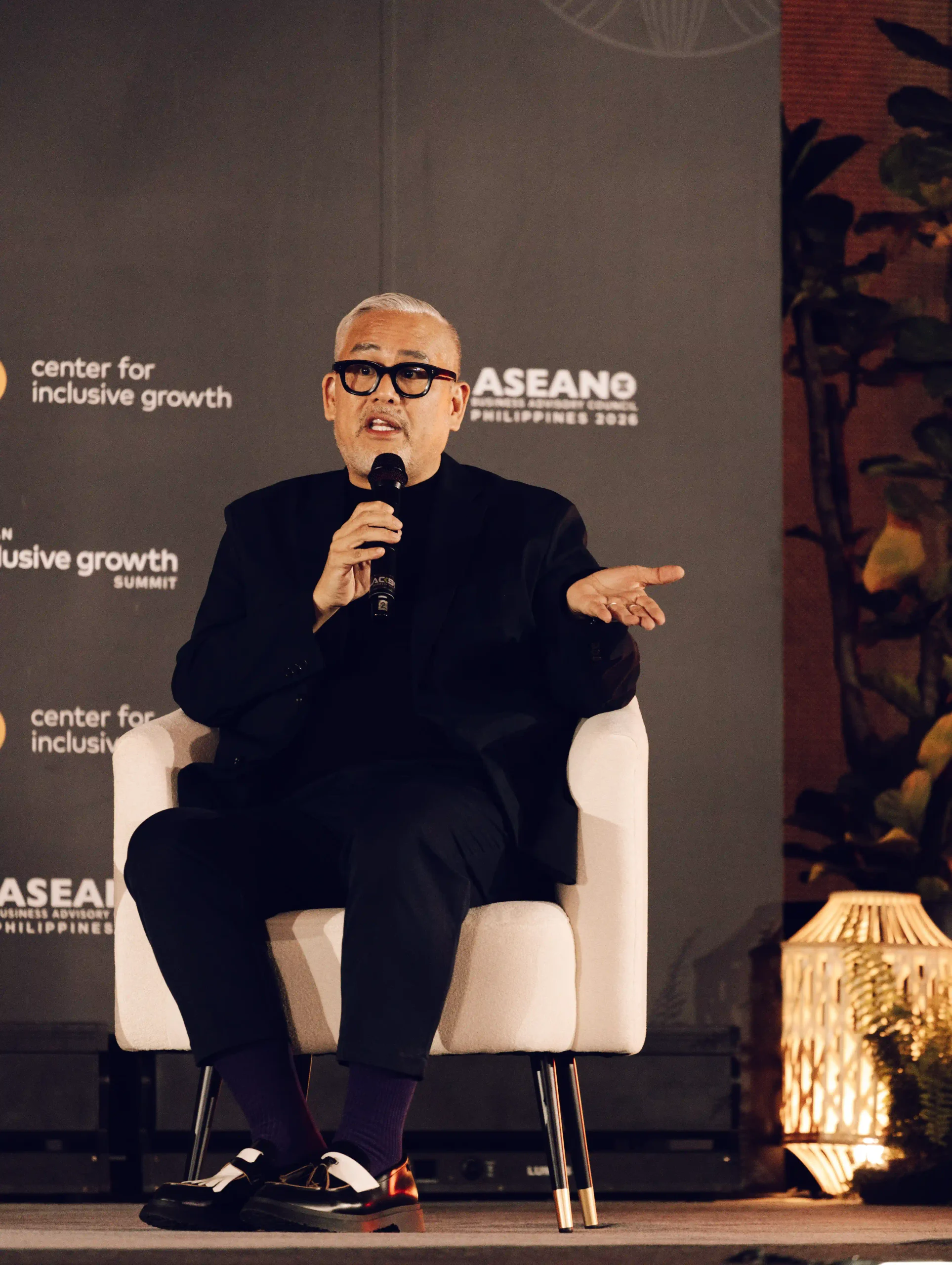
For fashion designer Rajo Laurel, one of the biggest changes over the years has been the growing support given to Filipino creatives. He sees the country’s greatest strength in its resourcefulness, declaring, “We are the best designers on the planet because we can create out of nothing.”
Beyond technical skill, he emphasized the soul, authenticity, and singular voice that Filipino designers bring to their work. In an industry often dominated by fast fashion, these qualities give local designers a fighting chance. “We are good with our hands,” he added, encouraging audiences to “Spend your money on Filipino designers.”
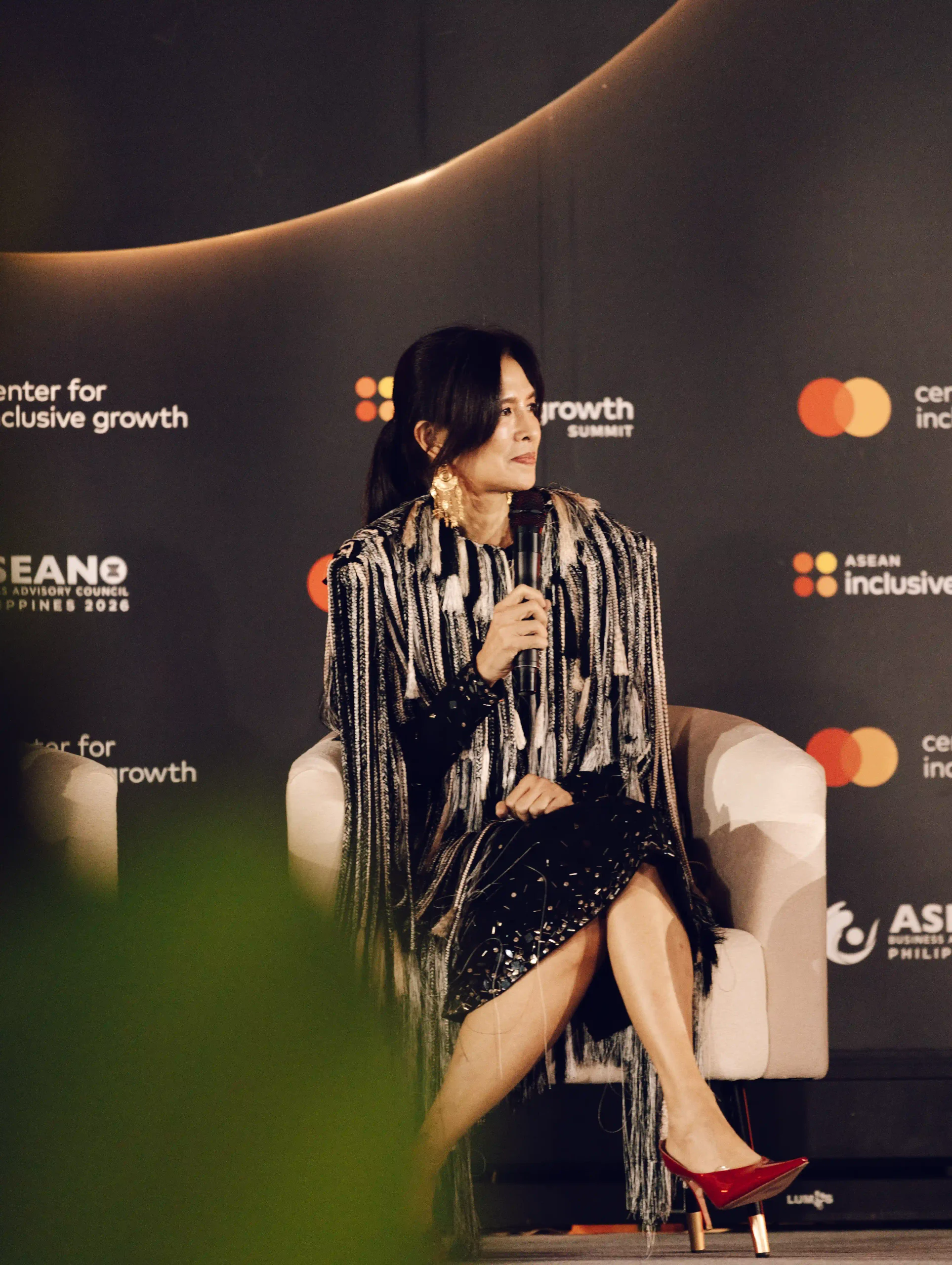
Trickie Lopa shared a similarly optimistic outlook, describing Filipino creativity as moving “upwards and onwards.” Still, she stressed the importance of staying connected to one’s roots. Something that might seem ordinary to Filipinos can carry a different kind of appeal when presented to an international audience. There’s value in recognizing the beauty of what’s already ours, even when we’ve grown accustomed to seeing it. She also acknowledged that being able to appreciate art and quality clothing is a privilege in itself, making it important to consider who gets access to the industry and the opportunities it creates.
For Steffi Cua, much of that responsibility lies in building lasting relationships with local artisans. By continuing to work with them, brands can provide additional sources of income beyond their existing customer base. She also questioned the expectation that the Philippines should follow the same fashion calendar as cities like London. “Not having a fashion calendar doesn’t make us less. It’s a different way of working,” she explained.
It was a salient point in a conversation about inclusive growth. Every handcrafted piece is the work of people, and entire livelihoods and processes cannot always be measured against the pace of a commercial calendar. As Cua reminded the audience, artisans are people, not businesses, and their pace deserves respect. The conversation made a case for taking a closer look at the Filipino fashion industry, and not just its finished garments.
A Glimpse Of The ASEAN Business and Investment Summit
Economic growth is often discussed in terms of investments, numbers, and business opportunities. But what happens when those opportunities remain concentrated among a select few? For a region hoping to move forward together, bringing smaller enterprises into the conversation is just as important as attracting larger investments.
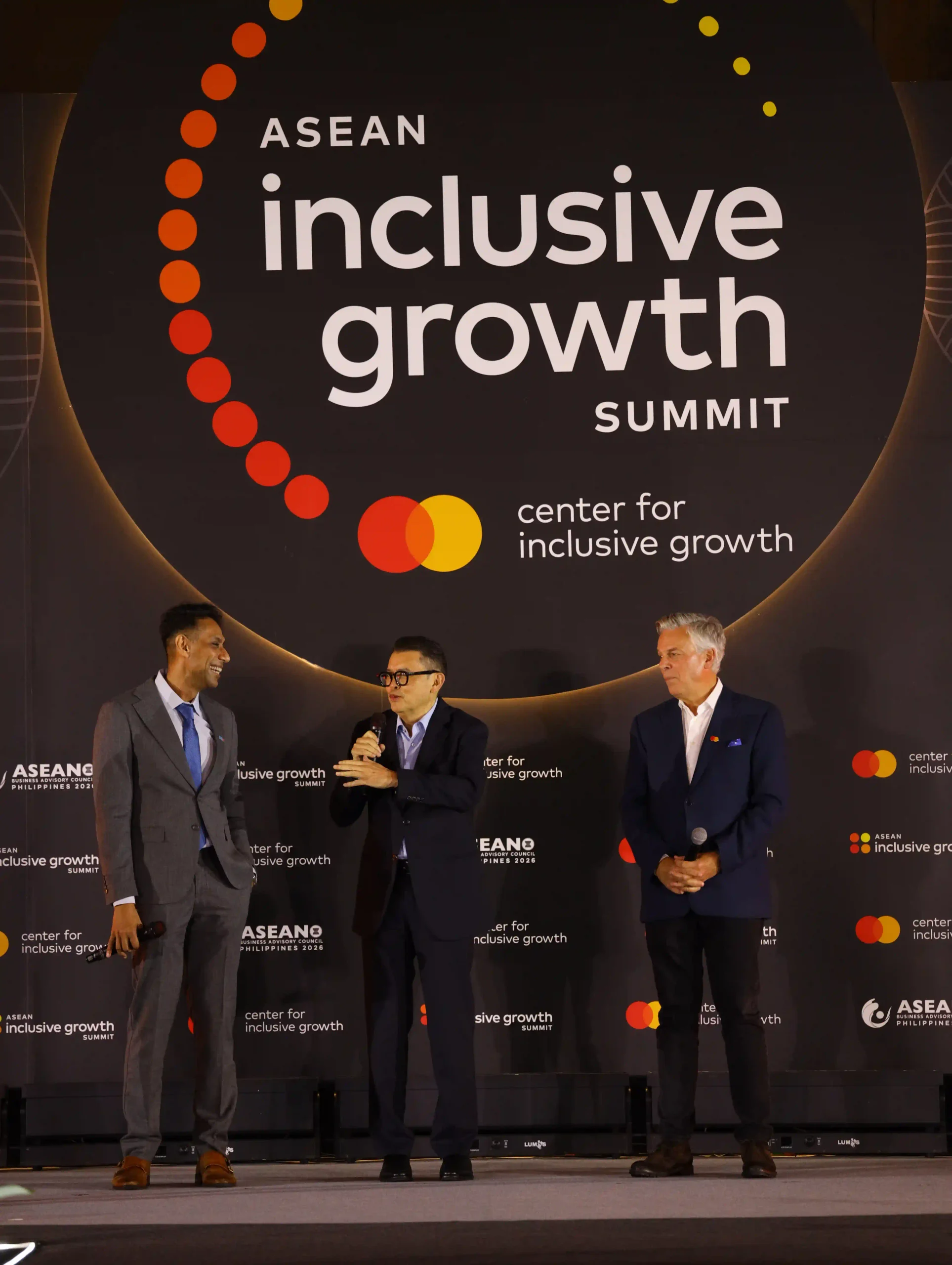
This was one of the central ideas behind Carrying ASEAN Forward, a discussion featuring Jon Huntsman, Joey Concepcion III, and Musa Fazal. The conversation explored regional cooperation, business opportunities, and the future of ASEAN leadership, looking ahead to the 2026 ASEAN Business and Investment Summit in Manila and Singapore’s 2027 ASEAN chairmanship.
For Joey Concepcion III, the region’s economic progress must go hand in hand with greater inclusivity. Pointing to the Philippines’ stark wealth disparity, he emphasized the need to create more opportunities for micro, small, and medium enterprises (MSMEs) to participate in economic growth. One way to bridge this gap, he explained, is through mentorship that brings large corporations together with smaller businesses. “The uniqueness of this program is that we have big businesses being mentors to MSMEs,” he shared.
It’s an approach that recognizes that smaller enterprises don’t necessarily lack ambition or potential. Oftentimes, what they need is access to the experience, networks, and guidance that larger companies have already built.
Concepcion also stressed that the Philippine economy still has room to grow by empowering entrepreneurs and helping smaller enterprises scale their operations. For him, inclusive growth means ensuring that economic opportunities reach beyond established corporations and toward the entrepreneurs who make up the backbone of the local business landscape. A thriving business environment should create room for more people to participate in it, not simply reward those who have already made it.
Angelina Jolie And The Power Of Staying
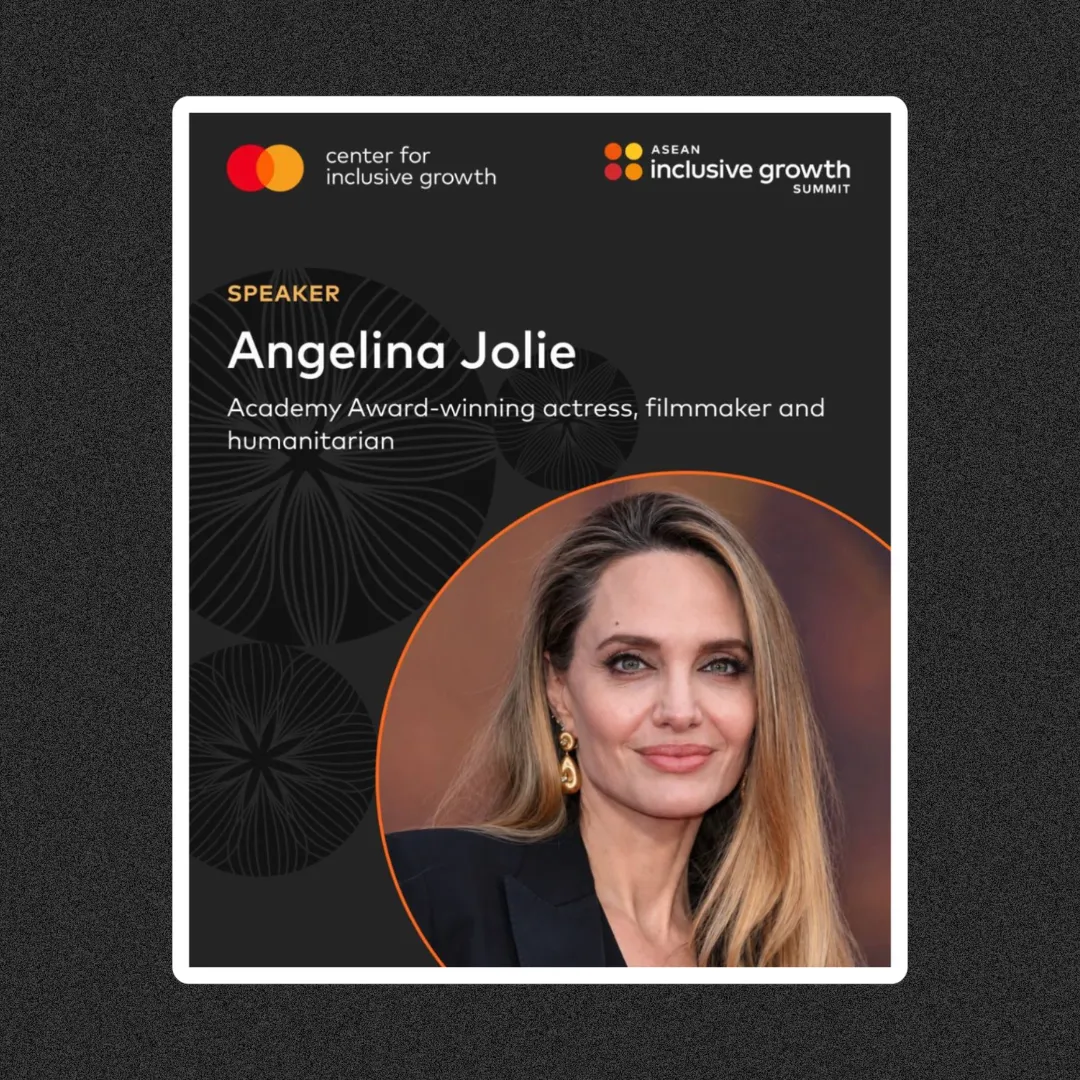
Some stories are best understood by listening to the people who’ve lived them. This was evident during Cambodia, Courage, and the Power of Staying, which brought actress-humanitarian Angelina Jolie and filmmaker Rithy Panh together for a conversation on resilience, storytelling, and community-led change.
Moderated by Shamina Singh, the discussion touched on how lasting progress begins with listening, building trust, and standing alongside the communities shaping their own futures. It also tackled the responsibility that comes with telling another country’s story, particularly when that story bears generations of history and lived experience.
For Jolie, telling Cambodia’s story meant ensuring that the country itself had a voice in the process. “I wanted to do the film with the country. I needed guidance and connection,” she shared, explaining why collaborating with Panh, whom she described as one of her favorite filmmakers, and now a dear friend, was essential.
Panh echoed this sentiment with a simple but powerful reminder: “Don’t make a film about Cambodia, make a film with Cambodians.” The distinction speaks to the importance of allowing communities to tell their own stories rather than having their experiences defined by outsiders.
Jolie also reflected on how her years of working with refugees changed her understanding of aid, opportunity, and sustainable development. Through AtelierAtelierAn atelier is a designer's or artisan's workshop where bespoke garments, jewelry, or art are conceived and hand-produced, rather than a conventional retail studio. In Philippine luxury and fashion circles,Go to Atelier Glossary Jolie, she hopes to create platforms where people can share their work, products, music, and ideas. Rather than approaching vulnerable countries solely through the lens of what they lack, she challenged audiences to recognize the wealth of talent, resources, and creative capacity that already exists within them.
“These are not poor cultures. These are not poor countries. These are rich countries,” she emphasized. It was a perspective that returned the conversation to a recurring theme throughout the summit: meaningful development begins by recognizing what people already have to offer. Communities aren’t solely recipients of aid or subjects of someone else’s story. They have their own voices, ambitions, and ideas about what their futures should look like.
For both speakers, meaningful progress begins with genuine connection. As Jolie put it, “one of the great joys in life is for us all to be together, to connect and to listen.”
That’s one of the most meaningful takeaways from the summit. Progress may be measured through economic milestones, business opportunities, and institutional growth, but its impact is ultimately felt in the lives of the people it reaches. Whether through preserving a family legacy, giving artists a global platform, supporting local artisans, empowering entrepreneurs, or listening to communities, inclusive growth starts when more people are given the chance to decide what comes next.
Photography by Excel Panlaque of KLIQ Inc.
Frequently Asked Questions
The 2026 ASEAN Inclusive Growth Summit is a gathering of leaders, entrepreneurs, artists, and changemakers from Southeast Asia and beyond. Presented by the Mastercard Center for Inclusive Growth, it features discussions on economic development, business, creativity, representation, and opportunities across the region.
Notable speakers included Angelina Jolie, Tony Award-winning performer Lea Salonga, Jaime Augusto Zobel de Ayala, Jaime Alfonso Zobel de Ayala, fashion designer Rajo Laurel, Trickie Lopa, and Steffi Cua. The discussions also featured filmmaker Rithy Panh and business leader Joey Concepcion III.
Lea Salonga discussed her journey from Manila to Broadway, the importance of Asian representation in theater, and the opportunities for Southeast Asian artists on the global stage. She also shared her thoughts on storytelling and the challenges of pursuing a career in the performing arts.
During Cambodia, Courage, and the Power of Staying, Angelina Jolie and filmmaker Rithy Panh discussed resilience, storytelling, and community-led change. They emphasized the importance of working with communities, listening to their experiences, and allowing people to tell their own stories.
The Summit highlighted several ways to support inclusive growth in the Philippines, including connecting large corporations with micro, small, and medium enterprises (MSMEs) through mentorship, supporting Filipino designers, building relationships with local artisans, and creating opportunities for creative communities to reach international audiences.