Caryl Churchill’s play about cloned sons and a deeply flawed father finds renewed relevance in an age of artificial intelligence and biotechnology.
In Caryl Churchill’s A Number, the question of what makes a person unique becomes an uncomfortable one. If a man can produce several genetic copies of his son, each with a different temperament and life, what exactly has he created: another human being, a second chance, or an elaborate excuse for his own failures? At Karrivin Studios in Makati, JC Santos makes his directorial debut with an eight-show run of Churchill’s two-hander, which opened on October 9, 2026. His minimalist staging keeps the science fiction at arm’s length, allowing the play’s domestic cruelties to take center stage.
A portion of WHYNoT’s space at Karrivin Plaza has been converted into a black box theater, with chairs arranged around the performance area so that no one misses a glance or grimace. Four panes of glass, a cluster of overhead screens flickering with indistinct particles, and plain lighting provide almost the entirety of the set.
READ ALSO: Caryl Churchill’s “A Number” Play Gets A Staging This October 2027
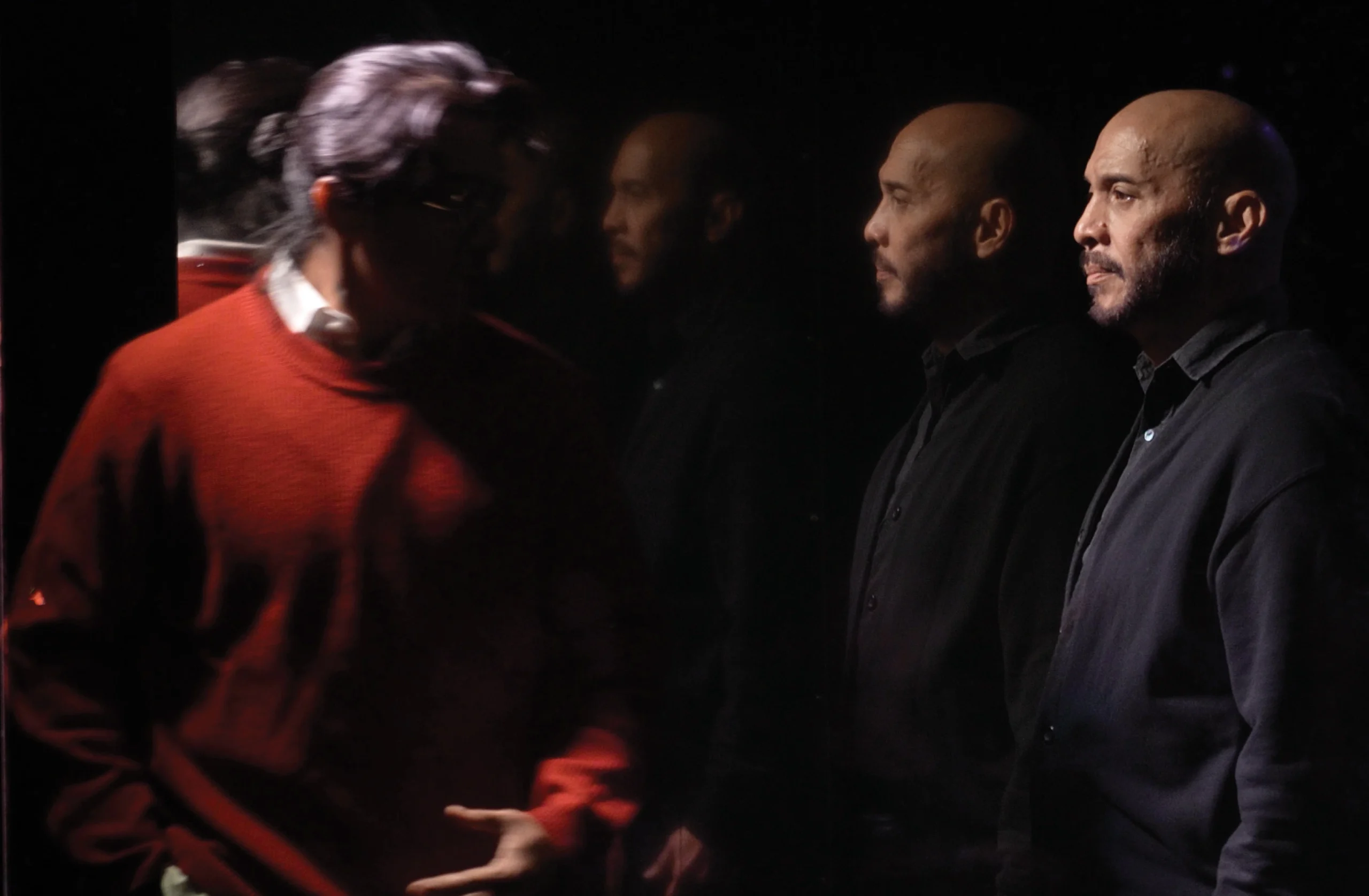
Cloning Has Its Limits: In A Number, JC Santos And Bart Guingona Play Son And Father
The sparseness suits Churchill’s fractured dialogue, in which interruptions, repetitions, and unfinished thoughts reveal more than the characters care to admit. For all its talk of genetic cloning, A Number has little use for futuristic spectacle. Its most unsettling revelations emerge from conversations between a father and the sons he cannot quite explain.
Bart Guingona plays Salter, a man whose guilt over abandoning his troubled original son, Bernard, has curdled into self-justification. After giving Bernard up following his wife’s death, Salter discovers that a laboratory has produced multiple copies of the boy without his consent. Santos himself plays the three sons, each carrying the same genetic inheritance but arriving at a different emotional destination. The question of nature versus nurture becomes less an intellectual exercise than a family dispute with potentially catastrophic consequences.
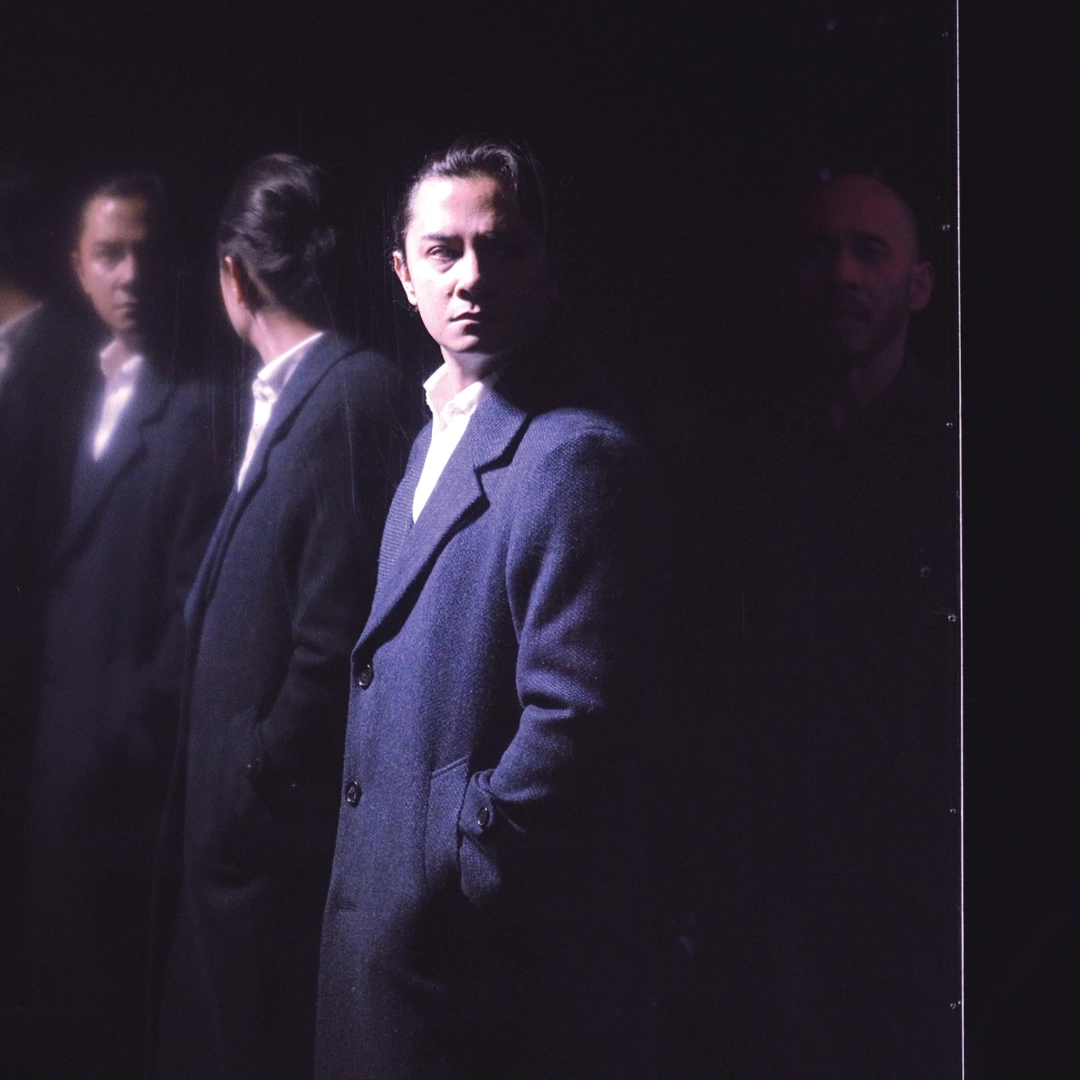
Santos moves between the three roles with striking precision. As Bernard 2, the boyish, stammering clone Salter raised, he appears mild-mannered and uncertain. Bernard 1, the original son, is colder and more direct, his eyes registering the particular fury of someone who has discovered that even his identity was never entirely his own. As Michael Black, a happier copy with a wife and children, Santos adopts a jovial manner that borders on irritating naivety. The distinctions don’t feel like mere acting exercises.
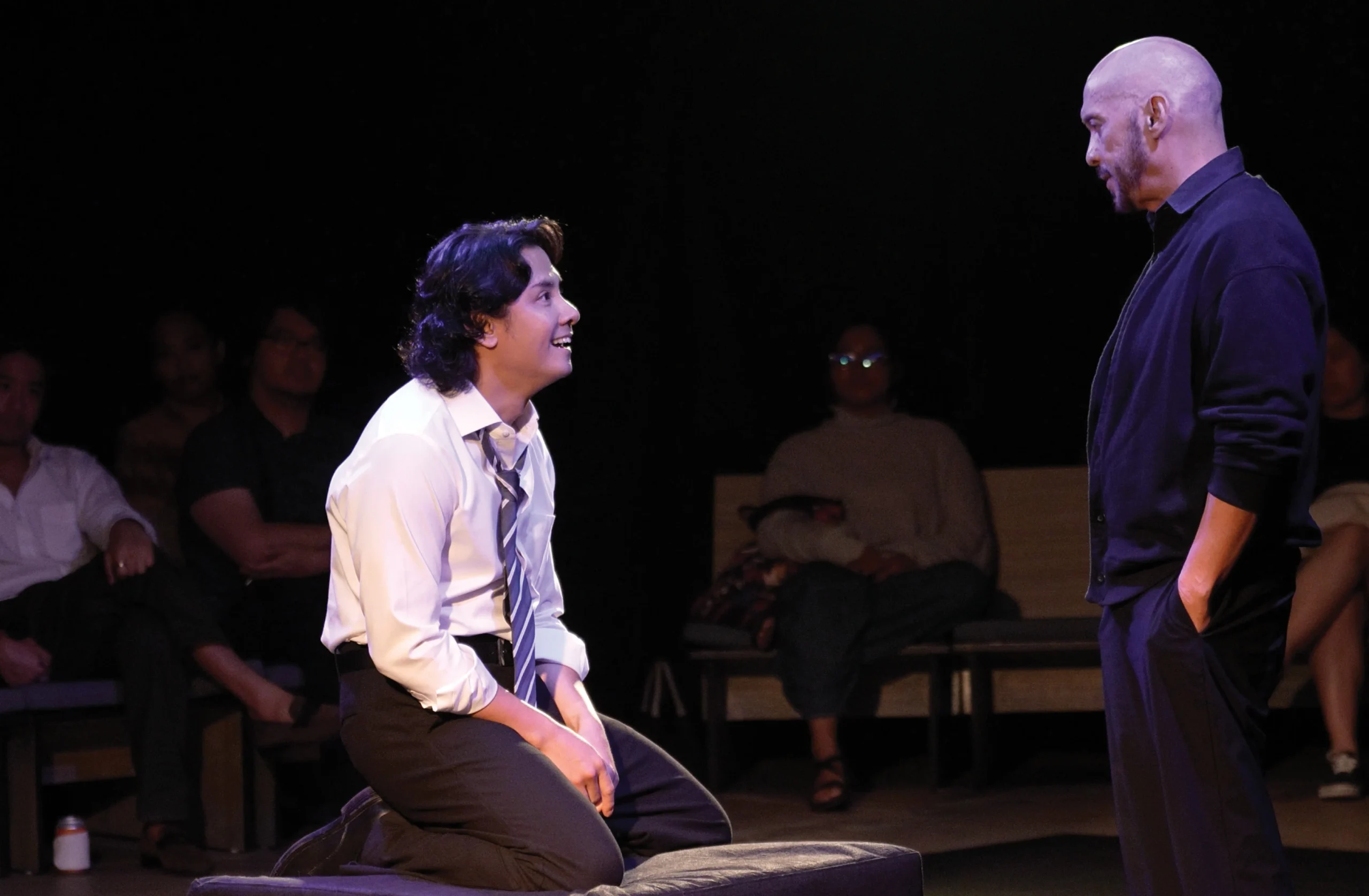
A Father’s Guilty Conscience
Guingona, meanwhile, makes Salter heartbreakingly difficult to dismiss. His evasions and attempts to rationalize the past reveal a man who has treated cloning as a way to manufacture the son he wishes he had raised, only to discover that guilt cannot be outsourced. His performance draws sympathy without letting Salter off the hook.
Churchill wrote the A Number amid public debate over cloning ethics, but its questions feel newly pressing in an age of artificial intelligence and increasingly ambitious biotechnology. Santos’s staging offers no tidy answers, nor does it need to. By keeping the machinery out of sight, it exposes the more familiar human impulse underneath.
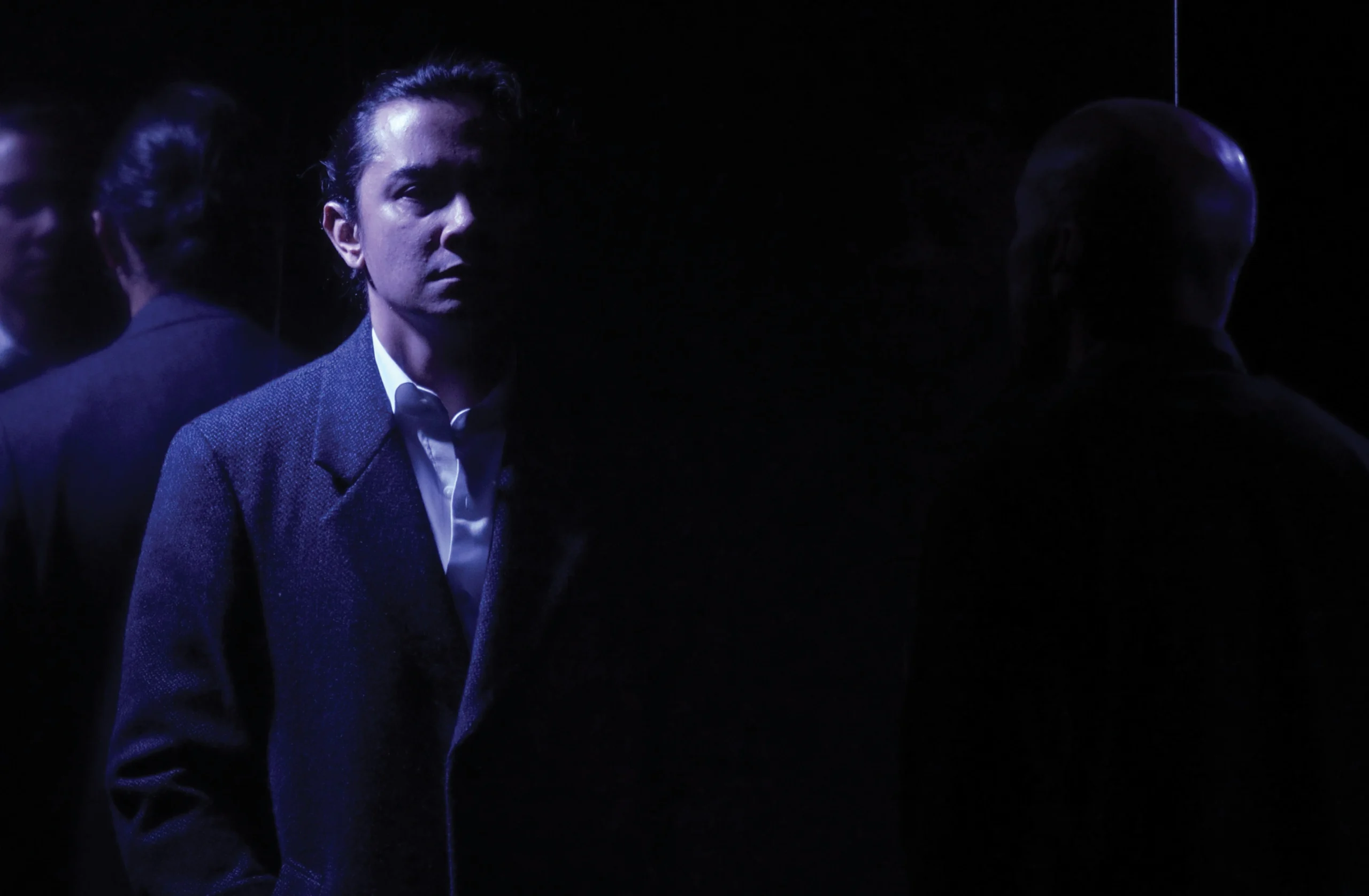
“A Number” will run for five more shows from October 16 to 18, 2027. Tickets are available via Ticket2Me or at the box office at WHYNoT reception
All photos courtesy of WHYNoT
Frequently Asked Questions
A Number is a play about a father, Salter, and his cloned sons. It explores identity, genetic cloning, parental guilt, and the question of whether nature or nurture shapes who we become.
JC Santos and Bart Guingona star in the production. Santos plays three different sons, Bernard 1, Bernard 2, and Michael Black, while Guingona plays their father, Salter.
JC Santos’s staging of A Number opened on October 9 at Karrivin Studios in Makati, using part of WHYNoT’s space at Karrivin Plaza as a black box theater.
The production uses minimalist set design, with four panes of glass, overhead screens, and simple lighting. Its stripped-down staging keeps the focus on the actors, the fractured dialogue, and the emotional tension between the characters.
A Number examines genetic identity, nature versus nurture, parental responsibility, and the ethics of cloning. It also explores how guilt can shape a parent’s decisions and whether creating a genetic copy can ever undo past mistakes.