Across three adaptations spanning five decades, Carrie White’s greatest torment has shifted from religious shame to viral humiliation.
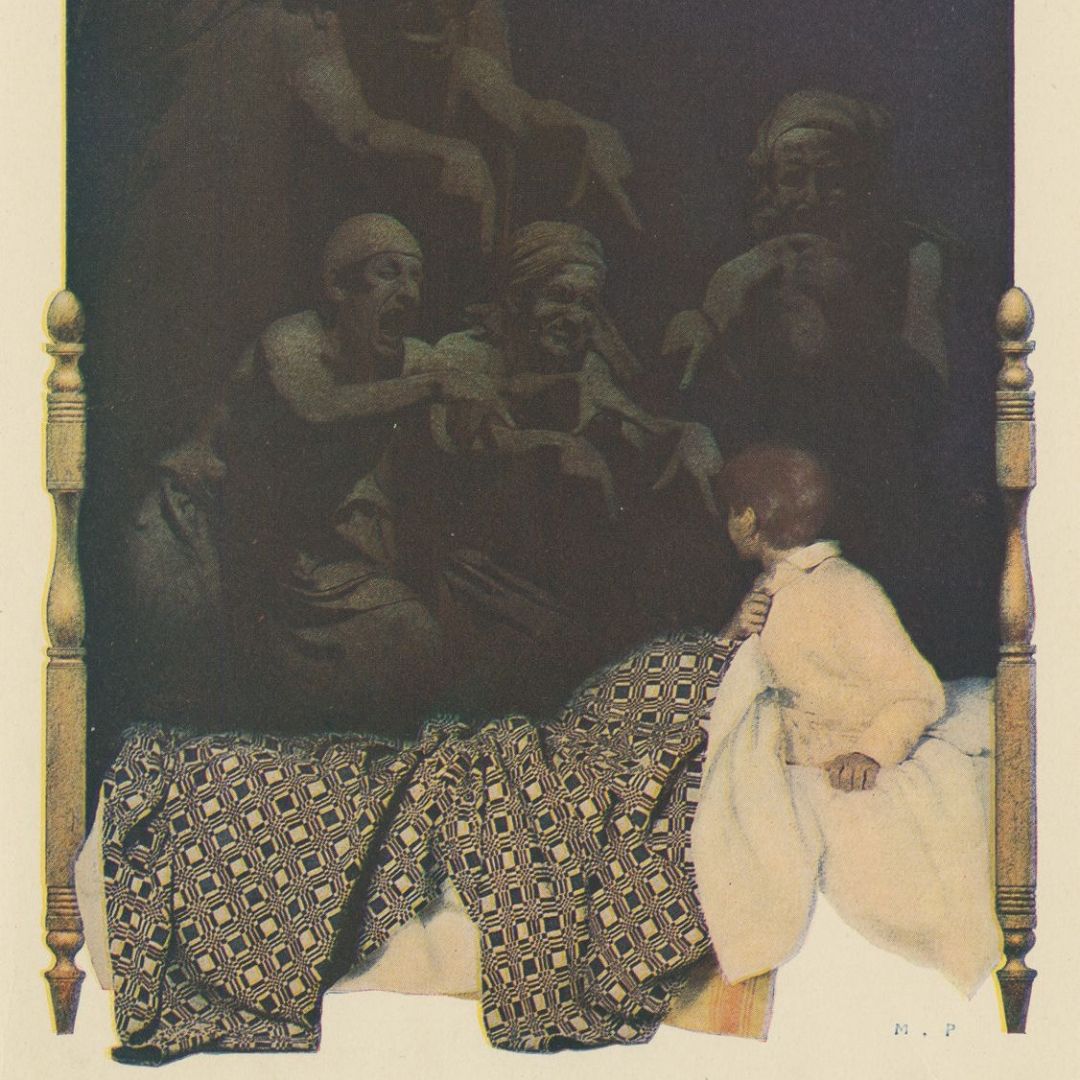
What makes the story of Carrie so interesting across its three major adaptations is how much the horror has changed without the protagonist herself changing all that much. She is still an awkward teenage girl with telekinetic powers. She still has her fanatically religious mother, and the classmates who seem determined to make her life miserable. What changes is the world around her, and what it finds acceptable to do to a girl like her.
READ ALSO: Godzilla Celebrates 72 Years With A Film Festival In Manila
Carrie (1976): The Horror Of Puberty
We see this first in Brian De Palma’s 1976 film, in which the horror is located in the body. Carrie gets her first period in the school shower and mistakes it for a medical emergency because her mother has kept her ignorant of puberty. Her classmates turn the moment into a spectacle, and her mother reinforces the idea that womanhood is something shameful. It is a particularly grim coming-of-age story, in which Carrie’s telekinetic powers become an outlet for everything she has been taught to suppress. Religion is the engine of horror, and prom night is where all that repression finally explodes.
Carrie (2013): Bullying Goes Viral
By Kimberly Peirce’s 2013 remake — nearly 40 years after De Palma’s adaptation – humiliation has gone digital. Technology has become a factor in Carrie’s torment. Chloë Grace Moretz’s Carrie is filmed during the shower incident and the footage gets uploaded online. It’s a natural progression of teenage bullying, especially in a cultureCultureshared traditions, beliefs, values, customs, arts, and social practices that define the identity and way of life of a community, society, or nation.Go to Culture Glossary where embarrassing someone can be as easy as pulling out a phone.
Carrie (2026): Everyone Has an Audience
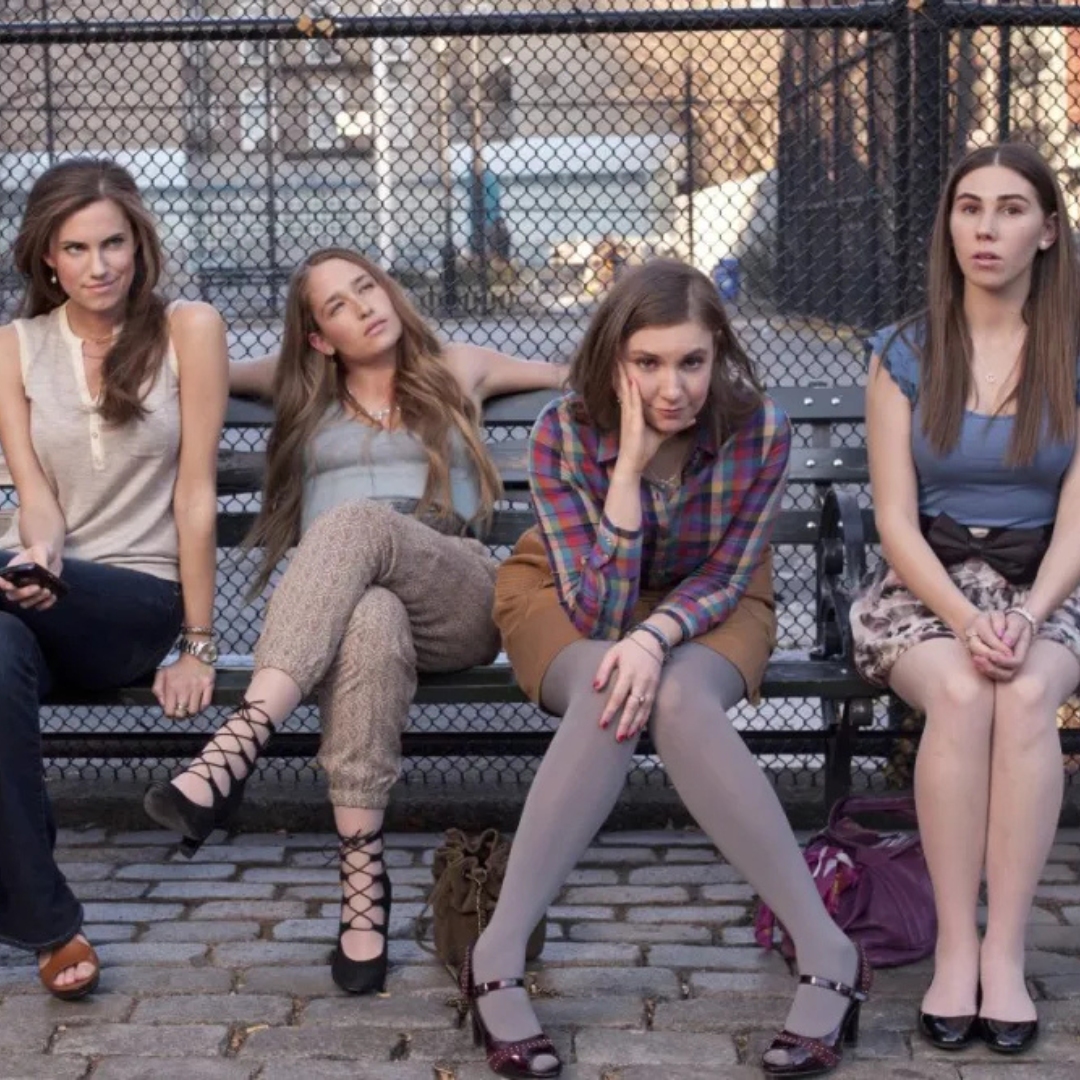
Mike Flanagan’s 2026 series expands the story into eight episodes. Anonymous social media accounts turn humiliation into entertainment.The cruelty she meets is a system, as the character of Chris builds an anonymous, viral, Burn Book-esque Instagram account targeting the entire school.
A viral social media account takes something from Carrie that both earlier versions left her, which is authorship of her own awkwardness. Her public self is now manufactured by others. There is no single scene to point to and no one to blame. Faith and fear of the devil take a back seat as the series explores scapegoating, witch hunts, and the ease with which teenagers can collectively decide someone deserves to be punished. It reaches a pinnacle at prom, in which Carrie, famously drenched in pig’s blood, decimates the town.
Still, the progression says something about the times. In 1976, Carrie is undone by what she doesn’t know about her body. In 2013, she is undone by what everyone knows about her. In 2026, she is undone by what everyone thinks they know.

All photos courtesy of Amazon MGM
Frequently Asked Questions
The 1976 film focuses on puberty, religious repression, and shame. The 2013 remake explores how technology amplifies bullying, while the 2026 series examines viral humiliation, social media, and collective cruelty.
In Mike Flanagan’s 2026 series, Chris creates an anonymous Instagram account that targets the school. Bullying becomes a public spectacle, allowing others to shape Carrie’s reputation and public identity.
Brian De Palma’s 1976 film explores puberty, religious fanaticism, and the shame imposed on Carrie by her mother and classmates. Her telekinetic powers become an outlet for her suppressed anger.
Kimberly Peirce’s 2013 remake shows how bullying extends beyond school when someone records Carrie’s shower-room humiliation and uploads the footage online.
In the 1976 film, Margaret is a fanatically religious mother who makes Carrie ashamed of her body. By the 2026 series, she becomes a more complicated character, portrayed as a frightened parent whose religious beliefs are no longer the sole focus of the horror.