A reflection on Rafael Manuel’s Filipiñana film, its use of sound and silence, and the social order contained within its country club.
Rafael Manuel’s Filipiñana has taken a circuitous route home. The filmmaker’s feature debut premiered at the 2026 Sundance Film Festival, where it received the World Cinema Dramatic Special Jury Award for Creative Vision. After screening at the Berlinale and traveling through the international festival circuit, it returned as the closing film of this year’s Cinemalaya, where I finally watched it. After being seen and discussed abroad, the film returned to the country held in, however strangely, within its frames.
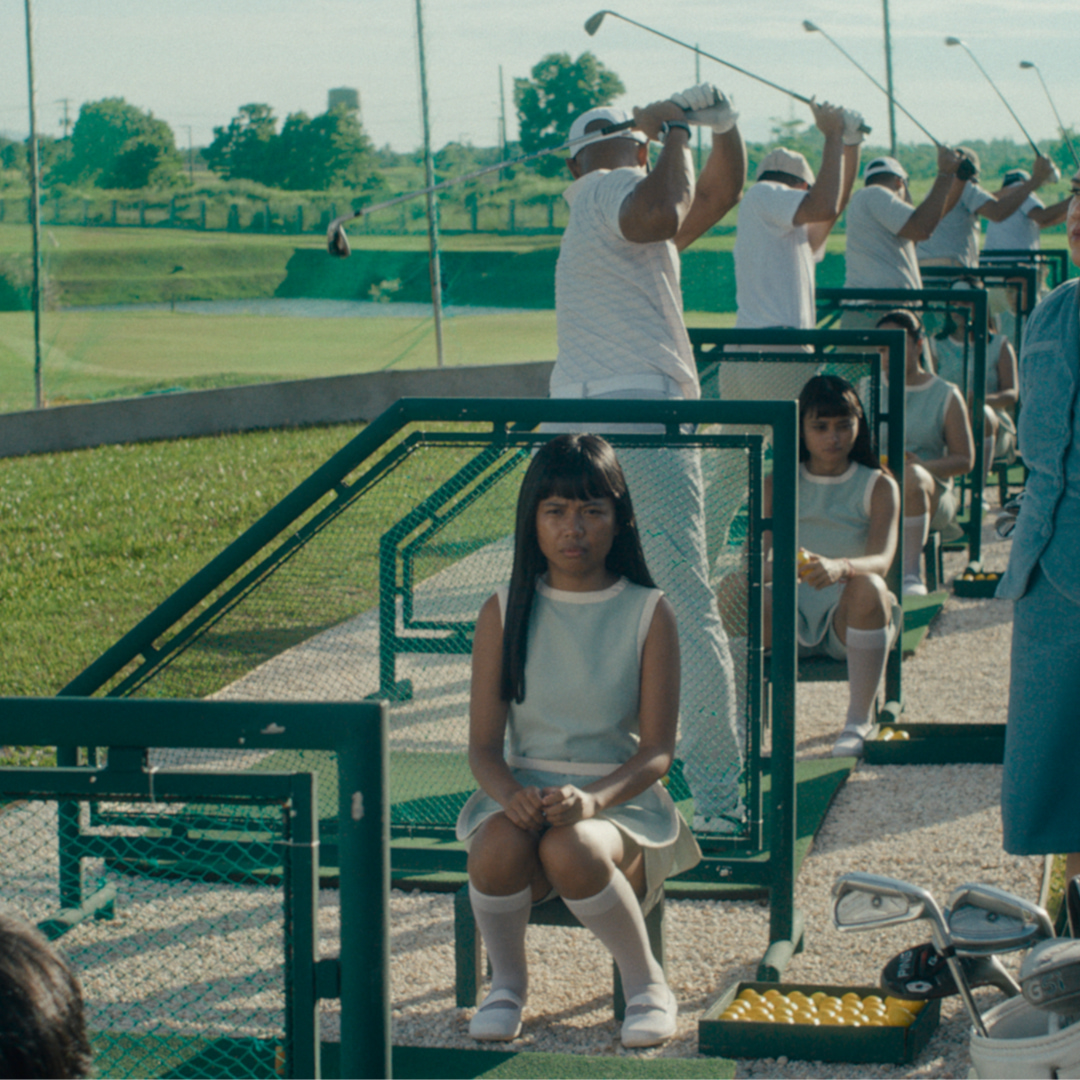
Set over one day, Filipiñana follows 17-year-old Isabel (Jorrybell Agoto) on her first day as a tee girl at an exclusive country club. When Dr. Palanca (Teroy Guzman), the club’s president, leaves a golf club behind, her attempt to return it takes her farther into the property.
The film moves, borrowing Manuel’s own words, deliberately. The camera often remains still while people cross the frame or perform their appointed routines. At the driving range, golfers stand in a row and swing together, or one after another. Their synchronization reminded me of a chorus line from the movie musicals once central to Philippine popular cinema. The composition appears ready for music to swell.
But it never really does.
Instead, we hear clubs cutting through the air and the sharp contact of a ball being struck. Thwack. Almost like a cartoon. Sprinklers turn across the grass. Golf balls knock against one another as they are washed, manually, of course. Sounds that might disappear into another film’s background become the rhythm here.
READ ALSO: How To Dress A Filipino For The Berlinale Red Carpet
Watching With Our Ears
Most moving images we encounter today seem to begin on mute. On social media, sound is treated as more intrusive than sight: an image occupies my screen, but a voice or song enters everybody else’s space. Yet this has not taught us to look more closely; it has simply made images easier to scroll past.
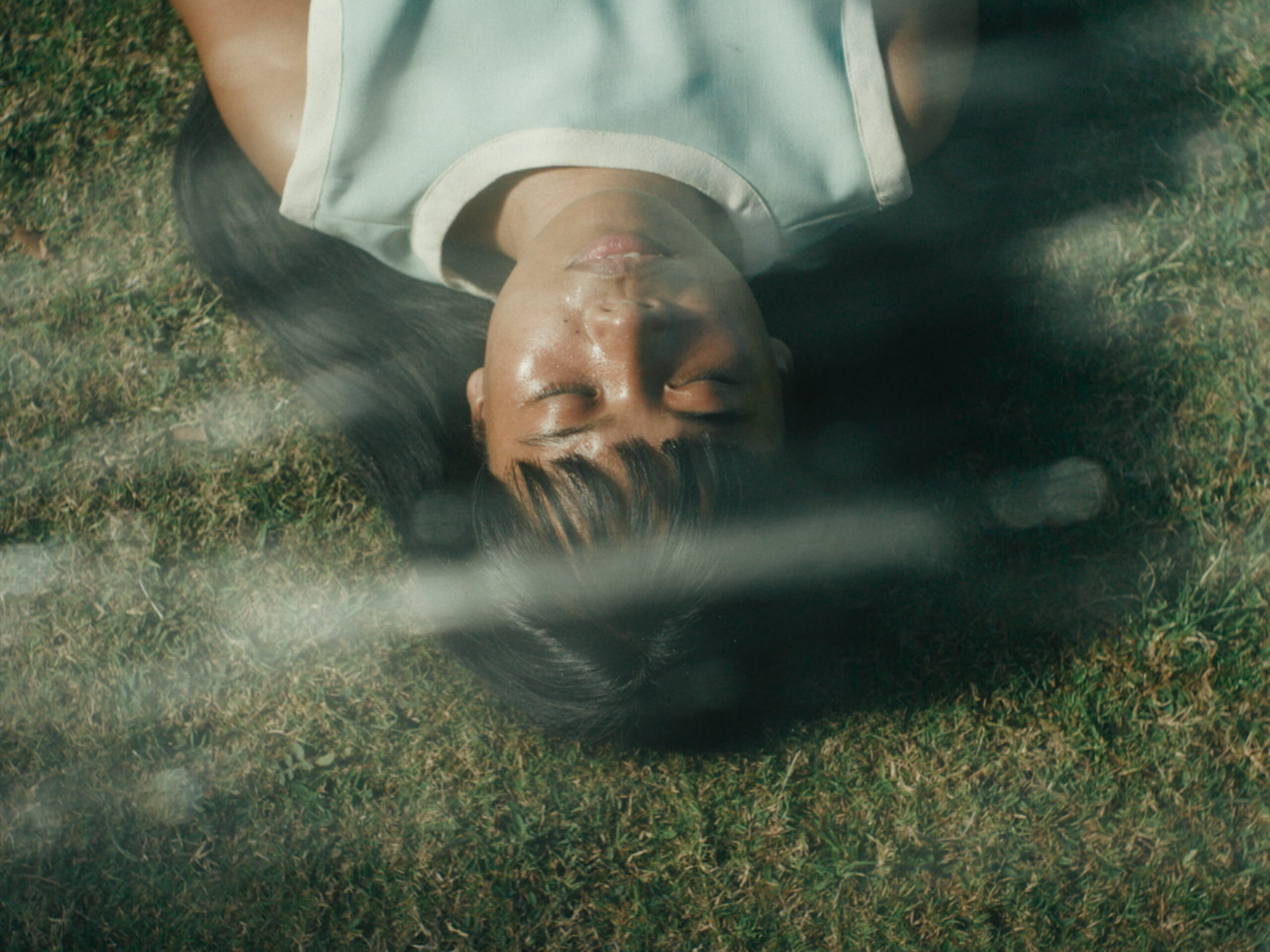
Without music telling me how to feel, I couldn’t immediately decide whether the golfers’ synchronized movements were beautiful, funny, or threatening. Film scores usually resolve that uncertainty, preparing us for danger (think Jaws) or letting us surrender to the sweeping overtures of romance (think Dr. Zhivago). But Filipiñana withholds those instructions, leaving us to decide how its images should be understood.
Before the screening, Manuel spoke about the Filipino experience of waiting for change. That waiting is present not only in the film’s deliberate pace, but also in the emotional resolution it continually postpones. He explained that he structured Filipiñana like a song, thinking in verses, choruses, and interludes. He invited us to watch it with our ears. Like a song, he said, the film might enter the body and move us toward some small action. The golf course had been producing a kind of music all along.
Music also travels physically through the film. A group of musicians moves around the country club, welcoming guests, accompanying a dance class, and playing during a celebratory meal. At one point, they become lost on the golf course and ask for directions to the ballroom. The moment is humorous. Once directed, they place their hands on one another’s shoulders and form a line. It’s then that we understand that they’re blind.
They begin to resemble the film’s soundtrack made visible. They orient everyone else, announcing an arrival or telling dancers how to move, yet they’ve been left without the directions they need. Music in cinema usually arrives without requiring us to consider who produced it. Here, it has bodies. Like the country club’s beauty, it’s revealed as labor.
Their blindness also made me question my own way of seeing. I had watched them on screen several times before understanding something fundamental about how they experienced the space. I had looked at them without fully seeing them.
The Choreography Of The Country Club In Filipiñana
The same could be said of the country club. Golf is tied to the Philippines’ colonial history. Manuel has pointed out in previous interviews that early courses were established on American military bases and later taken over by local elites. The game transforms large expanses of land into private recreation, requiring water and continuous labor to preserve their green surfaces.
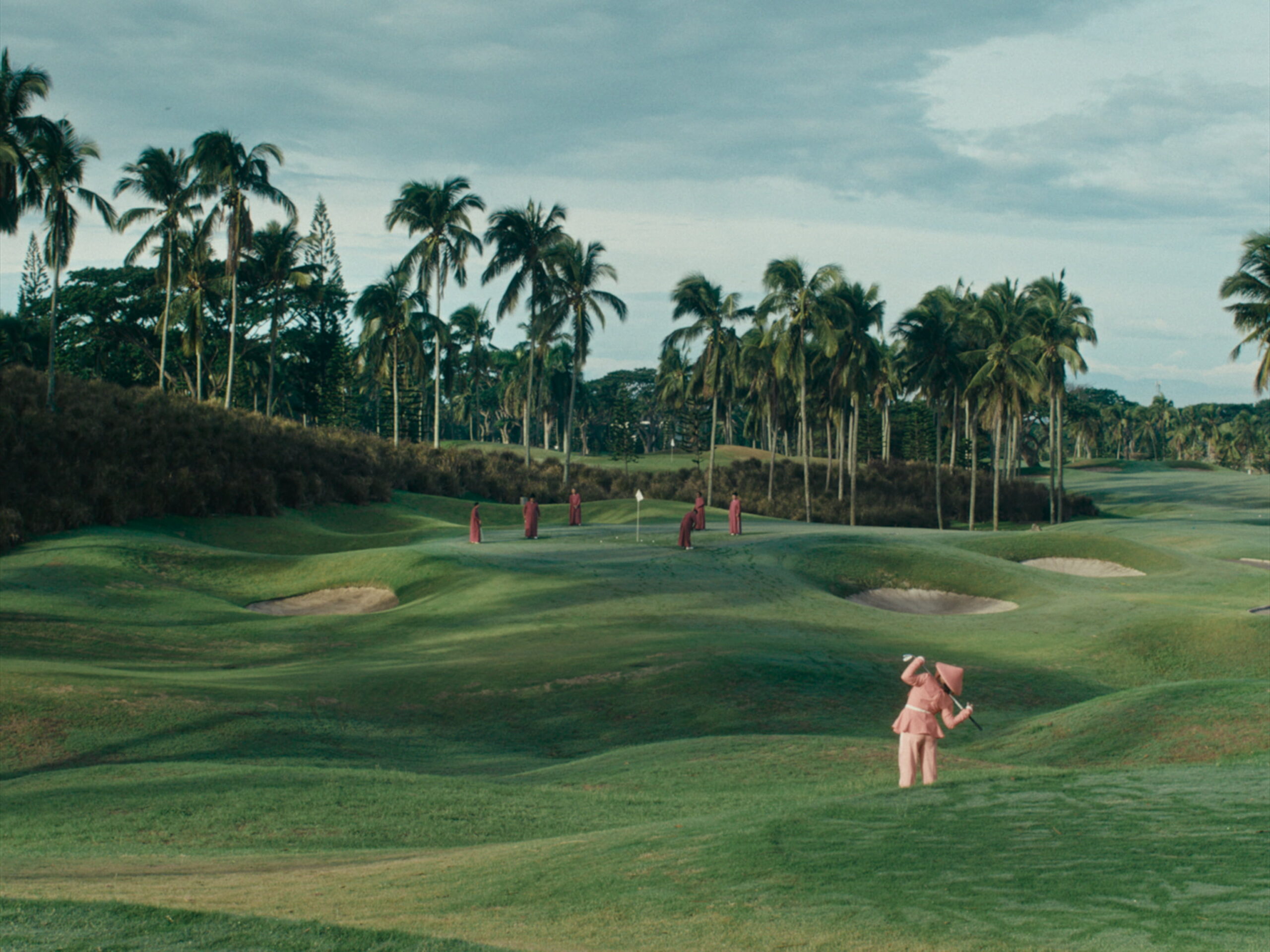
The course becomes a miniature social order. Isabel, as a tee girl, is forbidden from entering land that her work helps sustain. Caddies carry players’ bags and are told that the available drinking water is reserved for guests, even as sprinklers continue turning across the grounds. During a heat wave, Isabel and another tee girl hover outside an air-conditioned office, trying to catch some of the cool air within.
Returning Dr. Palanca’s golf club gives Isabel temporary permission to move through the country club. One is an object she has been tasked to return; the other is an institution teaching her where she belongs. Isabel and Dr. Palanca come from the same province, but shared origins cannot undo the distance established by wealth and power.
In its silence, I return to how little the film tries to speak on our behalf. It does something more difficult and more demanding: it leaves us to look and listen for ourselves.
When the film ended, no line of dialogue echoed in my mind; it was the sprinklers turning across the grass.
All photos courtesy of Kino Lorber’s official website