Some die-hard fans and newcomers to Michael Jackson may find the biopic an entertaining portrait that reinforces his lasting appeal; yet its monotonous narrative and sanitization of a complex legacy are difficult to overlook.
Biopics, both good and bad, set out to do the impossible: capture the life of a person (or a significant portion of it) while condensing it into a neat, two- to three-hour piece of entertainment. Behind this aim, the potential for oversimplifying or overexaggerating (possibly both) the oftentimes complicated inner life of a subject looms, and in many cases, makes itself known. Michael—the highly anticipated biographical film about the King of Pop, Michael Jackson—is the latest example of this.
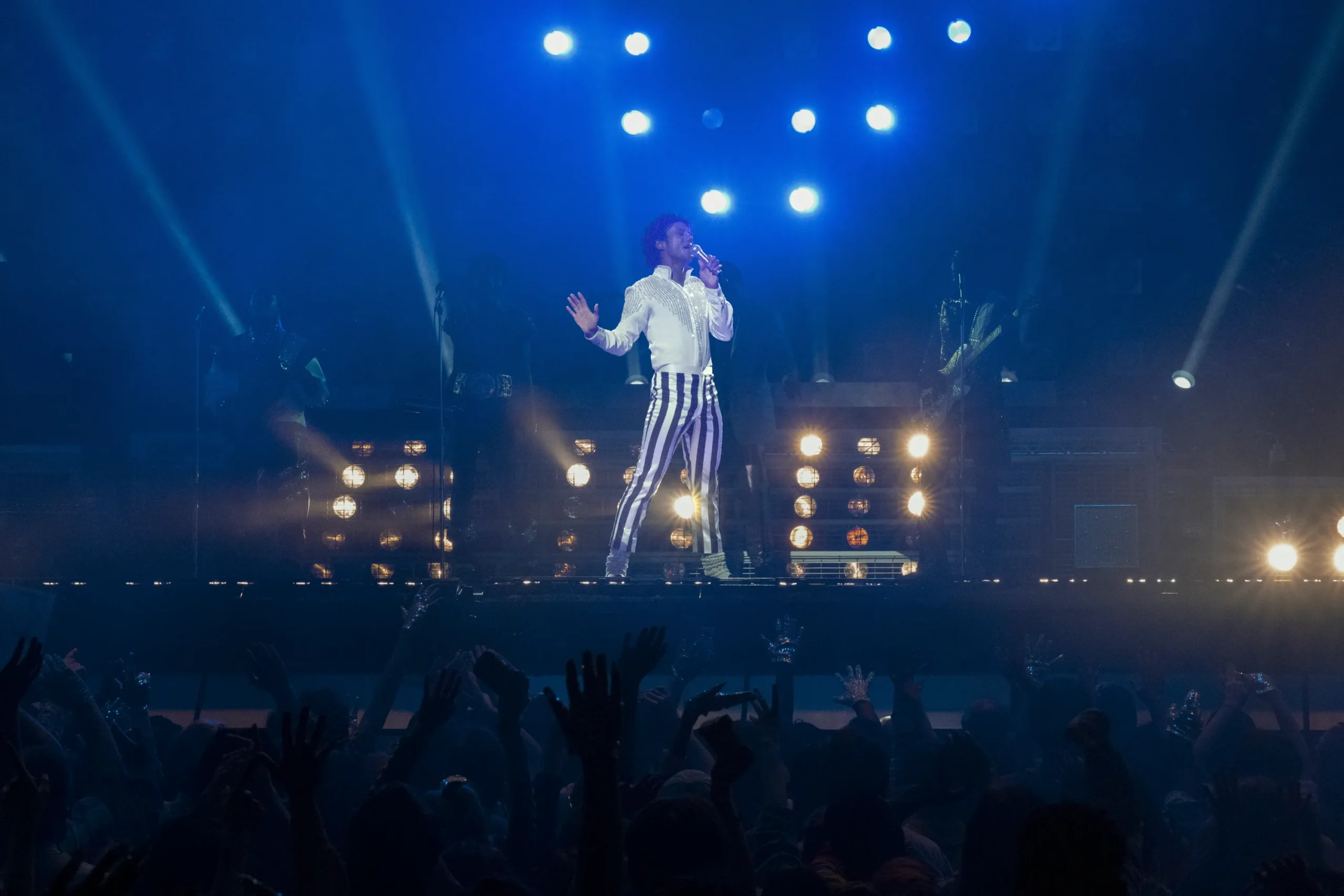
Before getting into the review, it’s worth noting that avid fans of the late Michael Jackson may have a 50-50 chance of enjoying the film, depending on what they’re looking for. If you’re just after a lighthearted, concert-like throwback to the man’s greatest early hits (only covering the first half of his career until the Bad tour during the 1980s, a sequel in the works), then you’ll find little to complain about in director Antoine Fuqua’s take.
On the other side of that, I wouldn’t call myself the most devoted of Jackson’s fans, but I do adore his work (an inevitability for anyone who was weaned on a steady diet of ’70s and ’80s music, passed down from their parents), and I found myself rather underwhelmed by the overall direction of the film.
READ ALSO: Film Review: Sometimes, Love Is All About The Drama
The Michael Moonwalk
Let’s at least acknowledge some of Michael’s strengths, most of which lie in its re-enactment of both the man and his concerts.
The film does manage to become a spectacle of lights and sound that translates the grandiosity of MJ’s real-life appearances and performances onto the big screen, especially in IMAX. Here we see throngs of people large enough to comprise multiple cities, all flocking toward him with religious fervor (which, when you see real footage of his fans, isn’t exaggerated, to be sure). But, to borrow the words of a friend I watched it with, if I wanted to experience these things, I’d just “go to YouTube.”
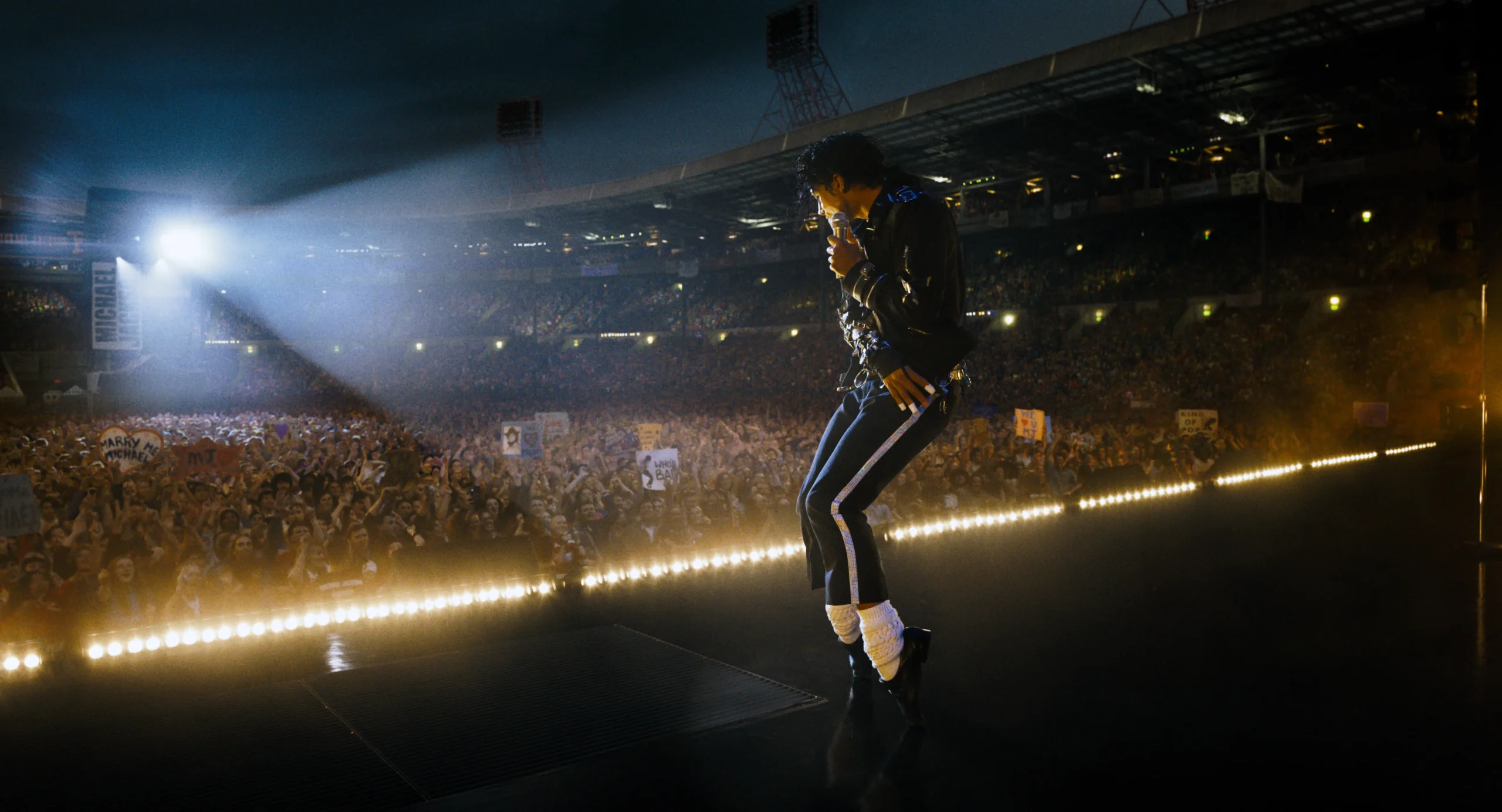
This focus on theatrics and showmanship makes sense, since Fuqua’s directing experience mainly lies in the realm of action films like Training Day, Olympus Has Fallen, and The Equalizer franchise. What’s more, executive producers John Branca and John McClain both share credits in the popular 2009 documentary, Michael Jackson’s This Is It, which turns a spotlight on the preparation and artistic process behind the musician’s last 50 shows prior to his untimely death just four months before the film’s release.
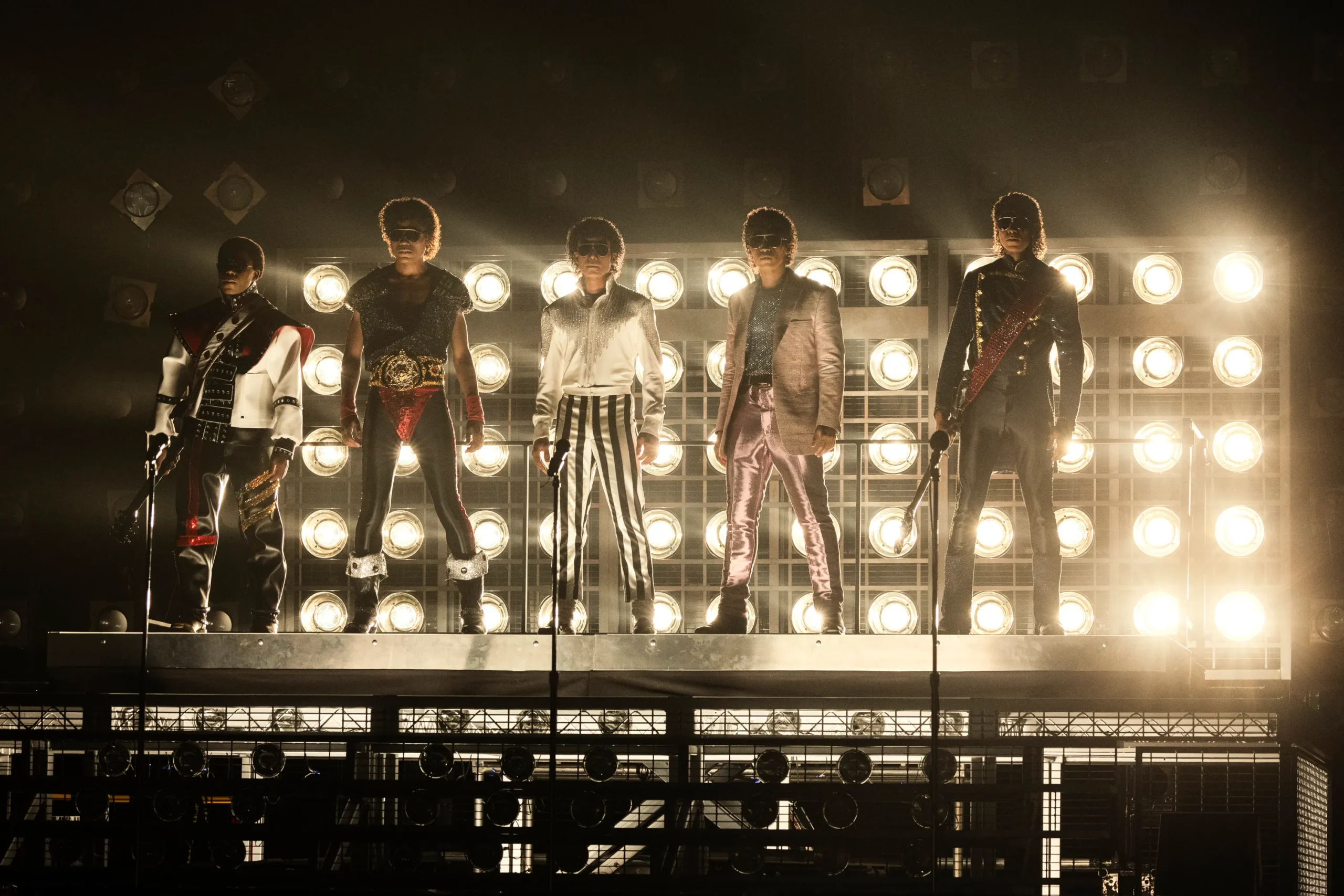
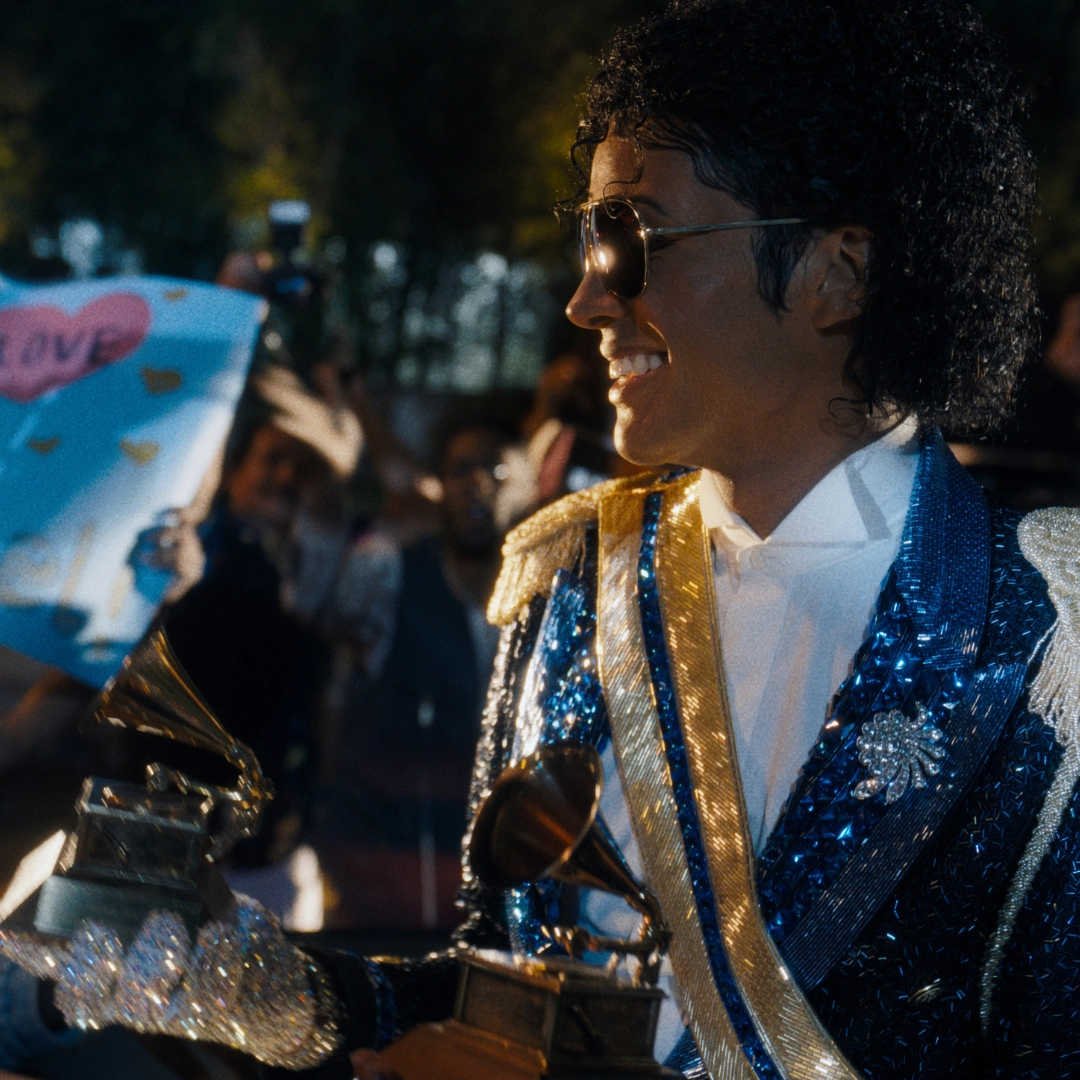
Michael also makes the interesting choice of casting a member of its subject’s own family in the lead role: Jaafar Jackson, the pop star’s nephew through his older brother, Jermaine Jackson. While I can’t say the performance rises to the level of critical acclaim, it’s clear that Jaafar put in the work to embody his uncle, from the cadence of his speech to the energy and precision of his movements.
On that note, the film’s most impressive feat, at least in my view, is Jaafar’s ability to match the King of Pop’s effortless, fluid choreography. At times, he genuinely feels like a spitting image of his uncle, momentarily transforming into a man destined for greatness. However, Jackson’s status as an inimitable talent also becomes a source of one of the film’s most glaring problems.
Deifying A Music Legend
Michael presents the most palatable version of its titular musician, his estate wrapping it up in colorful packaging and the power of nostalgia. This is nothing new in the world of show business, and the temptation to do this becomes greater when you’re dealing with a man as complex as Jackson, whose later life was riddled in controversies involving the alleged sexual abuse of minors. You can defend this by saying the filmmakers are gearing up to explore the darker side of his life in the sequel, but that doesn’t quite cover up the deification happening in Michael.
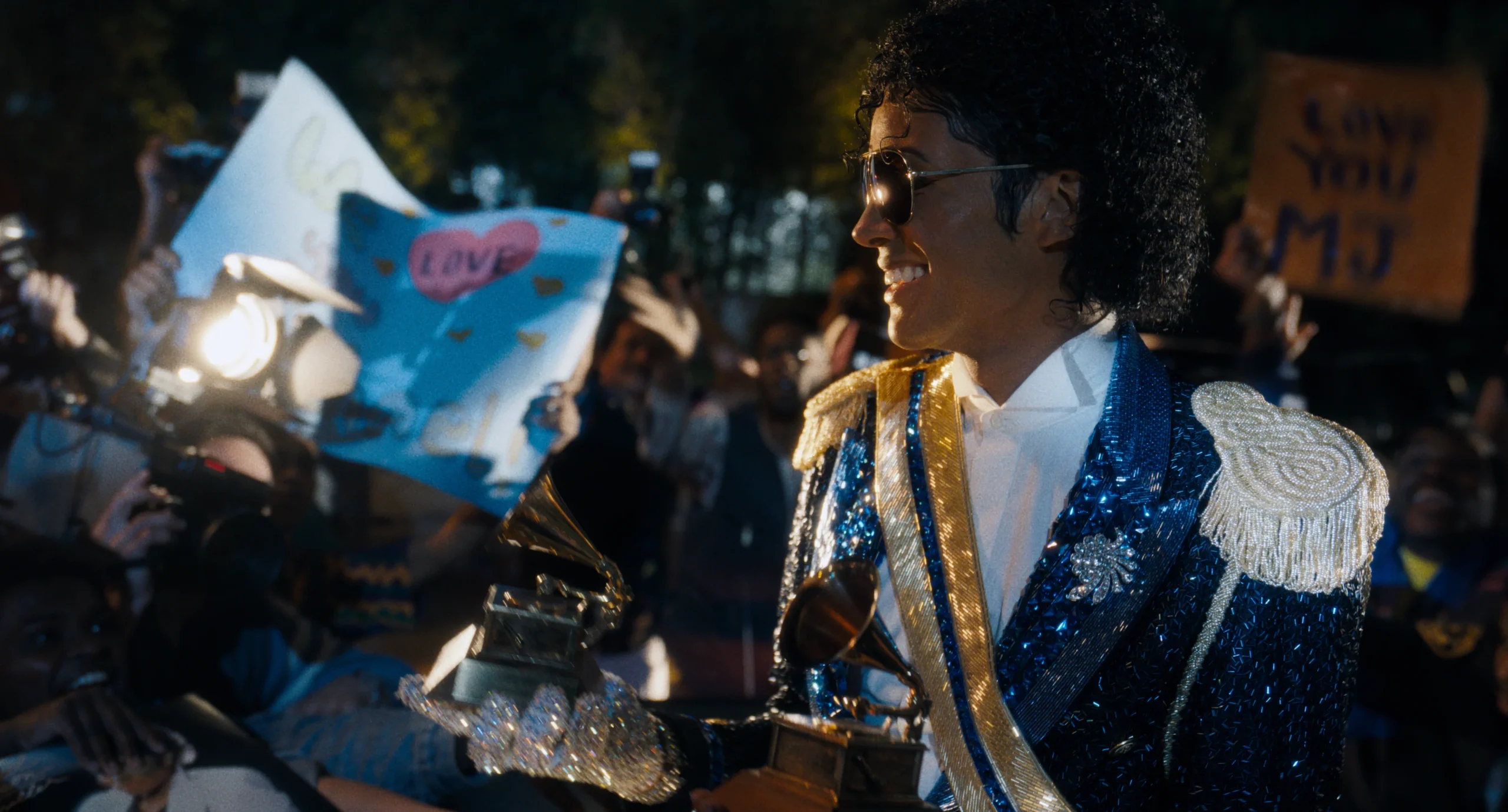
As writer David Jenkins so incisively describes it in his review for film publication Little White Lies, the movie is a “PR-driven chronicle” that’s “legacy management 101” at its finest. A brief overview of the issues and re-shoots involved during the production process only bolster these statements.
Again, I’ll acknowledge what the film manages to do: depict the troubled childhood of Michael Jackson, framing it as the springboard for his indelible loneliness and questionable decisions later in life. This is a man in search of independence and creative freedom, eager to step out from the shadow of The Jackson 5. The film also succeeds in conveying the weight of those early burdens, reminding us just how young he was when he began performing. But much of this feels surface-level—nothing you couldn’t already glean from a quick read on Wikipedia or Biography.com.
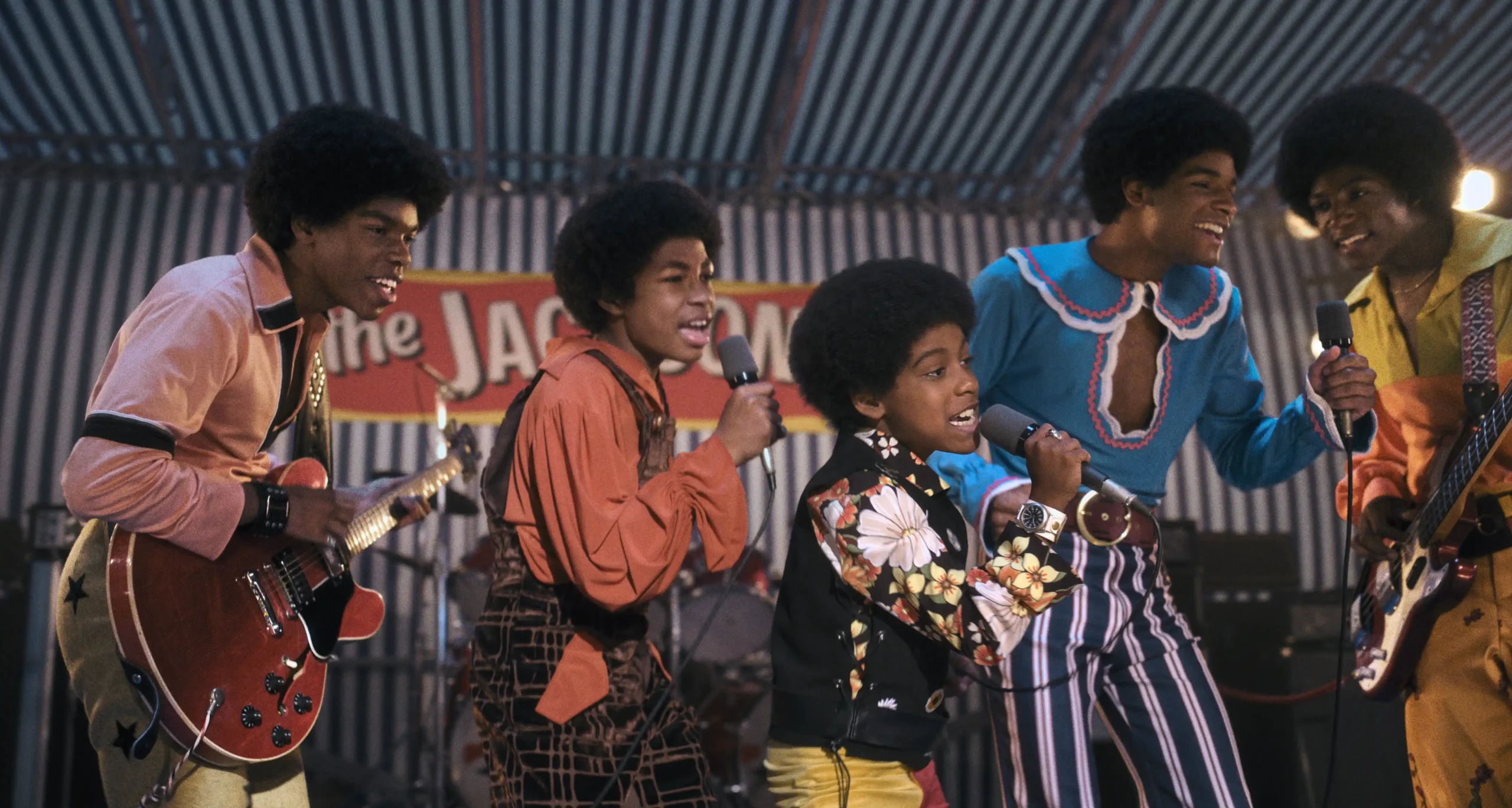
Much of the pop star’s pain goes back to the abuse of patriarch Joseph Jackson, portrayed by Colman Domingo as a money-driven, belt-wielding antagonist. Yet the film stops short of interrogating the wider family dynamic, portraying them largely as a supportive force that’s paralyzed in the face of abuse, but ultimately absolved of accountability for their complacency and public denial of what unfolded behind closed doors (both in regard to Joseph and Michael’s abuse cases).
Then there’s Michael Jackson himself, presented as the playful, childlike, naïve figure many have described him to be. Yet the portrayal often veers into near–Mother Teresa levels of caricature, depicting a man who sought out the company of animals, visited and supported ill children through philanthropy, and could do no real wrong. Yes, these are facts, but they can’t be the entire picture. The on-the-nose screenplay doesn’t help either, weighed down by saccharine, eye-roll-inducing lines that seem to forget the basic rule of “show, don’t tell.”
Jackson’s most “flawed” trait—an incessant perfectionism that drives him toward physical alterations—stands out as the lone imperfection in what’s otherwise a deified version of a man who was, surely, far more complicated than the child trying to escape the sting of his father’s belt. Which brings me to the film’s next problem: I’m not entirely sure what to take away from it.
The Man In The Mirror
“There will never be anyone like you,” a music producer tells Jackson in the film, and I have to agree. No one has quite matched the musician’s level of skill, genius, and star power, though many have tried. The thing is, I wish the film focused more on the why’s and how’s of his creative process, and how it connected to his personal life and perspective. What we get, instead, are brief behind-the-scenes looks (a staple in any music biopic) and interactions that never delve deeper than the facts readily available online.
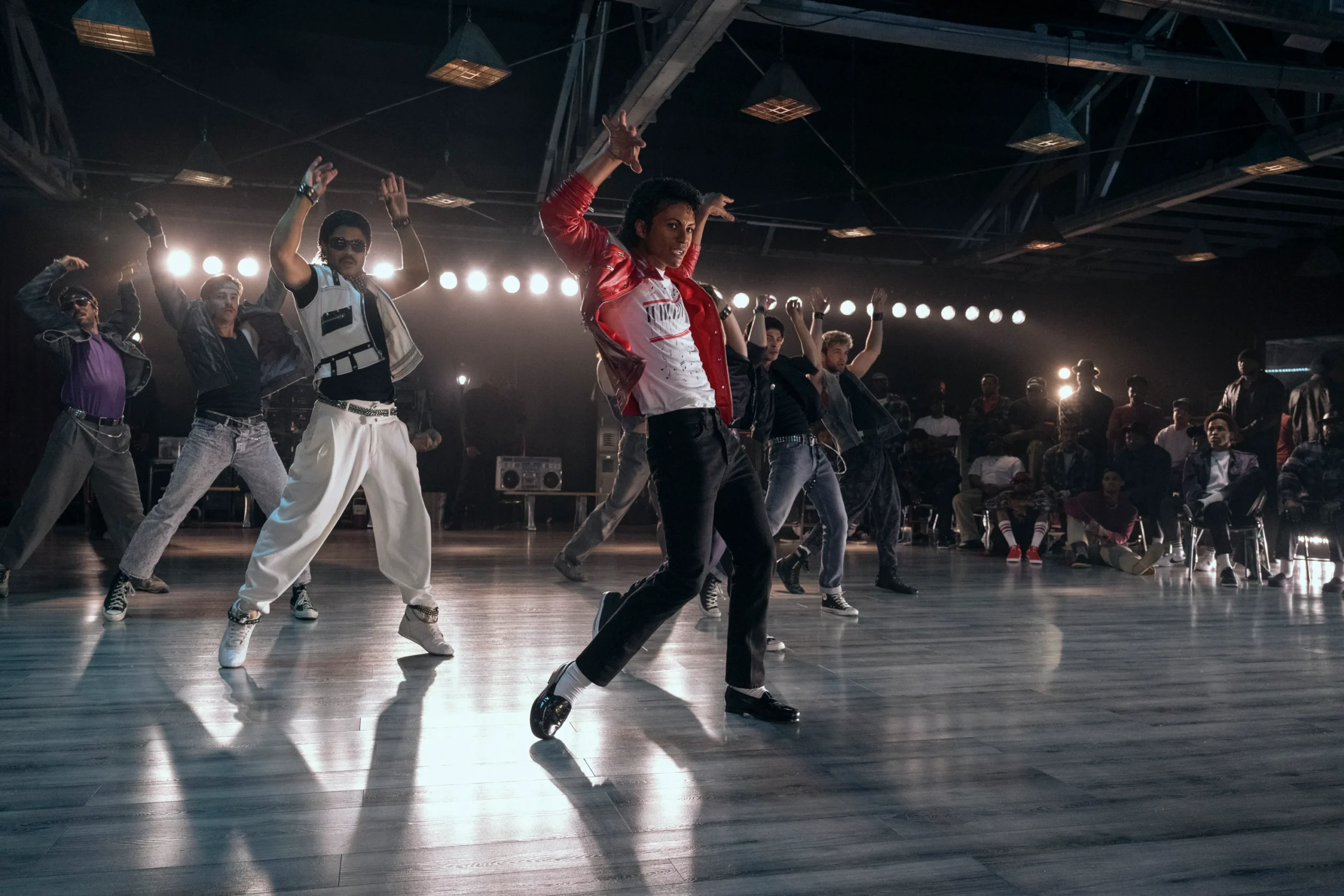
As much as I found myself bobbing my head to the music (who wouldn’t?) and admiring Jaafar Jackson’s moves, many of the scenes began to drag. As mentioned earlier, Michael often feels like a string of glorified music videos, lingering too long on performances audiences have already seen—or can easily look up. And then…what? I found myself asking as I watched, wondering what exactly I was meant to take away from these mimicries of iconic, top-tier performances.
The best way I can describe it? A thinly veiled concert experience that forgoes a more nuanced examination of the inner workings of a music legend (the good, bad, and downright ugly)—which, I’d argue, is the very reason a film like this should exist in the first place. Still, if all you’re searching for is a feel-good, chicken noodle soup biography—or you’re a curious and diehard fan—you won’t have much to lose from seeing the film. But you won’t have much to gain, either.
“Michael” is currently screening in Philippine cinemas
Photos courtesy of Universal Pictures
Frequently Asked Questions
Michael is a biographical film about Michael Jackson that covers the first half of his career up until the Bad tour in the 1980s, with a sequel planned to continue his story. It attempts to present both his rise as the King of Pop and glimpses of his personal life through a concert-driven, performance-heavy narrative.
The film’s strongest moments lie in its re-enactments of Michael Jackson’s concerts and performances, which translate his signature spectacle of lights, sound, and scale onto the big screen, especially in IMAX. Jaafar Jackson’s portrayal is also a highlight, with convincing attention to his speech, movement, and choreography, often capturing his uncle’s presence.
The film is criticized for its monotonous narrative and tendency to simplify a complex life into a polished, deified portrayal. It relies heavily on spectacle and nostalgia, often feeling like a series of extended performance sequences rather than a deep exploration of Michael Jackson’s inner world or creative process. It also avoids fully engaging with the more complicated aspects of his legacy, offering a largely sanitized version of events.
Die-hard fans and newcomers looking for a nostalgic, concert-like experience of Michael Jackson’s early hits may find it entertaining. However, viewers seeking a deeper, more nuanced biographical exploration of his life and artistry may find it underwhelming, as the film prioritizes spectacle over introspection.
The current film largely avoids deeply interrogating the musician’s later controversies and complex family dynamics, focusing instead on a palatable, legacy-managed version of his early life.