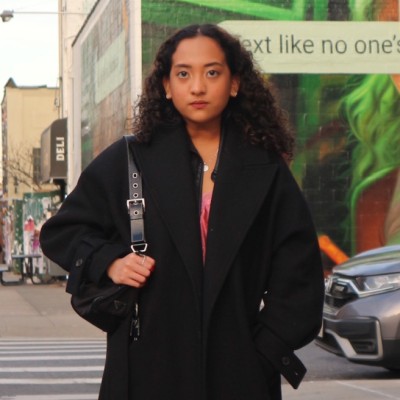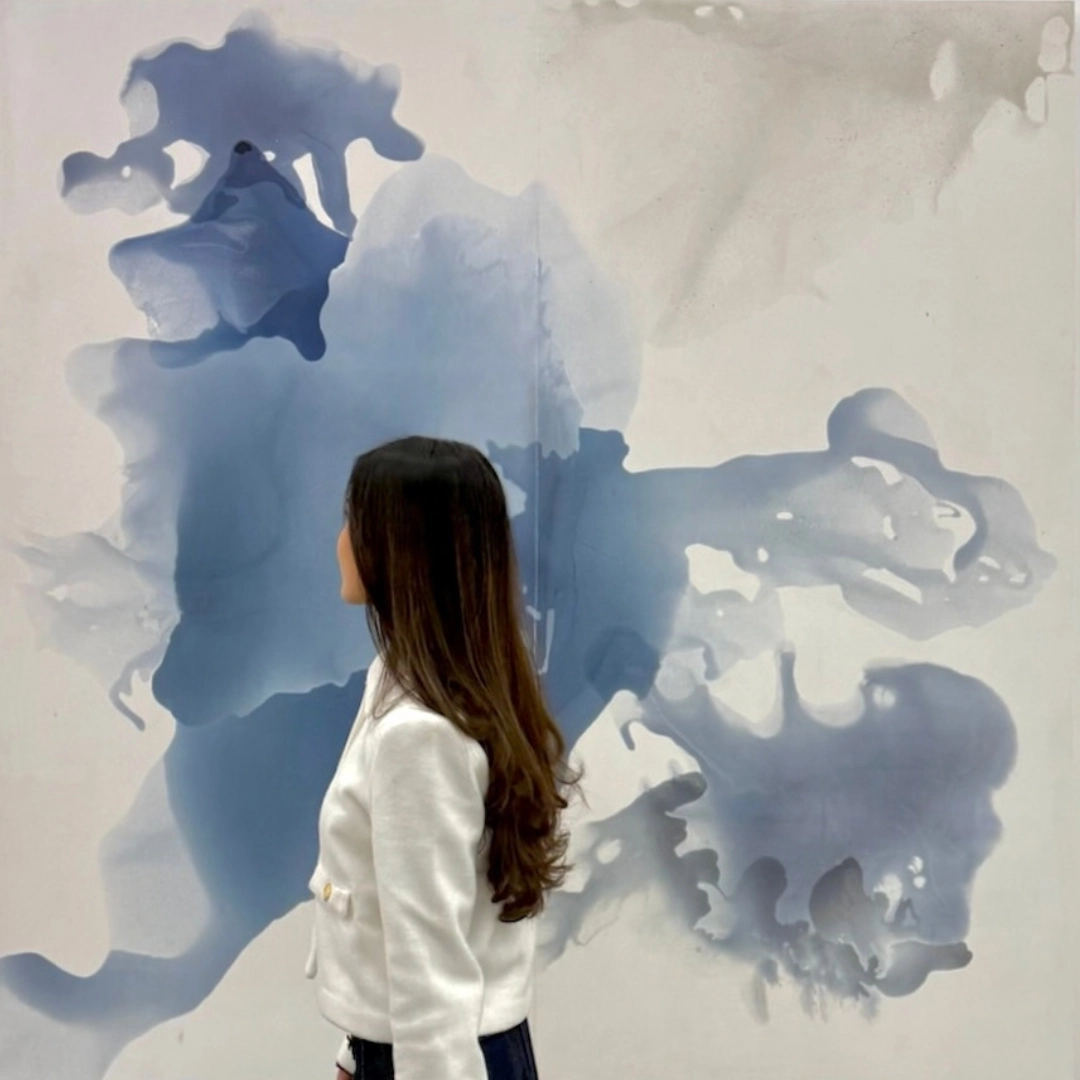
Nicole Bitanga takes us from Chelsea galleries to Museum Mile to unpack what makes New York’s art scene so compelling.
The New York City art scene rarely holds still long enough to be summarized, and that restlessness is part of what makes it worth paying attention to. Galleries in Chelsea are a few subway stops away from experimental spaces on the Lower East Side, while Museum Mile anchors the more classical end of the spectrum uptown. Somewhere in that sprawl, a new wave of Filipino artists has started claiming a space that once excluded them, a shift visible everywhere from major institutions to smaller gallery rosters. Nicole Bitanga has watched that change unfold from inside the industry.
After studying art history at NYU, spending a semester in Paris focused on Impressionist and Post-Impressionist painting, and completing a master’s in arts administration at Columbia University this year, she now works in marketing at an international blue chip gallery. Her job puts her in regular contact with the mechanics of a scene that outsiders often see only as finished exhibitions and opening night parties.
Nicole’s view of the city runs through the neighborhoods she frequents and the encounters she can’t plan for. She talks about certain spaces as evidence of a city still capable of surprising the people who think they already know it. What follows is a conversation about New York’s art scene, its history, and the community reshaping its future.
READ ALSO: Why Have There Been No Women National Artists For Visual Arts (Until Now)?
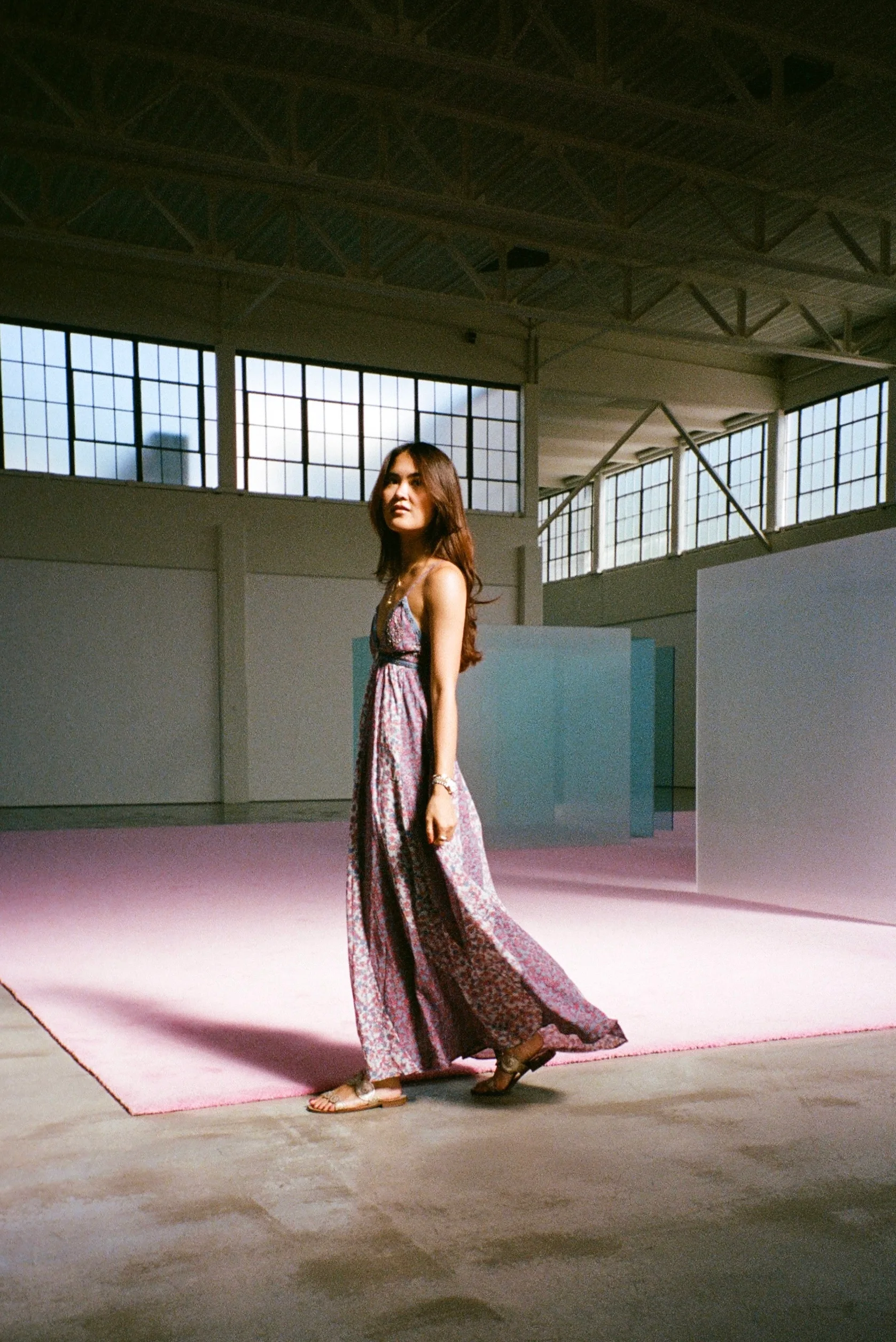
How did you get into working in galleries, and what drew you to the New York art scene?
Nicole: New York is really the heart of the art world, which is why I decided to do my undergrad and grad degrees here. My peers and professors from both NYU and Columbia were my greatest resources in getting my foot in the door and landing a job. It was always my dream to work with artists, and now I get to do that on a day to day basis.
The city alone has the most diverse representation of galleries, museums, and artists anywhere. From ancient artifacts to AI technologies, New York has it all, and it’s my hope to eventually bring in more artists from the Philippine diaspora.
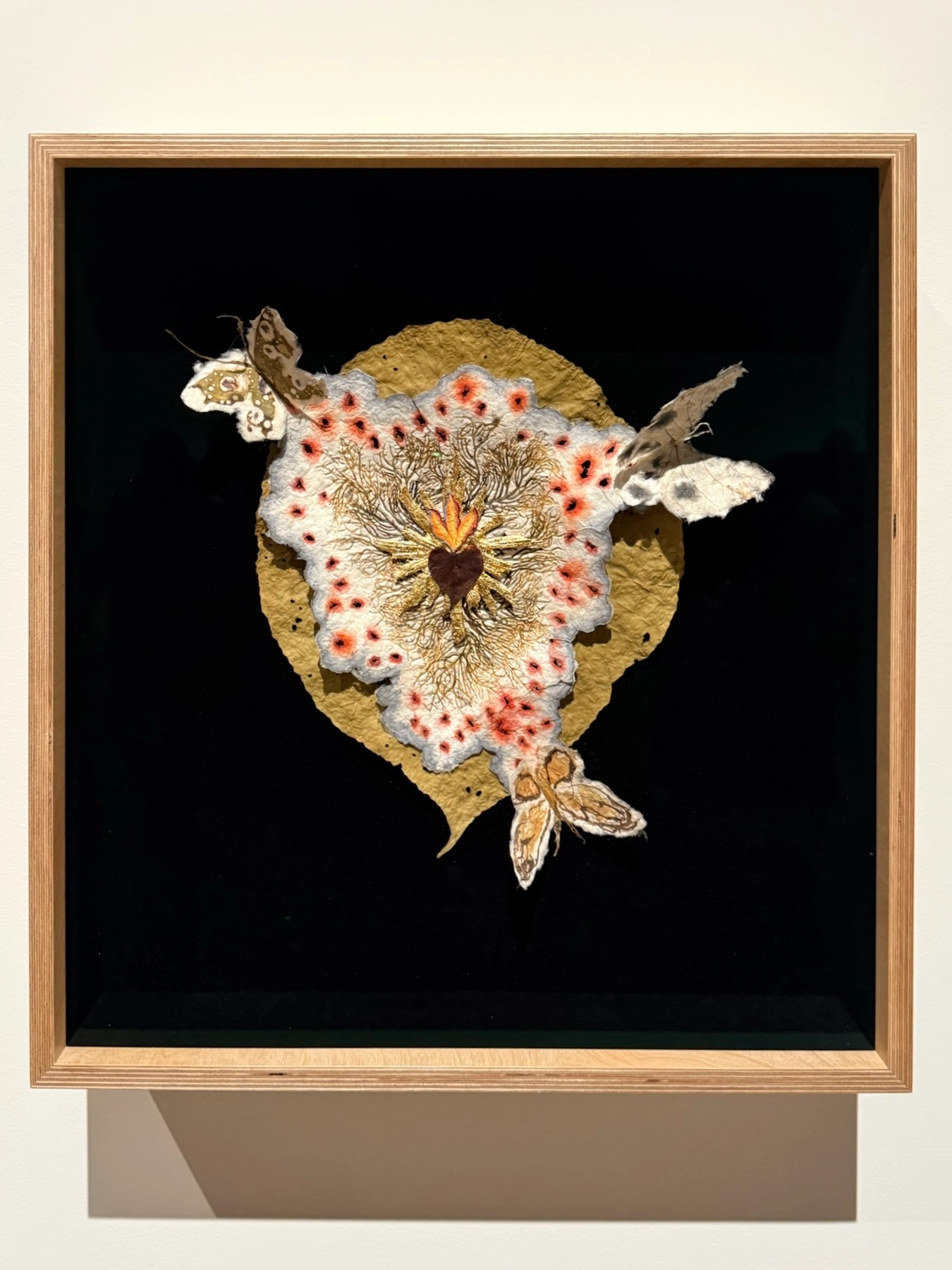
How would you describe New York’s art scene right now?
Nicole: It’s dynamic and spontaneous. There’s so much happening at once and what draws me most is its diversity. There’s especially a rise of Filipino representation across all art forms beyond visual art, from music to film. When I visited the Whitney Biennial this year, I felt so proud to see three Filipino artists showcased in one of my favorite museums. This is only the start and I feel so blessed to be in the heart of it all.
What do you love most about being part of the city’s art world?
Nicole: The community. A lot of us share the same passions and drive. Although we may not come from the same backgrounds, we are all so inspired by the global creative community and motivated to push for art accessibility. There is something really special about being surrounded by individuals with similar mindsets and the outcomes from collaborating side by side are what set New York apart from other art hubs.
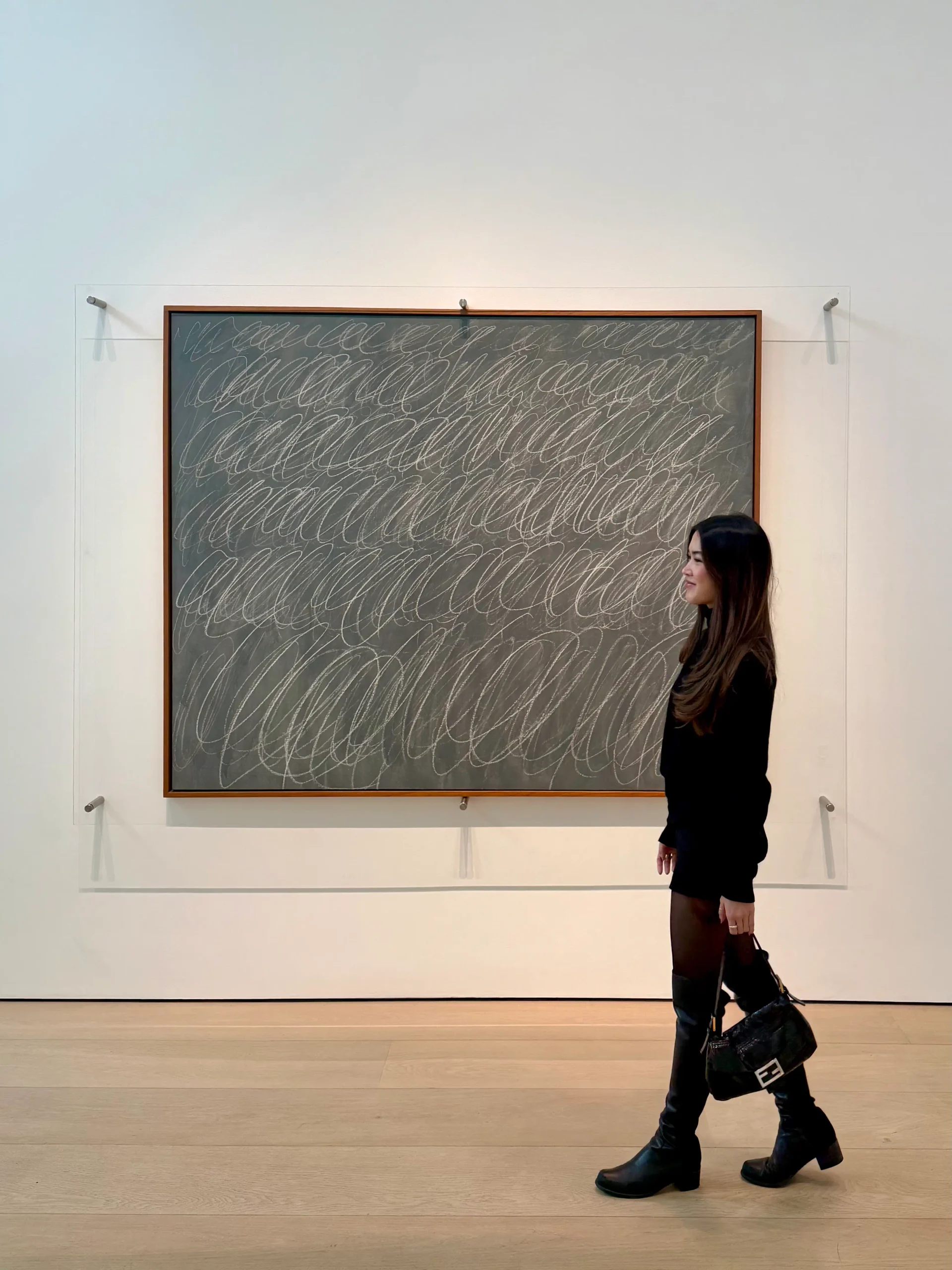
Where do you like to go when you want to discover something new in New York’s art and culture scene?
Nicole: My favorite thing to do is literally just walk around the city. There’s so much to discover and sometimes taking a stroll leads me to the most unexpected places. I have found myself sitting in a cafe in SoHo making conversation with someone who used to work with Andy Warhol in the 70s. Last weekend, I wandered into an exhibition in Chelsea and happened to be guided around the show by the artist himself. Making conversation with strangers has done wonders for me; in fact, I owe some of my greatest career milestones to those very people. New York surprises you if you let it.
Are there particular neighborhoods or parts of the city that you think are especially worth exploring for art right now?
Nicole: Chelsea is really the epicenter of the gallery world in New York and there’s always something for everyone. But I also love the Lower East Side for more emerging and experimental work. Museum Mile (Fifth Ave) is great for people wanting to learn more about canonical art. I would tell anyone interested in galleries to explore Chelsea, Lower East Side, and Tribeca, but Museums would be another conversation in itself. A major tip that many people don’t know is that galleries are free! I would check which shows are interesting and see where the afternoon takes you.
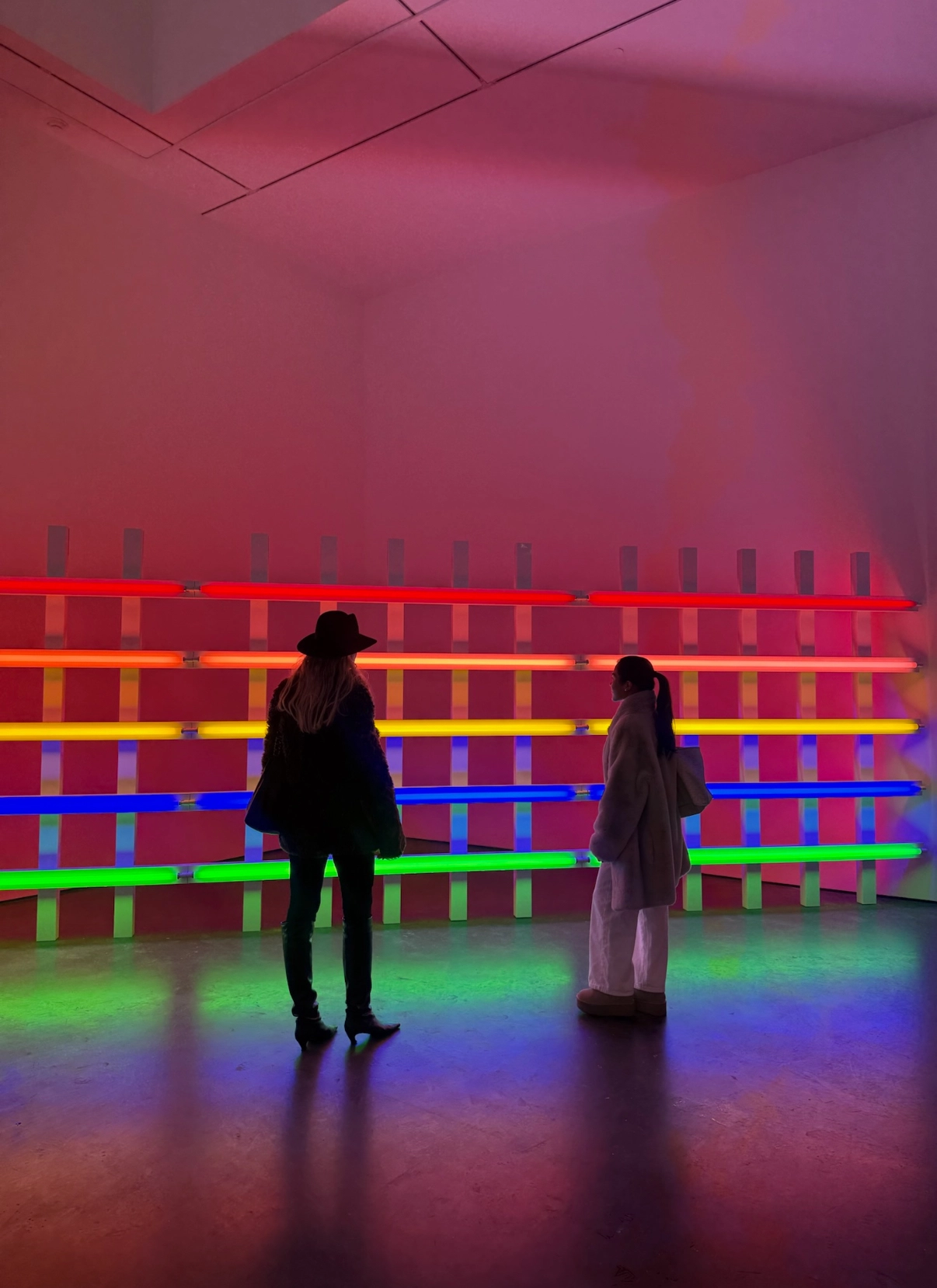
What artists, exhibitions, galleries, or creative spaces have caught your attention recently?
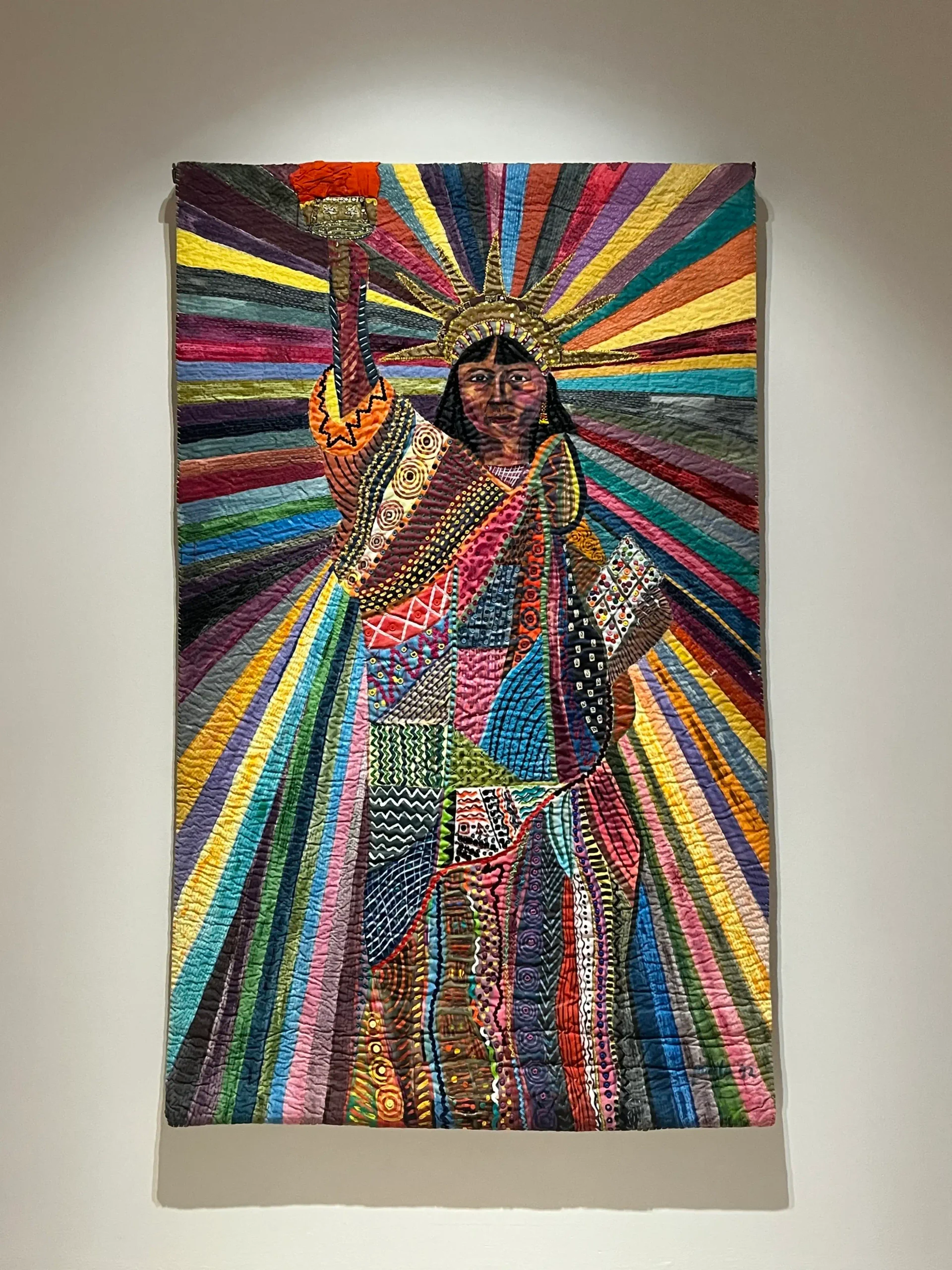
Nicole: One of the galleries I visit often is actually Silverlens. I enjoy being able to walk into their Chelsea space and feel a slice of home with a New York twist. It feels like both of my worlds combined. They represent incredible artists and estates including Pacita Abad, Carlos VillaVillaA luxurious private residence, set in a scenic location, rented for holidays or used as a second home. Luxury villas offer space, privacy, pools, and staff such as chefs andGo to Villa Glossary, and Leo Valledor.
Another interesting space I recently visited was Westbeth Artists Community in the West Village. It’s a nonprofit that provides free housing for artists and the stories you hear there are incredible: immigrants, native New Yorkers, visual artists, dancers, writers, all living and creating under one roof. There’s something really special about a place that cultivates that kind of community.
MoMA PS1 is another place more and more people are visiting. A couple years ago they had an incredible Pacita Abad retrospective that really showcased her identity—an intersection between Filipino and American culture. Their Warm Up parties in the summer are also such a fun way to meet people, it goes beyond the typical art scene and brings in a really diverse crowd.
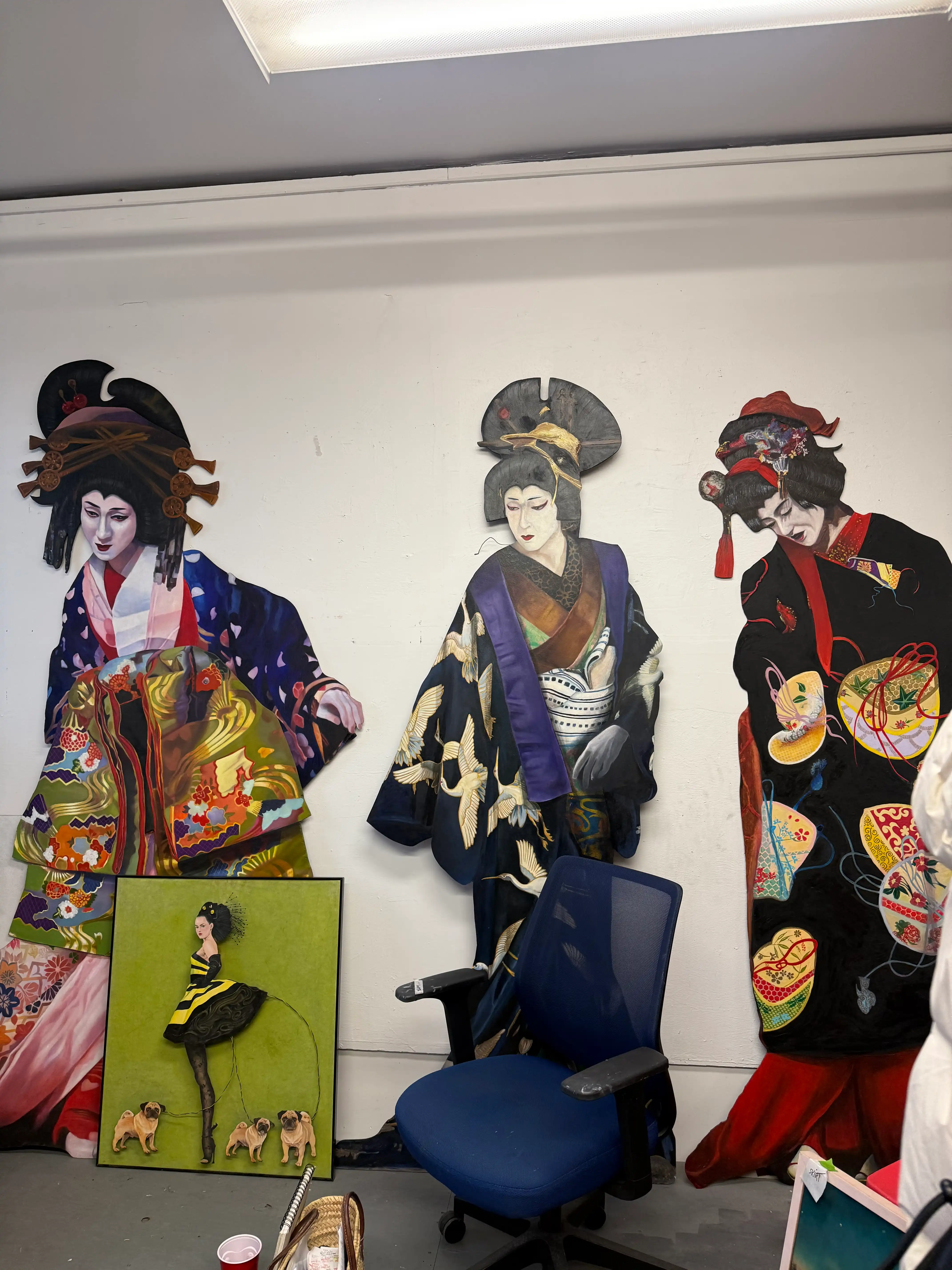
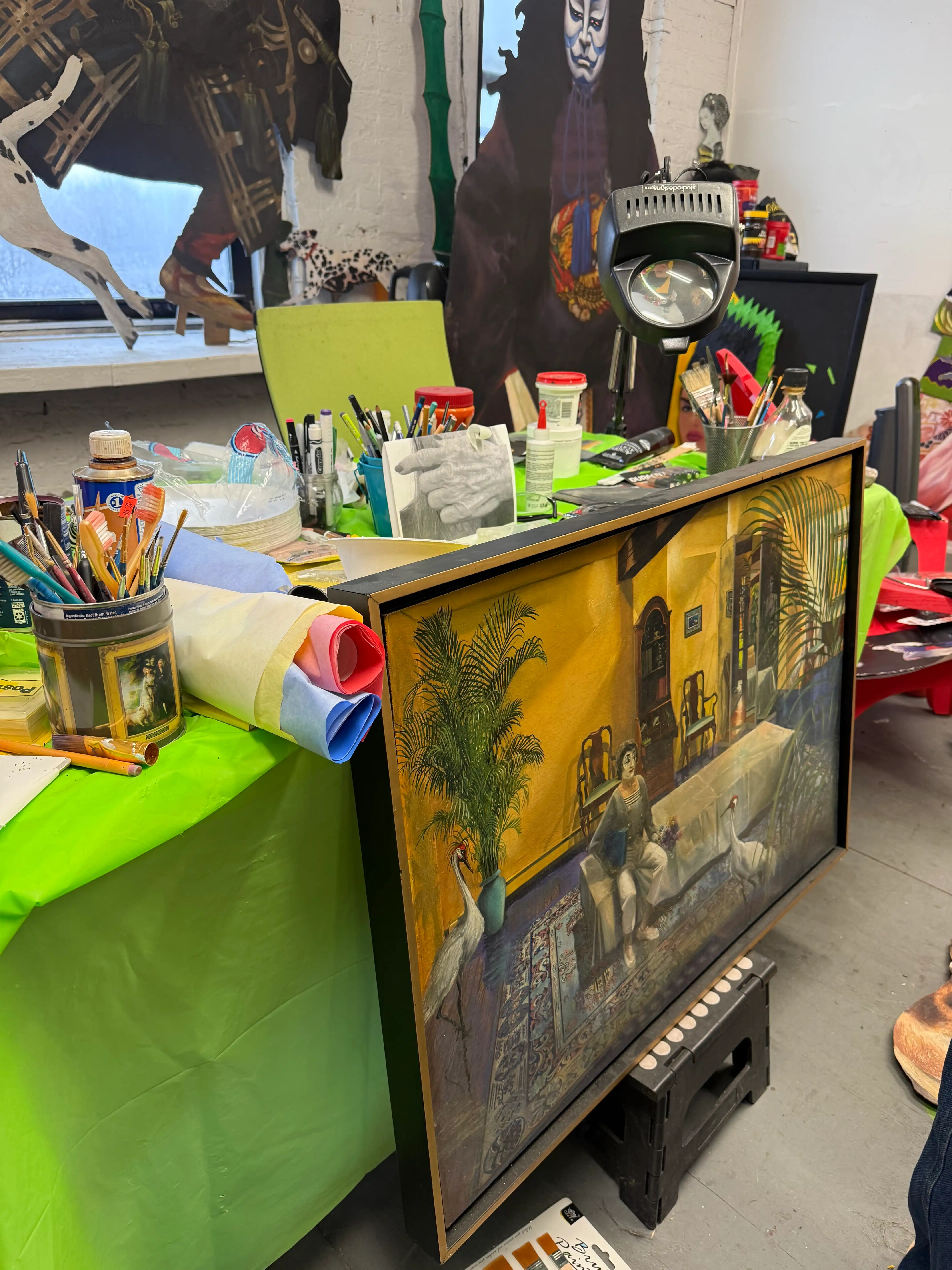
Coming from the Philippines, what differences have you noticed between the Filipino and New York art scenes?
Nicole: The art scenes in New York City and Manila specifically are so different in scale and context, and I think that naturally affects accessibility. In Manila, the arts infrastructure is growing and there are incredible institutions doing amazing work, but the reach is not the same as what exists in New York.
New York has had generations to build that ecosystem and community, and part of it is really the diversity that’s a result of all the migrant groups that came here with the “American Dream” in mind.
Throughout history, art as a field and industry has long been rooted in gatekeeping, and I think what New York does well is use its resources to push back against that. I hope that model inspires more cities around the world, including Manila, as the scene there continues to develop.
That said, what I find when I encounter Filipino art in New York is something really special—community. As a Pinay, I naturally carry so much pride, and meeting fellow Pinoys in the art world is always so delightful. I miss Manila everyday, but I honestly never have to look too far to get that feeling of home. Despite New York being called the “big city” we somehow always find each other! There are so many talented young Filipino artists and creatives that I discover every day and it really motivates me to keep pushing for representation.
What do you think makes New York such an important city for artists and creatives?
Nicole: I think mainstream media and pop cultureCultureshared traditions, beliefs, values, customs, arts, and social practices that define the identity and way of life of a community, society, or nation.Go to Culture Glossary paint New York as the big city where “if you can make it here you can make it anywhere”—and that really attracts hungry artists and creatives. The energy in this city is unlike anywhere else. Almost everyone I meet shares that same drive.
Historically, too, New York has been the birthplace of so many defining art movements, from Pop Art in the 1950s to hip hop music in the 1970s. That legacy lives in the city and you feel it when you walk around. It attracts people who want to be part of something that matters and I think that spirit is still very much alive today.
And for me personally, being a Filipino woman at the center of the art world and watching my culture find its place in this global conversation feels like the most exciting place I could possibly be right now.
All photos courtesy of Nicole Bitanga
Frequently Asked Questions
Chelsea is known for its galleries, the Lower East Side for emerging and experimental work, and Museum Mile for canonical art. Tribeca is also worth exploring.
Silverlens in Chelsea, Westbeth Artists Community in the West Village, and MoMA PS1 are among the art spaces Nicole Bitanga recommends exploring for their exhibitions, creative communities, and Filipino representation.
Silverlens in Chelsea showcases Filipino artists on rotation, including Pacita Abad, Carlos Villa, and Leo Valledor. MoMA PS1 has also featured Filipino art, including a Pacita Abad retrospective.
According to Nicole Bitanga, New York’s art scene is larger and has a more established arts infrastructure, while Manila’s arts infrastructure continues to grow. Both have active creative communities, but their scale and accessibility differ.
Nicole Bitanga is a Filipino art professional who studied art history at NYU and arts administration at Columbia University. She works in marketing at an international blue-chip gallery and hopes to bring more artists from the Philippine diaspora into the New York art world.