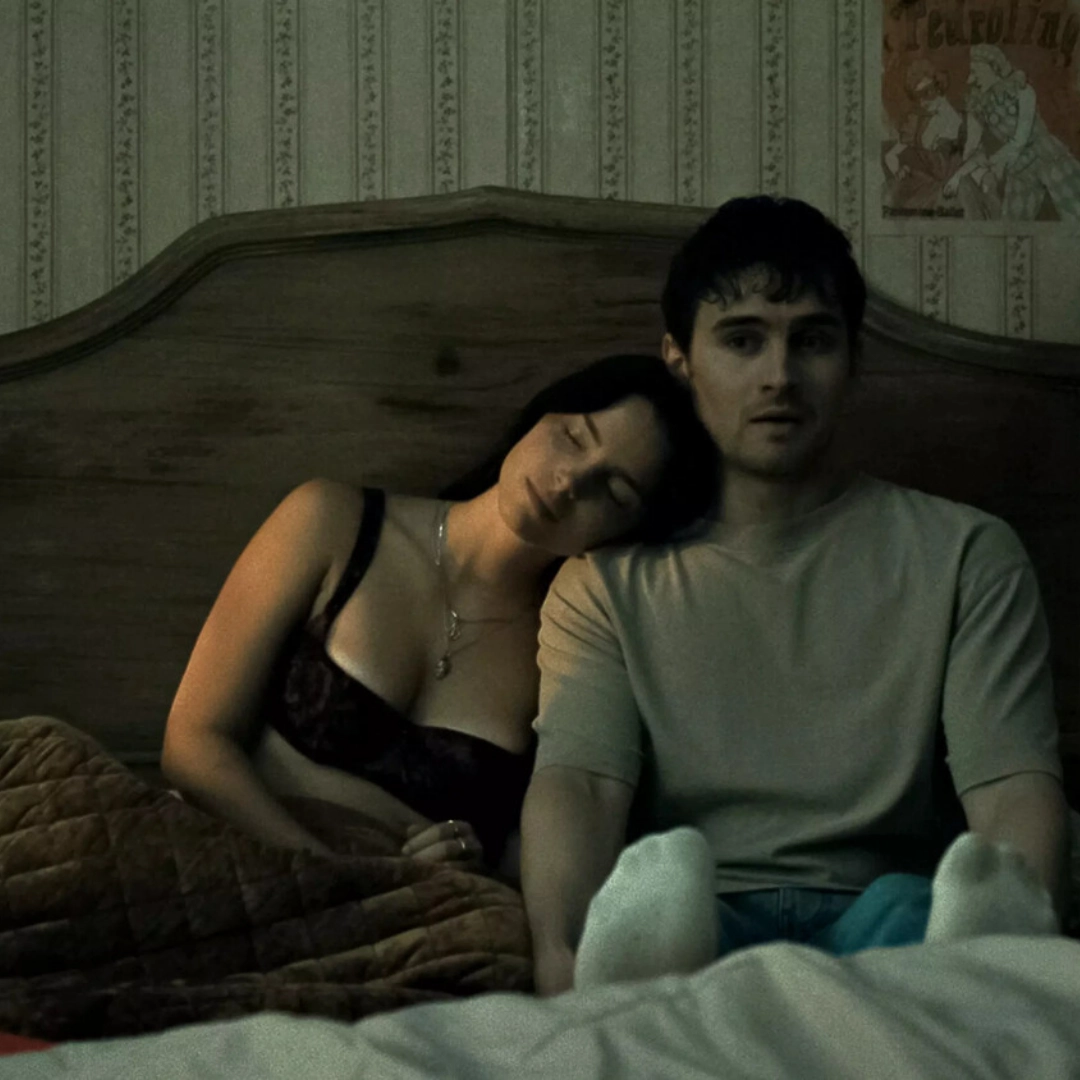
Curry Barker’s Obsession might be the horror film of the season, not just for its scares, but for the way its premise cuts through the twisted tropes of modern dating.
Curry Barker’s feature directorial debut, Obsession, is set to make its Philippine debut tomorrow, May 27, 2026. In the United States, the film has already generated buzz among audiences and critics alike, earning praise as a psychological thriller with genuine scares, standout performances, and the confident vision of a promising young filmmaker who first gained attention through viral horror shorts on YouTube. I have to admit, I’m quite excited too, because if its trailers tell us anything, it’s that the film has a few things to say about modern dating—particularly the “crazy girlfriend” and “nice guy” tropes. What better way to enter the belly of the beast than embracing its cavernous darkness through the lens of horror?
READ ALSO: What The Best Picture Oscar Tells Us About History And Culture
What Is Obsession (2026) And What Is It About?
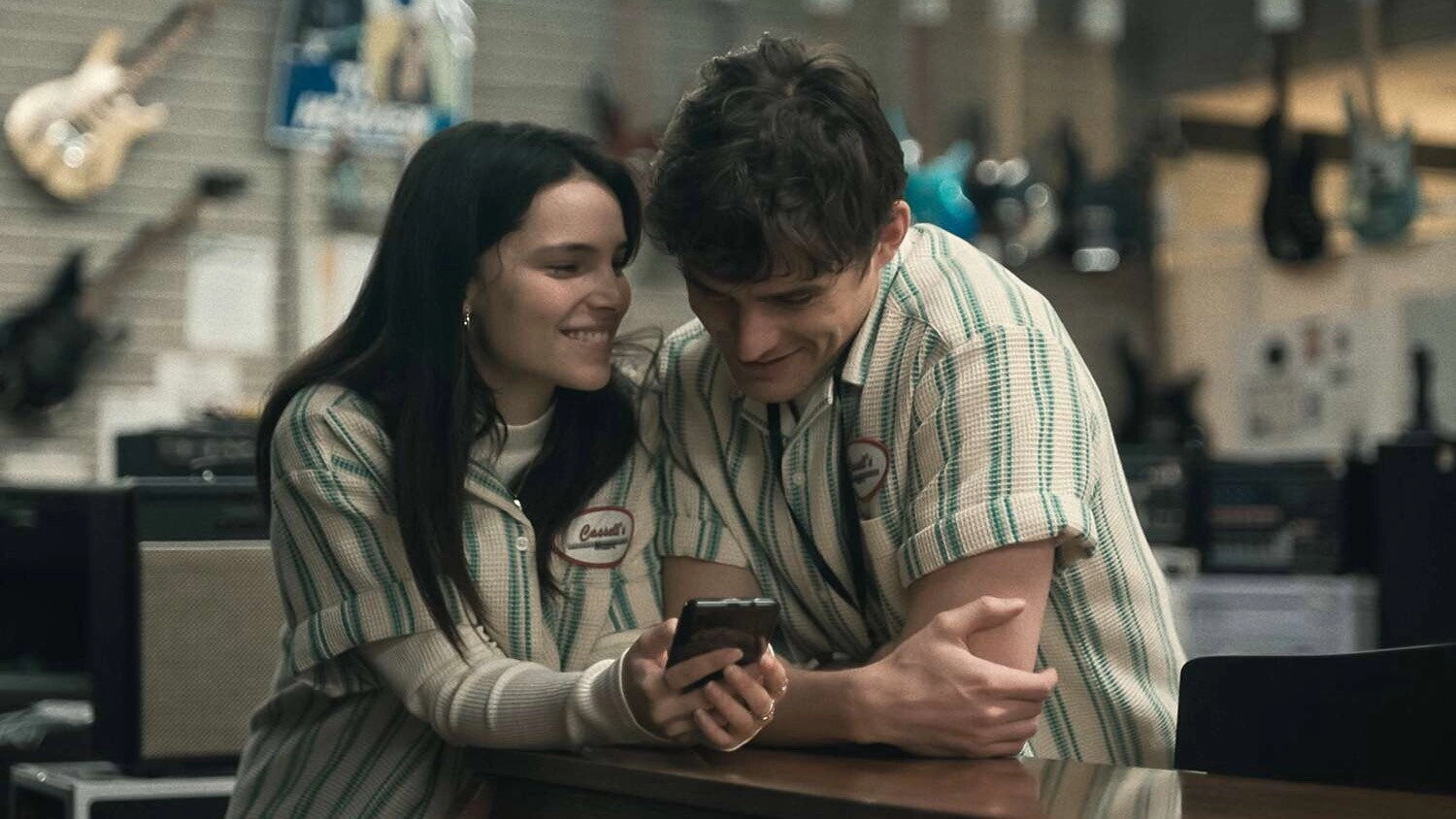
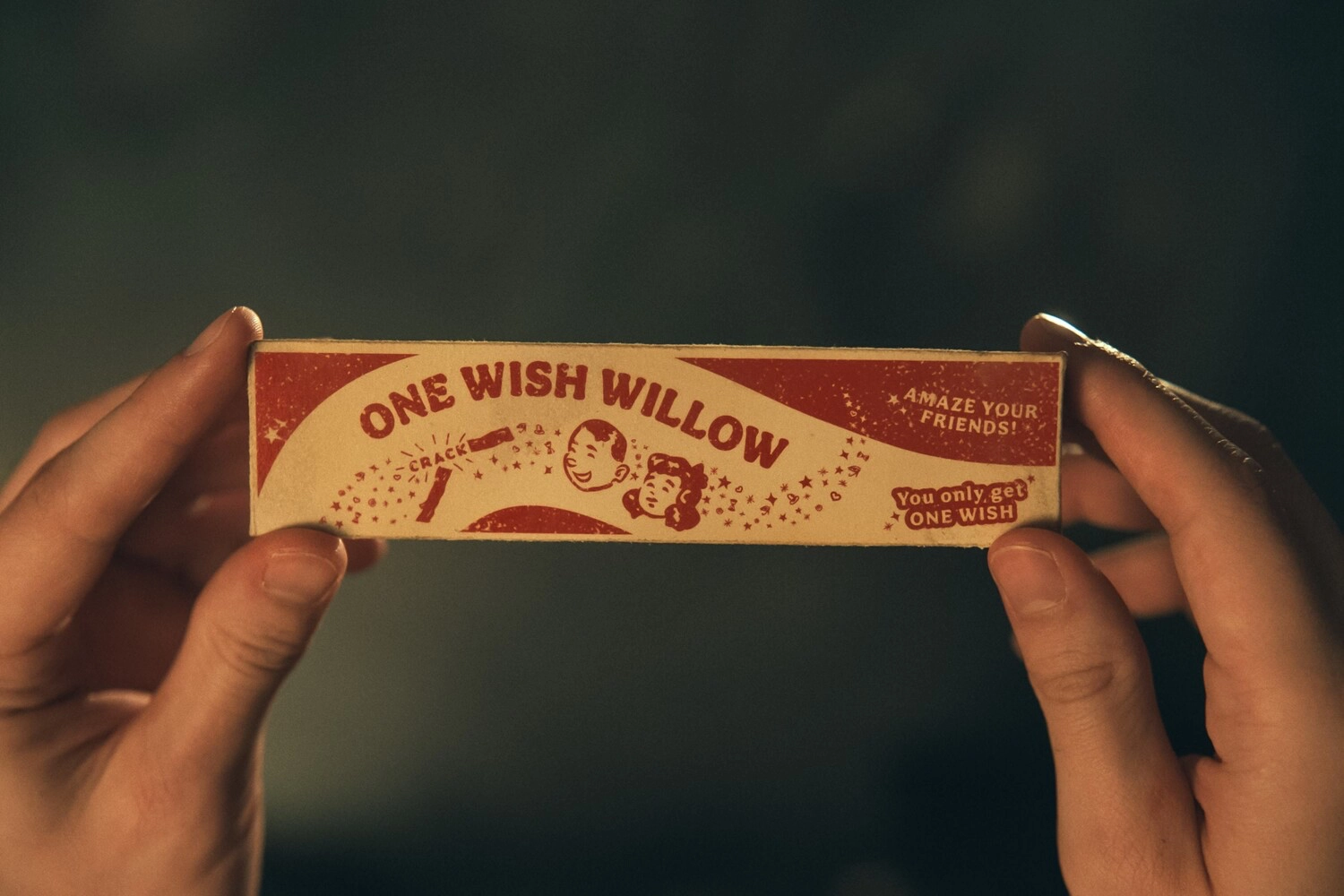
Barker’s film follows a dorky and awkward young man named Barron, or “Bear” (Michael Johnston), who breaks a seemingly innocuous novelty toy called the “One Wish Willow” with the hope that his longtime friend and crush, Nikki (Inde Navarrette), would love him “more than anyone in the entire world.” As it goes in tales like this, it works—a little too well. The story becomes a “be careful what you wish for” scenario that sees Nikki morph into the obsessed “crazy girlfriend,” her disconcerting behaviors amped to all-new extremes as she ceaselessly clings to Bear.
If that premise sounds a bit familiar, let me bring up a funny comparison: for those who watched The Fairly Oddparents in its heyday, there was an episode of a similar vein titled “Just the Two of Us,” wherein protagonist Timmy Turner (yet another dorky, lovelorn guy) wishes he and his crush, popular girl Trixie Tang, were the only two people in the world so she’d finally ditch her nonchalant demeanor and love him. Again, it plays out as well as you’d expect (she goes on a psychotic rampage and manhunt).
Obsession Promises An Interesting Conversation On Dating
Obsession isn’t the first film to deal with the horrors of love and relationships, but it might just be one that hits the nail on the head when it comes to certain aspects of the modern dating experience, and the twisted tropes it has given birth to. Barker, after all, is only 26 years old and part of a new wave of Gen-Z filmmakers ready to bring the perspectives and stories of their generation to the big screen.
Having a crush, or liking anyone, is the equivalent of taking a nosedive off a cliff: delving into the unknown, being ready to lay your vulnerabilities bare, taking the risk of confessing even with possible rejection on the line. Then comes the fantasy of it, the part where imagination grabs the wheel and races through a million “what-ifs,” both the good and the ugly.
It’s fertile ground for both psychological and body horror. To lose yourself in infatuation is to surrender control on both levels—and to be the object of desire? It’s not always as sexy as the term suggests. Love can, indeed, turn into an all-consuming obsession on both ends. Reality gives us plenty of material to work with, and Barker seems to understand this, utilizing existing anxieties by mirroring them through extremities.
“It starts from a very innocent place with Bear. I wanted it to be relatable. We’ve all had a crush on someone who didn’t like us back—which is kind of a creepy concept, when you think about it,” Barker explains in an interview with The New Yorker. “You imagine this whole reality that may never be.”
This brings us to the most interesting parts of Obsession’s premise: it’s exploration, or dissection, of the “nice guy” and the “crazy girlfriend” tropes.

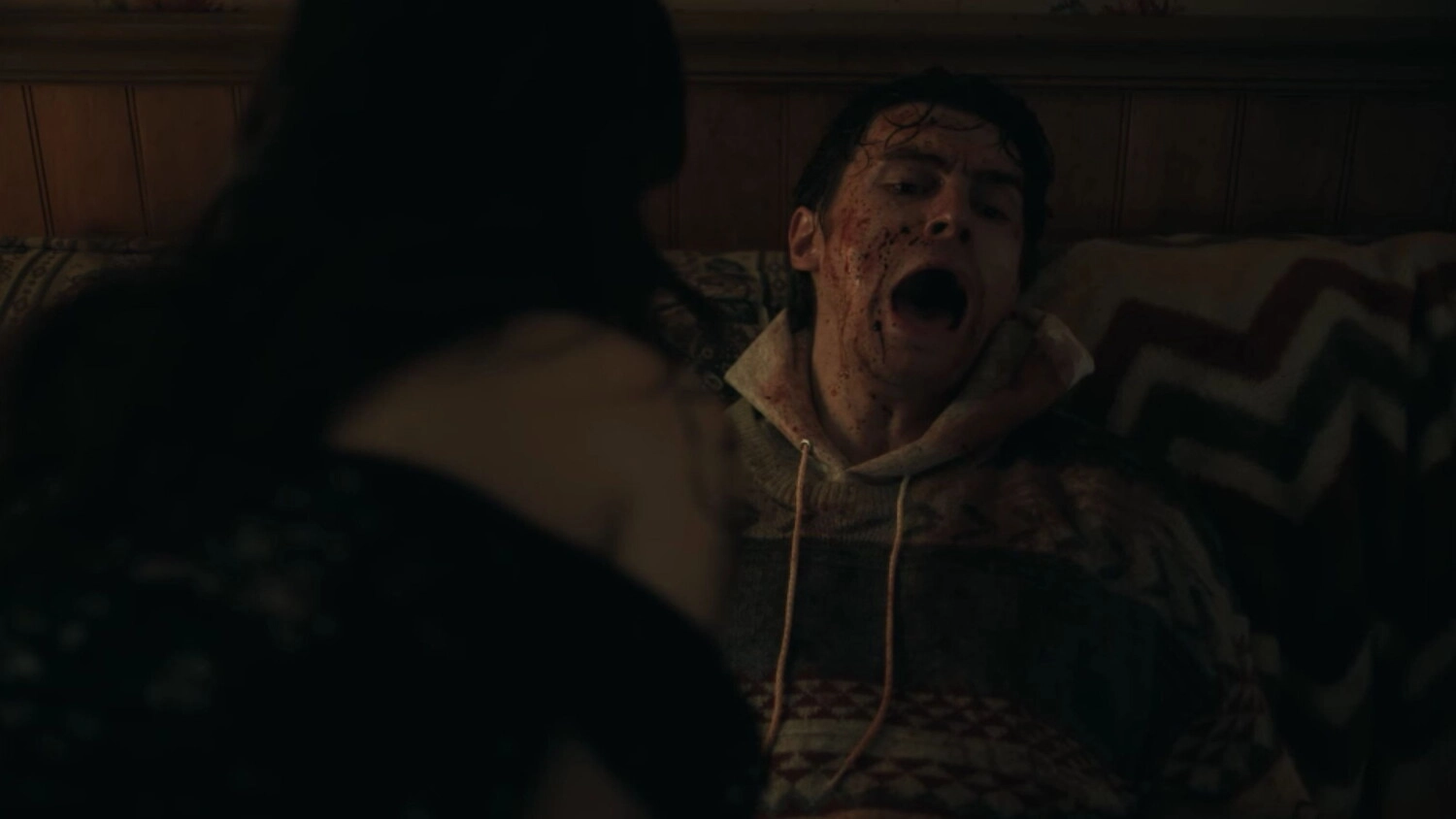
The Nice Guy And The Crazy Girlfriend, Dissected
Let’s start with the “nice guy.” He’s…well, nice. In fact, that’s the majority of his personality: the polite one, the one who takes you home by 10 PM, the one who won’t treat you like your hundreds of dreadful exes; the sensitive, dorky, hopeless romantic who’s just waiting for the day you’ll see him as more than a friend. On paper, great. On paper, what’s the problem? And yes, more often than not, the nice guy comes off fairly innocent when juxtaposed with the millions of other toxic tropes in pop cultureCultureshared traditions, beliefs, values, customs, arts, and social practices that define the identity and way of life of a community, society, or nation.Go to Culture Glossary.
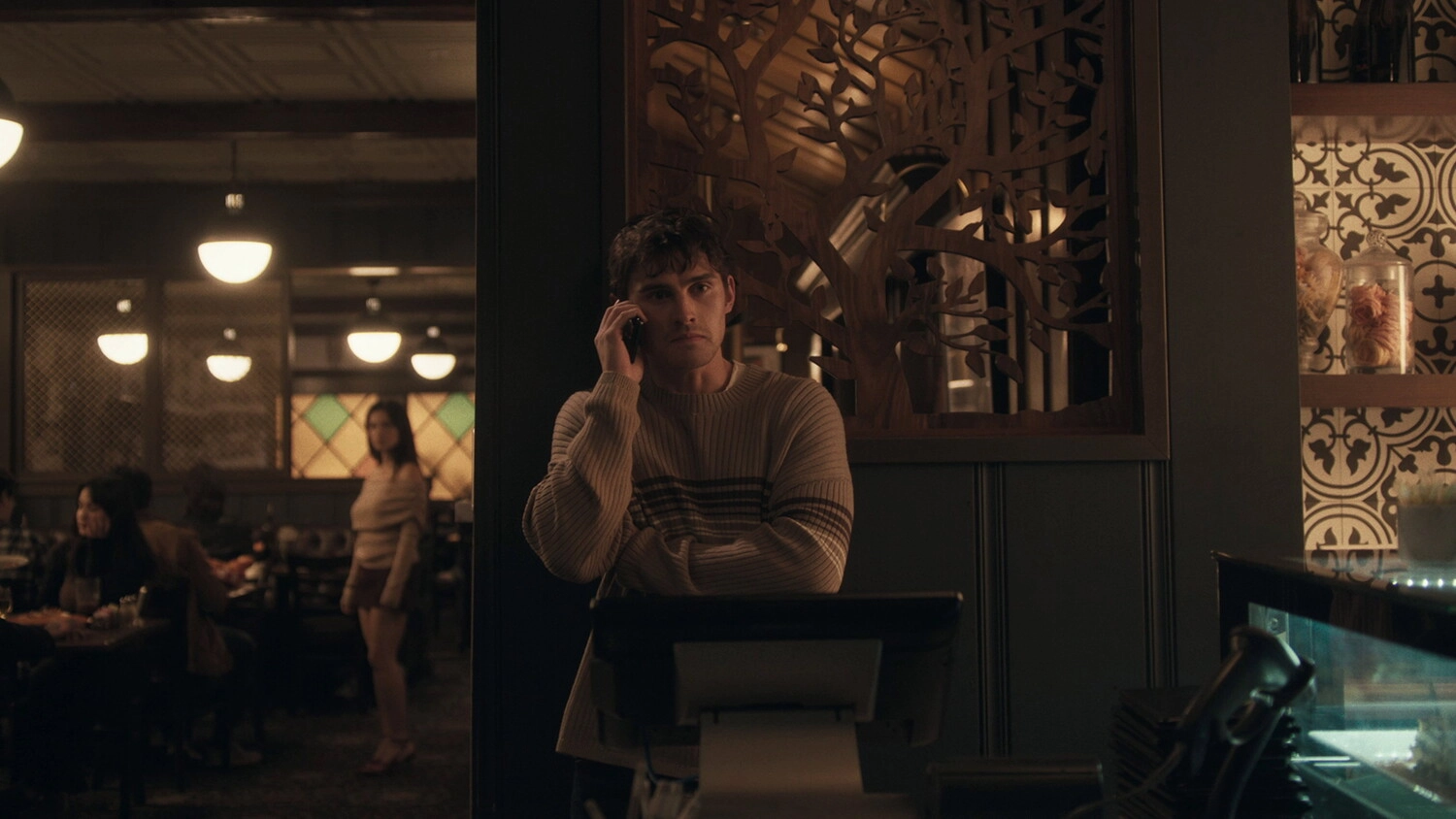
But still, there’s a thread of darkness running through that good behavior, and that’s what actually comprises the “nice guy”: a sense of entitlement, however subtle, that shapes his attitude toward the girl he likes. He’s good not for the sake of being good, not because a woman is an individual worthy of love and respect outside her role as an “object of desire,” but because he kind of expects something more. A reward, a “this is what you get after all the good you’ve done—you get the girl.”
What makes Obsession’s premise an interesting one is that the nice guy is definitely going to get everything he wants and then some. As Barker says, Bear is designed to be someone you can root for and empathize with, but he’s by no means a victim: whether he intended to or not, the fact remains that he made a wish that removes Nikki’s control over her own choices, turning her into an ideal, a vessel for his fantasies, which brings up questions about consent in modern dating. That he even has the thought of making himself the center of her world is, already, something to raise an eyebrow at. He pays the price, sure, but it’s not exactly unwarranted, the consequences not born in a vacuum.
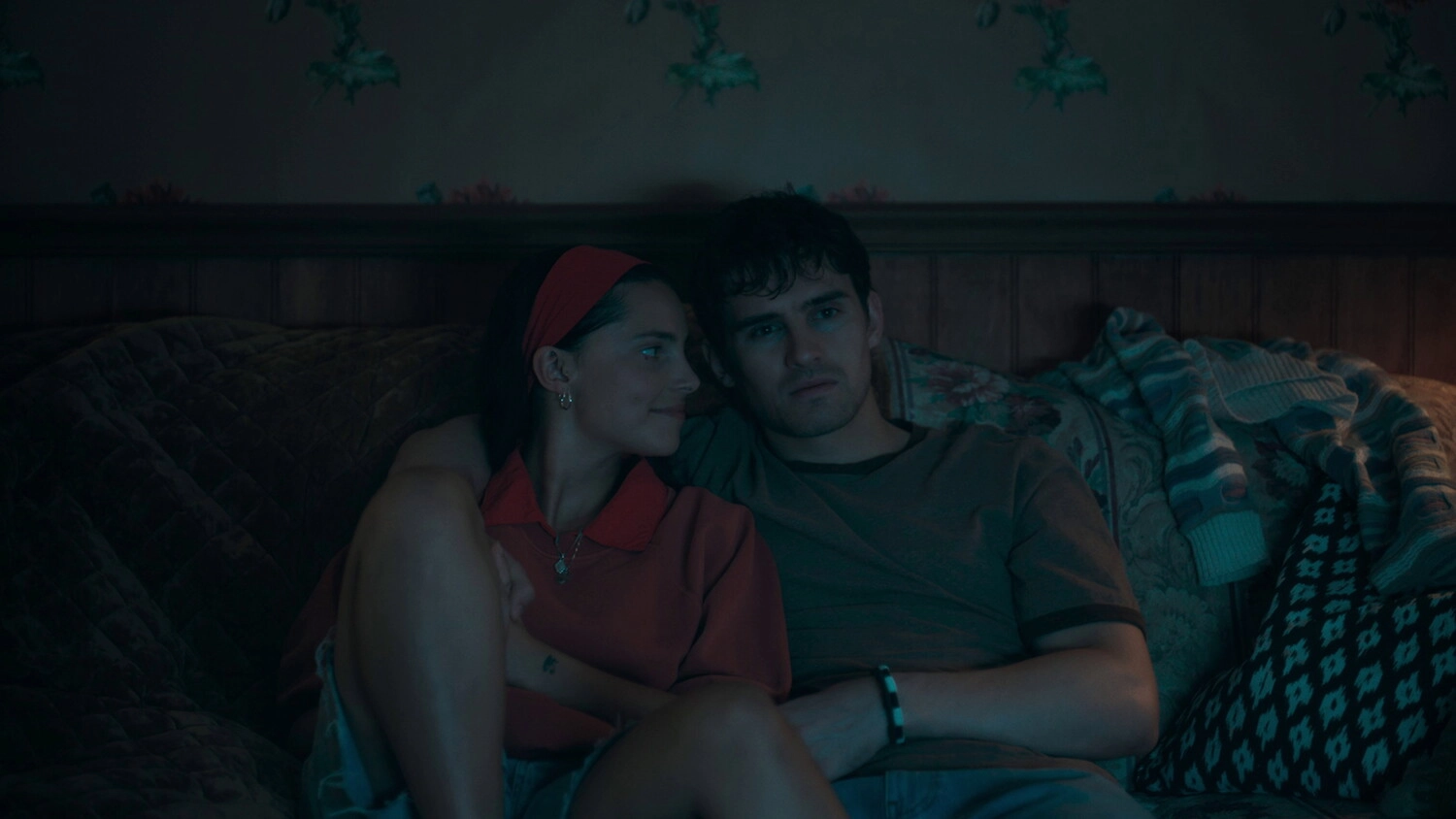
Then you have the “crazy girlfriend” trope, the thing many girls don’t want to be—so much so that they might even mutilate their own desires and emotions for the sake of becoming the “cool girl” (see the Gone Girl monologue). Notice how men don’t often end up on this side of the spectrum. Seldom is the man the clingy one in the relationship, the one in hysterics, the one plotting revenge for ex-girlfriends of Christmas past. Nope, it’s always the girlfriend—I mean, the crazy, psycho, needy girlfriend.
How does one become the crazy girlfriend? Obsession might show us that downward spiral more acutely than films of the past, thanks to its horror elements. But we don’t even have to go that far yet to see the picture it’s painting: the delicate balance between “loving intensely” and being “too much,” the latter of which is a slippery slope into “crazy girlfriend” territory.
The “too much” here is truly too much, based on what we’ve seen. But it still makes you wonder: when is it ever not too much? Hasn’t every girl who’s taken up space and been labeled “needy,” every girl who’s had suspicions and been labeled “delusional,” every girl who’s loved intensely and been labeled “intense,” been made into a crazy girlfriend to some degree? Where do we draw the line, if there even is one?
Of course Nikki is the crazy girlfriend now: she’s doing all kinds of things, acting out in strange and violent ways. But would she have been spared the label if she had simply centered her whole world around one guy, the way he hoped she would? Bear is a classic example of how the chase isn’t fun once you get what you want, and when you finally do, the sheer pervasiveness of it can quickly turn the fantasy mundane, and even distasteful. But whose fault is that, really?
Photos courtesy of Kinorium
Frequently Asked Questions
Obsession follows Barron, or “Bear” (Michael Johnston), a dorky and awkward young man who makes a wish using a novelty toy called the “One Wish Willow,” hoping his longtime crush Nikki (Inde Navarrette) would love him “more than anyone in the entire world.” The wish works a little too well, turning the film into a psychological horror story about obsession, fantasy, and modern dating dynamics.
Obsession is the feature directorial debut of 26-year-old filmmaker Curry Barker, who first gained attention online through viral horror short films on YouTube. The film has already generated buzz in the United States for its scares, performances, and Gen-Z perspective on relationships and dating culture.
Obsession examines the “nice guy” and “crazy girlfriend” tropes often seen in modern dating and pop culture. Through horror elements, the film explores ideas of entitlement, obsession, consent, emotional intensity, and the pressure women face to avoid being labeled “too much,” “needy,” or “crazy.”
Obsession uses psychological and body horror to mirror real anxieties surrounding love, infatuation, and unhealthy attachment. The film asks uncomfortable questions about fantasy, control, and desire, showing how romance can quickly spiral into obsession when one person becomes the center of another’s world.