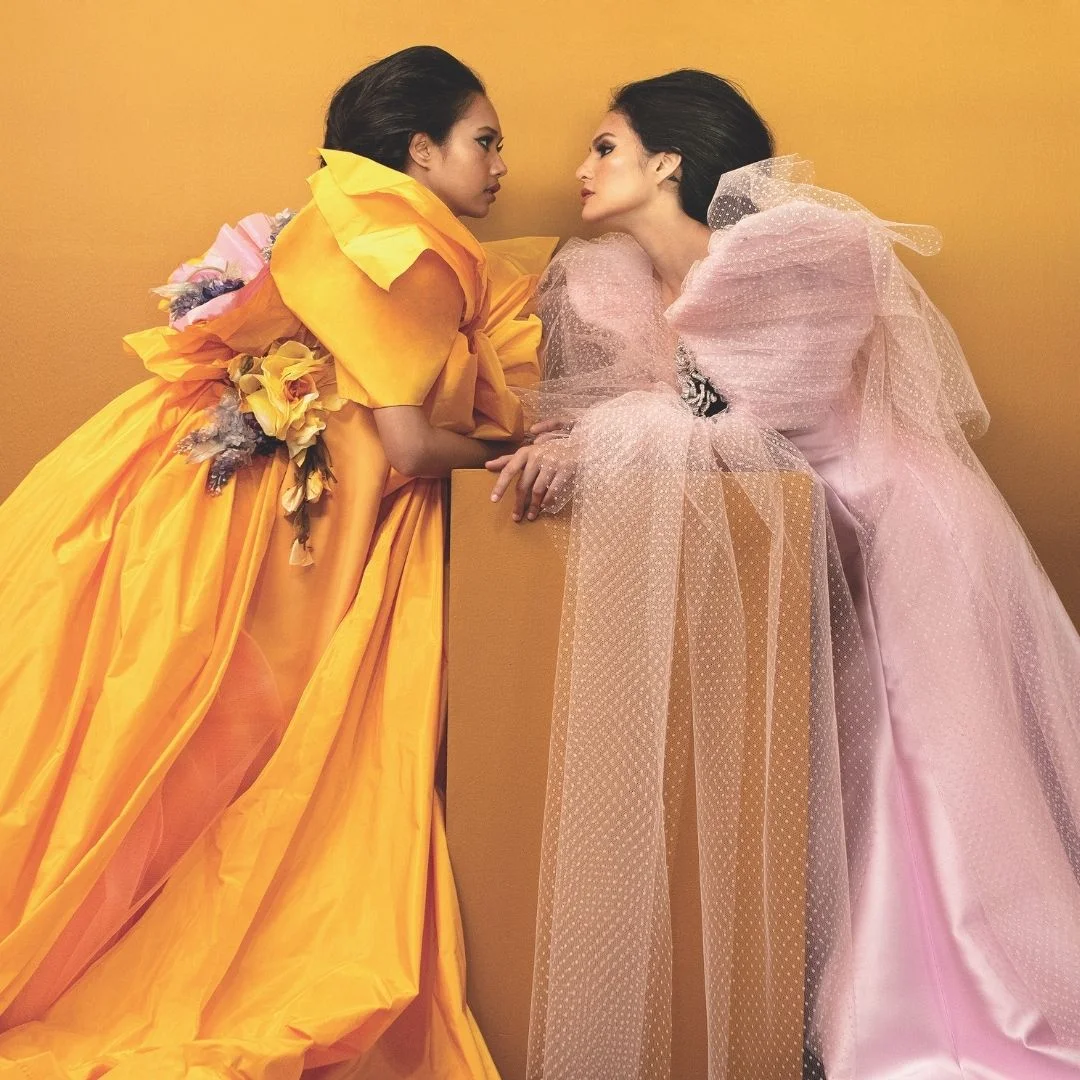
Rizzoli is bringing The Terno: A Century of the Philippine Dress to shelves on October 20, 2026, tracing 100 years of the iconic Filipino silhouette through more than 300 images, historical documents, and the work of generations of Filipino designers.
Fashion often mirrors the zeitgeist. Every time a page of a calendar is removed, a new trend will emerge, or an old trend will circle back and find its way into everyone’s closets again. Some silhouettes, however, have a way of sticking around. The terno is one of them. Recognizable for its distinctive butterfly sleeves, the quintessentially Filipino dress has moved through decades of changing tastes, cultural shifts, and fashion movements while remaining distinctly Filipino.
That enduring story is the subject of The Terno: A Century of the Philippine Dress, an upcoming collaboration between Rizzoli and Bench, with texts by Gino Gonzales and Sandra Castro. The book will officially launch on October 20, 2026, offering a century-long look at how the terno has evolved, disappeared, returned, and found new life in contemporary Filipino fashion.
“The Terno: A Century of the Philippine Dress is a milestone in publication,” Gino Gonzales shares with Lifestyle Asia. “It was primarily intended for Filipinos to appreciate an expression of our identity. With the partnership of Bench with Rizzoli New York, we hope to share that appreciation with the rest of the world.”
One of the key highlights of the publication is its sheer visual scope. The volume brings together more than 300 photographs, including historical documents, restored portraits, and newly commissioned images, as well as the work of generations of Filipino designers. From the Roaring Twenties and the Golden Age of Haute Couture to contemporary interpretations of the terno, the book charts how the garment has adapted to its time while retaining the elements that make it unmistakably Filipino.
READ ALSO: The Power Of Style: A Story Of The Barong Filipino’s Evolution
What To Expect Inside The Terno: A Century of the Philippine Dress
Rather than presenting the terno as a fixed national costume, the book follows its many transformations. Its butterfly sleeves were flattened in the 1920s, while the 1930s brought a more streamlined, one-piece dress influenced by changing lifestyles and European fashion. Art Deco, Surrealism, and couture techniques found their way into its embroidery, appliqué, and silhouette, while the pañuelo was eventually removed in the late 1940s.
The 1950s ushered in a more dramatic chapter, with designers such as Salvacion “Slim” Lim embracing the techniques and theatricality of haute couture. The terno continued to morph through the decades. It became largely associated with formal dressing and older generations in the 1960s and 1970s, even as Filipino designers began incorporating elements of traditional dress into contemporary fashion. The Marcos era became closely associated with Filipiniana attire, which was worn at formal gatherings before falling out of favor following the EDSA Revolution. There was a gradual return in the 1990s, along with the downsized butterfly sleeves of the early 2000s, which eventually paved the way for renewed experimentation in the 2010s. Contemporary designers continue to reinterpret the silhouette through new proportions, materials, and contexts while keeping its Filipino character intact.
The book brings these chapters together through the work of National Artists Ramon Valera and Salvacion Lim Higgins, contemporary Filipino designers, and emerging talents. It also looks at the many settings in which the terno has appeared—from presidential inaugurations and society weddings to everyday Filipiniana—making the publication as much a record of Philippine fashion as it is a portrait of a garment that has managed to change with the times.
With its October release, The Terno: A Century of the Philippine Dress offers a look at how one of the country’s most recognizable silhouettes has managed to remain relevant across a century of fashion.
Explore some of the photos featured in “The Terno: A Century of the Philippines’ Most Iconic Dress” below
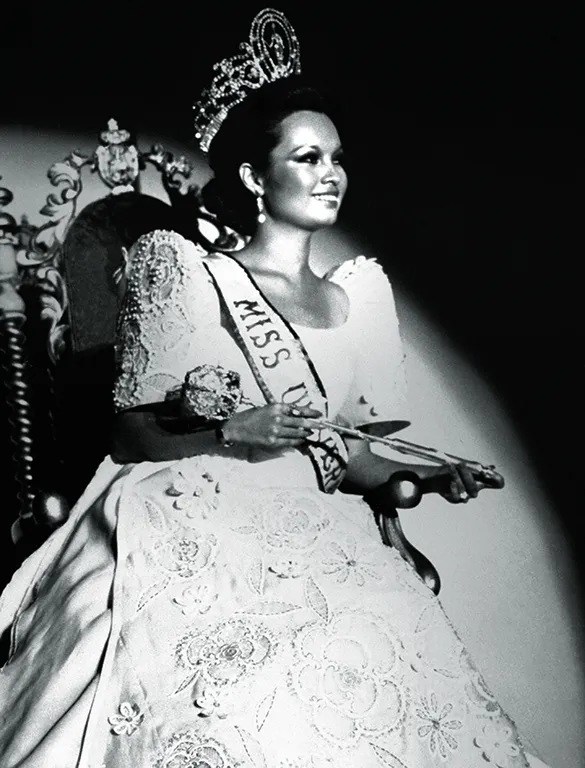
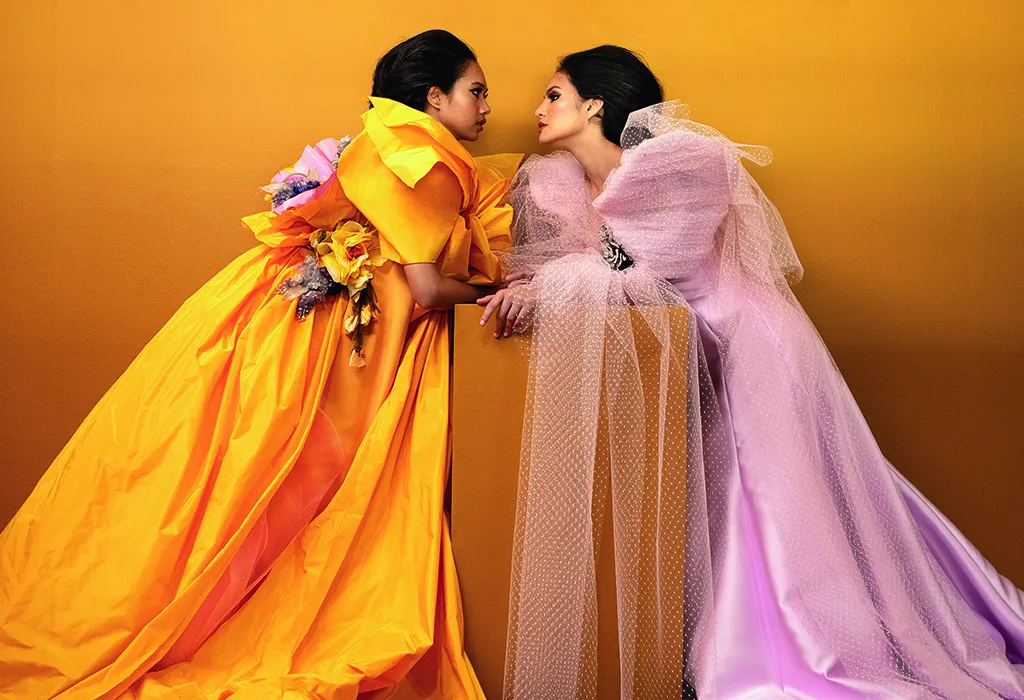
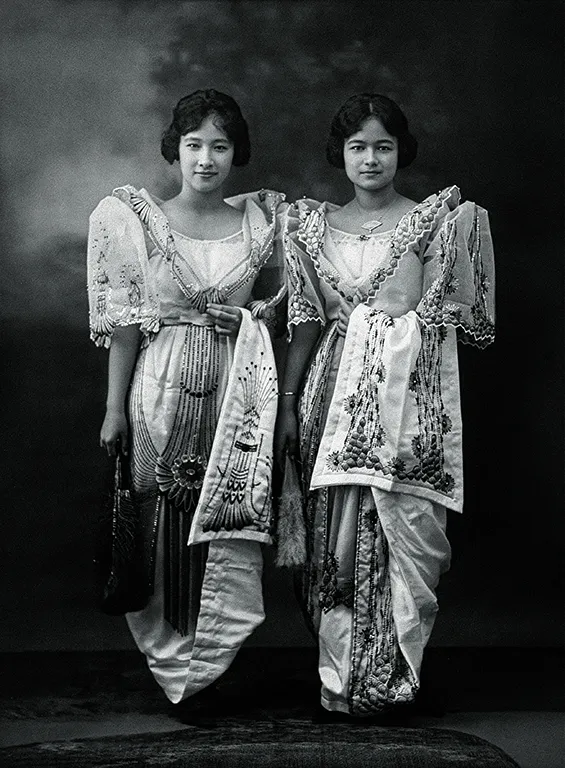
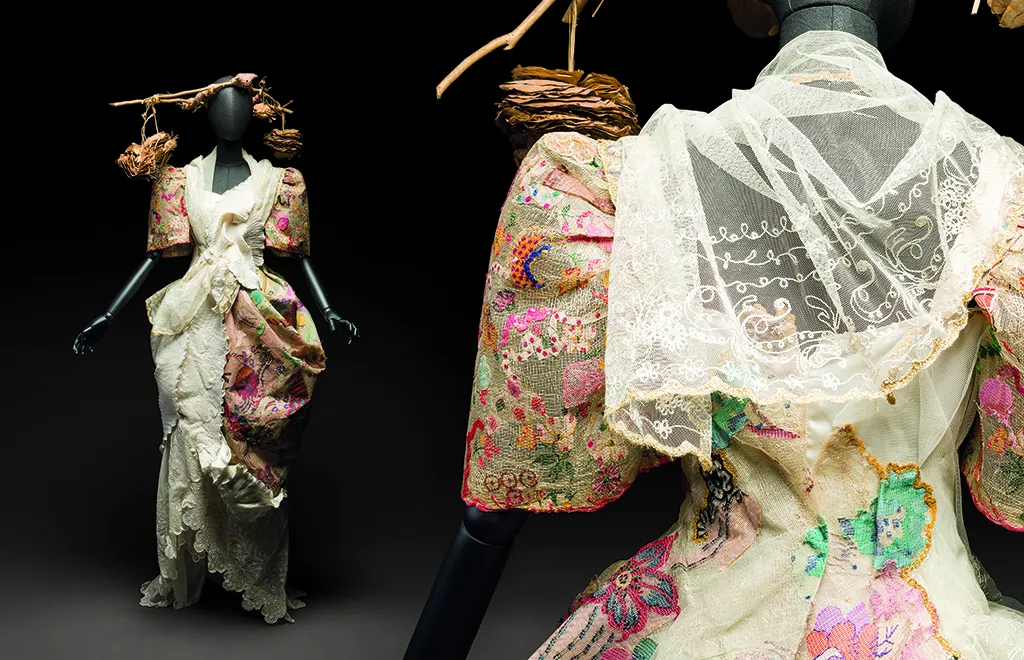
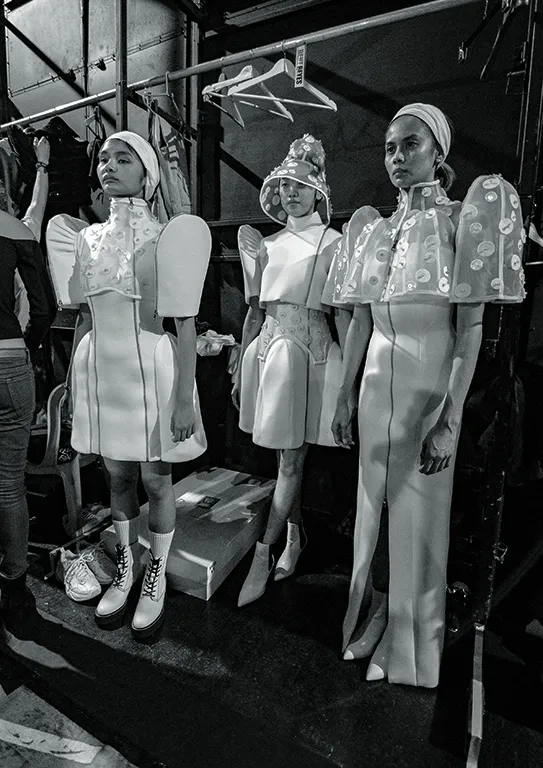
All photos courtesy of BENCH and Rizzoli
Frequently Asked Questions
The terno is a traditional Philippine dress distinguished by its iconic butterfly sleeves. Over time, its silhouette, fabrics, embellishments, and construction have evolved with changing fashions and cultural influences.
The terno has undergone numerous changes throughout the past century. Its sleeves were flattened in the 1920s; it became a streamlined one-piece dress in the 1930s, and the pañuelo was removed in the late 1940s. The dress later went through periods of decline and revival, with contemporary designers continuing to reinterpret its silhouette.
The terno has become one of the Philippines’ most enduring national garments, appearing at presidential inaugurations, society weddings, formal gatherings, and in everyday Filipiniana attire. Its continued evolution reflects changes in Philippine fashion, culture, and identity.
The Terno: A Century of the Philippine Dress traces the evolution of the terno from the Roaring Twenties to contemporary fashion. The book features more than 300 photographs, historical documents, restored portraits, and newly commissioned images, alongside the work of notable and emerging Filipino designers.
The book features creations by National Artists Ramon Valera and Salvacion “Slim” Lim Higgins, as well as contemporary Filipino designers and emerging talents. It also includes texts by Gino Gonzales and Sandra Castro and is a collaboration between Rizzoli and Bench.