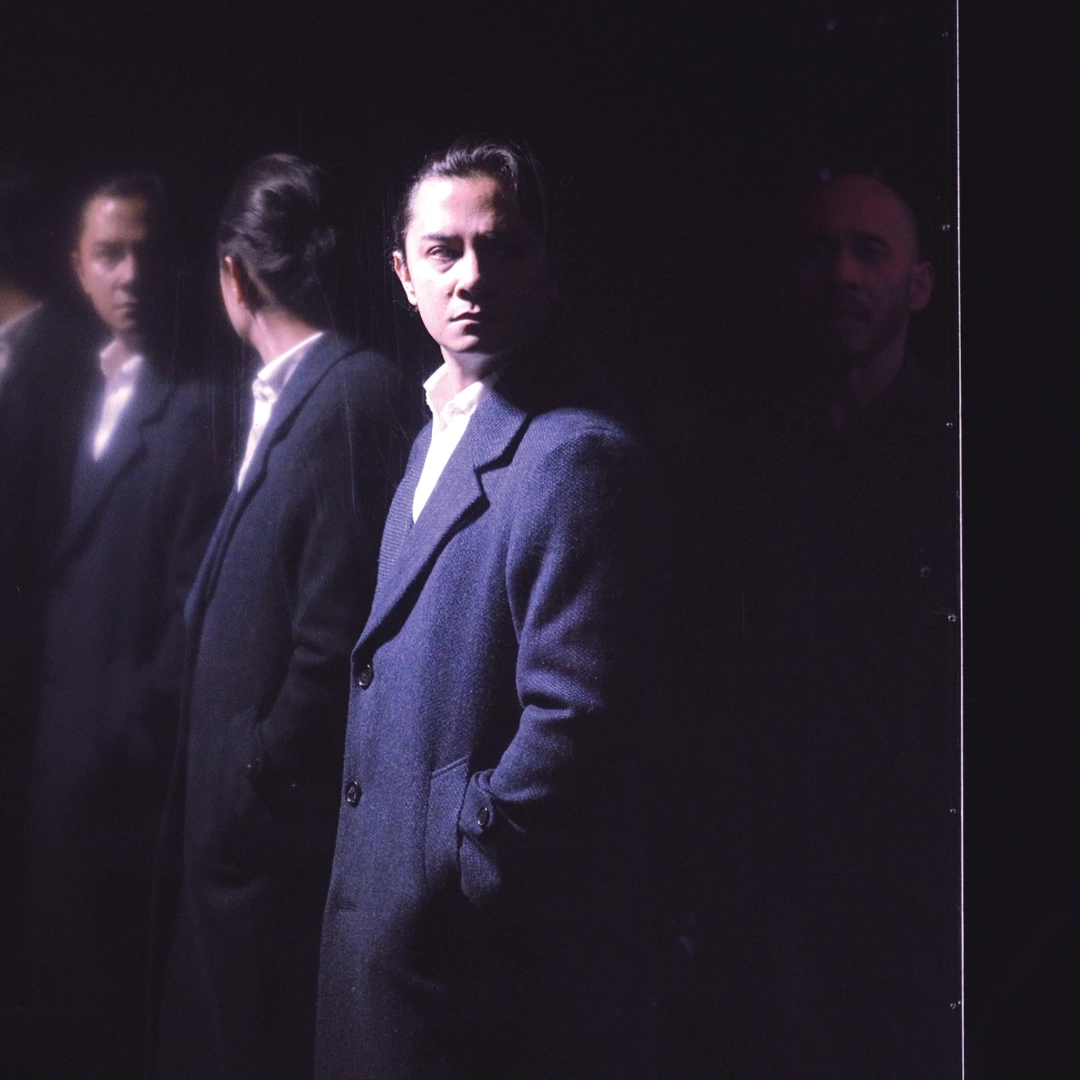
Disclosure Day isn’t just Steven Spielberg’s entertaining return to the alien genre, but a revealing full-circle meditation on the questions and fascinations that have followed the filmmaker throughout his life and career.
Warning: This piece discusses key themes and plot points of Disclosure Day (2026) by Steven Spielberg.
The fascination Steven Spielberg holds for aliens has been well documented throughout his long and illustrious career. Even before his breakthrough with Jaws in 1975, the teenage filmmaker had already written and directed an ambitious 140-minute amateur feature titled Fire Light, which he screened for family and friends in a rented cinema in 1964. Though the film hasn’t been seen since its premiere, it’s often regarded as Spielberg’s first true full-length work, one that follows a group of scientists investigating human abductions by extraterrestrial beings.
As his career gained momentum in the decades that followed, his depictions of life beyond Earth increasingly mirrored his inner world as both a filmmaker and an individual. He has often described Close Encounters of the Third Kind (1977) as his most personal film up to that point. It’s a work shaped in part by his parents’ divorce, as well as his own consuming devotion to filmmaking, framing these private upheavals within a story about humanity’s first contact with alien life. Five years later, with E.T. the Extra-Terrestrial (1982), Spielberg once again turned inward, channeling a sense of childhood loneliness into the story of a boy who finds companionship in an alien visitor. The titular character, he has suggested, embodies the type of friend he longed for during those formative years.
After E.T., Spielberg stepped away from extraterrestrial narratives for several decades. When he returned with War of the Worlds in 2005, he reintroduced alien invasion through a distinctly post-9/11 lens of vulnerability and collective fear. By then, he already established himself as the world’s most prominent filmmaker, but he wouldn’t return to the genre again for another 20 years.
This year, Spielberg finally revisits aliens with Disclosure Day, now playing in cinemas across the Philippines. The film stars Emily Blunt and Josh O’Connor as whistleblowers uncovering a government conspiracy that has concealed the existence of alien life for over six decades. It plays as a propulsive sci-fi chase-thriller that’s unmistakably Spielbergian in scale and momentum, and early screenings have drawn strong reactions from critics and audiences alike, praising it as crowd-pleasing popcorn fun—and I agree, but more on that later.
I’m here to ask what Disclosure Day is really trying to say, beyond being a piece of enjoyable entertainment. What’s Spielberg—as the world’s most famous filmmaker, as a cultural setter, and as an artist—trying to say with a story about alien revelation in 2026?
READ ALSO: What Watching Every Steven Spielberg Film Taught Me About Life
But First…Steven Spielberg In Context
For much of his career, Spielberg has been brushed off as a purely commercial filmmaker. His works often touch on wonder and magic, telling stories of aliens, dinosaurs, adventure-seeking archaeologists, and ordinary humans thrust into extraordinary circumstances. These relatable tales of childlike adventure have cemented his place in popular cultureCultureshared traditions, beliefs, values, customs, arts, and social practices that define the identity and way of life of a community, society, or nation.Go to Culture Glossary, making him the most financially successful filmmaker of all time. Yet Spielberg never really saw it that way; the director has argued that just because his films are often light in nature, doesn’t mean he had nothing deeper to say about life and art.
His foray into more “serious” adult dramas wasn’t given much weight at first, with early works like Empire of the Sun (1987) and The Color Purple (1985) being brushed off as attempts to win Oscar glory. But in 1993, he struck gold when he showed both audiences and his peers the full extent of his versatility, releasing the dinosaur adventure Jurassic Park and the Holocaust drama Schindler’s List in the very same year. The latter, Spielberg has said, put him back in touch with his Jewish roots after decades of distancing himself from the religion because of the bullying he experienced in school. Schindler’s List would go on to win multiple Academy Awards, including Best Picture, and Spielberg finally took home his long-coveted Best Director statue. Meanwhile, Jurassic Park became a cultural phenomenon and collected several technical Oscars of its own.
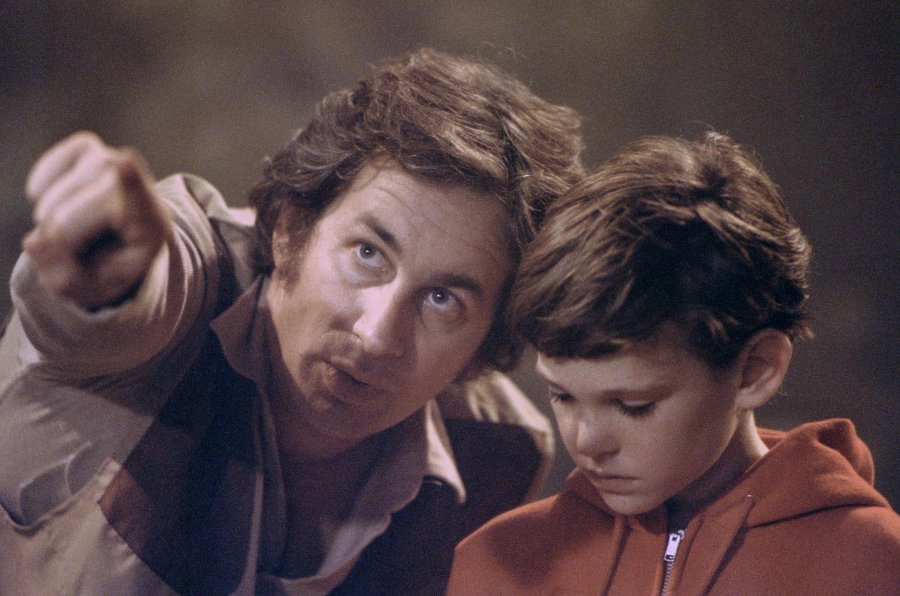
Yet even in pursuit of artistic validation, Spielberg continued making highly commercial films, choosing his projects based on how they connected with him as an individual. For instance, he made Saving Private Ryan (1998) in honor of his veteran father, who fought in World War II; he directed A.I. Artificial Intelligence (2001) to honor the artistic legacy of close friend and mentor Stanley Kubrick, who didn’t complete the project because of his sudden passing; and he made Catch Me If You Can (2002) because he related to Frank Abagnale’s broken home.
Both of his artistic outputs in 2005 had deep connections to how he saw and interacted with the current political climate. Munich was a highly-debated film about Israeli secret agents assassinating the Palestinians responsible for the 1972 Summer Olympic murders. The final shot of the film includes the Twin Towers in New York City, a shocking and controversial inclusion at the time, one that many considered to be Spielberg’s statement about the never-ending cycle of violence in our world. Then, there was the previously mentioned War of the Worlds, which not only brought his engrossment with the great unknown back to the big screen but also reflected the collective fear of a nation in the aftermath of a generation-defining terrorist attack.
Look closely enough at Spielberg’s filmography, and a pattern begins to emerge. Whether he’s making a Holocaust drama, a dinosaur adventure, or a movie about alien invasions, the projects he chooses usually mirror the questions, anxieties, and obsessions that occupy him at a particular moment in his life. His films may be commercial in form, but they’re often personal in intent. Which brings us back to Disclosure Day. Why now? To answer that, we need to look at where his career stands as of late.
The Old Man Stevie Years
In my humble opinion, Spielberg is now in what I like to call the “Old Man Stevie Years.” I don’t mean that as an insult; he’s my favorite filmmaker, and this is my favorite era of his career. I call it that because, over the last few years, I feel he’s been making films that most clearly show who he is as a person and an artist. This sort of introspection is only possible after experiencing a career spanning more than half a century and gaining a perspective that comes with being 79 years old. With so much distance between his childhood and his early works, Spielberg seems to be looking back on his life and career as…well, an old man, his musings rendered in the medium he knows best: film.
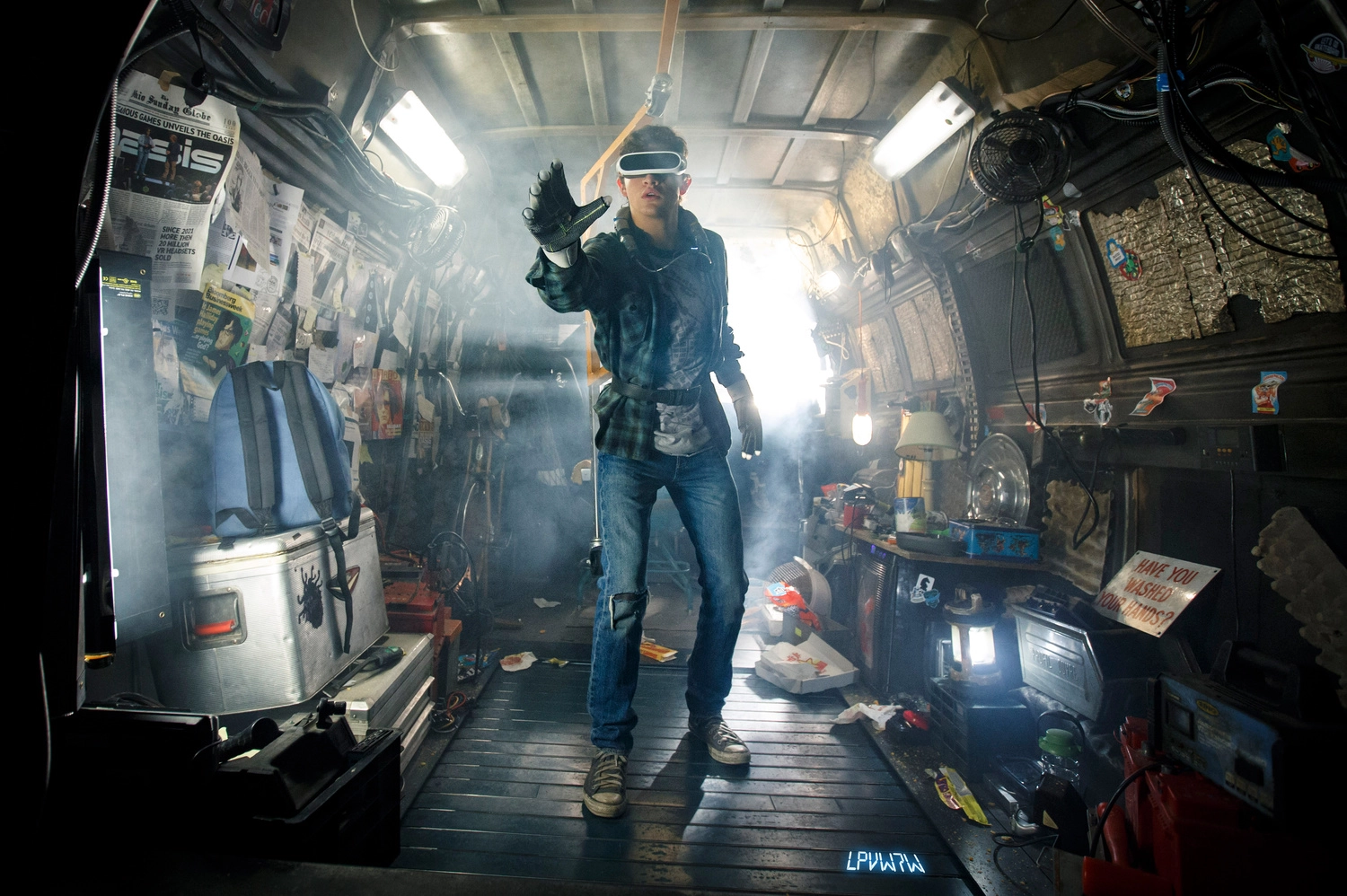
I’d argue that the Old Man Stevie Years began with Ready Player One (2018), a box-office success that proved more divisive with critics. Adapted from Ernest Cline’s 2011 science-fiction novel of the same name, the film follows gamer Wade Watts as he hunts for Easter Eggs hidden within a virtual world in hopes of winning a life-changing reward. While Spielberg lost some opportunity for direct self-reference in a story full of nostalgic throwbacks, the film is nevertheless filled with references to the American pop culture he helped shape: Back to the Future (which he produced), the nerdy genre films and games he loved as a child, and even an extended sequence set within the world of The Shining. That last reference is particularly noteworthy given Spielberg’s close personal and professional relationship with Kubrick.
Spielberg followed Ready Player One with a new film adaptation of the 1957 Broadway musical West Side Story. He always wanted to direct a musical, and what better one to adapt than the soundtrack his parents constantly played throughout his childhood? Not even the shadow of the classic 1961 film masterpiece (which won 10 Oscars) stopped him. He dedicated the film to his father, who died during production at the age of 103. West Side Story was released during the pandemic and failed to recoup its budget. Nevertheless, Spielberg described it as one of the most rewarding filmmaking experiences of his life because it allowed him to fulfill a lifelong dream. It seems that the money didn’t matter; it was the artistic output he was chasing.
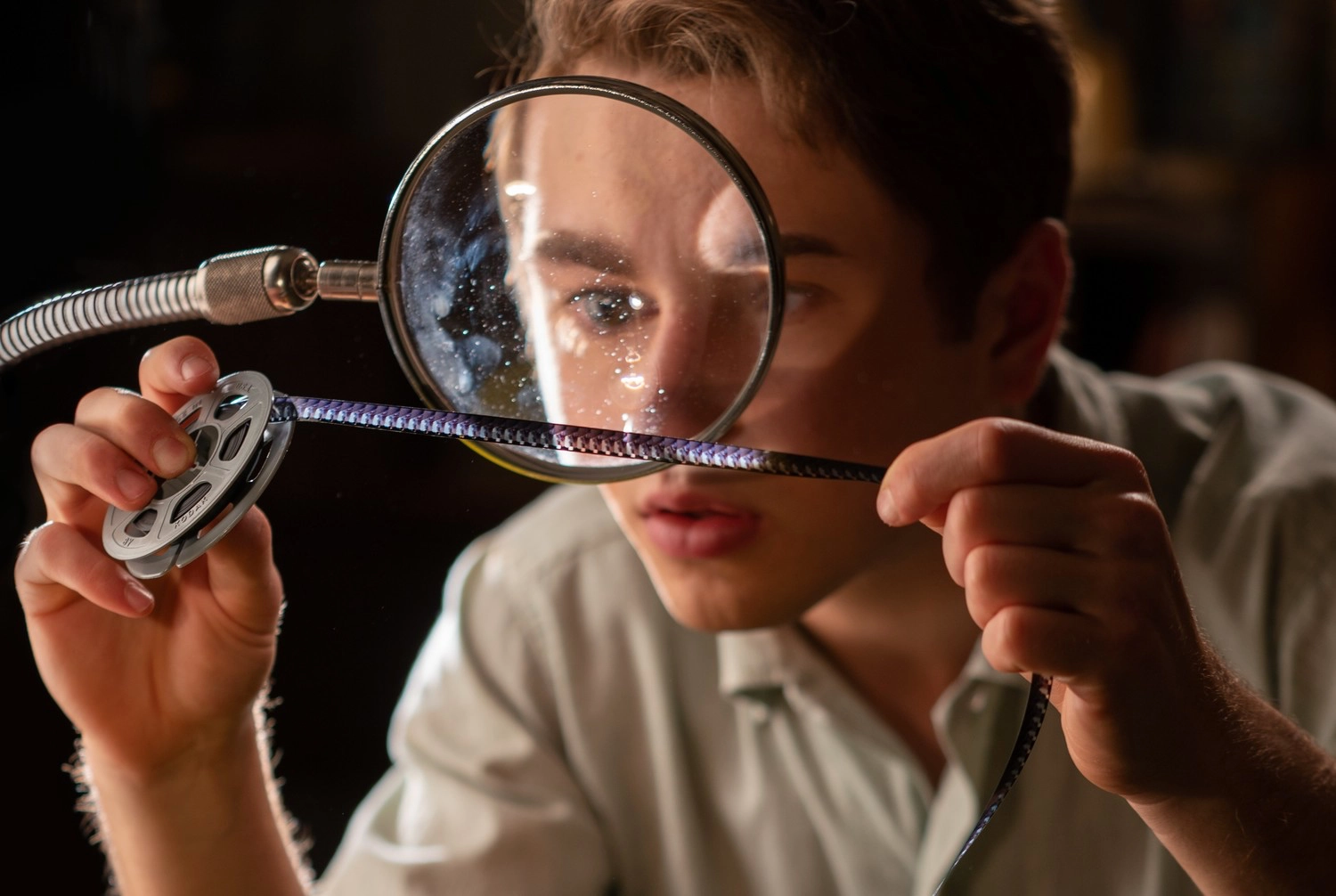
Then came The Fabelmans, the most obvious—and perhaps most important—entry in this era of his filmmaking. A fictionalized account of his formative childhood and teenage years, it’s a genuinely revelatory work that suggests Spielberg has long used filmmaking not only as a vehicle for artistic expression, but also as a coping mechanism: a way to achieve control of a narrative, and an escape from a reality he wasn’t ready to face. Gabriel LaBelle plays Sam Fabelman, a thinly veiled Spielberg stand-in (in some shots, their resemblance is uncanny), while Michelle Williams and Paul Dano portray versions of his parents, complete with remarkably familiar hairstyles and mannerisms. The film is even set around the defining period in which his parents’ marriage began to unravel.
After The Fabelmans premiered to widespread critical acclaim (but, sadly, yielded another disappointing box-office performance for Spielberg), speculation quickly turned to what he’d do next. Rumors circulated that he’d remake the 1968 Steve McQueen film Bullitt, with Bradley Cooper in the lead role; but instead, Spielberg announced a return to the UFO genre with Disclosure Day, promising a crowd-pleasing blockbuster in the tradition of his earlier alien films. However, viewed through the lens of the Old Man Stevie Years, is that really all this movie is?
READ ALSO: Jaws At 50: The Story Behind Steven Spielberg’s Landmark Masterpiece
The Spectacle And The Question Of Disclosure Day (2026)
Disclosure Day thrusts you straight into the middle of the action. In true Spielbergian fashion, the film opens with a wrestler mid-fight, stomping on the camera lens as though it were his opponent’s face. Already, we know we’re in for a visual feast, framed with the confidence only a true filmmaking master can pull off.
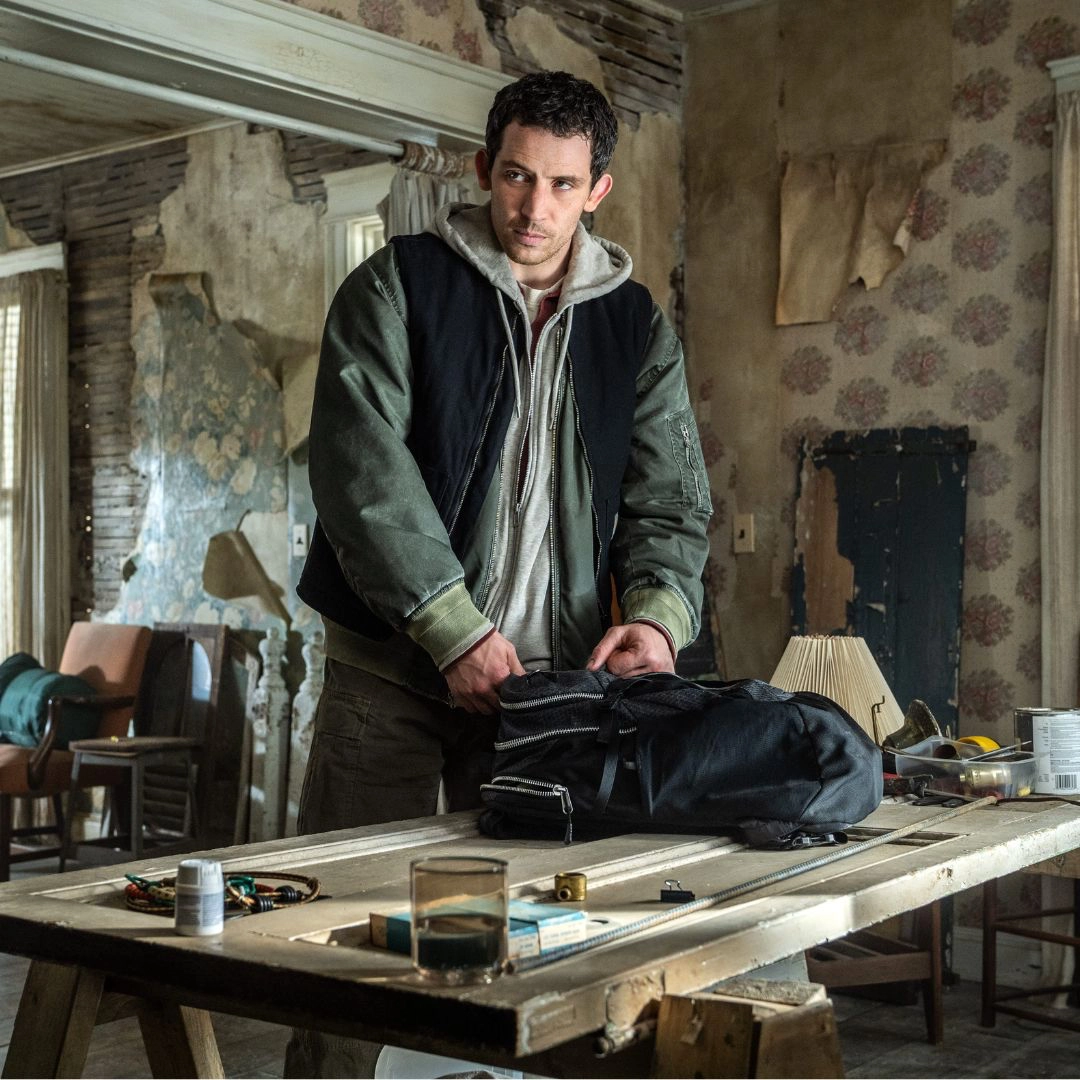
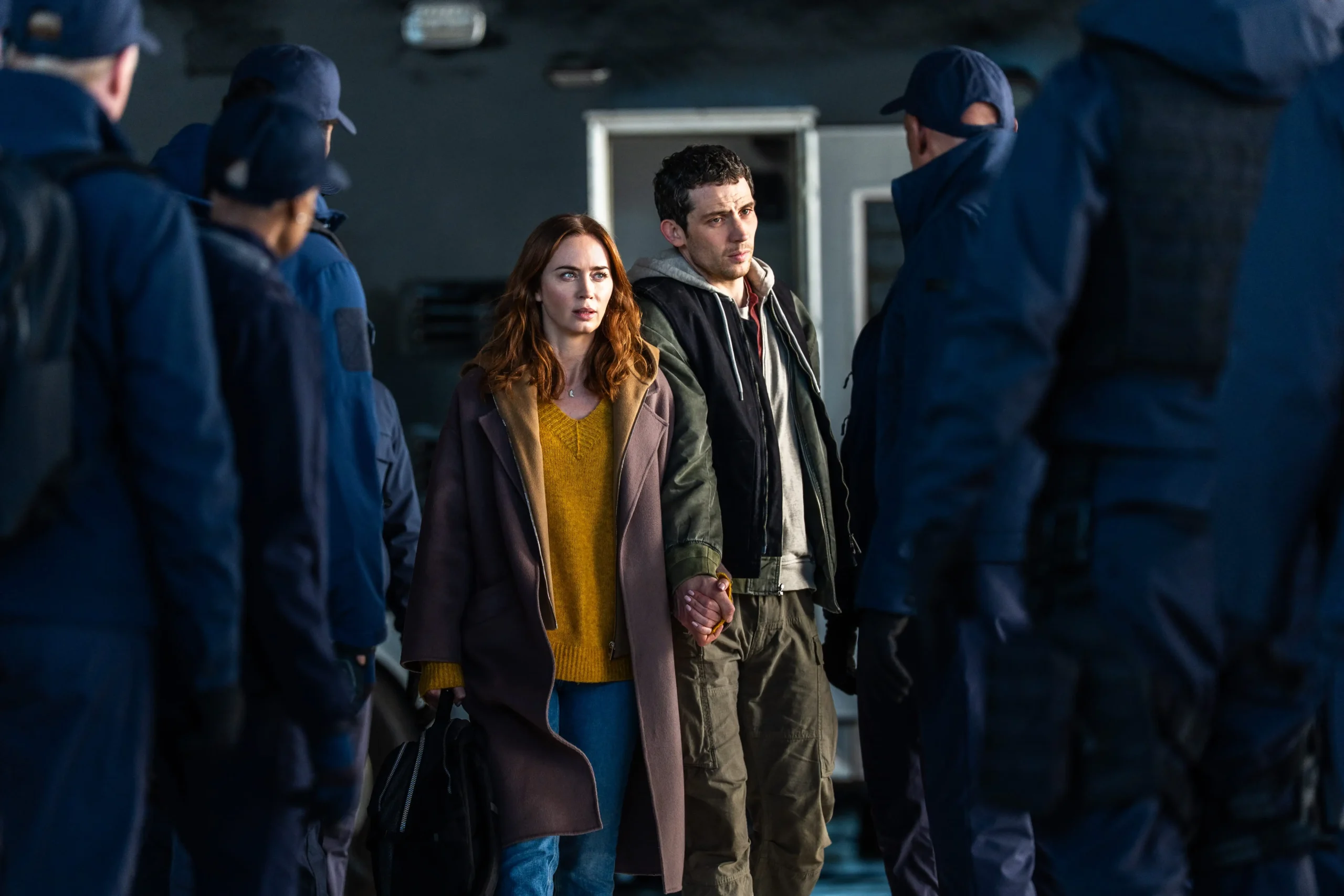
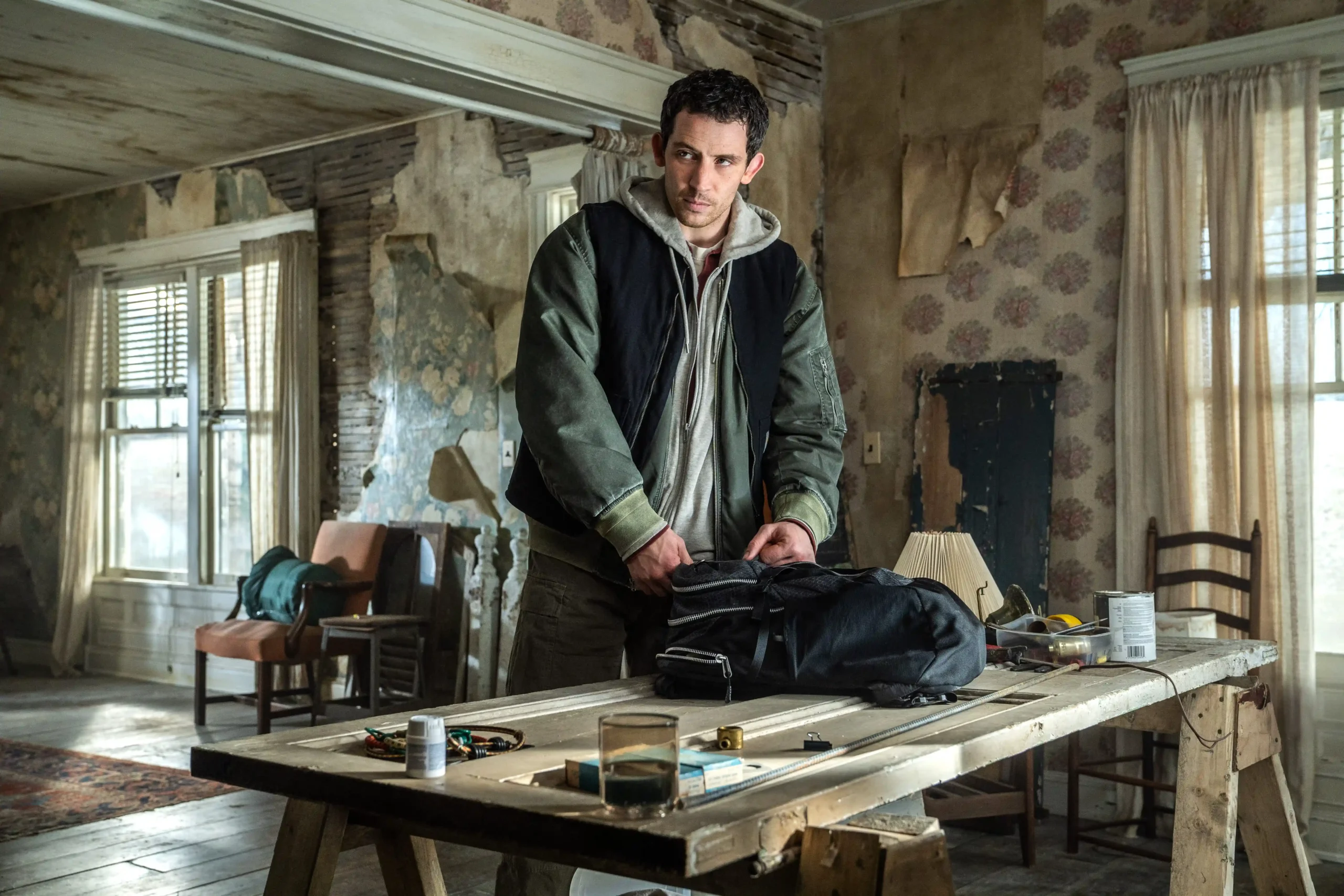
Somewhere in the crowd, we meet Daniel Kellner (played by the booked and busy Josh O’Connor), a seemingly ordinary man who we instinctively know is about to be thrust into extraordinary circumstances (it’s a Spielberg film, after all). We quickly learn we’re right, and Spielberg wastes no time. Before long, Daniel leaves the stadium and finds himself on the run with a backpack full of government secrets. An hour and a lot of exposition later (the Spielberg–David Koepp penned screenplay is fun but often clunky), Kellner finally crosses paths with distressed weather reporter Margaret Fairchild (a standout Emily Blunt), another seemingly ordinary person whose connection to the mystery proves far more significant than it first appears. Together, they race across the American heartland while being pursued by a secret government faction determined to keep the existence of alien life hidden from the public. Their mission is simple: reveal the truth, no matter the cost.
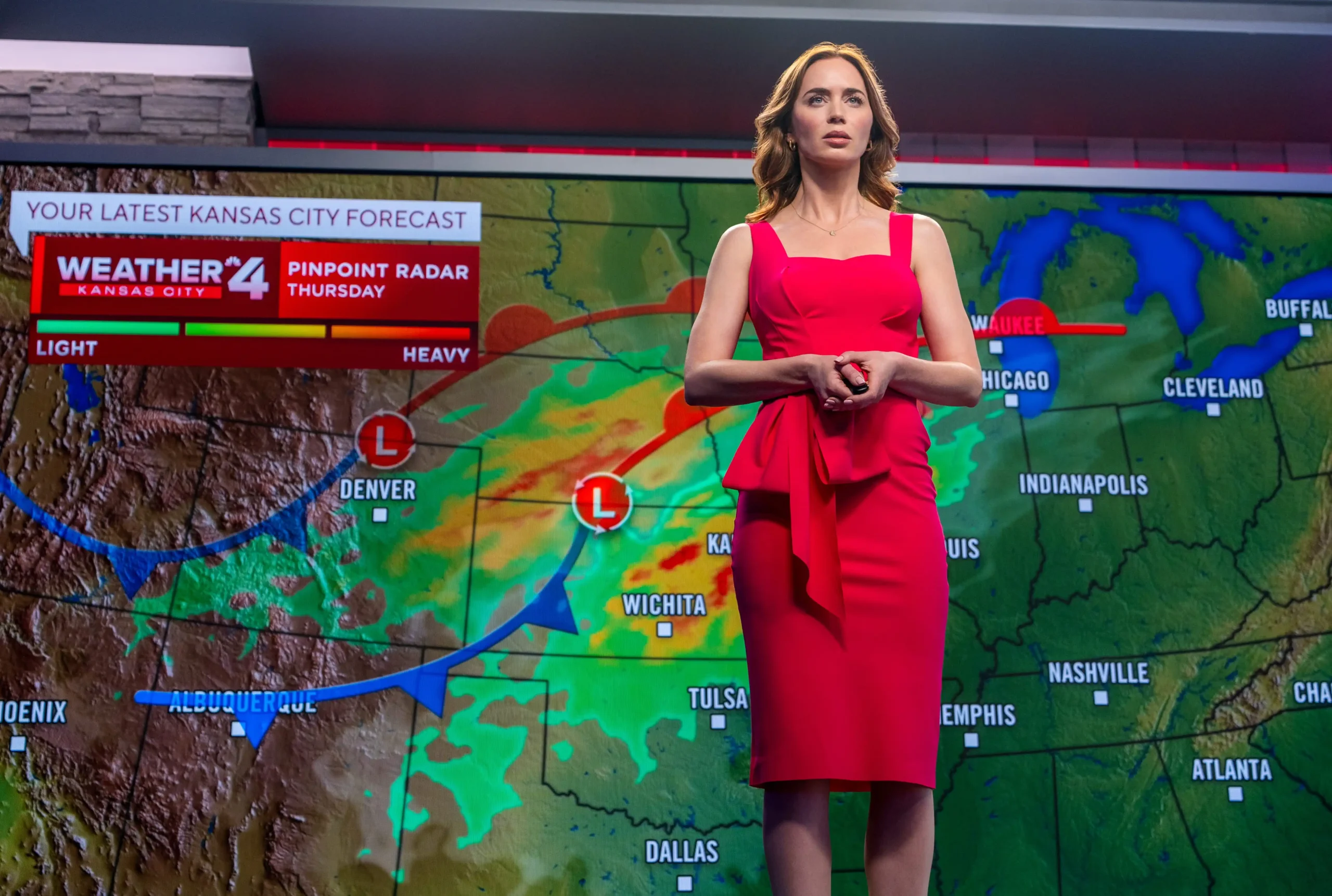
Along the way, we’re reminded of what Spielberg does better than almost anyone: expertly and fluidly blocking action with the immaculate craftsmanship of longtime collaborators John Williams and Janusz Kaminski, and building a world through set pieces brimming with emotion. Not even Colin Firth’s underwritten main baddie, or the screenplay’s occasional bouts of clunky dialogue and cliches, can derail the ride. And that final 20 minutes? Pure movie magic. It’s the payoff to the central mystery, despite a few heavy-handed detours along the way, and what makes Disclosure Day a success. Without spoiling anything, the ending earns its spectacle and justifies the film’s hefty 145-minute runtime.
Still, that doesn’t explain why Spielberg felt compelled to make it, and what he’s trying to say. As I established earlier, he’s rarely ever interested in making a film “for the sake of making a film,” especially during his Old Man Stevie period. Looking back at his older works featuring extraterrestrials, they’ve all served as contemplations on the things that preoccupied him at a particular moment in his life. Close Encounters was about obsession. E.T. was about loneliness. War of the Worlds was about fear. Personally, I find Disclosure Day to be about the peace of mind that comes from bringing closure to a lifelong obsession.
The Distance Required For A Close Encounter
The key to understanding why Disclosure Day exists really lies in Close Encounters of the Third Kind. Spielberg has already clarified that the new film isn’t a direct sequel to the 1977 classic, but there’s no denying their connection, both in narrative structure and thematic intent.
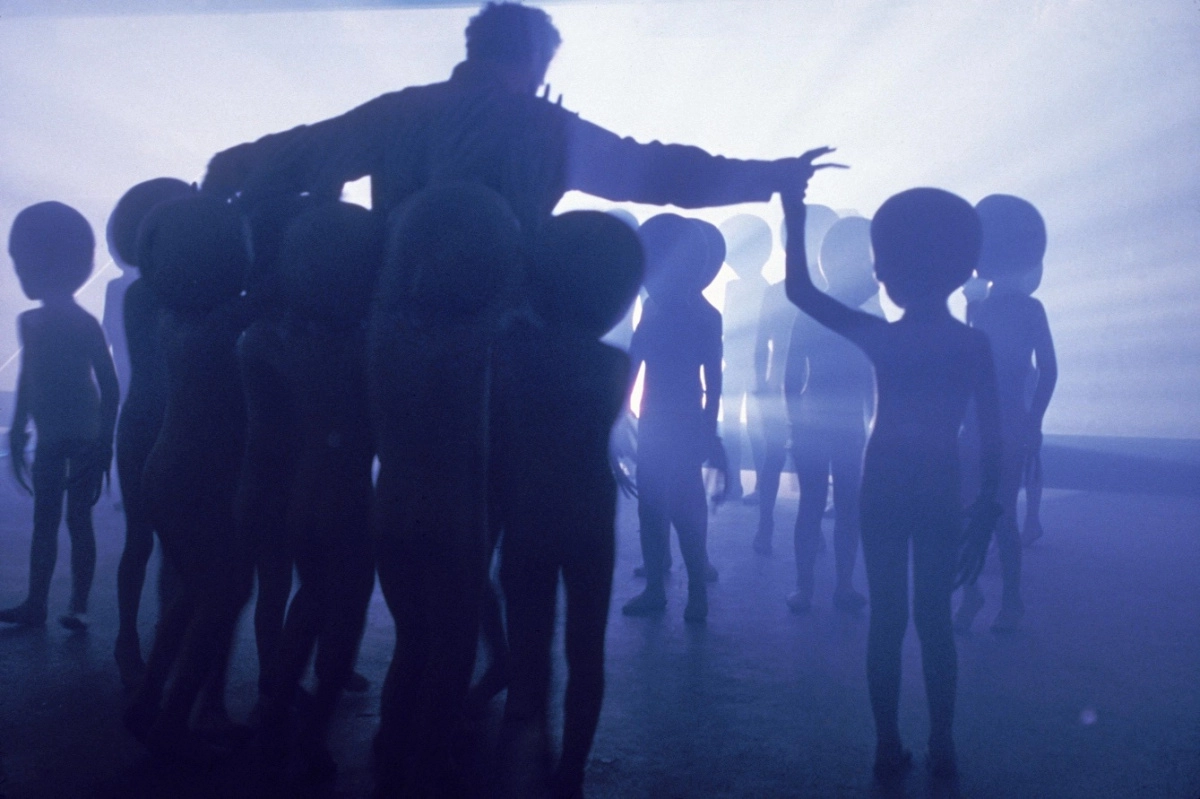
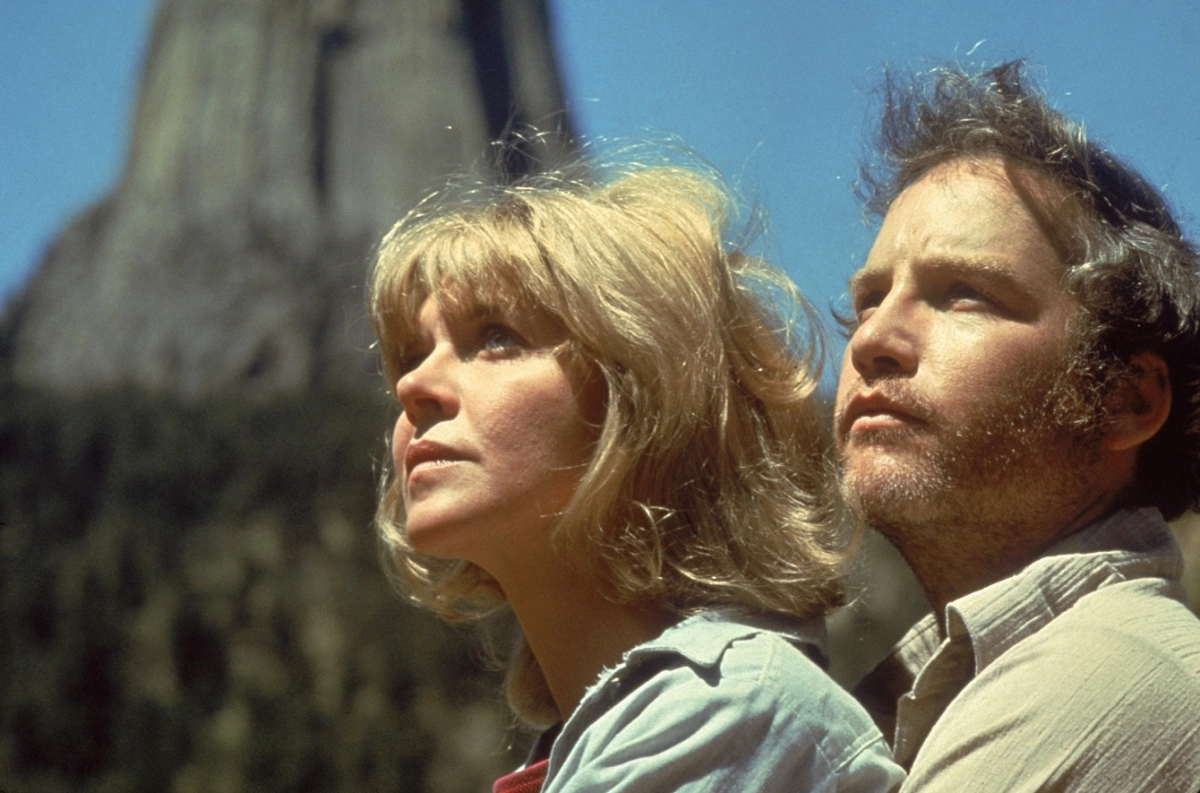
On the surface, the comparisons are easy to make. O’Connor and Blunt’s characters are deeply consumed by the idea of extraterrestrials, much like Richard Dreyfuss and Melinda Dillon in the earlier film. Both pairs run through the American countryside in search of answers. The government’s attempt to conceal the existence of aliens ties the two films together as a bookend. More explicitly, even the final reveal of the aliens’ appearance (this isn’t really a spoiler—it’s in the trailers) bears similarities to Close Encounters.
Though the more meaningful spiritual thread that ties these two films together finds its footing not in the aforementioned resemblances, but in Spielberg’s recurring return to the same thematic territory.
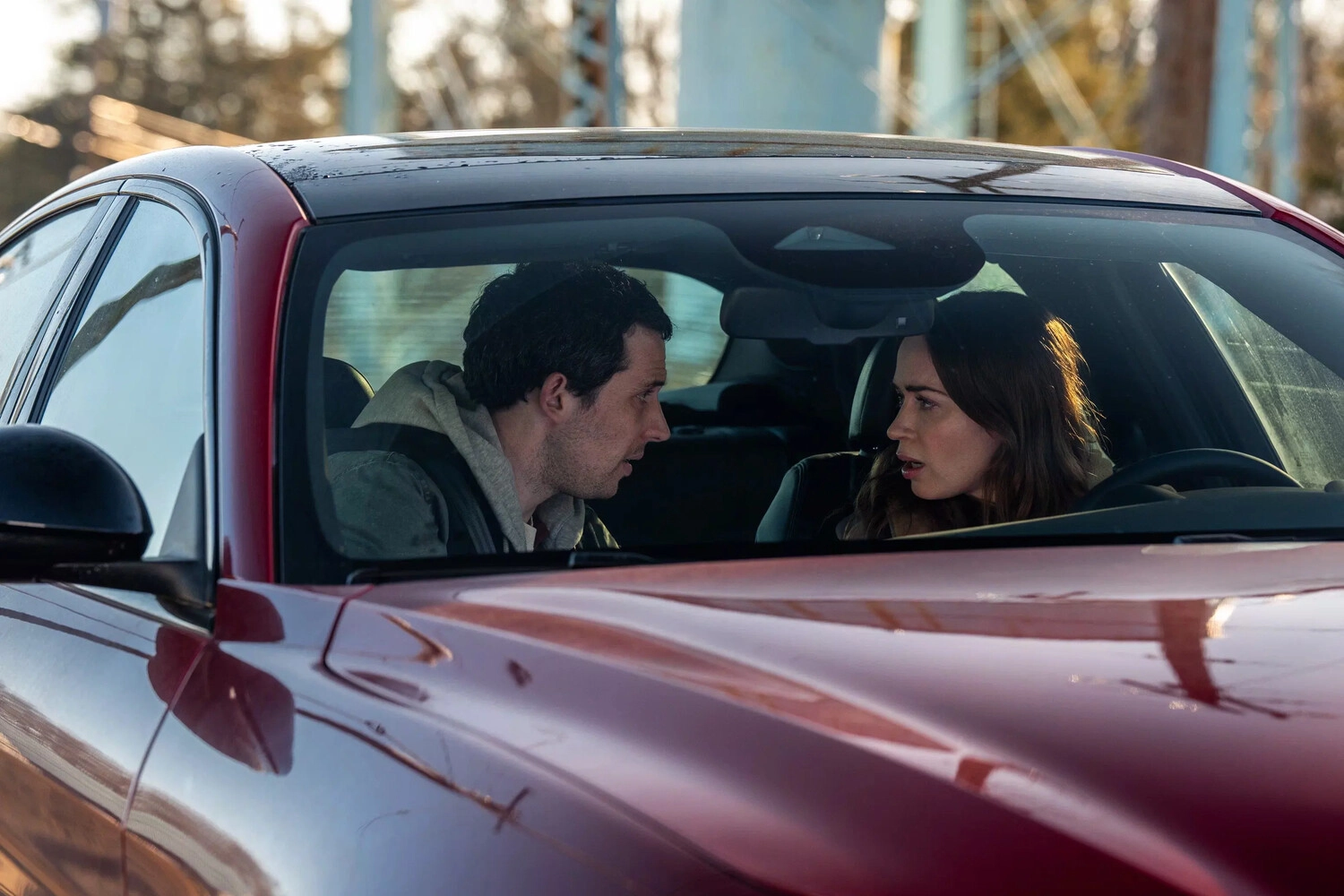
Close Encounters is widely understood as a film that fuses his interest in UFOs with a deeper story about obsession, the subtle terror of domestic life’s dissolution, and the magnetic pull of something larger than oneself. It was, at the time, an early-career work driven more by instinct than rumination. Disclosure Day, on the other hand, explores the same pre-occupation with an acute, grounded sense of self-awareness. Its characters no longer question whether aliens exist; they simply assume that they do. So the inquiry shifts, molding itself to fit a society already saturated with belief in extraterrestrial life and steeped in its accompanying secrets. Knowledge is treated as a given, the focus turning inward: to what we do with it, and what it, in turn, does to us.
Spielberg, in this later phase of his career, seems less interested in implication and more in articulation. The questions his films once circled are now stated directly within the text of Disclosure Day: what happens when humanity faces the undeniable truth? Does it unify us, or fracture us under the weight of belief systems already in place? The spectacle of revelation gives way to the psychology of reception.
Disclosure Day feels cumulative; Spielberg has stopped dealing with tentatives, opting to work through his ideas in full confidence. He has spent a lifetime in the margins of questions that continue to fascinate him; now, he’s diving straight into the tangled heart of this intense yet somewhat nebulous obsession in order to finally make sense of it in his old age. It’s a film that couldn’t have existed without the grace of time and the distance it provides.
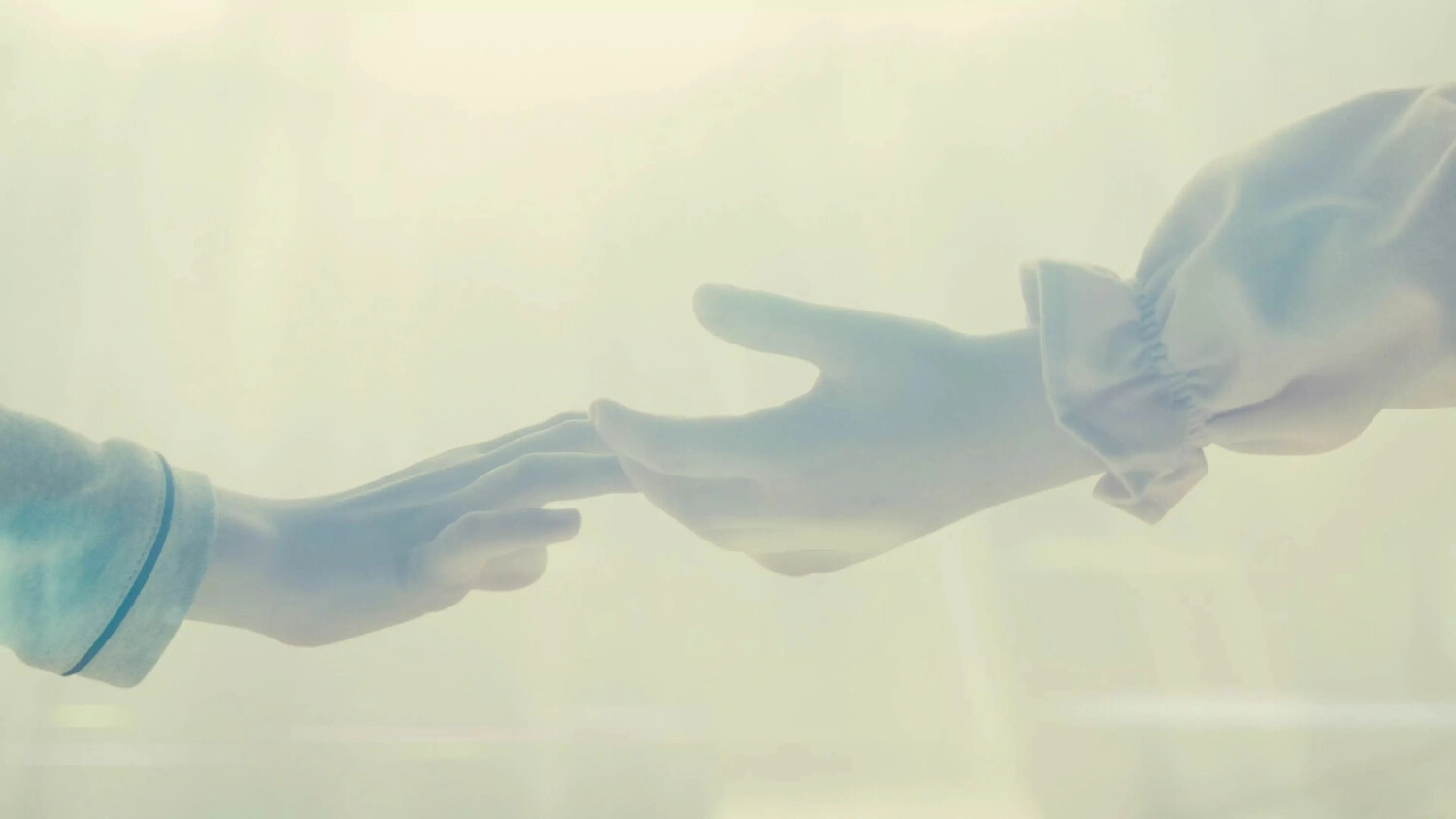
If Ready Player One is a commentary on a world shaped by Spielberg’s own pop cultureCultureshared traditions, beliefs, values, customs, arts, and social practices that define the identity and way of life of a community, society, or nation.Go to Culture Glossary;West Side Story a fulfillment of a long-held desire to direct a musical; and The Fabelmans a vulnerable return to a turbulent childhood; then Disclosure Day is a full-circle, cathartic confrontation. Ultimately, it’s a study of how one great filmmaker comes closer to understanding the aspects of his humanity—both its subjectivities and universalities—that have him returning to and reframing the otherworldly at different stages of his life. Despite all the action that surrounds Spielberg’s latest film, discovery and fear take a backseat in favor of reflective stillness. The film is a call to listen, to attune ourselves to the world not for the sake of elucidating its mysteries, but understanding why our search for answers matters and persists at all.
Frequently Asked Questions
Disclosure Day follows whistleblowers Daniel Kellner and Margaret Fairchild as they uncover a government conspiracy that has hidden the existence of alien life for more than six decades. Framed as a sci-fi chase thriller, the film combines large-scale spectacle with deeper questions about truth, belief, and humanity’s relationship with the unknown.
After exploring extraterrestrial themes in Close Encounters of the Third Kind, E.T. the Extra-Terrestrial, and War of the Worlds, Spielberg returns to the genre with Disclosure Day as part of a broader period of introspection in his career. The film reflects his long-standing fascination with aliens while revisiting questions and obsessions that have followed him throughout his life as both a filmmaker and an individual.
While Spielberg has stated that Disclosure Day is not a direct sequel to Close Encounters of the Third Kind, the two films share clear thematic and narrative parallels. Both focus on characters consumed by the search for extraterrestrial truth and feature government efforts to conceal alien existence. More importantly, both films explore Spielberg’s enduring fascination with the unknown, though Disclosure Day approaches the subject with a greater sense of self-awareness and reflection.
According to this interpretation, Disclosure Day is less about discovering whether aliens exist and more about understanding what happens when humanity is confronted with undeniable truth. The film explores how knowledge shapes people, asking whether revelation brings unity or deepens existing divisions. It ultimately functions as a meditation on belief, obsession, and the search for meaning.
Disclosure Day arrives during what could be considered Spielberg’s most reflective creative period, following films such as Ready Player One, West Side Story, and The Fabelmans. Viewed through this lens, the film feels like a culmination of themes that have defined his work for decades, serving as a full-circle confrontation with one of his longest-running artistic fascinations.