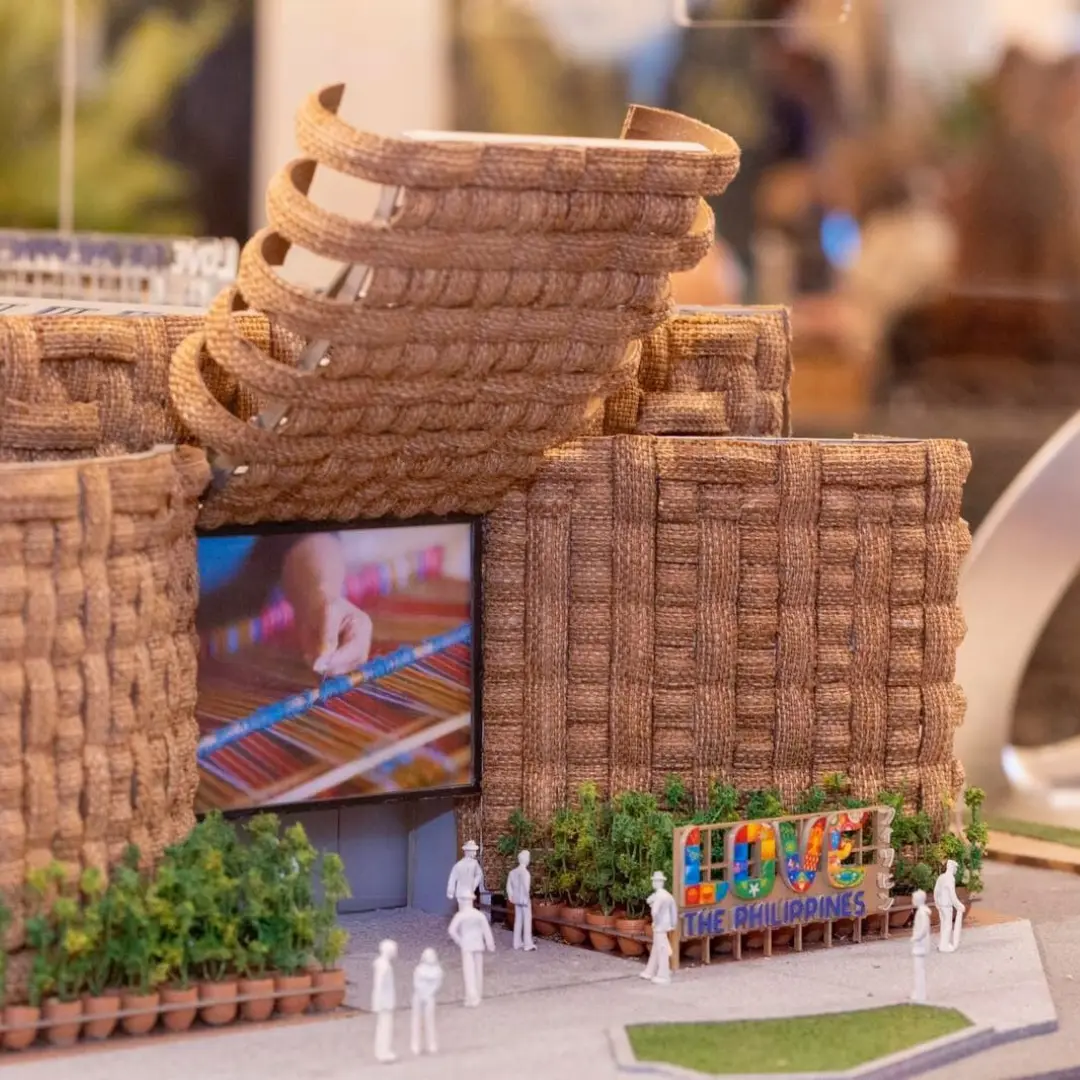
The Philippine Pavilion from Expo 2025 Osaka returns at TRAVEX 2026 with cultural and trade-driven impact.
The journey of the Philippine Pavilion after EXPO 2025 Osaka continues at the ASEAN Travel Exchange (TRAVEX) 2026, where its materials reappear in a new context on the regional tourism trade floor. Organized by the Tourism Promotions Board (TPB) Philippines, the booth reflects a conscious decision to extend the Pavilion’s life beyond a world exposition. Around 70 percent of its aesthetic components were carried over from Osaka and adapted for the trade floor.
READ MORE: Philippine Pavilion At Expo 2025 Osaka Wins Silver Award For Exhibition Design
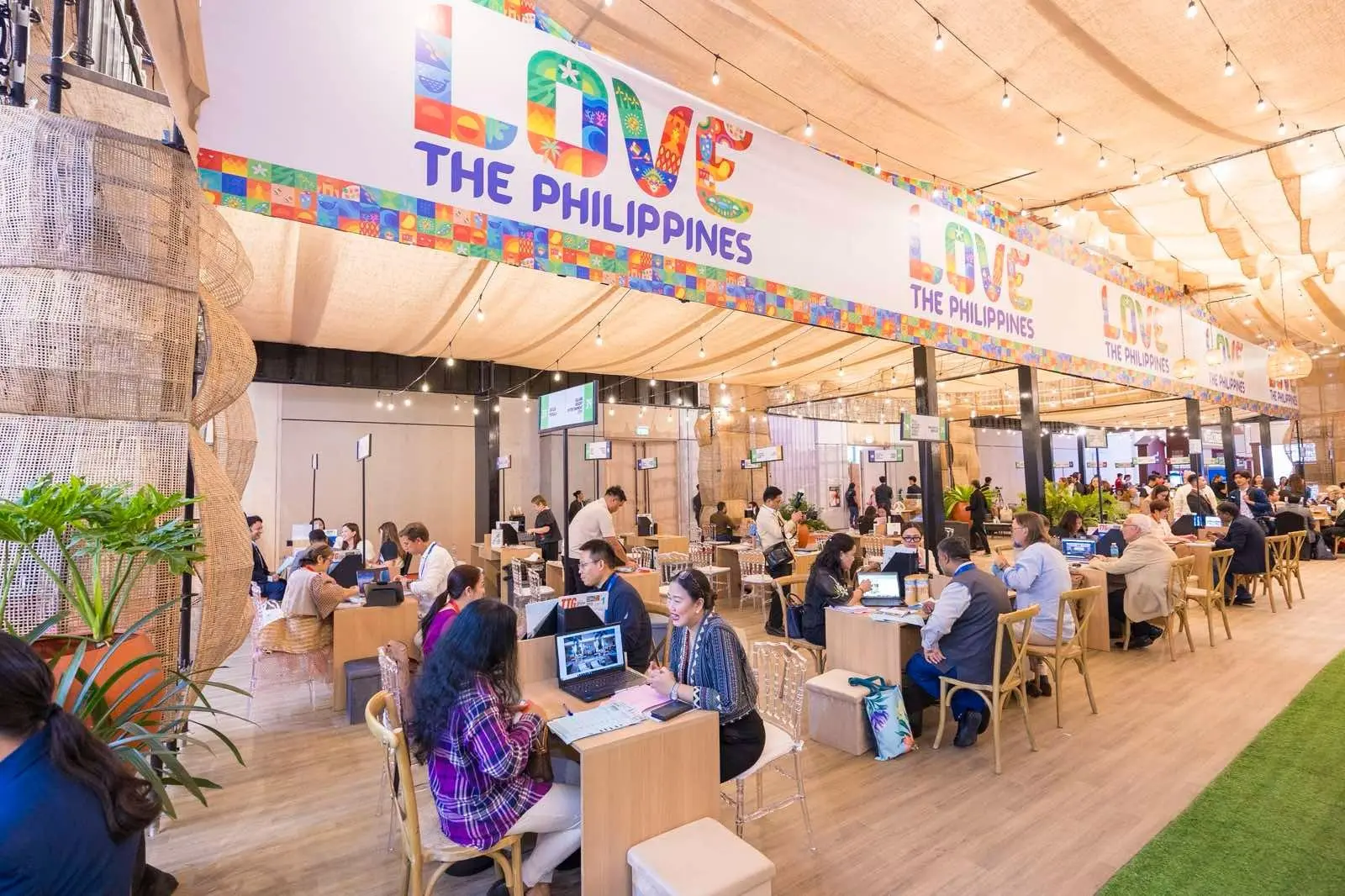
A Pavilion That Captivated The World
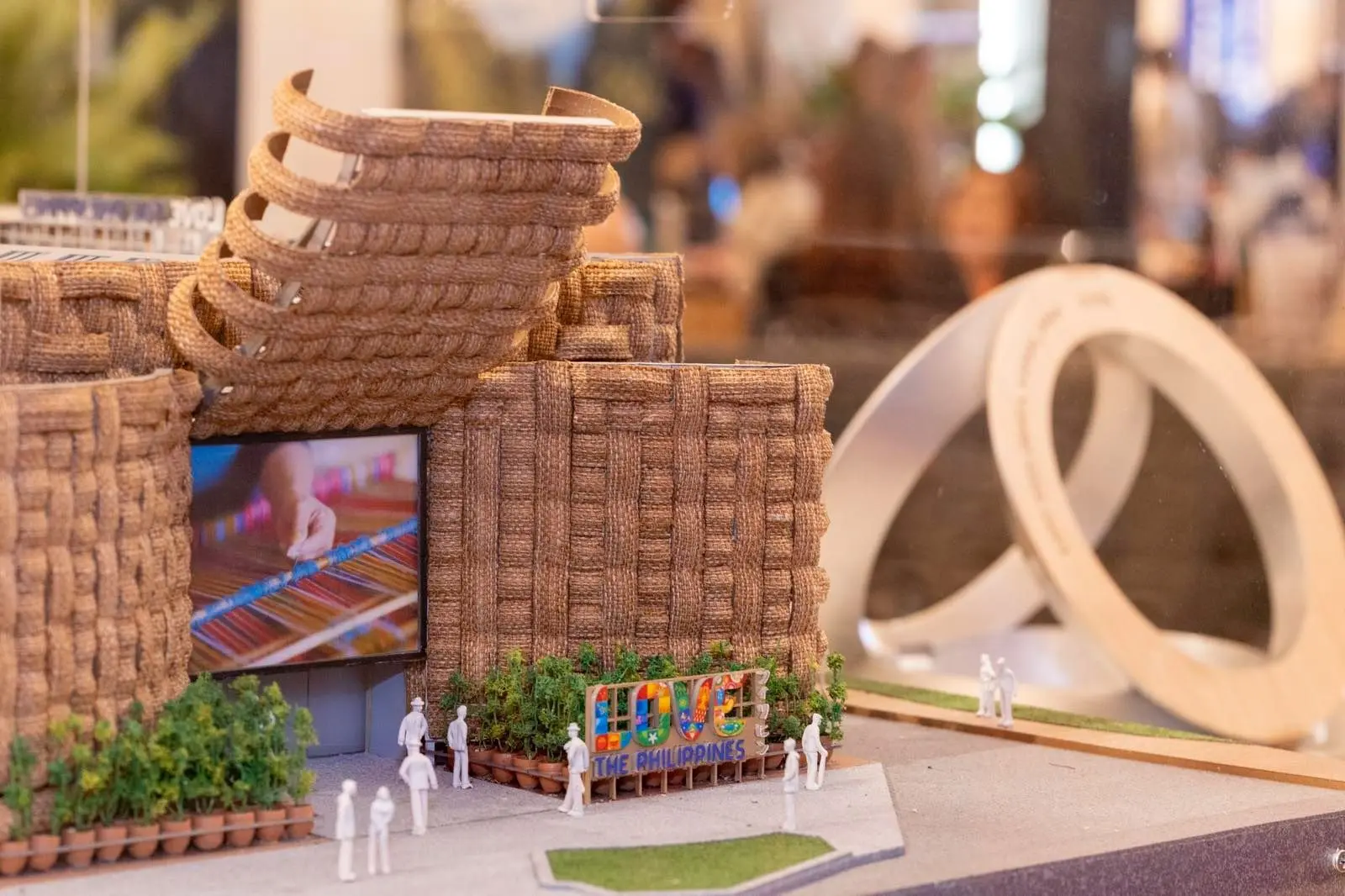
The Pavilion first drew international attention in Osaka with its façade of 212 handwoven textile panels and sustainably sourced rattan, highlighting weaving traditions from across the country. The Bureau International des Expositions (BIE) later awarded the project the Silver Plaque for Exhibition Design, citing its presentation and visitor experience.
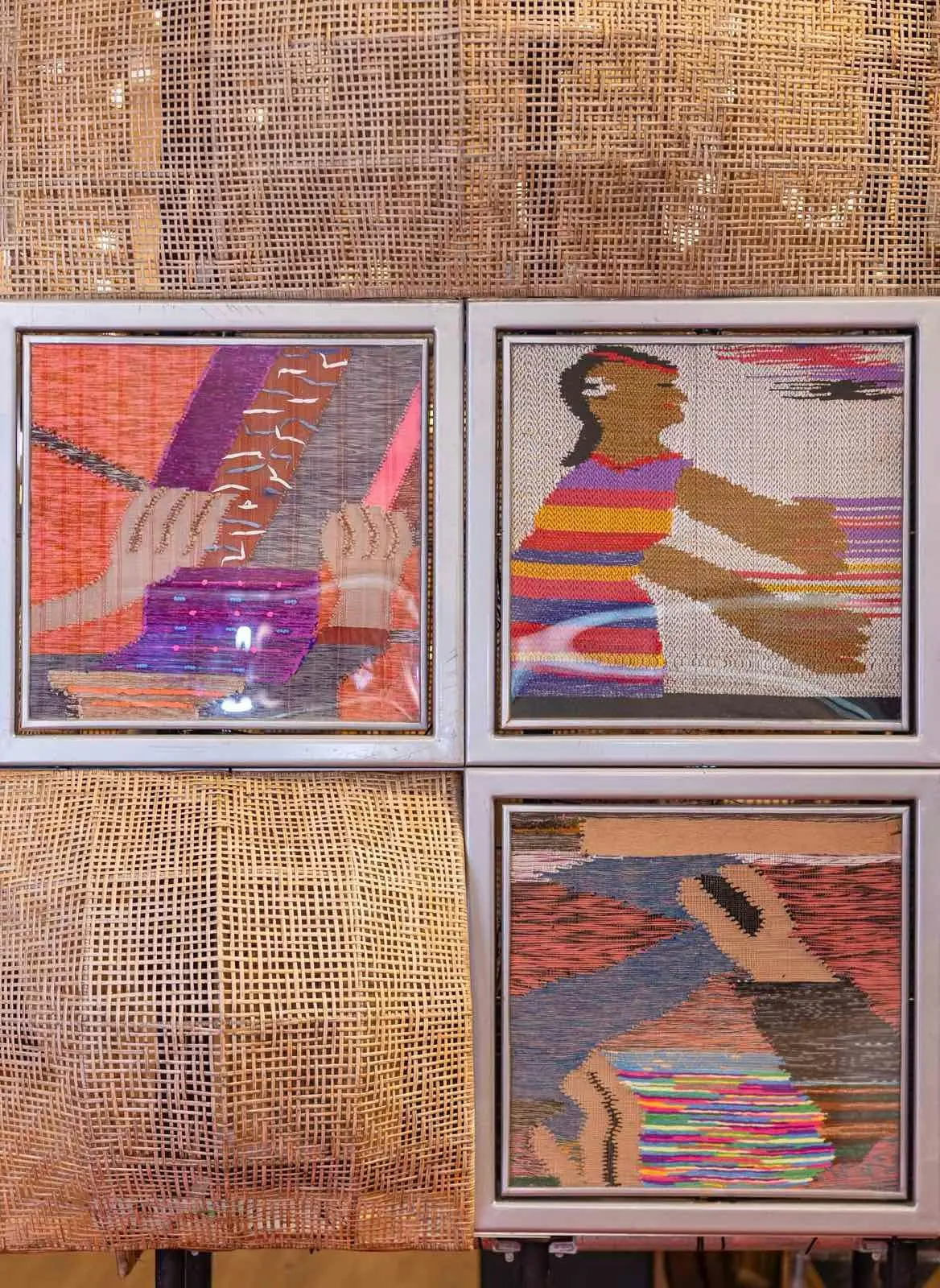
At TRAVEX, the presentation becomes more intimate. Four large handwoven artworks, originally part of the Pavilion’s exterior, now stand at the Philippine booth. Representing Davao, Cebu, Bicol, and Ilocos, the works bring regional identity to the forefront for delegates engaged in meetings and negotiations.
Linking Tourism, Livelihood, And Culture
This approach connects tourism promotion with livelihood and cultural pride. Rather than treating cultural production as a one-time display, the Philippines integrates it into ongoing tourism development.
“Expo 2025 Osaka gave the Philippines strong visibility on the global stage,” says TPB Chief Operating Officer Maria Margarita Montemayor Nograles. “Bringing these materials into TRAVEX allows that momentum to continue–where cultural presentation supports real business conversations, and global exposure translates into partnerships that benefit our communities.”
What Comes Next
Following TRAVEX 2026, selected Pavilion elements will be transferred to the National Museum of the Philippines. This move will ensure that what began as a global exhibition remains accessible to Filipinos in the years ahead.
All photos courtesy of The Tourism Promotions Board of the Philippines
Frequently Asked Questions
The Tourism Promotions Board Philippines repurposed approximately 70 percent of the original aesthetic components from the Osaka exposition. These architectural assets, featuring indigenous materials and handwoven textile installations, were integrated into the Philippine booth layout at the Mactan Expo trade floor.
The Bureau International des Expositions recognized the Philippine Pavilion with the prestigious Silver Plaque for Exhibition Design. The international accolade honored the pavilion’s sustainable structural presentation, which was defined by an intricate exterior facade composed of 212 handwoven textile panels and locally sourced rattan.
The trade booth highlights four expansive, masterfully crafted handwoven textile panels saved from the exterior facade of the Osaka exposition. These historic installations explicitly showcase the regional identities, distinct material weaving traditions, and indigenous cultural patterns of Davao, Cebu, Bicol, and Ilocos.
Reusing materials transitions cultural promotion from temporary entertainment into long-term sustainable development. As emphasized by TPB Chief Operating Officer Maria Margarita Montemayor Nograles, it anchors international business partnerships within real community narratives, maintaining global marketing momentum while directly supporting regional artisan livelihoods.
Following the conclusion of the regional tourism exchange, select structural and artistic assets will be permanently transferred to the National Museum of the Philippines. This institutional custody ensures that the award-winning pieces remain publicly accessible to Filipinos as national cultural artifacts.