Once seriousness stops being the standard for fidelity, a very different history of The Odyssey adaptations comes into view.
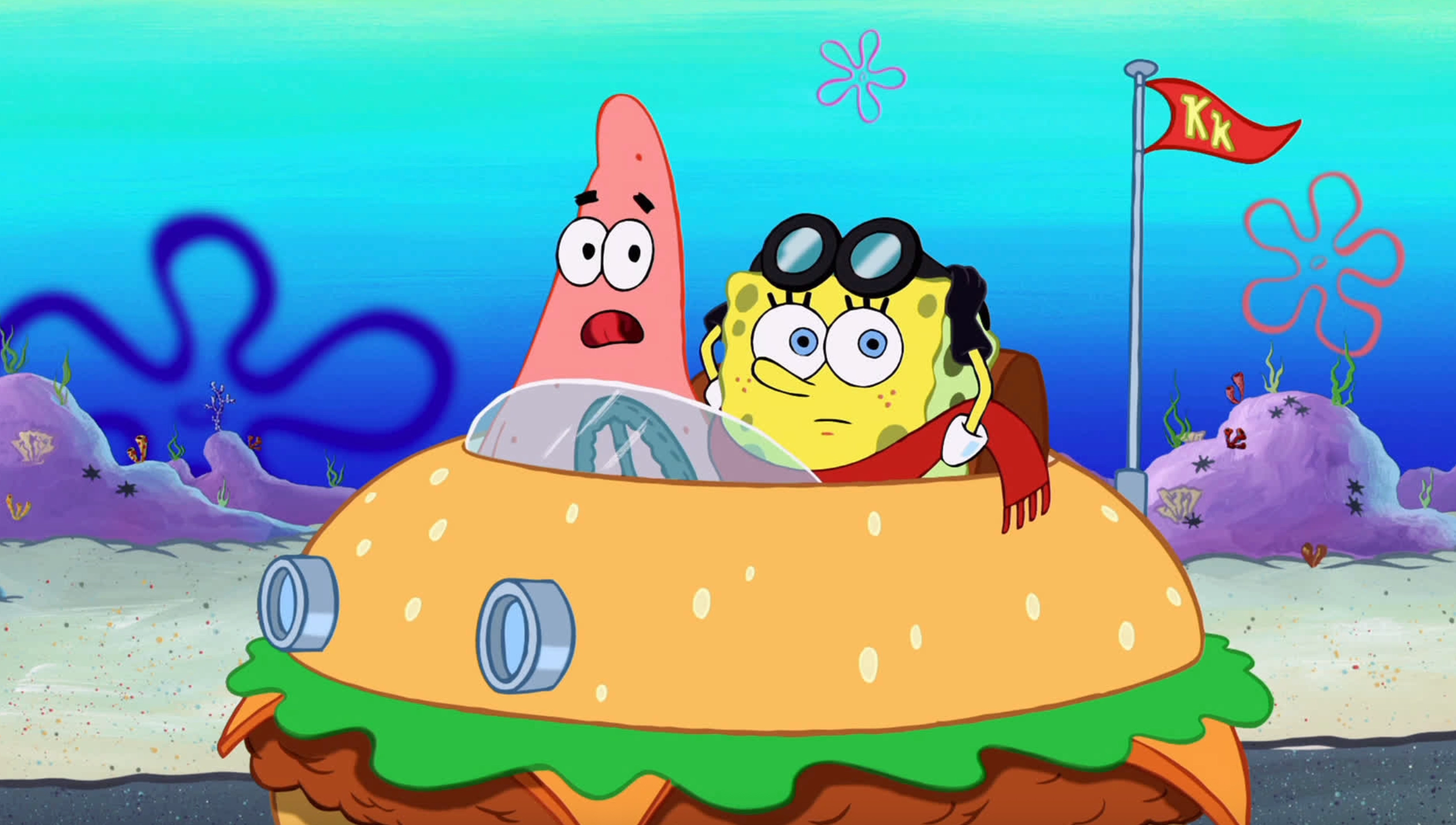
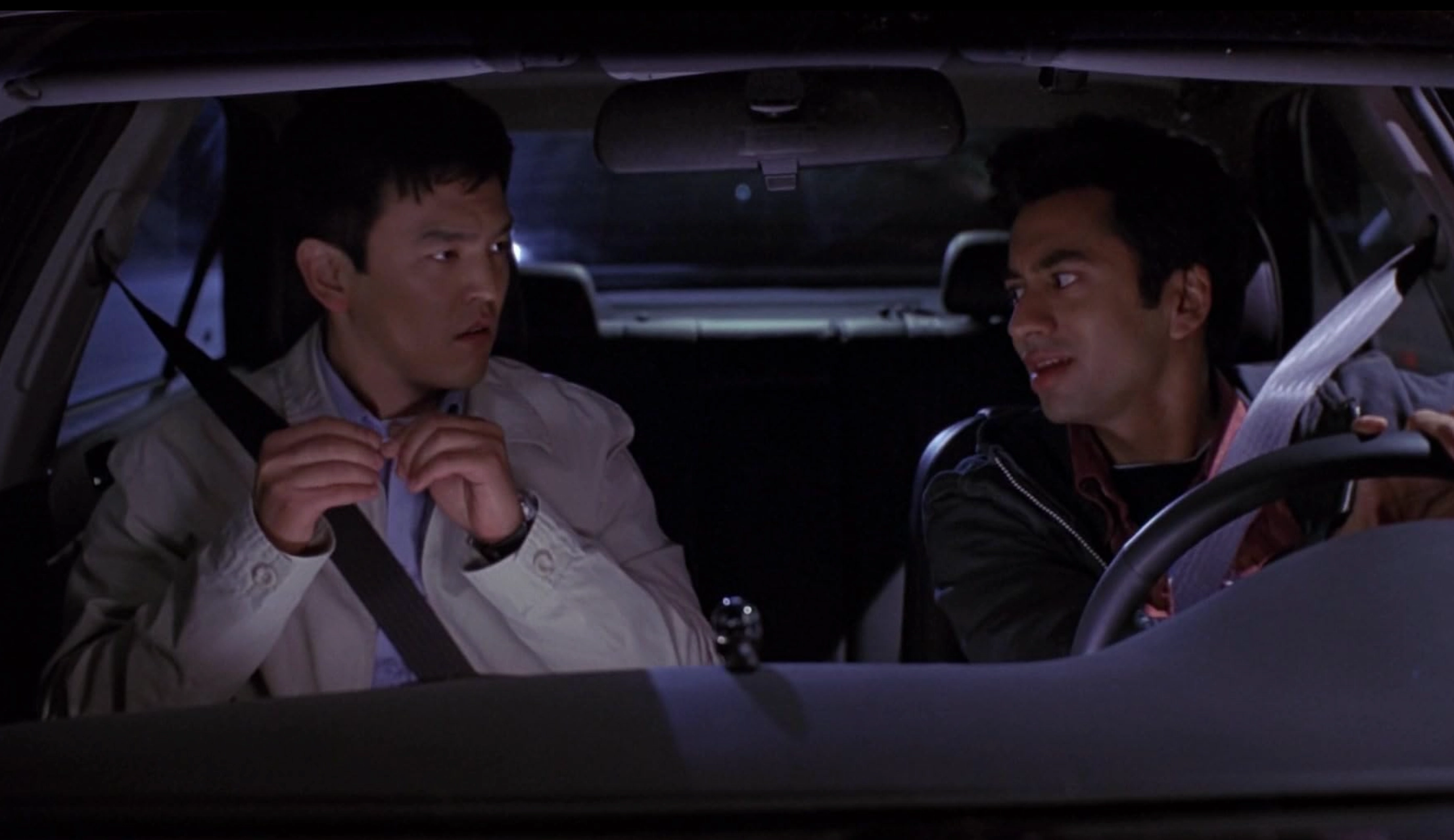
In The SpongeBob SquarePants Movie (2004), Patrick Star gets stuck in a stupor after eating an ice cream sundae the size of a car, grinning and useless while the plot waits for him to snap out of it. Homer’s men do something similar somewhere off the coast of North Africa, tasting lotus fruit and losing all interest in ever seeing Ithaca again, until Odysseus has to drag them back to the ships by force. 2,700 years later, the titular characters of Harold & Kumar Go to White Castle (2004) get derailed the same way by the promise of a burger. Nobody involved in either of these The Odyssey adaptations set out to remake this scene. That’s what makes it worth noticing.
READ ALSO: Why Fashion Keeps Returning To Ancient Greece
The Burden Of Prestige
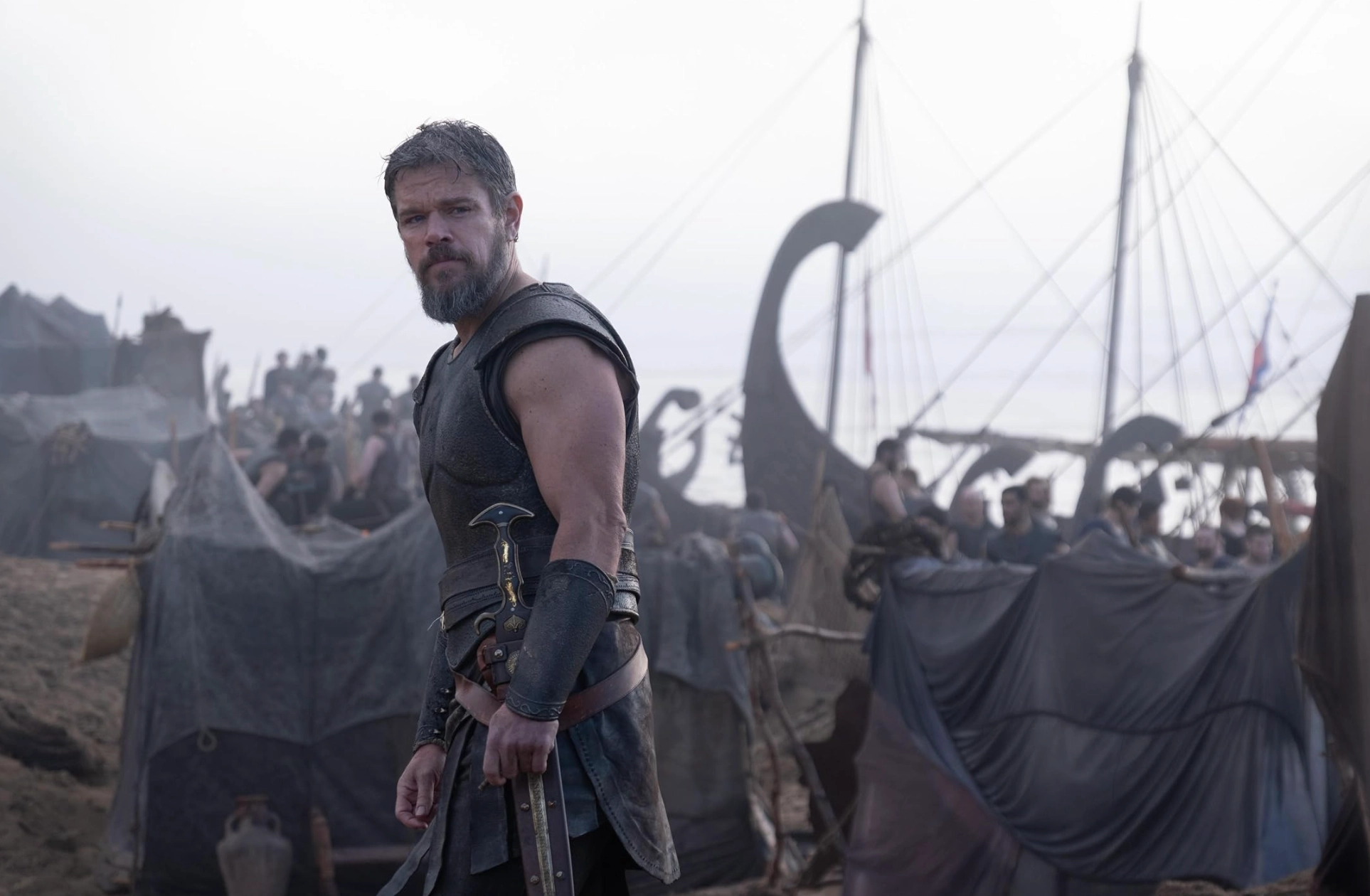
Christopher Nolan just spent $250 million and three hours of IMAX film proving he takes Homer more seriously than almost anyone alive—and he’s not wrong to. The Odyssey (2026) opened this month with Matt Damon in full jaw-clench mode, a score composed entirely from Bronze Age instruments, and a cast so stacked it reads like an Oscar ballot. It’s the kind of adaptation that gets treated as authoritative on arrival, the version people will cite when they want to talk about what the poem “really means.” Meanwhile, a cartoon sponge and two stoners looking for fast food get filed under coincidence, not engagement. That hierarchy is worth pushing on, especially now that we have a fresh, extremely expensive example of it sitting in theaters.
The Joke Inside The Homeric Epic
In the case of comedies, faithfulness to plot isn’t the same as faithfulness to spirit. One can argue that The Odyssey was never really that solemn to begin with. It’s episodic, packed with lies its hero tells and gets rewarded for, and its monsters are absurd on their face. A giant with one eye gets outsmarted by a guy claiming his name is “Nobody.” That’s not a tragedy so much as a bit, and the poem’s original audience would’ve laughed at it, out loud, the way you laugh at a bit.
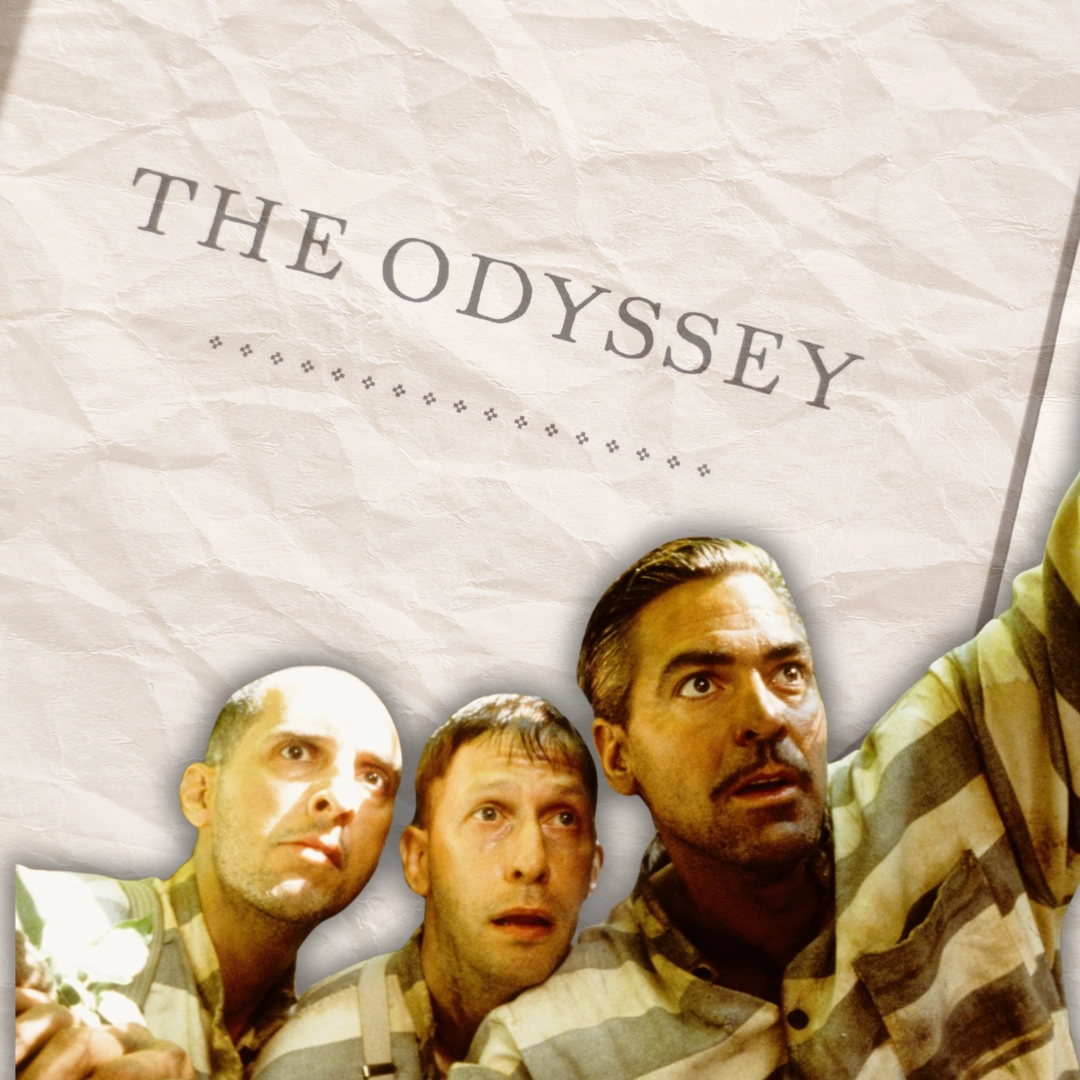
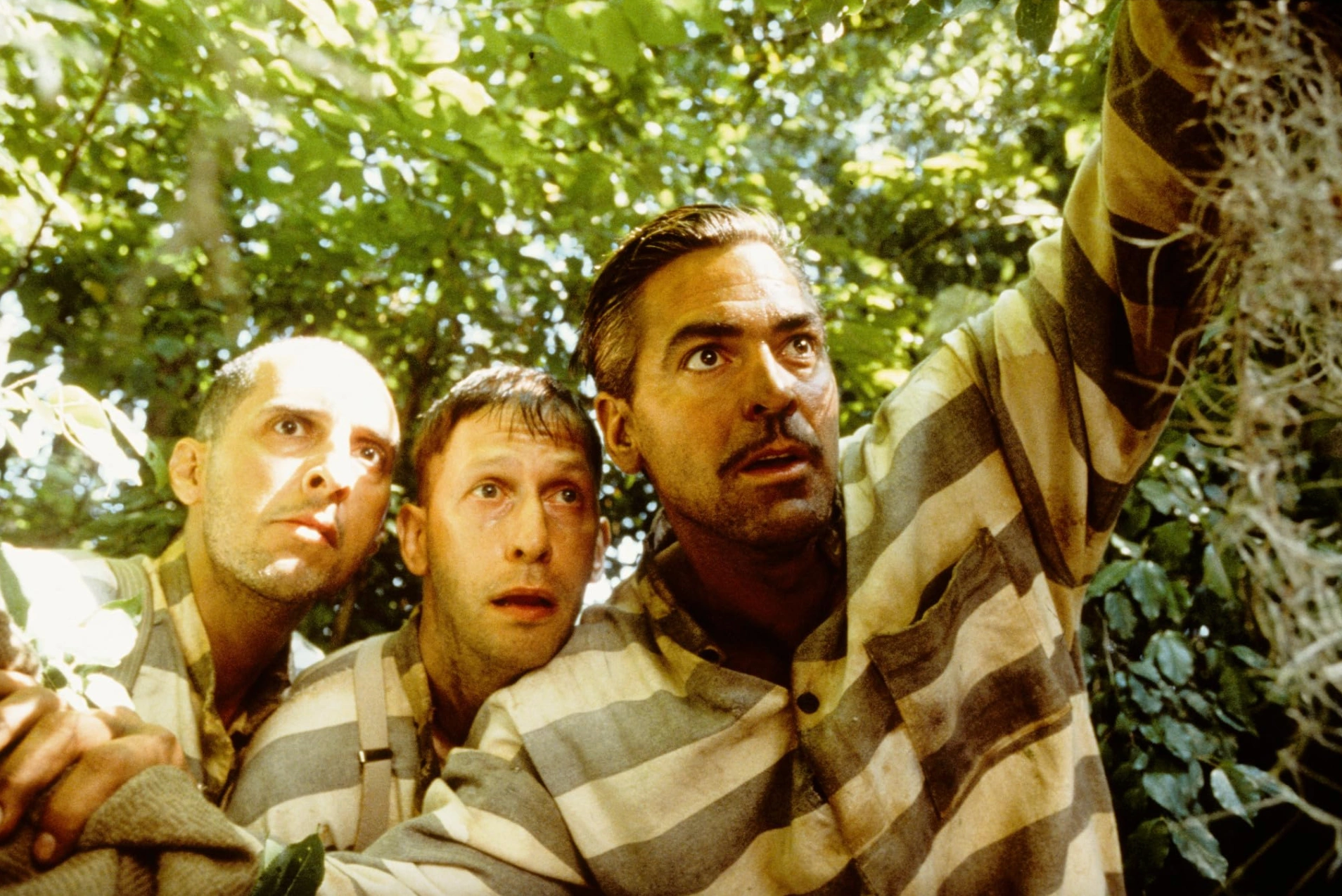
The Coen brothers made O Brother, Where Art Thou? explicitly as an Odyssey riff. There’s a one-eyed Bible salesman standing in for the Cyclops and sirens who turn out to be laundresses with a taste for moonshine. It gets cited constantly as the funny-but-legitimate entry in this canon, the one film school syllabi feel comfortable putting next to the real thing. Its legitimacy comes from the same looseness that gets SpongeBob and Harold & Kumar dismissed. The Coens understood that the poem’s comedy wasn’t an obstacle to adapting it well, but the way in.
Once you let go of the assumption that seriousness equals fidelity, the parallels in SpongeBob and Harold & Kumar stop looking accidental. Both movies run on the thrill of the detour. One incident bleeds into the next rather than building toward a single climax. It’s exactly how Homer strings his islands together.
Detours And Destiny In The Odyssey
Both fill that detour with a threat that’s more absurd than frightening, a monstrous pursuer in SpongeBob, an oversized roommate and a bigoted cop in Harold & Kumar, each one blocking the road home the way sirens and suitors block Odysseus’s. And in both, the hero gets through mostly by refusing to quit rather than by outsmarting anyone, which is a real departure from a protagonist famous for his cunning, and worth sitting with rather than smoothing over.
Nolan’s version, by every account, delivers scale and craft that neither of these films could touch. But scale isn’t the same as texture. A three-hour IMAX epic tends to streamline the poem’s shagginess into a clean three-act shape, because that’s what the format rewards, and because weirdness reads as disrespect once you’ve decided a text deserves marble treatment. Comedy never got that memo. It doesn’t carry the burden of being important, so it stays free to reproduce the actual mechanics of the myth.
Which points to a better question than the one we usually ask about adaptations. Forget whether something feels like the original; ask whether it works the way the original worked, on the people encountering it.
Frequently Asked Questions
The Odyssey is an ancient Greek epic attributed to Homer that follows Odysseus as he tries to return home to Ithaca after the Trojan War. Along the way, he encounters mythical creatures, tempting distractions, and dangerous obstacles.
An adaptation of The Odyssey is any work that retells, reimagines, or draws inspiration from Homer’s epic. Some adaptations follow the original story closely, while others borrow its themes, characters, or structure.
Many films borrow elements from The Odyssey, including long journeys, episodic storytelling, unusual obstacles, and characters trying to find their way home. These influences appear in both dramas and comedies.
Yes. Christopher Nolan’s 2026 film is a direct adaptation of Homer’s epic poem, presenting Odysseus’s journey with a large-scale cast, visual effects, and an epic cinematic approach.
Both films have shared storytelling patterns such as episodic adventures, unexpected detours, tempting distractions, strange antagonists, and a journey driven by the goal of reaching a destination.