March 27 marks an international tribute to the performing arts—and while Timothée Chalamet might not think all its forms are worth celebrating, we certainly do (and should).
In 1961, the International Theatre Institute established the annual global observance known as “World Theater Day.” Celebrated every March 27, it pays tribute to theater, all manner of practices that inform it, and, of course, the artists who sustain it. I won’t overstate the controversial sentiment Timothée Chalamet expressed in an interview with Matthew McConaughey; the performing arts community has already made its thoughts on the remark clear. Still, it warrants some mention.
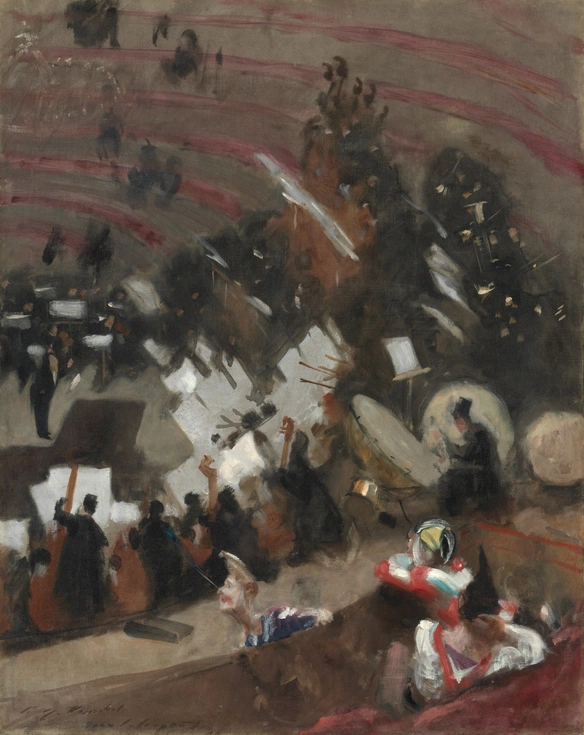
“I don’t want to be working in ballet, or opera, or things where it’s like, ‘Hey, keep this thing alive, even though, like, no one cares about this anymore,’” Chalamet says. This, of course, is far from true. While theater may not hold the same prominence in every country, cultureCultureshared traditions, beliefs, values, customs, arts, and social practices that define the identity and way of life of a community, society, or nation.Go to Culture Glossary, and generation, the performing arts continue to live on, constantly finding new ways to remind us why we return to them in the first place. Do (and should) people still care about theater? Yes, and here’s why.
READ ALSO: Should We Still Dress For The Theater?
Reasons To Love Theater
It’s A Living Piece Of History
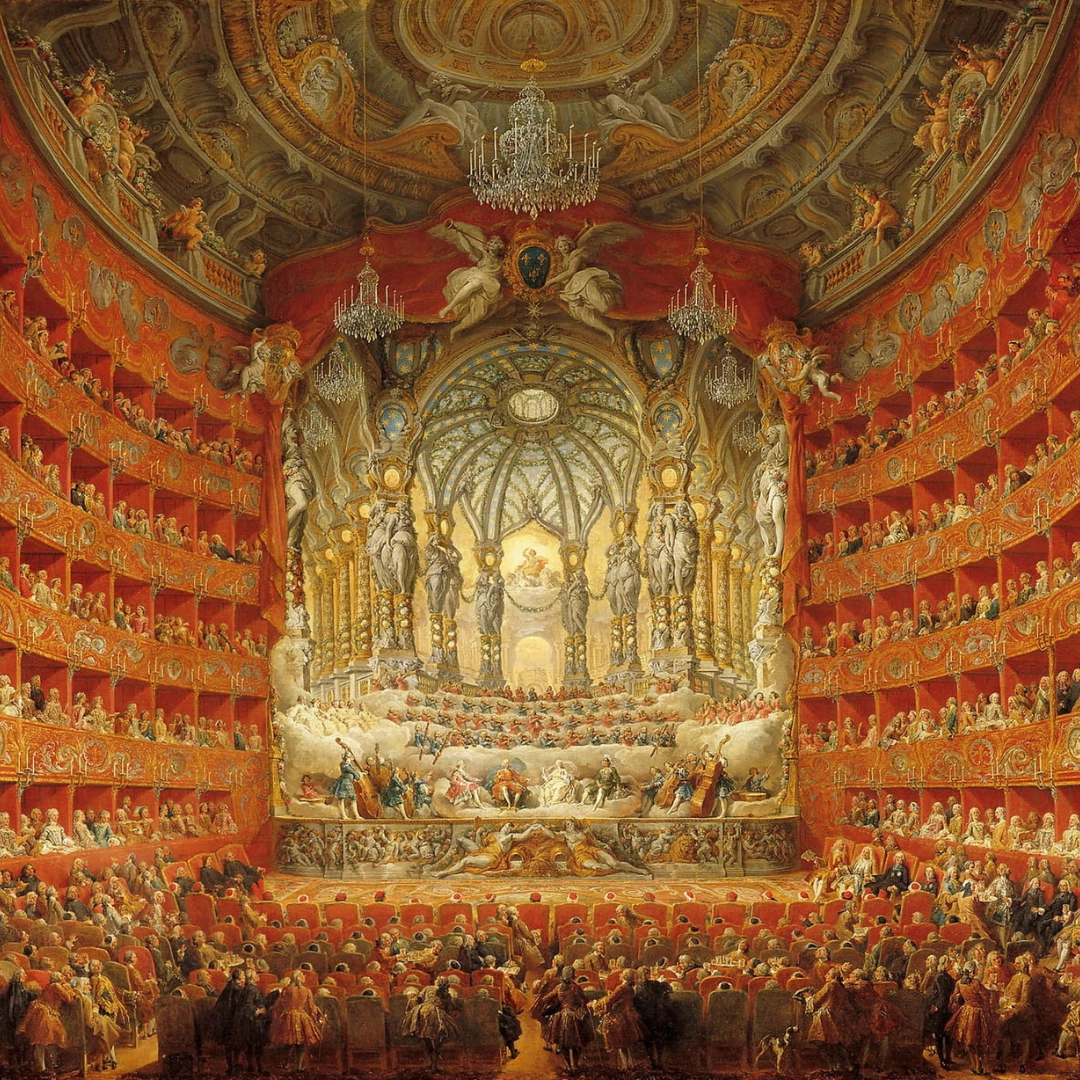
Theater is perhaps one of the oldest heirlooms we carry from our collective human history. Regardless of the origins of the performing arts as we know them today—ballet, opera, orchestra, plays, musicals, interpretive dance, and the like—what unites them is the simple idea of people engaging in a live ritual in front of others. These are art forms that trace back to traditions practiced since time immemorial, all over the world.
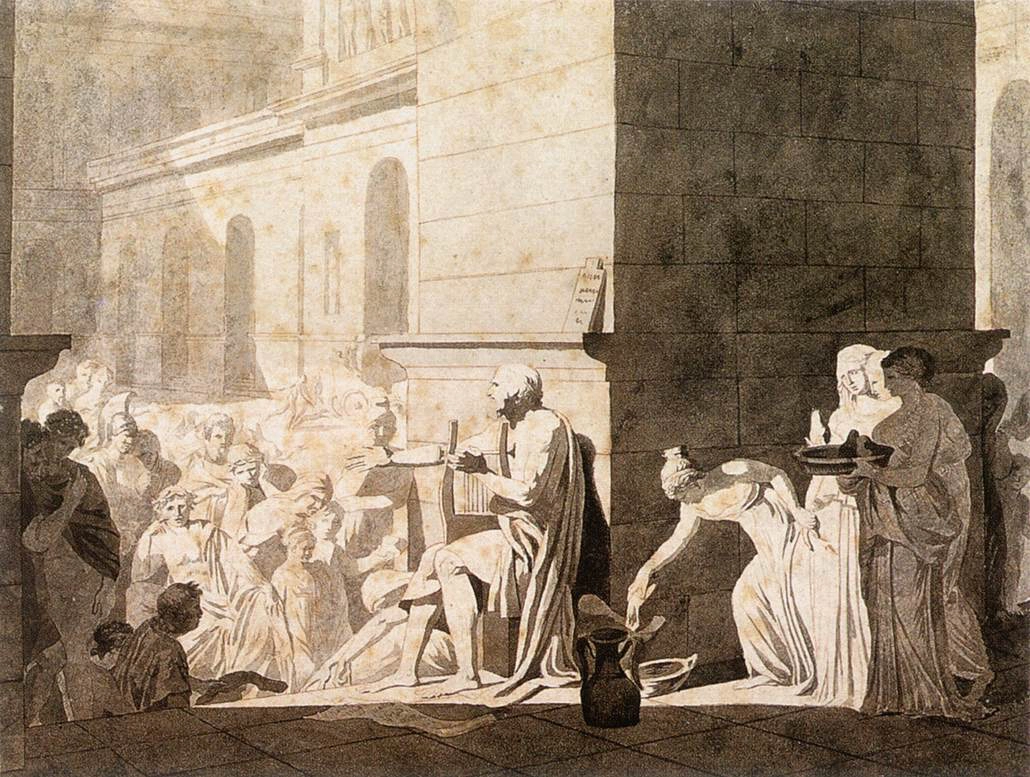
In Ancient Greece, the epic poetry we know today was once performed in amphitheaters and other public spaces by a chorus of rhapsodes or bards who sang tales of gods and heroes in mesmerizing, rhythmic chants often accompanied by instruments. Pre-colonial Philippines also had similar oral traditions across the archipelago, used to communicate everyday experiences, historical events, beliefs, and ancestral knowledge through song and dance.
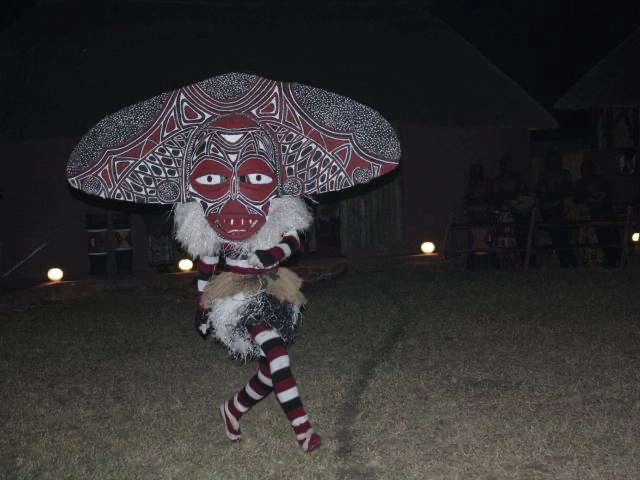
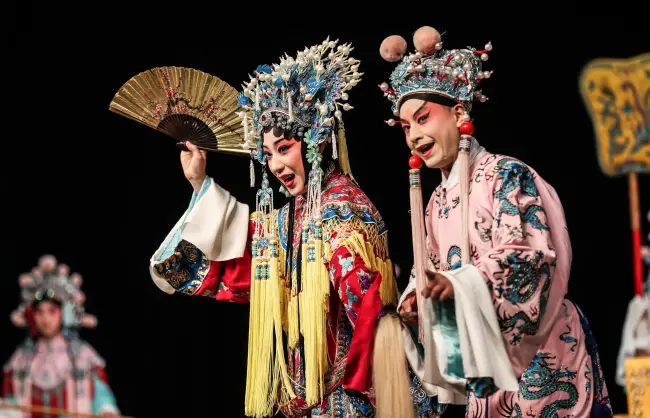
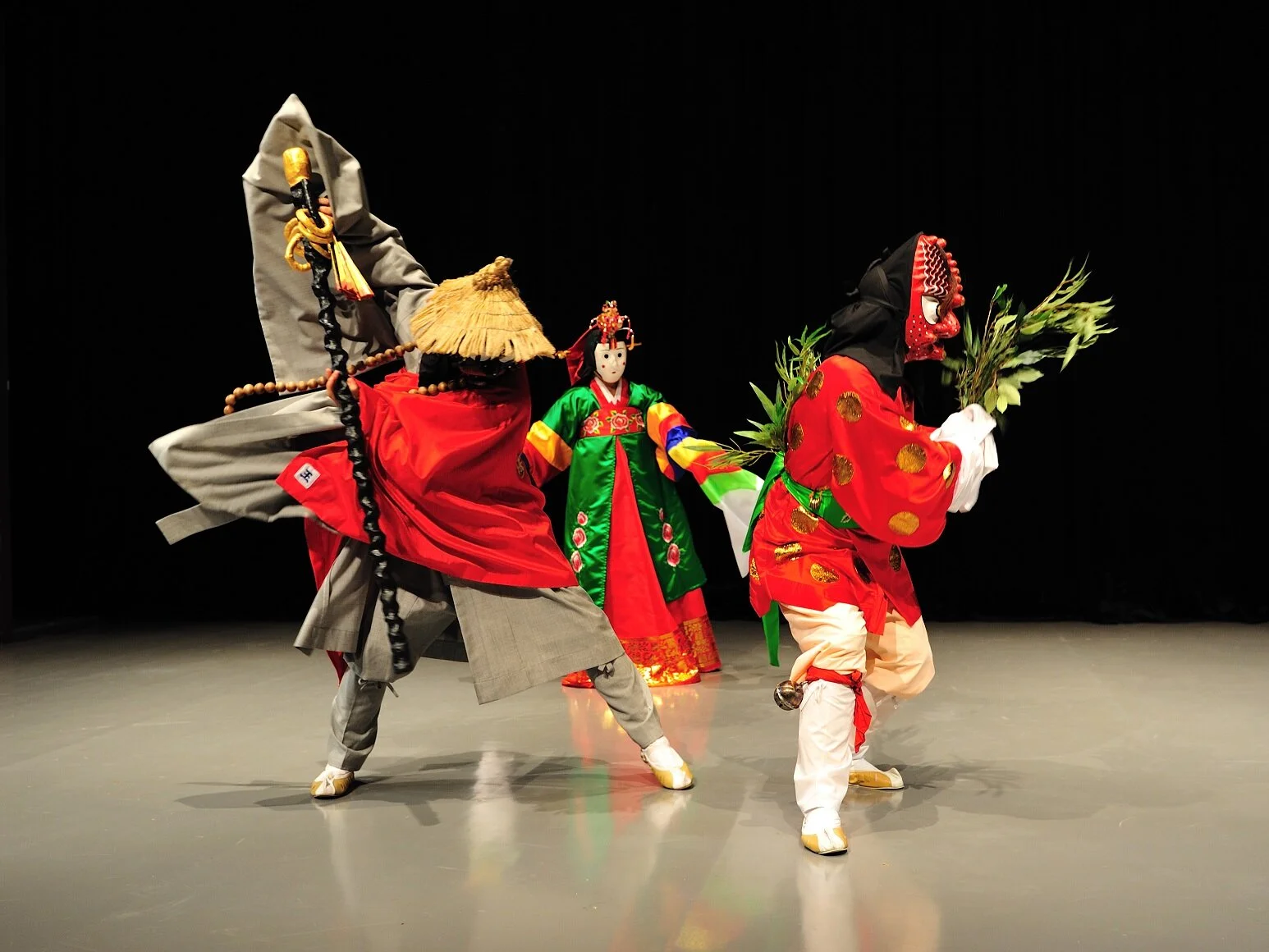
Look at other cultures, and the tale’s beating heart remains the same. There’s jingju (Peking or Beijing opera) in Chinese culture; bongsan talchum in Korean culture, composed of masked singing and dancing; across Africa, many forms of storytelling performance are practiced as integral rituals that blur the lines between audience and performer. To label them as “theater” in the European sense would be too simplistic, but nevertheless, they share an underlying thread of community, creativity, and human interaction that has survived centuries.
What comes to mind is a scene from the recent Academy Award-winning film Sinners that touched people for many reasons, one of which is the way it captures the almost universal power of the performing arts. Protagonist Sammy (Miles Caton), a blues musician of extraordinary talent, sings with a soulful finesse that summons ancestral spirits from Africa and beyond, gathering various forms of performance (ancient and contemporary) under one roof in a captivating collage of breathless artistry.
All this to say, the performing arts culminate into a kind of wondrous, mystical force that stretches across time and space; what moved our ancestors then still moves us now, sometimes in the same ways through timeless themes and immaculate execution, sometimes differently as new generations create works that speak to a modern zeitgeist. It remains an inherently human kind of magic that can’t be replicated, which brings me to the next point.
Made By Humans, For Humans
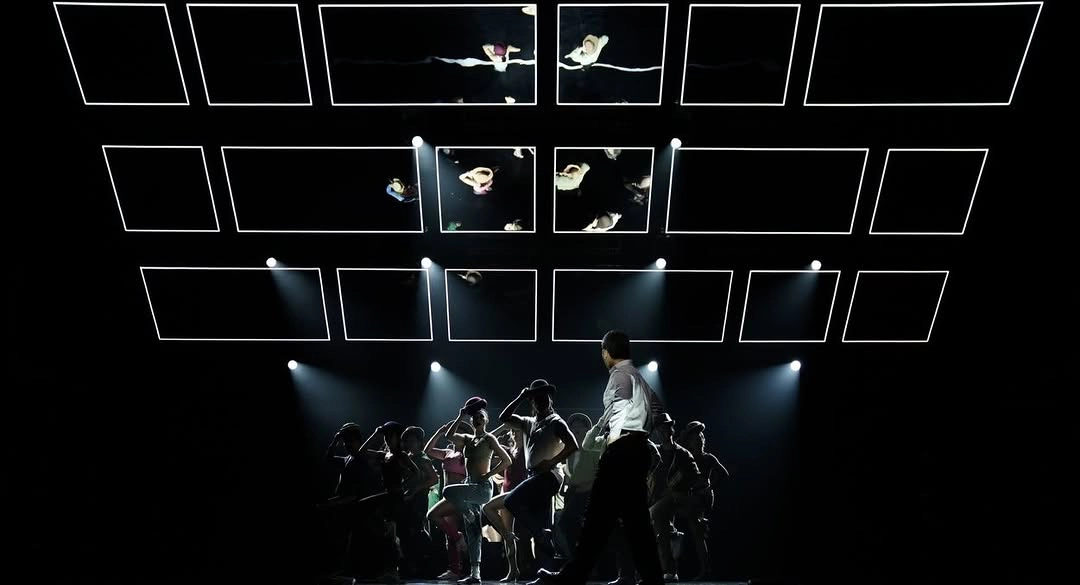
Live theater or the performing arts are what many refer to as the “last bastion” of the truly human. Now, let’s unpack that rather weighty statement. This isn’t to say other art forms aren’t significant in this sense. In fact, now more than ever, all human-made (emphasis on human) art is something we need to keep alive. And, let’s be honest, AI has already touched every practice, including theater, through scriptwriting, intelligent lighting, and set designs, as Nikkole Salter points out in an article for Howard Magazine.
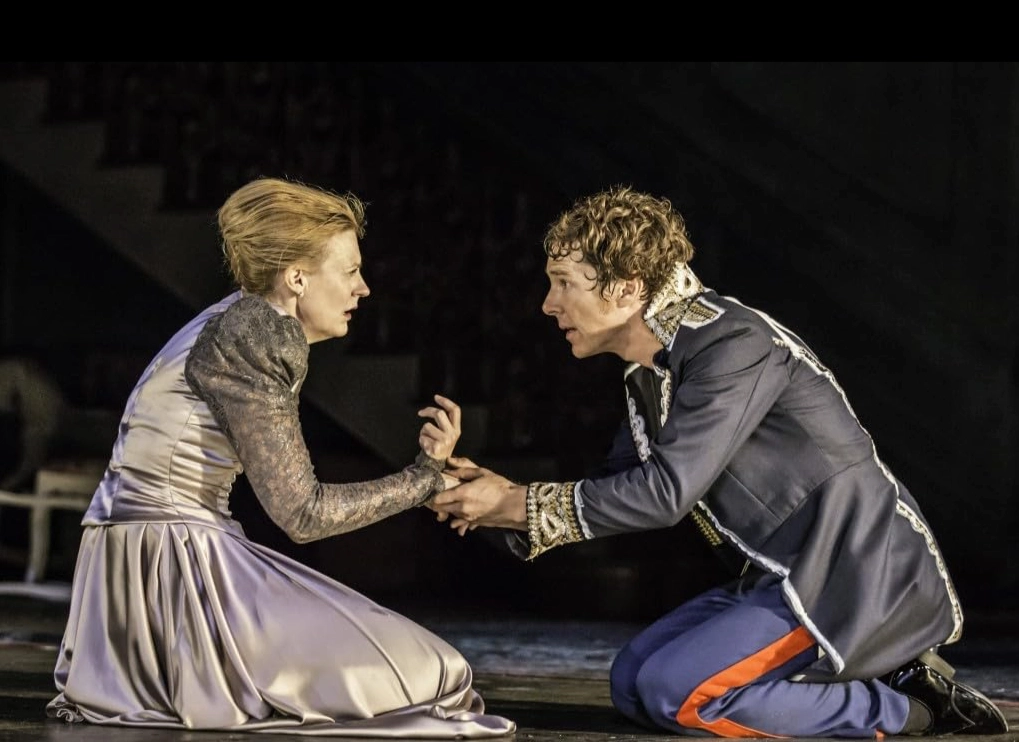
However, of all artistic practices, live performance remains one of the hardest for AI to fully replicate. (Not saying it’s impossible; we’ve all seen films depicting a future of advanced cyborgs, but god forbid it comes to that.) What I mean is, for now, technology can’t even approximate the techniques, emotion, and sheer presence that living, breathing performers and artists bring to the stage.
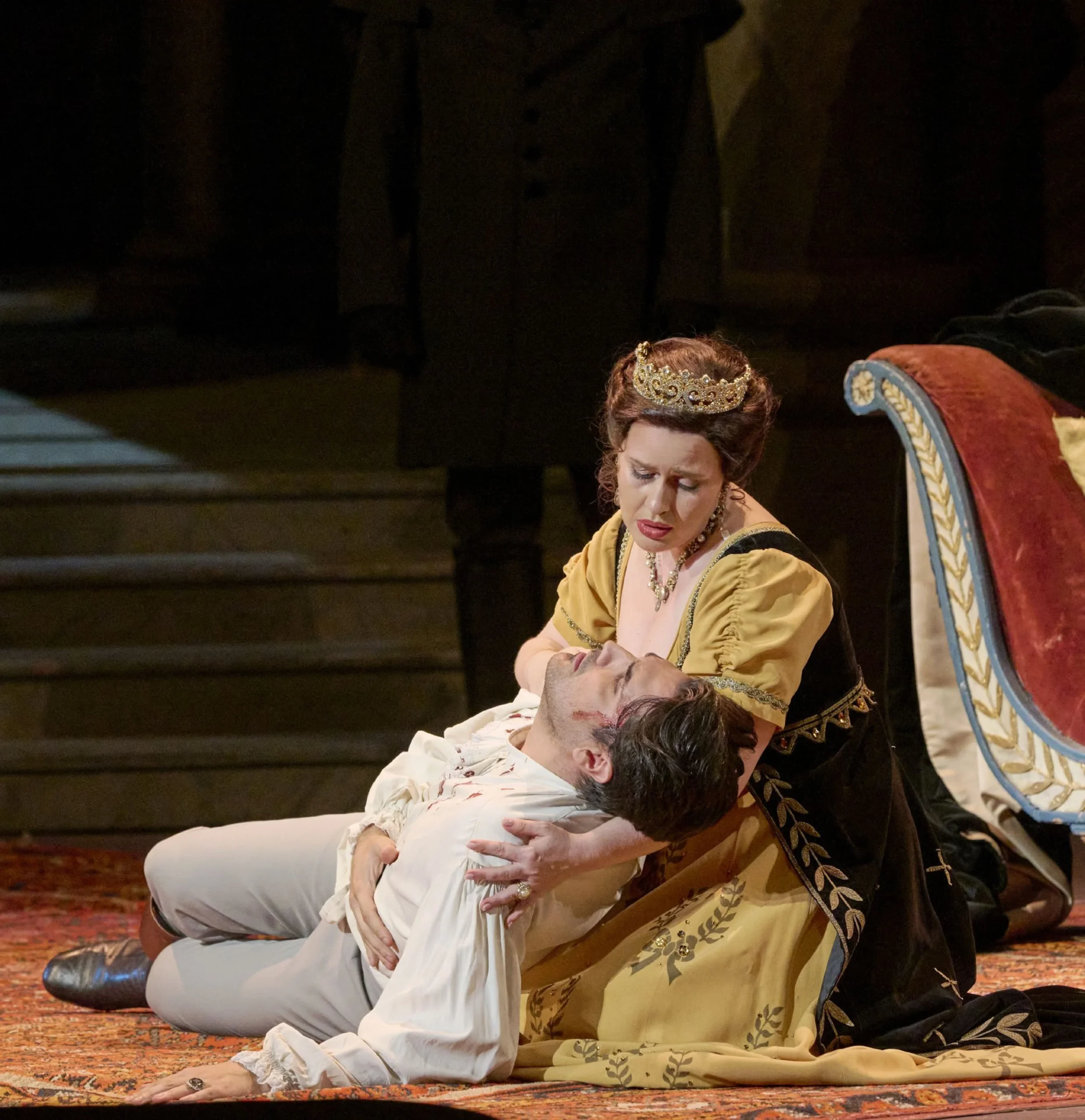
When you watch a live orchestra or singers, you know each musician has gone through years of blood, sweat, and tears to create the sounds that stir us. Dancers break their bodies in different ways through rigorous training schedules and highly demanding physical feats that make them elite athletes on top of being artists. Actors and actresses memorize thousands of lines and undergo metamorphosis regularly, and while their performances seem effortless, the amount of research, rehearsal, and decision-making that goes into every word and facial expression is incomparable.
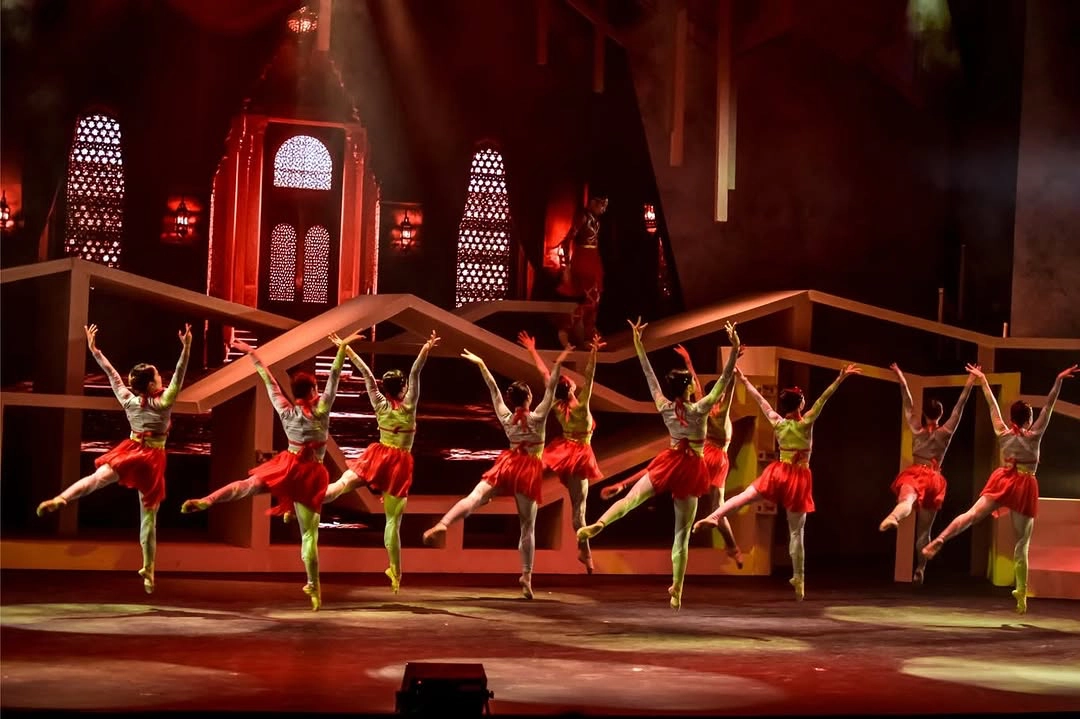
This doesn’t even begin to touch upon the efforts of artists behind set designs, lighting, practical effects, and props, many of whom spend countless hours creating pieces and environments that suspend disbelief, because you can’t actually edit or green screen what you see on stage. What you get are some of the most inventive hybrids of art and engineering you’ll ever see.
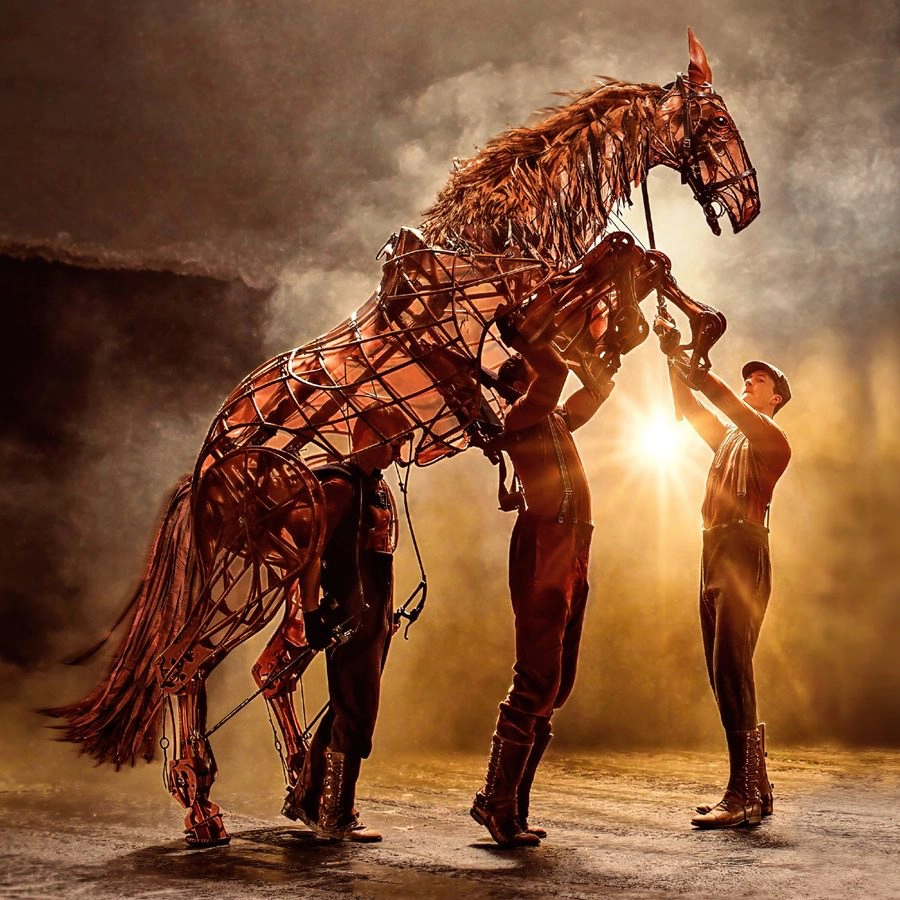
When you watch a live performance, very rarely do you call into question its human nature. It is human, a microcosm of the flaws, triumphs, creativity, and ingenuity that we carry with us, even if we don’t notice every single detail or narrative behind a work’s existence.
READ ALSO: Hear The People Sing: The Cast Of Les Misérables Paint Their Own Portraits
Taste Life Twice, But Never In The Same Way
Writer Anaïs Nin once stated, “We write to taste life twice, in the moment and in retrospection,” and it’s an idea that actually applies to many art forms, including live performance. Theater draws from memories, events, ideas, and emotions once lived, transforming them into music, movement, and dialogue—yet these expressions are never repeated in exactly the same way. They’re a product of life itself.
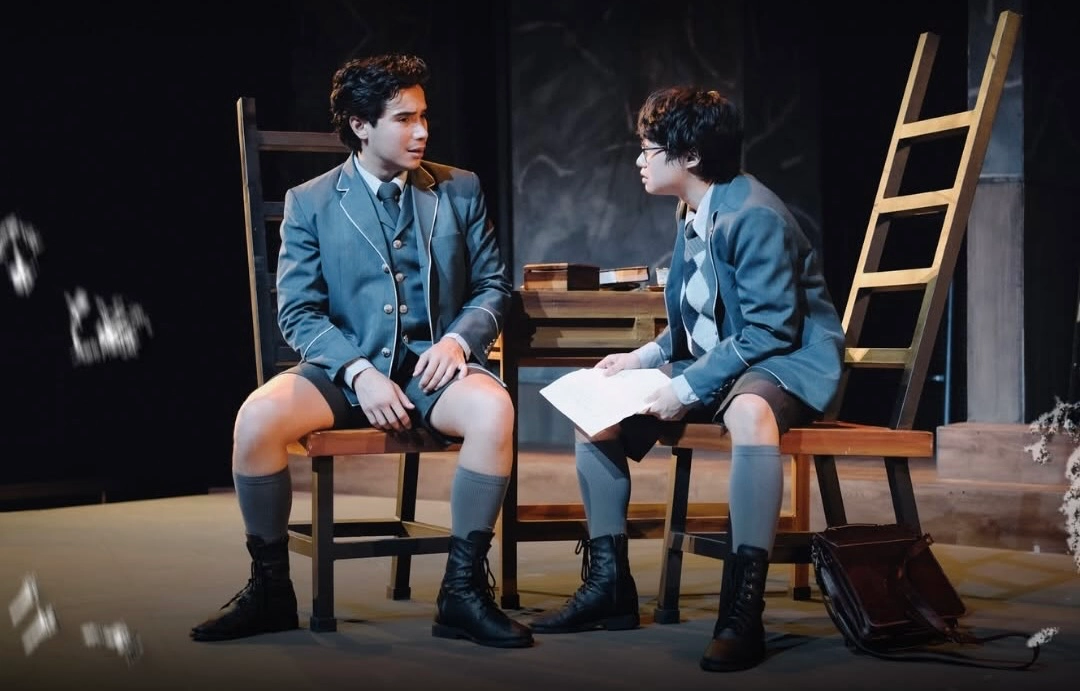
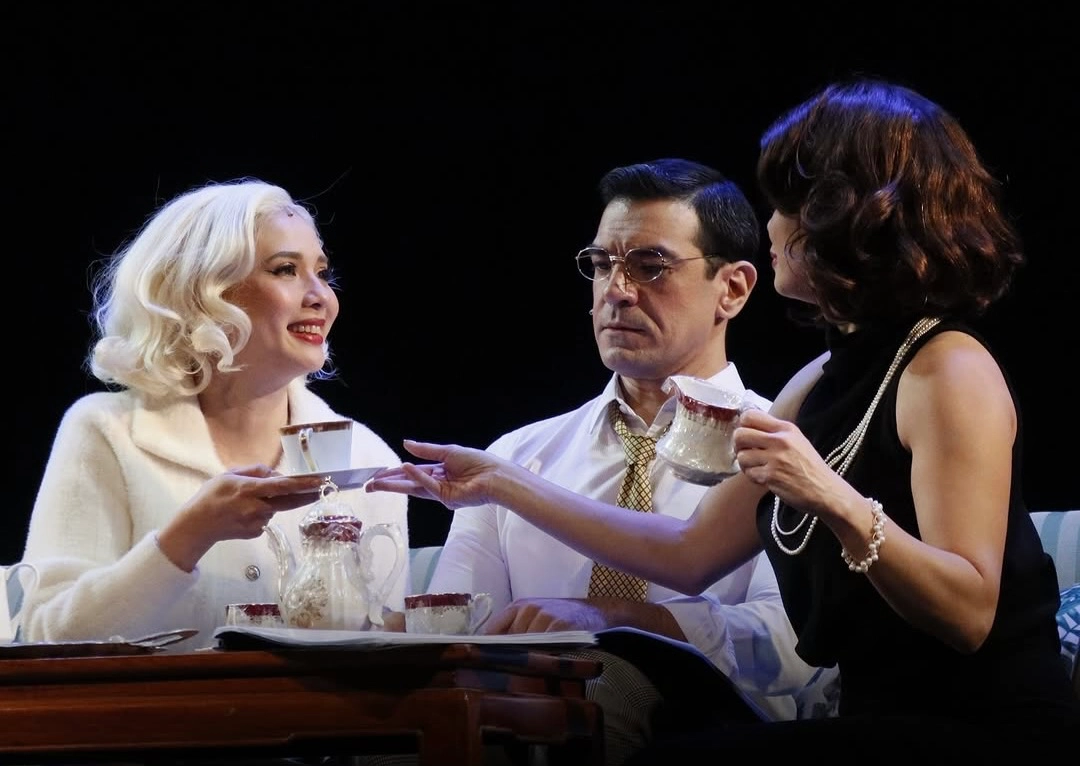
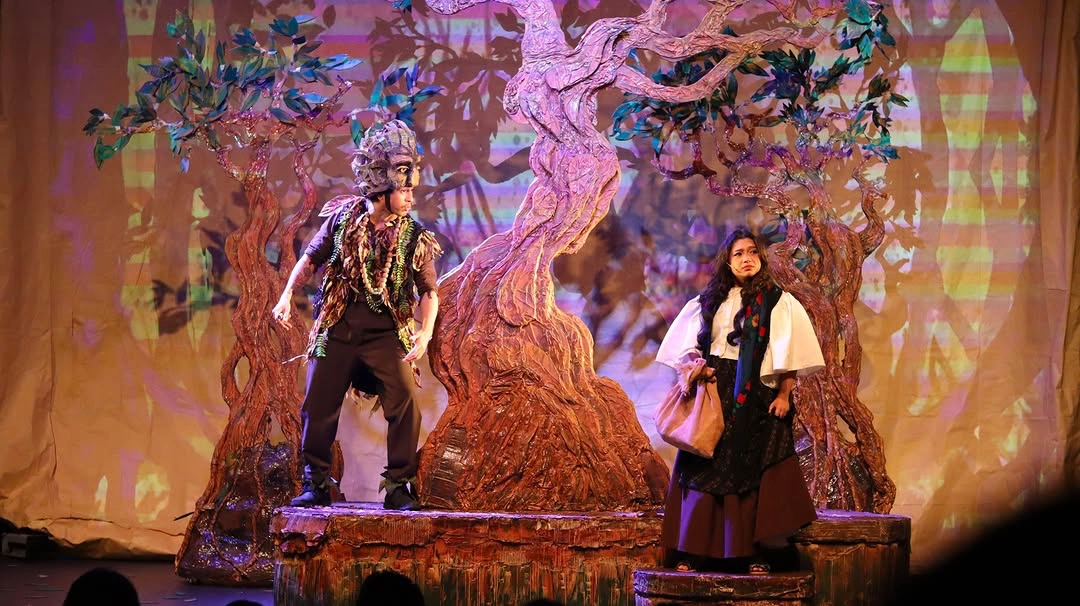
A performer won’t be the same person they were the night before, and they won’t deliver a line exactly as they did two shows ago. A musician’s touch on their violin shifts subtly from week to week, and a dancer’s leaps and spins, while technically impeccable, are never mechanically identical (they are, blissfully, not machines).
Life is precious because it’s ephemeral. We make the most of it, which is to say, we live in the moment, while it’s there; in more ways than one, theater is exactly this. As much as it preserves tradition, it also teaches us to appreciate change.
The Evolution And Progression Of Theater
On the topic of change, theater itself has been evolving around the world. Chalamet’s statement, while tone-deaf, did arise from certain issues that’ve been brought up over the past few years, mostly in regard to accessibility: high ticket prices, distant venues, and misconceptions make the performing arts feel more intimidating than they are.
Like anything that survives, theater has had to adapt. Live streaming or recording performances is now common practice. While these can’t fully replicate the wonder of seeing a production in person, they offer audiences the chance to experience works they might otherwise miss. For example, the Cultural Center of the Philippines regularly screens productions from London’s National Theatre in local cinemas. The institution has also been a pillar for programs that cultivate and support the future of the country’s performing arts scene, including artist residencies; grants; and their Virgin Labfest, an annual festival that workshops and stages new, unpublished plays. Meanwhile, many local theater companies have kept ticket prices quite accessible, giving more Filipinos the opportunity to witness and celebrate the country’s rich performing arts scene.
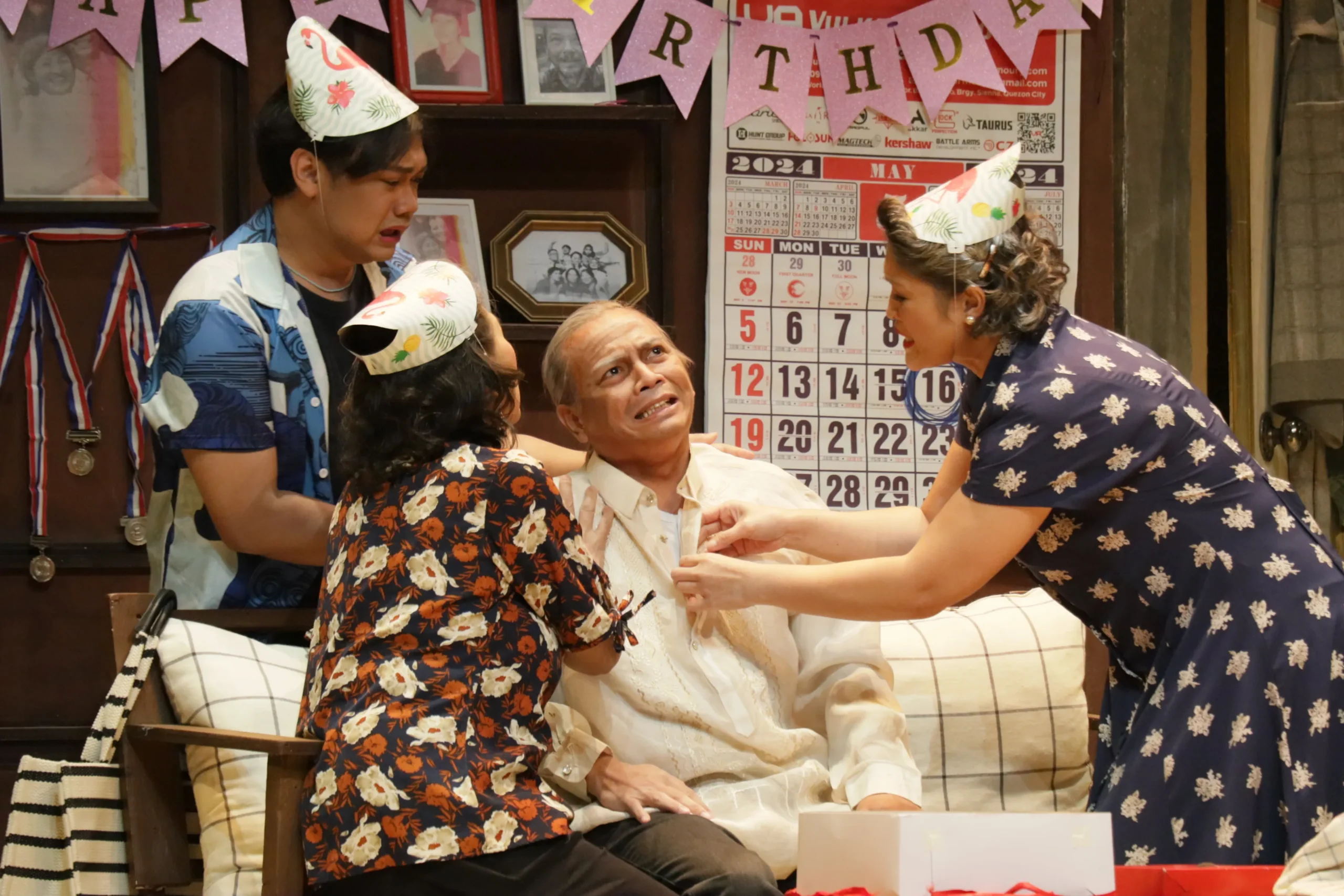
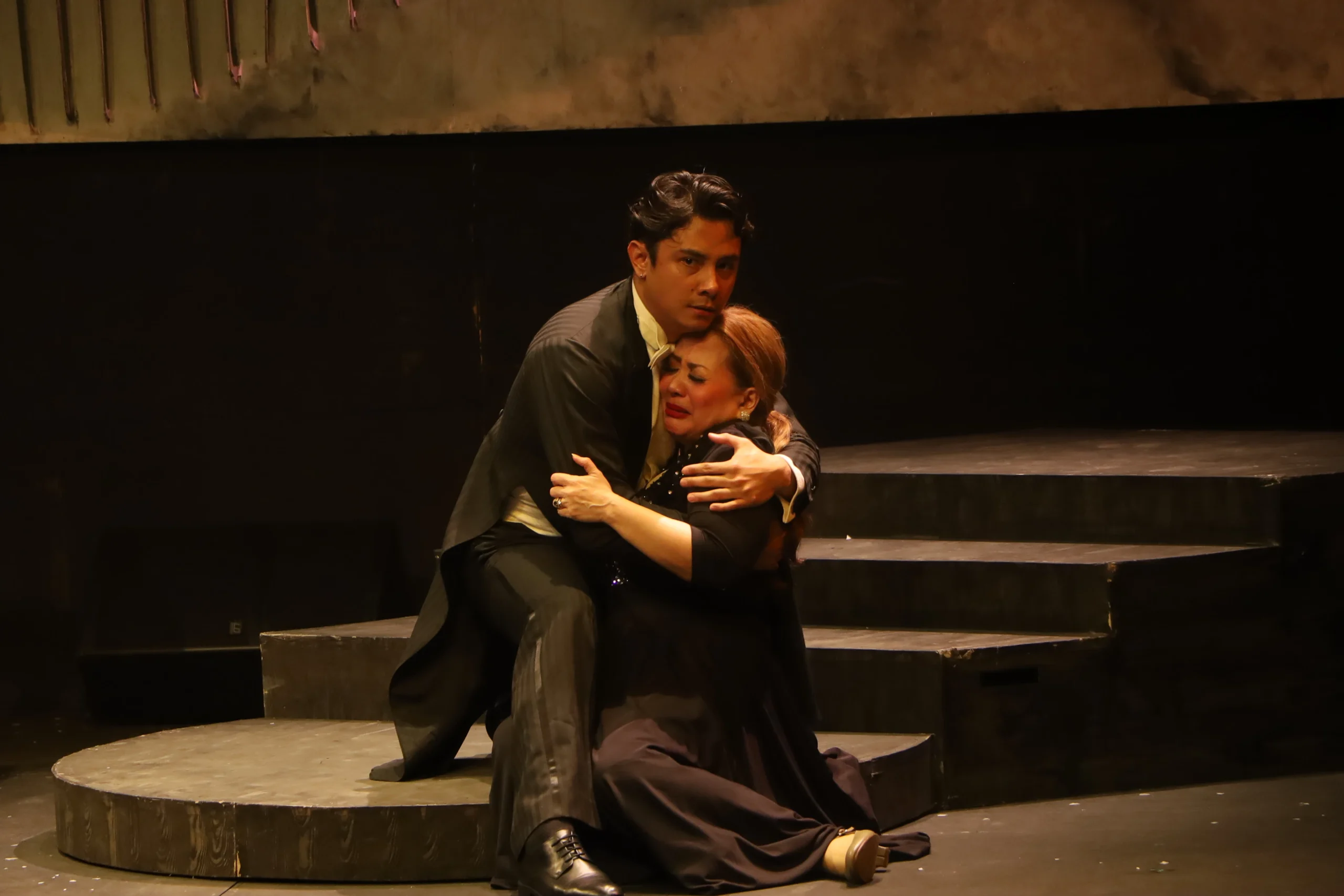
We can’t convince everyone to find value in theater, and honestly, it might not be for everyone. But as a community, we can create spaces that give audiences the chance to experience it. Whether they choose to appreciate it is up to them, though we can hope they’ll recognize the beauty and necessity of it, as all those who came before us have.
Why do we agree to sit in a darkened space and watch our fellow humans perform on stage? Because it’s not only entertainment or storytelling, but a homage to who we are and an affirmation of what we’re capable of. In an AI-infested milieu where these things are constantly put into question, that expression of dignity matters now more than ever.
Frequently Asked Questions
World Theater Day, established in 1961 by the International Theatre Institute, is observed every March 27 to honor theater, its many forms, and the artists who sustain the performing arts around the world.
Yes. Despite claims that forms like ballet or opera are no longer widely appreciated, the performing arts continue to evolve and resonate across cultures and generations, constantly finding new ways to connect with audiences.
Theater is a live, human-centered experience that cannot be fully replicated by technology. Each performance is shaped by the performers’ presence, training, and emotion, making every show distinct and deeply rooted in human expression.
Theater has evolved through initiatives like live streaming and recorded performances, making productions more accessible. Institutions like the Cultural Center of the Philippines and programs such as Virgin Labfest also support new works and emerging artists while keeping local theater accessible to wider audiences.
To counter high ticket prices and venue limitations, theater institutions utilize high-definition digital broadcasting. Programs like National Theatre Live—screened locally through collaborations with the Cultural Center of the Philippines—allow regional audiences to experience premier global stage productions within standard local cinemas, lowering historical economic barriers to fine art.