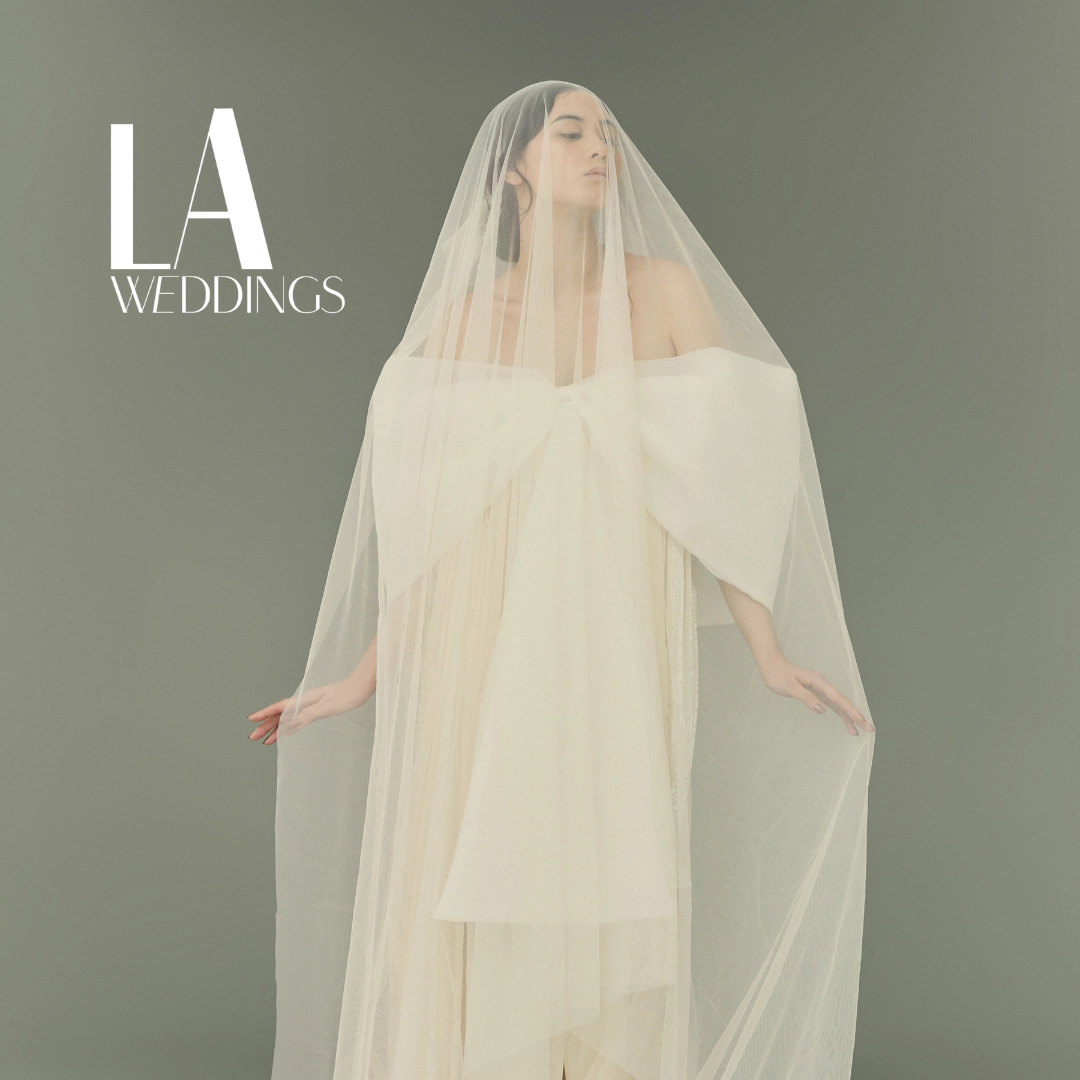
Before choosing a veil, it helps to understand how each shape, length, and construction works with a wedding gown.
A wedding dress tends to get all the attention in the run-up to the big day, but the bridal veil does the work of finishing the picture. Choosing a veil starts with understanding what each shape actually does to the overall look.
READ ALSO: Unique Ways To Propose Besides Gifting An Engagement Ring
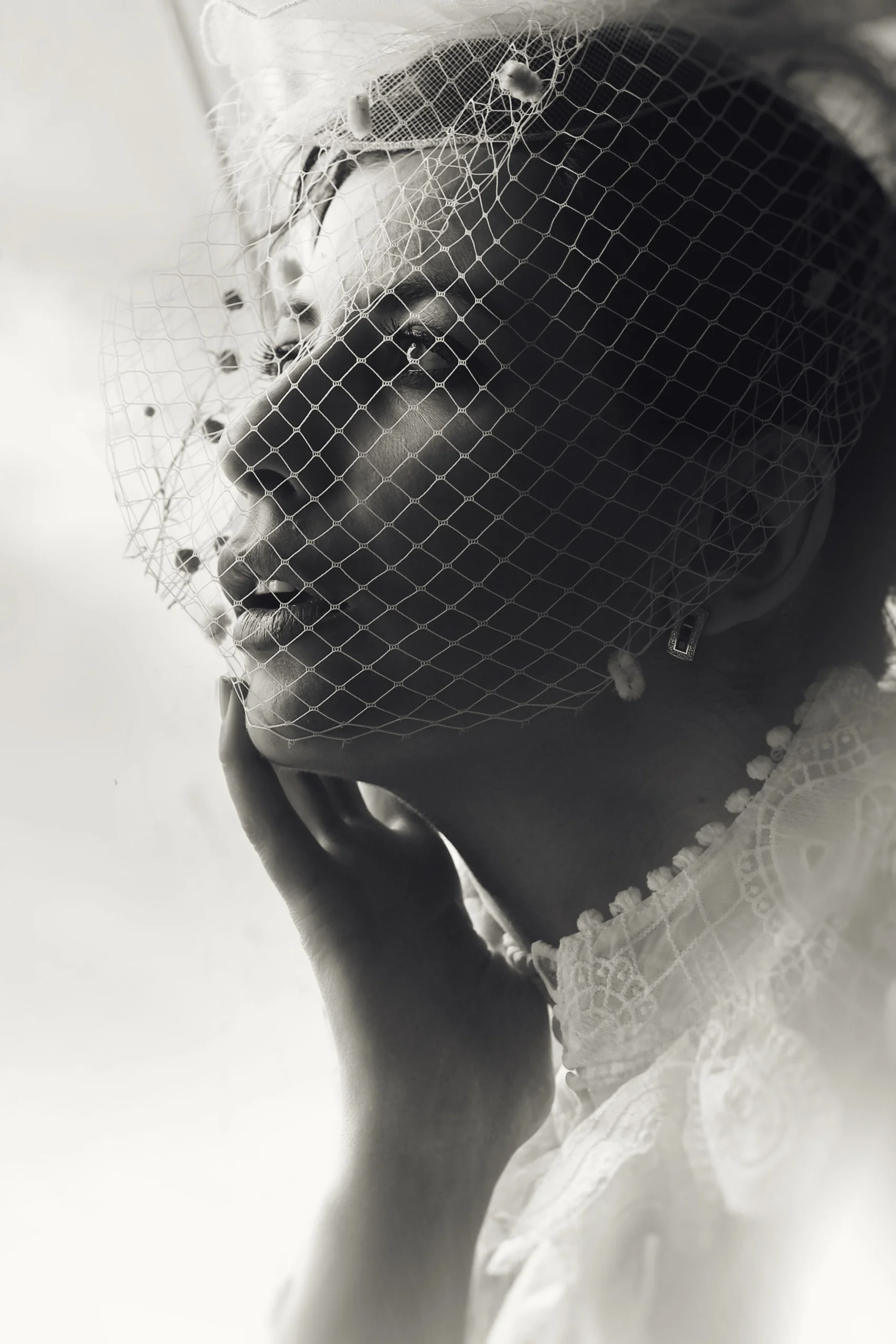
The Birdcage Veil
This veil sits at the shortest end of the spectrum, cut from fine netting or French tulle and pinned to fall just below the nose or across the eyes. It traces back to the 1940s, when wartime fabric shortages in both France and the United States forced brides toward shorter, more practical styles, and it has kept its foothold ever since as the pick for a bride who wants some drama without much fuss.
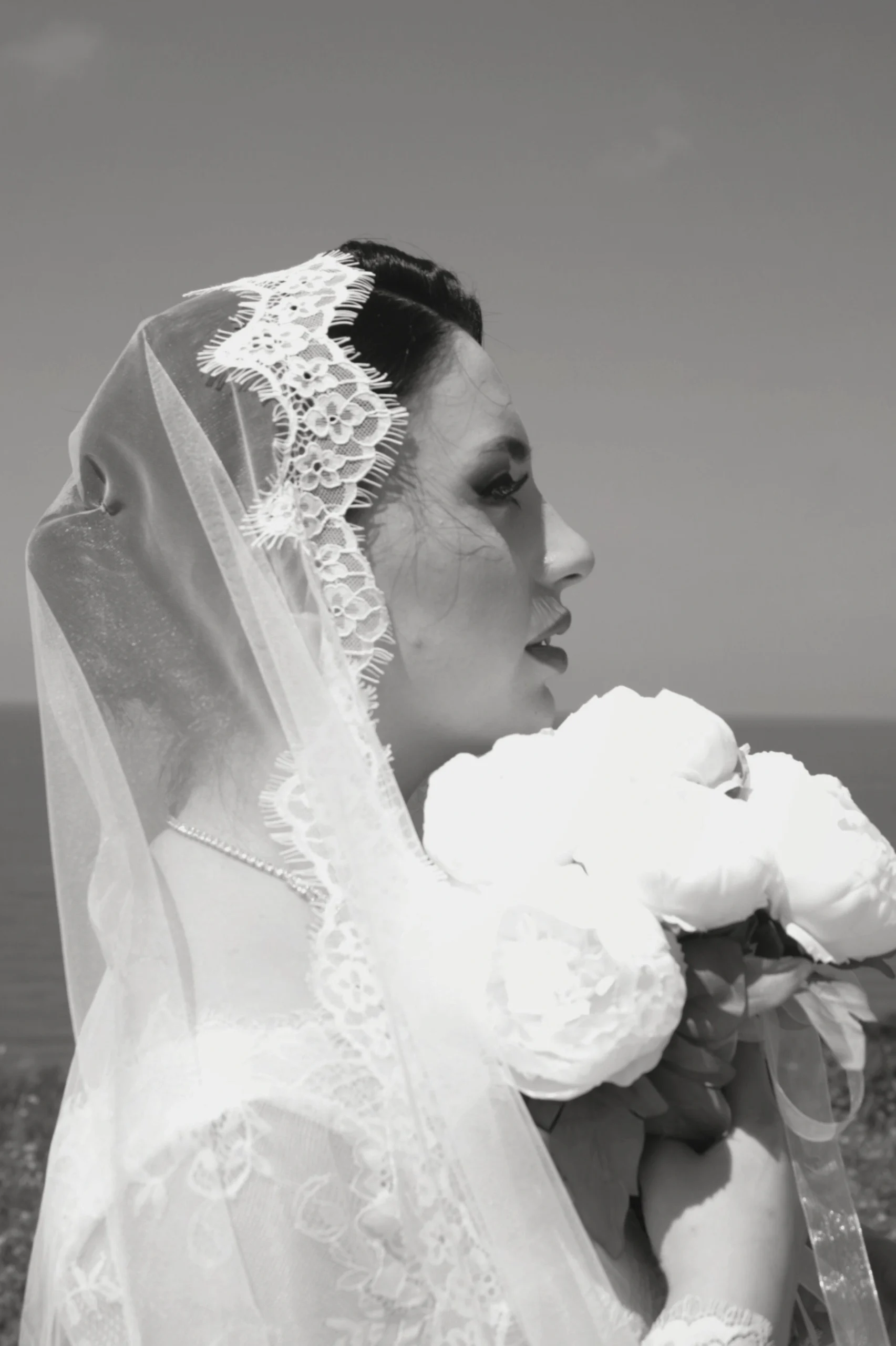
The Mantilla Veil
The mantilla veil takes its shape from Spain, where it developed in the 17th century alongside the country’s fine lace-making tradition. A circular cut and a wide lace border define it, and a bride secures it close to the head with a comb or pins so that the lace can frame her face and drape over her shoulders the way it was designed to. Loose waves or a low updo let the mantilla fall properly, since a tight bun or a sleek chignon fights against its natural line. The result carries an old-world formality that few other veil shapes can match.
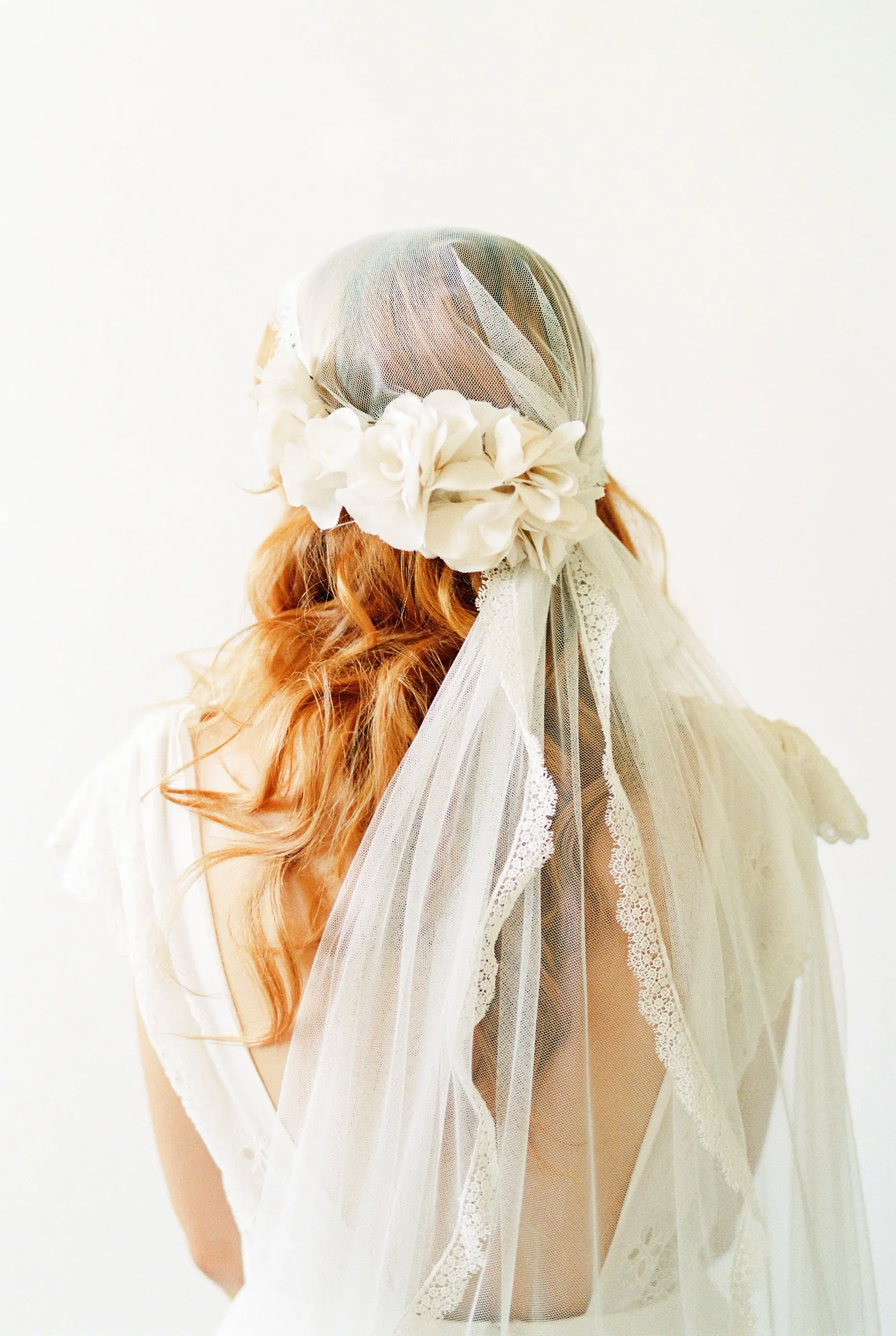
The Juliet Cap
This veil, by contrast, sits directly on the crown of the head, fixed around a small fitted cap usually finished in lace, embroidery, or pearls, with sheer fabric cascading down from it. Actors popularized the shape in early stagings of Romeo and Juliet, and it took hold as bridal fashion through the 1920s and ‘30s before resurfacing on brides like Grace Kelly, Jackie Kennedy Onassis, and Kate Moss. Its close fit gives it a bohemian, faintly vintage quality that works magically over romantic, lace-heavy gowns.
The Drop Veil
The drop veil lies flat against the head instead of gathering at a comb, so it shows off the back of a dress. It has become the choice for anyone who wants a veil that looks clean and modern rather than voluminous. This is the panel a groom lifts at the altar, or a bride folds back herself once the ceremony ends, and nearly any veil length can carry one as an added front layer.
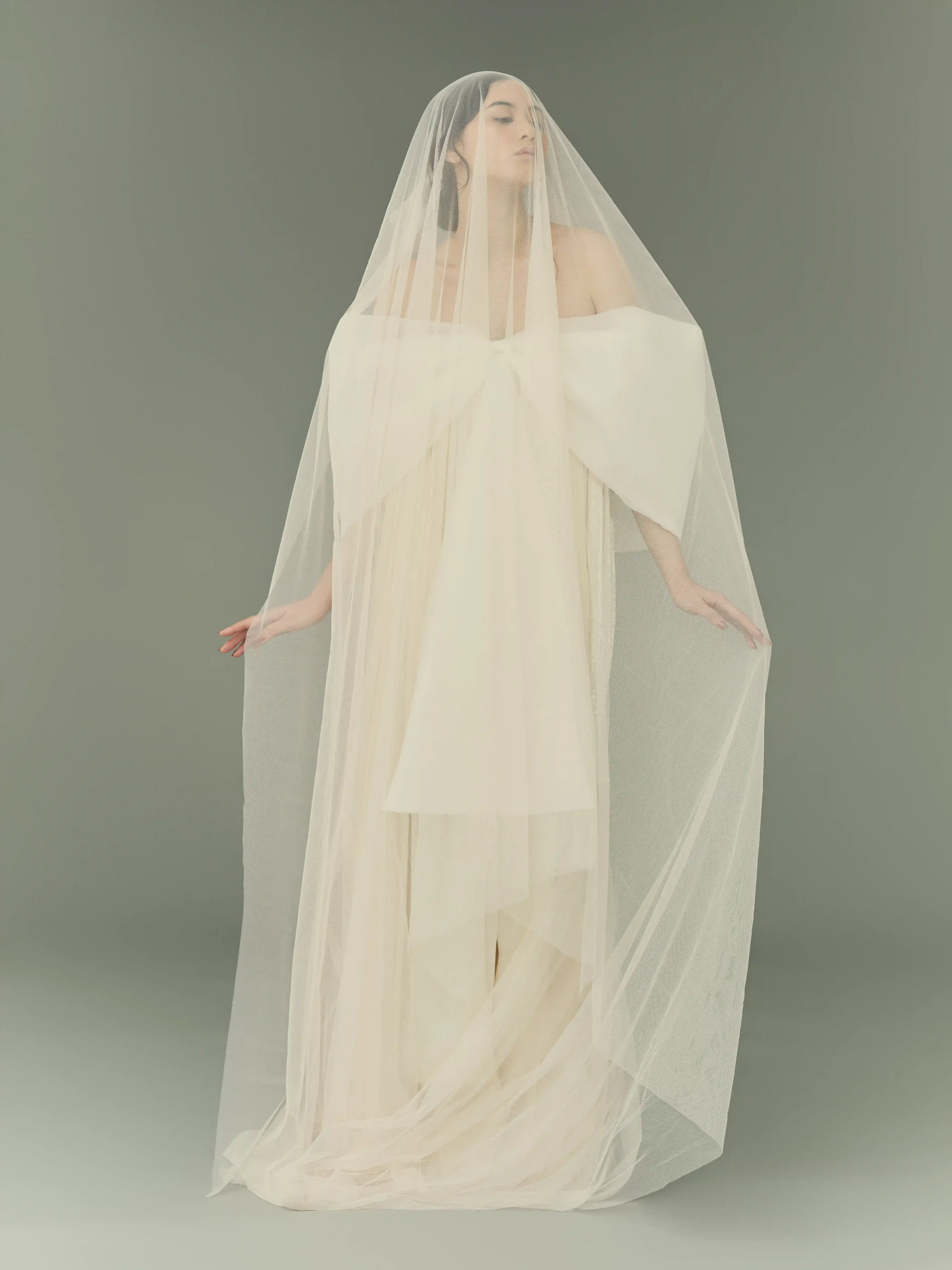
The Wedding Veil Rule Of Thumb
Shorter dresses call for shorter veils, and gowns with a train look best under chapel or cathedral lengths, since those styles are cut to extend past the train and spread out behind the bride for photographs. Fingertip length splits the difference and flatters nearly any silhouette, which explains why stylists and brides alike return to it more than any other length.
Shopping for the right veil takes some patience, though, since the industry has never quite agreed on its own terms. Treat every measurement as a guide rather than a guarantee, and of course, try the veil on before deciding.
Banner photo courtesy of Vestido
Frequently Asked Questions
Common wedding veil styles include the birdcage, mantilla, Juliet cap, and drop veil. They differ in length, shape, placement, and how they complement a wedding dress.
The mantilla and Juliet cap both have historical roots and a vintage character. The mantilla is associated with Spain and lace-making, while the Juliet cap became popular in the 1920s and ’30s.
The birdcage and drop veil can create a cleaner, more contemporary bridal look. The birdcage adds drama through its short length, while the drop veil lies flat against the head without creating much volume.
Shorter dresses generally pair with shorter veils, while gowns with trains work well with chapel or cathedral lengths. Fingertip-length veils can work with nearly any silhouette.
Consider the dress’s silhouette, train, and overall look alongside the veil’s shape and length. Trying styles such as a drop veil, mantilla, birdcage, or Juliet cap on with the gown can help determine which works best.