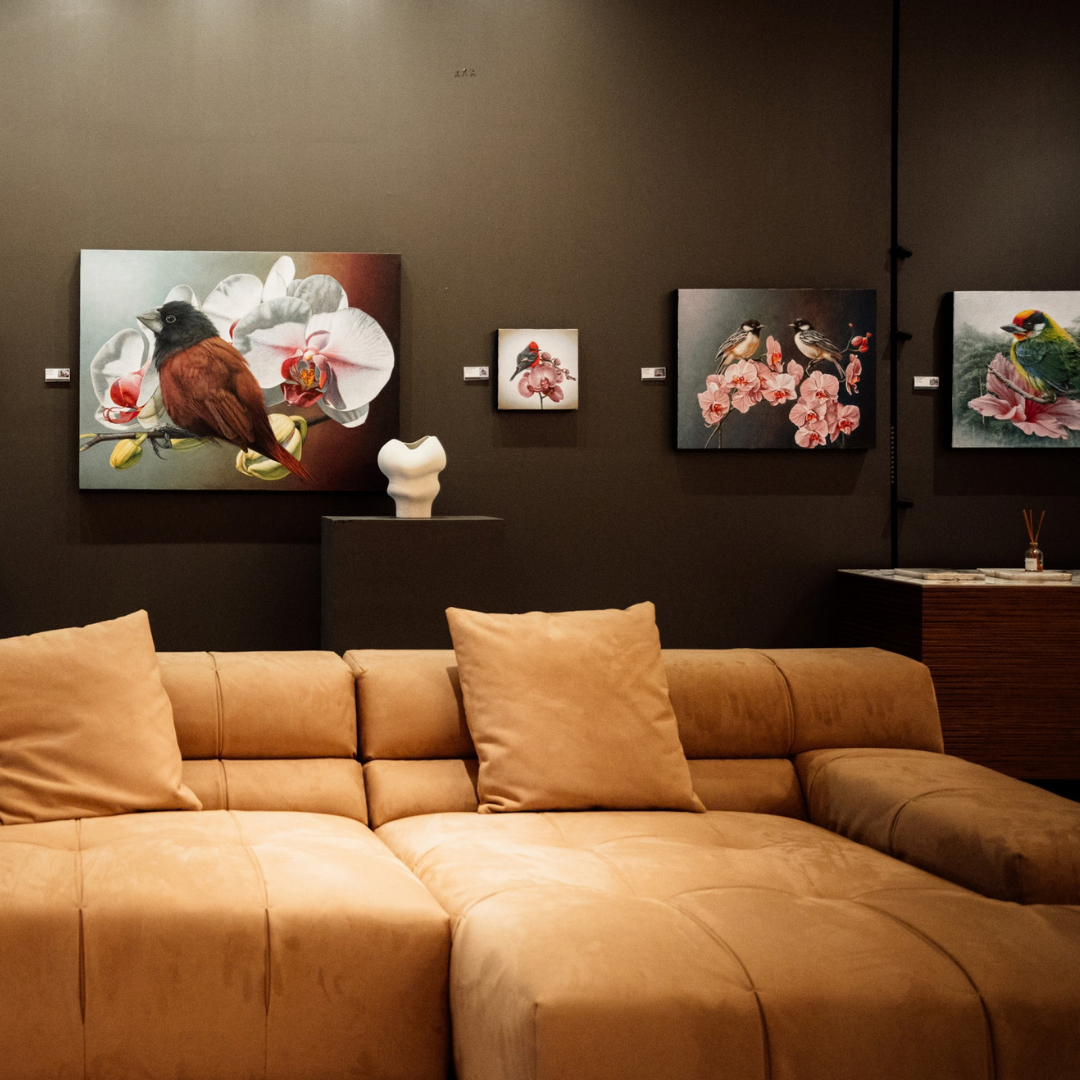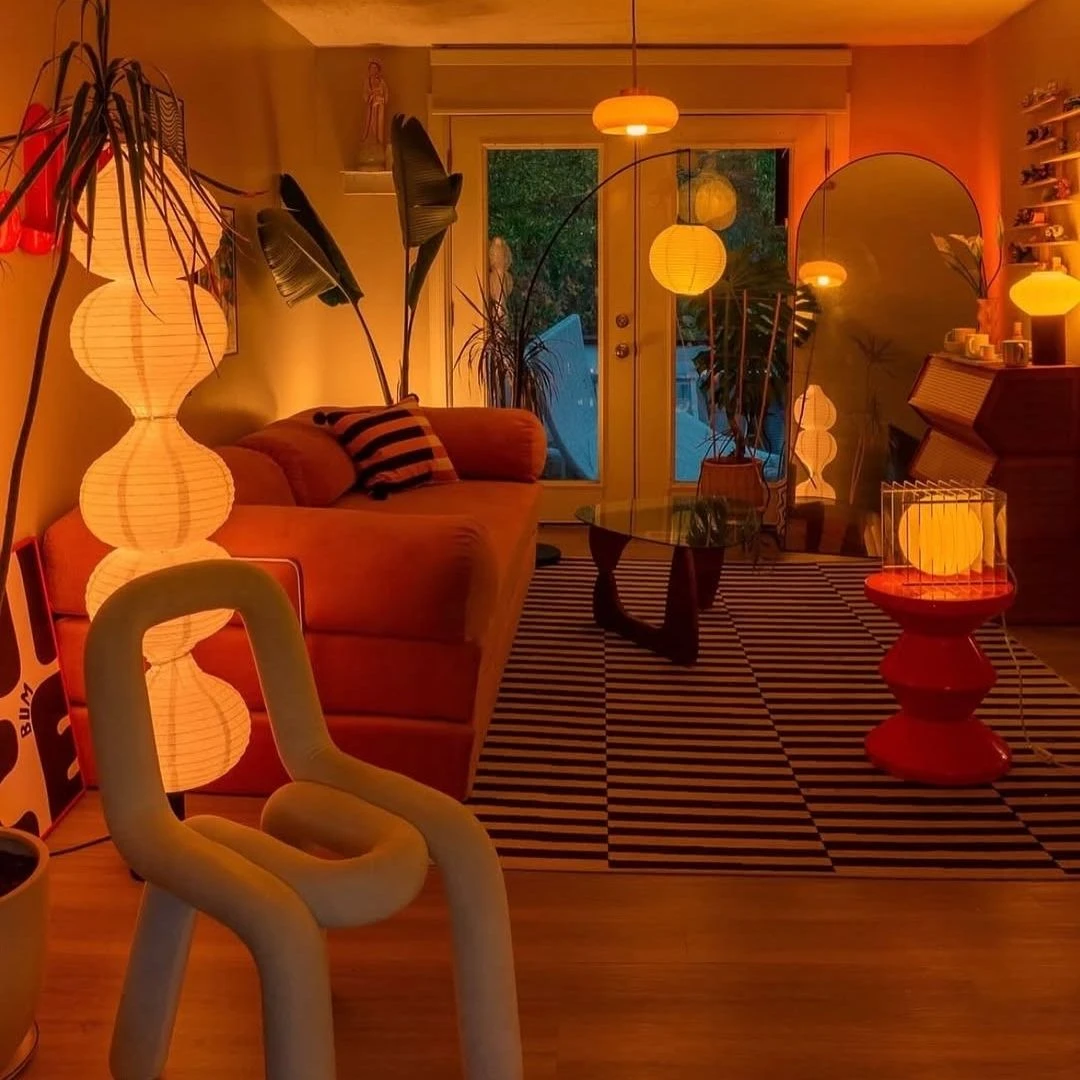
Why is Gen Z so obsessed with dimly lit spaces? We dive into the sensory and psychological benefits of warm, mood lighting, and why the “big light” has become public enemy number one.
Since college, I’ve been living alone in Manila, so cumulatively, I’ve spent almost five years in my own space. One thing I’ve learned about myself? I hate overhead lighting. Maybe it was Mariah Carey’s iconic clip declaring her hatred for fluorescent lights, or maybe I’ve always had an innate aversion to bright lights. Either way, I’ve been living off warm, dim, and moody lighting for years.
Recently, my mom moved in with me—and our opposing lighting preferences quickly became apparent. She likes her lights overhead, cool, and bright, while I’d happily live in a dimly lit cave. She’s constantly complaining that our place is too dark, turning on every overhead light and, in my opinion, ruining the vibe. But it got me thinking: Why are we so obsessed with dimly lit spaces? It’s not just me; my friends and plenty of other Gen Zs seem to share the same preference. Naturally, I got curious and went down a rabbit hole. Here’s what I found.
READ ALSO: What To Bring To A Baby Shower, According To A Young Godparent
Are Lit Spaces A Gen Z Thing?
The short answer? Not exactly. Our preference for softer, lower lighting isn’t exclusive to Gen Z—it’s more closely tied to how we respond to sensory environments. Bright, overhead lighting can feel harsh and overstimulating, while softer, diffused light creates a more relaxed and visually comfortable atmosphere. Sensory lighting is even used intentionally to create calmer environments by controlling the intensity, color, and movement of light.
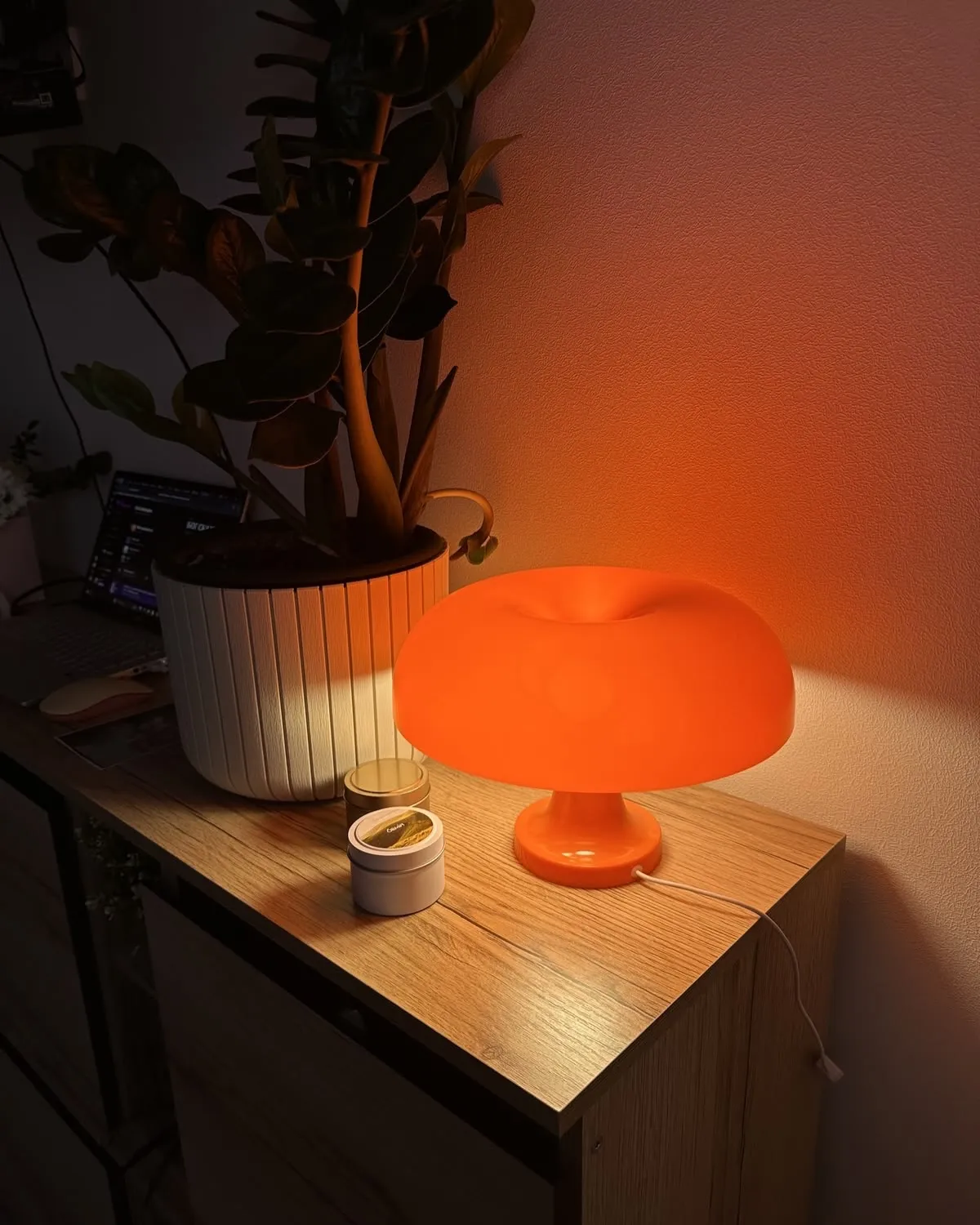
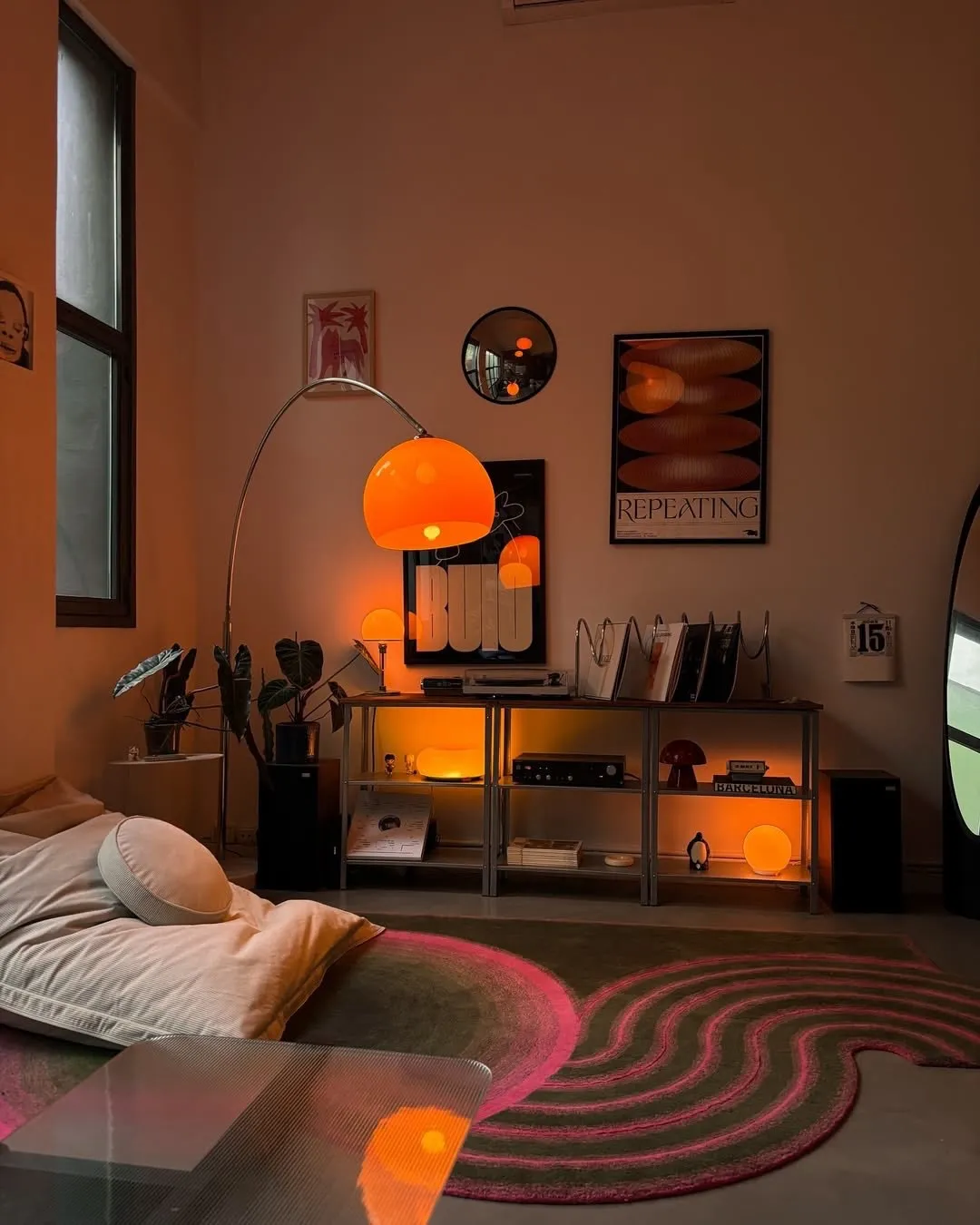
So why does it feel particularly Gen Z? Because we’ve turned it into a whole lifestyle. The now-infamous “big light” debate took off on TikTok, with Gen Z creators calling overhead lighting sterile, unflattering, and an “attack on the senses.” Interior designers have largely backed this sentiment, pointing to layered, low-level lighting as a way to make a space feel warmer and calmer.
There’s also a larger shift in how Gen Z approaches the home. Having spent formative years at home during the pandemic, this generation has placed greater emphasis on making their spaces feel comfortable, personal, and reflective of their moods. From cottagecore’s soft lighting to dopamine décor’s anything-goes approach, Gen Z interiors are increasingly about creating an experience, rather than simply making a room functional.
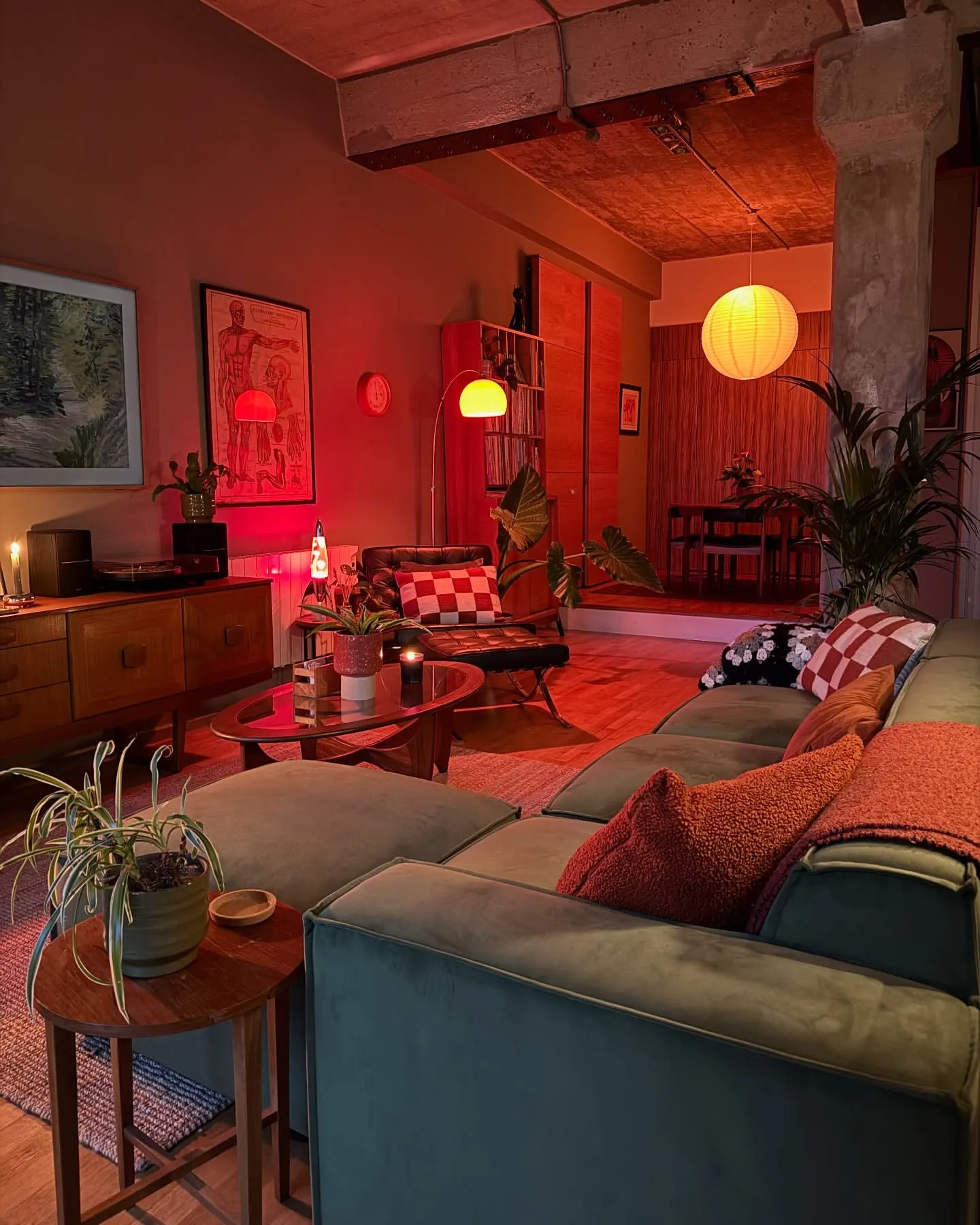
That may be the real appeal of mood lighting: it gives us control over how much stimulation we want from our surroundings. After spending most of the day surrounded by screens, notifications, noise, and information, coming home to a room illuminated by a few warm lamps can feel like lowering the volume on everything. Gen Z may have made “no big light” a personality trait, but the desire for a softer, lower-sensory environment is hardly generational, and in this zeitgeist, it might even be necessary. We’ve just given it a name—and, naturally, a TikTok trend.
Benefits Of Warm And Mood Lighting
There’s a reason warm lighting instantly makes a room feel more inviting. Soft, yellow-to-orange tones are associated with comfort, relaxation, and intimacy, helping create a calmer atmosphere compared to the more alert, clinical feeling that can come with cool, bright lighting.
It can also help signal to the body that it’s time to wind down. Research on indoor lighting suggests that brighter, cooler light at night can suppress melatonin and interfere with the body’s circadian rhythm, whereas lower color-temperature lighting can be more conducive to nighttime relaxation and sleep.
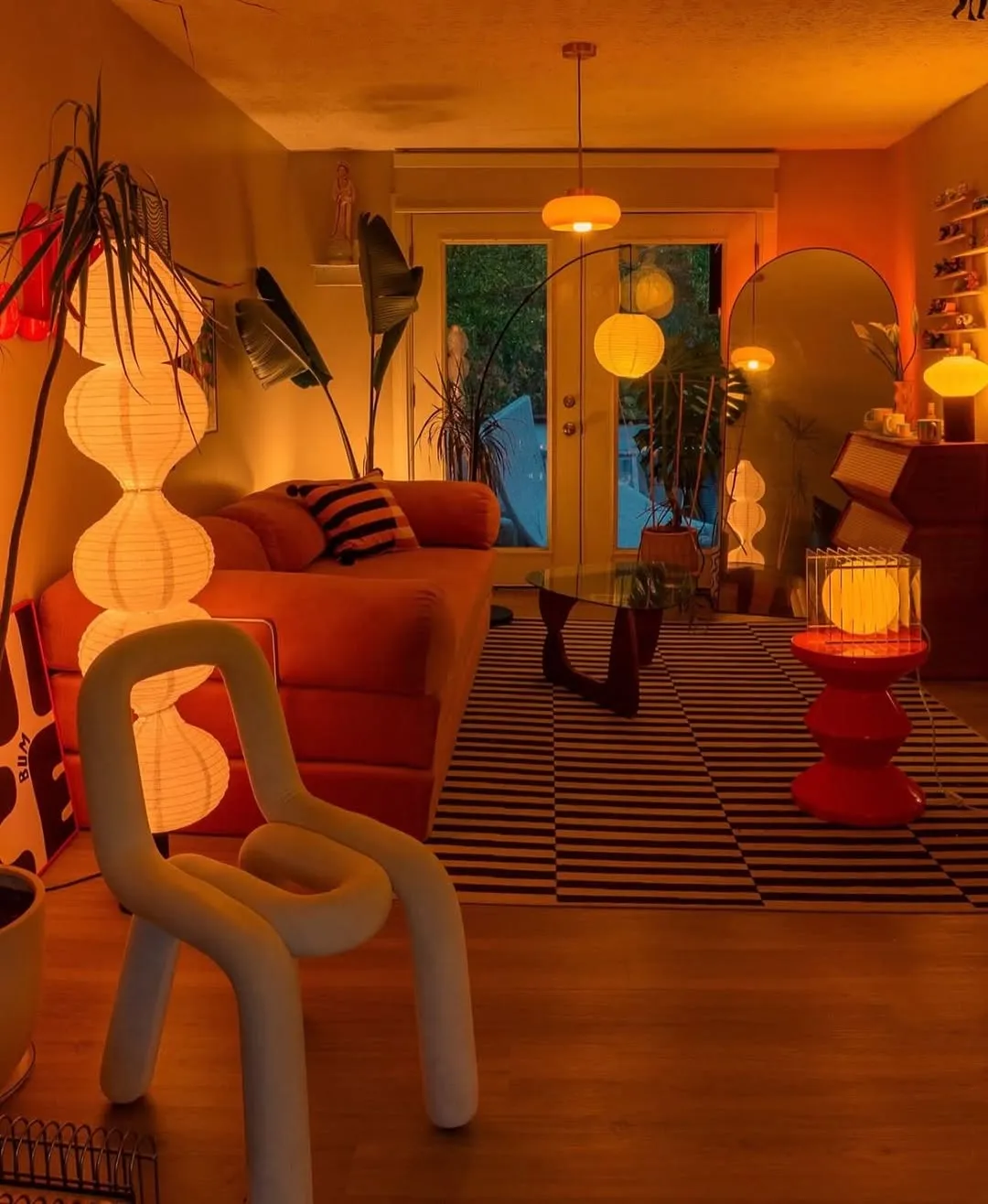
And beyond the science, there’s the simple psychological benefit: warm, dim lighting changes how a space feels. It can make a room feel cozier and more intimate, encourage relaxation and social connection, and give you more control over the atmosphere of your home. Basically, sometimes turning off the big light really is the quickest way to make a space feel like it’s really yours.
Banner photo courtesy of @studio_hex_bs via Instagram
Frequently Asked Questions
Not exactly. While Gen Z has popularized the “big light” debate and embraced dim, ambient lighting as part of home and interior culture, the preference for softer lighting is more closely tied to how people respond to sensory environments. Warm, diffused lighting can feel less harsh and overstimulating than bright, overhead lighting.
Gen Z has embraced dimly lit spaces as a way to create homes that feel comfortable, personal, and reflective of their moods. After spending formative years at home during the pandemic, creating an atmosphere and experience at home became increasingly important for the generation.
Warm lighting can make a space feel more inviting, cozy, and intimate. Its softer yellow-to-orange tones are associated with relaxation and comfort and can create a calmer atmosphere than cool, bright lighting.
Lower color-temperature lighting can be more conducive to nighttime relaxation and sleep. Research on indoor lighting suggests that brighter, cooler light at night can suppress melatonin and interfere with the body’s circadian rhythm.
Turning off bright overhead lighting can create a softer, lower-sensory environment. Warm, dim lighting can make a space feel calmer, cozier, and more intimate while giving you greater control over the atmosphere of your home.