We explore the 174-year history of Destileria Limtuaco, and how its sixth-generation leaders are bringing it into the modern age while paying tribute to its storied past.
A family crest should offer small but telling details of its lineage: where they came from, who they are, what they value, and what made them known to their community. For the Limpe family, their crest doubles as the logo of their company, Destileria Limtuaco, the oldest distillery in the Philippines.
Much like the liquor they’ve been bottling since 1852, the logo is a distillation of Limpe history and identity. At the center of the crest is a circle divided into four compartments. The upper left contains the letter “L” for Lim, the family’s original surname that journeyed from China by sailboat with their founder, Lim Tua Co; in the lower right compartment is the letter “T,” which serves as a loving tribute to his wife, Tehsyong. Meanwhile, the remaining compartments hold an hourglass that represents the aging process of the alcohol the family has long been known for, and a ship that symbolizes their reach and competitiveness beyond local shores.
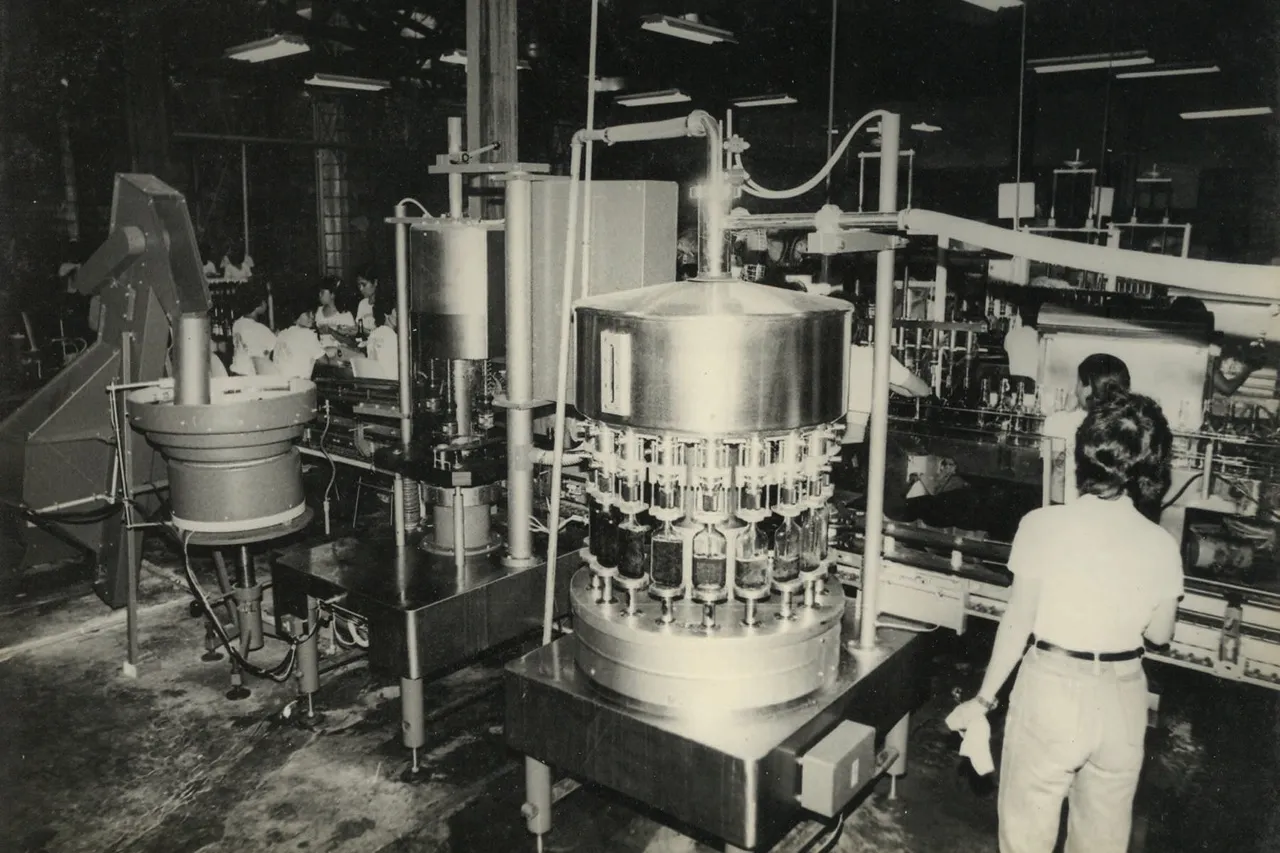
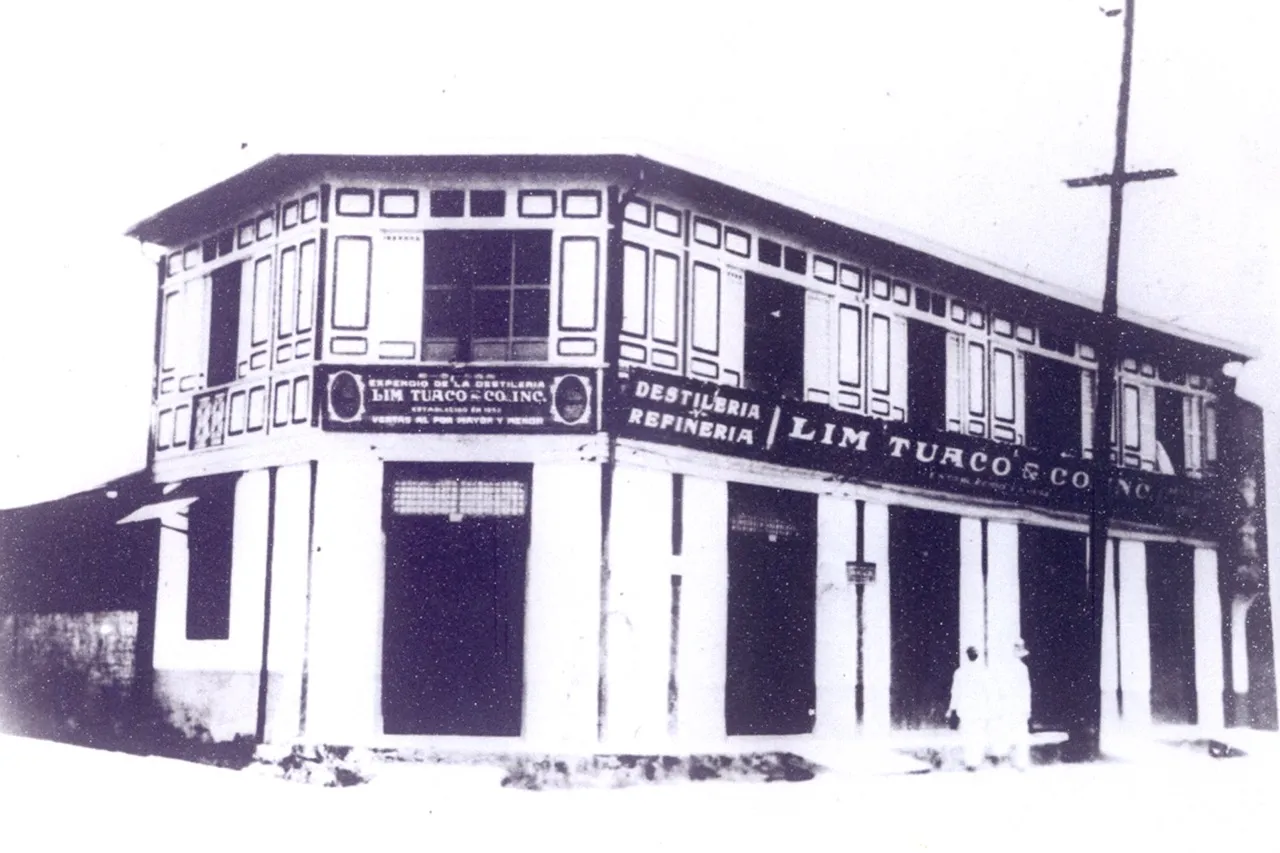
The first factory, located at 135 Gandana St., Chinatown/Photos courtesy of Destileria Limtuaco
Supporting this central emblem are two lions, believed to bring good fortune in Chinese cultureCultureshared traditions, beliefs, values, customs, arts, and social practices that define the identity and way of life of a community, society, or nation.Go to Culture Glossary. Just below them sits a string of numbers and letters that form their BIR registration—an amusing nod to the sharp business acumen that has helped sustain them through generations. This crest appears everywhere: across their properties, on barrels distilling liquor, on their products, and all over their family museum in Intramuros, where Lifestyle Asia found itself on a Tuesday afternoon.
READ ALSO: Saan Masarap?: We Ask Top Chefs Where They Eat Filipino Food
A House Of History
The Destileria Limtuaco Museum stands inside a traditional bahay na bato in Old Manila, a district strongly associated with the beginnings of many of the country’s most prominent Filipino- Chinese families. Located near Binondo (the oldest Chinatown in the world), the area flourished during the Spanish colonial period and beyond, becoming a hub for immigrant merchants who laid foundations for their enduring enterprises. They brought with them a range of trades, from textiles to spices to jewelry and food, as well as traditional alcohol like rice wine and medicinal wine.
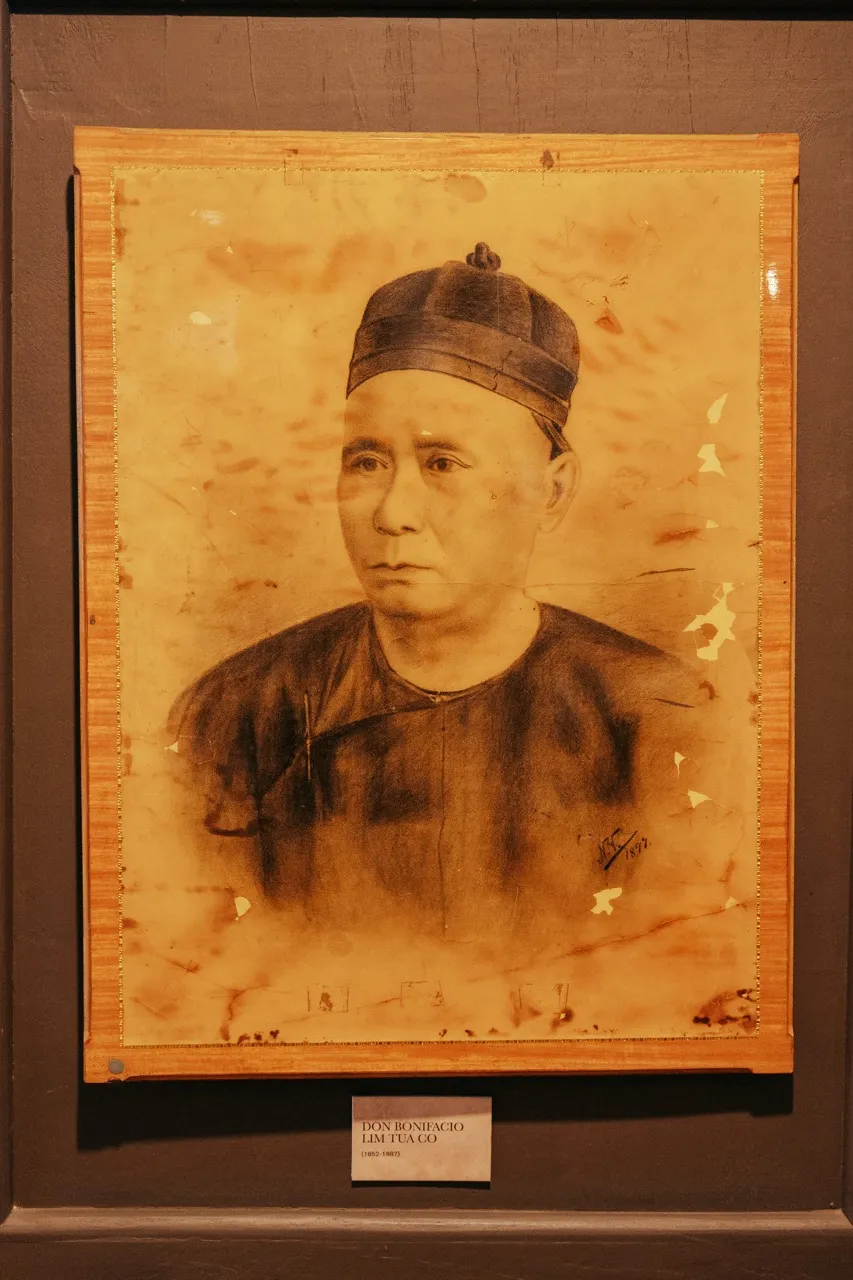
Destileria Limtuaco founder Lim Tua Co, later known as Don Bonifacio Limtuaco
Though the museum property isn’t situated in the original site of the Chinatown distillery, it carries its own sense of history. Acquired in the 1970s by Julius Limpe, the company’s fourth- generation president, the house is a preserved chapter of the past.
Present at the location is Aaron Limpe-Aw, who not only serves as the company’s current Executive Vice President but also its museum director. Having grown up within the legacy his ancestors built, he admits his role has always felt very personal. When the museum opened in 2018, that relationship to the family history took on a deeper dimension.
“It wasn’t until we opened our museum that I saw the scale and impact of the company and the genuine interest in the family,” Aaron tells Lifestyle Asia. “Now it makes me proud to see that people [come here] to learn about the company and the family. And that means a lot to me.”
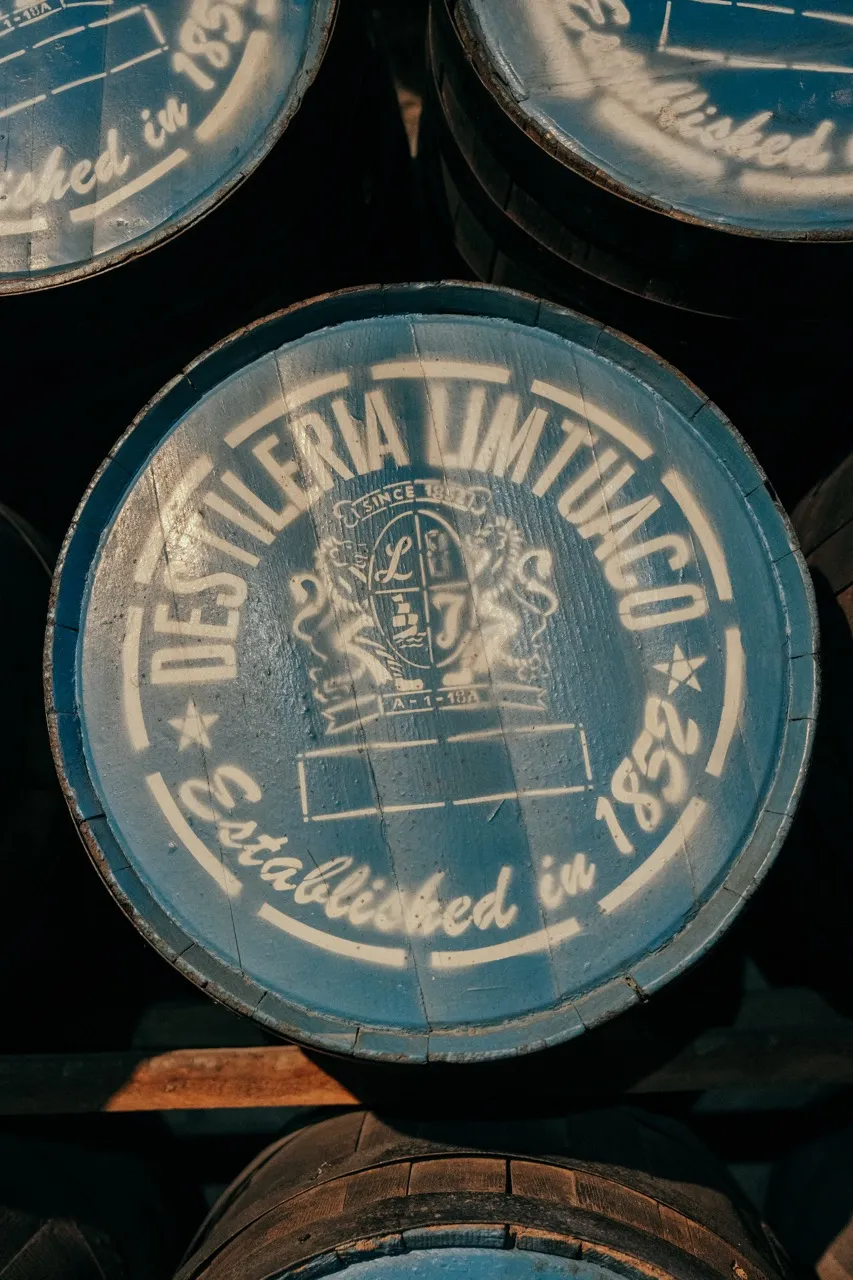
The Destileria Limtuaco crest featured on barrels carrying their storied spirits
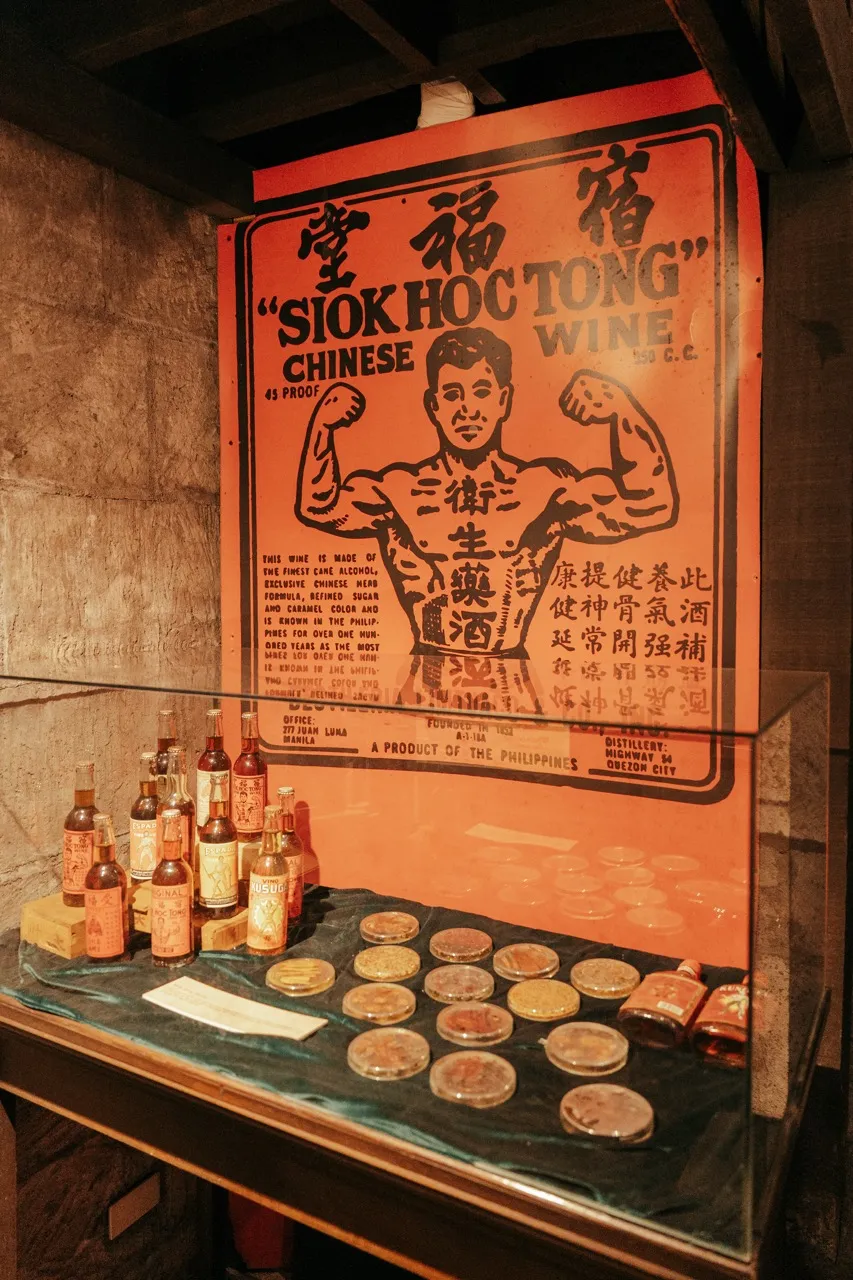
A poster displayed at the museum advertises Siok Hoc Tong, a medicinal wine, the first product of the distillery
The exhibits that run through the museum trace the rise of the business, beginning with how Lim Tua Co (later known as Don Bonifacio Limtuaco) arrived in the Philippines and began selling Siok Hoc Tong, a Chinese medicinal wine based on his family’s own recipe. From there, his story unfolds across generations, the family eventually expanding beyond herbal wines and anisados (anise-flavored sweet liqueur) into a wide range of spirits.
A nearby display of dadapilan, where carabaos move in slow circles to power wooden presses, offers a glimpse into how fermented beverages were traditionally produced in the Philippines, even before industrial distillation came along. While dadapilan was never a part of Destileria Limtuaco’s process, its inclusion pays homage to our country’s history, situating the brand within a broader local cultureCultureshared traditions, beliefs, values, customs, arts, and social practices that define the identity and way of life of a community, society, or nation.Go to Culture Glossary that has long been rooted in fermentation and craft.
The spirits industry had already begun to take shape by the 19th century, alongside the rise of sugarcane haciendas in provinces like Negros Occidental, many of them owned by powerful Filipino families producing the crop on a large scale. Over time, companies like Destileria Limtuaco, as well as other heritage brands like Tanduay Distillers, would come to define the local industry’s evolving landscape, contributing to the Philippines’ current status as one of the world’s largest producers of rum.
Distilleries At War
The museum’s narrative shifts from industry to inheritance as you move further into the exhibits. As Don Bonifacio’s reputation within the Filipino-Chinese business community grew, tragedy struck. His only son, Carlos—whom he hoped would inherit the business—died unexpectedly in Amoy, China, while visiting relatives. Though he had a daughter named Andrea, the prevailing belief at the time was that a woman running a business might bring misfortune; this led him to pass Destileria Limtuaco on to his nephew, Lim Chay Seng. Sharp and forward-thinking, Chay Seng transformed the modest homegrown operation into a producer of the Western-style liquors more familiar to us today.
The generations that followed would both shape the company and leave their mark on Philippine history. Chay Seng’s son and the company’s third president, James Limpe, relocated operations from 135 Gandara St., Chinatown to the emerging business district of Grace Park, Caloocan, in 1939. A master blender of whiskies, gins, brandies, rums, vodkas, and wines, he passed this knowledge to his son, Julius, with the understanding that one day he would inherit the business.
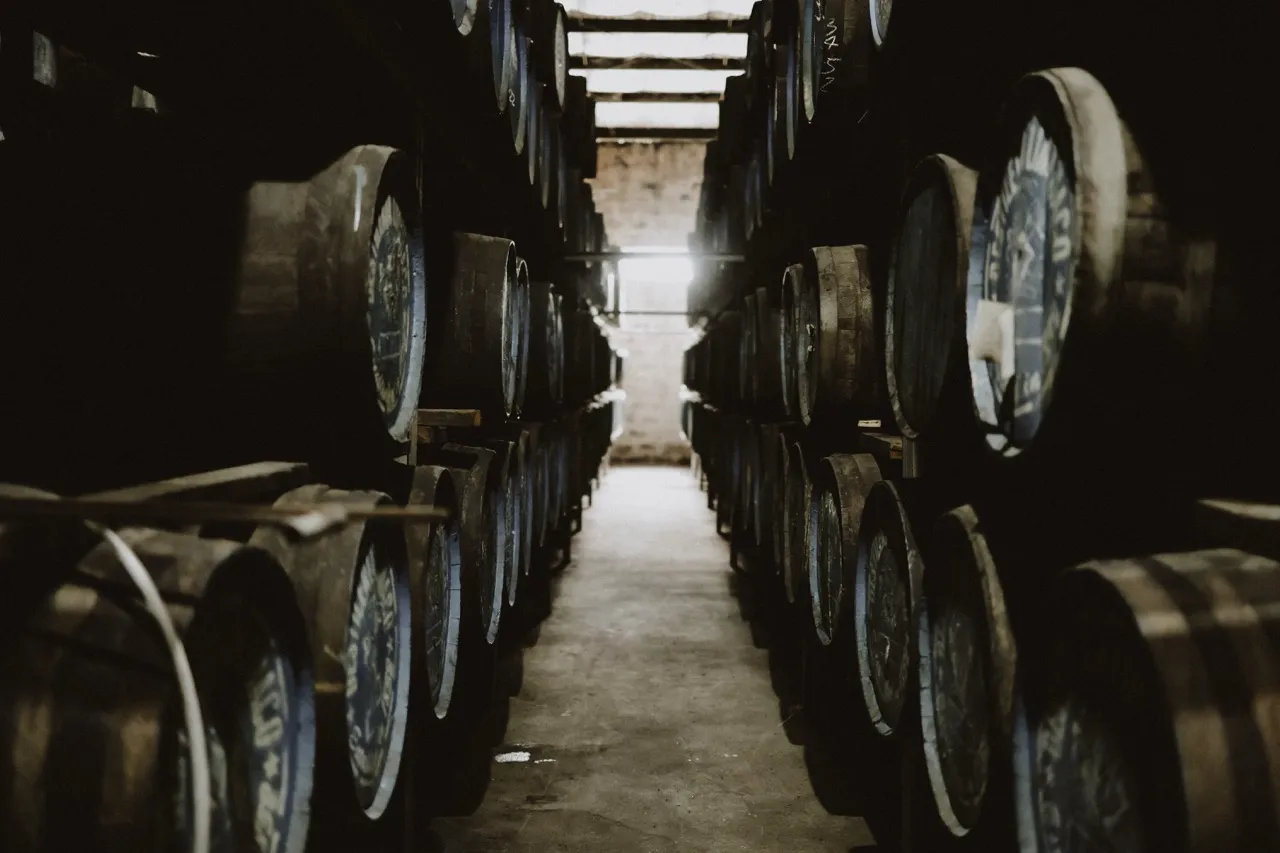
Oak barrels inside the Destileria Limtuaco distillery in Bulacan
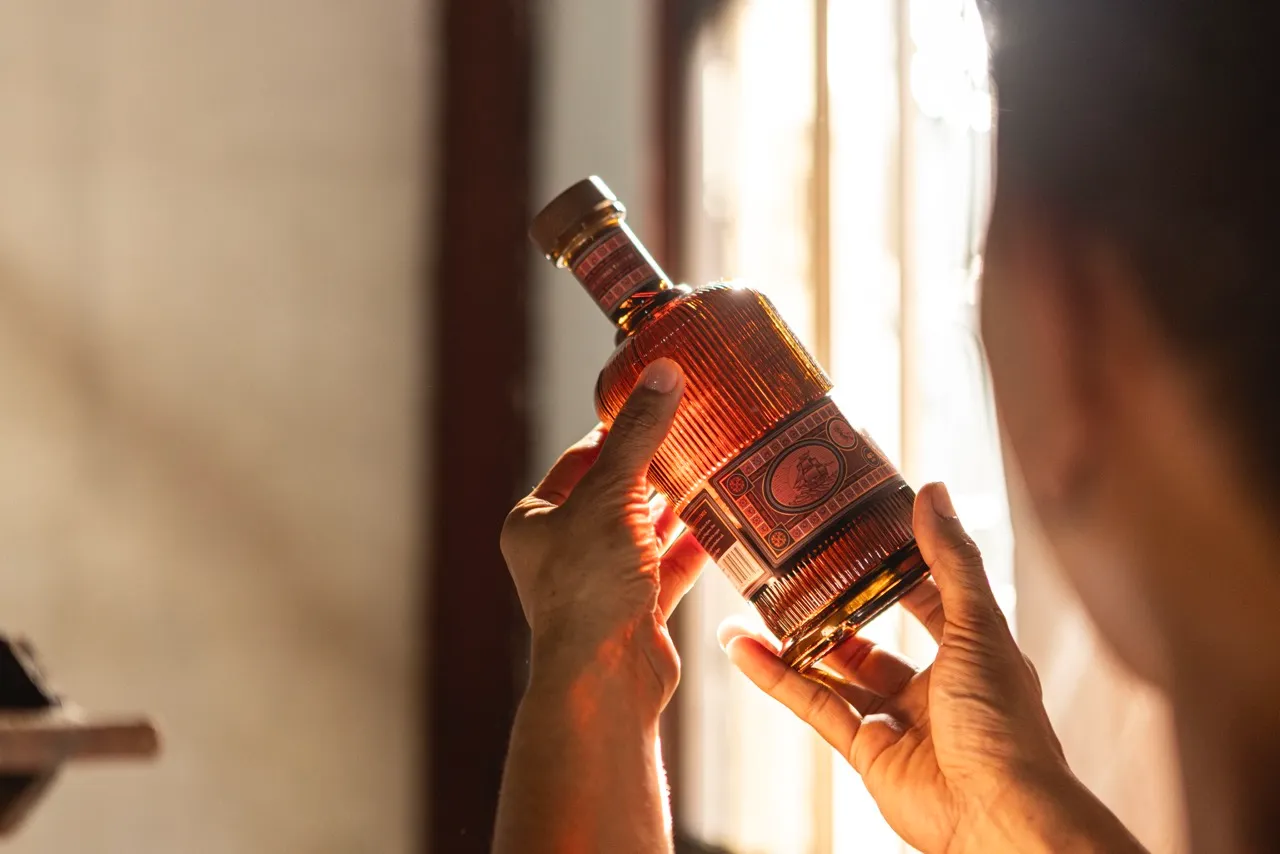
Bonifacio Rum pays homage to the family’s patriarch Don Bonifacio Limtuaco
During World War II, shortly before departing the country ahead of the Japanese occupation, Commander General Douglas McArthur ordered all distilleries to halt operations and destroy their liquor supplies. The directive was to ensure these resources wouldn’t fall into the wrong hands. James Limpe complied, as did many other liquor manufacturers. Despite this, he was later imprisoned in the dungeons of Fort Santiago alongside other prominent businessmen whom the Japanese authorities viewed as potential threats to their power.
After the war, James rebuilt the business, and eventually passed on leadership to Julius in 1958, ushering in another period of growth. He expanded the company to new heights, developing and patenting over 30 products that Filipinos continue to drink and enjoy today. Under his leadership, Destileria Limtuaco built the largest stock of aging spirits in oak barrels within the local liquor industry.
The Three Sons
Today, Destileria Limtuaco is led by Olivia Limpe-Aw, Julius’s daughter and its first female president. Since the 1990s, she has been tasked with bringing the company into the modern age. Olivia streamlined operations and organization, introducing fresh marketing and production techniques that have made the business more efficient, all while preserving the integrity and quality of its decades-old products.
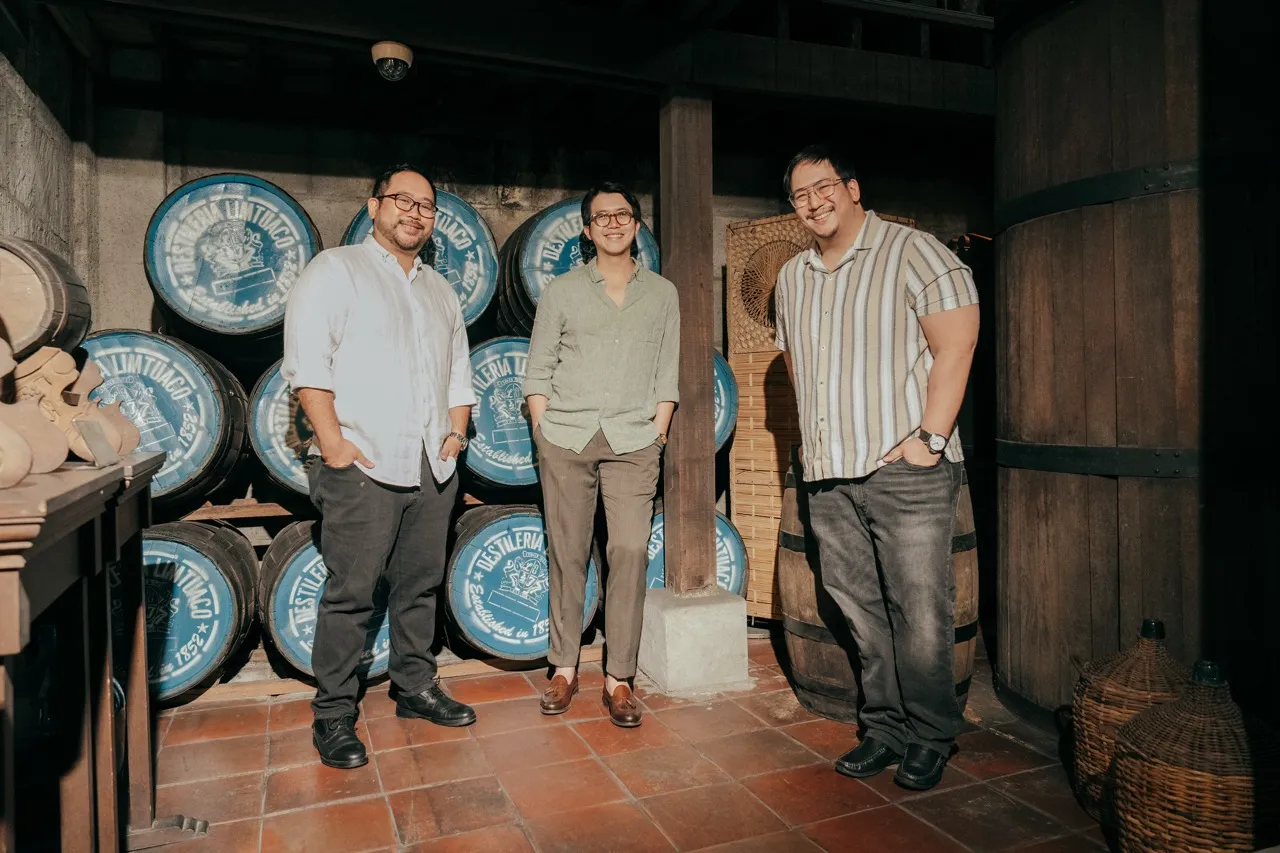
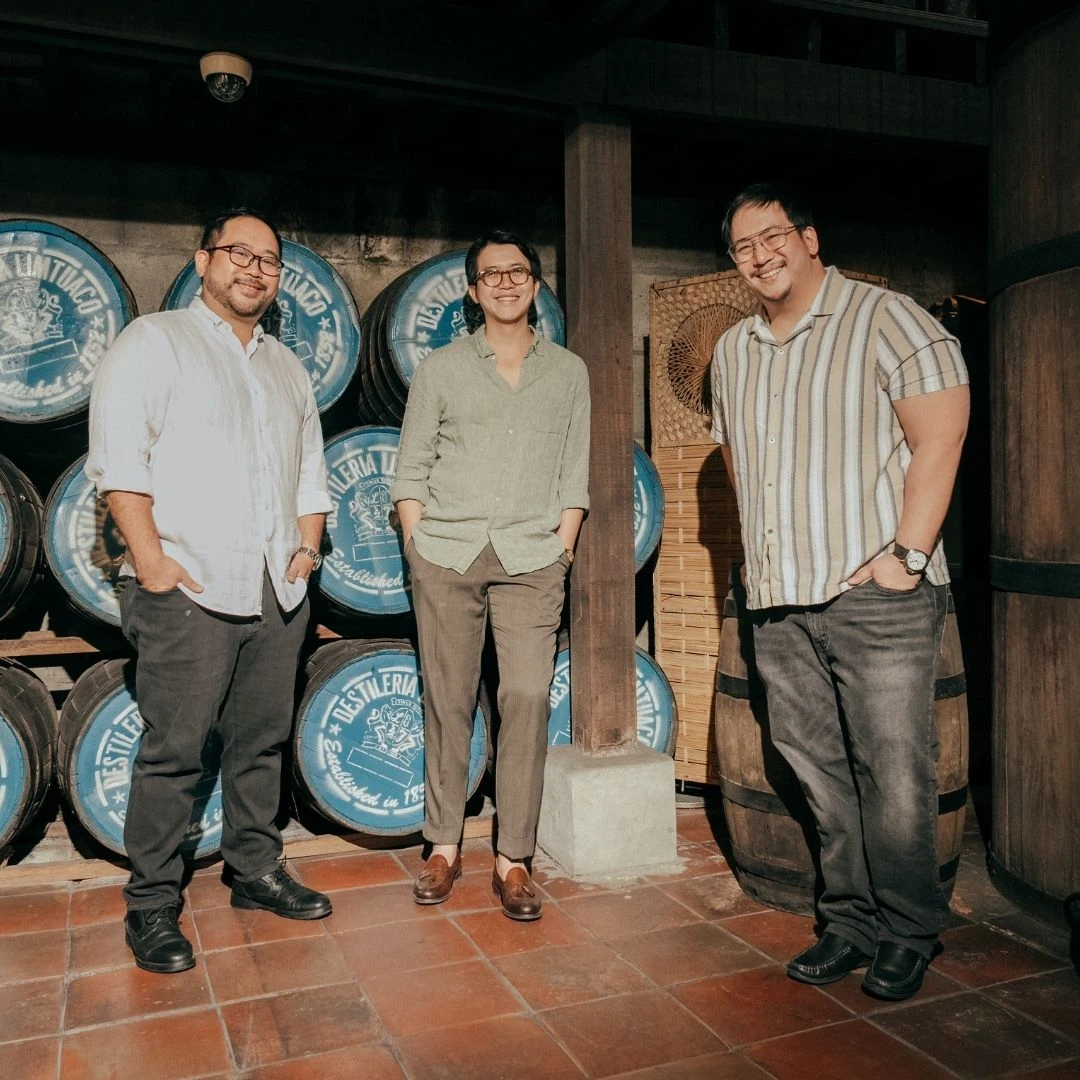
The Limpe-Aw brothers, Clifford, Brandon, and Aaron, at the Destileria Limtuaco museum in Intramuros
Her three sons have stepped into the business as sixth-generation leaders, guided by the standards and discipline she and their ancestors have cultivated over generations. There’s Aaron, the middle brother, whose work as EVP has him overseeing operations across all departments of Destileria Limtuaco. His elder brother, Clifford, is Chief Operating Officer of their national distributor, Convoy Marketing Corporation, a subsidiary of the company. The youngest, Brandon, serves as National Sales Manager at Convoy Marketing Corporation, managing sales of Destileria Limtuaco products across the country.
All three are present during our visit to the museum. Between photography layouts and casual conversations, they can be seen quietly conferring with each other in one corner, discussing pressing business that awaits them back at the office. Observing them, it becomes clear that the boundaries between family and company are blurred, the two deeply entwined in their daily lives.
While Aaron, on paper, holds the most senior position among the brothers, their roles aren’t strictly hierarchical in practice. They move fluidly between responsibilities, rather than staying confined to fixed titles. If one is needed in sales, he steps into sales. If one needs help in product development, he does exactly that. If another is required elsewhere, he adapts. What matters most is their alignment with keeping the family business moving forward together.
Behind The Bottle
With consumer habits changing for a new generation of more intentional drinkers, the brothers have their work cut out for them. They’re fully aware of the need to present Destileria Limtuaco through a more contemporary lens in order to engage with a younger demographic. Fortunately, they’re quite young themselves, and therefore well-positioned to understand both the importance of their family legacy and the expectations of a changing market.
“What I notice with consumers nowadays is that they aren’t just interested in the What’s and the Why’s,” Aaron explains. “The product, the packaging, the unique selling propositions, while still very important, are not the only things young consumers are looking at. They are now also interested in the How’s. ‘How is this product made?’ is now a common question we get from our consumers. We’ve also been seeing how consumers are interested in the Who’s—who are behind this company and this product. They want to see the faces of the people involved.”
What was once hidden behind ambiguity now needs to be revealed, as younger people increasingly gravitate toward transparency in the products they drink. To keep up with the times, the Limpe-Aws have begun showcasing more of the distillery’s inner workings through social media and online campaigns. They now highlight their production processes, the people behind the products, and even their facilities.
“Authenticity is the only way we will be able to connect with the new generation of drinkers on a personal level. And by stepping forward and showing our faces, as well as our cultureCultureshared traditions, beliefs, values, customs, arts, and social practices that define the identity and way of life of a community, society, or nation.Go to Culture Glossary, I think we will be able to do this,” Aaron concludes.
While embracing these changes, the brothers haven’t forgotten their family legacy and heritage, choosing instead to pay tribute to it through brand storytelling. The museum is a clear step in that direction, as is their conscious effort to open up the distilleries’ behind-the-scenes processes to the public. This same thinking extends to their products: they’re currently on a mission to develop a legacy line of spirits that draws inspiration from the company’s rich heritage.
Brandon expounds: “A perfect example is the first product in this new line, Bonifacio Rum, named after our founder, Don Bonifacio Limtuaco. By putting our family story front and center, we create a cohesive identity that makes the Destileria Limtuaco name recognizable worldwide, significantly strengthening our position in the export market.”
The Hands That Built Limtuaco
Longevity in the Philippine business landscape is notable on its own, but what makes the Destileria Limtuaco story particularly remarkable is that the company remains entirely family-owned. “Not all successful businesses stand the test of time, and being a part of one that has survived and grown through generations is something to be proud of,” Clifford states.
The brothers share that many of their employees have spent their entire careers within the company, something they consider increasingly rare today. Aaron adds that part of their approach to leadership is preserving that continuity: bringing people into the company not just as workers, but as part of its wider legacy. A company, after all, doesn’t operate in isolation; it’s a collective shaped by hundreds of people with different skills and roles.
The museum reflects this truth. While the space traces the Limpe’s personal history, the objects it houses—decades-old barrels still carrying the scent of spirits, glass and metal distilling apparatuses, weathered bottles, and portraits of past company presidents—tell a much bigger story shaped by many hands. Each contribution, however small, is an essential component in a legacy that’s been distilled, bottled, and shared with care, from one family to an entire country.
This article was originally published in our June 2026 print issue.
Photography by Kieran Punay of KLIQ, Inc., unless specified
Frequently Asked Questions
Destileria Limtuaco is recognized as the oldest distillery in the Philippines, with a history dating back to 1852. It is known for producing a wide range of spirits, including rum, brandy, gin, vodka, and traditional Filipino liqueurs, while remaining a family-owned business for six generations.
The company was founded by Lim Tua Co, later known as Don Bonifacio Limtuaco, a Chinese immigrant who introduced and sold Siok Hoc Tong, a medicinal wine based on his family’s recipe. His entrepreneurial efforts laid the foundation for what would become one of the country’s most enduring liquor brands.
The company balances tradition and innovation through initiatives such as the Destileria Limtuaco Museum, heritage-inspired product lines, and increased transparency about its production processes. Its sixth-generation leaders also use digital platforms and storytelling to connect with younger consumers.
The museum features exhibits on the family’s history, vintage distilling equipment, historical documents, aging barrels, product collections, and stories that trace the evolution of the Philippine spirits industry alongside the growth of the Limtuaco family business.
Destileria Limtuaco is currently led by Olivia Limpe-Aw, the company’s first female president. She is supported by her sons—Clifford, Aaron, and Brandon Limpe-Aw—who represent the sixth generation of leadership and help guide the company’s operations, sales, and future growth initiatives.