Think Pilates is just for flexibility or recovery? Think again. We dive into the ways sports-specific Pilates can boost performance by strengthening overlooked muscles and preventing injuries, with answers straight from the experts.
Pilates has somehow become the workout, logged into everyone’s digital calendar with studios on practically every corner and entire activewear lines made just for it. Honestly, it’s not hard to see why. Slow, deliberate, and actually more intense than it looks, Pilates has this way of subtly whipping you into shape. Whether you’re chasing your dream body, leveling up your flexibility, or just trying to wake up muscles your usual gym routine ignores, it delivers without much fuss.
Here’s the real boon about this boom: as Pilates grows, so do the options. There are now niche, highly specialized versions that actually fit various lifestyles. Into golf? There’s Pilates for that, apparently. Want a full-on sweat session? Some classes combine Pilates with strength and cardio, so you get that mind-body control plus a little extra intensity.
To get the full picture on these new takes, we talked to experts who helped us stretch (pun intended) our understanding of what Pilates can do.
READ ALSO: LA Phones A Friend: How Do I Go About Car Modifications?
Ask The Experts
Michelle Maliksi is the founder of The Pilates Room and a BASI-CGP trained instructor. Her journey with Pilates started on a deeply personal note: after being diagnosed with scoliosis, Pilates was recommended as part of her treatment. What began as rehabilitation quickly became a life-changing practice, helping her build strength, alignment, and a deeper connection to her body.
Inspired by both her own transformation and her father’s entrepreneurial spirit, Michelle set out to create a space that would make Pilates more accessible in her community. Alongside her partners—one of whom is also BASI-CGP trained and a certified yoga instructor—she built The Pilates Room into a studio grounded in mindful movement, quality instruction, and holistic well-being. For Michelle, the business is a shared vision fueled by passion and purpose.
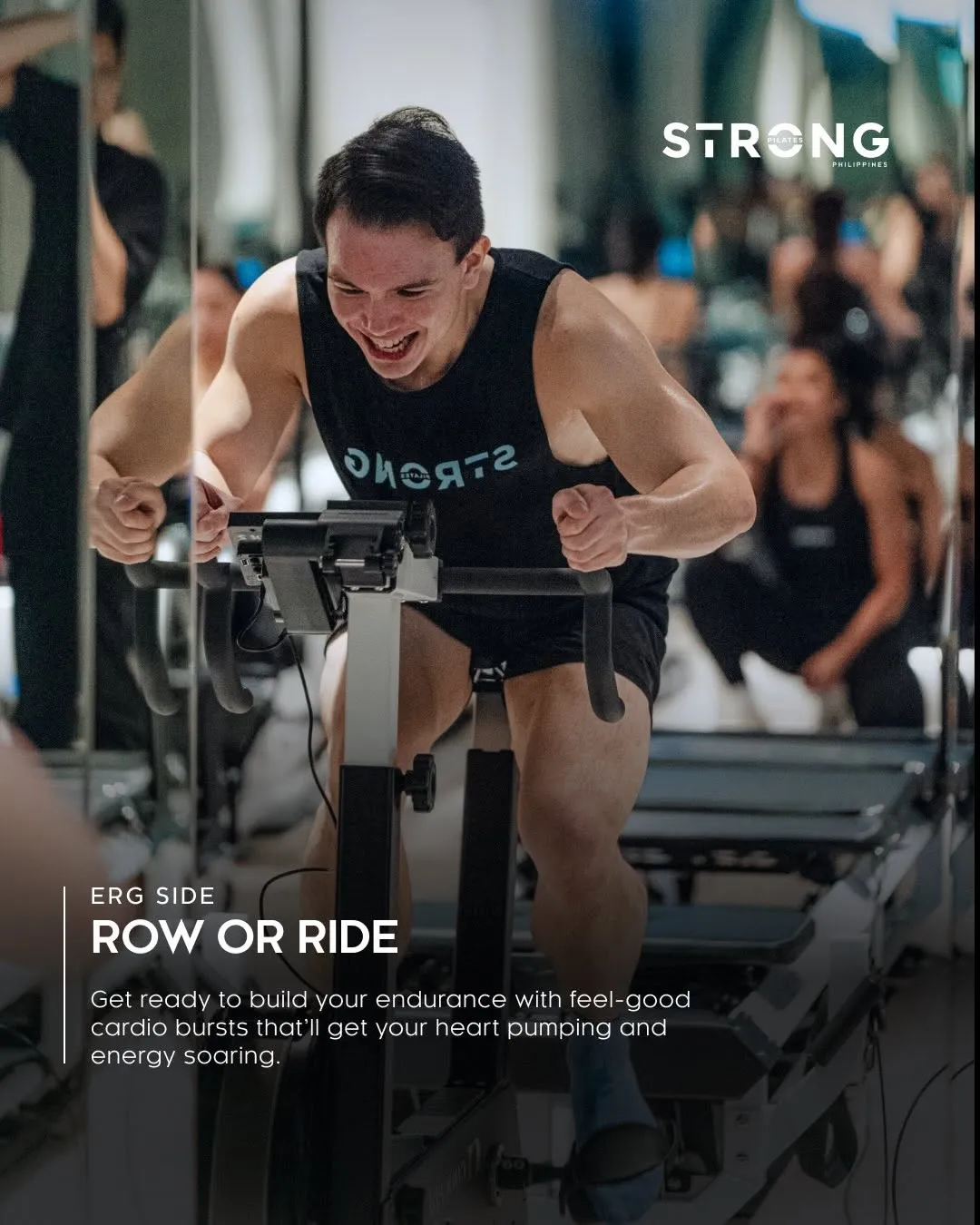
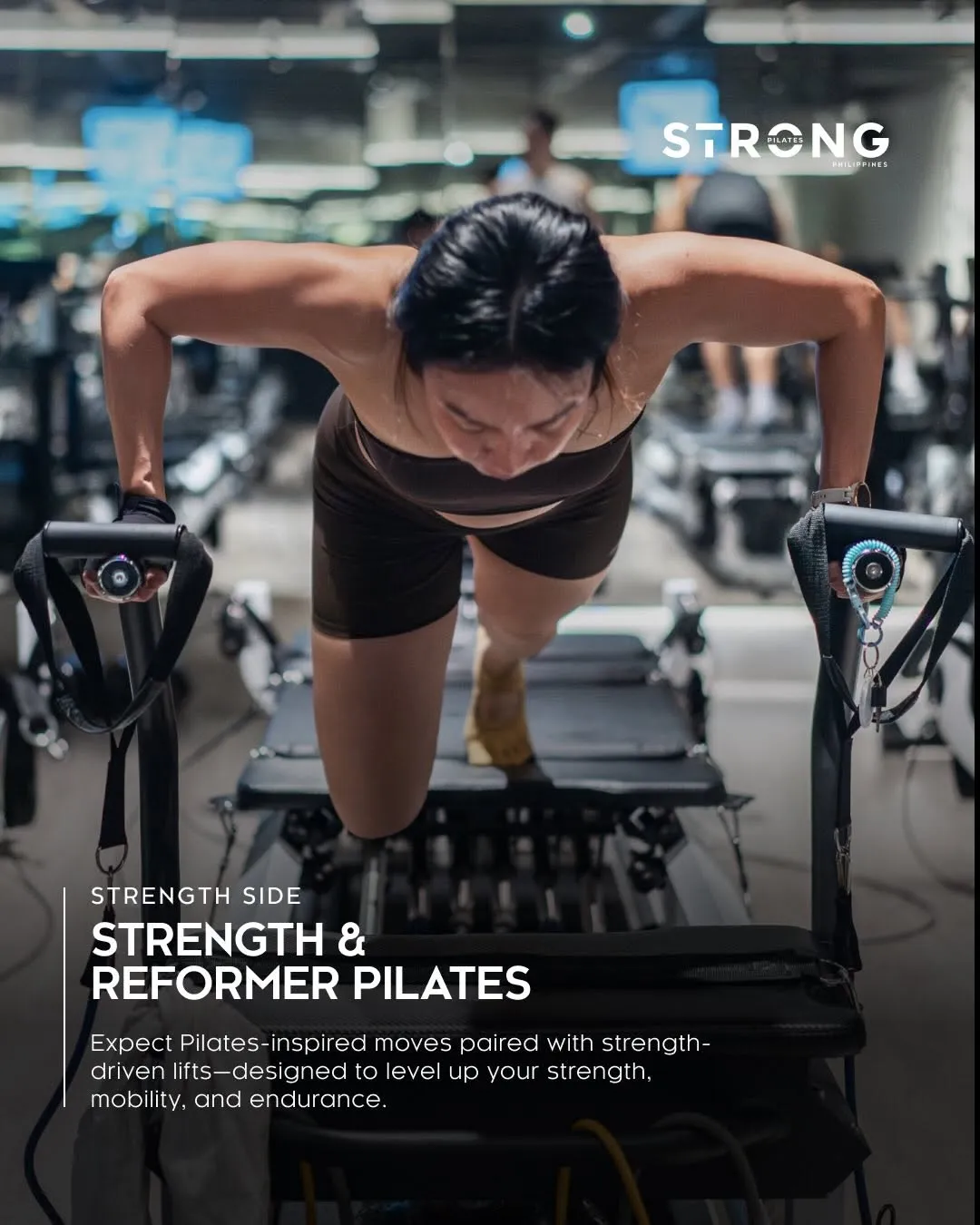
Kenneth Toh and Adrienne Loa are the owner-operators of STRONG Pilates Philippines, a concept that blends reformer work with strength training and cardio intervals like rowing and cycling. While rooted in Pilates’ core principles of control, alignment, and muscle engagement, STRONG layers in progressive conditioning to build strength and deliver visible results.
Though their approach has sparked debate among traditionalists, Kenneth and Adrienne see it as part of Pilates’ natural evolution. By merging classical foundations with modern training methods, they’ve built a fast-growing community drawn to a more dynamic, sweat-forward experience, one that reflects how many people want to move today.
How would you define sports-specific Pilates, and how does it differ from a regular Pilates session?
Michelle: Sports-specific Pilates is essentially Pilates, but with a performance focus. While a regular session strengthens and aligns the body as a whole, sports-specific Pilates zooms in on what an athlete truly needs to excel in their chosen sport.
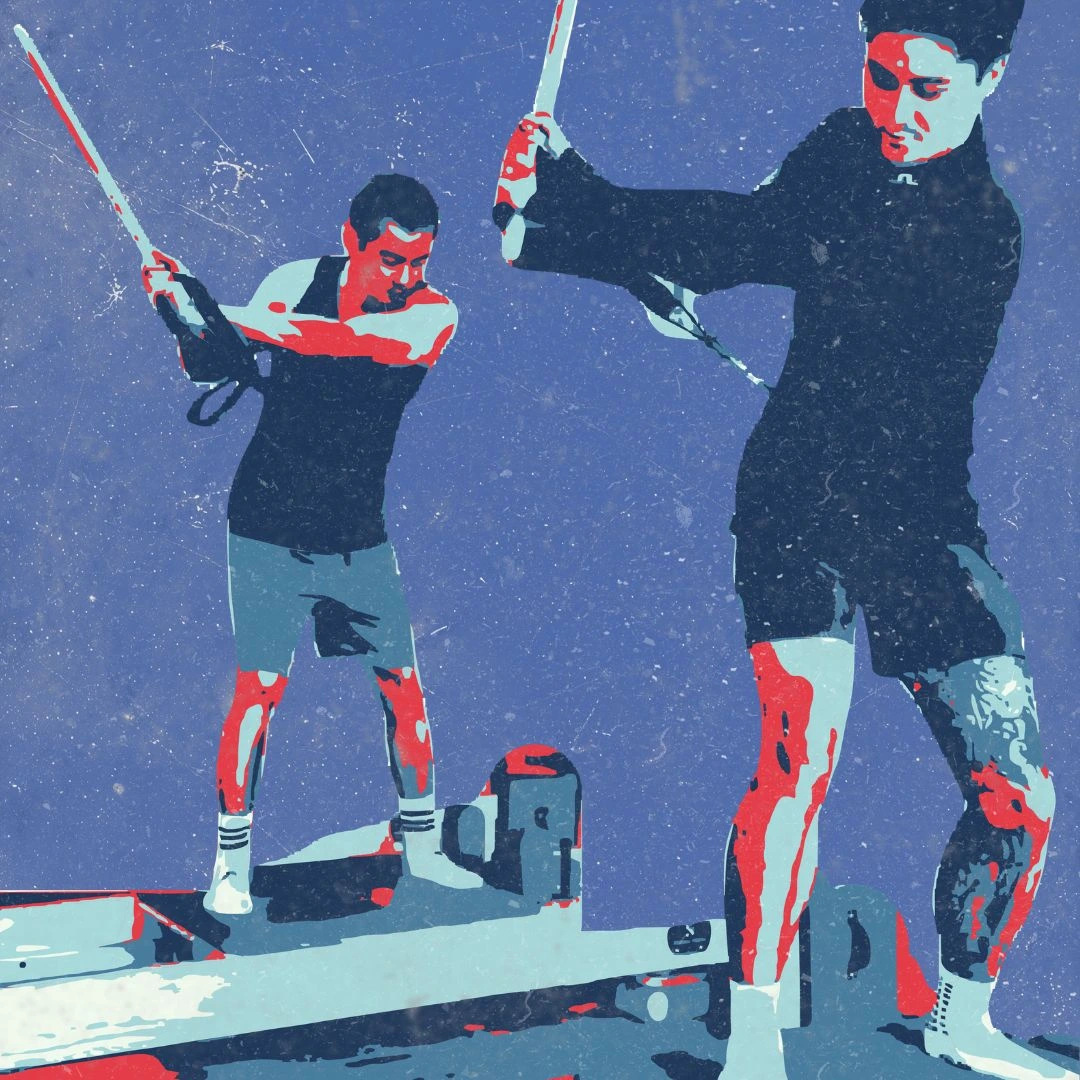
Every sport places different demands on the body. Golf requires controlled rotation, running demands strong and stable hips, and tennis calls for agility and shoulder stability. In these sessions, we design movement sequences that support those patterns while correcting imbalances caused by repetitive training.
The beauty of it is that it enhances performance without compromising longevity. It builds strength, control, and efficiency in a way that feels intentional rather than excessive. It is programmed with purpose, so athletes can move better, perform better, and sustain their sport for years to come.
Kenneth Toh and Adrienne Loa: Most people refer to what we do as Fitness Pilates. We build on traditional Pilates by adding structured strength training and cardio, two key components for improving overall health, building muscle, and supporting cardiovascular fitness.
In a regular Pilates class, the focus is mainly on mobility, stability, and control. It is effective and enjoyable, but it does not always challenge muscular strength or cardiovascular endurance in a significant way. We keep the core Pilates principles, then add progressive strength work to build muscle and support joint health, along with cardio intervals to improve endurance and heart health.
The result is a workout that improves movement and stability while also helping you become stronger, fitter, and healthier overall.
What types of athletes or active clients typically seek out this training?
Michelle: We usually work with golfers, runners, tennis players, and other active individuals, including those who are simply curious about trying Pilates. Most of our clients are busy professionals who train regularly and want to move better while preventing injuries. They’re looking for something that supports both performance and long-term longevity.
Kenneth Toh and Adrienne Loa: We work with a wide range of people, including young parents, active individuals, competitive athletes, retired athletes managing past injuries, and those just starting their fitness journey.
What they all have in common is the desire to build and maintain strength while supporting their overall health. Strength is one of the most important foundations for longevity and staying active as we age, and that is ultimately what brings them through our doors.
How do you assess a client before designing a sports-focused program?
Michelle: Before designing a sports-focused program, we start with a thorough movement assessment. We look at posture, alignment, mobility, and core stability, and observe how the client moves through foundational Pilates exercises to spot any imbalances or compensations.
We also ask about their sport, training schedule, past injuries, and specific goals. Understanding what their body goes through regularly helps us program more intentionally.
From there, we create a plan that supports their sport while improving efficiency and addressing weaknesses. The goal is always to enhance performance while protecting long-term joint health.
Kenneth Toh and Adrienne Loa: We start by understanding each client’s “why” and their fitness background, if they have one. We want to know what they’re working toward and what experience they’re bringing in. From there, we guide them into the right starting point and provide the support they need to feel confident from day one.
How does training differ for athletes from different sports (for example, runners vs. golfers)?
Michelle: For runners, we focus a lot on hip stability, core endurance, and pelvic alignment to support repetitive forward motion and reduce impact-related strain. It’s about efficiency and injury prevention.
For golfers, there’s more emphasis on rotational mobility and control, especially through the thoracic spine, along with strong, stable hips to support a powerful and controlled swing.
The foundation of Pilates stays the same, but the programming shifts to support how each athlete moves and performs.
Kenneth Toh and Adrienne Loa: Athletes have different needs depending on their sport. Some may focus more on endurance, others on strength, and others on mobility. Our programming allows them to take advantage of a variety of class types, with each session offering different combinations of focus areas to match their specific goals and the demands of their sport.
What performance benefits can athletes realistically expect from Pilates?
Michelle: Athletes can expect better body awareness, improved core strength, and more efficient movement overall. Pilates helps refine how they generate power, control rotation, and stabilize under load. Over time, that usually translates to better performance, quicker recovery, and fewer overuse injuries. It’s not about making them bulkier or faster overnight but about making their movement smarter and more sustainable.
Kenneth Toh and Adrienne Loa: Athletes can expect to see improvements in core strength and the activation of smaller, often overlooked muscles. These muscles play a key role in overall performance, helping with stability, control, and efficient movement in their sport.
How does Pilates help with injury prevention and movement imbalances?
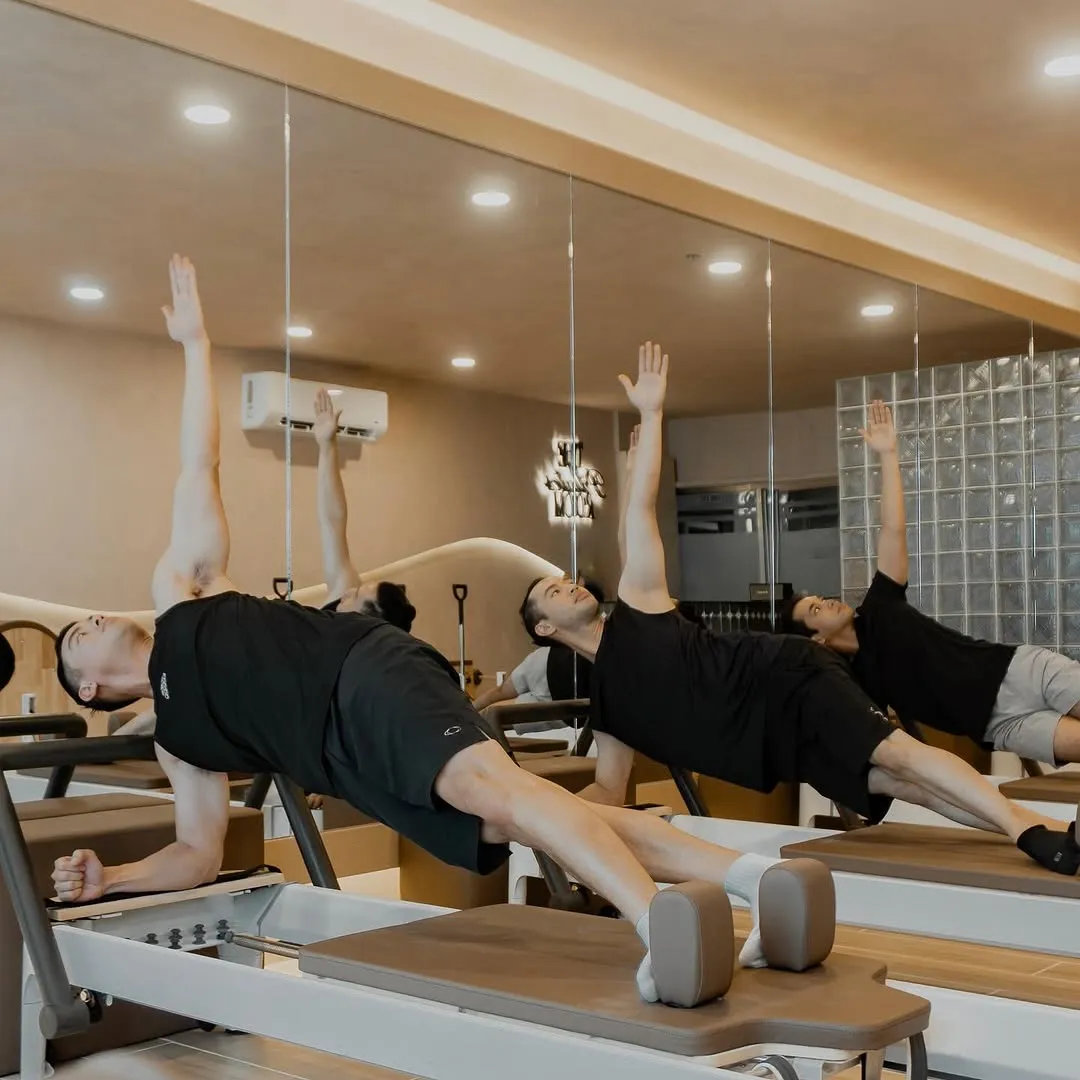
Michelle: Pilates helps by slowing things down and bringing awareness to how the body actually moves. A lot of injuries come from repetitive patterns and small imbalances that go unnoticed. Through controlled, precise exercises, we strengthen the smaller stabilizing muscles, improve alignment, and correct compensations. When the body moves more evenly and efficiently, there’s less unnecessary strain on joints and overworked areas. It’s really about creating balance in the body so it can handle stress better over time.
Kenneth Toh and Adrienne Loa: Pilates helps prevent injuries and correct movement imbalances through high-intensity, low-impact training that strengthens the core and activates smaller, often overlooked muscles. This improves stability, alignment, and control, reducing the risk of strain while supporting safer, more efficient movement.
Are there common physical weaknesses or patterns you frequently see among athletes?
Michelle: Yes, definitely. We often see tight hip flexors, limited thoracic mobility, and underactive glutes, especially in athletes who do a lot of repetitive movement like running, cycling, or golf. There’s also usually a disconnect between core strength and actual core control. That imbalance can affect efficiency and increase strain over time, and Pilates helps bring everything back into balance.
Kenneth Toh and Adrienne Loa: One common pattern we see among athletes is a lack of mobility and balance. Many athletes are strong in certain areas but develop tightness or limited range of motion in others, which can affect performance and increase the risk of injury.
Do athletes ever underestimate Pilates? What misconceptions do you encounter?
Michelle: Yes, all the time! Some athletes initially think Pilates is “too easy” or just stretching, and some even label it as active recovery. While it can absolutely support recovery, that doesn’t mean it’s ineffective.
There’s also the misconception that Pilates is mainly for women, which really isn’t true. Pilates is for everyone! Men, women, athletes, beginners, and all age groups. It’s a method designed to improve how the body moves, regardless of who you are.
Once athletes actually try it, they’re usually surprised by how challenging it is, in a different way. It exposes imbalances, tests control, and strengthens muscles they didn’t even realize were weak. That precision is exactly what makes it so effective.
Kenneth Toh and Adrienne Loa: Yes, many athletes initially underestimate Pilates. A lot of people come to STRONG expecting a slow-paced stretch session, but they are often surprised to find the opposite. Our 45-minute sessions are high-intensity, full-body workouts that combine strength, core training, and cardio. They’re efficient, challenging, and designed to deliver real results in a short amount of time.
Can you share a memorable success story or transformation from a sports client?
Michelle: One memorable case was a recreational golfer who came to us with recurring lower back tightness that would flare up after long games. After consistently doing sports-specific Pilates focused on rotational control, hip stability, and core strength, not only did his back pain significantly improve, but he also noticed more power and consistency in his swing. What stood out most wasn’t just the performance improvement, but that he could play longer without discomfort. That’s always the real win for us.
Kenneth Toh and Adrienne Loa: One of our early clients came to us struggling with severe back pain, limited mobility, and even difficulty getting out of bed. He was seeing a physical therapist three times a week, a result of years of a sedentary lifestyle. Since joining STRONG when we first opened, he has made remarkable progress. After a year and a half, he is stronger, more mobile, and fully confident in his movement. He has fully committed to his new lifestyle, and his latest health checkups show excellent results. It’s been inspiring to see how consistent training and the right approach can transform someone’s body and confidence.