Curious about enzyme facials? Learn how this gentle exfoliating treatment works, what benefits it offers, and why it’s becoming a popular alternative to chemical peels.
If you’re on social media, you might’ve encountered some intense facial peels: videos of people having their skin chemically fried, then revealing what seems like a brand new layer of skin. It’s frightening to say the least, and it got me thinking: is there a less scary version of a chemical peel? Well, thanks to the wonders of the internet and that one line in The Devil Wears Prada 2, I was introduced to enzyme facials.
READ ALSO: 5 Must-Try Hair Oils For That Model-Off-Duty Finish
What Are Enzyme Facials?
An enzyme facial is essentially the gentler cousin of the chemical peel. Instead of relying on strong acids to remove layers of skin, this treatment uses naturally derived enzymes from fruits and plants to dissolve dead skin cells sitting on the surface. Popular enzymes include papain from papaya, bromelain from pineapple, and pumpkin enzymes, all of which help reveal smoother and brighter skin without the dramatic peeling often seen after traditional chemical peels.
What makes enzyme facials particularly appealing is their ability to exfoliate without scrubbing or irritating the skin barrier. While physical exfoliants rely on friction, and chemical peels use acids to break down cellular bonds, enzymes specifically target keratin—the protein found in dead skin cells—making the process far less abrasive. As a result, enzyme facials have become a popular option for people with sensitive, reactive, or first-time skincare concerns.

How Does It Work?
Think of enzyme facials as tiny Pac-Man characters for your skin. The enzymes used in the treatment are proteolytic, meaning they break down proteins. When applied to the face, they target the keratin proteins that bind dead skin cells together on the skin’s surface. Once these proteins are broken down, the dead cells loosen and wash away, revealing fresher skin underneath. Unlike chemical peels, which can continue penetrating deeper into the skin until they’re neutralized, enzyme facials are often described as “self-limiting.” They primarily work on dead, keratinized skin cells and naturally become less active once those cells are removed. This significantly reduces the risk of over-exfoliation, excessive redness, or damage to the skin barrier.
Many formulations also contain antioxidant-rich fruit extracts that can help soothe the skin while promoting a healthy glow. Bromelain, for example, is known for its anti-inflammatory properties, making it especially suitable for sensitive or easily irritated complexions.
Should I Get An Enzyme Facial?
If the thought of a traditional chemical peel makes you nervous, an enzyme facial could be a great place to start. The treatment is particularly helpful for those dealing with dullness, rough texture, mild congestion, or uneven skin tone, but seek visible results without significant downtime. Most people leave their appointment with skin that looks brighter, smoother, and more refreshed rather than red and peeling.
Enzyme facials are also commonly recommended for sensitive skin types that struggle to tolerate stronger exfoliants such as AHAs, BHAs, or retinoids. Because the exfoliation remains largely surface-level, the treatment tends to be gentler while still helping improve skin texture and radiance.
That said, “gentle” doesn’t mean risk-free. People with fruit allergies, highly compromised skin barriers, or certain skin conditions should consult a dermatologist before booking a treatment. Additionally, those looking to address deeper acne scarring, significant hyperpigmentation, or advanced signs of aging may require stronger professional treatments to achieve their desired results.
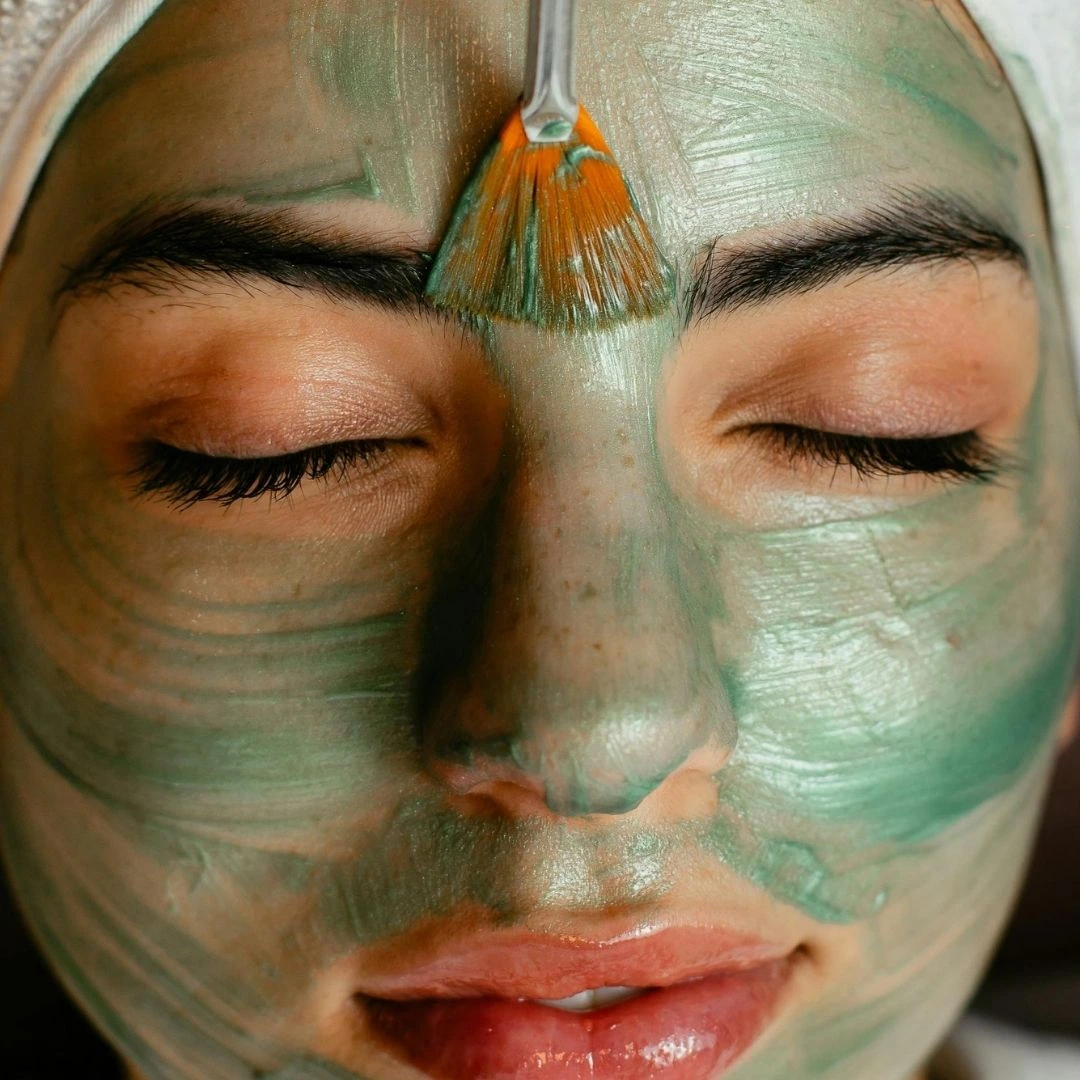
Banner image features a woman enjoying a green cosmetic facial mask, photography by Produtora Midtrack, courtesy of Pexels.
Frequently Asked Questions
An enzyme facial is a skincare treatment that uses fruit- and plant-derived enzymes to gently exfoliate the skin by breaking down dead skin cells on the surface. It offers a milder alternative to traditional chemical peels and physical scrubs.
While chemical peels use acids to remove layers of skin, enzyme facials use naturally occurring enzymes to target only dead skin cells. This results in less irritation, minimal downtime, and a lower risk of over-exfoliation.
Yes, enzyme facials are generally considered safe for sensitive or reactive skin because they provide gentle exfoliation without the harsh effects often associated with stronger acids or abrasive scrubs.
Enzyme facials can help improve skin texture, boost radiance, unclog pores, reduce dullness, and enhance the absorption of skincare products. Many people also appreciate that there is little to no recovery time after treatment.
Enzyme facials are ideal for those looking to address dullness, uneven texture, mild congestion, or dryness without undergoing a more intensive treatment. However, people with fruit allergies or certain skin conditions should consult a dermatologist before booking a session.