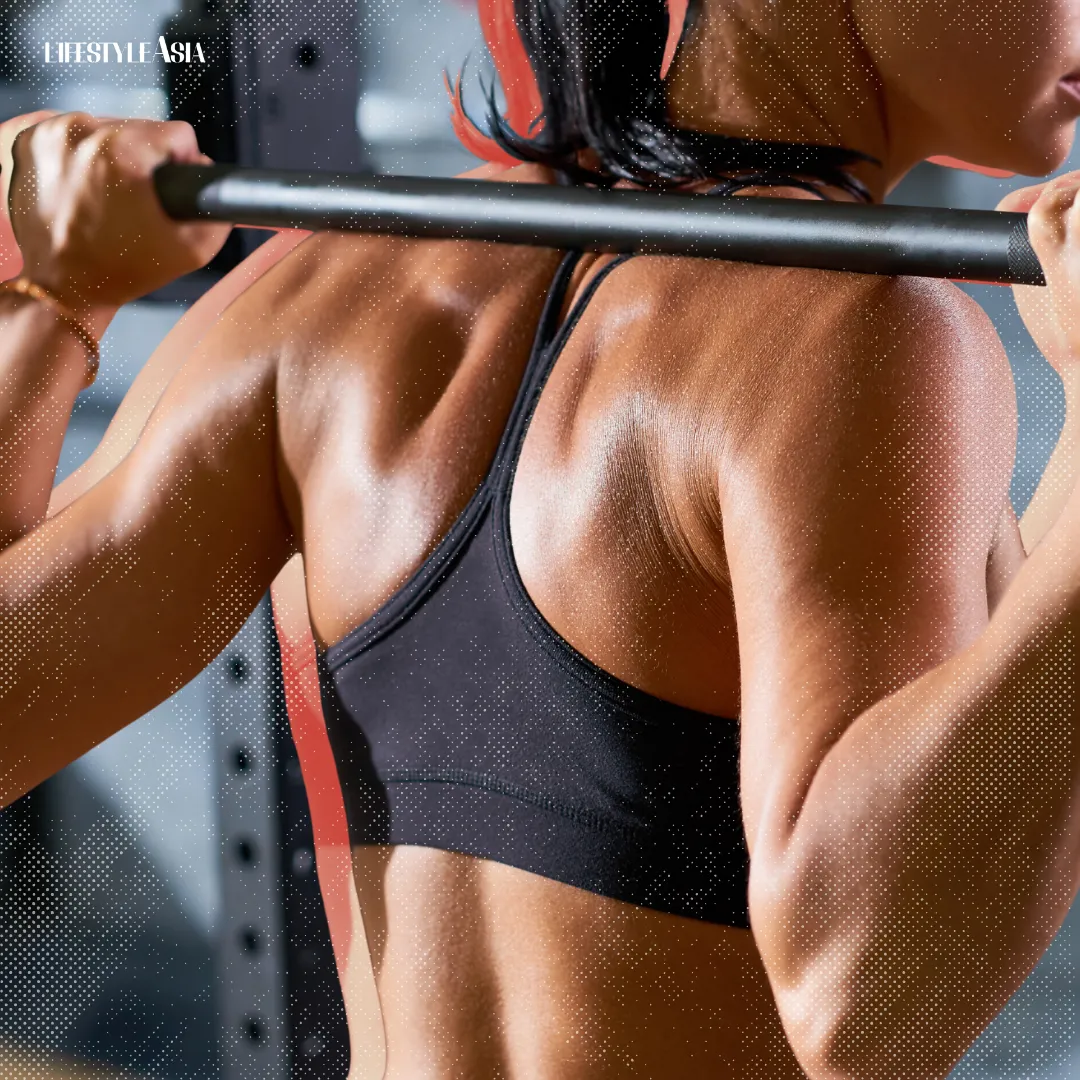
Strength training isn’t about bulking up—it’s about building resilience, boosting metabolism, and fighting age-related muscle loss. A comprehensive guide to getting started with weights, bodyweight exercises, and alternative strength-building methods.
It still surprises me how many women shy away from strength training. The common comments I hear range from “I don’t want to bulk up” to “I don’t know what to do at the gym.” These myths have stuck around for years, even though science and experience say otherwise. The truth is, strength training—which uses weights, resistance bands, or your own body weight to challenge your muscles—affects women’s bodies differently than men’s, and the benefits go far beyond just building muscle. Strength training is one of the most empowering things a woman can do for her health, longevity, and confidence.
Starting as early as our 30s, women naturally begin losing muscle mass and bone density through a process called sarcopenia. Combined with hormonal changes over time, this can leave us feeling weaker and more vulnerable to injury. Strength training helps combat this breakdown by preserving and building muscle while strengthening bones—especially important for preventing conditions like osteoporosis.
The Benefits Of Strength Training
The advantages of strength training for women extend far beyond toned arms or sculpted muscle. First, strength training boosts metabolism by increasing lean muscle mass, helping you burn more calories even at rest. Research shows that each pound of muscle burns about six calories per day, compared to just two calories for fat. Functionally, experts advocate for strength training as it enhances posture, joint stability, balance, and coordination.
Strength training significantly aids bone health, reducing the risk of bone-related diseases and fragility, particularly in the postmenopausal stage. On a hormonal level, strength training appears to help regulate symptoms of PMS and menopause.
Finally, strength training delivers a powerful mental health boost. Studies show that depressive symptoms are reduced following strength training. The act of lifting and seeing yourself capable of taking on challenges, and witnessing the positive effects on your daily life, creates a powerful mental shift. Lifting weights isn’t just about aesthetic benefits; it’s about building resilience, health, and balance that lasts a lifetime.
How To Get Started With Strength Training
Starting small is key. You don’t need a fancy gym or heavy barbells on day one. Begin with bodyweight exercises like squats, lunges, push-ups, and planks. From there, you can progress to using resistance bands, dumbbells, or kettlebells. If possible, work with a personal trainer initially to learn proper form. Establishing good technique is crucial to help you get the full benefits of each movement, build a strong foundation for adding weight, and prevent injury. The goal is to challenge your muscles gradually without overwhelming your body.
How Often, And How To Progress
For beginners, two to three sessions per week are enough to see real results. Focus on full-body workouts that target the major muscle groups: legs, back, chest, arms, and core. Start with light weights that allow you to complete 8 to 12 reps with good form. Once that feels comfortable, gradually increase the weight or reps. Consistency matters more than intensity at the start.
READ ALSO: Everything You Need To Know About The HYROX Hype
Other Ways To Build Strength
When we think of strength training, we often picture dumbbells, barbells, and gym machines. But you can build strength in many ways. Pilates, yoga, barre, and bodyweight circuits all challenge your muscles using your own body weight, springs, or bands. These forms are a great entry point, especially if you’re intimidated by lifting weights. They help train stability, mobility, and core control while building the mind-body connection essential for everyday movement.
That said, the most effective strength training focuses on functional movements, such as pushing, pulling, hinging, and squatting, as these strengthen the muscles you rely on most in daily life. So while Pilates or yoga can be an excellent start, gradually incorporating progressive resistance through weights or bands will help build the muscle and bone strength that women need for long-term health.
Things To Be Aware Of With Strength Training
Like any form of exercise, strength training comes with considerations. Poor form or lifting too heavy too soon can cause strains or injury. That’s why proper guidance, through a trainer or fitness classes, is worth the investment. Rest days are equally crucial. Muscles grow and repair when you’re resting, not when you’re lifting. Pair strength training with good sleep and balanced nutrition (especially adequate protein) to maximize results.
READ ALSO: How To Build A Healthy Relationship With Food
Strength Is Beautiful
Contrary to popular belief, strength training isn’t about building bulk. It’s about becoming capable, confident, and healthy at every age. For women, it’s a tool for fighting muscle loss, building resilience, and feeling strong from the inside out. So next time you walk past the weights section at the gym, don’t hesitate. Pick them up. Your future self will thank you.