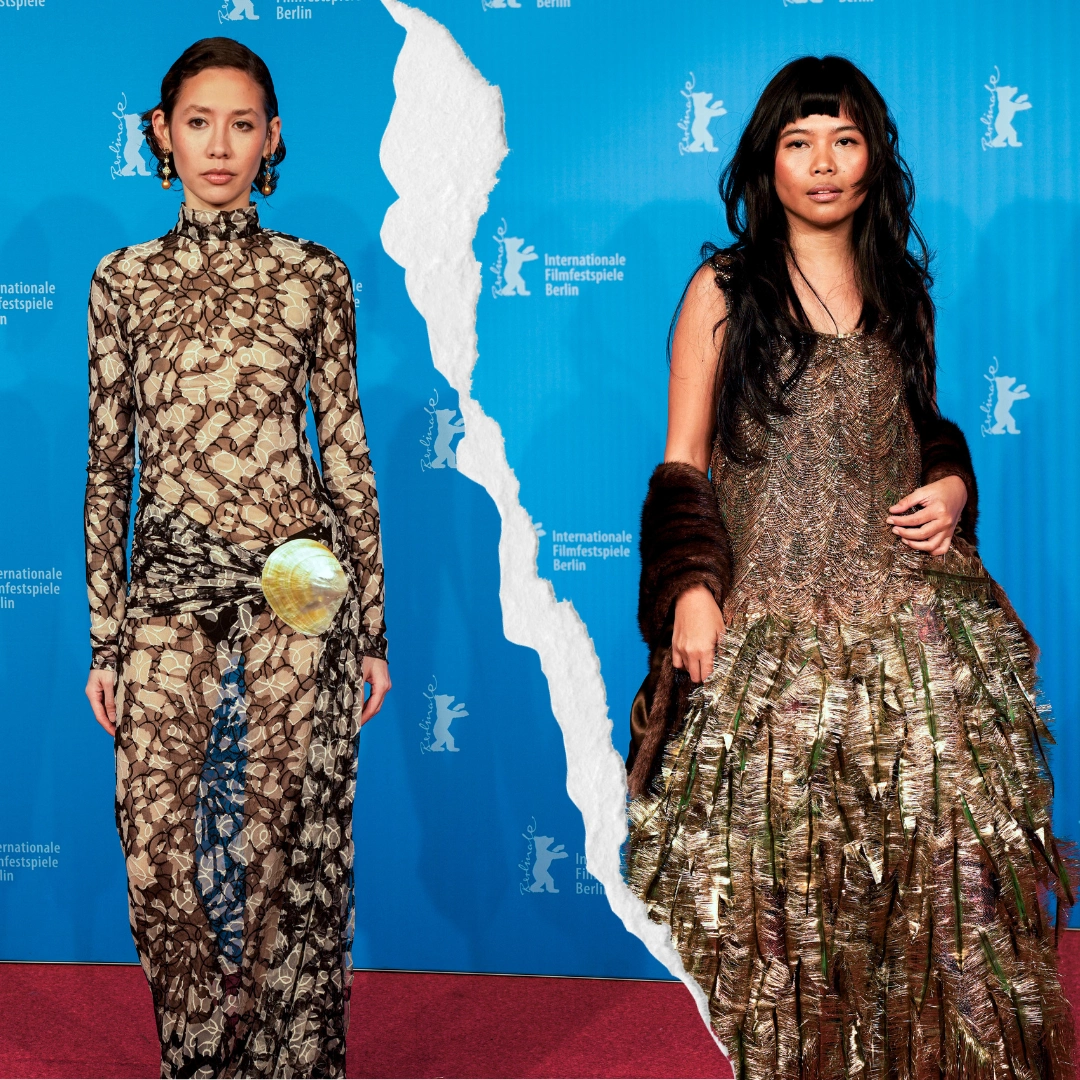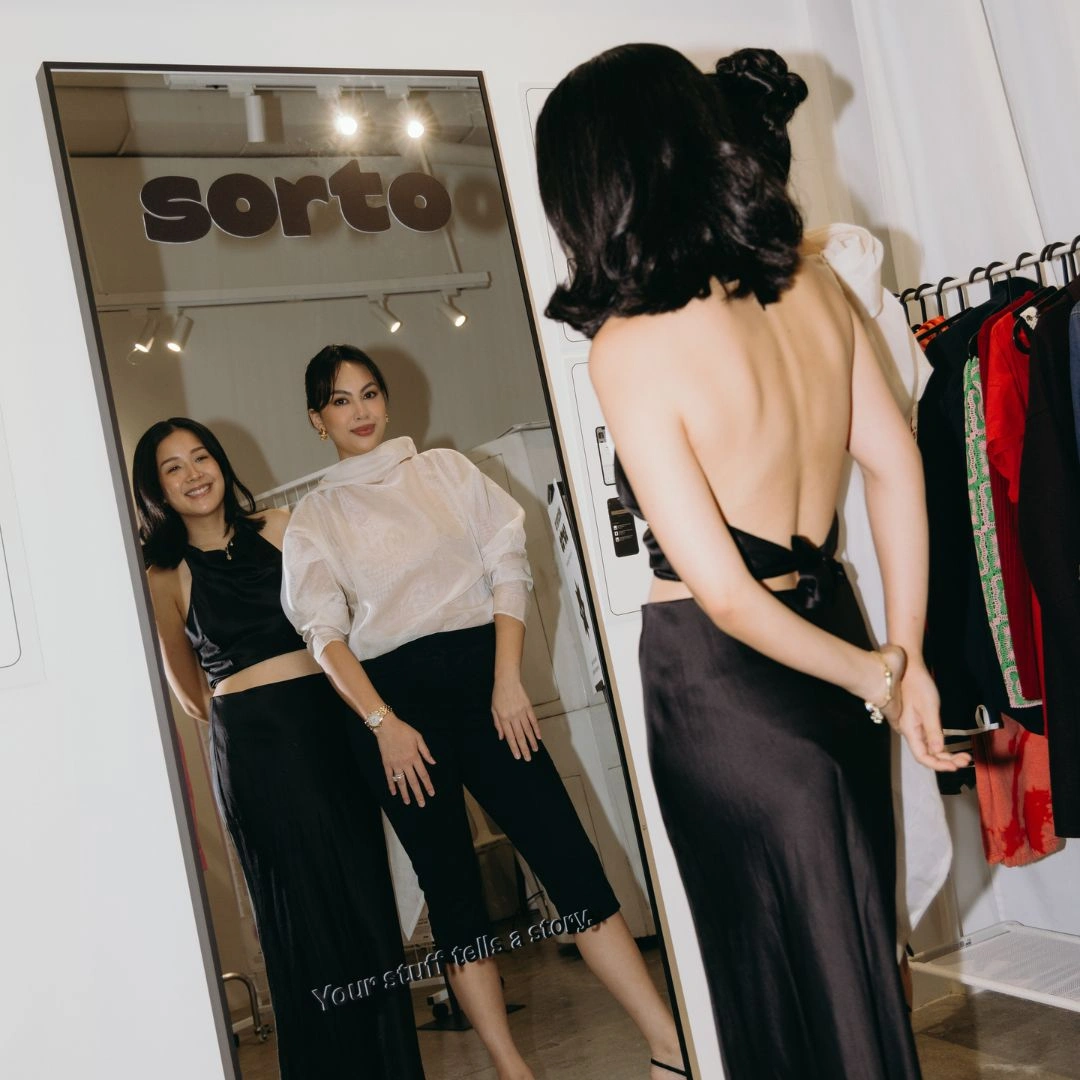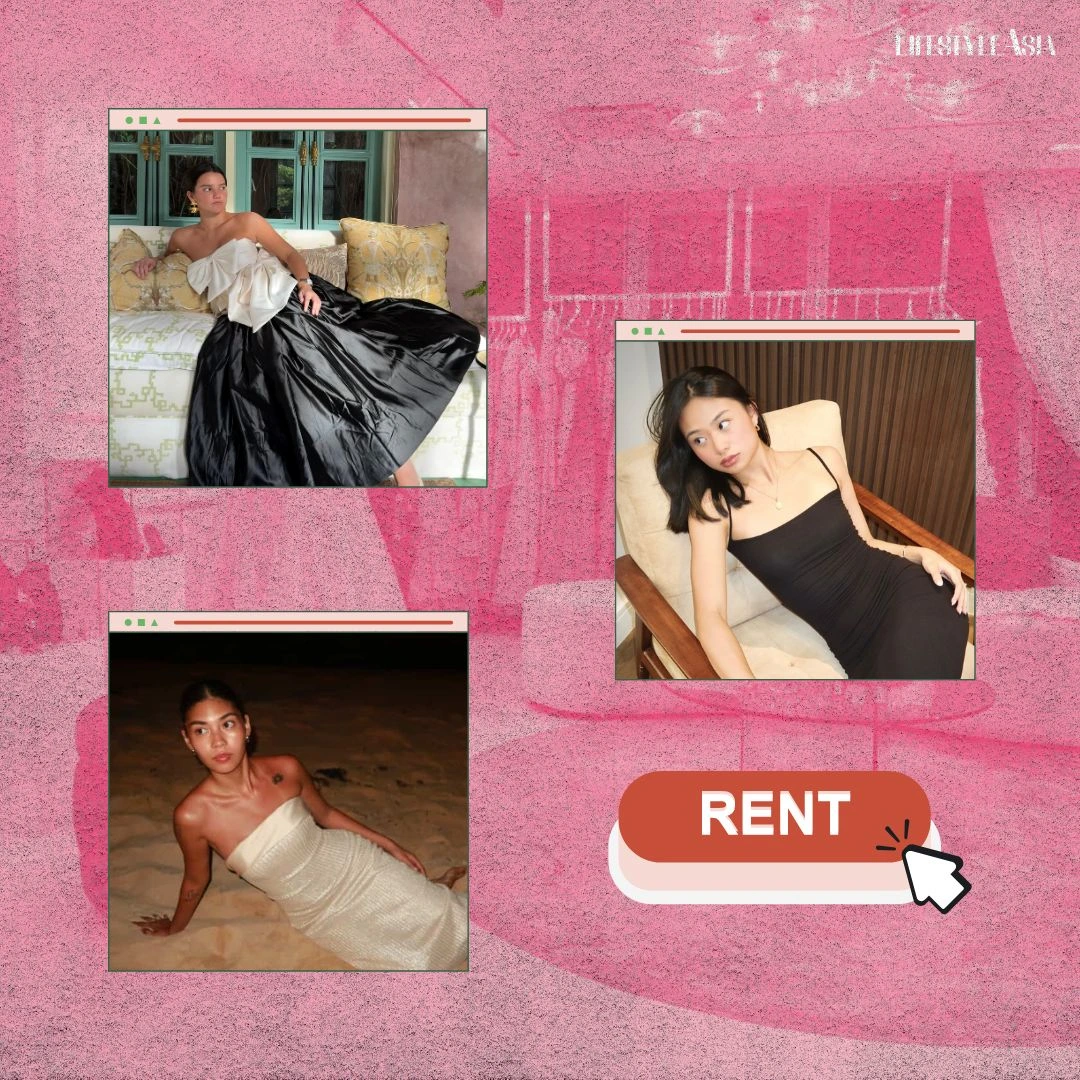
Clothing rental shops are challenging the culture of overconsumption by offering a stylish and sustainable alternative.
Have you ever found yourself staring at your closet, feeling like you have nothing to wear? You bring out every dress, jumpsuit, and blazer, and yet nothing seems right for the occasion. Your solution? You open your phone, log in to your favorite online retail store, and buy a dress you’ll only wear once. It’s a process you know so well, you don’t even consider other options—like rentals.
We’ve all been guilty of falling into the cycle of buying, wearing, and then either disposing of or storing our clothes. In moments of fashion emergencies, our go-to remedy is often to purchase something new—driven by trends and fueled by mindless consumerism. But this seemingly harmless habit carries real environmental and social consequences.
READ ALSO: Fashion’s Living Archives
The practice of constantly buying clothes for one-time use heavily contributes to the fashion industry’s biggest problem—the linear economy. This occurs when companies continue to produce and sell clothes based on fads and microtrends, leading consumers to overconsume garments that ultimately end up in landfills. The linear economy model disregards the environmental and social issues associated with the production and manufacturing of clothing.
Accepting that you’ve fallen into the rabbit hole of overconsumption and mindless consumerism is a hard pill to swallow; however, changing your consumption habits helps you break free from the constant and tiring cycle of fashion consumerism. One way to improve your consumption habits is to rent clothes for events and occasions when you usually buy one-time-use pieces.
The Norms and Culture Of Rentals
Renting clothes is not a new concept in the Philippines. It is a cultural practice rooted in the country’s rich and colorful traditions. One clear example of how clothing rentals play a significant role in Filipino culture is the annual Santacruzan held every May as part of the nationwide Flores de Mayo celebration—a month-long festival honoring the Virgin Mary.

For the Santacruzan festival, young women are chosen to embody various titles of the Virgin Mary from the Litany of Loreto, as well as other figures associated with her. They take part in a processional pageant wearing long, beautiful, and grandiose gowns—often rented from local provincial designers. Due to the seasonal demand, small-town fashion designers typically create ball gowns and dresses specifically for Santacruzan and rent them out during the festival. It’s a practice born out of cultural necessity.
Clothing Rental Is An Antithesis
Beyond its cultural significance, rental clothing is a direct antithesis to the fashion industry’s hegemony of consumption. As Michele Dillon explains in her book Introduction to Sociological Theories, the hegemony of consumption refers to the pervasive organization and promotion of consumerism, presenting it as the most appealing and natural way to live. We are led to believe that buying and consuming are the only solutions to our problems—that everything can be resolved with a simple swipe of a card.
The fashion industry encourages the purchase of trend-driven clothing, fostering a cycle of mindless consumption. This leads to short-lived wardrobes and excessive textile waste.
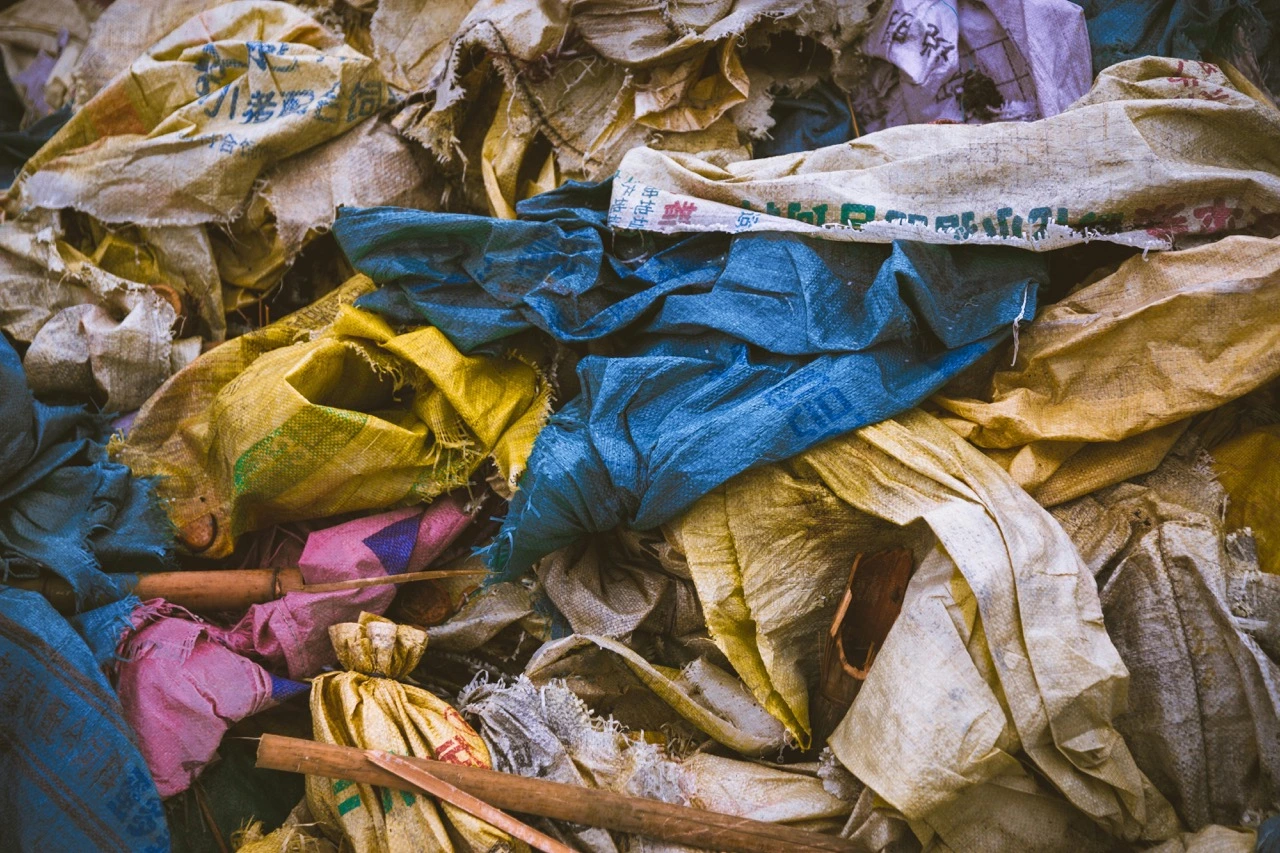
Clothing rental shops offer a strong alternative to the established culture of consumption. They provide customers with a wide range of options, making the search for an outfit easier. Furthermore, renting clothing helps curb overconsumption, as garments are returned for others to use—saving money and space while also benefiting the environment.
To help you begin your rental journey and get you on the right track, we’ve curated four clothing rental stores you can turn to when you need a dress for a special occasion or event. This selection offers a convenient starting point for exploring the benefits of renting. By choosing to rent, you gain access to a variety of styles while staying sustainable and mindful.
RNT Wardrobe
Gaby and Radine, inspired by the Australian dress-hire culture they experienced during their university years in Sydney, founded RNT to introduce the concept to the Philippines. Fueled by their love for fashion—particularly Australian designer labels—they recognized the limited local availability of international brands.
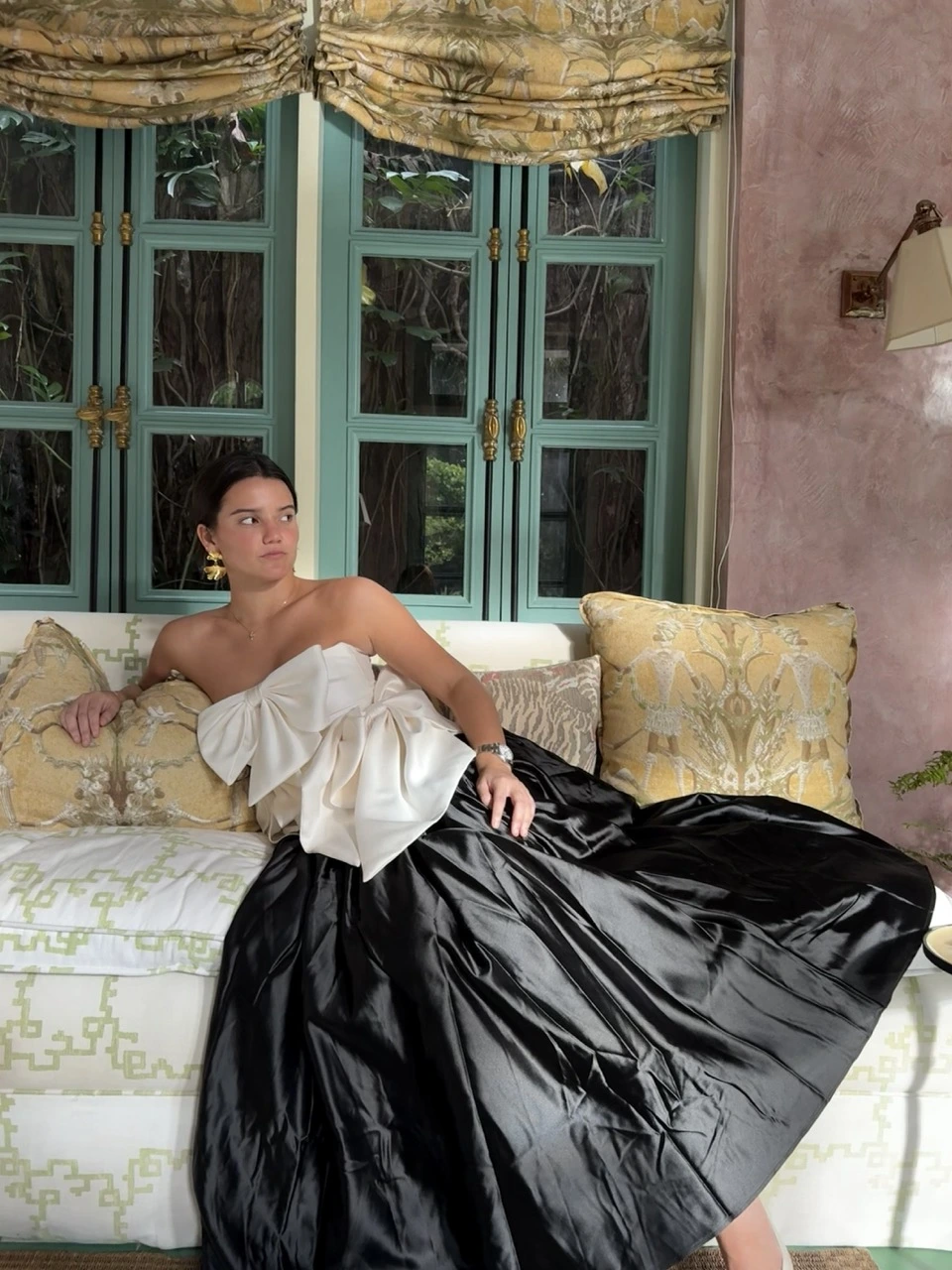
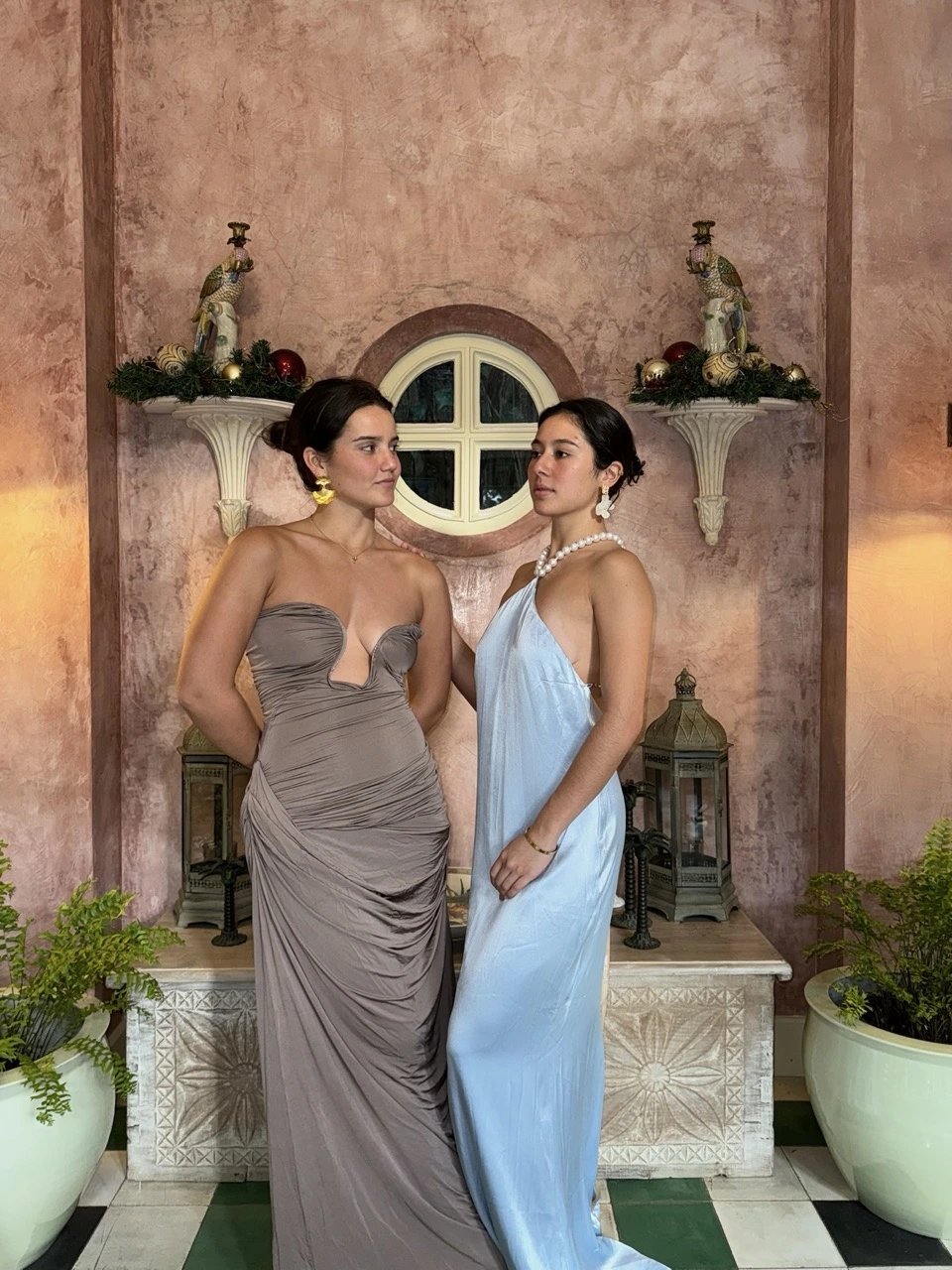
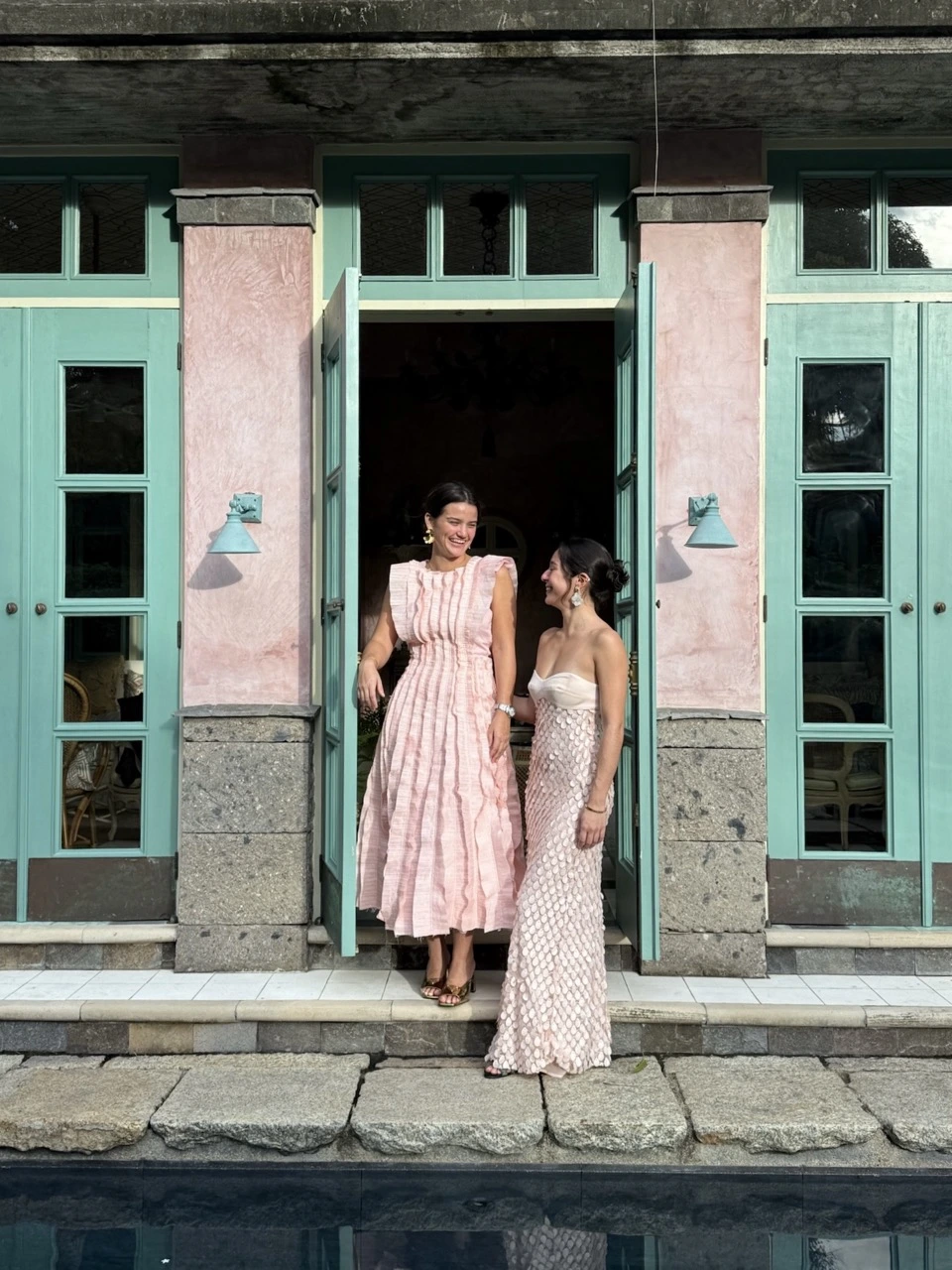
What began as a simple idea of sharing wardrobes among friends evolved into a desire to extend this to the wider community. Through RNT, they aim to democratize access to global designer fashion for Filipinos, making it more affordable while championing circular and sustainable fashion practices.
Continuiti
“The three of us have been close friends for years, and sharing clothes became second nature—borrowed dresses, last-minute swaps, and outfit rescues were our love language,” shared the founders of Continuiti, reflecting on the beginnings of their business.



Recognizing a broader need for accessible fashion, Continuiti expanded from a shared closet to a rental space offering diverse clothing, from everyday wear to designer pieces. Beyond affordability, their vision encourages mindful consumption as an alternative to fast fashion. Driven by environmentalism, Continuiti allows people to enjoy fashion sustainably, fostering an inclusive “communiti” for pressure-free and fun experimentation. “One shared closet, for one shared planet,” they added.
My Closet Manager
My Closet Manager aims to foster sustainable fashion through an innovative closet management system. This system empowers self-expression and financial well-being while encouraging responsible consumption.
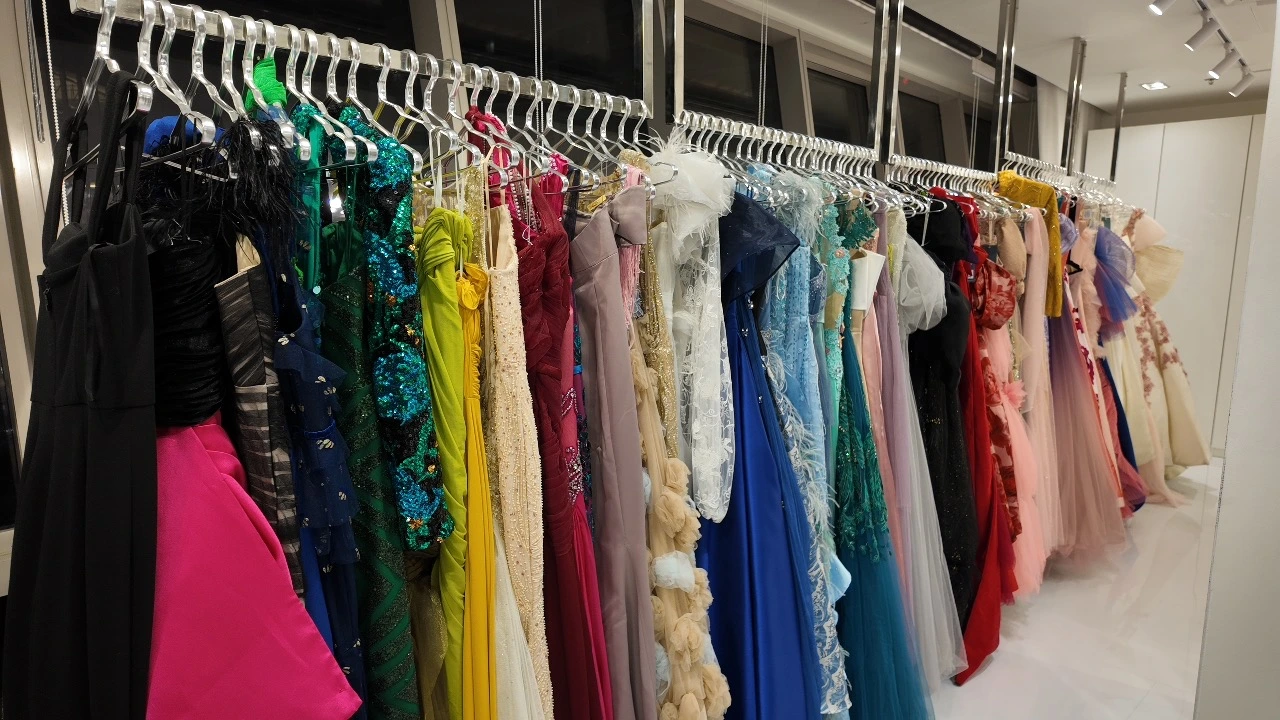
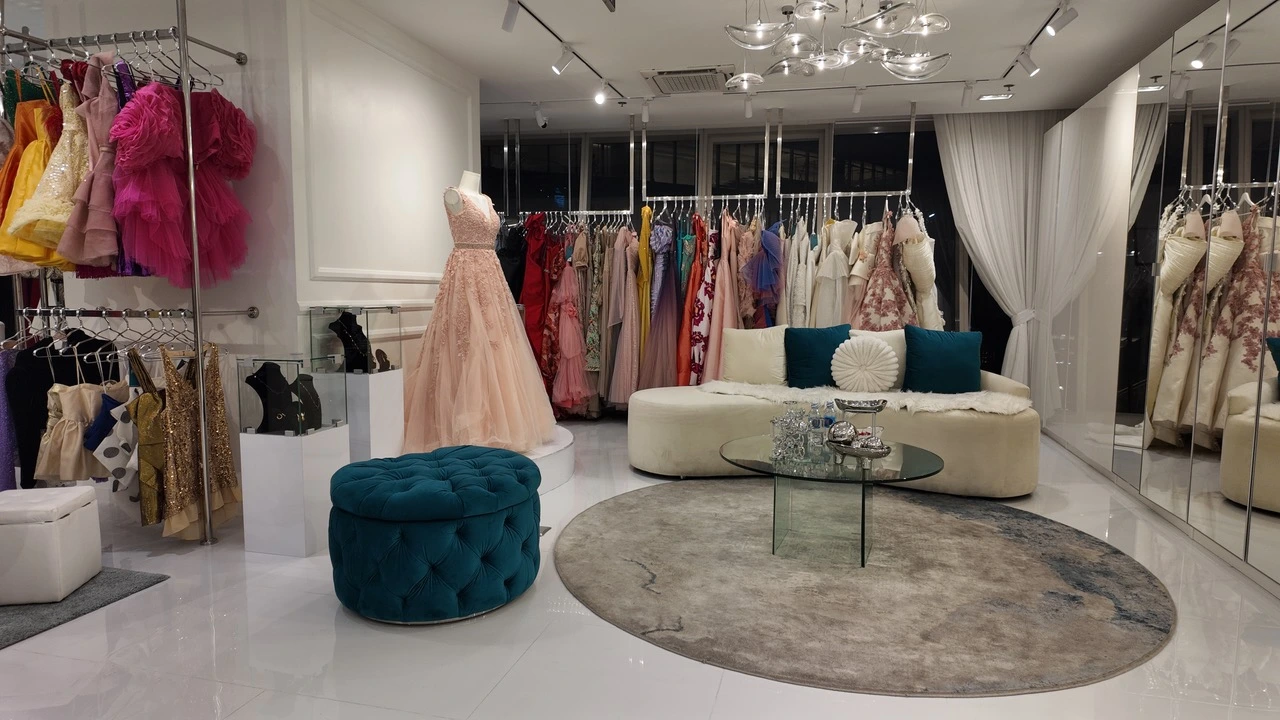
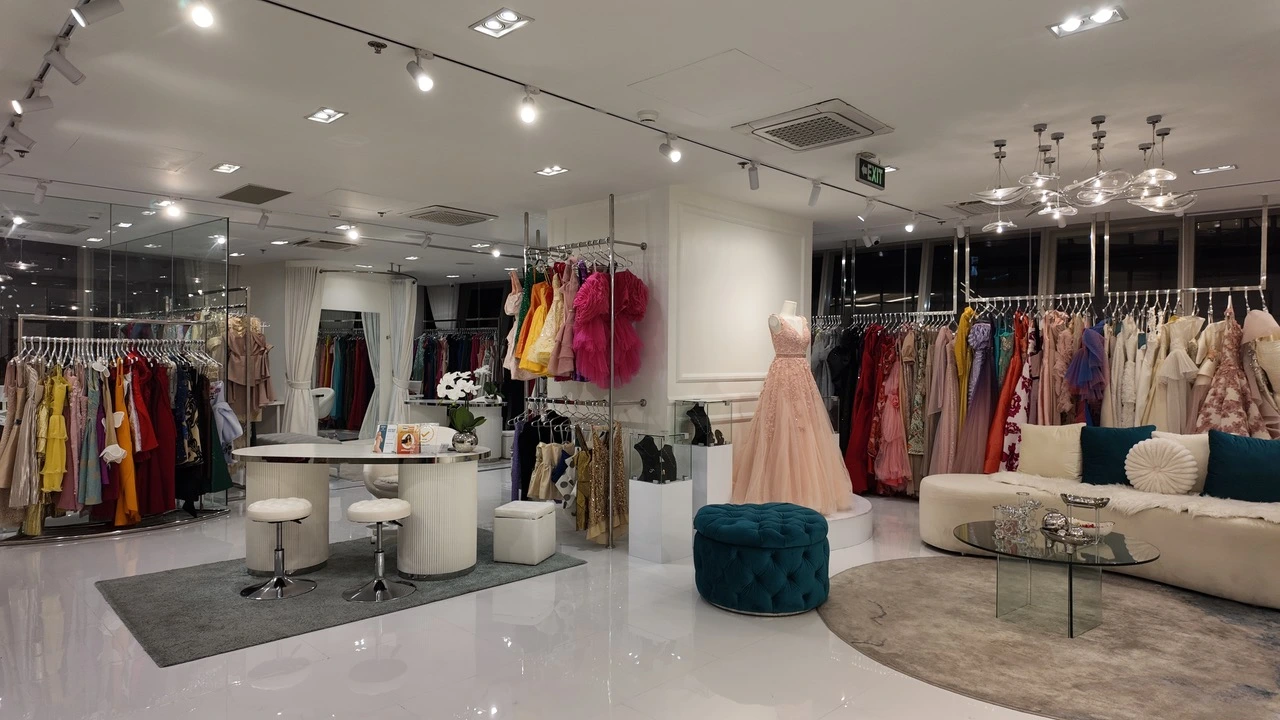
Led by luxury brand expert Genevieve Yalung, My Closet Manager promotes mindful fashion consumption and positions clothing as a financial asset. Driven by a vision to revolutionize fashion-tech, Yalung integrates advanced technology to enhance customer experience while prioritizing sustainability and quality, aiming to establish the platform as a global leader.
Vestido
Vestido, founded by three women with deep roots in the fashion industry, acknowledges the sector’s significant environmental impact as the third most polluting industry globally. Recognizing their own contribution to this issue, they are committed to fostering change.



Vestido believes that by offering a clothing rental service, they can provide a sustainable alternative to fast fashion, allowing individuals to enjoy diverse styles without contributing to overconsumption and textile waste.