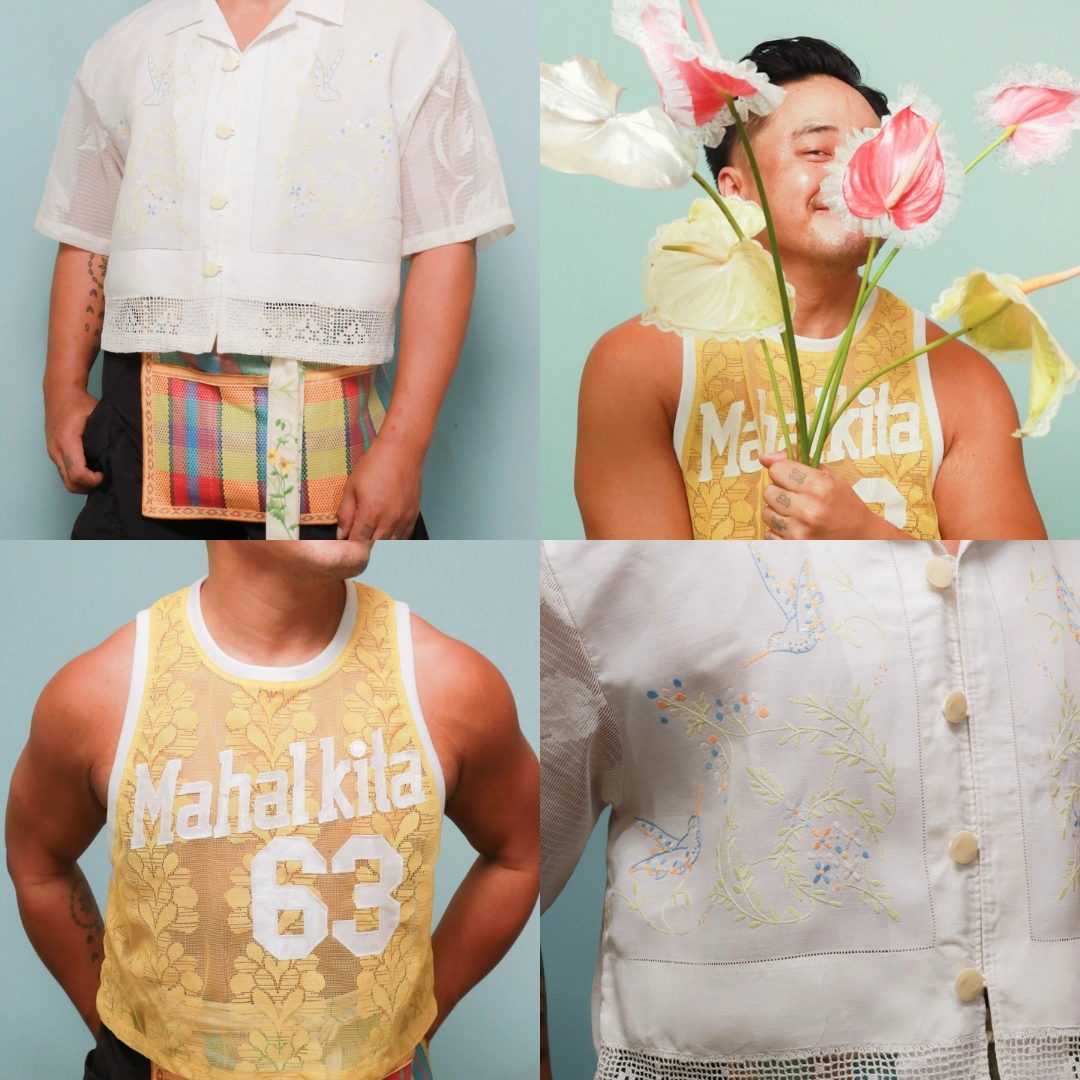
From the recognizable “Mahal Kita” jersey to his latest Award collection, Jodee Aguillon discusses how queerness, cultural memory, and community continue to shape the creative vision behind Glorious Dias.
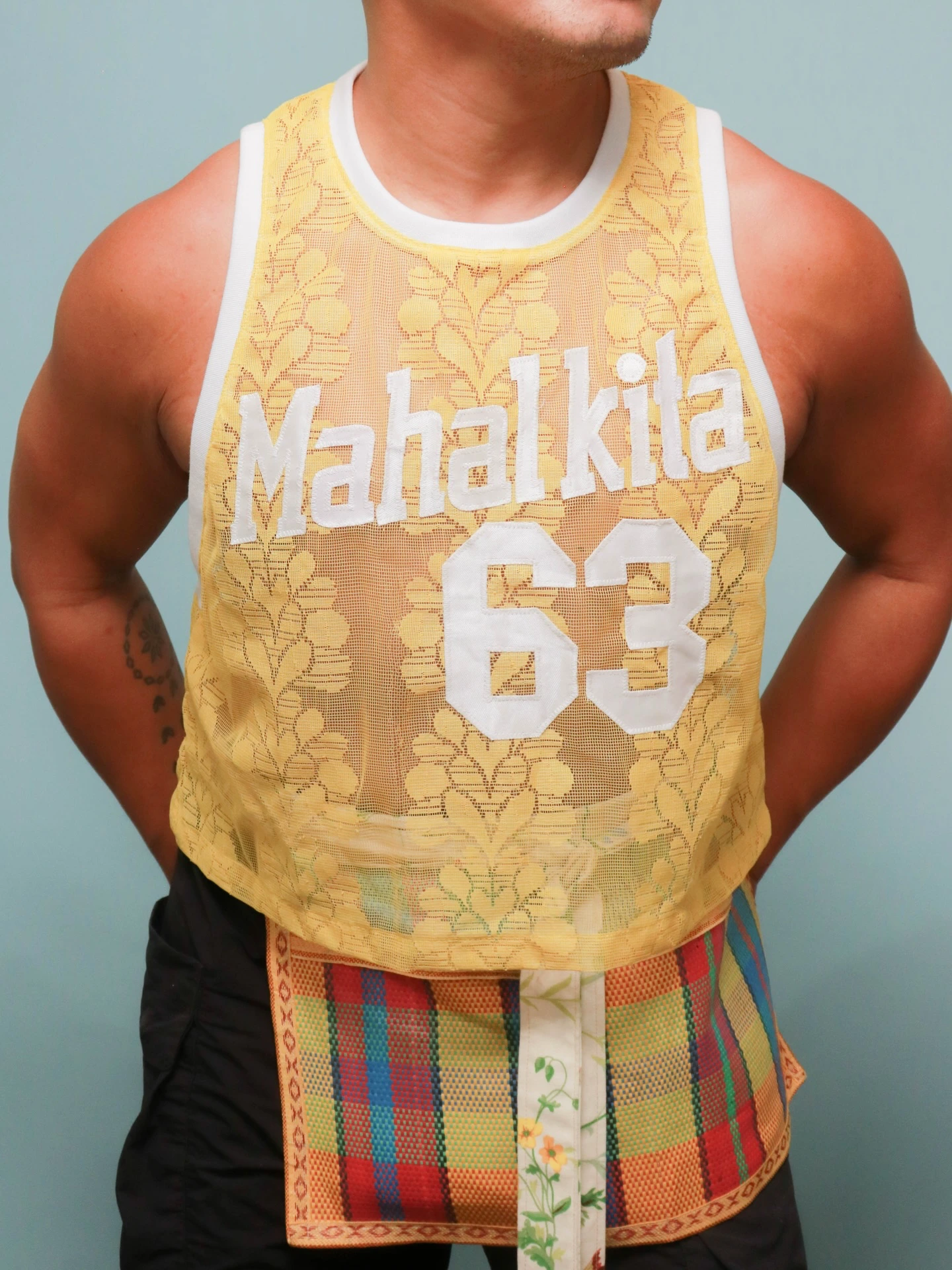
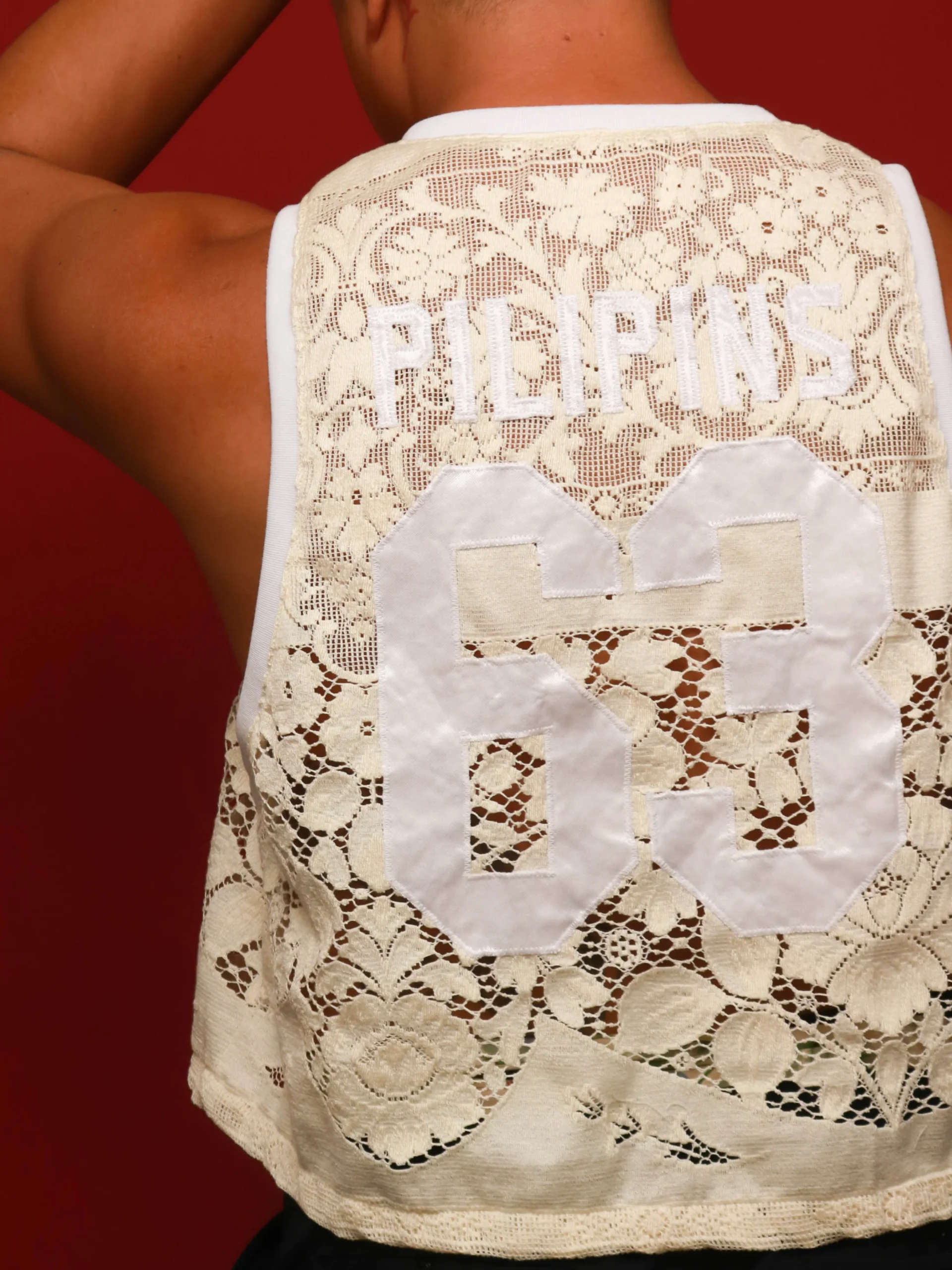
Mahal Kita. It’s a short Filipino phrase that carries the weight of emotions, experiences, and human connection. It’s something said with conviction: a declaration of love, an expression of affection, and, in many ways, an act of surrender. The phrase, emblazoned across a classic basketball jersey silhouette with the number 63, has become one of the most recognizable designs by Jodinand Aguillon, better known as Jodee, founder, creative director, and owner of Glorious Dias.
There’s something distinct about Jodee’s design philosophy. It goes beyond simply being in touch with his heritage; it comes from somewhere deeper and more personal. His work feels quintessentially queer in all the best ways: expressive, intentional, and unapologetically authentic. Lifestyle Asia had the opportunity to sit down with Jodee and explore how the intersection of queerness and creativity has shaped his design language.
READ ALSO: Wondering What To Wear To Your Civil Wedding? Here Are Our Style Tips
Getting To Know Glorious Dias
When asked to describe himself to the readers, Jodee answers, “I’m a cultural worker whose practice spans visual identity, vintage textiles, assemblage, installation, events, and community care. Much of my work is rooted in storytelling and creating experiences that bring people together.”
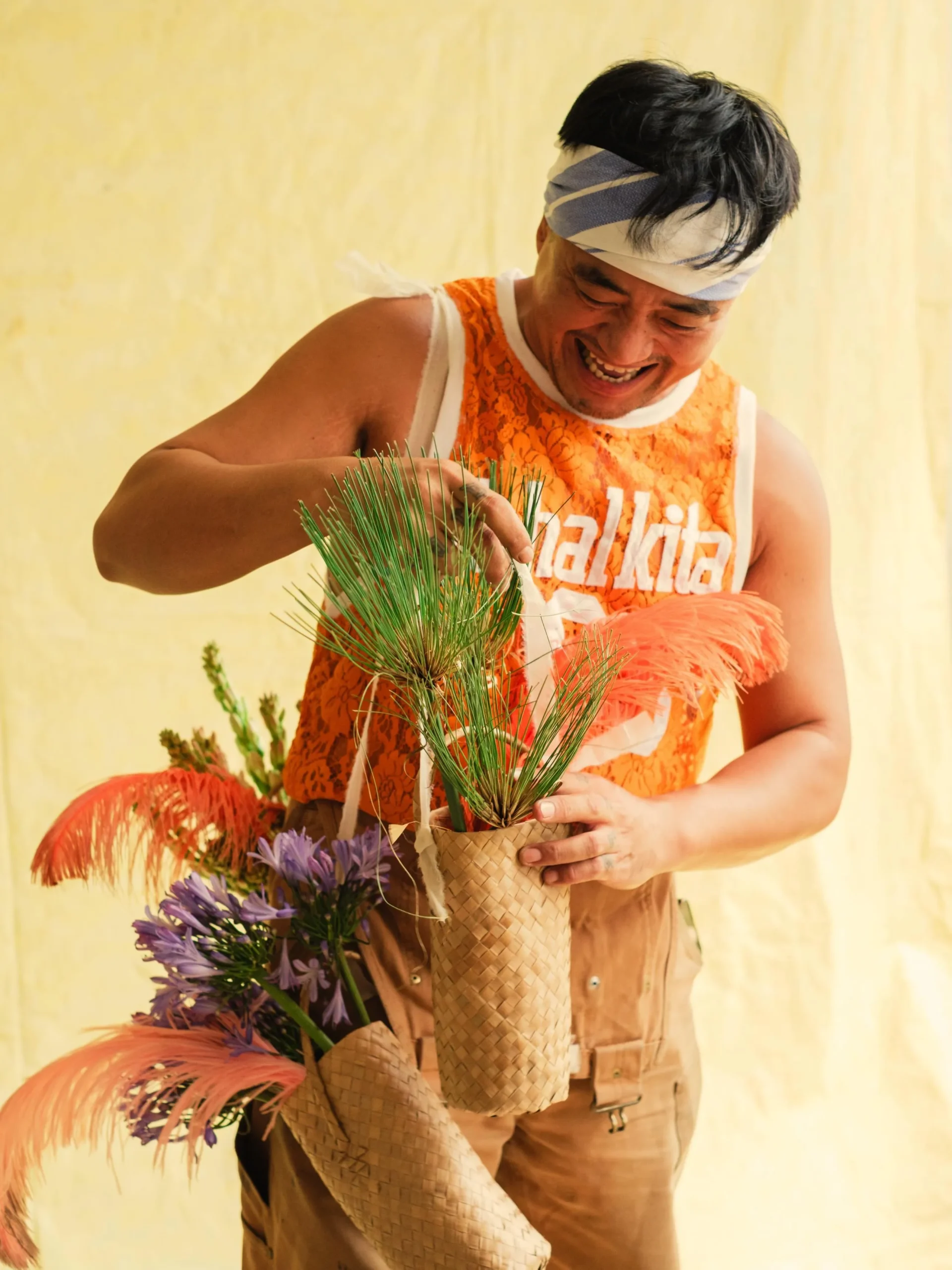
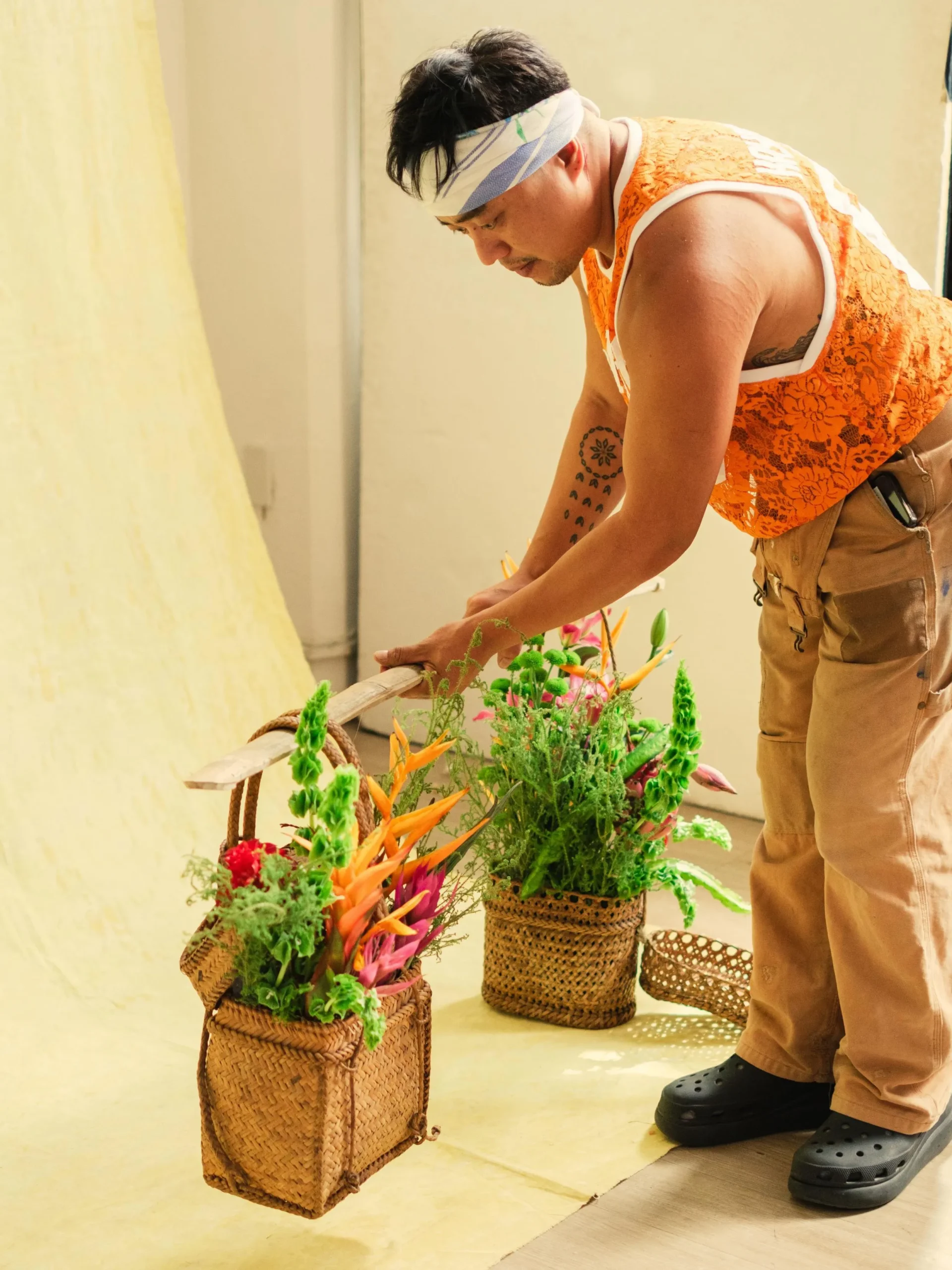
Unlike other designers who had mastered the craft of garment making through studying it in university, Jodee took on a different path. His creative background was really from the lens of fine arts; however, fate has brought him to design. “It emerged from hands-on life experiences—folk dance, theater, organizing exhibitions, producing festivals, and finding ways to translate those experiences through my POV,” he explains. Forged through hands-on, community-centered experiences, his creative sensibilities would eventually find a new outlet through the tactility of clothing.
A Design Language Written With A Queer Lens
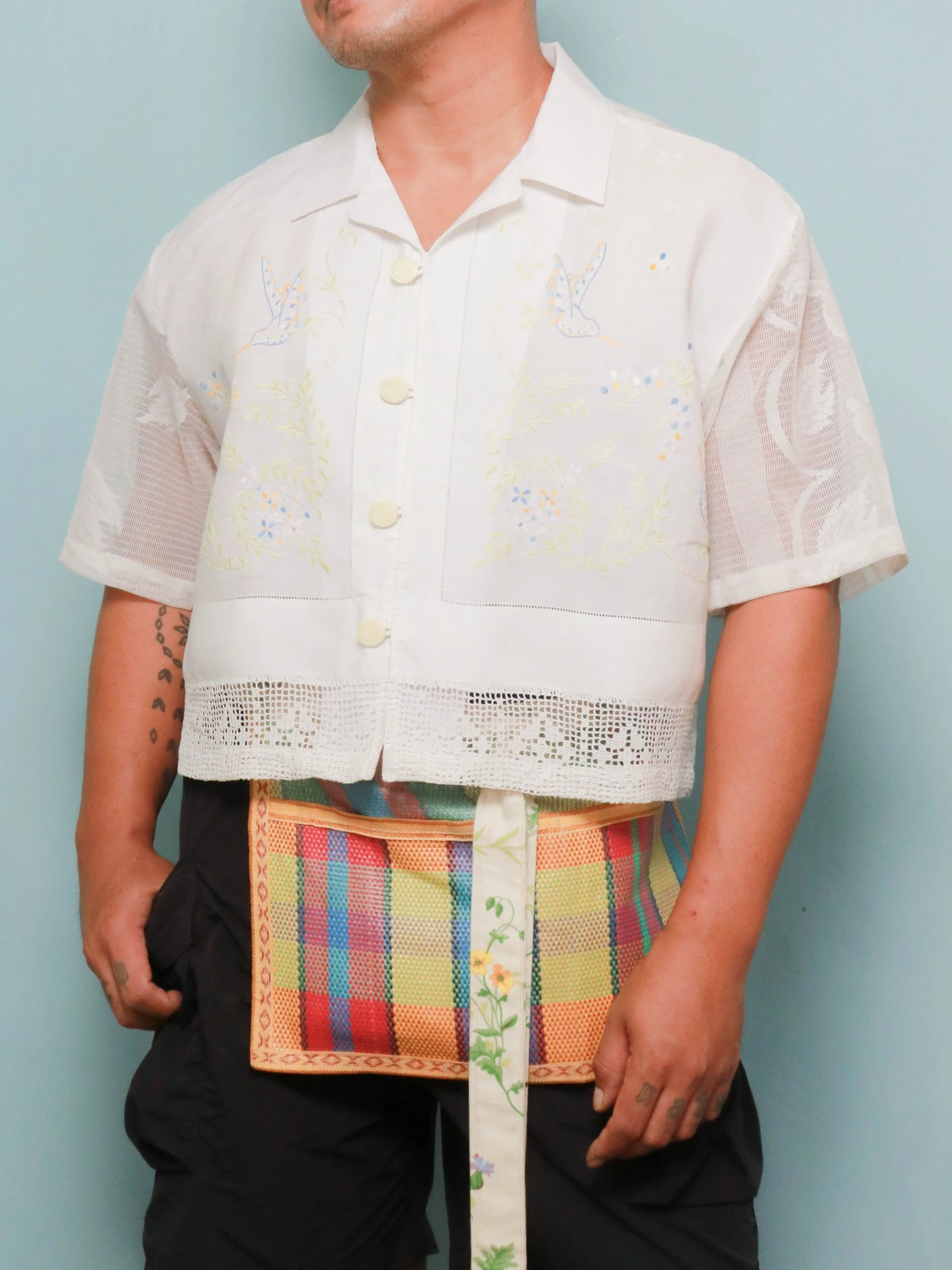
Looking at Jodee’s designs, you feel a rush of joy. The color combinations, fine details, and playfully unapologetic maximalism that define his pieces are a sight to behold. “I’m drawn to the tension between beauty and absurdity,” he explains. Jodee’s design isn’t just good to look at: it makes you wonder and even question the things we often consider as tasteful, legitimate, or worthy of attention.
The aesthetic he’s known for today didn’t just pop out of nowhere. It was something born from steady cultivation, a kind of experience he could only gain as a queer man. “Queer communities have always found beauty in places others often overlook and transformed limitations into creativity,” he states. “I think that has made me more interested in reinvention, theatricality, and alternative narratives of beauty.” This ethos manifests itself through unexpected choices, a love for camp, and an appreciation for objects and cultural references that exist outside conventional hierarchies of taste.
Navigating A World Not Built For You
For many queer people, navigating the world means understanding early on that not many spaces, systems, or institutions are built with them in mind. That realization often becomes a catalyst for imagination: a way of looking beyond what exists and questioning whether things could be done differently.
For Jodee, that perspective has naturally informed the way he approaches design. Rather than adhering to established formulas, he’s drawn to the possibility of creating something more inclusive, joyful, and unexpected. “I simply make stuff I wish to exist,” he shares. That philosophy is present in much of his work, where celebration and transformation are recurring threads—the latter dealing with the idea that identities, communities, and creative practices are always evolving. Humor also occupies a central place in his design language. Wit, camp, and performance resist being merely decorative, having long served as tools of survival, resistance, and connection within queer communities.
The conversation around queer visibility in the creative industry has grown considerably over the years. Visibility matters because it expands the collective imagination of what’s possible; when queer designers and artists are seen, they contribute new perspectives, narratives, and ways of thinking that enrich cultureCultureshared traditions, beliefs, values, customs, arts, and social practices that define the identity and way of life of a community, society, or nation.Go to Culture Glossary as a whole. Yet Jodee believes this representation is only part of the equation. “Representation opens doors, but protection, support, and collective care ensure more people can walk through them,” he explains. Beyond recognition, there remains a need for structures that allow queer creatives to thrive as much as be seen.
The Legacy Of Queer Excellence
For all the progress made in conversations around visibility and representation, queer existence is still rarely celebrated with the same weight as more conventional milestones. We hang tarpaulins across neighborhoods for graduations, pageant wins, and birthdays, yet there are no public congratulations for surviving another school year as a queer person, walking down the street without fear, holding someone’s hand in public, or simply showing up as yourself every day.
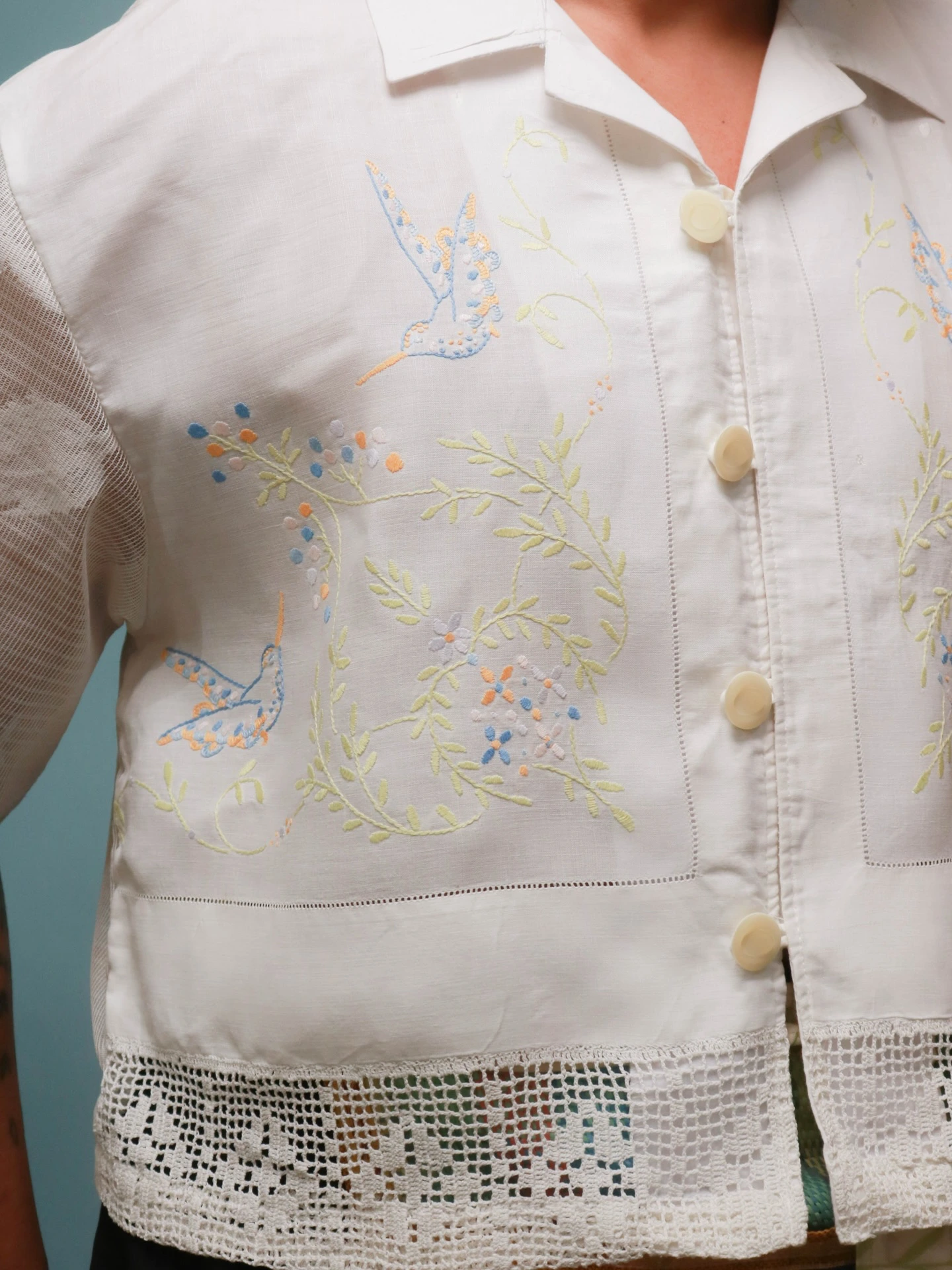
It’s this absence that informs Jodee’s current Award collection. The pieces pay tribute not only to extraordinary achievements, but also to the less-acknowledged resilience it takes for many queer people to move through the world. As he puts it, the collection honors “queer excellence and the mediocrity it takes, at times, for some of us to just get by.”
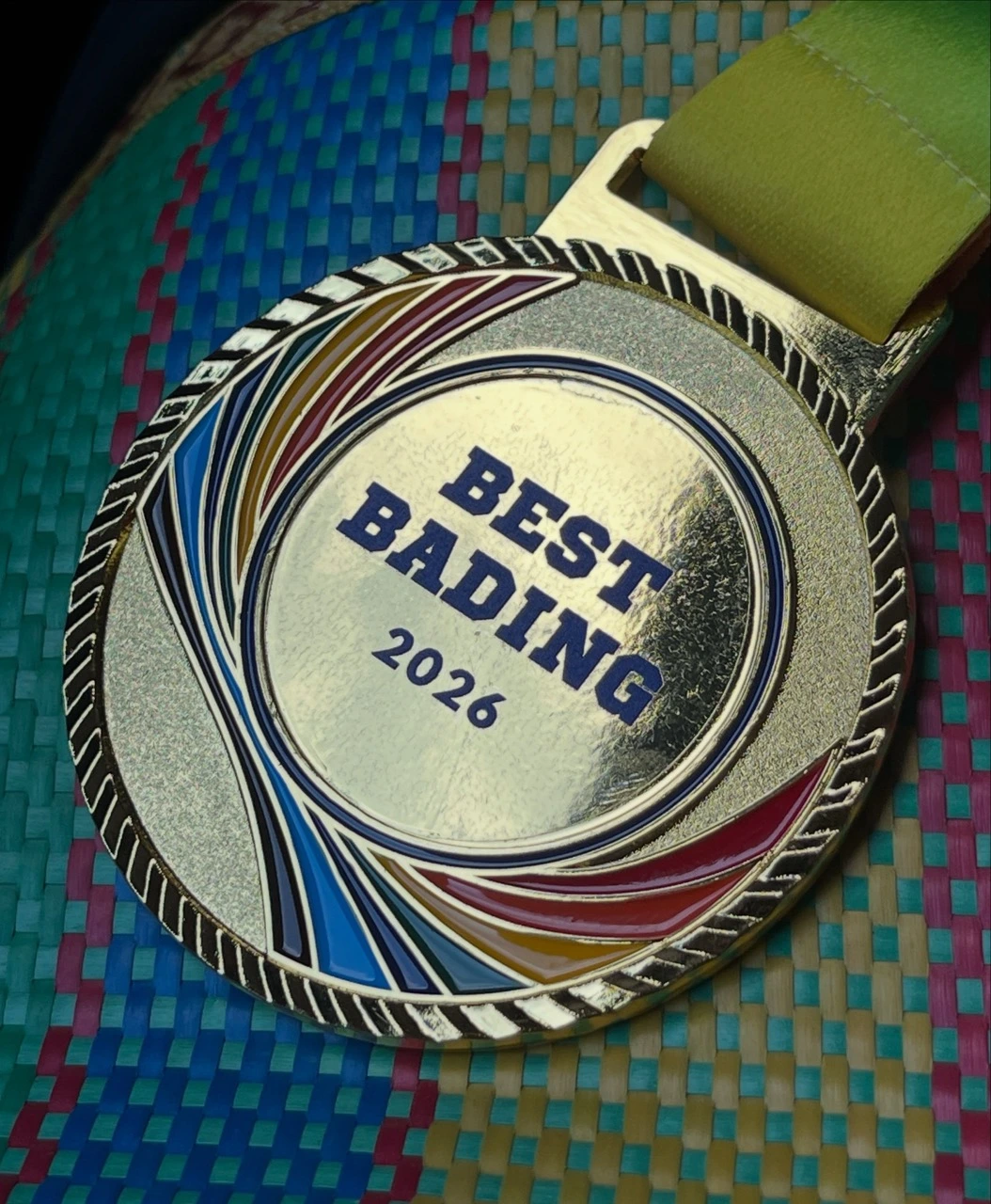
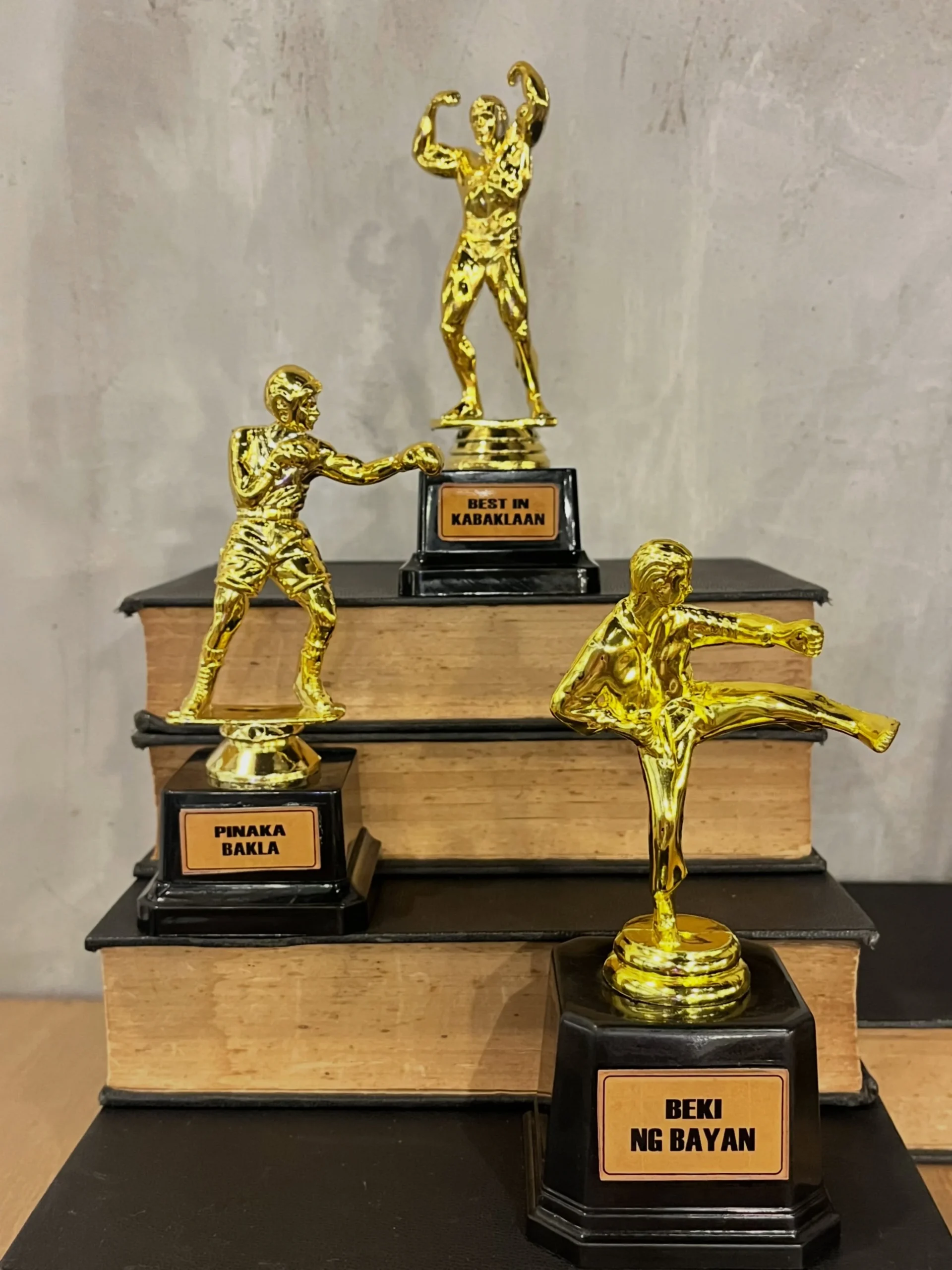
The collection also reflects a tension familiar to many queer people: the pressure to be exceptional in order to earn acceptance, which births a longing to belong beyond one’s achievements. Through humor, spectacle, and a touch of irreverence, Jodee explores those contradictions with both tenderness and clarity, and that’s what lies at the heart of Glorious Dias. The garments are simply vehicles for both documentation and expression, vessels for the experiences and memories a community carries with them: the known and obscure, the everyday and extraordinary, all of which are stories worth telling.
Photography by Hans Chua, courtesy of Glorious Dias, unless specified
Frequently Asked Questions
Glorious Dias was founded by Jodinand “Jodee” Aguillon, a cultural worker, designer, and creative director whose practice spans fashion, visual identity, installations, events, and community-building.
Glorious Dias is known for blending Filipino cultural memory, vintage and found materials, humor, queer perspectives, and storytelling into distinctive wearable pieces and creative projects.
Jodee’s work draws from queer experiences of reinvention, community, celebration, transformation, and alternative ways of seeing beauty. These influences shape both the visual language and conceptual foundation of Glorious Dias.
The Award collection explores themes of queer excellence, visibility, belonging, and resilience. It celebrates not only extraordinary achievements but also the everyday act of navigating the world authentically as a queer person.