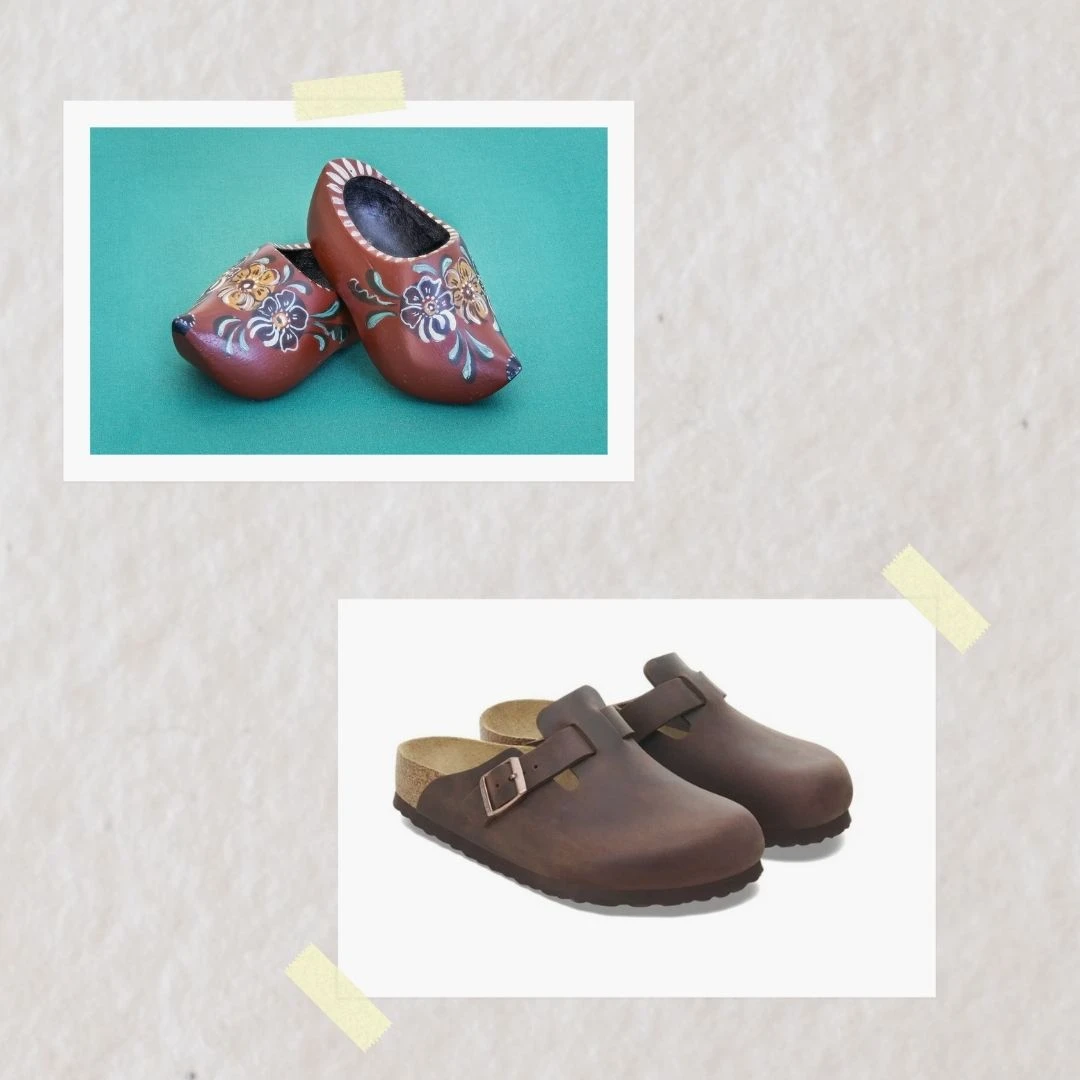
Clogs and mules may look alike at first glance, but their histories and styles tell very different stories. We explore how each evolved, and how to seamlessly incorporate them into your everyday ensemble.
While looking into the comeback of clogs, I noticed a pretty common mix-up: people often include mules in their “best clogs” lists. Sure, they’re both slip-on styles with similar shapes, but clogs and mules aren’t the same thing. Knowing the subtle differences can be a fun fact to drop in conversation, or a handy guide when you’re shopping.
READ ALSO: Your Cool Girl Bag Checklist: 6 Collection Must-Haves
Clogs, What Are They?
Clogs started as something practical long before they became a style statement. Basically, they’re shoes with a thick, rigid sole that protects the foot from rough ground and hard work. They’re made partly or entirely of wood, but that simplicity belies a fascinating cultural history.
Classic clogs were everyday footwear across Europe and Asia, from Dutch klompen to French and Belgian sabots. These shoes are usually carved from native timber and decorated by hand, built to be affordable and sturdy; in many regions, they became associated with the working class and rural life.
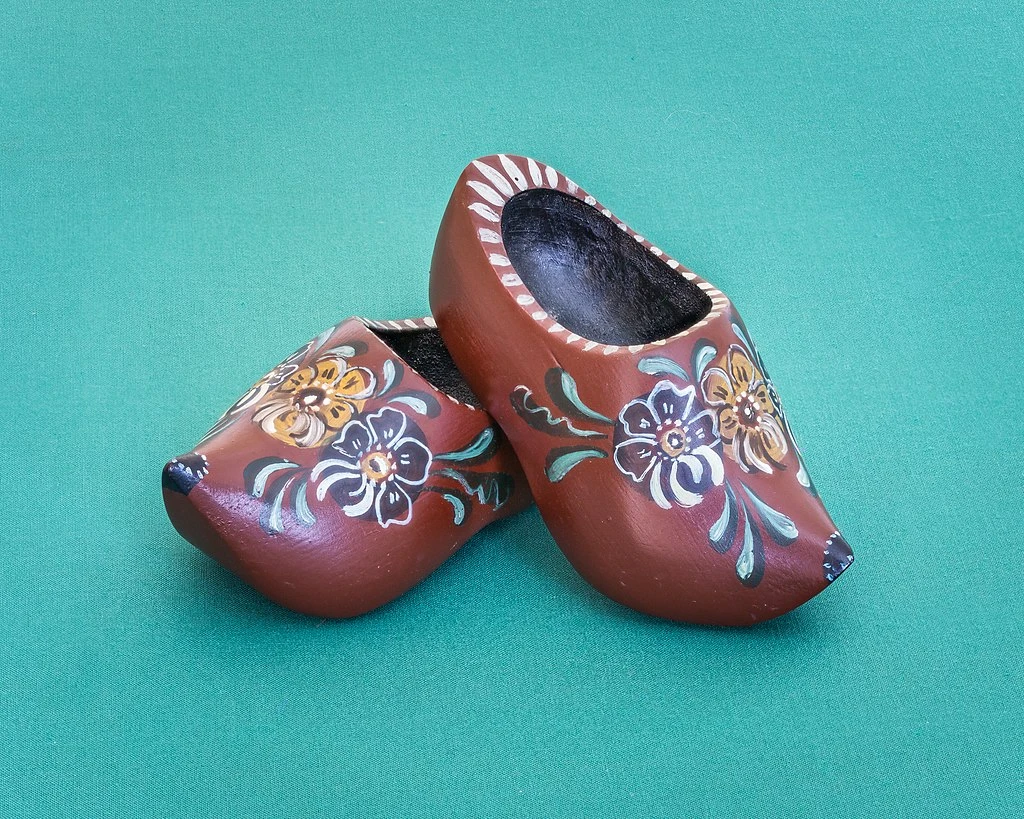
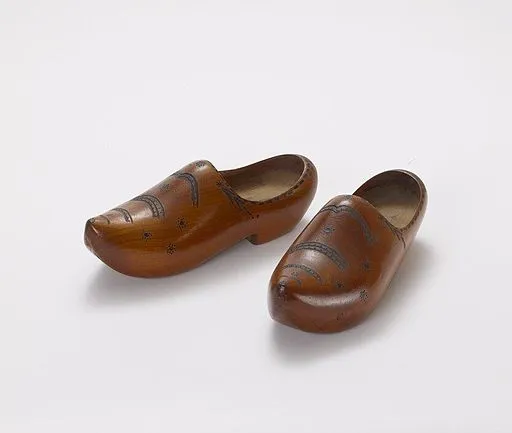
Eventually, the traditional slip-ons evolved not just in function but in form. What began as purely wooden soles gradually incorporated leather straps, fabric uppers, and then, by the mid‑20th century, materials like cork and rubber that retained the spirit of the original while adding comfort and lightness. Swedish and American makers in the 1960s and ’70s began experimenting with wedged silhouettes, platform soles, and cork‑based materials that felt handcrafted yet modern, planting seeds for clogs’ cyclical resurgence in fashion.
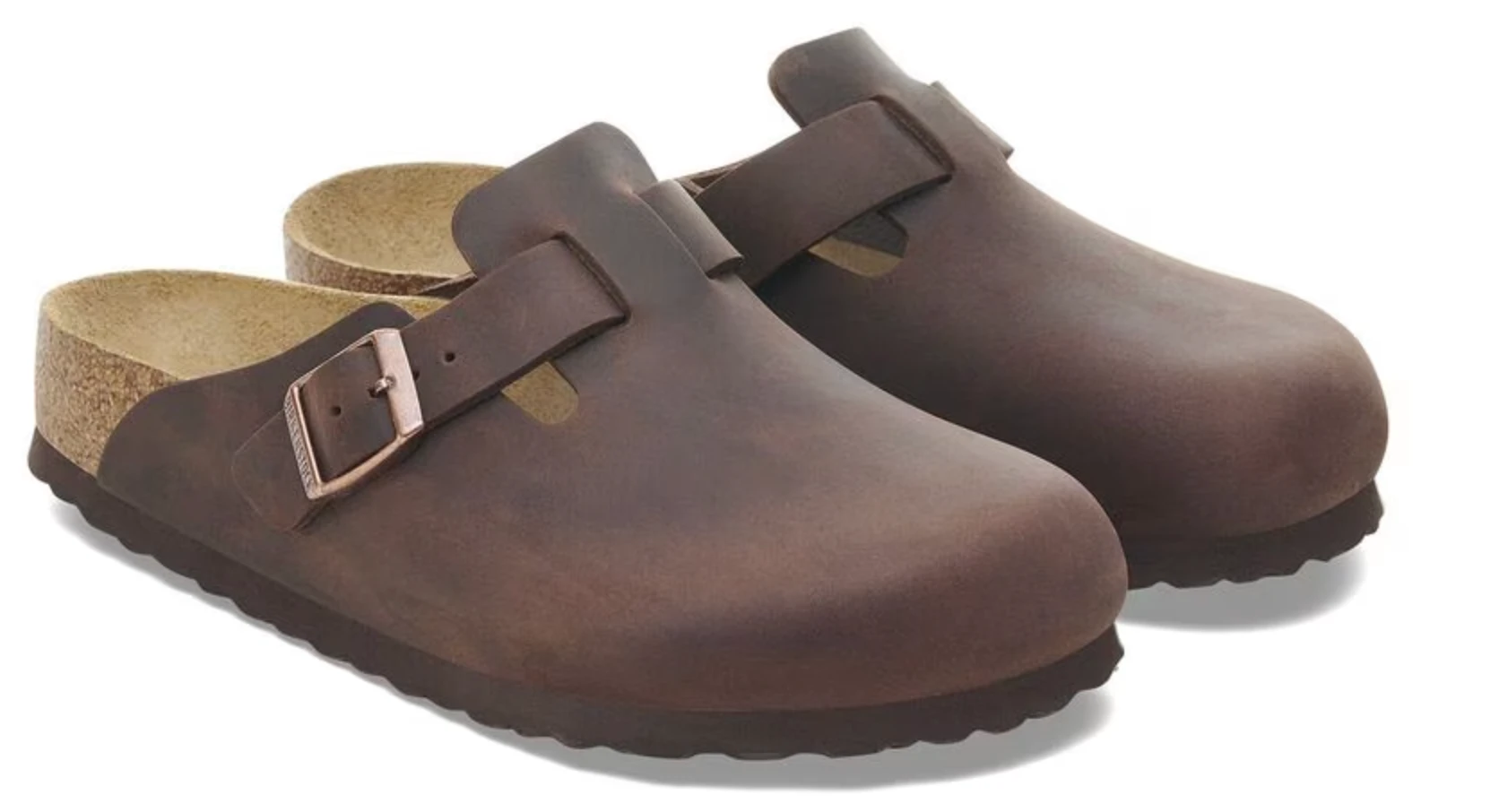
Perhaps no modern reinterpretation of the clog has been more influential than Birkenstock’s Boston clog. Introduced in the 1970s with its signature cork footbed, it blurred the line between practical workwear and cultural icon. Originally designed for comfort and durability on the job, the Boston—and by extension, the concept of the leather clog—eventually made its way into streetwear wardrobes. Today, you’ll often see clogs paired with white socks, baggy pants, an oversized shirt, and a baseball cap—your typical 2020s streetwear vibe.
Why Mules Are Different
Mules are the shoe version of a wink: they show off a lot without trying too hard. What sets them apart? The back is completely open. No heel counter, no fuss, just easy slip-on style. That simple difference is what makes a mule a mule, and not a clog or any other shoe. Historically, people have been wearing various iterations of the mule for centuries, from the ancient Egyptians to Renaissance Europeans, and they’ve always had this mix of practicality and a touch of flair.
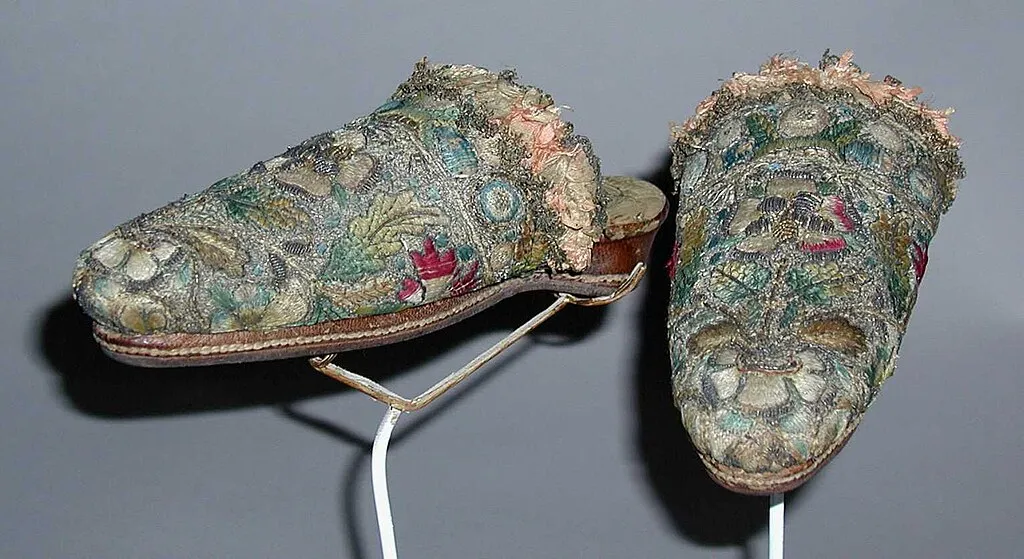
Unlike clogs, which were built tough to get through long days of work, mules were designed for comfort—and sometimes a little show-off energy. Early mules were slippers, often made in silk or satin, perfect for lounging at home or making a subtle style statement. By the 17th and 18th centuries, high-heeled mules were practically aristocratic. So right from the start, mules were more about style than slogging through mud or factory floors.
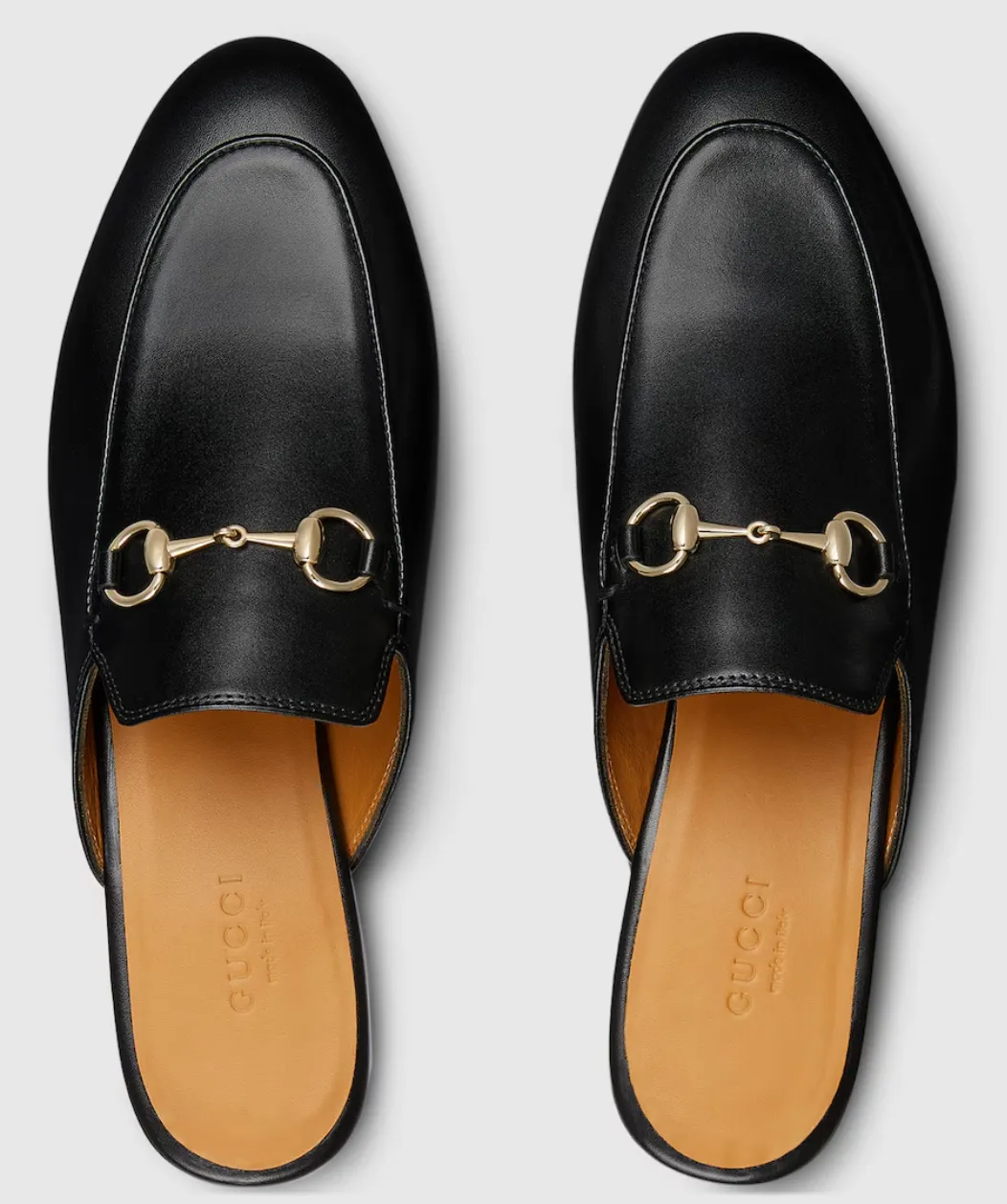
Today, that backless silhouette keeps mules light, flexible, and fashionable. They’re a personal favorite of mine, a go-to when I want a “lazy” look that still feels elevated. Mules are endlessly versatile: pair them with a tailored blazer and tapered pants for a polished vibe, or throw them on with oversized linen pants and a cropped top for something more relaxed and playful.