In the lush island sanctuary of Dusit Thani Lubi Plantation Resort, the Lubi Art Project has taken shape: featuring nine works of contemporary art, it’s a living, ever-evolving gallery that showcases the dynamic beauty of nature and human connection.
Davao De Oro might not be the first place that comes to mind when you think of an island getaway, but from the moment our catamaran reached the exclusive slice of paradise that was Dusit Thani Lubi Plantation Resort, it was clear we’d found Davao’s best-kept secret.
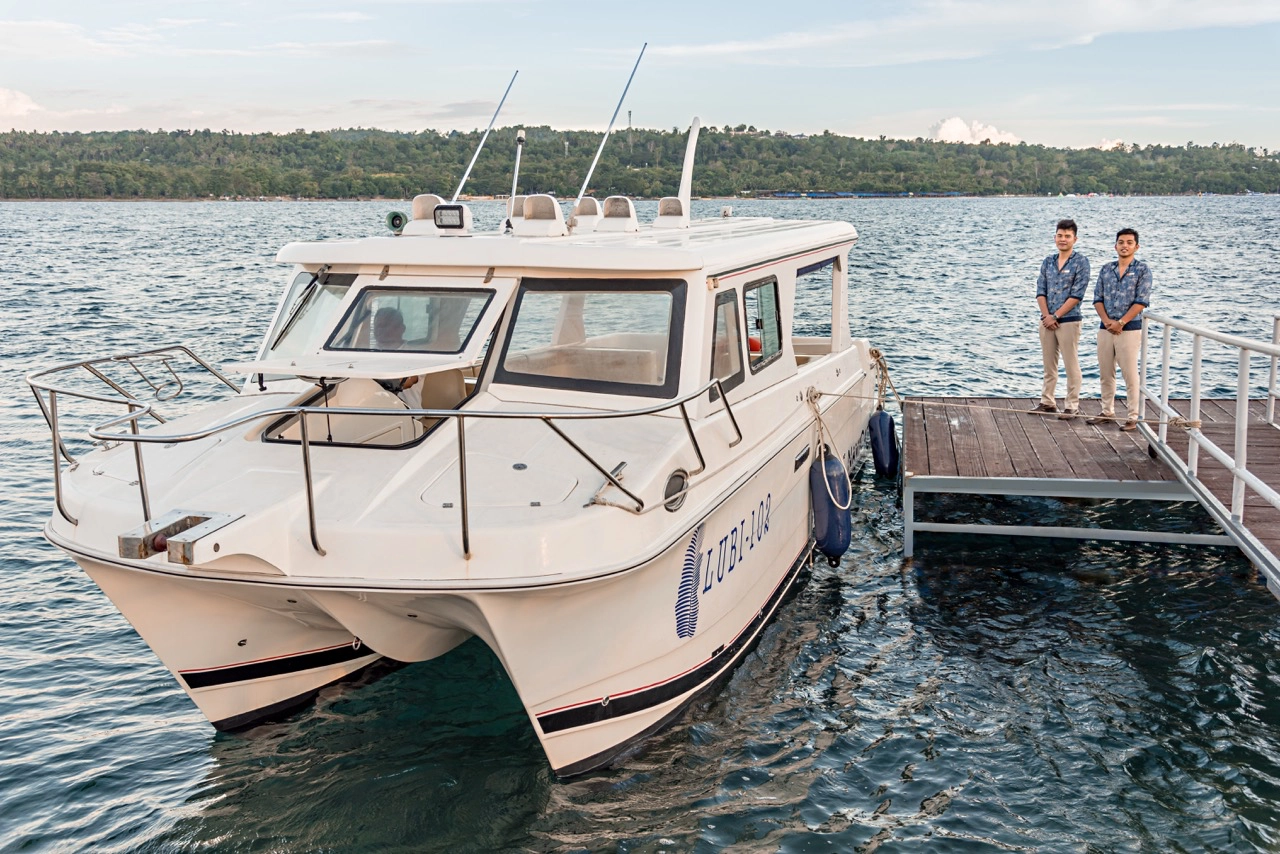
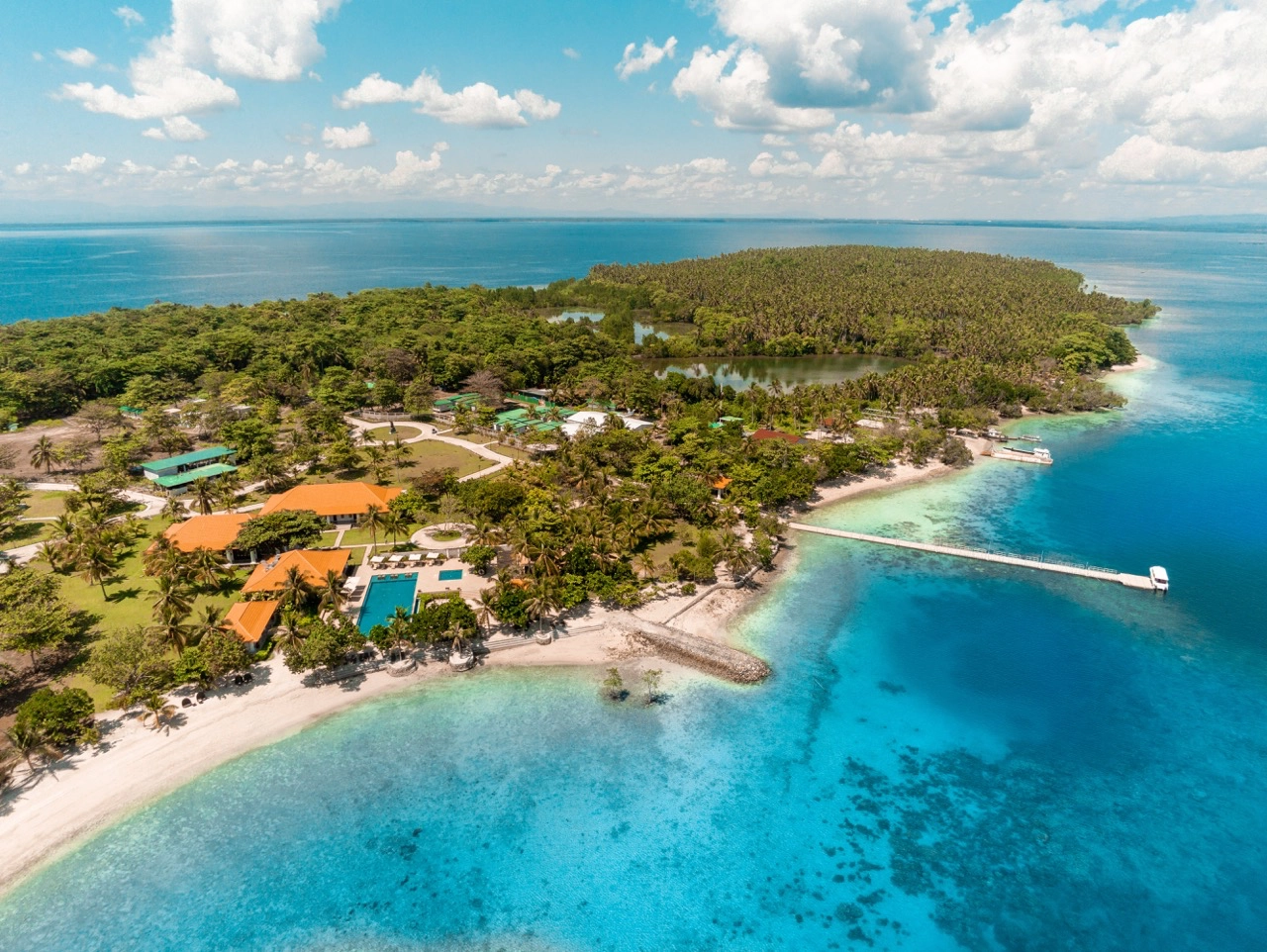
The sprawling island surrounded by blue waters, home to fittingly luxe amenities and classic structures inspired by the British colonial-style, looked like something straight out of a postcard. Yet the more I explored it, the clearer it became that luxury wasn’t the only thing that made it stand out: its attention to detail and commitment to sustainable practices were also evident in every aspect of our stay. The resort’s recently-inaugurated Lubi Art Project, helmed by Silverlens Gallery, is a shining example of this. It’s a testament to the wonders that can be achieved when you create beauty with substance, working with what nature gives you rather than pushing against it.
READ ALSO: With An Extreme Day Trip, It’s All Or Nothing
The Lubi Art Project: A Collaboration With Nature
The Lubi Art Project is an endeavor years in the making. While it was inaugurated this June 2025, its art residency launched last June 2023 with intriguing parameters: artists were tasked to use upcycled materials found either within the island or its general vicinity. The result is a series of installations that are both permanent and ephemeral. Permanent in that they’ll remain fixtures in the island, ephemeral in that they’re meant to return to nature over time.
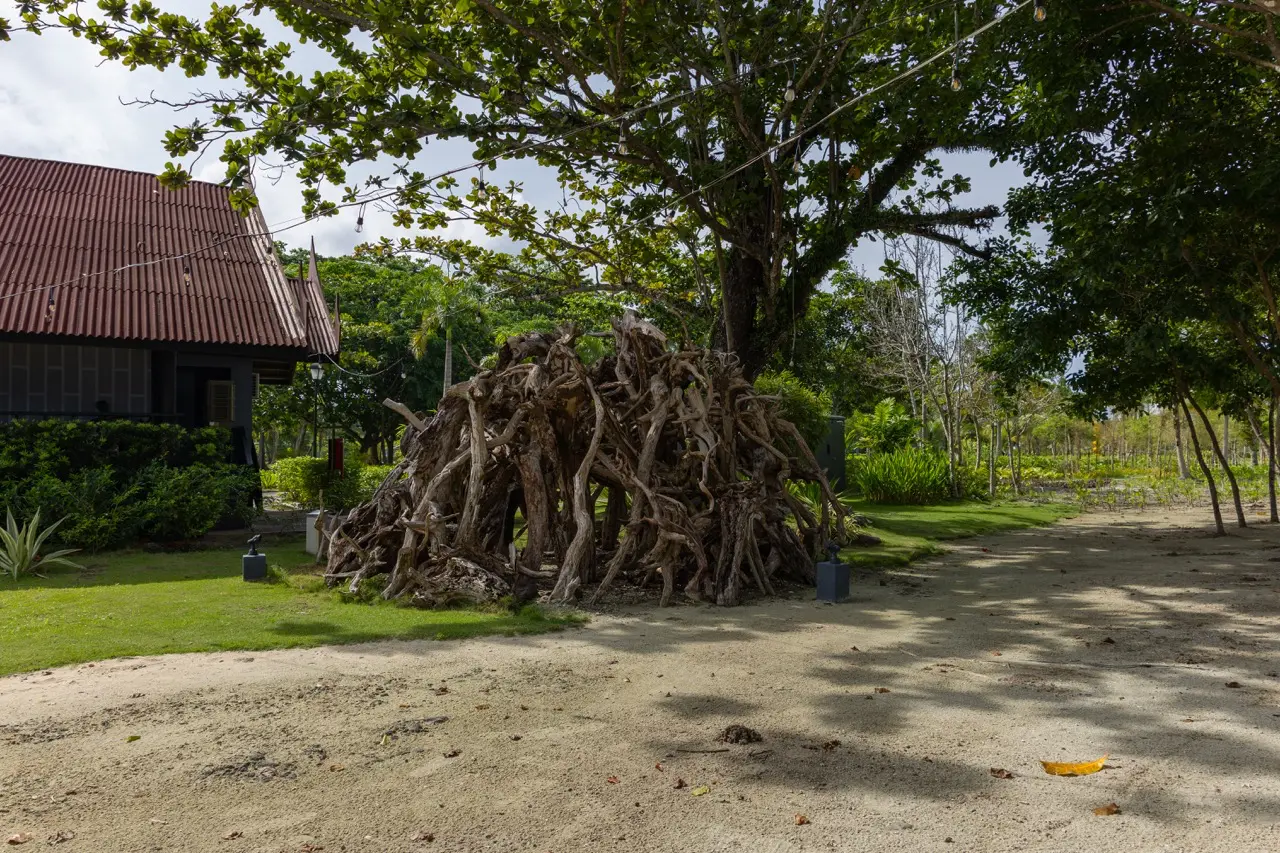
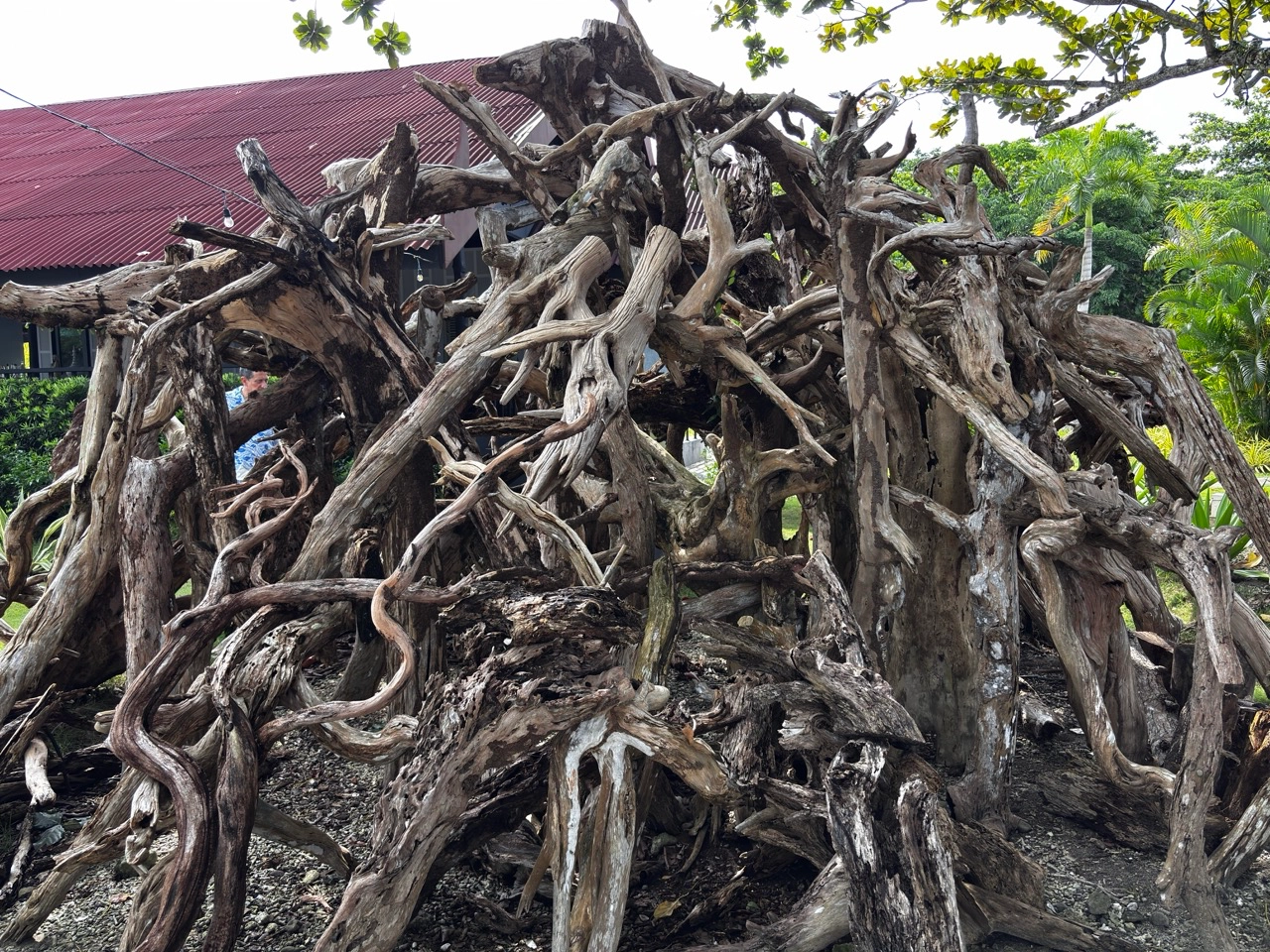
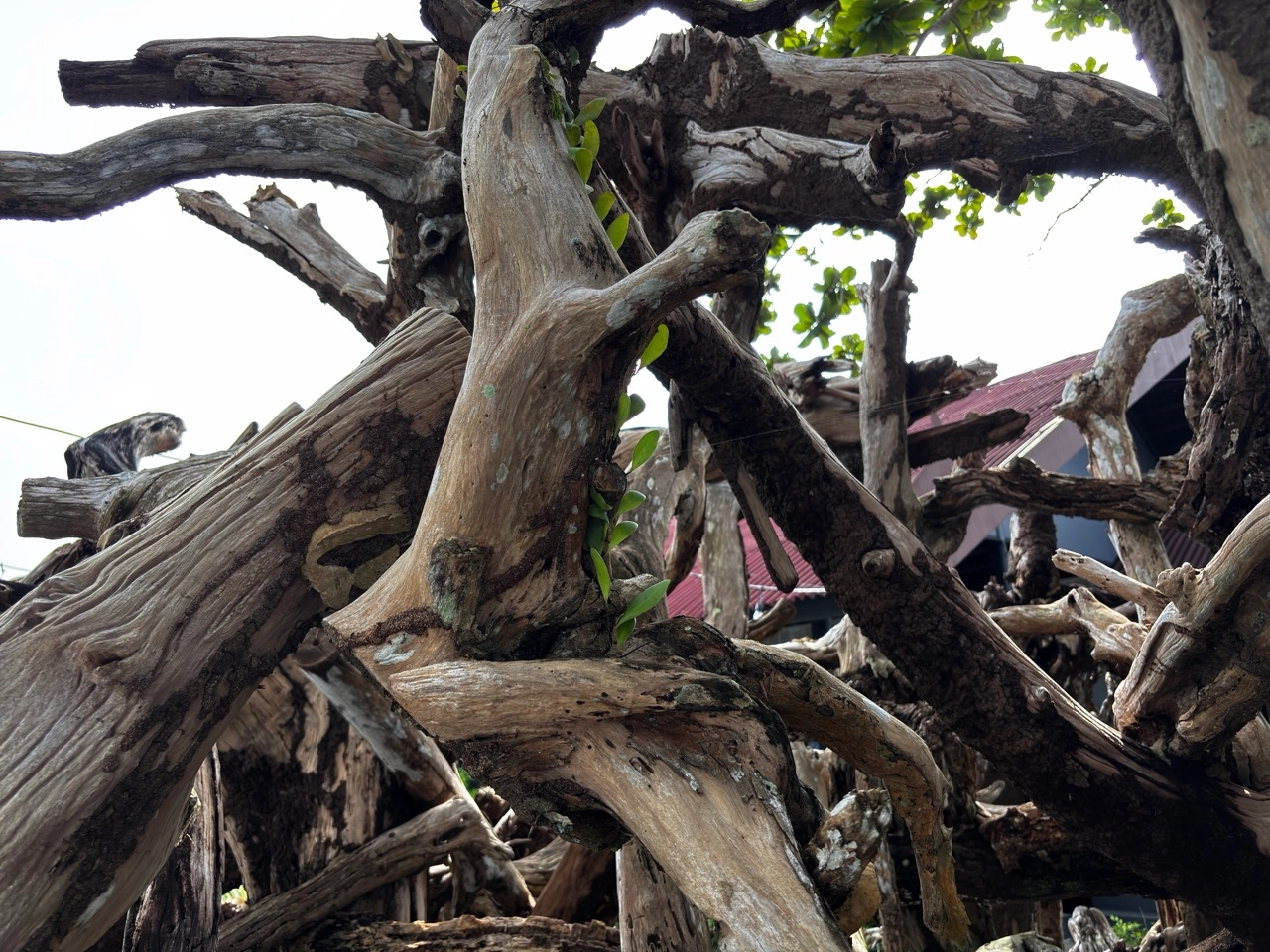
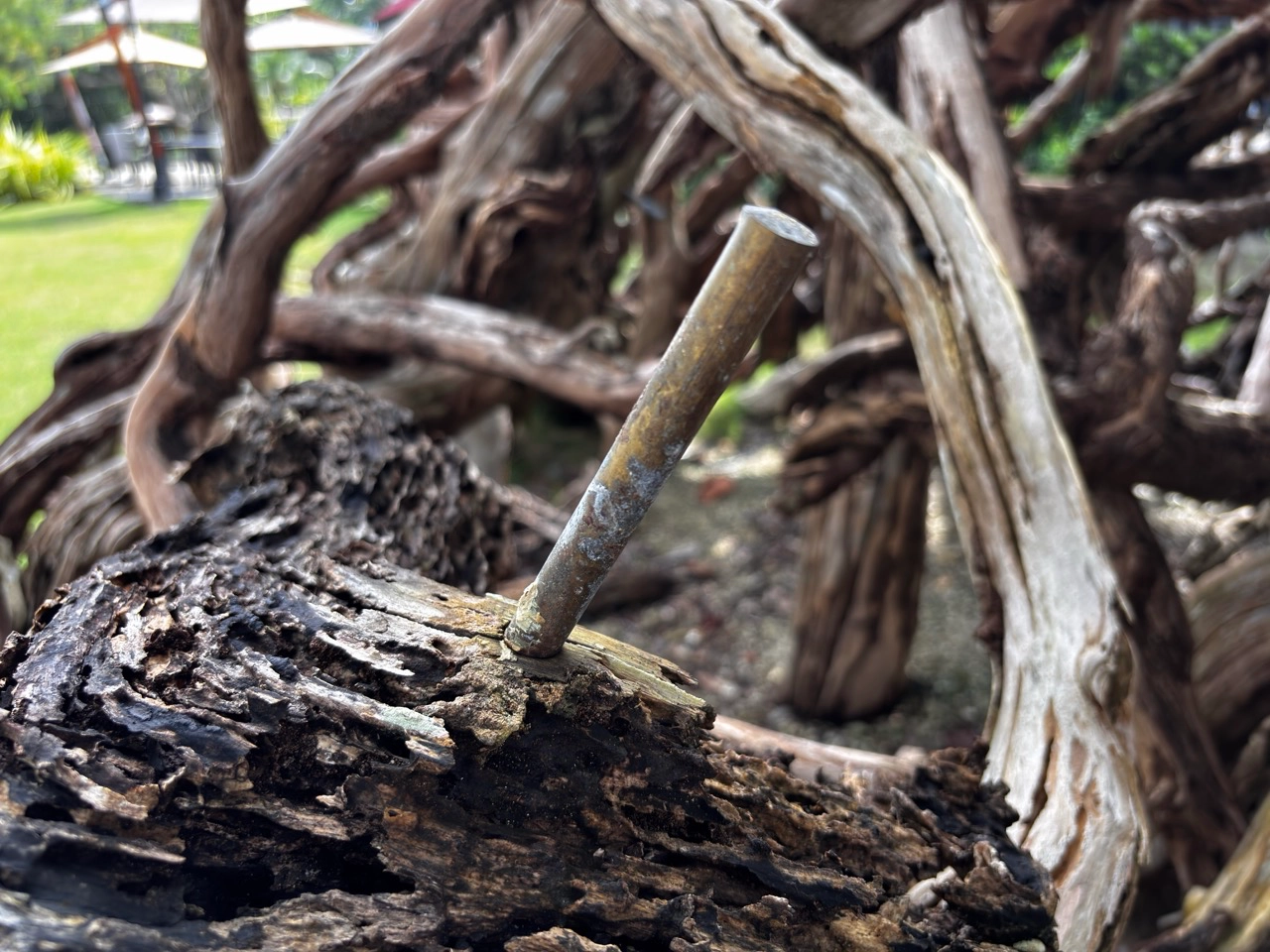
A work that best exemplifies this concept is “Earth Mound” (2018) by Bernardo Pacquing. Known for his innovative approaches to abstraction in both sculpture and painting, he found great potential in the pieces of driftwood he saw floating into the island’s shores during his visits. Constructing them into an ambitious, mound-like structure held together by brass dowels, he insisted that it remain untouched from the time it was built. Slowly but surely, the installation has transformed, wood breaking down and giving way to plant life as the artist intended—an inevitable, captivating deterioration that viewers can continue to lay witness to.
Artists Poklong Anading and James Clar’s works are also compelling pieces of architectural beauty with a shared concept.
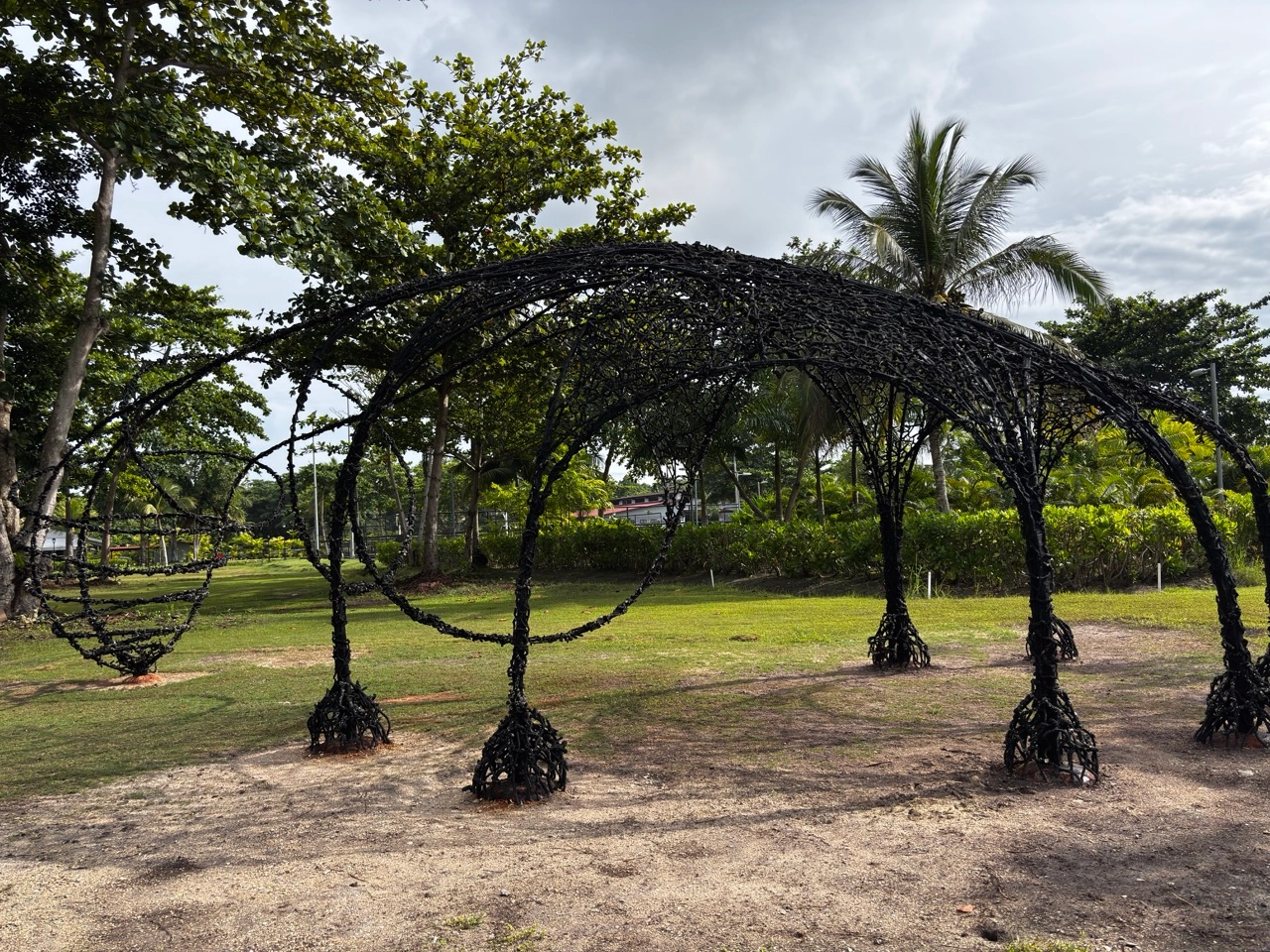
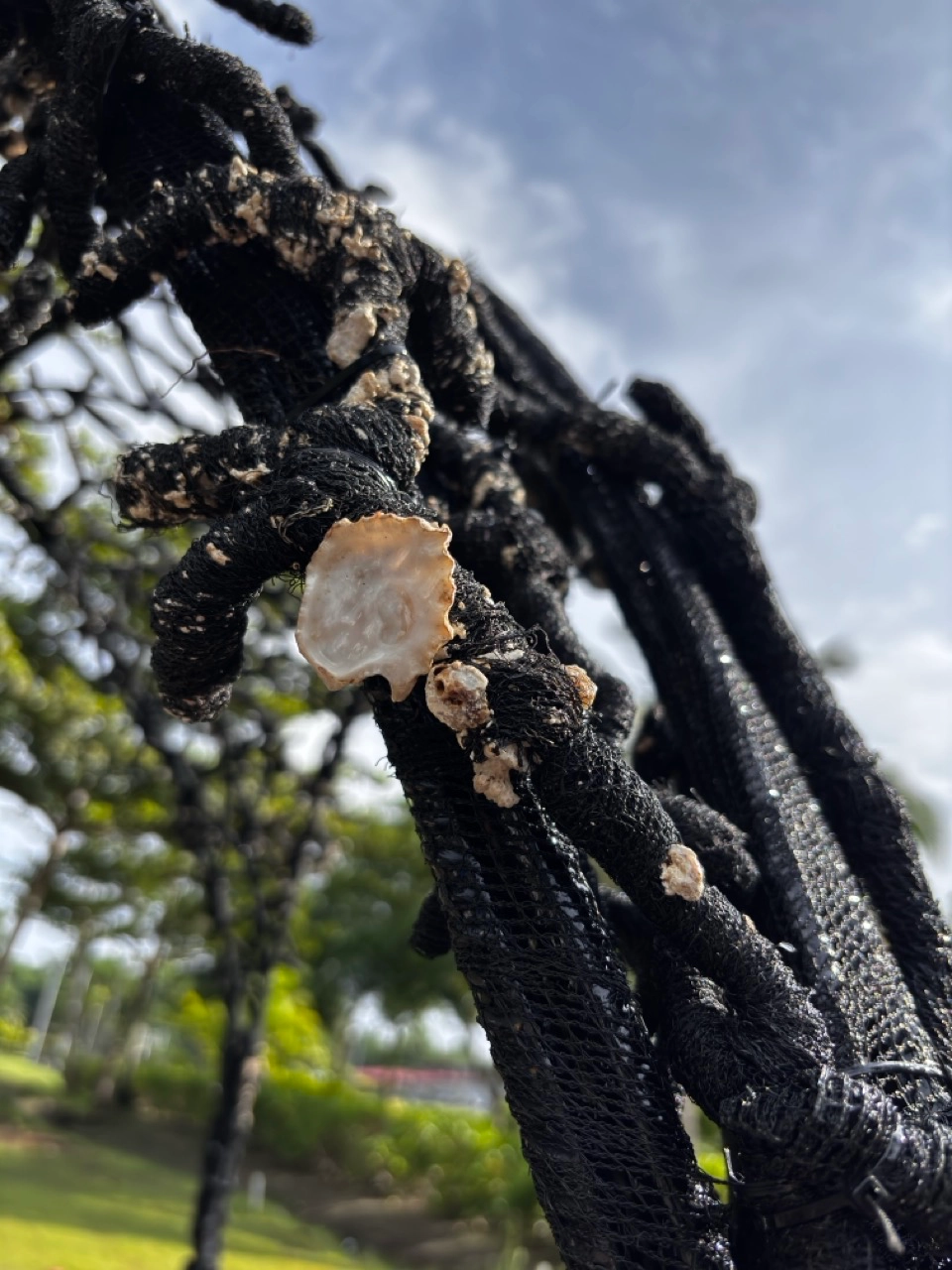
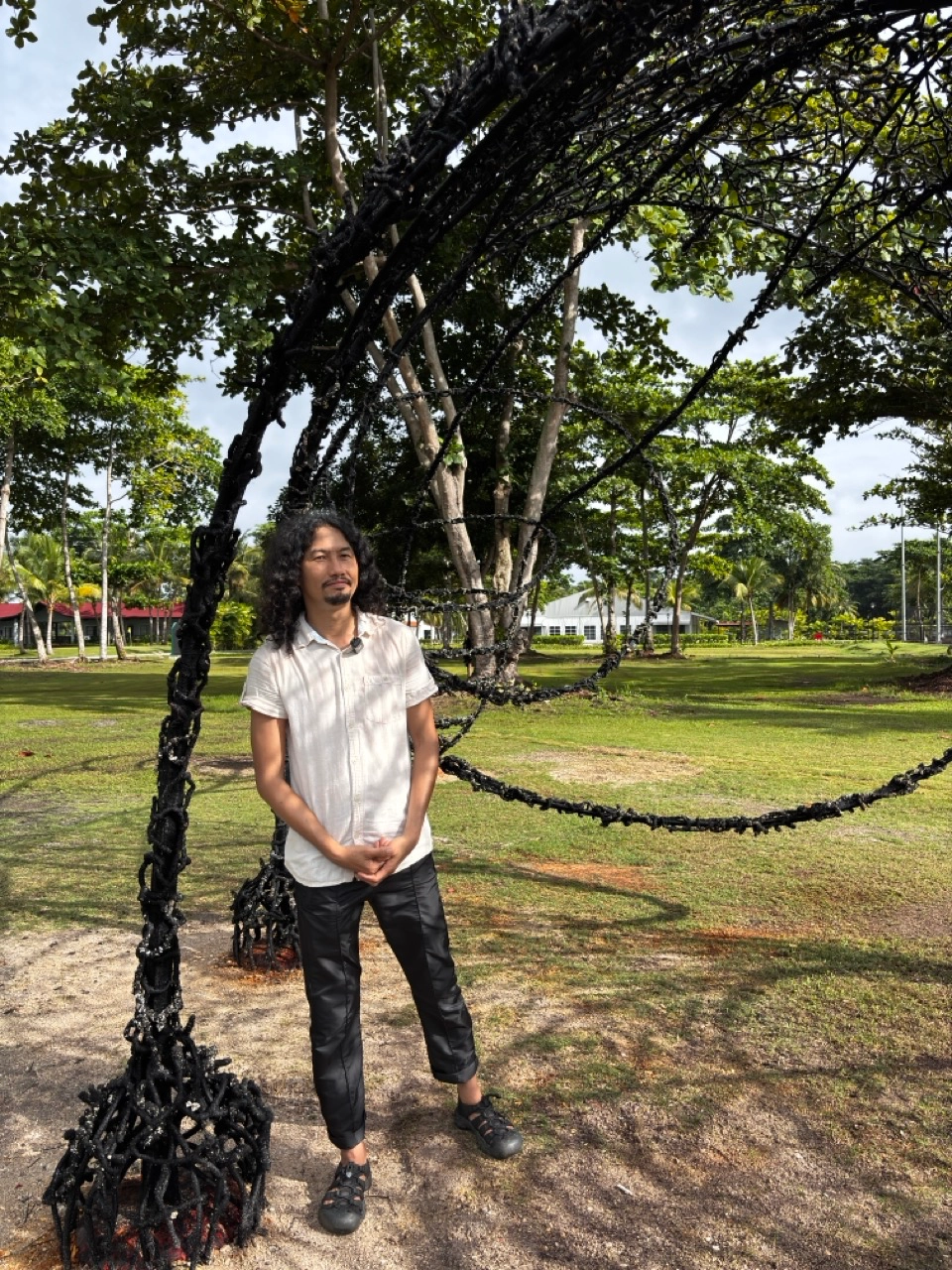
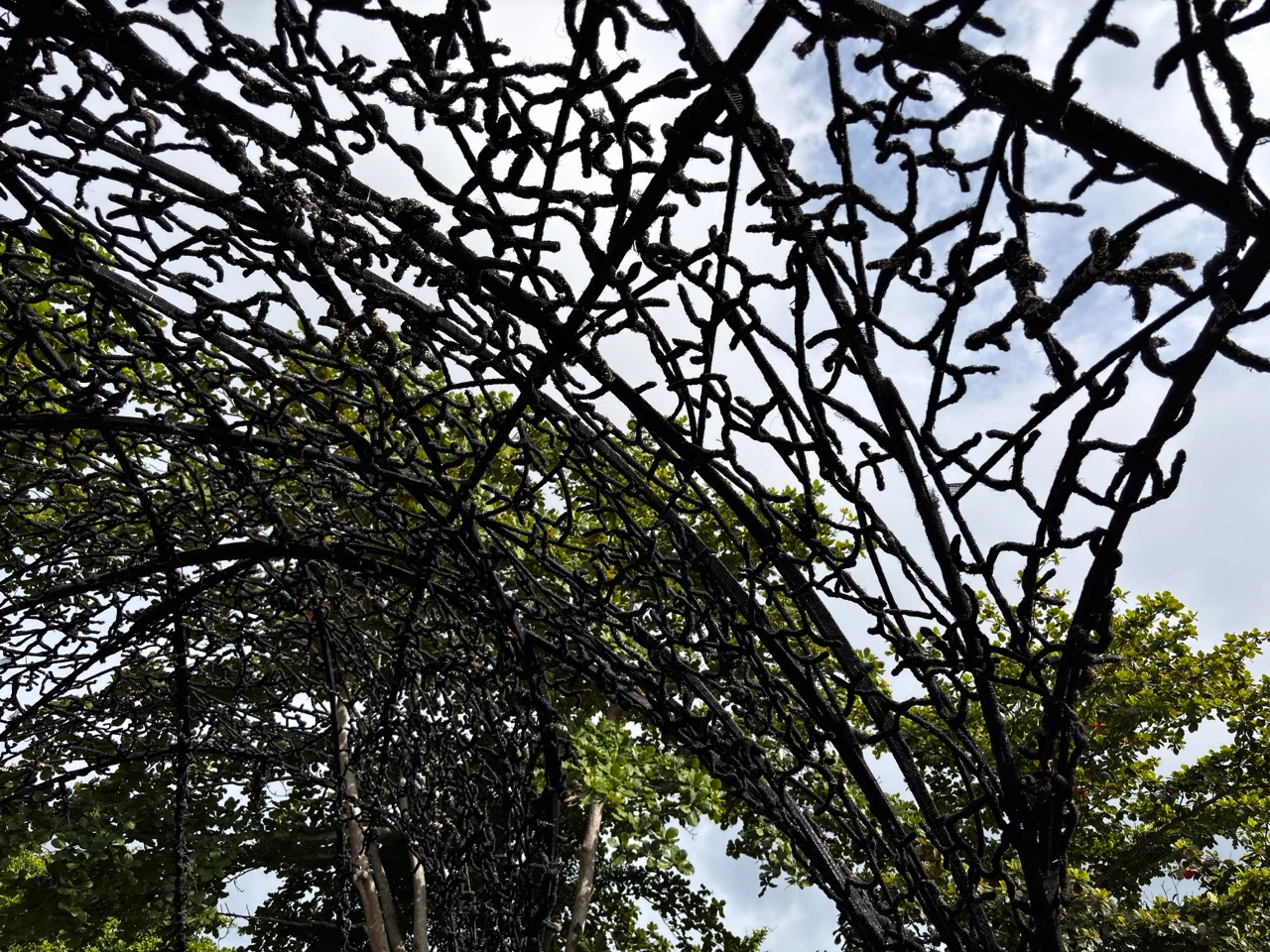
Both serve as scaffoldings meant to support flowering vines, which will eventually cover them completely. Anading’s installation “recruit (no.4)” (2025) is a twisting structure that mimics the branching forms of corals, as well as the movement and depth of a net cast into the ocean. The structure itself is made of “ghost nets” that Anading collected during dives near the island—nets that have deteriorated over time, causing damage to corals. There’s something poignantly poetic about seeing remnants of these corals still attached to the very things that destroyed them, and for Anading, this is a stark and visual reminder of a reality so often out of our reach.
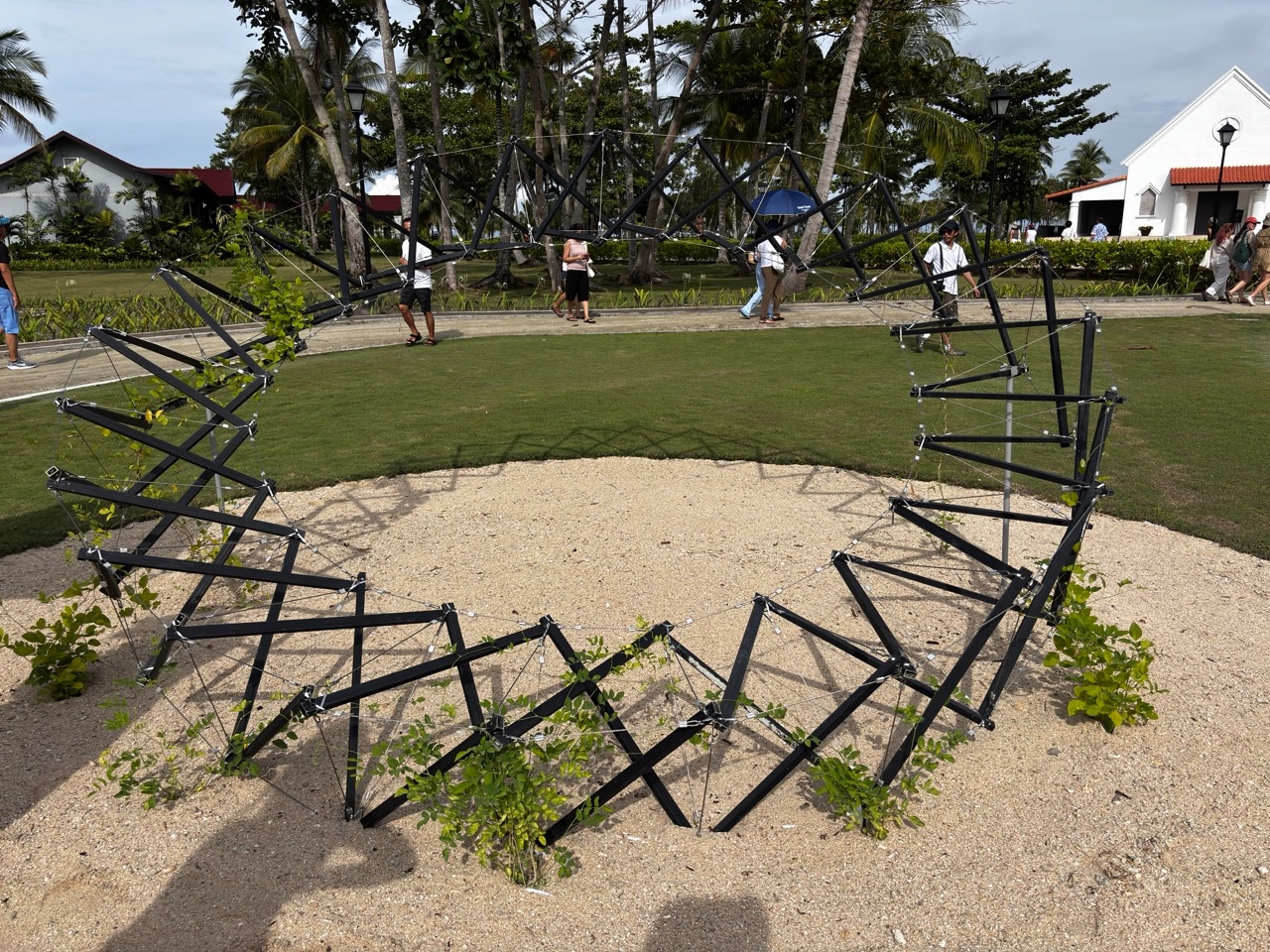
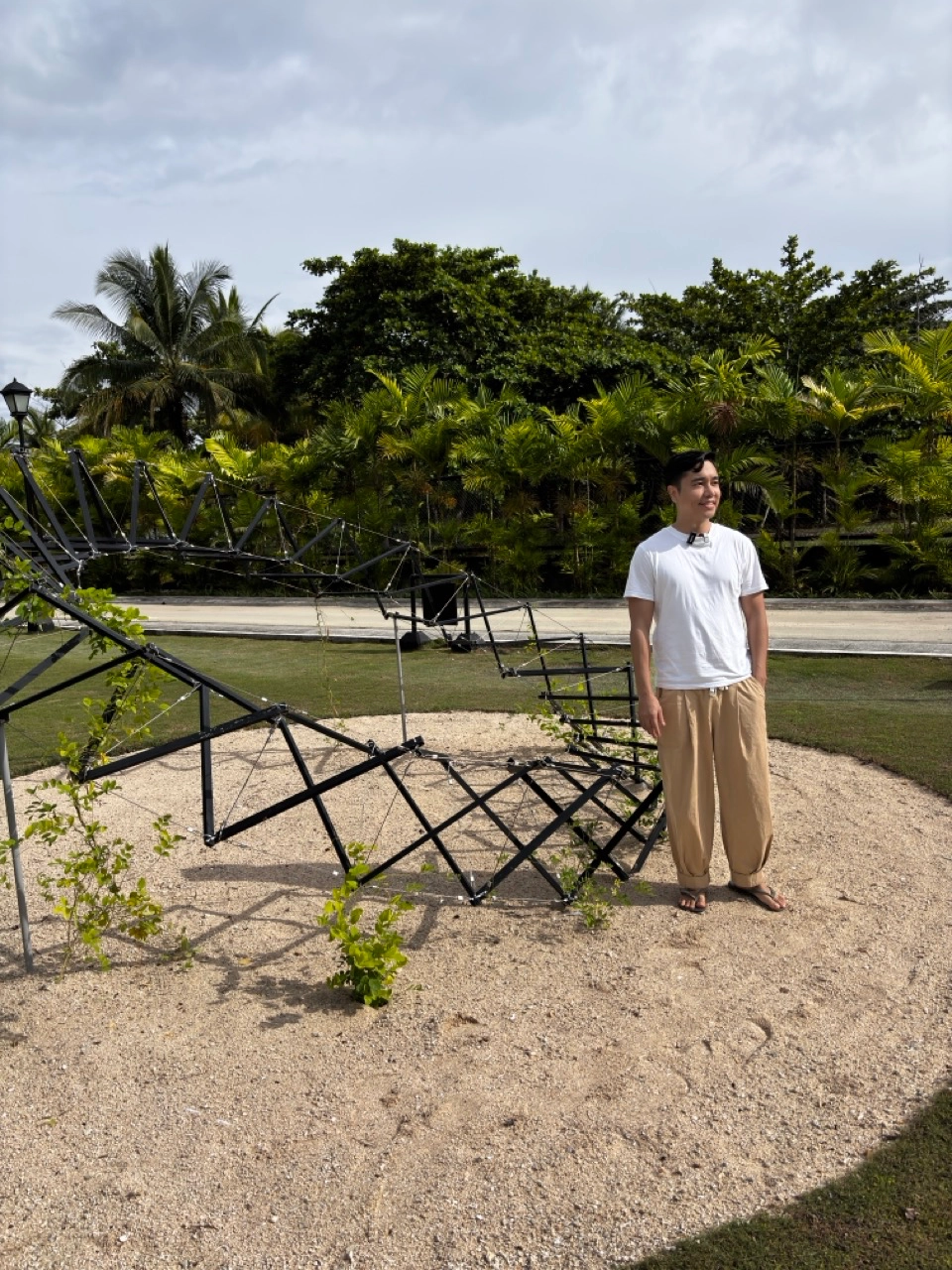
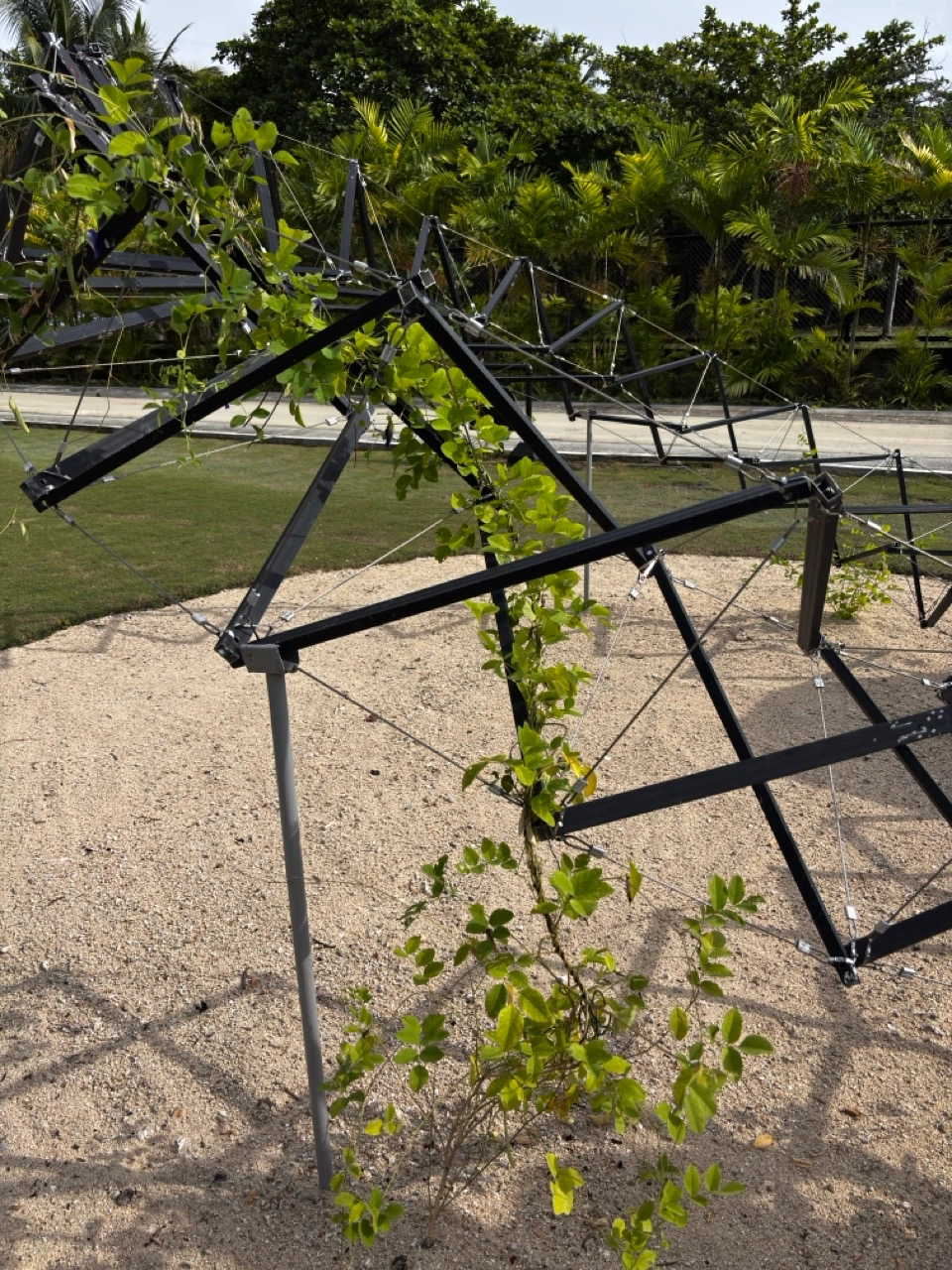
Clar’s sculpture “Lesser Speeds” follows a similar thread: made up of scrap metal rods from the island’s construction operations, which are held together in a circular structure akin to a bridge or fence, it waits for plant life to take over and ultimately reconfigure its shape, turning something man-made into a part of nature’s design. While the piece is complete, it’s still in its nascent form, a few vines climbing around it—a promise of the verdant, dynamic form it will take as the years go by.
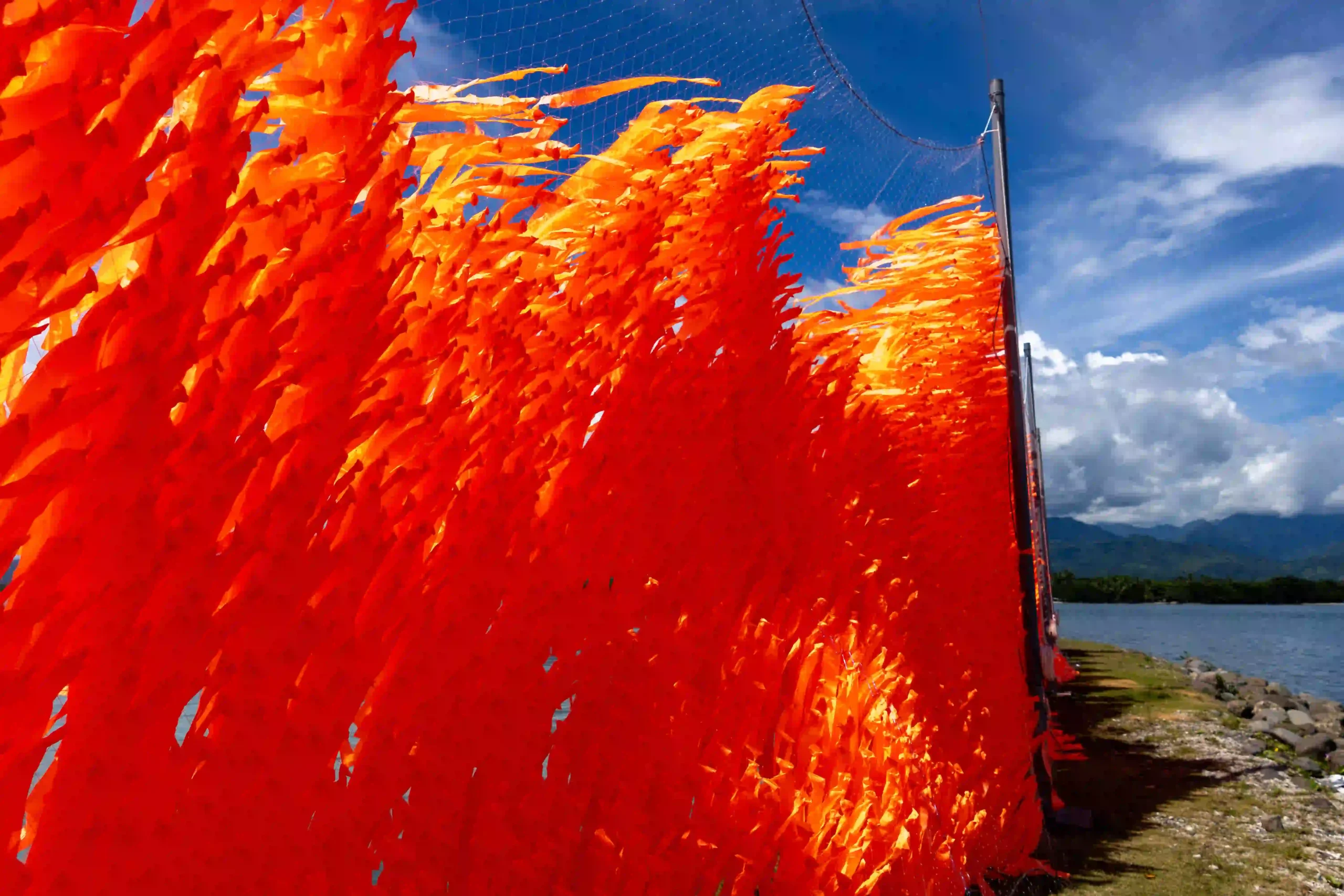
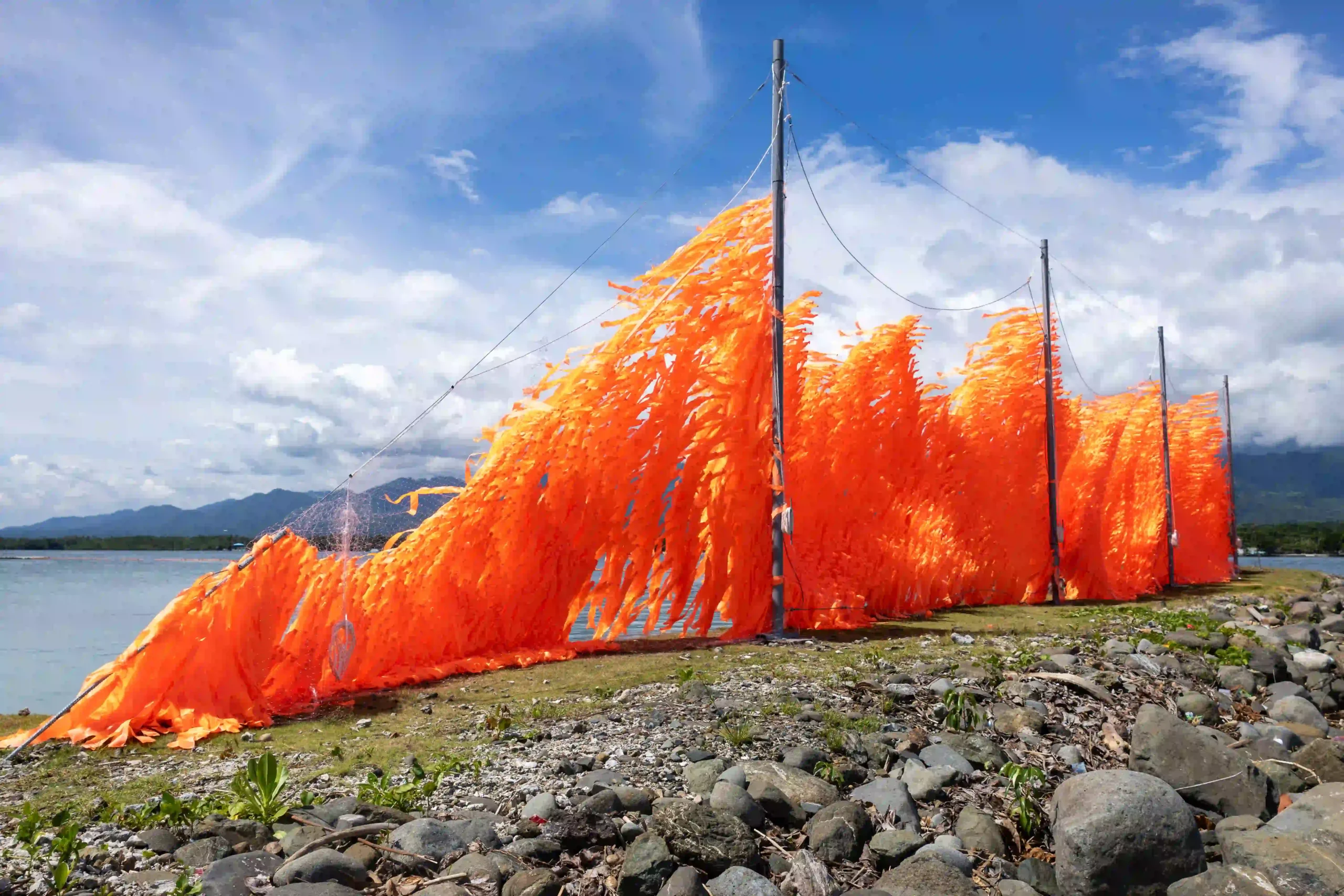
When visitors arrive at the island, the first installation that greets them is the vibrant “Everywhere There You Are” (2025), a collaborative piece by artists Wawi Navarroza and Christina Quisumbing Ramilo.
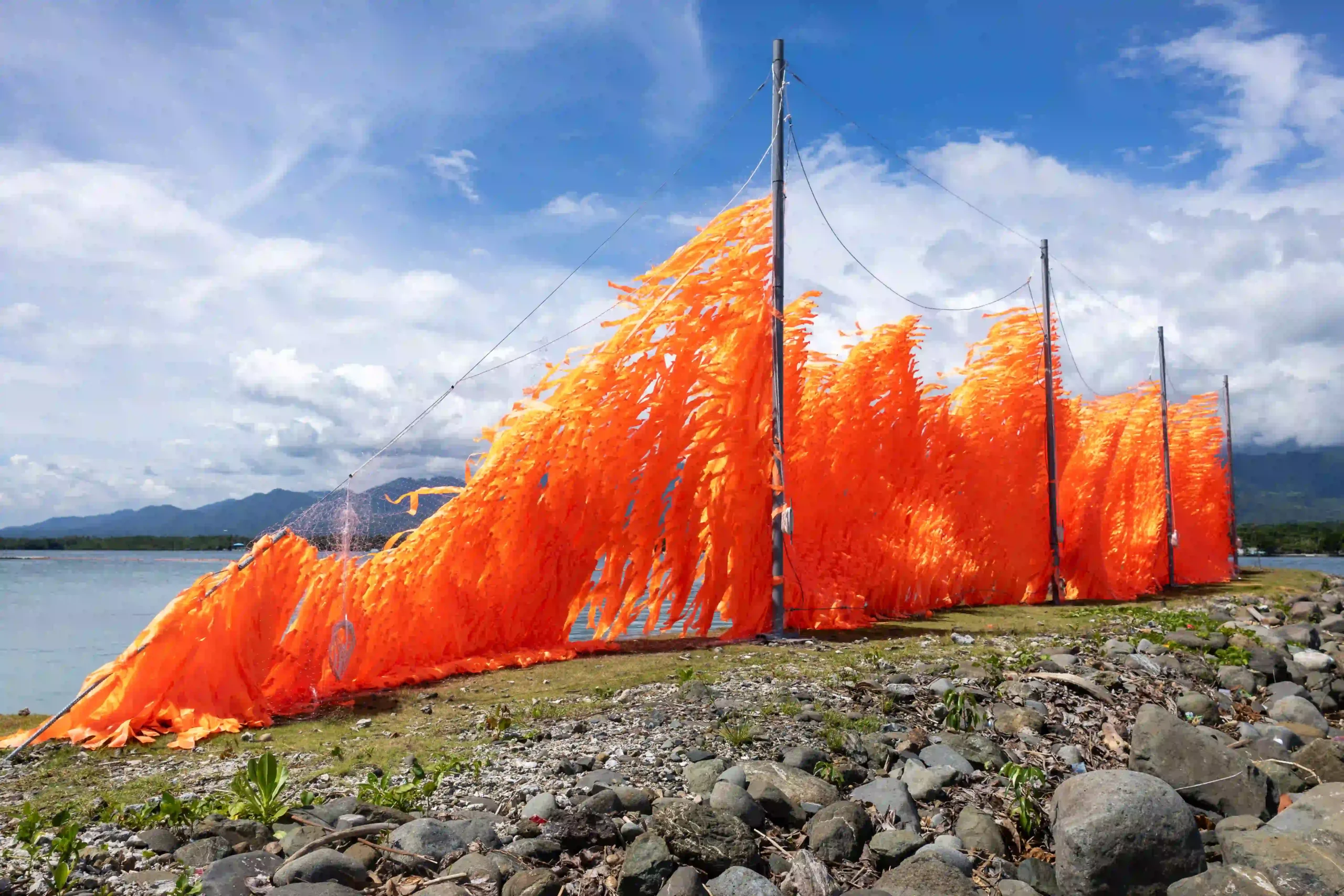
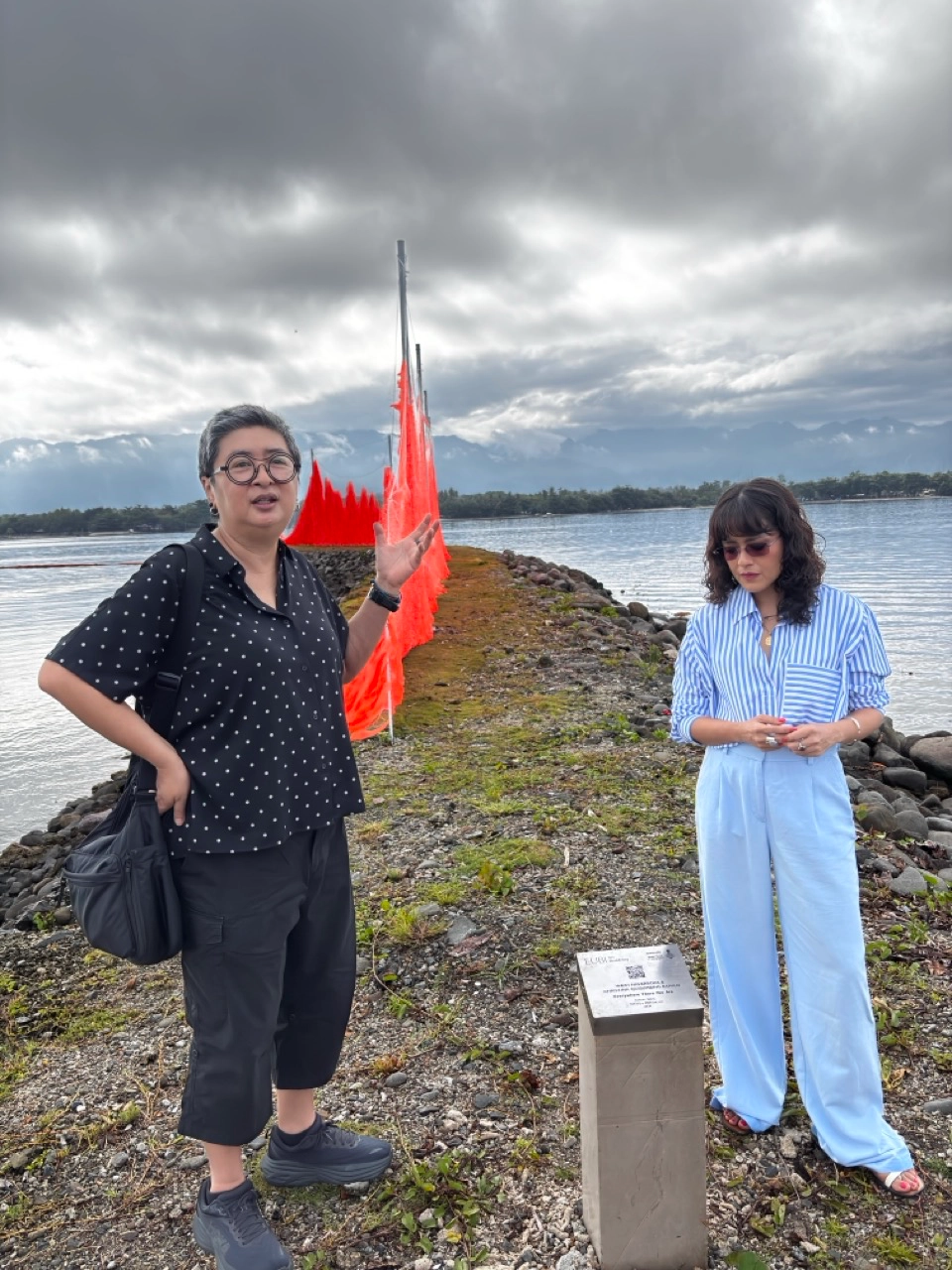
Positioned by the seashore, the kinetic work undulates as it catches the sea breeze, a 48-meter stretch of bright orange patterned after a life jacket (salvavida), meant to imitate the crests and troughs of music and movement. While the installation is the fifth iteration of a piece they worked on decades ago, the Lubi Art Project marks the first time it’s been placed by the water—where Navarroza and Ramilo intended it to be, allowing it to interact with the elements. The process of creating the work makes it part performance piece, as the artists partnered with the local women of Pindasan to tie its knots. “It’s almost like charting a heartbeat,” Navarroza explains.
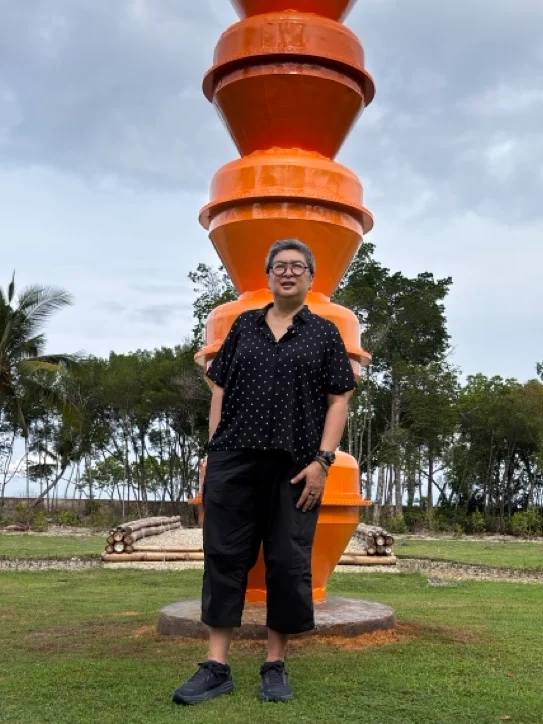
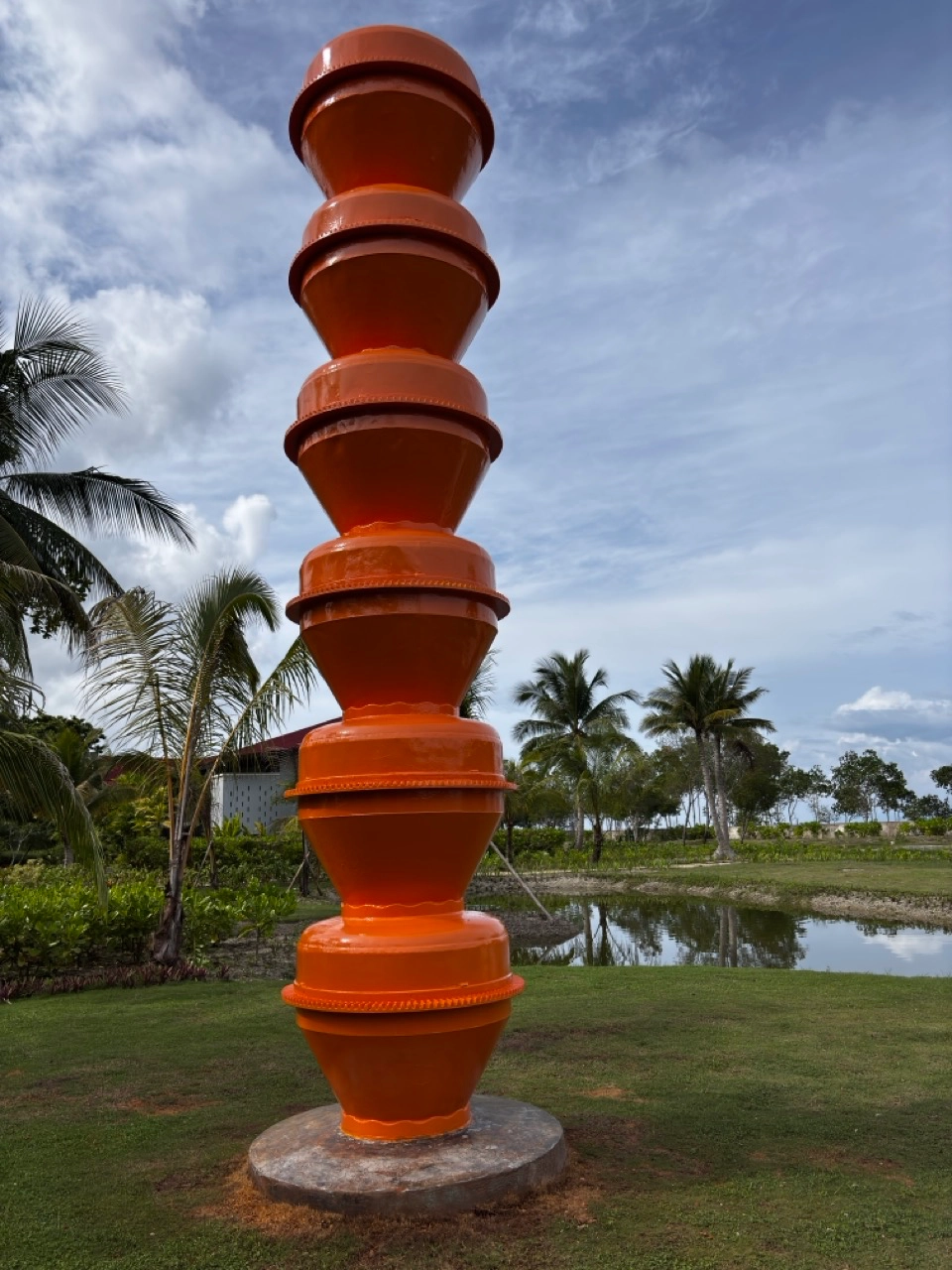
Ramilo also has another work on the island: entitled “Builder” (2023), it’s a modern totem pole meant to represent the hardworking and intrepid builders behind the island’s real estate development company, Torre de Lorenzo Development Corporation. Composed of recycled cement mixers stacked atop one another, the piece towers over viewers, its orange-yellow color evokes both a contemporary and ancient feel, while also paying homage to the equipment’s original “caterpillar yellow” shade.
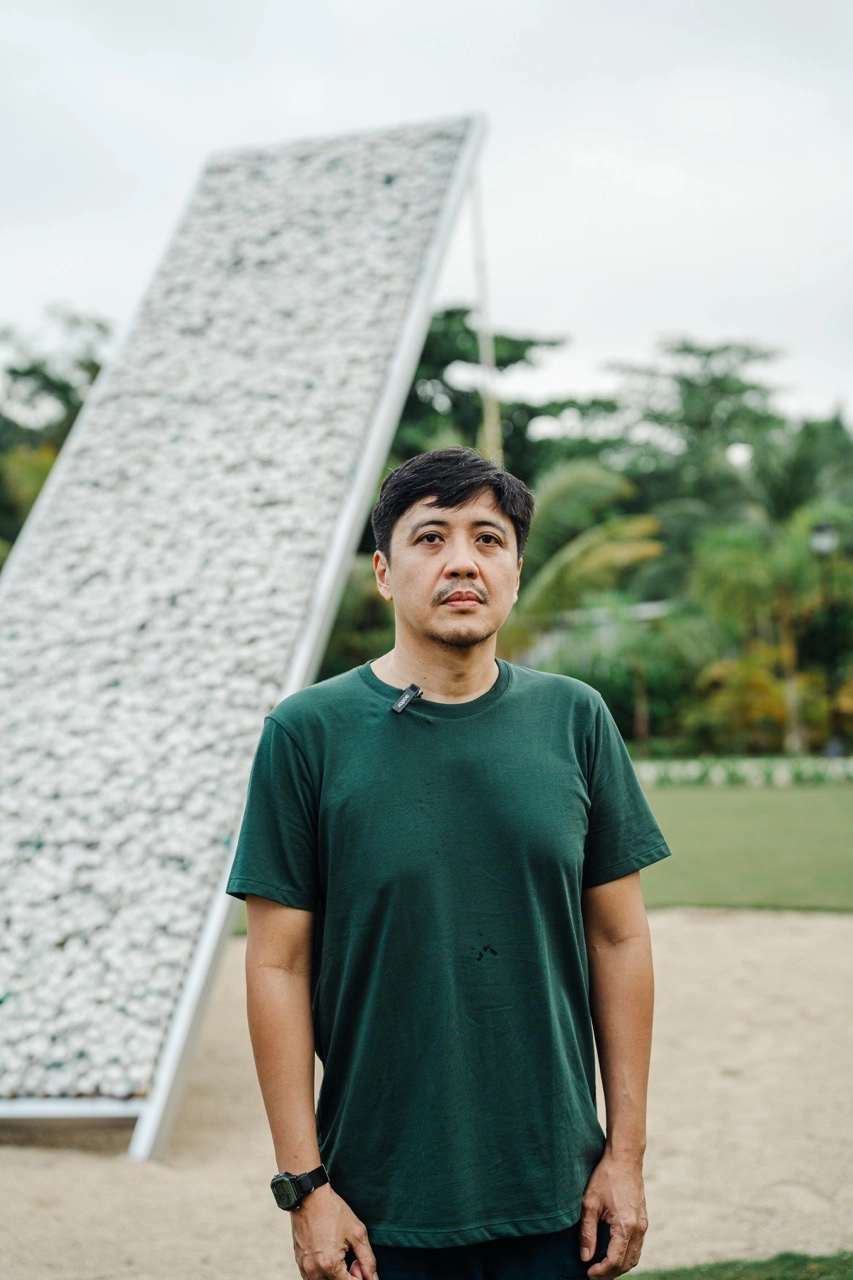
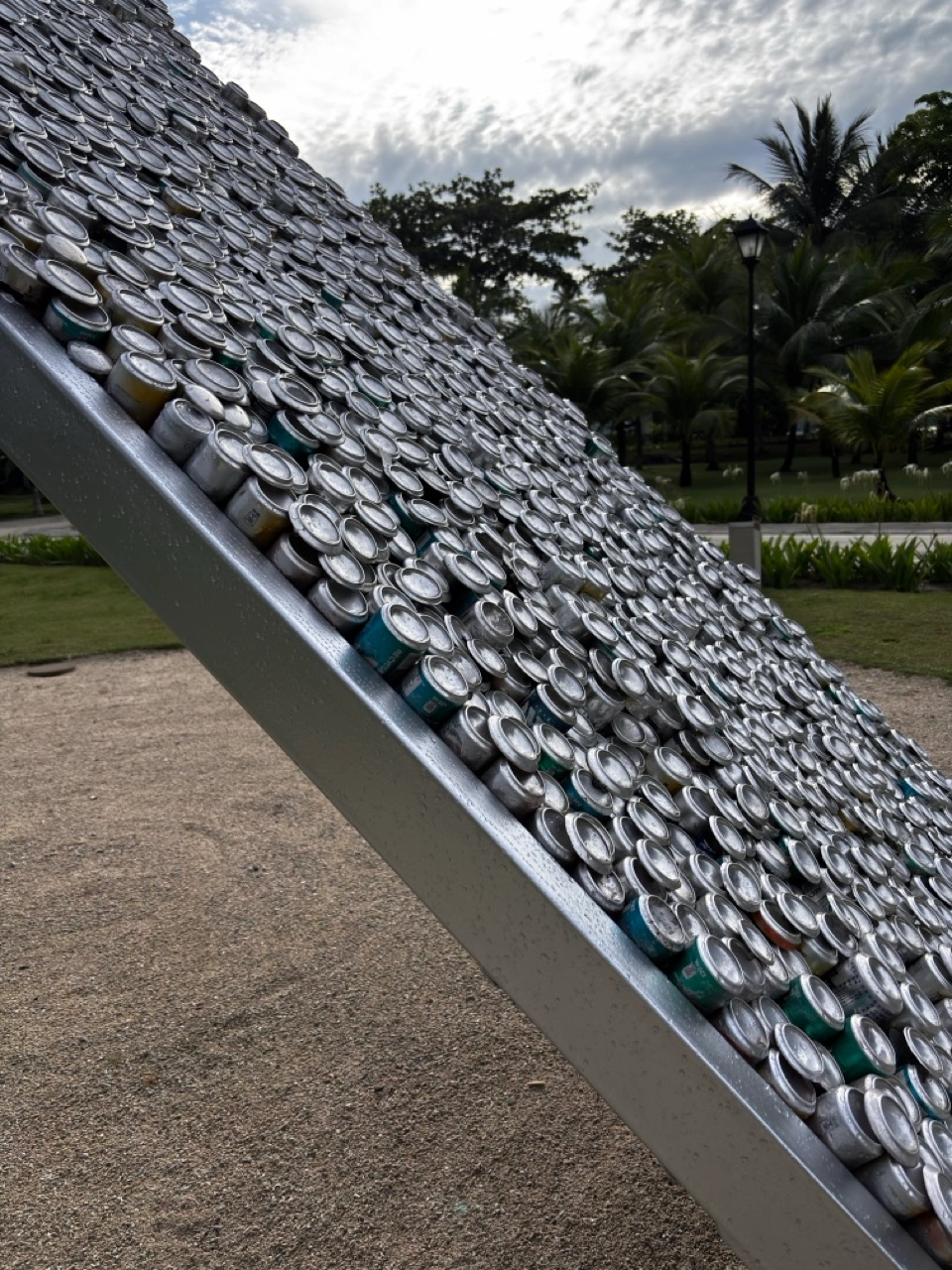
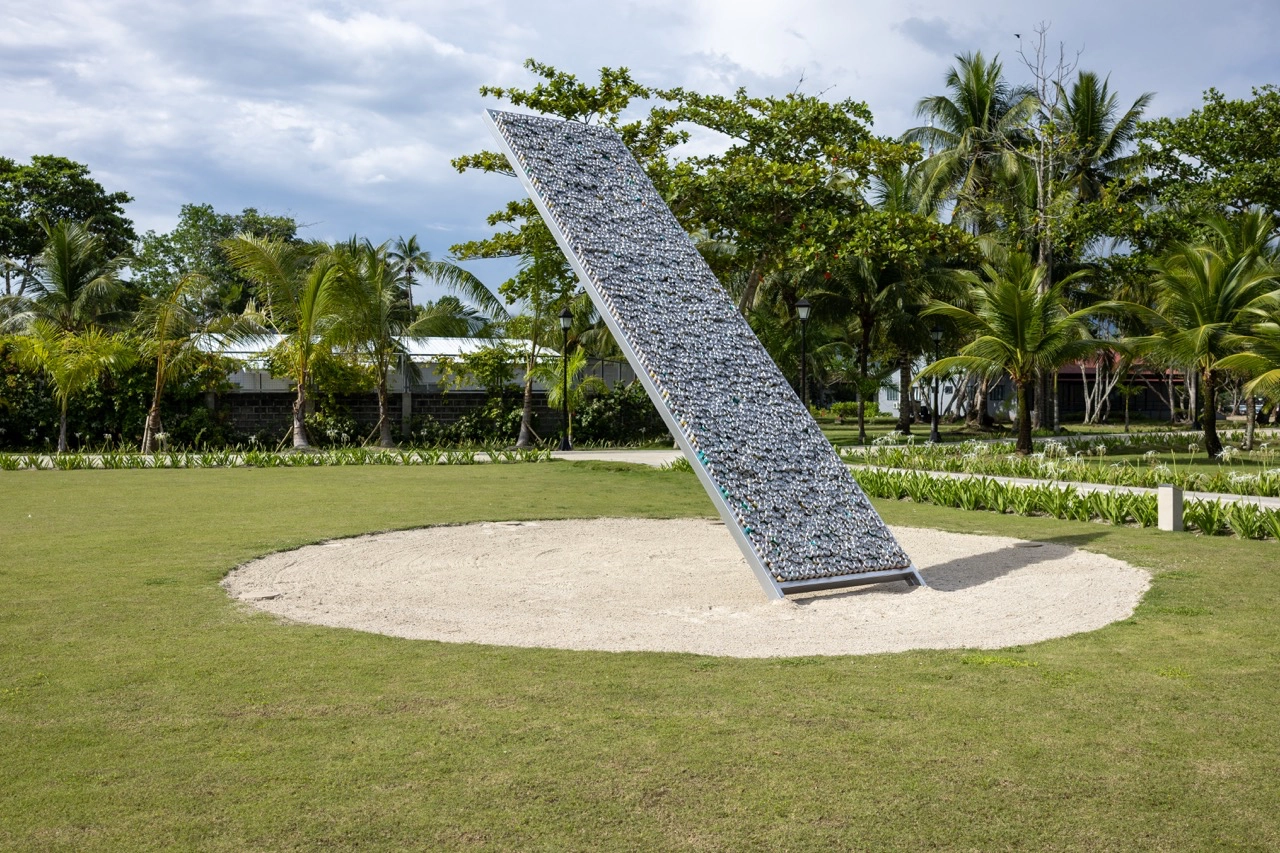
Garry-Ross Pastrana plays with light and shadow in his installation “Structure for Light Reading” (2024), a metal frame filled with used soda cans. Slanting upwards, it acts as a simple sundial, keeping visitors aware of their temporal reality.
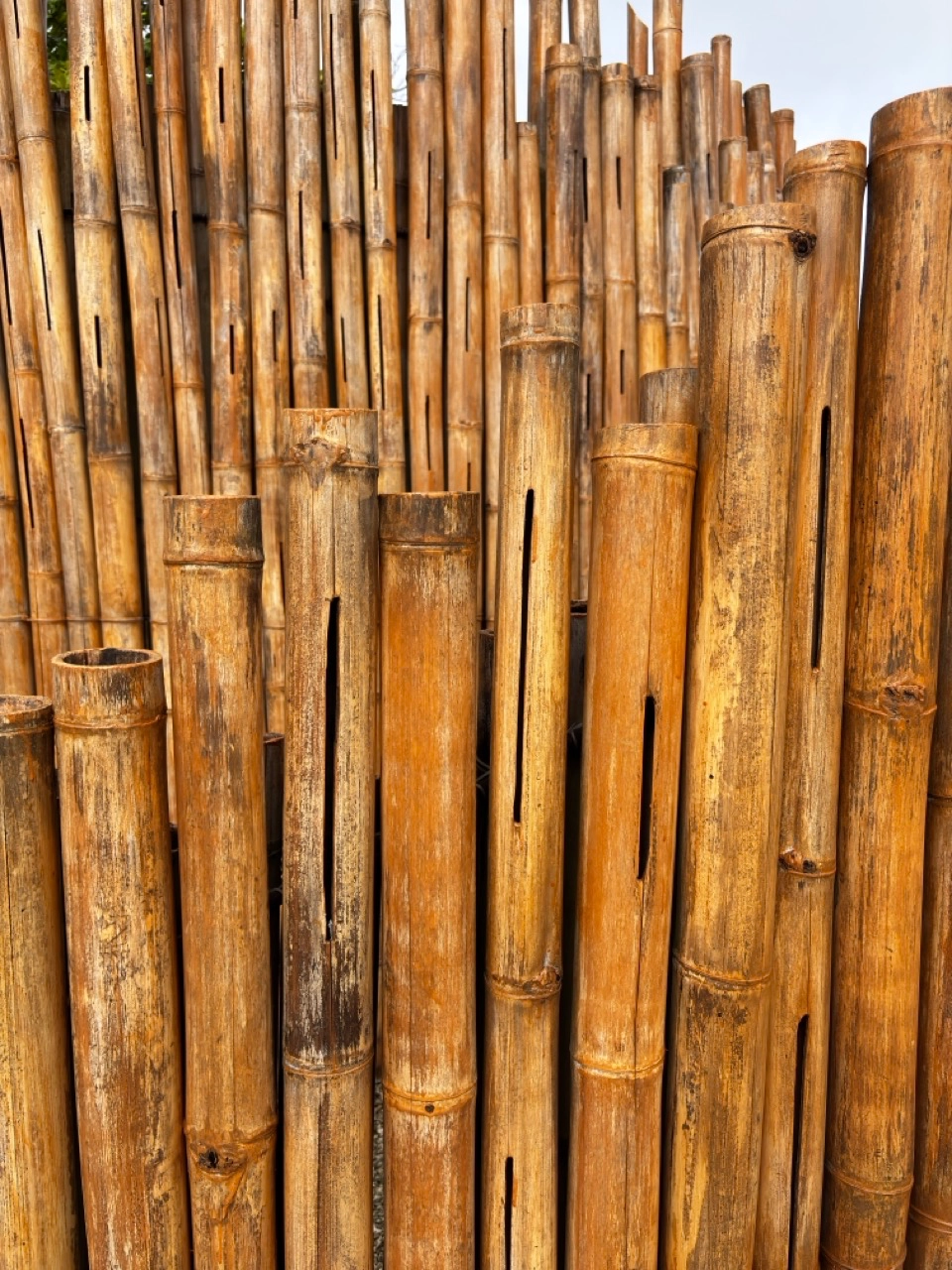
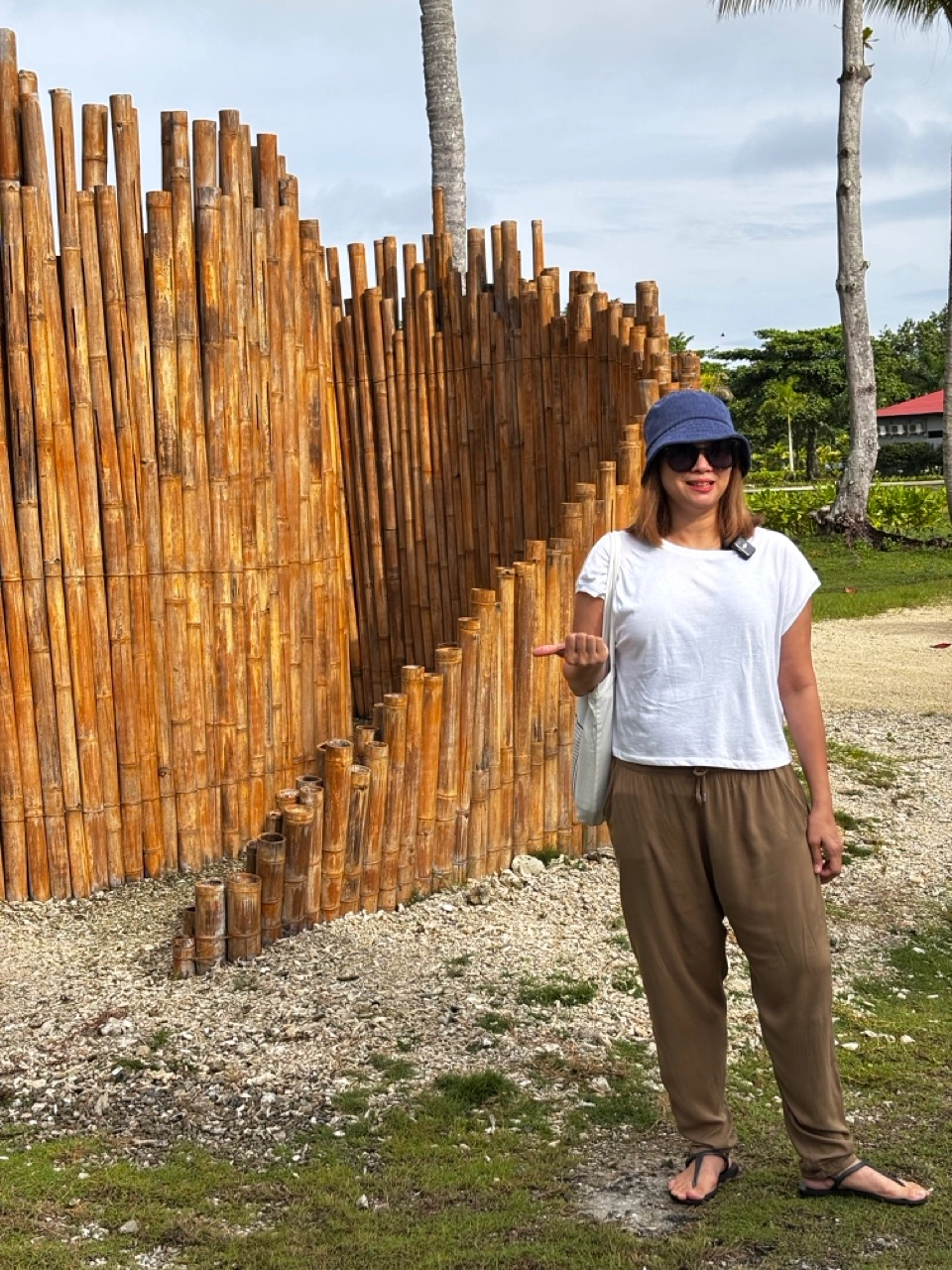
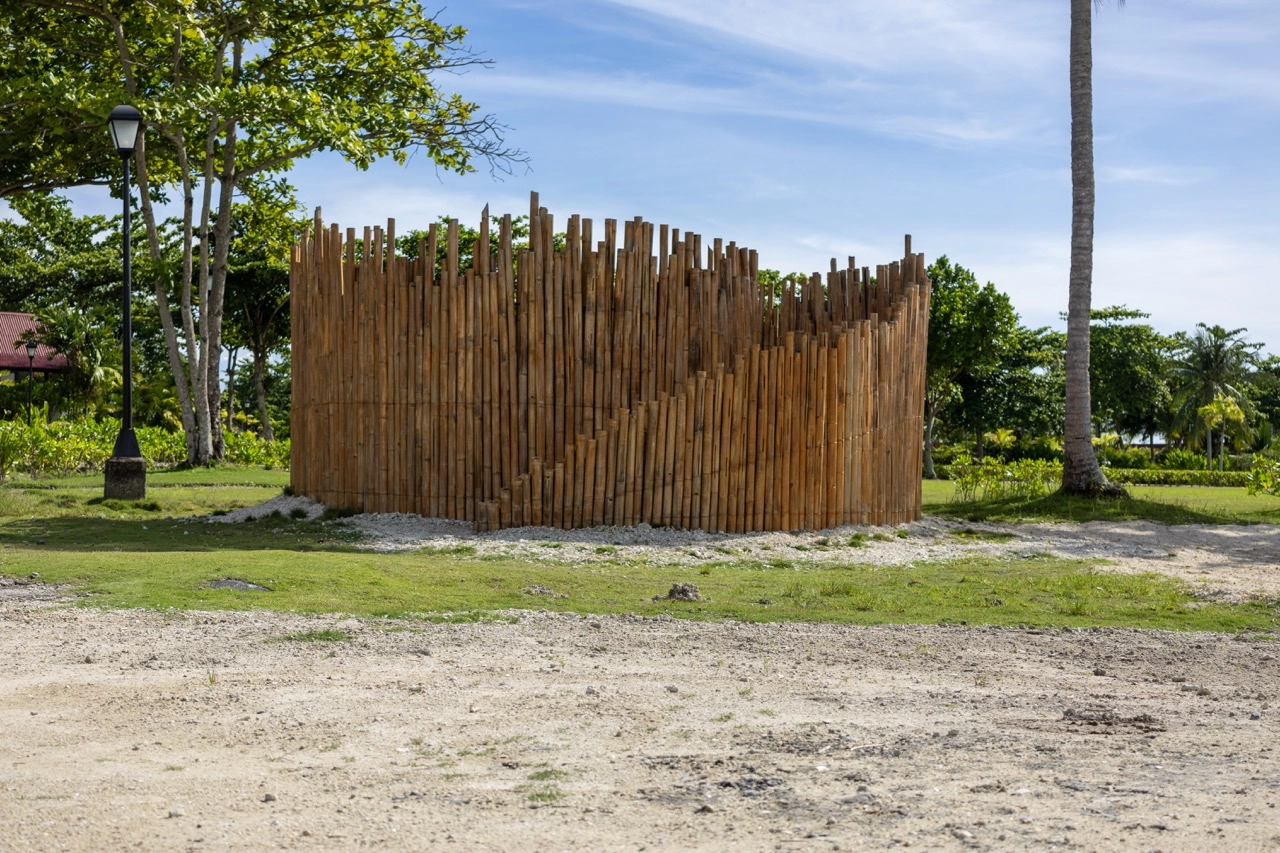
Meanwhile, Corinne de San Jose’s “417” (2023) creates sound through a series of over 500 bamboo poles in a spiraling, maze-like structure. Wind blows through slits in the wood, emitting the piece’s eponymous frequency 417, which is known for its sound healing properties (a field that the artist takes great interest in). “Big but not imposing, it’s a work that you can walk into,” she shares, which is exactly what I recommend visitors to do on a windy day: enter the sound chamber and let its hum envelop you.
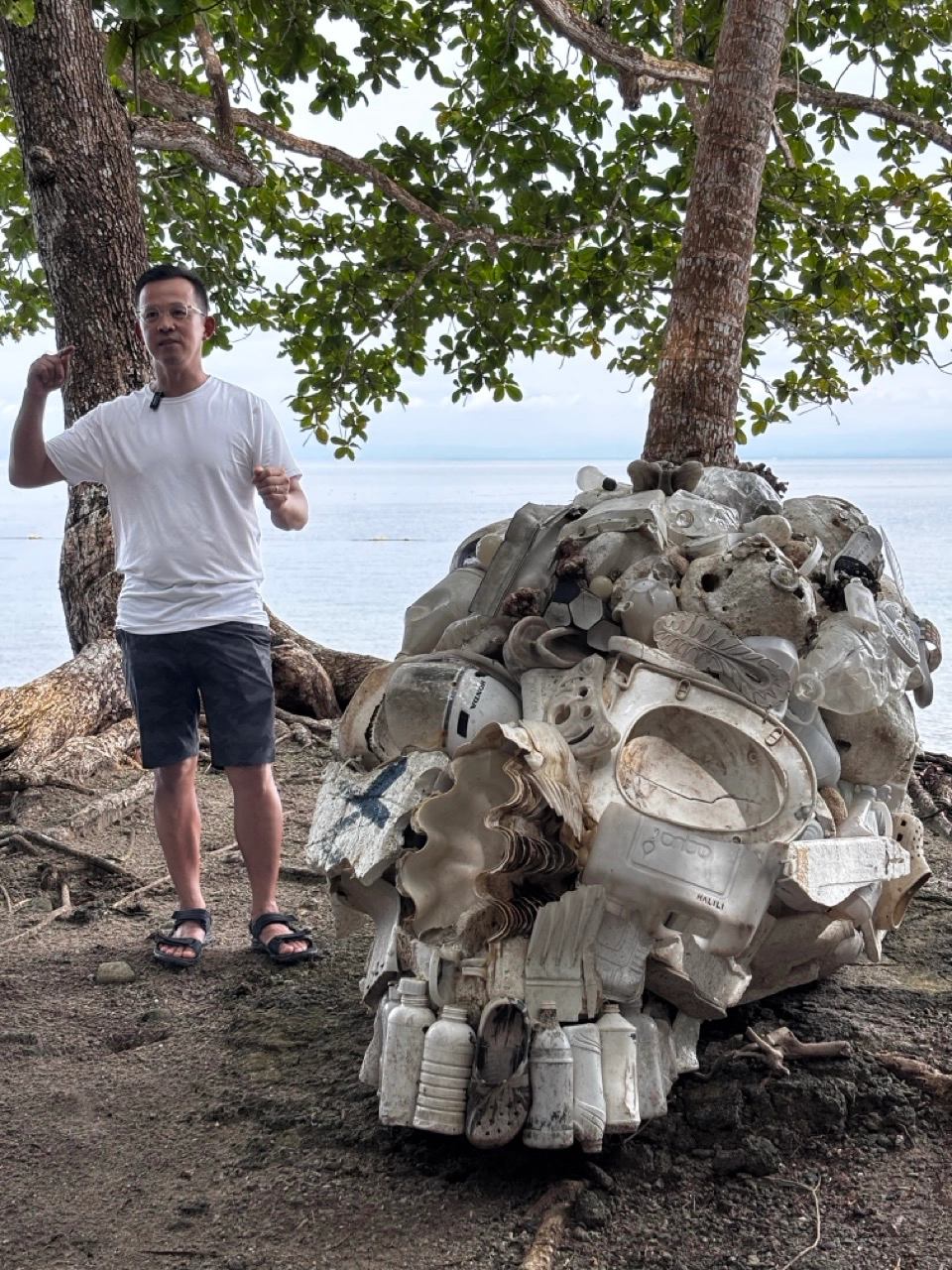
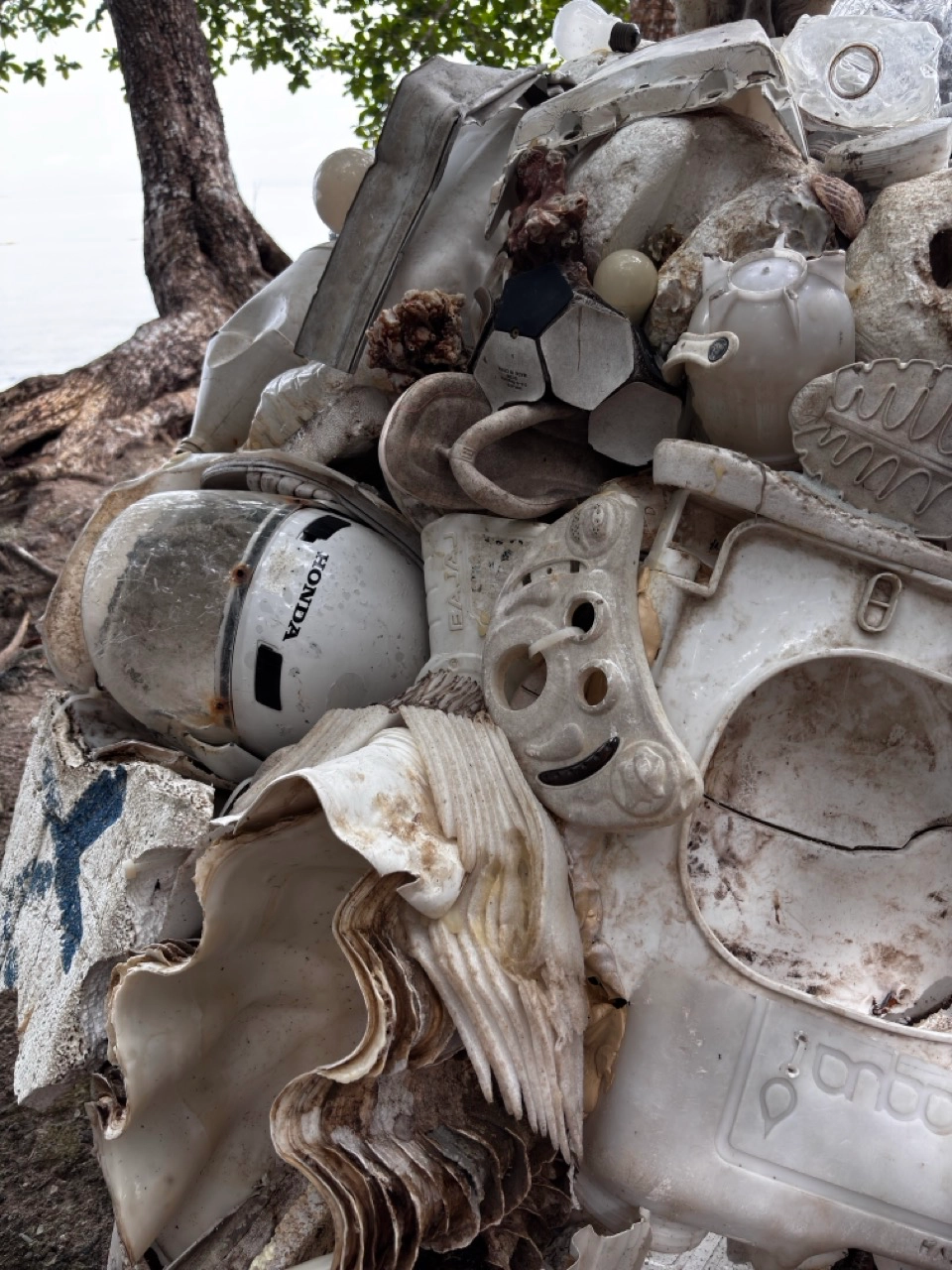
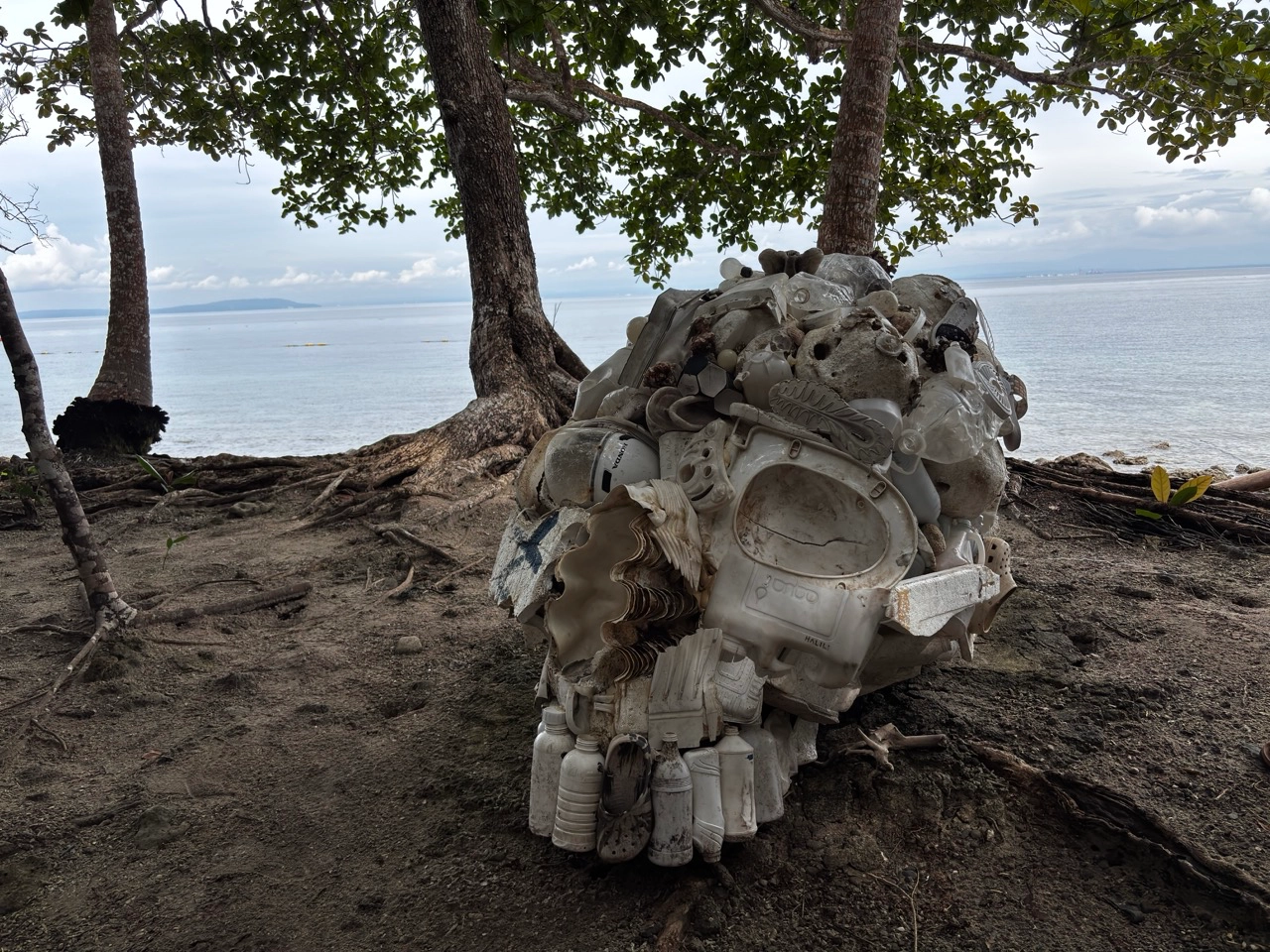
Gregory Halili’s “Monument” (2024) is a sobering reminder of the pollution plaguing bodies of water all over the world. A memento mori of sorts, it comprises various pieces of trash he found washed up near the island, which he arranged into a skull-like shape, all of them naturally bleached from their exposure to the sun.
The collaborative nature of the Lubi Art Project—and how it extends far beyond the creation process—was encapsulated by husband-wife team Alfredo and Isabel Aquilizan’s installation “How long after sunset until it gets dark?” (2025), which they co-created with the Fruitjuice Factori Studio team. Placed by the cliffside of the resort’s mangrove forest, it faces the sunset as a “vessel of memory,” expresses Isabel.
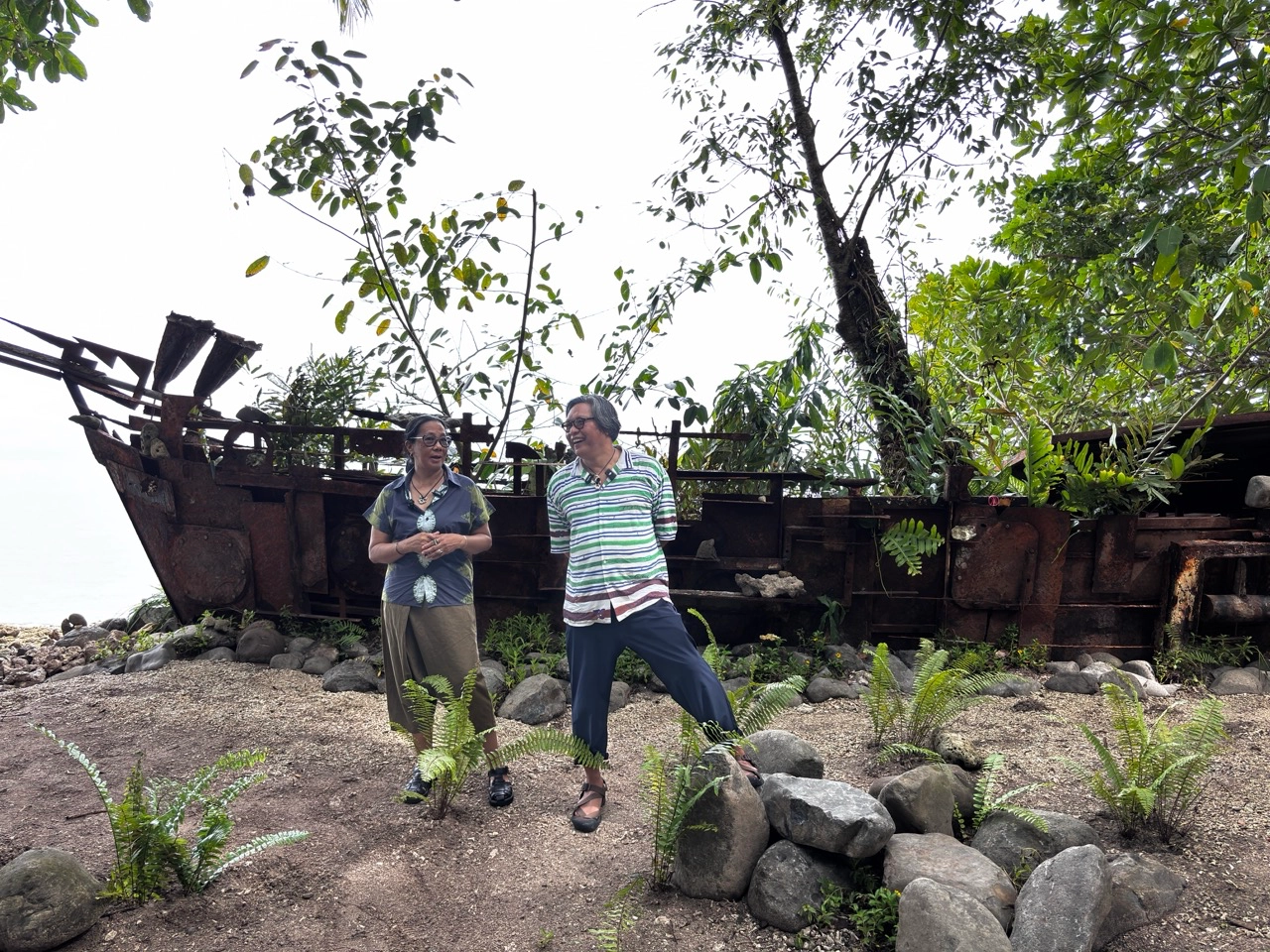
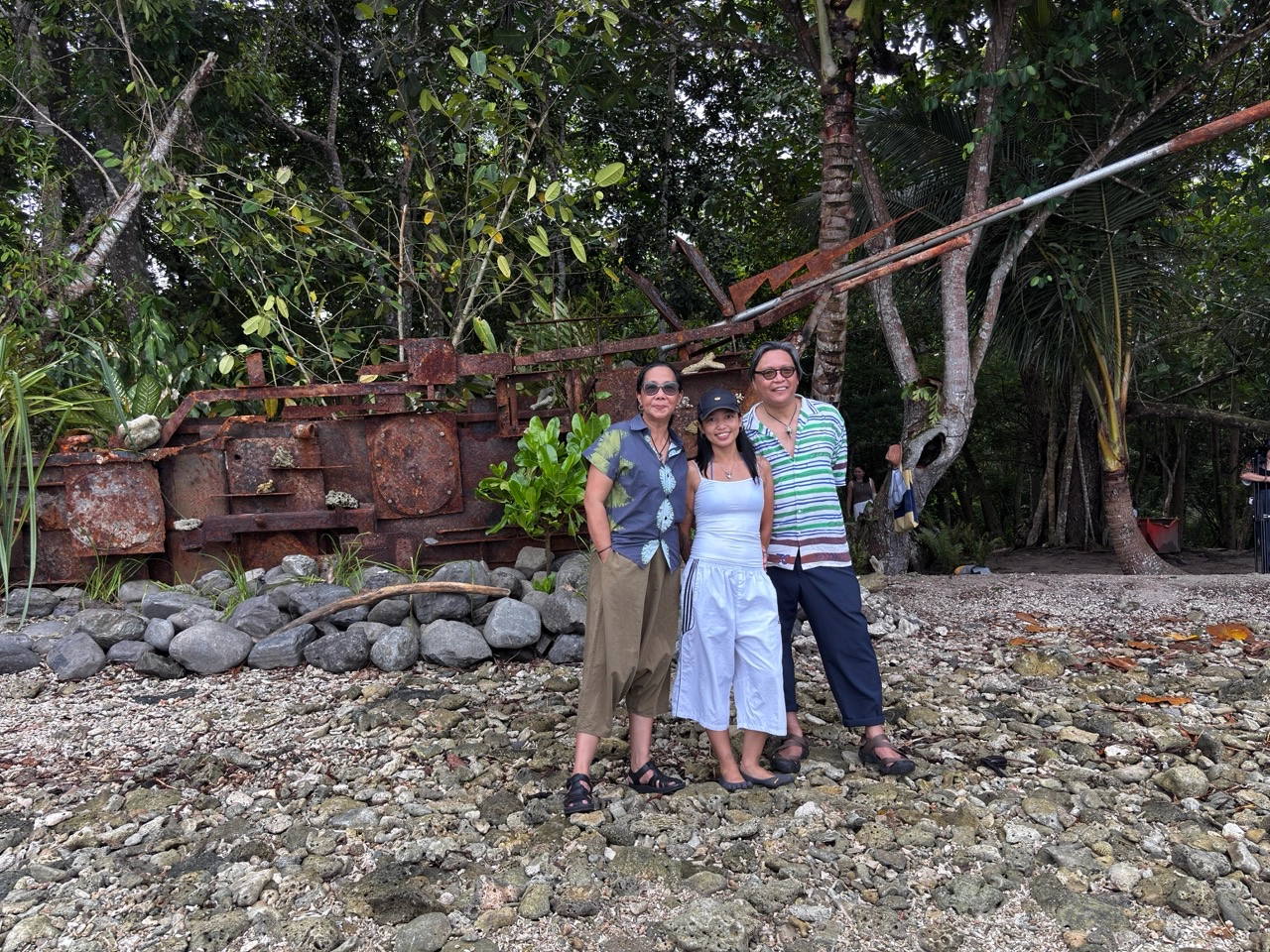
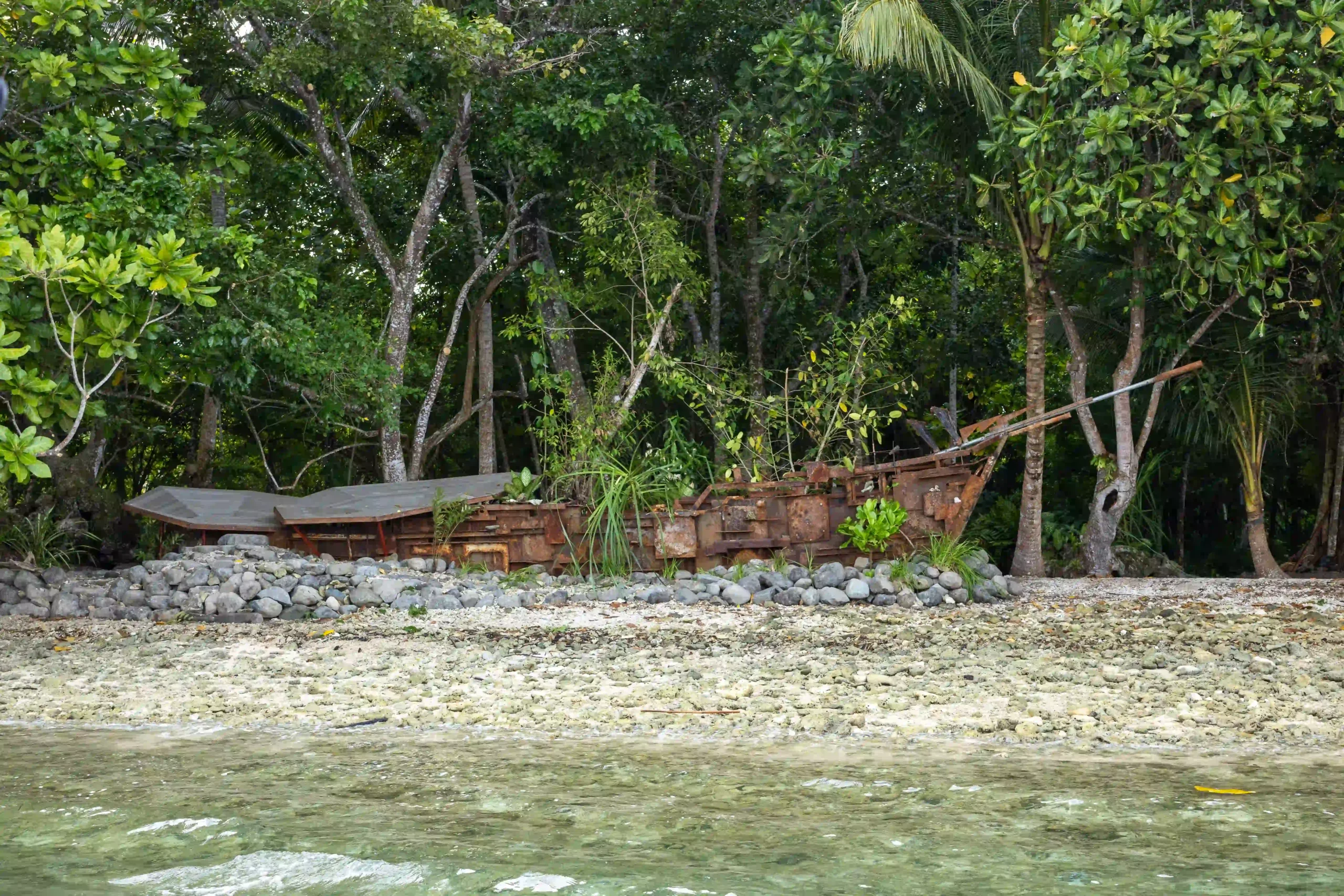
Made from one of the first barges used in the island, and sourced from its warehouse, the piece carries the narrative of its environment and the people who put it together. For Alfredo, the process of creating the installation with his family and people from nearby communities is tantamount to “slowing down” in our fast-paced world. The fruit of their efforts is a communal installation where visitors can sit and contemplate in peace, or enjoy each other’s company.
The spirit of community is also an integral part of the Lubi Art Project, with most of the artists working alongside local groups—including the Barangay Pindasan Women’s Group and Davao Gulf Divers—to create their works. As such, these pieces make up a living, creative ecosystem, made real and more meaningful through the people who have left their mark on them.
A Weekend At Dusit Thani Lubi Plantation Resort
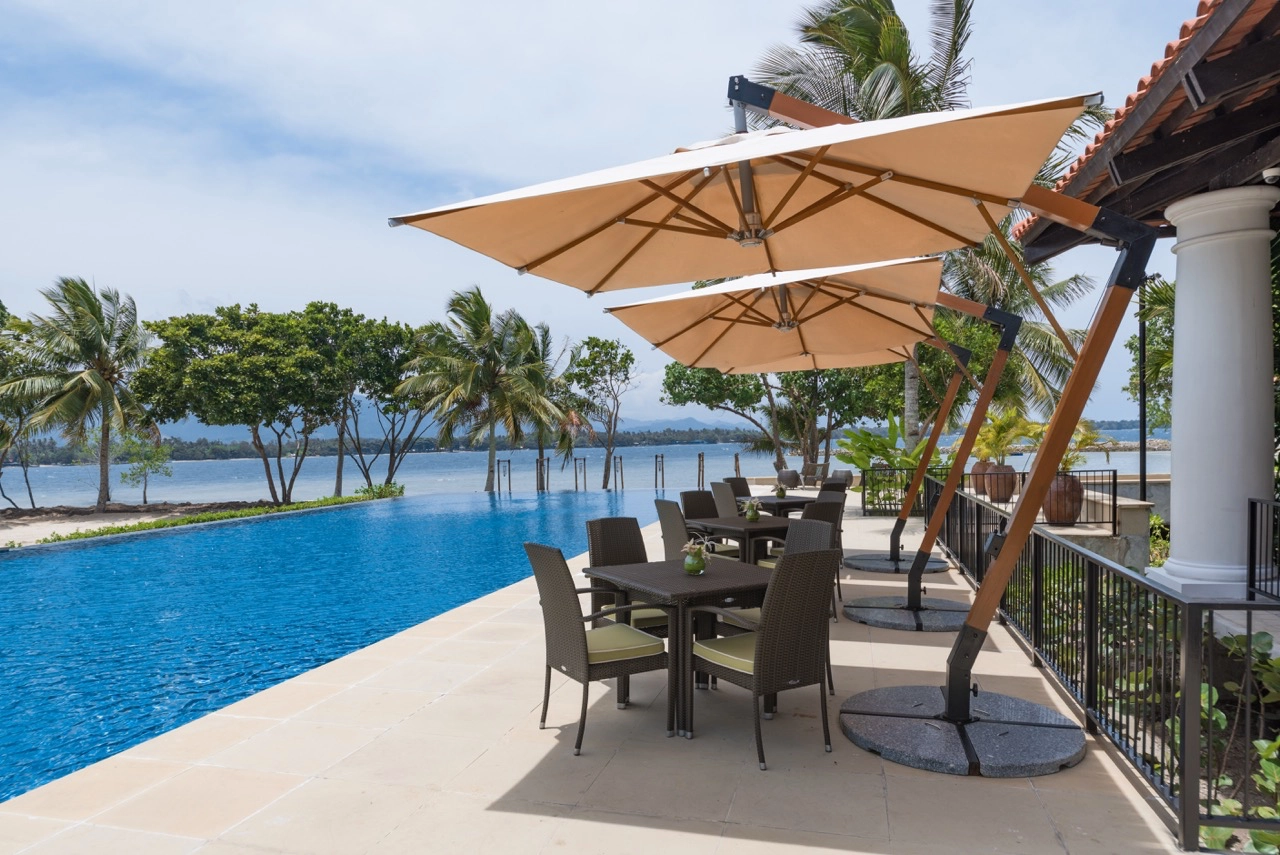
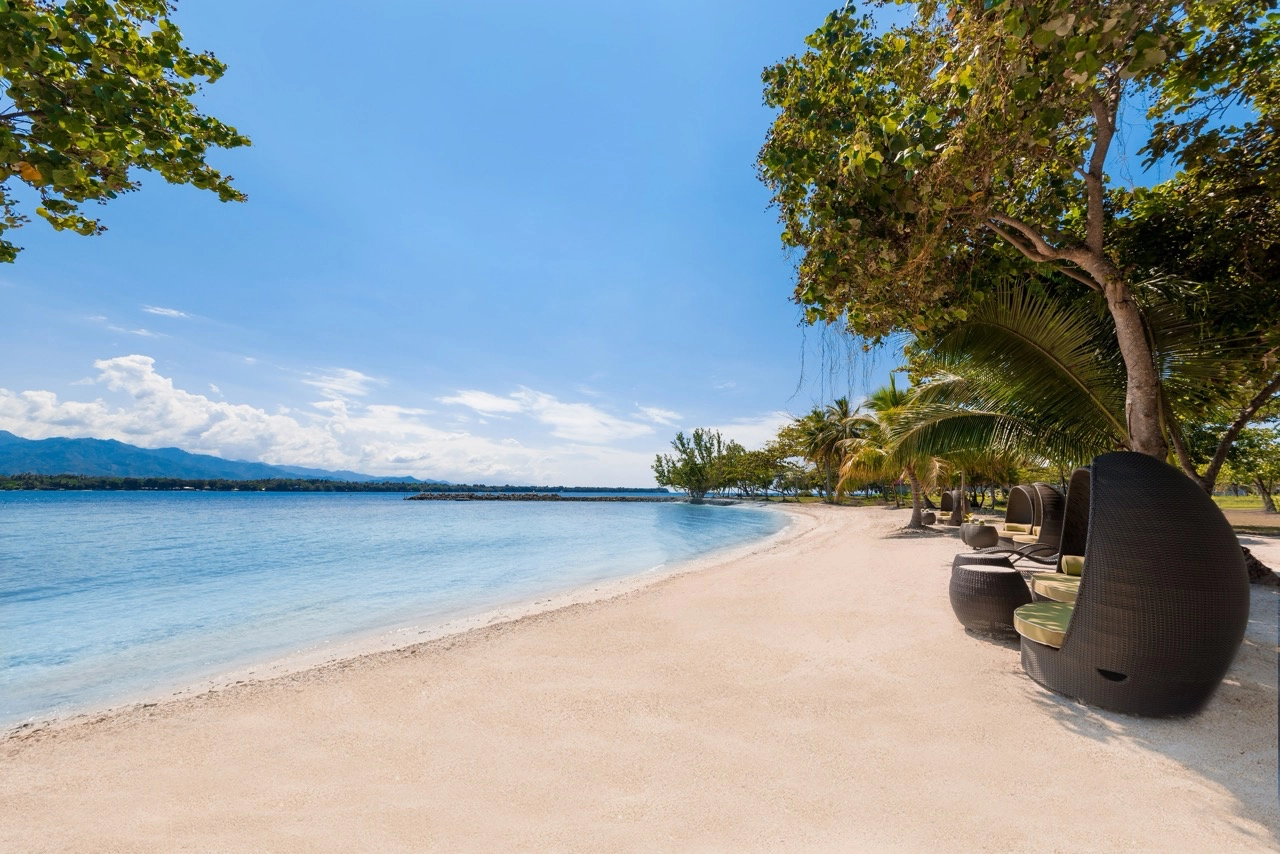
Besides getting a chance to experience and see the stunning works of the Lubi Art Project, guests also got to unwind and explore everything that Dusit Thani Lubi Plantation Resort has to offer. Whether it’s swimming in the clear waters, kayaking, snorkeling, paddleboarding, or even riding on a jet ski, activities are designed to take everyone’s minds off their troubles, letting the city’s hustle and bustle melt away. Two beachfronts (a perk of having an entire island to yourself) offered spectacular views of the sunrise and sunset respectively. If swimming in open water isn’t your thing, that’s fine too: the island’s Sunrise and Sunset Beaches each featured outdoor pools that kept guests close to the sky and sea.
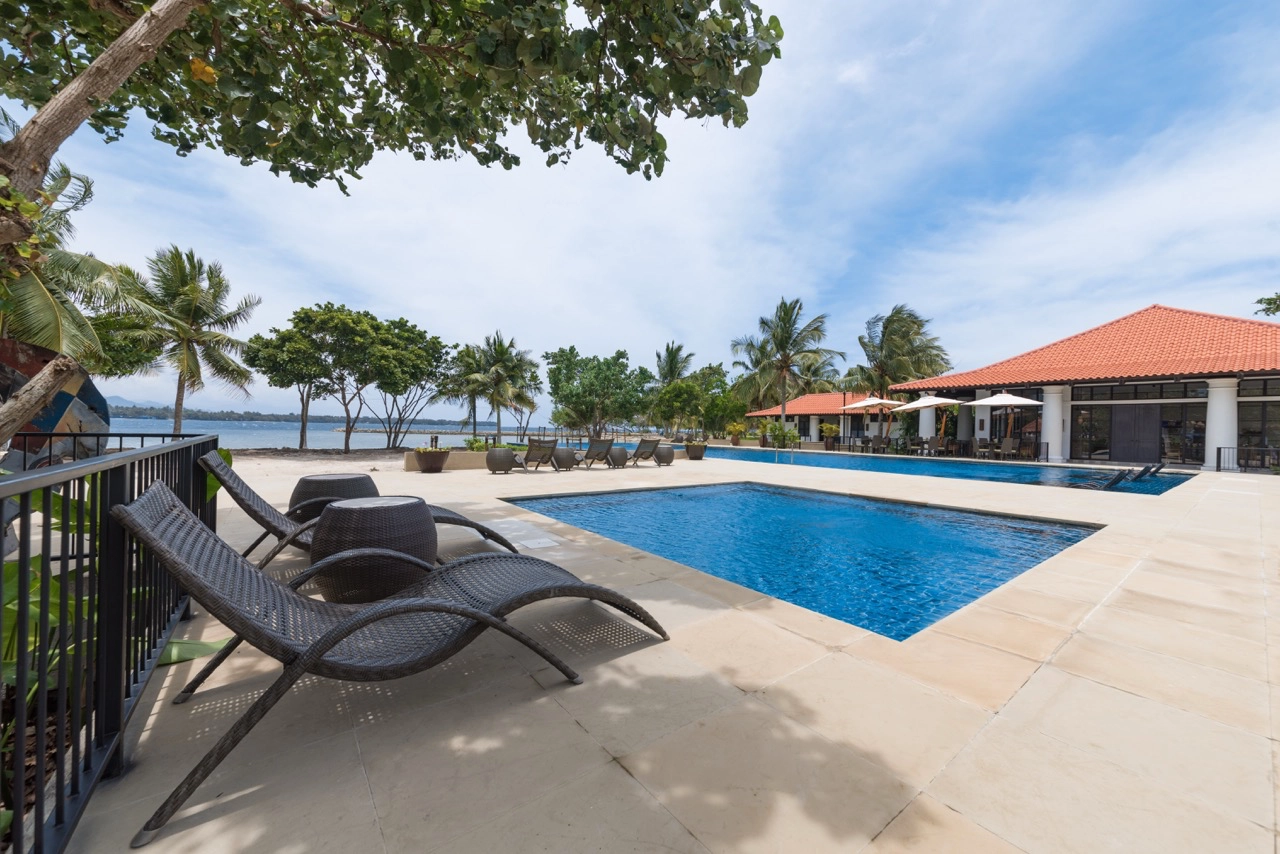
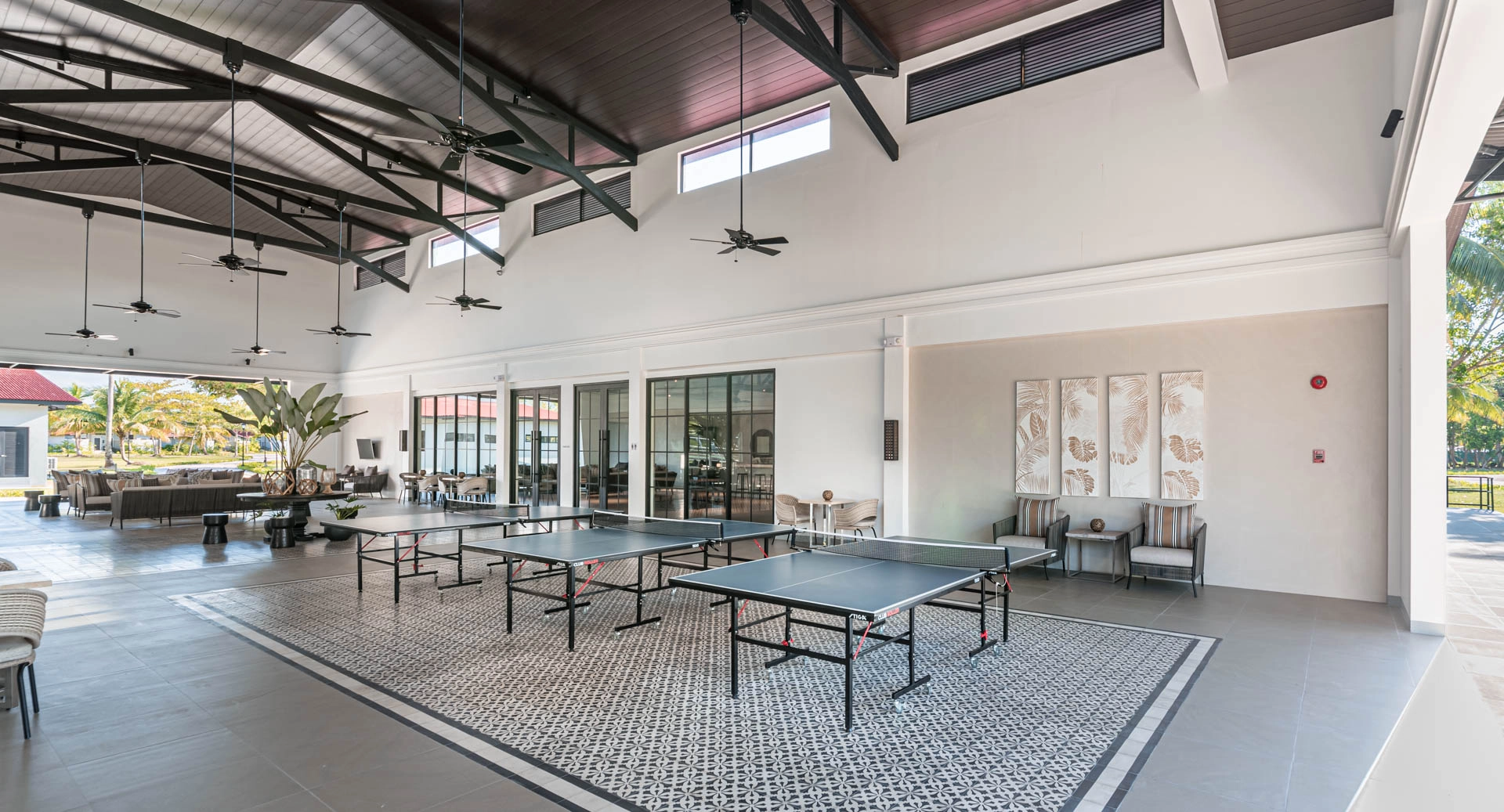
There was plenty of relaxation to go around indoors as well. The Island Spa offered a wide range of treatments, including massages, body scrubs, and facials. A 60-minute Swedish massage will take the edge off any pain or tension, complete with aromatic oils and hot tea served right after. A Game Zone offers fun for a big group with table tennis, foosball, game consoles, board games, and yes, every Filipino’s favorite amenity: the Recording Studio, a series of karaoke rooms where you can sing your heart out.
Once you’ve worked up an appetite, you’ll be spoiled for choice with the island’s diverse dining options. The Mill offers fusion cuisine, including inventive takes on classics like gourmet burgers and artisan pizzas. Meanwhile, Tarictic Grill offers Filipino comfort staples by the poolside. As someone who enjoys Thai cuisine, a highlight was definitely the array of dishes served at Ga-Ti Authentic Thai Cuisine. Chicken satay with peanut sauce, tart tom yum goong with just the right amount of kick, and steaming white rice—if that isn’t a dream combination, I don’t know what is. Those who enjoy a drink (or two) will never be far from one, as there are six bars sprinkled throughout the island for an endless Happy Hour vacation.
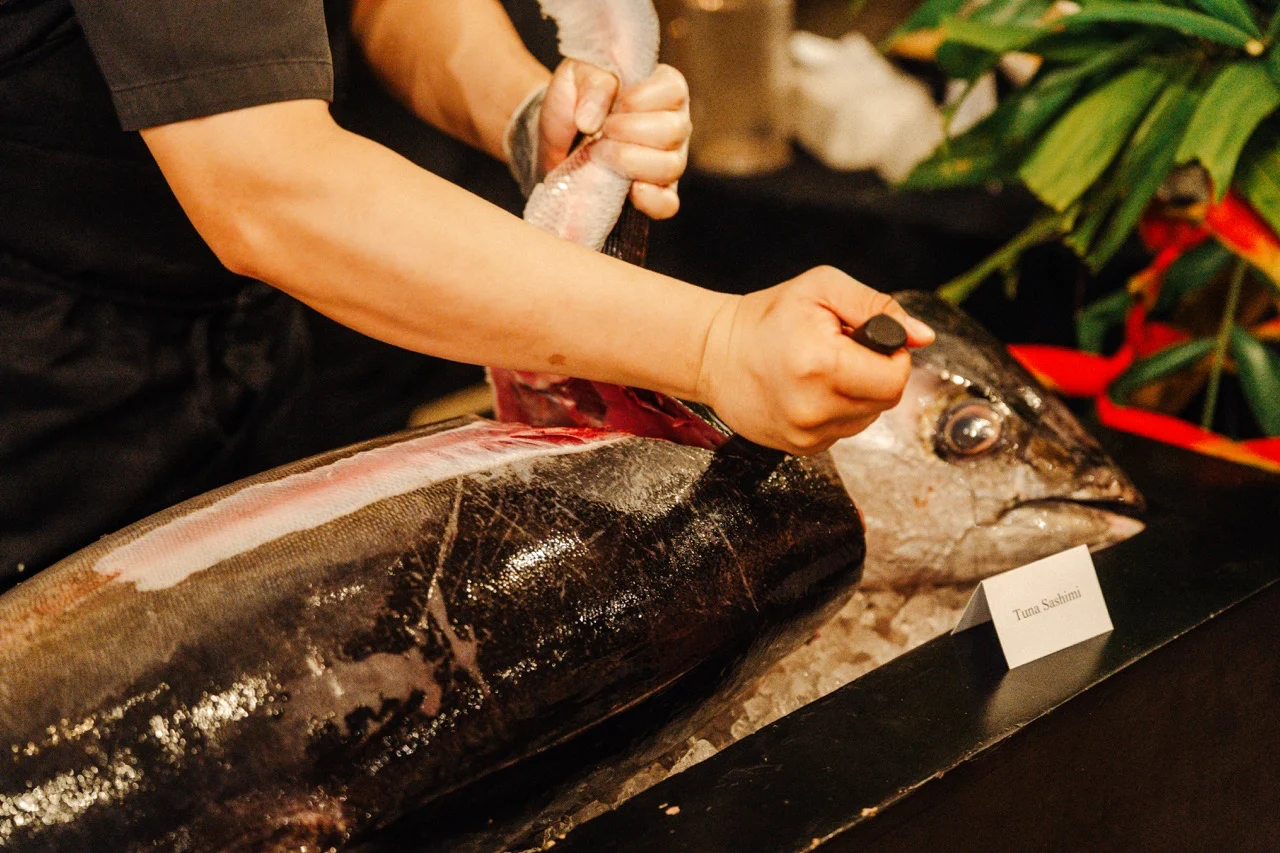
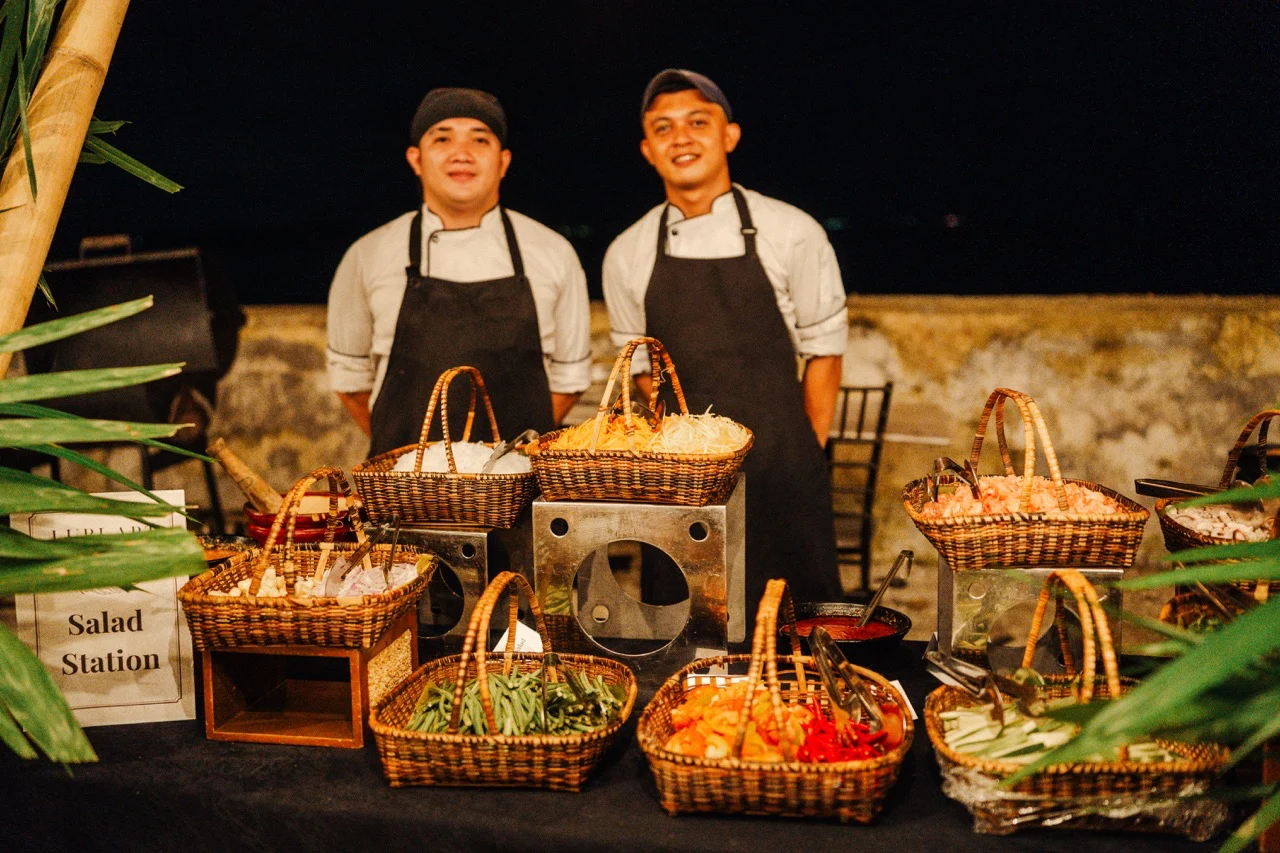
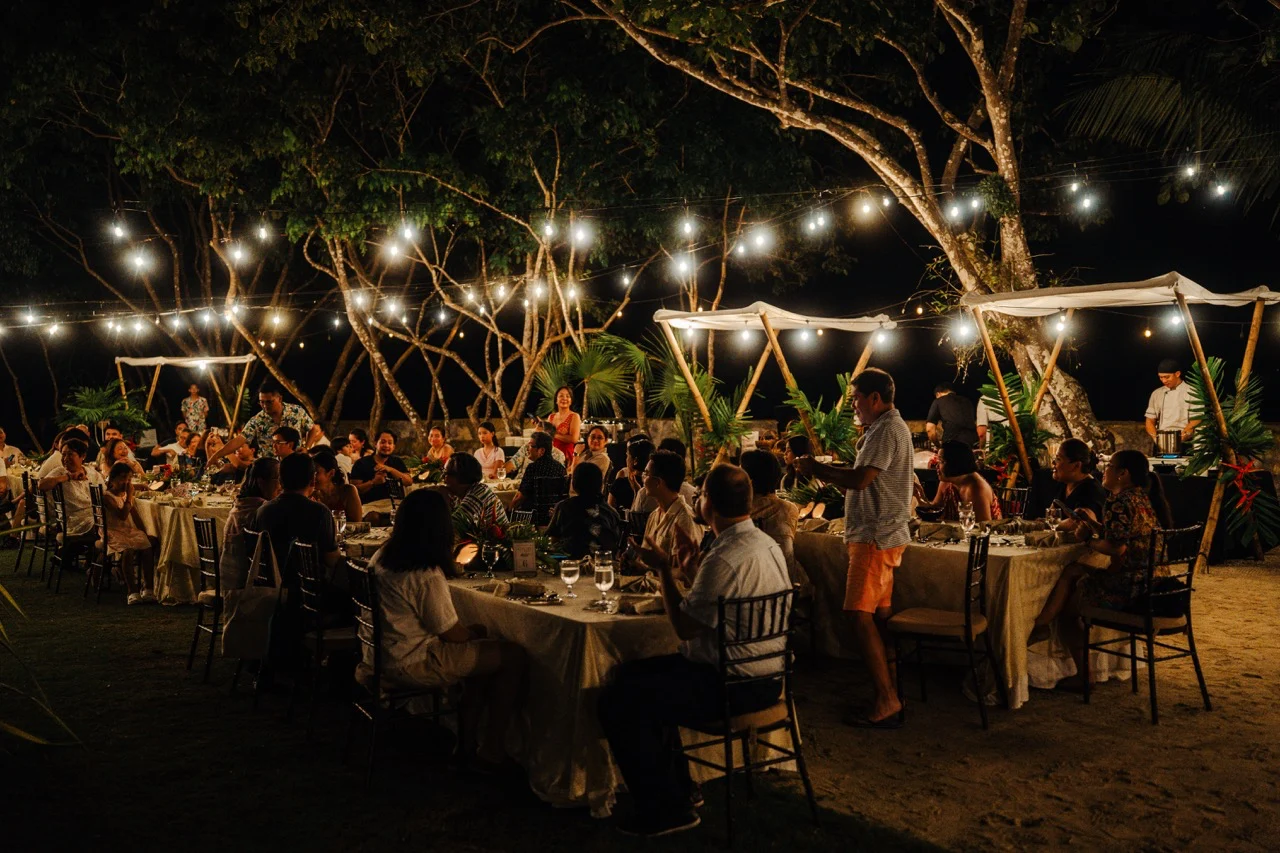
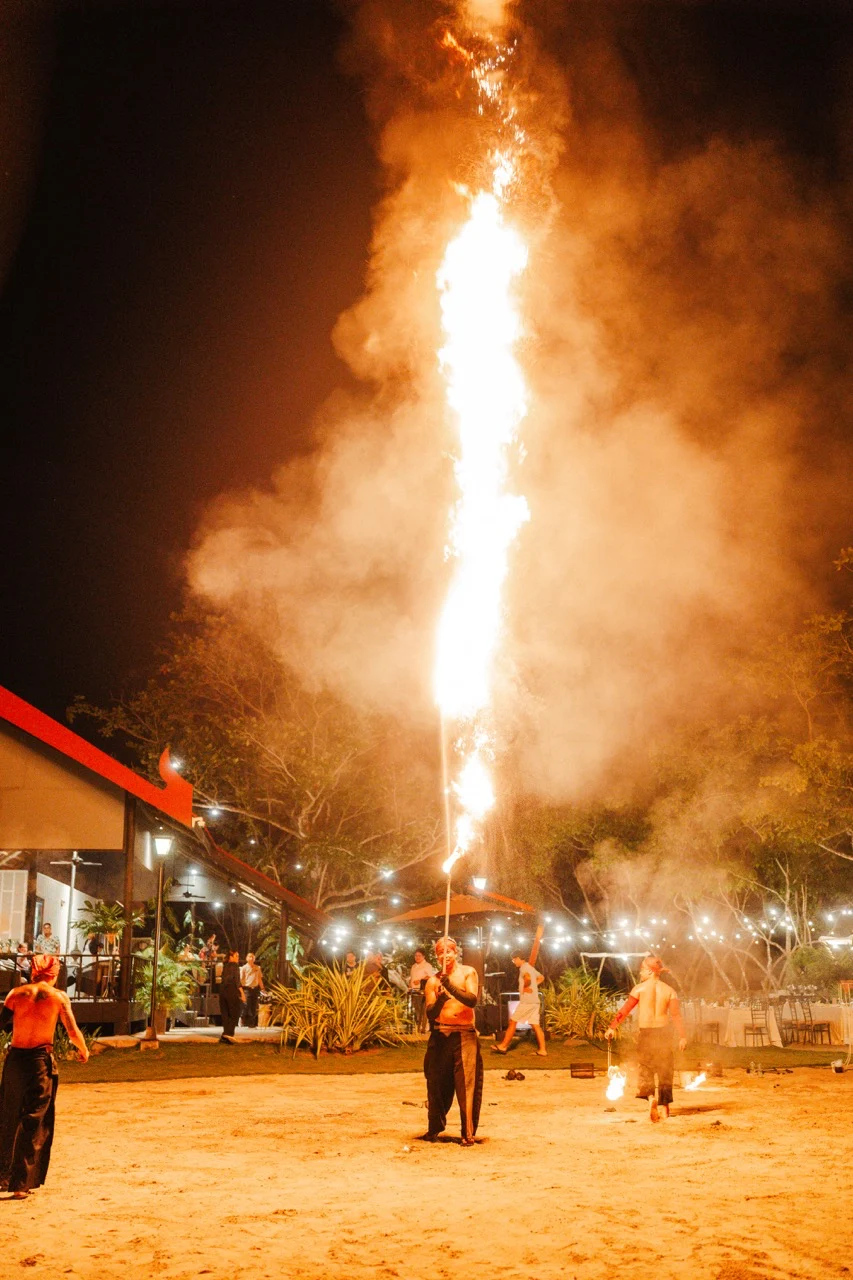
A grand dinner on the third day of our stay made things extra special, with a buffet of Thai and Filipino delights—paired with a giant, freshly caught tuna that made for melt-in-your-mouth sashimi. A performance featuring local fire dancers was also a crowd-pleaser, starting the night of revelry with a bang.
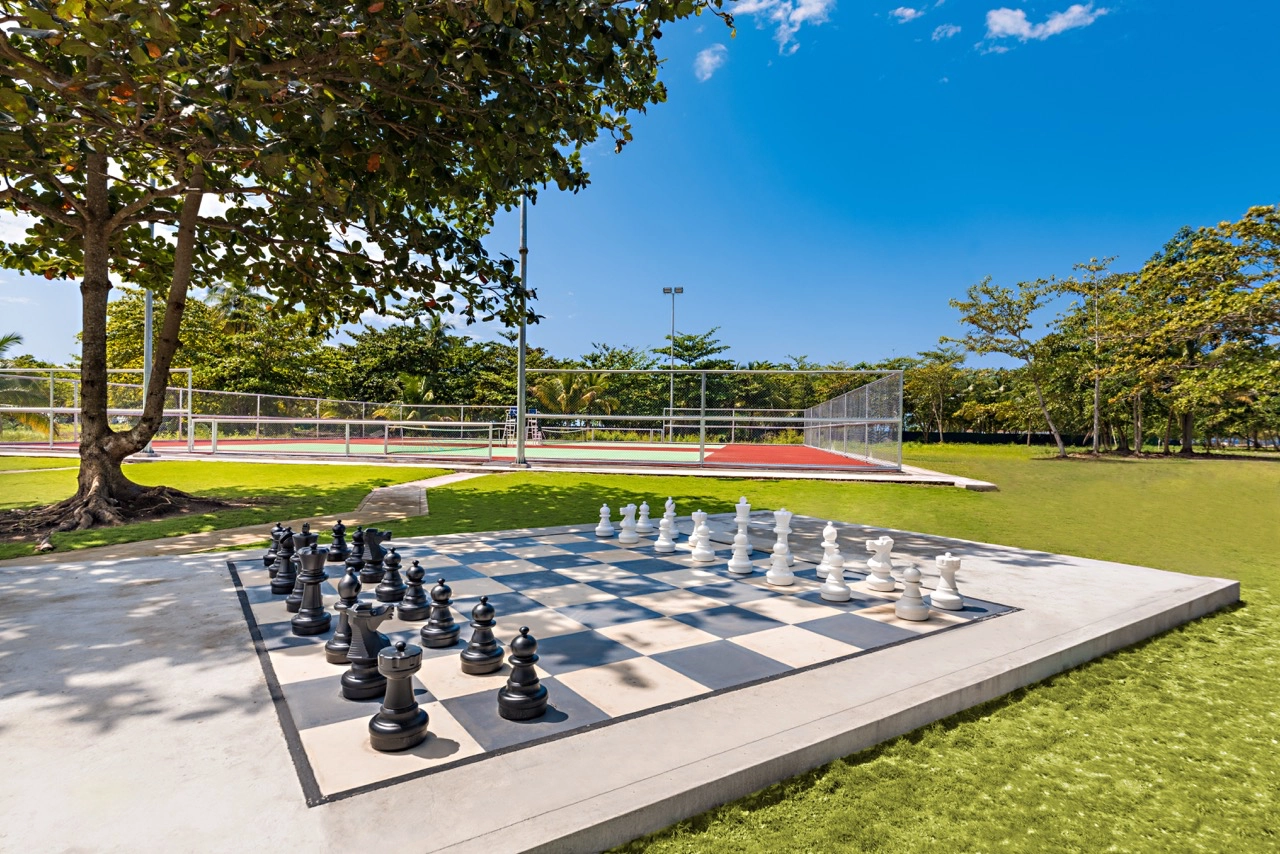
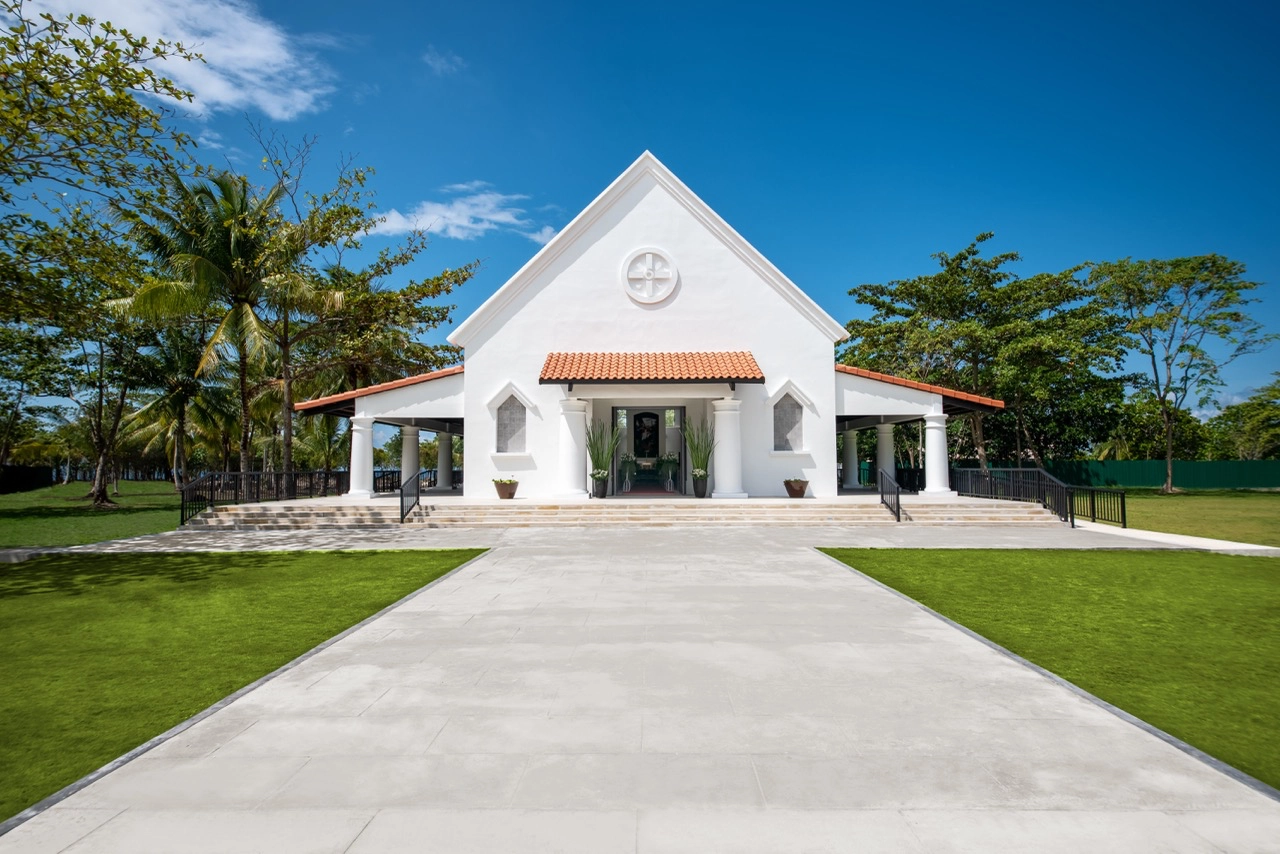
The island is designed to provide you with everything you could possibly need. If a haircut is in order, visit The Island Salon. Destination wedding or Saturday mass? The Chapel of the Holy Family is there for all your needs. You won’t be missing your workout routine either with the island’s Fitness Center, which comes with modern machines and free weights to keep you in shape. A tennis court (where you can play pickleball), mini golf course, giant chess board, and beach volleyball court are just the cherries on top of an already sweet package. Connectivity is never an issue either, with speedy Wi-Fi in almost every part of the island.
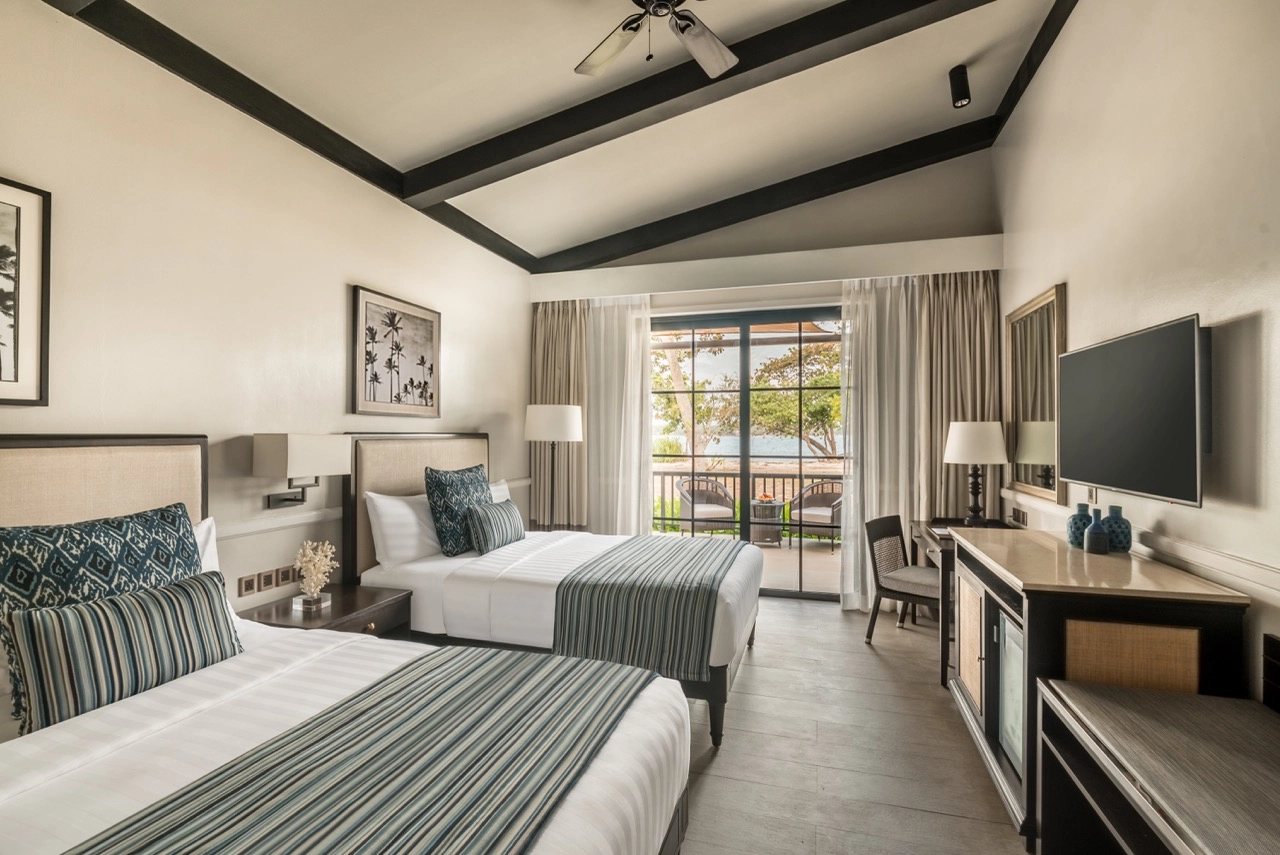
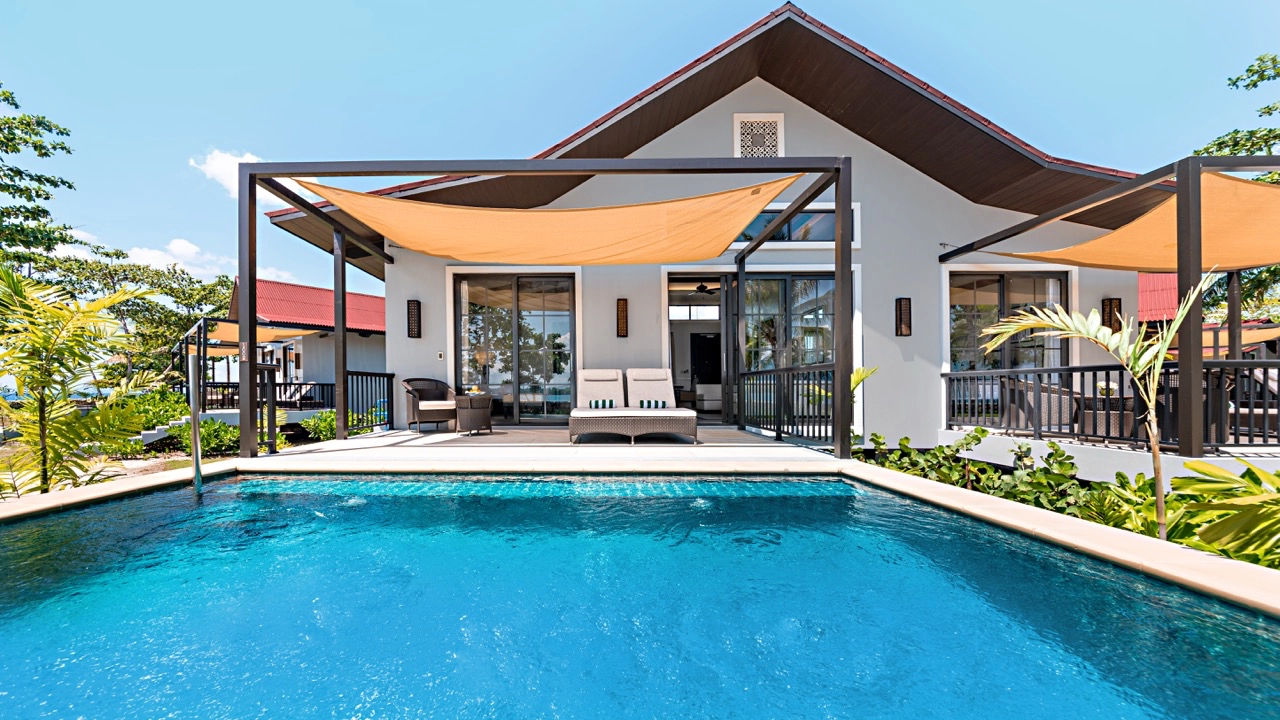
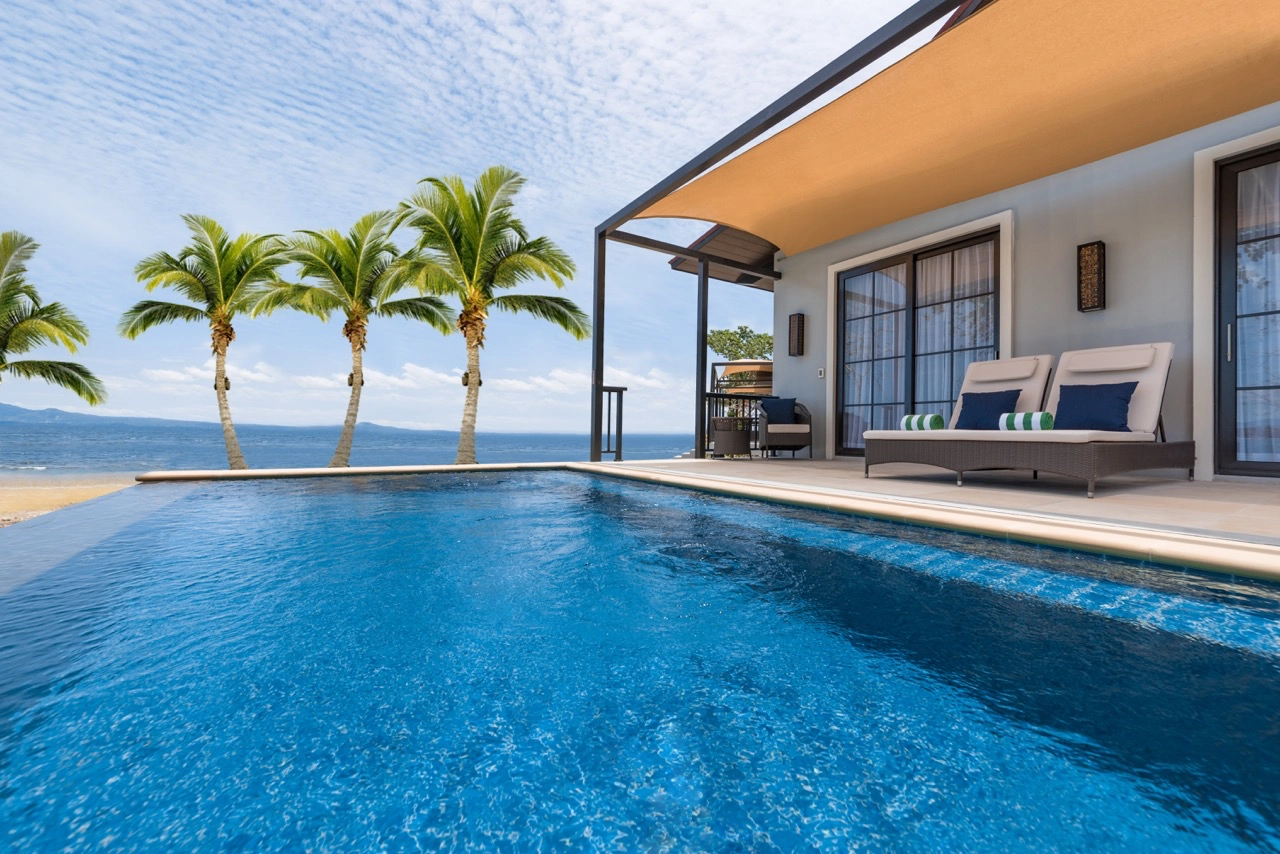
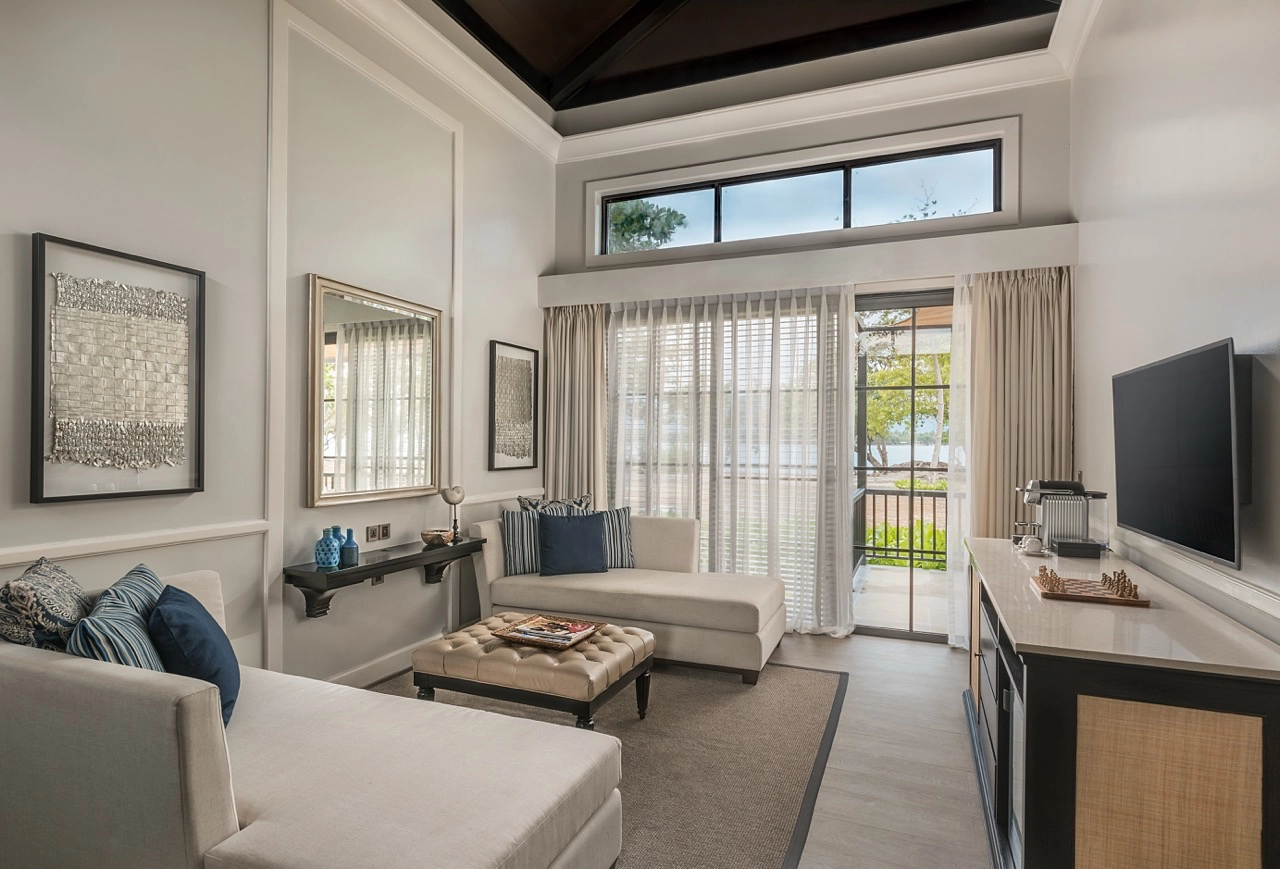
Even retreating to the villa is a delight when the day’s activities are over. With views of the sea or gardens, these cozy spaces offer sleek bathrooms, incredibly comfortable beds, and 24/7 air conditioning that’s a blessing in the summer heat. Safe to say, I slept like a baby throughout my stay.
Sustainability Without Compromise
It takes a village (and a lot of resources) to run a place like Dusit Thani Lubi Plantation Resort, but the establishment proves that you can incorporate solid sustainability practices into your operations without compromising on luxury. In fact, the two can actually work hand in hand, enriching one another to create a unique experience for guests.
The island’s biodiversity remains healthy thanks to the protected coral and turtle sanctuaries that surround it. Corals attract a sizable population of Hawksbill turtles, who derive their main sources of food (small fish, marine invertebrates, and algae) from the crevices of coral reefs. Large swaths of the island remain undeveloped, including its turtle sanctuary—a sloping beach where the reptiles can lay and hatch their eggs, the babies imprinting on the land and returning years later.
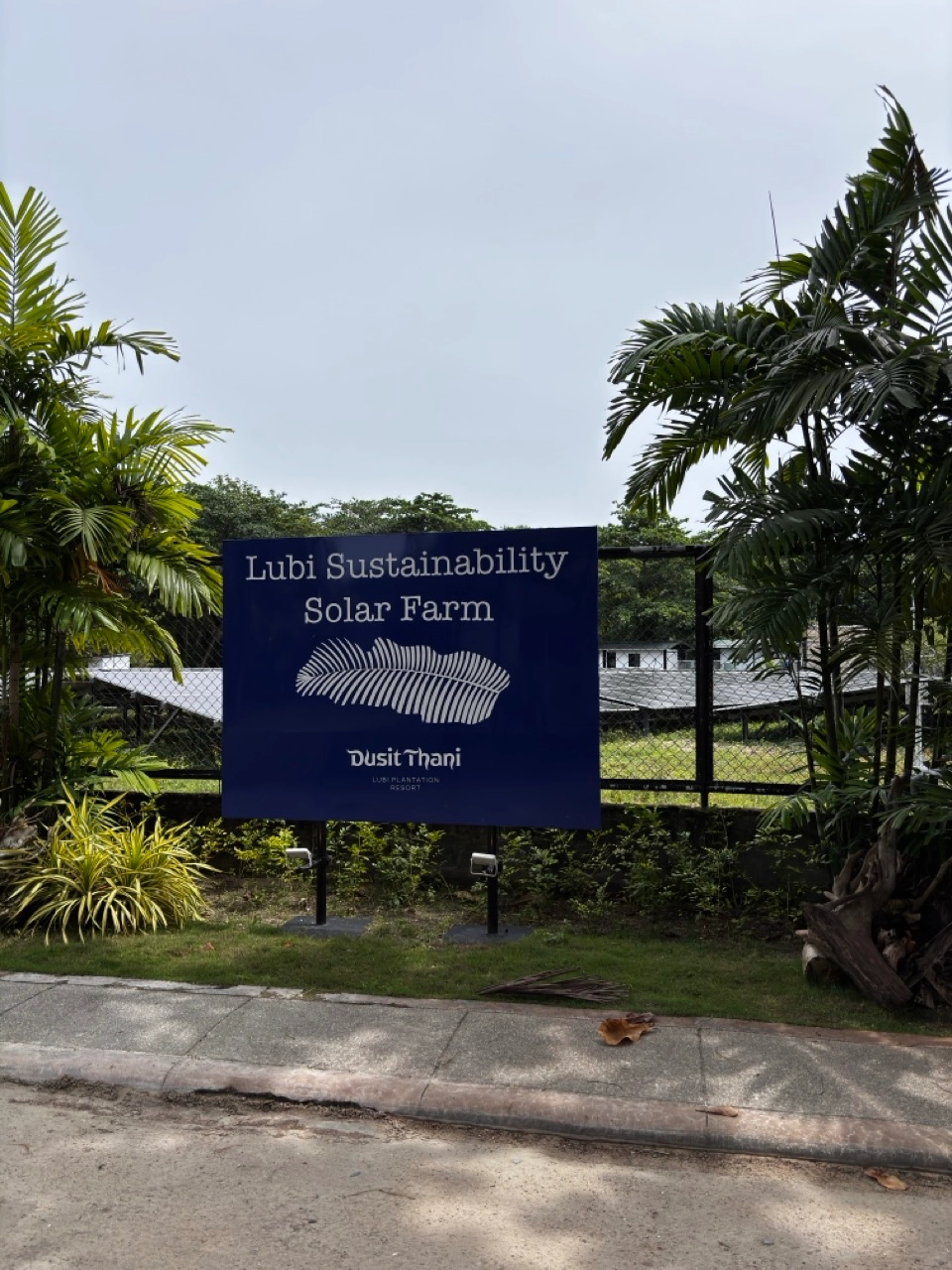
As for energy consumption, the resort features a 756-unit solar farm that supports the island’s energy requirements. At present, the resort has been working on having 100% of its energy powered by the sun (the current percentage being around 50%). It also holds frequent beach cleanups, does its own composting, and has removed single-use plastics like water bottles from its offerings.
Water from the shower and sink are processed in the island’s dedicated facilities, which means it’s all potable (I’ve tried it and can attest). An aquifer beneath the island stores and transmits groundwater too, helping supply most of the resort’s water. Management even asks guests to keep the air conditioning of their rooms running at all times, since the heat generated by the machines is what keeps their showers nice and hot.
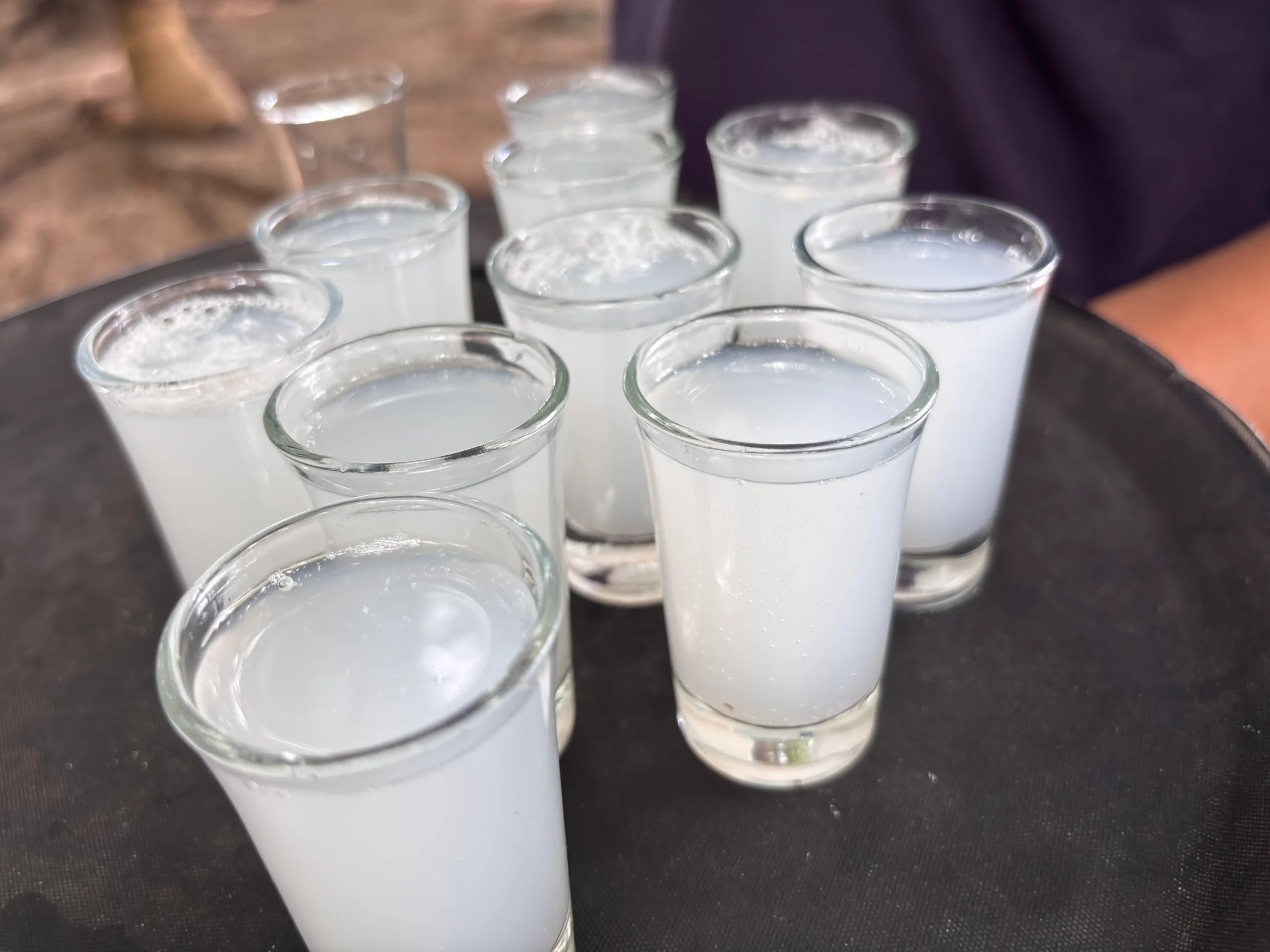
“Lubi” is Visayan for “coconut,” a nod to the island’s heritage as a coconut plantation. The resort stays true to its name, finding ways to use all parts of the coconut in any way they can: for drinks (fresh coconut water and homemade tuba or coconut wine), cooking (their coconut ice cream is unparalleled), and even the moisturizing toiletries within villa bathrooms. Herbs, spices, and other vegetables are grown in the island as well, while fresh local catch like bangus (milkfish) are just within reach.
Looking at the complex web of operations within Dusit Thani Lubi Plantation Resort, one can really feel the amount of thought put into every single detail. Like its surrounding nature, it’s a living ecosystem of intuitive design. This makes sense, given how hands-on its management is, including Owner and CEO of Torre de Lorenzo Development Corporation, Tomas Lorenzo—who makes it a point to be involved in every aspect of building the brand. “I’m involved from beginning to end. I never stop learning. I’m always asking ‘why’ to improve. Because the moment you stop, you’re yesterday’s news,” he shares.
“The quality of the resort, the service, has to be at a certain level,” he continues. “Even if people don’t notice that, there will be one person who will notice that. That is what is important. If nine people don’t notice, fine; if one person notices, that’s great—you have to keep it always at that level.”
Davao de Oro hardly experiences intense thunderstorms, as Lorenzo tells us during our sunny boat trip to the island. It’s the reason why the area is home to rich fruit plantations: idyllic weather for most of the year, with the occasional light rains, is what makes it a fertile ground of possibilities. As I said at the beginning of this piece, Davao De Oro might not be the first place that comes to mind when you think of an island getaway—but thanks to Dusit Thani Lubi Plantation Resort, it certainly should be.
For more information, visit the Dusit Thani Lubi Plantation Resort official website at https://www.dusit.com/dusitthani-lubiplantationresort/. For reservations and inquiries, you may reach the resort’s team at +63 (82) 322 7000 or [email protected].
Photos courtesy of Dusit Thani Lubi Plantation Resort (unless specified).