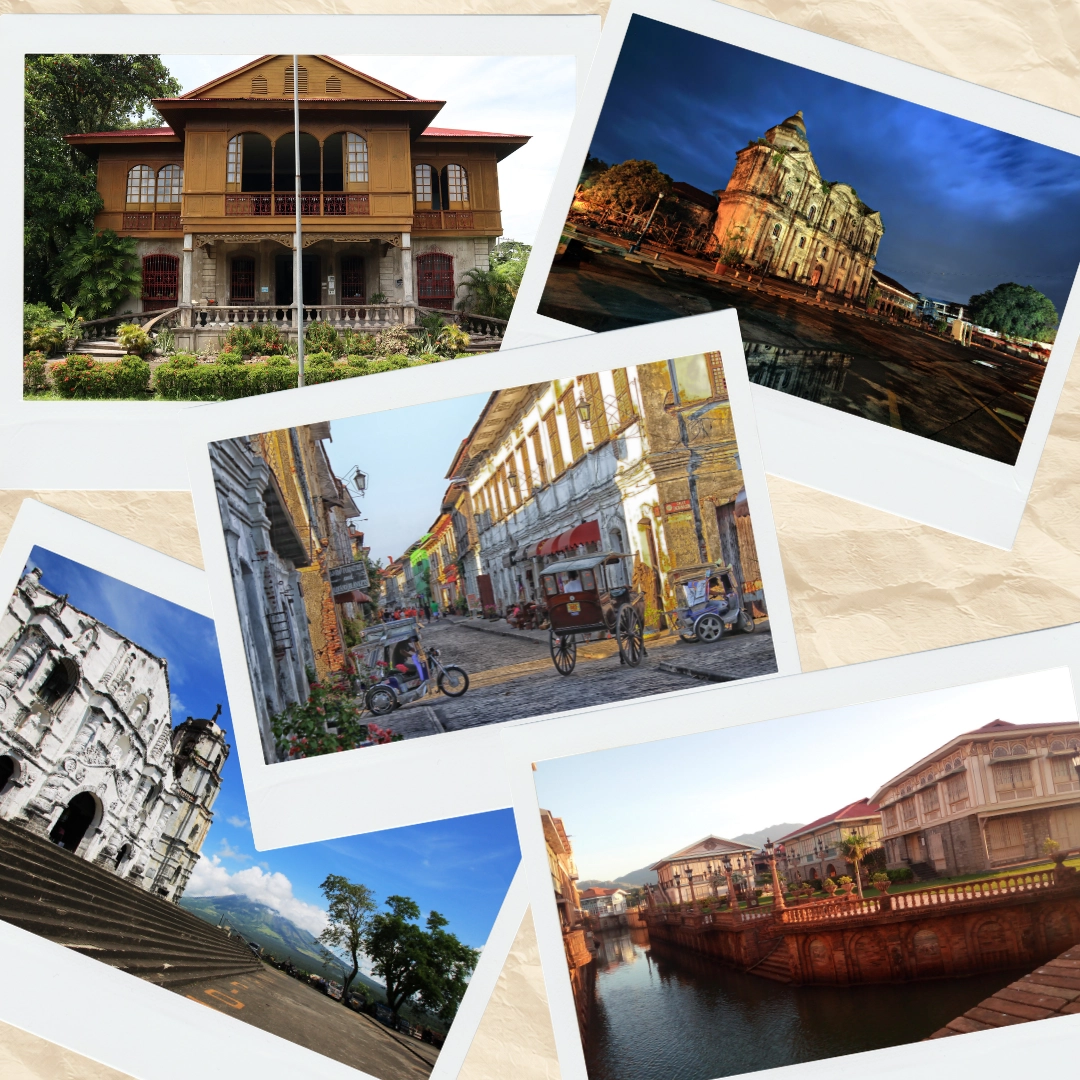
These towns have spent decades preserving the ancestral homes, churches, and streetscapes that most places have long since torn down.
For many of us, history class was the first time we felt that tug of curiosity about the past: what it actually looked, smelled, and felt like to live in an era so different from our own. The Philippines, as it turns out, is one of the better places in the world to scratch that itch. Scattered across the country are heritage towns that have stood for centuries, built by ilustrado families and Spanish-era merchants who wanted their legacies to outlast them—remarkably, many of them have.
May marks National Heritage Month, so there’s no better time to make a short weekend trip to these heritage towns and stays that preserve essential parts of our history.
READ ALSO: Filipino Heritage Houses You Can Actually Visit
Vigan, Ilocos Sur
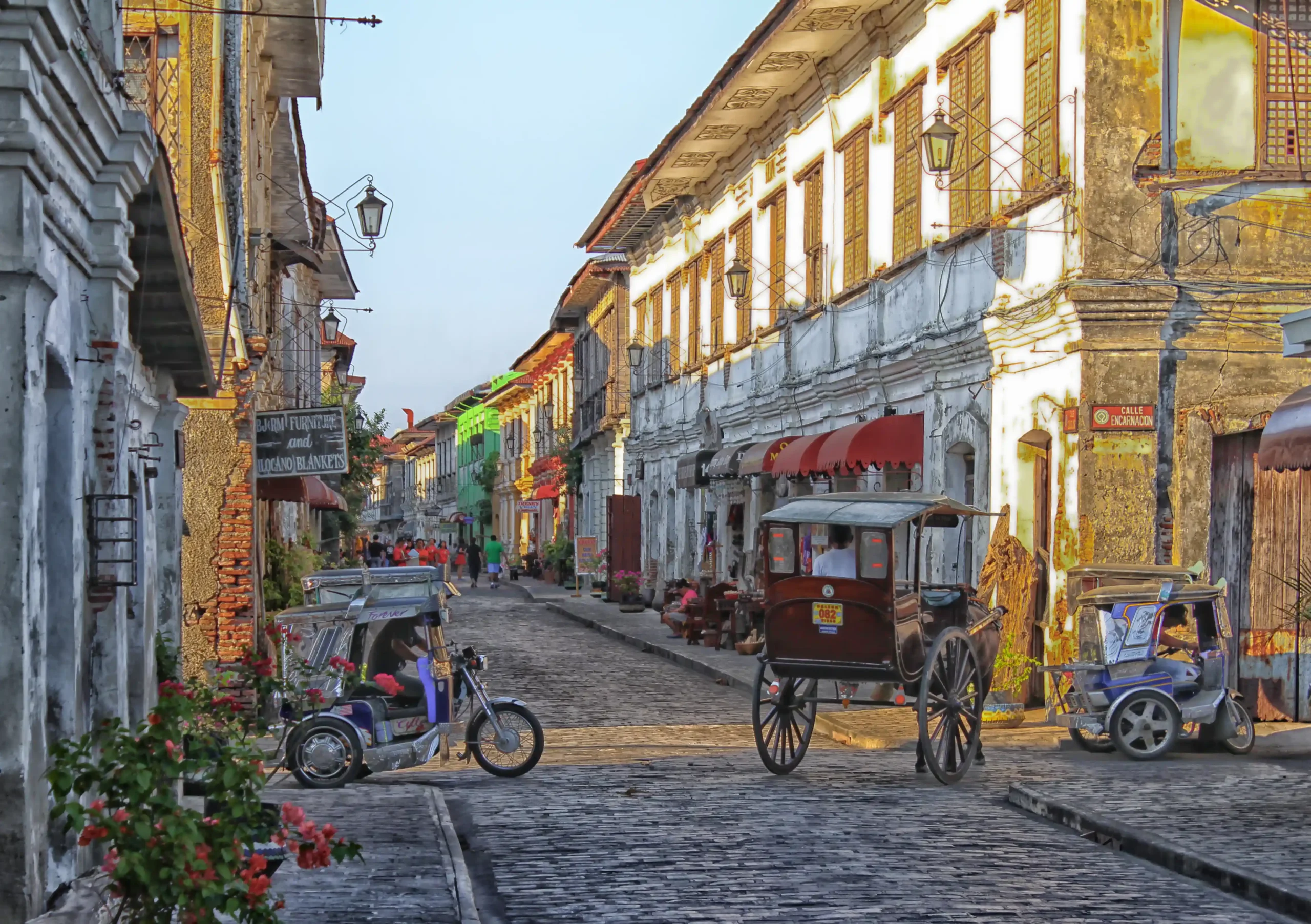
Vigan is one of the most intact Spanish colonial towns in Asia and a UNESCO World Heritage Site, which means walking its streets genuinely feels different from other heritage destinations in the country. One of its main attractions is Calle Crisologo, a stretch of two-story bahay na bato houses now occupied by antique shops, cafes, and the occasional family still living on the upper floors. The plaza in front hosts the Viva Vigan Binatbatan Festival of the Arts every May, which makes this a particularly good time to visit.
Las Casas Filipinas De Acuzar, Bataan
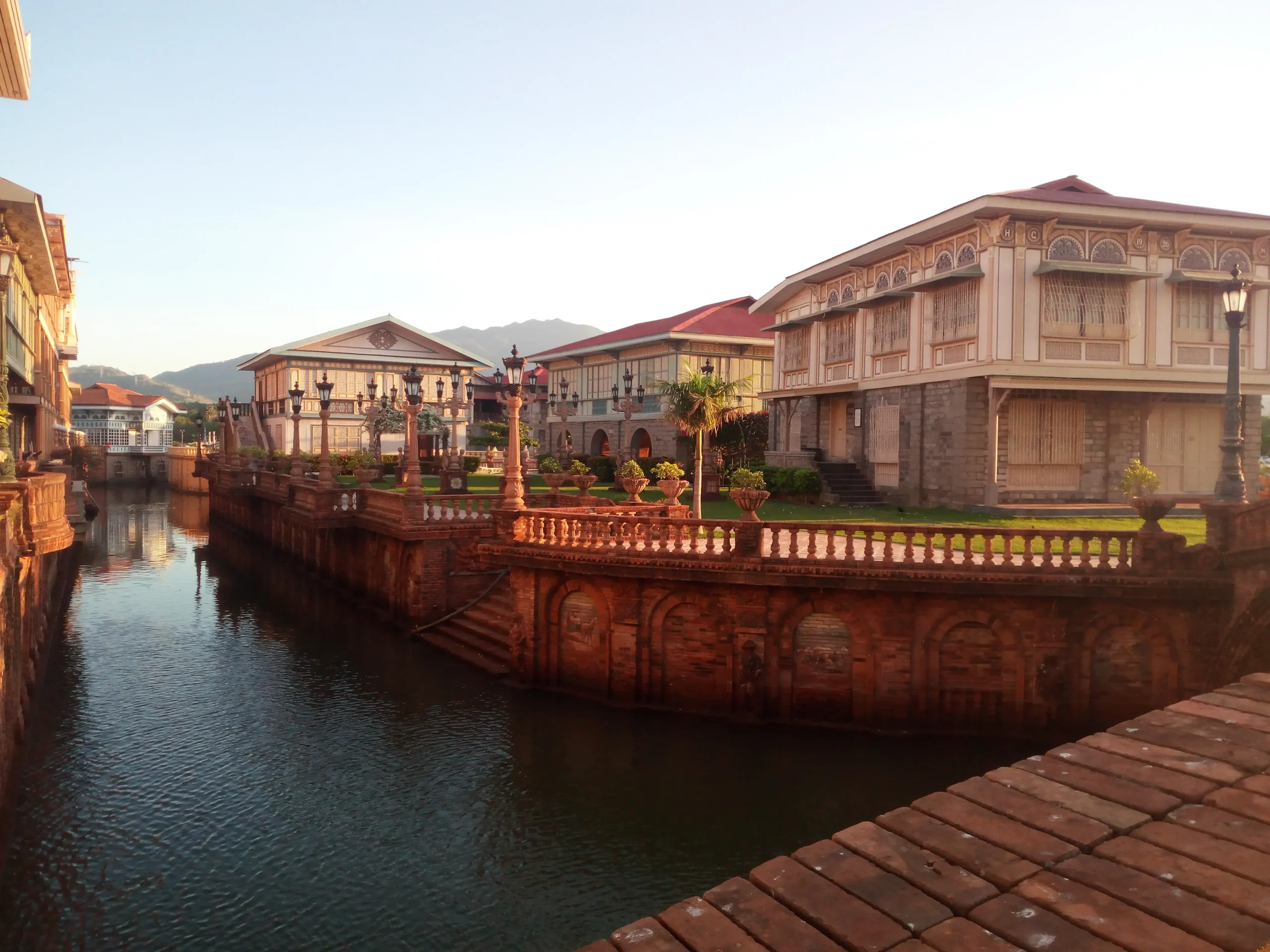
Las Casas isn’t a heritage town in the traditional sense. It’s a resort in Bataan composed of 18th and 19th century houses from across the Philippines, which were transported and rebuilt along a seaside compound designed to resemble a colonial-era street. The result is a destination that melds a living museum with the comforts of a hotel.
Casa Candaba is one of the most recognizable structures on the property: it was originally the Spanish governor’s residence in Pampanga, with a heavy stone base and carved wooden details that are about as textbook bahay na bato as it gets. Other houses on the grounds show a wider range of Spanish-Filipino architectural styles, including some with Moorish-influenced details and wrought-iron balconies. Horse-drawn traps run along the cobblestone lanes, and guests can stay overnight in the restored houses.
Daraga, Albay
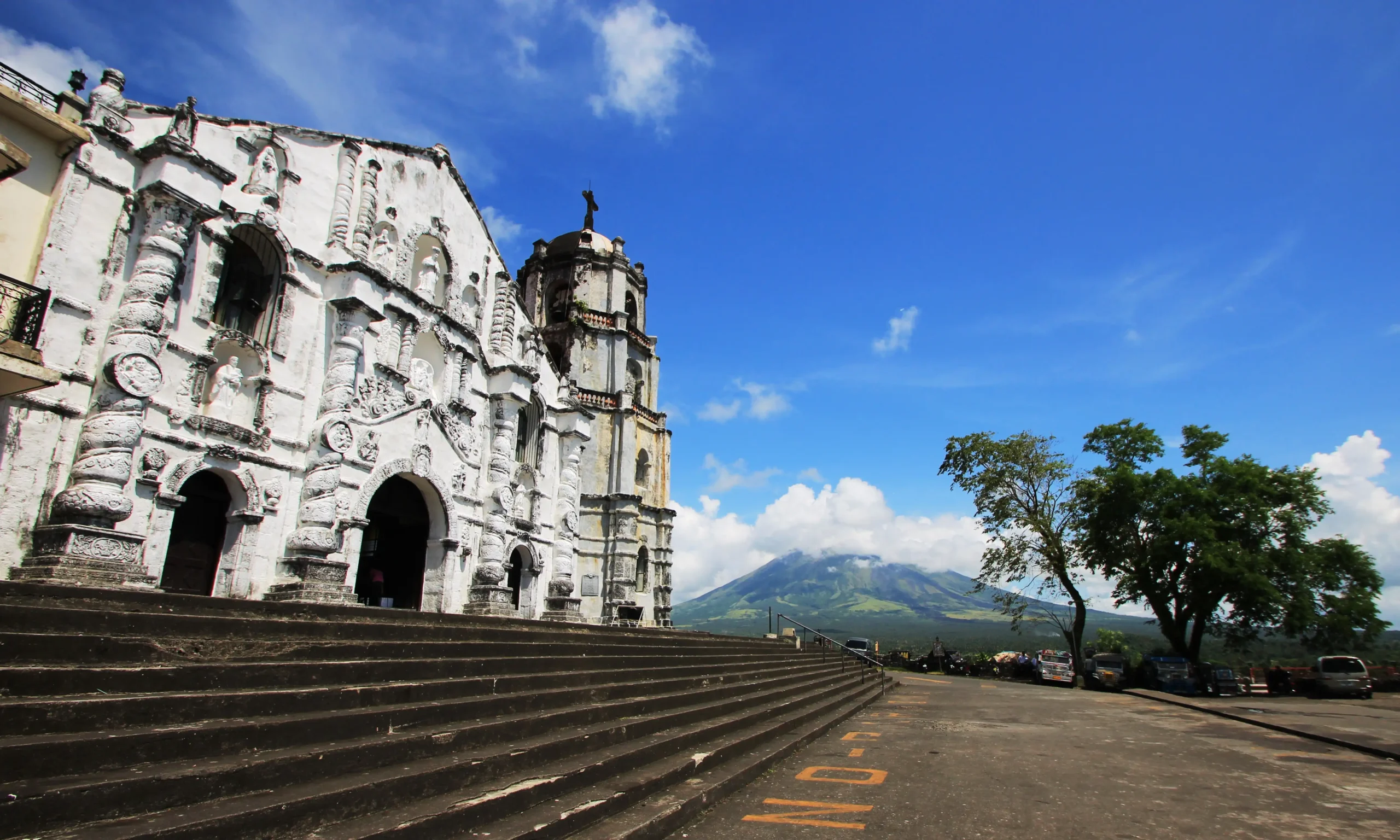
Daraga doesn’t look like a heritage town at first glance, but its history runs deep and is tied to one of the country’s most dramatic natural events. The town exists largely because of the 1814 eruption of Mayon Volcano, which buried the nearby town of Cagsawa under volcanic debris, forcing survivors to relocate and rebuild their civic and religious life in Daraga.
The ruins of the Cagsawa Church, with Mayon looming behind them, are now one of the most photographed spots in the Bicol region. Daraga Church itself, built on higher ground after the eruption, is a well-preserved example of Baroque architecture and still functions as an active parish. The town isn’t lined with ancestral houses the way Vigan or Silay is, but what it offers is a clearer picture of how colonial-era communities rebuilt after catastrophe.
Silay, Negros Occidental
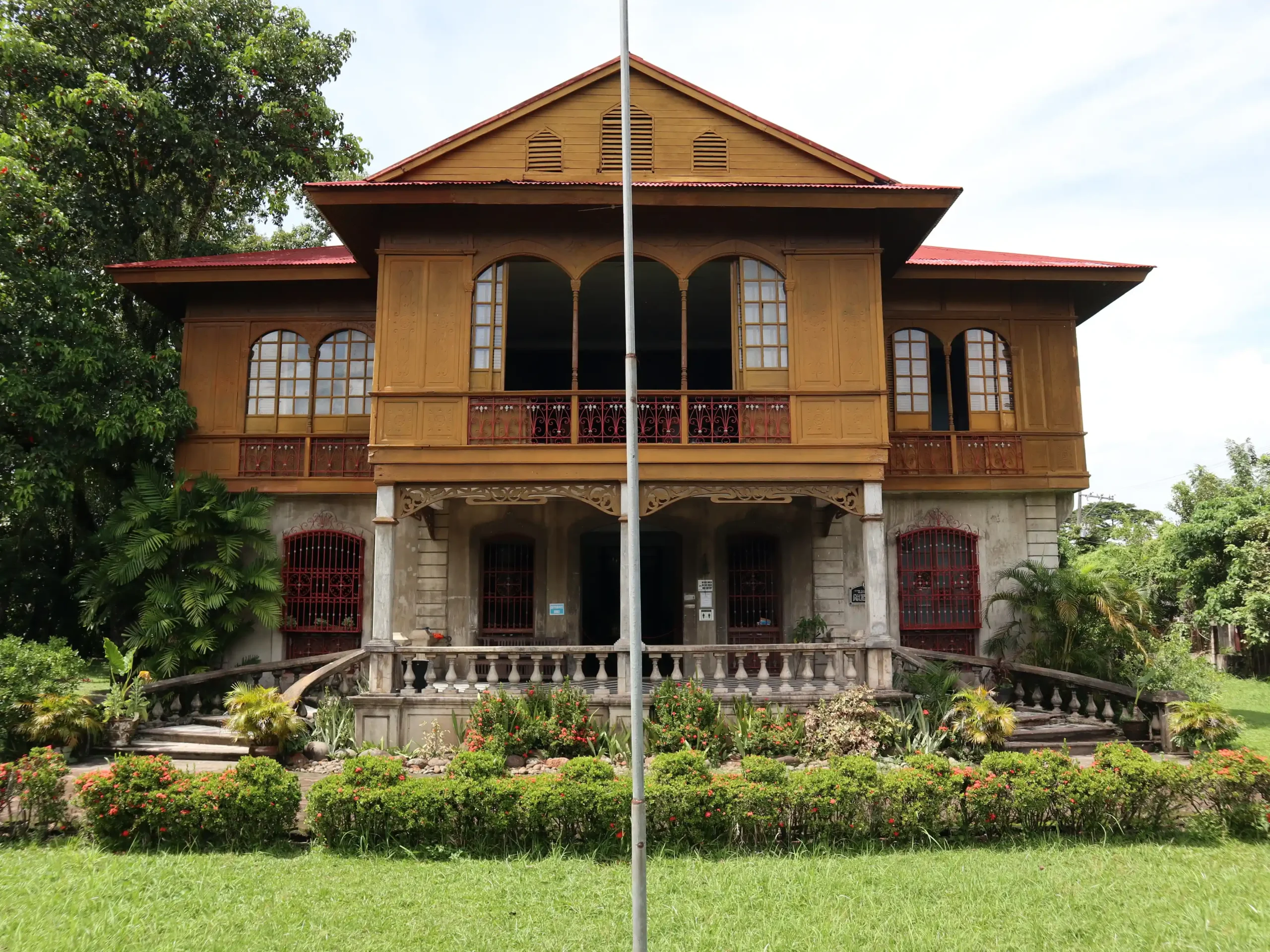
Silay is often called the “Paris of Negros,” a nickname rooted in the copious amounts of wealth its sugar industry brought to the region in the late 19th and early 20th centuries—and with that wealth came an equally rich cultureCultureshared traditions, beliefs, values, customs, arts, and social practices that define the identity and way of life of a community, society, or nation.Go to Culture Glossary. The city has over 30 officially recognized heritage houses concentrated along its main streets, many of them still standing in good condition.
Balay Negrense, built by the son of a French-Filipino sugar baron, is now a museum and one of the best places in the country to get a clear picture of how the ilustrado class actually lived, with period furniture and interiors that have been carefully preserved. The Bernardino Jalandoni Museum next door is another grand mansion open to visitors, too.
Taal, Batangas
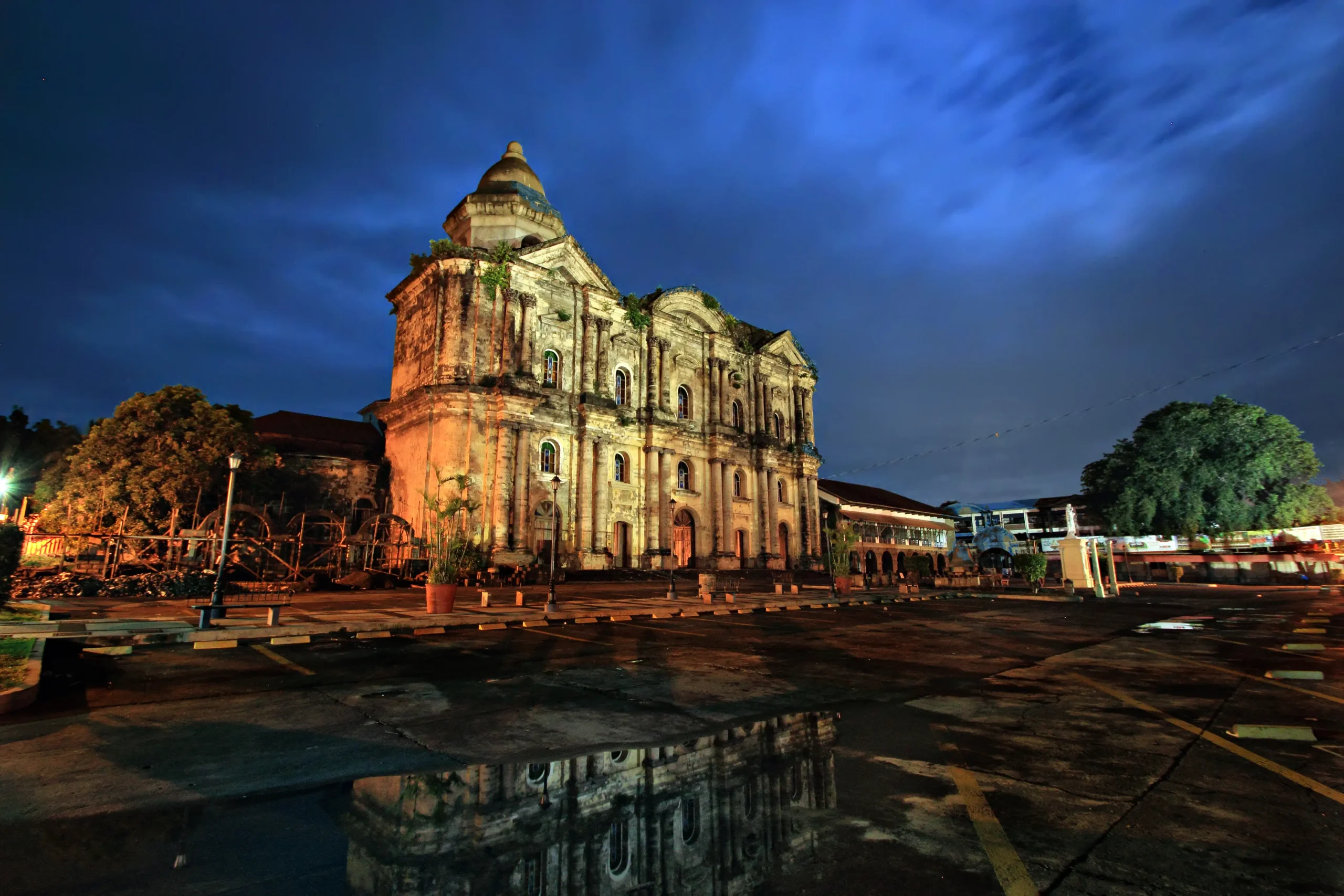
Sitting near its namesake lake, Taal has one of the highest concentrations of ancestral houses in the Philippines. Unlike some heritage towns where the old buildings have been converted into shops or left empty, many here are still occupied by the families who built them. The Constantino Mansion is the most cited example, often described as the tallest bahay na bato in the country.
Other houses along Calle San Nicolas and Calle Real have been partially opened as museums or homestays, with the usual markers of the period like capiz shell windows, shell chandeliers, and antique furniture arranged the way they would’ve been when the houses were first lived in. The Basilica of Saint Martin of Tours sits in the town plaza and is one of the largest churches in Asia.
Photos from Wikimedia Commons
Frequently Asked Questions
Some of the top heritage destinations include Vigan, Daraga, Silay, and Taal, as well as Las Casas Filipinas de Acuzar. These places preserve Spanish-era architecture, ancestral homes, and historic streetscapes that offer a glimpse into the country’s past.
Vigan stands out as one of the most intact Spanish colonial towns in Asia, with cobblestone streets like Calle Crisologo lined with bahay na bato houses. Other towns offer different historical perspectives: Daraga reflects post-eruption rebuilding after the 1814 Mayon event, Silay showcases wealth from the sugar industry through preserved mansions, and Taal features one of the highest concentrations of ancestral homes still in use today.
Visitors can walk through preserved streets, explore museums like Balay Negrense, visit landmarks such as Basilica of Saint Martin of Tours, and even stay in restored colonial houses at Las Casas Filipinas de Acuzar. Seasonal events like the Viva Vigan Binatbatan Festival of the Arts in May also make these towns especially vibrant during National Heritage Month.
The article highlights five: Vigan in Ilocos Sur (a UNESCO World Heritage Site), Las Casas Filipinas de Acuzar in Bataan, Daraga in Albay, Silay in Negros Occidental, and Taal in Batangas — each preserving distinct layers of Spanish colonial and ilustrado history.
Taal, Batangas, has one of the highest concentrations of ancestral homes in the country, with many still occupied by the families who built them. Silay, Negros Occidental, also stands out with over 30 officially recognized heritage houses, several of which are open to visitors as museums.