
Packing with intent for a music festival reduces small problems before they start.
There’s a reason some music festival weekends feel smooth while others turn into a series of small, avoidable problems. Preparation determines the difference. The right bag, packed with intent, supports everything from comfort to safety across long days outdoors; so here’s a practical guide to what belongs in that bag.
READ ALSO: The Asian Music Festivals You’d Actually Want To Attend
Start With The Bag
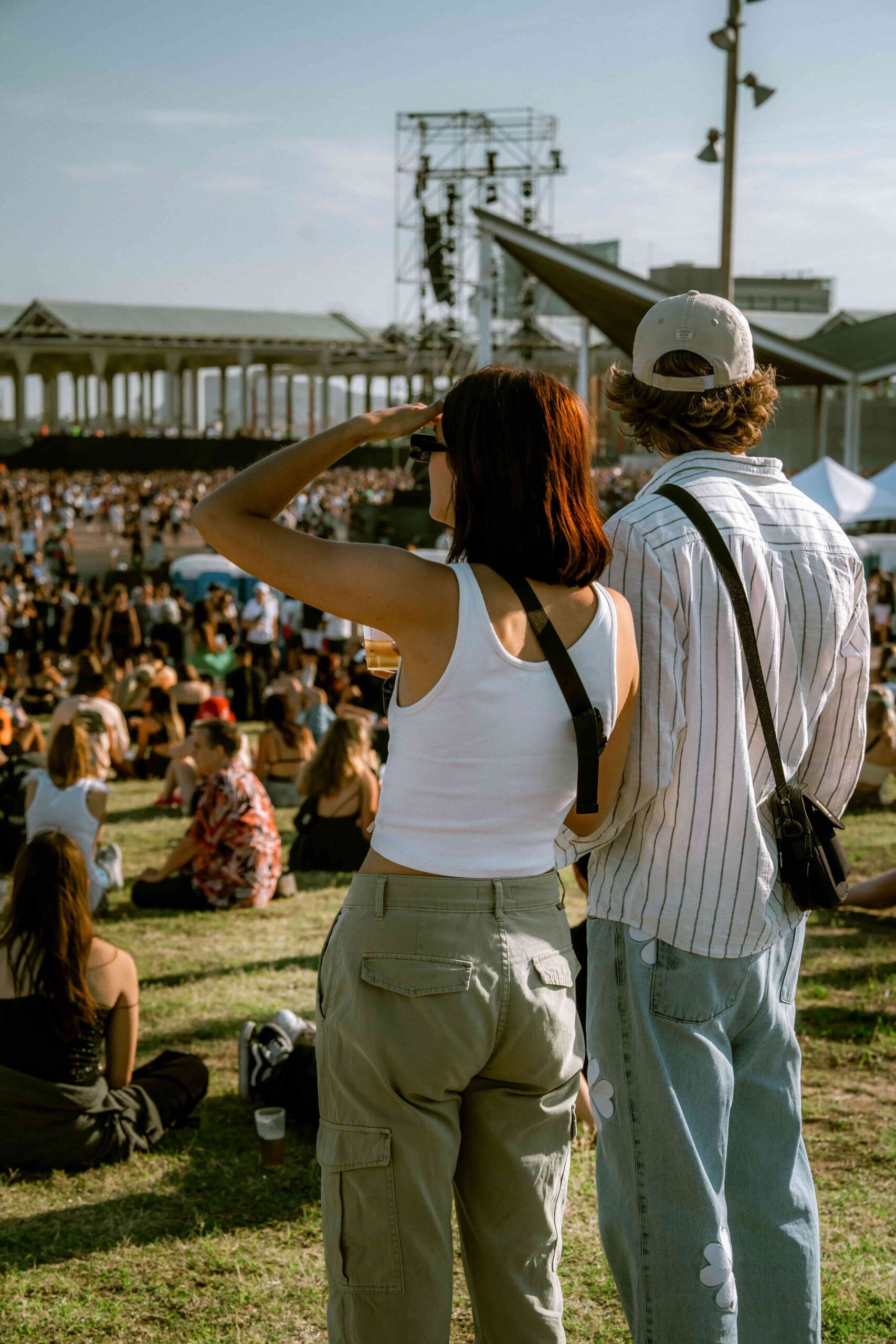
Your choice of bag sets the tone for the entire experience. A compact crossbody or belt bag keeps essentials within reach in crowded spaces. Use it for your phone, cards, cash, and a few small items. For everything else, bring a lightweight daypack. It should be large enough for a change of clothing, sunscreen, and a reusable water bottle, yet small enough to carry for hours without strain. Avoid tote bags as they lack structure, slip off easily, and become inconvenient almost immediately in dense crowds.
Protect Your Skin Early And Often
Sun exposure is constant at outdoor festivals. A broad-spectrum SPF 50 is necessary, and formats like sticks or compacts make reapplication simple throughout the day. Bring more than you expect to use. Conditions change, and reapplication matters. A setting spray with SPF offers a quick way to refresh without disrupting makeup. Lip balm with sun protection also deserves a spot in your kit; it’s frequently overlooked and quickly missed once the day stretches on.
Choose Your Footwear Wisely
Footwear decisions have lasting consequences at festivals. Wear shoes you’ve already broken in, as long hours on uneven ground amplify even minor discomfort. Reliable options include worn-in sneakers, sturdy sandals with support, or durable boots.
Stay Powered And Connected
A portable battery pack with high capacity keeps your phone functional throughout the day. Navigation, communication, documentation, and event schedules all depend on it. It also helps to bring a charging cable that you know works reliably.
Signal strength is often inconsistent at large events, so save key information offline. Screenshots of the lineup, maps, and meeting points reduce dependence on connectivity.
Carry Only What You Need
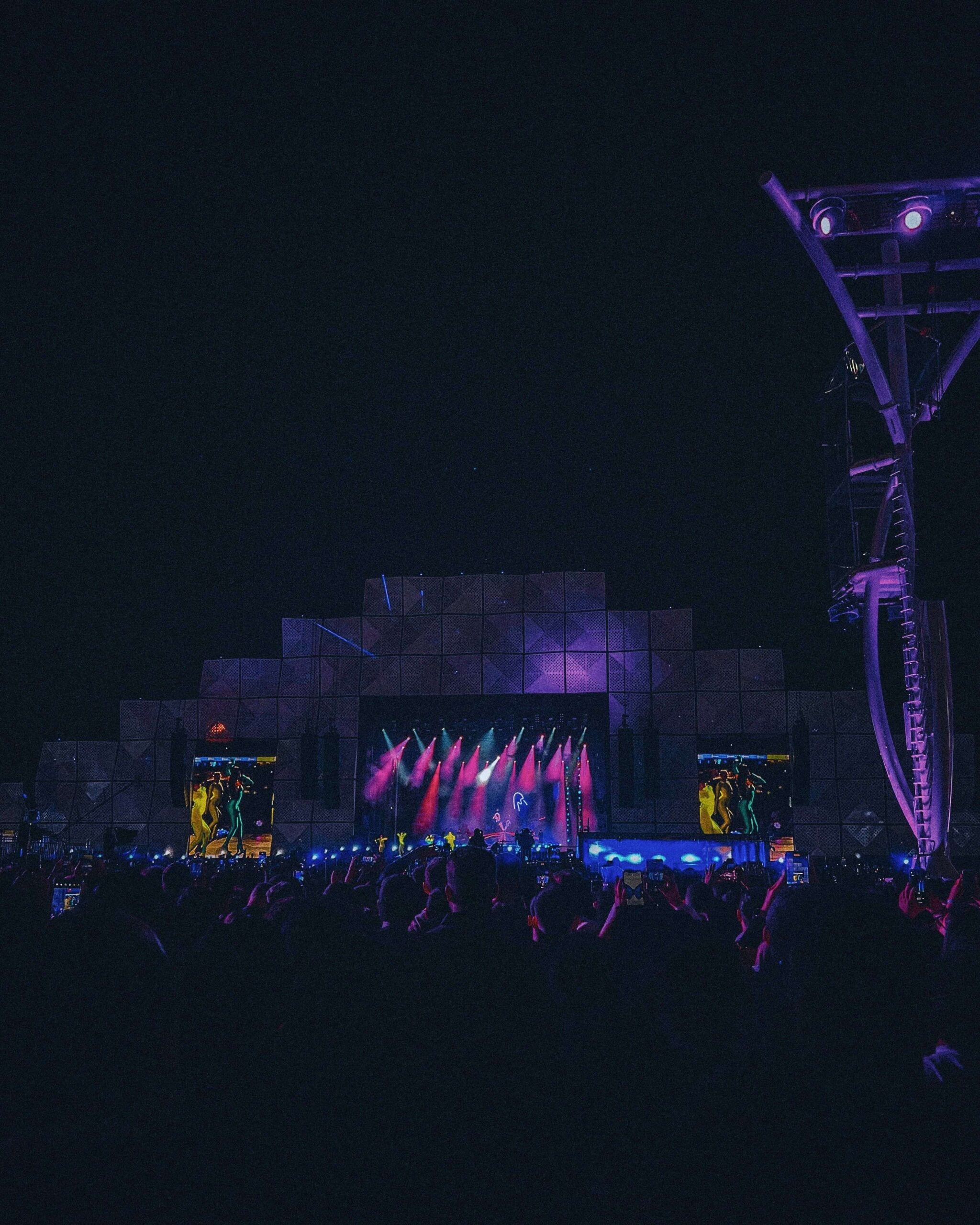
Limit what you keep on your person. Bring your identification, one payment card, and a small amount of cash. Leave the rest behind. A small pouch for essentials adds practical value. Include basic medication, plasters, and hand sanitizer. Earplugs are also worth prioritizing. Quality earplugs preserve sound clarity while protecting hearing during extended exposure to loud music.
Plan For Separation
Groups tend to split up, often unintentionally. Establish a clear, physical meeting point before the day begins. Choose a landmark that’s easy to find and remains visible at night. When mobile service fails, this simple plan prevents unnecessary stress and confusion.
Preparation Supports The Experience
A well-packed bag doesn’t guarantee a perfect weekend, but it removes many of the predictable obstacles. Comfort improves, small problems stay manageable, and attention stays where it belongs. Pack with intention, keep your load practical, and leave space for anything you pick up along the way.
Banner image features people enjoying a lively music festival with a colorful tower and Ferris wheel backdrop, photography by Benjamin Farren, courtesy of Pexels
Frequently Asked Questions
Bring a small crossbody or belt bag for valuables and a lightweight daypack for everything else. Avoid tote bags because they’re harder to manage in crowds.
Yes. Use a broad-spectrum SPF 50 and reapply throughout the day since you will be outdoors for long periods.
Wear comfortable shoes that are already broken in, such as sneakers, boots, or supportive sandals. If rain is expected, choose waterproof footwear.
Yes. A high-capacity portable battery pack helps keep your phone charged for navigation, communication, and schedules.
Essentials include a compact crossbody or belt bag, a lightweight daypack, broad-spectrum SPF 50, broken-in footwear, a high-capacity portable charger, earplugs, basic medication, and a small amount of cash. Keeping your load practical lets you focus on the experience instead of managing avoidable problems.